Last Updated on November 26, 2025 by Bilal Hasdemir
Gallbladder disorders are a big problem worldwide. They affect many people with digestive issues. The gallbladder, a small organ shaped like a pear, is under the liver. It stores bile, a fluid that helps break down fats.
Knowing about gallbladder function is key for those with gallbladder disease symptoms. While seeing a doctor is important, you can also do tests at home. These tests can give you a first look at your gallbladder’s health.
Key Takeaways
- At-home tests can help assess gallbladder function.
- Practical steps can be taken to check gallbladder health.
- Leading hospitals like Liv Hospital recommend certain tests.
- Gallbladder disorders are a common cause of digestive issues.
- Understanding gallbladder function is vital for diagnosis.
Understanding Your Gallbladder and Its Function
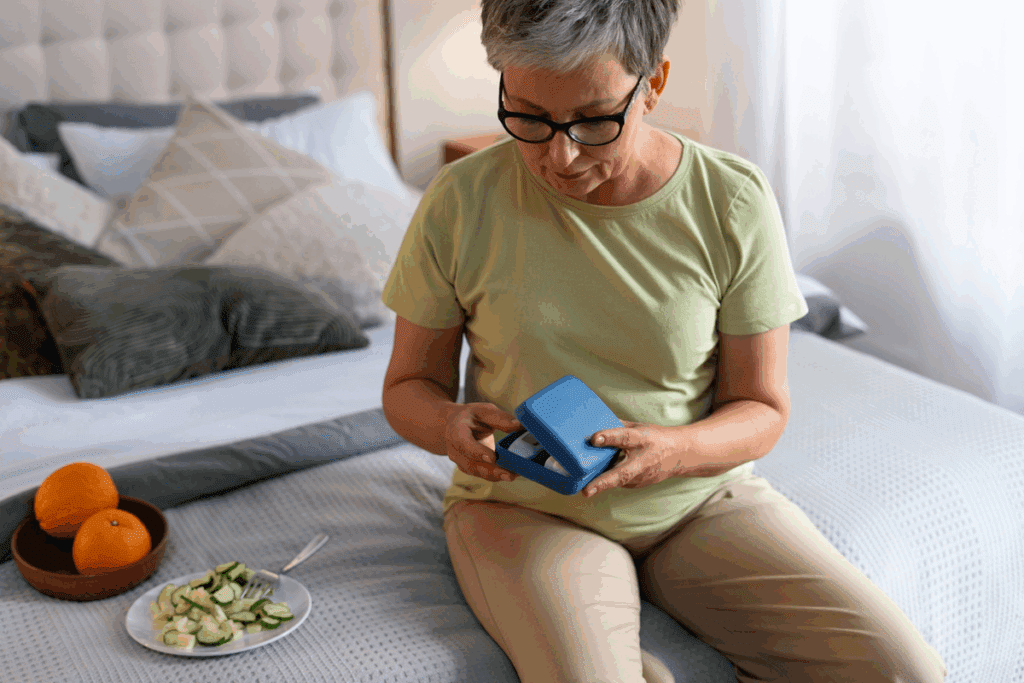
Learn how to check gallbladder function at home and when to seek professional diagnosis. To know how to check your gallbladder, you first need to understand its role in digestion. The gallbladder is a small, pear-shaped organ under the liver. It plays a key role in digestion.
The gallbladder stores bile, a digestive fluid made by the liver. Bile helps break down fats in the small intestine. Knowing this helps spot gallbladder problems.
The Role of the Gallbladder in Digestion
The gallbladder holds bile until it’s needed. When fatty foods enter, the gallbladder releases bile. This bile helps break down fats for easier digestion.
Without a working gallbladder, digesting fats becomes hard. Doctors say, “The gallbladder is vital for digestion. Its problems can cause a lot of discomfort and health issues.”
“The gallbladder is a key part of the biliary system. It’s essential for fat digestion.”
Gastroenterology Insights
Common Gallbladder Disorders and Their Prevalence
Gallstones, cholecystitis, and biliary dyskinesia are common gallbladder problems. Gallstones, hard bile deposits, affect millions globally.
| Disorder | Description | Prevalence |
| Gallstones | Hardened deposits of bile | 15% of adults in the US |
| Cholecystitis | Inflammation of the gallbladder | Commonly associated with gallstones |
| Biliary Dyskinesia | Dysfunction in gallbladder contraction | Less common, often diagnosed after ruling out gallstones |
Risk Factors for Gallbladder Disease
Several factors raise the risk of gallbladder disease. These include obesity, a high-fat diet, and certain health conditions. Knowing these risks helps prevent problems.
- Obesity
- High-fat diet
- Certain medical conditions like diabetes
- Family history of gallstones
Knowing the risks and how the gallbladder works is key. It helps keep it healthy and spot problems early.
Recognizing Possible Gallbladder Issues
Knowing the signs of gallbladder problems is the first step. The gallbladder is key to digestion. Any issues can cause a lot of pain and health problems.
Classic Symptoms of Gallbladder Problems
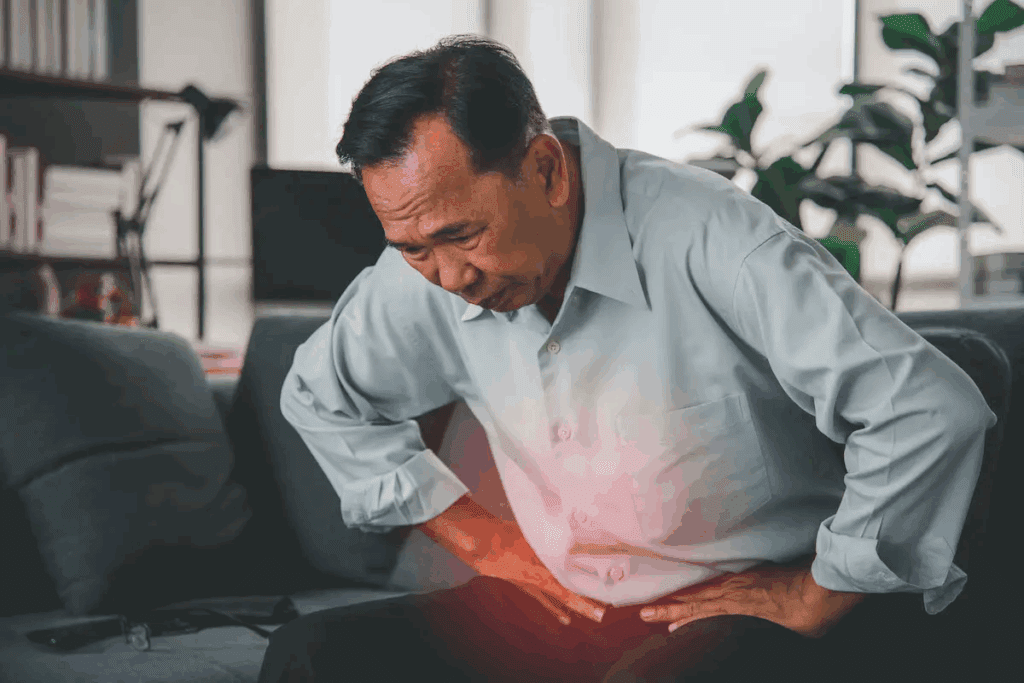
Gallbladder issues show up in specific ways. You might feel sharp pain in the upper right, nausea, and vomiting. These signs can change based on the problem.
The pain from gallbladder issues is sharp and stabbing. It might spread to the back or right shoulder. Eating fatty foods can make it worse.
| Symptom | Description |
| Upper Right Abdominal Pain | Sharp, stabbing pain that may radiate to the back or right shoulder |
| Nausea and Vomiting | Feeling queasy or vomiting, specially after eating fatty foods |
| Fever and Chills | Presence of fever and chills may indicate an infection |
Differentiating Gallbladder Pain from Other Conditions
Telling gallbladder pain from other belly issues is important. Gallbladder pain is often mixed up with things like gastritis, ulcers, or heart problems.
Key Differentiators:
- Location: Gallbladder pain is usually in the upper right abdomen.
- Triggers: Pain often happens after eating fatty meals.
- Duration: The pain can last from a few minutes to several hours.
Knowing these differences helps people figure out if their gallbladder is the problem.
How to Check Gallbladder Function at Home
You can check your gallbladder function at home with simple steps. These methods help spot issues early and know when to see a doctor.
Self-Assessment of Symptoms and Triggers
Start by checking your symptoms and what might cause them. Look out for any stomach pain or discomfort after eating fatty foods. This could mean your gallbladder is not working right.
Write down when your symptoms happen and what you ate or did before. This helps find patterns and what might be causing the problems.
Food Journal Method for Tracking Reactions
Keeping a food journal is a good way to see how your body reacts to food. Write down what you eat and any symptoms that follow. This can show which foods might be causing gallbladder issues.
For instance, if you always get pain after eating fatty foods, it might mean your gallbladder is not working well.
Modified Murphy’s Sign Self-Test
You can try a modified Murphy’s Sign at home to check for gallbladder problems. Lie on your back and take a deep breath in, then exhale and hold while pressing your right upper abdomen. If you feel tenderness or pain, it could mean your gallbladder is not okay.
Remember, this test is not a sure way to diagnose problems. Use it along with other self-checks to get a better idea.
Dietary Tests to Assess Gallbladder Response
Knowing how your diet affects your gallbladder is key to managing its health. Dietary tests help you see how your gallbladder reacts to different foods. This way, you can spot foods that might cause problems.
Fat Challenge Test
The Fat Challenge Test is a simple way to check if your gallbladder can handle fatty foods. You eat a high-fat meal and watch how your body reacts. Symptoms like pain in the upper right abdomen, nausea, and indigestion are signs your gallbladder might be struggling.
“The fat challenge test is a good way to see how your gallbladder handles fatty foods,” says a gastroenterology expert. “But remember, too much fat can cause serious symptoms. Know your limits.”
Food Elimination Method
The Food Elimination Method is another useful test. You remove foods that might cause problems from your diet for a few weeks. Then, you add them back one at a time to see how you react. Foods to avoid include fatty or fried foods, dairy, and spicy foods.
- Keep a food diary to track what you eat and any symptoms you experience.
- Eliminate suspected trigger foods for 2-3 weeks.
- Reintroduce foods one at a time, monitoring for symptoms.
Interpreting Your Body’s Reactions to Different Foods
It’s important to understand how your body reacts to different foods. Notice any changes in symptoms when you eat certain foods. For example, if fatty foods always make you uncomfortable, it might mean your gallbladder is not working right.
Staying away from fatty foods can help ease gallbladder disease symptoms. Making smart food choices can help your gallbladder work better.
Using these dietary tests can give you important insights into your gallbladder health. This knowledge helps you make better food choices. It can also lower the chance of gallbladder problems.
Physical Self-Examination Techniques
Simple physical maneuvers can help you check your gallbladder function at home. These techniques, when combined with tracking symptoms and watching your diet, can give you a full picture of your gallbladder health.
Locating and Assessing Gallbladder Pain
The gallbladder is in the upper right abdomen, just below the liver. To check for gallbladder pain, gently press your fingers into this area. Tenderness or pain in this region can mean gallbladder disease. It’s key to tell the difference between gallbladder pain and other stomach issues.
Checking for Referred Pain Patterns
Gallbladder problems can sometimes cause pain in other parts of the body. Common places include pain between the shoulder blades or in the right shoulder. Watching these areas can give more clues about gallbladder function. Keep track of when you feel pain and what might cause it.
Monitoring Post-Meal Symptoms
Watching for symptoms after eating can help understand your gallbladder. Fatty meals, in particular, can make the gallbladder contract. Note any discomfort, nausea, or pain after eating, but watch it more after fatty or greasy foods. This info can help you see how well your gallbladder is working.
How to Test for Gallstones at Home
Home tests for gallstones have their limits. Knowing the symptoms can lead you to get a medical check-up. Gallstones can cause a lot of pain and serious problems if not treated.
Limitations of Home Assessment for Gallstones
Home tests for gallstones are not reliable. Imaging tests like ultrasounds are needed for a sure diagnosis. But, knowing the symptoms can guide you to see a doctor.
Home tests can track symptoms like pain after eating fatty foods. This pain, called biliary colic, happens when a stone blocks the bile duct.
Tracking Stone-Related Symptoms
To spot gallstone issues at home, watch for certain symptoms:
- Severe pain in the upper right abdomen
- Pain that spreads to the right shoulder or back
- Nausea and vomiting, mainly after eating fatty foods
- Discomfort that gets worse over time
Keeping a symptom journal can show patterns and triggers. This info is useful for your doctor.
When to Suspect Gallstones vs. Other Conditions
Telling gallstone pain from other belly issues is hard. Here’s a table to help:
| Symptom | Gallstones | Other Conditions |
| Pain Location | Upper right abdomen, radiating to right shoulder or back | Varies (e.g., lower abdomen for appendicitis) |
| Pain Trigger | Often triggered by fatty meals | Various triggers or constant pain |
| Nausea and Vomiting | Common, specially after fatty meals | Can happen in many conditions |
Knowing these differences helps you decide when to see a doctor.
Understanding the Limitations of Home Testing
Home tests can give insights into gallbladder health, but they have big limits. They are not a full replacement for a doctor’s check-up. Yet, they can help spot possible problems early on.
What Home Tests Cannot Detect
Home tests for gallbladder health can’t find all issues. They can’t tell for sure if you have gallstones or other serious problems. These tests don’t give a full picture of gallbladder health, so be careful with their results.
For example, home tests might miss:
- Small gallstones that don’t cause symptoms
- Gallbladder inflammation or infection
- Biliary duct obstruction
Potential Risks of Self-Diagnosis
Using home tests to guess your gallbladder health can lead to wrong conclusions. Without medical training, you might not understand your symptoms or test results. This could mean missing serious health issues.
The dangers include:
- Thinking symptoms are more or less serious than they are
- Blaming symptoms on the wrong thing
- Not getting medical help when you should
The Importance of Professional Confirmation
Getting a doctor’s opinion is key to knowing what’s wrong with your gallbladder. Doctors use many tools like exams, scans, and lab tests to figure out what’s going on.
Getting a doctor’s confirmation is vital. It makes sure any diagnosis or treatment plan is based on a full understanding of your health.
Complementary Approaches to Home Assessment
Even though home tests have limits, they can help keep an eye on gallbladder health. Keeping a symptom journal, tracking how food affects you, and noticing changes in your body can help doctors understand your situation better.
By using home tests alongside a doctor’s evaluation, you can get a clearer picture of your gallbladder health. This helps you make better choices about your care.
When to Seek Professional Medical Evaluation
Knowing when to see a doctor about gallbladder issues is key. Self-checks and home tests can help, but some situations need a doctor’s care.
Warning Signs That Require Immediate Attention
Certain symptoms mean you should see a doctor right away. These include:
- Severe abdominal pain that may spread to the back or right shoulder
- Fever with abdominal pain, which could mean an infection
- Jaundice, or yellow skin and eyes, which suggests a bile duct blockage
- Vomiting blood or severe nausea and vomiting
If you have any of these symptoms, get medical help fast.
Persistent Symptoms That Warrant Investigation
Some symptoms, though not urgent, need a doctor’s check if they keep happening. These include:
- Recurring abdominal pain or discomfort, often after eating fatty foods
- Digestive problems like bloating, gas, or indigestion that don’t get better with common remedies
- Unexplained weight loss or loss of appetite
Watching these symptoms and talking to a doctor can find the cause.
Preparing for Your Doctor’s Appointment
Before your doctor visit, it’s good to:
- Keep a detailed symptom journal to track symptoms and triggers
- List any medications you’re taking, including how much
- Remember any family history of gallbladder or liver diseases
Having this info ready helps your doctor make a better diagnosis and treatment plan.
Professional Methods to Get Your Gallbladder Checked
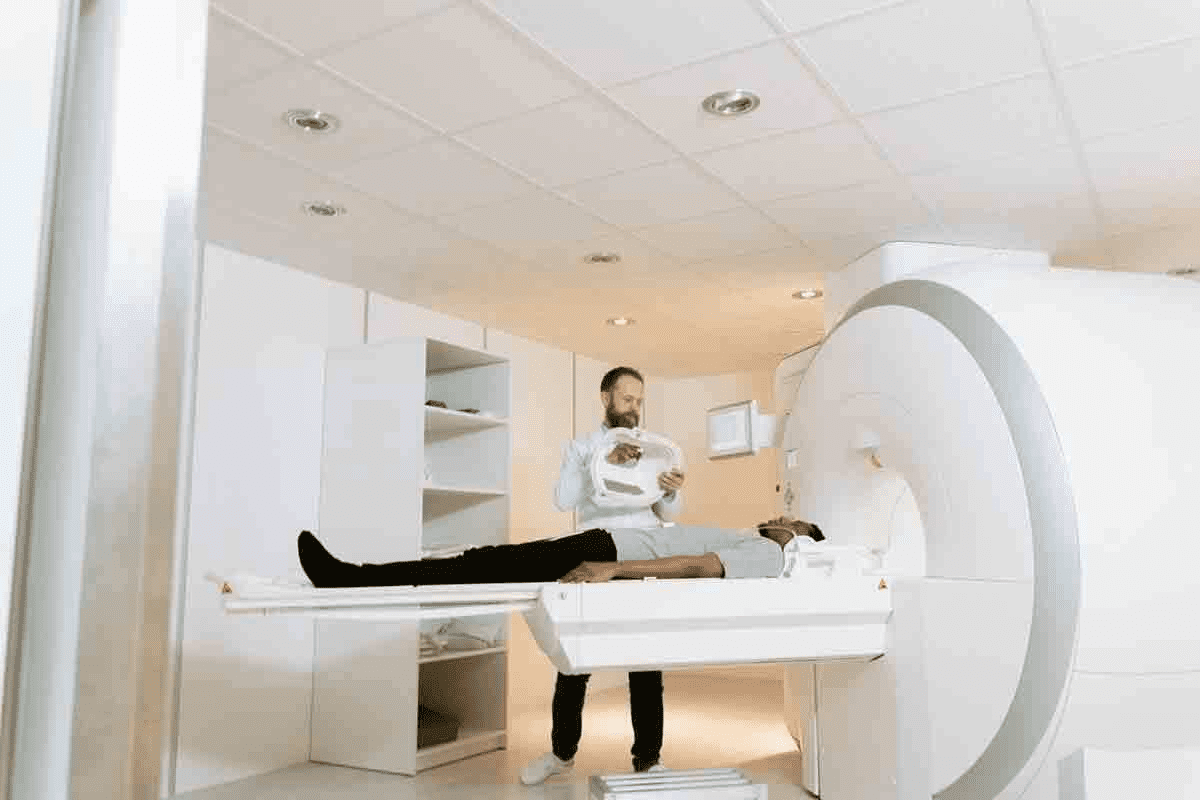
To check your gallbladder’s health, several professional methods are used. Home tests can give initial clues. But, a clear diagnosis often needs medical imaging and lab tests.
Ultrasound Examination
An ultrasound examination is a non-invasive test. It uses sound waves to see the gallbladder and nearby areas. It’s key for finding gallstones, inflammation, and other issues.
Before an ultrasound, you might need to fast for hours. This makes the gallbladder fuller and easier to see.
Blood Tests for Gallbladder Function
Blood tests check how well the gallbladder works. They look for signs of infection or inflammation. These tests measure enzymes and bilirubin levels, showing if there’s gallbladder disease.
- Liver function tests (LFTs)
- Complete Blood Count (CBC)
- Bilirubin levels
HIDA Scan and Other Advanced Diagnostics
A HIDA scan is a nuclear medicine test. It checks the gallbladder and bile ducts’ function and structure. It’s great for finding bile duct blockages and checking gallbladder work.
Other tests like CT scans, MRI, or endoscopic ultrasound might be needed. This depends on the suspected problem and further evaluation needs.
Interpreting Professional Test Results
A healthcare professional must interpret these test results. They look at your medical history, symptoms, and other test results. This helps them understand what the tests show.
| Diagnostic Test | Primary Use | Key Findings |
| Ultrasound | Detect gallstones and inflammation | Gallstones, gallbladder wall thickening |
| Blood Tests | Assess liver function and infection | Elevated liver enzymes, bilirubin levels |
| HIDA Scan | Evaluate gallbladder function and bile duct obstruction | Obstruction, non-visualization of the gallbladder |
It’s important to understand your test results. Your healthcare provider will explain what they mean. They’ll talk about the next steps for your gallbladder health.
Conclusion: Balancing Self-Assessment and Medical Care
Checking gallbladder function needs both self-checks and doctor visits. Home tests can give clues about gallbladder problems. But, they can’t replace a doctor’s diagnosis.
Using self-checks and doctor visits together helps keep you healthy. Knowing about the gallbladder and its problems is key. Home tests help you know when to see a doctor.
Doctors are vital for real diagnoses and treatment plans. They use tools like ultrasound and HIDA scans to check the gallbladder.
Combining self-checks with doctor visits is the best way to care for your gallbladder. This way, you can manage your health and get expert advice.
FAQ
How can I check my gallbladder function at home?
You can check your gallbladder function at home by tracking your symptoms. Use a food journal to see how different foods affect you. Also, try a modified Murphy’s sign self-test.
What are the classic symptoms of gallbladder problems?
Classic symptoms include pain in the upper right abdomen. You might also feel nausea or discomfort after eating fatty meals.
How do I differentiate gallbladder pain from other conditions?
Look for pain after eating, like fatty foods, and nausea or vomiting. The pain is usually in the upper right abdomen. It might also spread to the right shoulder.
What is the fat challenge test, and how is it performed?
The fat challenge test involves eating a high-fat meal. If you feel pain or discomfort, it could mean your gallbladder isn’t working right.
Can I test for gallstones at home?
Home tests for gallstones have limits. But, tracking symptoms like severe pain, nausea, and vomiting might suggest gallstones.
What are the limitations of home testing for gallbladder function?
Home tests can’t find all gallbladder problems. Self-diagnosis can lead to wrong conclusions. Always get a professional diagnosis.
When should I seek professional medical evaluation for gallbladder issues?
See a doctor right away for severe abdominal pain, persistent vomiting, or fever. Also, if your symptoms get worse over time, get checked.
What professional methods are used to diagnose gallbladder disease?
Doctors use ultrasound, blood tests for liver function, and HIDA scans. These tests help find gallbladder disease.
How do I prepare for a doctor’s appointment regarding gallbladder issues?
Write down your symptoms and when they happen. Include what triggers or helps them. Also, bring your medications and medical history.
What is a HIDA scan, and how is it used in diagnosing gallbladder disease?
A HIDA scan is a test that checks the gallbladder and bile ducts. It helps find blockages, inflammation, or other problems.
How do I check my gallbladder function through dietary changes?
Try changing your diet by avoiding fatty foods. Keep a food diary to see how different foods affect you.
What are the possible risks of self-diagnosis for gallbladder problems?
Self-diagnosis can lead to wrong conclusions and delayed diagnosis. It’s important to see a doctor for a correct diagnosis and treatment.
References
- “Evidence-based clinical practice guidelines for cholelithiasis 2021.” (2021). Journal of Hepato-Biliary-Pancreatic Sciences, https://www.ncbi.nlm.nih.gov/articles/PMC10423145/
- Acalovschi, M. (2020). The growing global burden of gallstone disease. World Gastroenterology Organisation Expert Viewpoint. https://www.worldgastroenterology.org/publications/e-wgn/e-wgn-expert-point-of-view-articles-collection/the-growing-global-burden-of-gallstone-disease
- Ziessman, H. A. (2014). Hepatobiliary scintigraphy in 2014. Journal of Nuclear Medicine, https://jnm.snmjournals.org/content/55/6/967