Last Updated on November 18, 2025 by Ugurkan Demir
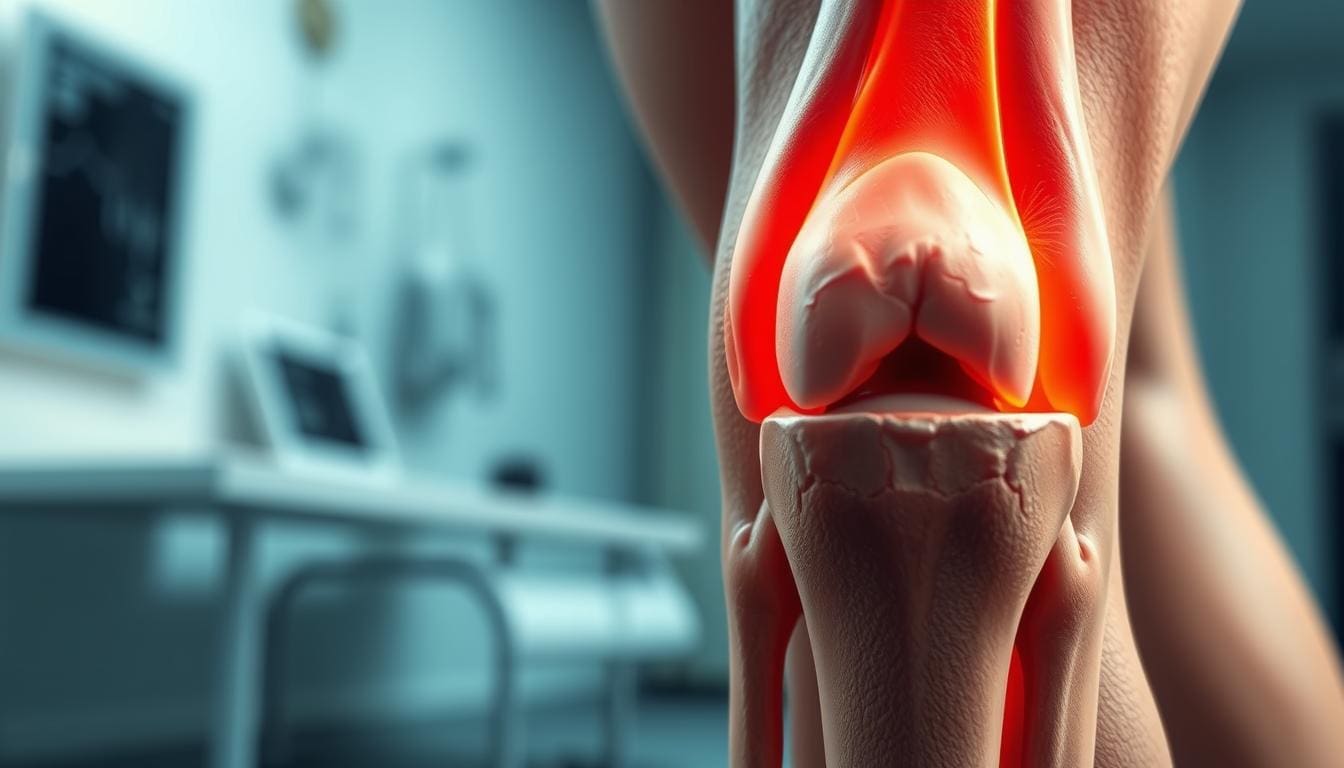
Dealing with arthritis in the knee can be tough. But, knowing about it and trying different treatments can really help. At Liv Hospital, we mix old and new ways to care for our patients.
At Liv Hospital, we focus on you. We make sure you get the right treatment for your needs.
Key Takeaways
- Understanding the causes and symptoms of arthritis in the knee is crucial for effective management.
- Liv Hospital offers a combination of modern and traditional treatment options for arthritis.
- Personalized care plans are developed to address the unique needs of each patient.
- Advanced treatments are available to alleviate arthritis knee symptoms.
- Our healthcare professionals are dedicated to providing compassionate and comprehensive care.
Understanding Knee Arthritis: Types and Causes
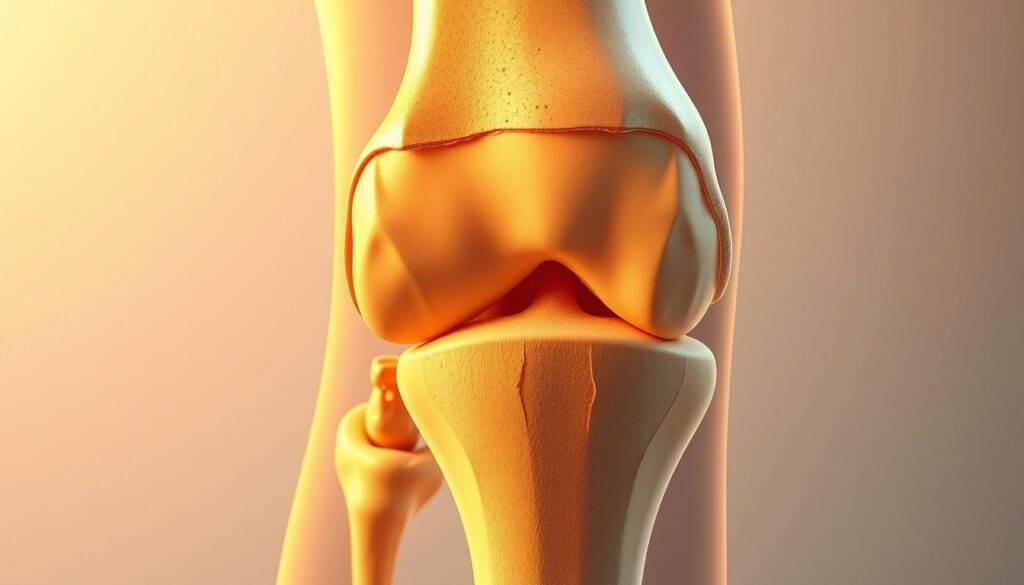
It’s important to know about knee arthritis to manage it well. Knee arthritis includes several conditions that affect the knee. These conditions cause pain, stiffness, and make it hard to move.
Osteoarthritis vs. Rheumatoid Arthritis in the Knee
Osteoarthritis (OA) and rheumatoid arthritis (RA) are common in the knee. Osteoarthritis happens when cartilage breaks down, causing bone-on-bone contact and pain. On the other hand, RA is an autoimmune disease that inflames the joint lining, damaging cartilage and bone.
Osteoarthritis is often due to wear and tear, age, and being overweight. Rheumatoid arthritis is linked to genetics and immune system problems.
Risk Factors for Developing Knee Arthritis
Several factors can lead to knee arthritis. These include:
- Age: The risk of OA goes up with age.
- Obesity: Being overweight adds stress to the knee.
- Genetics: A family history of arthritis raises the risk.
- Previous injuries: Knee trauma can cause OA.
- Gender: Women are more likely to get RA.
Knowing these risk factors can help prevent or delay knee arthritis.
The Process of Cartilage Degeneration in Arthritic Knees
Cartilage degeneration is key in knee arthritis, especially OA. Cartilage breaks down gradually, leading to less cartilage and thinner cartilage in the knee. This happens due to mechanical stress, enzymatic degradation, and poor repair.
As cartilage breaks down, the knee gets inflamed. This leads to more pain and stiffness. Knowing this process helps in finding better treatments.
Recognizing Arthritis Knee Symptoms
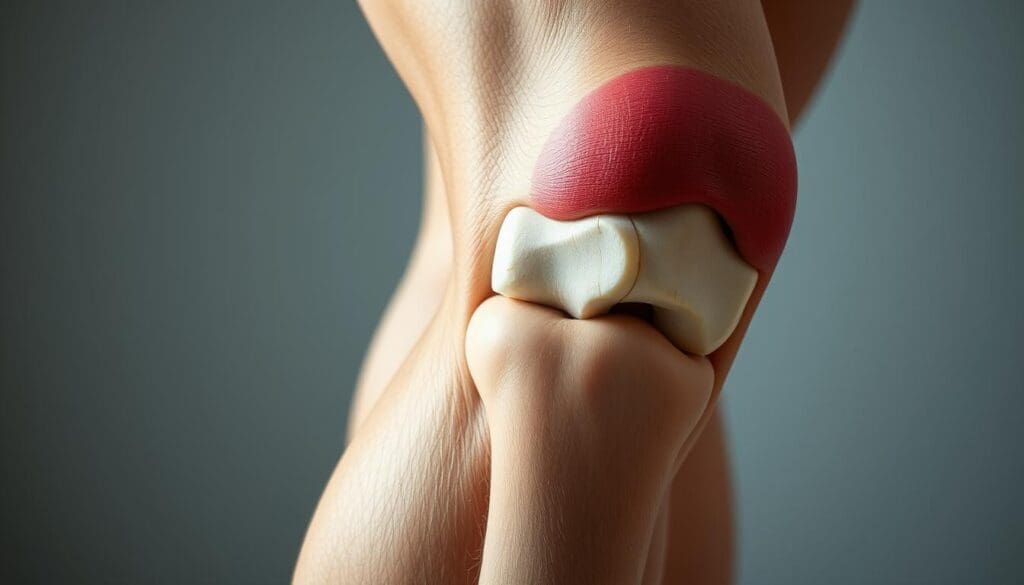
Spotting knee arthritis symptoms early can greatly improve treatment and life quality. We’ll cover common signs and symptoms. This will help you know when to see a doctor.
Early Warning Signs of Knee Arthritis
The first signs of knee arthritis are pain, stiffness, and limited mobility. You might feel pain when walking, climbing stairs, or standing up. Stiffness, especially after rest, is also common.
- Pain that worsens with activity
- Swelling or redness around the knee
- A feeling of warmth or tenderness
- Grinding or crunching sensations when moving the knee
How Symptoms Progress Over Time
As knee arthritis gets worse, symptoms get more severe and frequent. Pain may last longer, and stiffness can limit movement. Watching these changes and talking to a doctor is key to adjusting treatment.
Progressive symptoms may include:
- Increased pain during rest
- Reduced ability to perform daily activities
- Deformity or instability of the knee joint
Specific Symptoms of Arthritis in the Kneecap
Arthritis in the kneecap (patellofemoral arthritis) causes pain behind or around the kneecap. This pain is often felt when squatting, jumping, or climbing stairs. You might also hear a grinding sound when moving your knee.
When to Seek Medical Attention
If you have severe pain, significant swelling, or trouble moving your knee, see a doctor right away. Early treatment can help manage symptoms and slow disease progress.
Seeing a healthcare professional is wise if you notice unusual symptoms or if they get worse. They can diagnose and suggest the best treatment.
How to Determine if You Have Arthritis in Your Knee
To find out if you have arthritis in your knee, we use a few key steps. These include a physical exam, imaging tests, and lab tests. We’ll walk you through how we diagnose this condition.
Physical Examination Procedures
First, we do a detailed physical exam. We check how well your knee moves and if it hurts. We also look for swelling, redness, and warmth around the joint.
Key parts of the exam are:
- Checking if your knee is aligned right
- Testing the strength of muscles around the knee
- Feeling for tenderness and pain
- Doing special tests to see if the joint is stable
Diagnostic Imaging: Detecting Loss of Knee Cartilage
Imaging tests are key to confirming knee arthritis. X-rays help us see if cartilage is missing. We also use MRI and CT scans to see how much cartilage is lost and to check for other problems.
Laboratory Tests for Different Types of Arthritis
Lab tests help us figure out what kind of arthritis you might have. We do blood tests to look for signs of inflammation and specific antibodies. We also analyze the fluid in your knee joint.
Some lab tests we might do are:
- Complete Blood Count (CBC)
- Rheumatoid Factor (RF) test
- Anti-CCP antibody test
- Synovial fluid analysis
Differentiating Knee Arthritis from Other Conditions
It’s important to tell knee arthritis apart from other knee problems. We look at things like meniscal tears and ligament injuries. A full check-up helps us find the right treatment for you.
We use the results of exams, imaging, and lab tests to know if you have knee arthritis. Then, we choose the best treatment for you.
Non-Surgical Treatment Options for Knee Arthritis
Managing knee arthritis without surgery is key to feeling better and living better. Every person is different, so we use many ways to help. This makes treatment more effective for each patient.
Physical Therapy Approaches for Arthritic Knees
Physical therapy is a big help for knee arthritis. Personalized exercise programs make joints move better, muscles stronger, and pain less. We mix exercises for flexibility, strength, and staying active to improve knee health.
Therapists teach patients how to move right and do daily tasks safely. This helps knees work better and hurts less. Physical therapy greatly improves life quality.
Medications for Managing Knee Arthritis Pain
Medicines are also vital for knee arthritis. Oral analgesics like acetaminophen ease pain. Nonsteroidal anti-inflammatory drugs (NSAIDs) cut down pain and swelling. Sometimes, corticosteroids are used for quick relief during bad times.
Topical treatments are applied right to the knee. They include creams, gels, or patches with NSAIDs or other pain relievers. This gives quick relief to the affected area.
By mixing physical therapy with the right medicines, we create a full treatment plan. This tackles the many challenges of knee arthritis.
What Can Be Done for Arthritis in the Knee: Advanced Non-Surgical Treatments
Advanced non-surgical treatments for knee arthritis have changed how we treat this condition. These new treatments offer hope for those looking for relief without surgery.
Viscosupplementation and Hyaluronic Acid Injections
Viscosupplementation uses hyaluronic acid injections to improve knee joint lubrication and reduce pain. This treatment acts like the natural fluid in the joint, making movement smoother. It’s a good option for osteoarthritis patients looking for a non-surgical solution.
The procedure is quick. While the number of injections needed varies, many see a big improvement. It’s important to talk to a healthcare provider about the benefits and risks.
Corticosteroid Injections for Inflammation
Corticosteroid injections are another non-surgical treatment for knee arthritis. They deliver anti-inflammatory medication directly to the joint, offering quick pain and swelling relief. They’re especially helpful during flare-ups to manage symptoms and improve joint function.
Though corticosteroid injections are effective, they’re used carefully due to potential side effects. Healthcare providers often use them as part of a larger treatment plan, considering the patient’s overall health.
Platelet-Rich Plasma (PRP) and Stem Cell Therapies
PRP therapy and stem cell treatments are new ways to treat knee arthritis. PRP uses the patient’s platelets to promote healing. Stem cell therapy uses the body’s stem cells to repair damaged tissue.
Both PRP and stem cell therapies aim to boost the body’s healing processes. They may reduce inflammation and improve joint health. Many patients have seen positive results, making these treatments promising for arthritis care.
Specialized Treatments for Thinning of the Cartilage in the Knee
For those with cartilage thinning in the knee, there are specialized treatments. These include cartilage restoration techniques and other therapies to promote cartilage health and slow disease progression.
These treatments target the causes of cartilage thinning. They can help reduce symptoms and improve joint function. It’s important for patients to work with their healthcare providers to find the best treatment for their needs.
Lifestyle Modifications to Combat Knee Arthritis
Changing our lifestyle can greatly help those with knee arthritis. Making smart choices can ease symptoms and slow the disease’s progress.
Weight Management Strategies for Reducing Knee Pressure
Keeping a healthy weight is key to easing knee arthritis. Every pound adds four pounds of pressure on the knee. So, losing weight can lessen this pressure.
We suggest a mix of diet and exercise for a healthy weight. Eating lots of fruits, veggies, and lean proteins is a good start.
| Weight Loss Strategy | Description | Benefits |
|---|---|---|
| Dietary Changes | Eating a balanced diet with reduced calorie intake | Weight loss, improved overall health |
| Regular Exercise | Engaging in low-impact exercises like swimming or cycling | Weight loss, improved joint mobility |
Low-Impact Exercise Recommendations
Low-impact exercises are vital for keeping joints mobile. Swimming, cycling, and yoga are great choices.
These activities help keep weight in check and boost knee strength. They also reduce pain and enhance function.
Dietary Considerations for Joint Health
Eating foods that fight inflammation is good for knee arthritis. Omega-3 rich foods like salmon and walnuts are especially helpful.
Staying away from processed foods and sugars also helps. It reduces inflammation and boosts health.
Ergonomic Adjustments for Daily Activities
Adjusting daily activities to ease knee strain is important. Using canes or walkers can spread out weight better.
Small changes, like using a chair with armrests or adjusting work surfaces, can also help a lot.
By making these lifestyle changes, people with knee arthritis can feel better. They can enjoy a better quality of life.
Surgical Interventions for Severe Knee Arthritis
For those with severe knee arthritis, surgery can offer relief and improve life quality. When other treatments don’t work, surgery is a good option.
Arthroscopic Procedures for Arthritic Knees
Arthroscopic surgery uses a small camera and tools to check and treat the knee. It’s a less invasive way to fix or remove damaged tissue. This can reduce pain and improve movement. We suggest it for those with localized damage or specific knee issues.
Partial and Total Knee Replacement Options
Knee replacement is for when arthritis has badly damaged the joint. There are partial and total replacements. Partial replaces just the damaged part, while total replaces the whole joint. The choice depends on the damage and the patient’s health.
| Surgical Option | Description | Benefits |
|---|---|---|
| Partial Knee Replacement | Replaces only the damaged portion of the knee | Less invasive, quicker recovery |
| Total Knee Replacement | Replaces the entire knee joint | Effective for severe arthritis, long-term relief |
Specialized Procedures for Arthritis in the Kneecap
Arthritis can also affect the kneecap (patella). Special surgeries, like patellofemoral arthroplasty, can help. These surgeries aim to improve kneecap movement and reduce pain.
Learn more about treatments like stem cell therapy for knee pain at Liv Hospital’s Stem Cell Therapy page.
Recovery and Rehabilitation After Knee Surgery
Recovery and rehabilitation are key after surgery. Care includes physical therapy, pain management, and follow-ups. We help patients create a personalized plan for the best recovery.
Understanding surgical options helps patients make informed choices. It’s a step towards a better quality of life.
Natural and Alternative Approaches to Knee Arthritis Relief
Many people are looking for natural ways to ease knee arthritis symptoms. These methods can be used with traditional treatments for better relief.
Supplements for Joint Health and Cartilage Support
Glucosamine and chondroitin are popular for joint health. They help keep cartilage healthy and reduce pain. Omega-3 fatty acids in fish oil also have anti-inflammatory effects.
Always talk to a doctor before taking supplements. They can affect other medicines and not everyone can take them.
Acupuncture and Massage Therapy Benefits
Acupuncture uses thin needles to help heal and relieve pain. Studies show it can lessen knee arthritis pain and improve function.
Massage therapy can also help. It improves blood flow and reduces muscle tension. This can ease pain and stiffness from arthritis.
Heat and Cold Therapy Techniques
Using heat or cold on the knee can help. Heat, like a warm bath, relaxes muscles and boosts blood flow. Cold, from ice packs, reduces swelling and numbs pain.
Mind-Body Approaches for Pain Management
Mind-body therapies like meditation, yoga, and cognitive-behavioral therapy help manage chronic pain. They reduce stress and improve coping, which can lessen pain symptoms.
Adding these natural and alternative methods to your treatment plan can offer more relief and a better life with knee arthritis.
Conclusion: Living Well with Knee Arthritis
We’ve looked at many ways to treat knee arthritis. We’ve seen that a full approach is key. This includes medical care, changes in lifestyle, and other therapies.
Handling knee arthritis well means working with doctors to make a plan just for you. This plan should use the best treatments for your type and how bad it is. It should also fit your health and what you like.
Being proactive and well-informed can help you feel better and live better. We urge you to be involved in your care. Use all the options available to you to manage knee arthritis well.
FAQ
What is arthritis in the knee, and how does it affect the joint?
Arthritis in the knee means the joint gets inflamed and wears down. This leads to pain, stiffness, and less mobility. Our team is here to help manage your symptoms and improve your life.
How do I know if I have arthritis in my knee?
Signs of knee arthritis include pain, stiffness, swelling, and trouble moving. For a proper diagnosis, see our healthcare experts. They’ll do tests to figure out the type and how severe it is.
What are the risk factors for developing knee arthritis?
Getting knee arthritis can depend on your age, weight, genes, and past injuries. Staying at a healthy weight and exercising regularly can help. We also suggest managing any health issues you have.
What are the non-surgical treatment options for knee arthritis?
Non-surgical options include physical therapy, medicines, and injections. We also offer alternative therapies like acupuncture and massage. We’ll create a plan that fits your needs and preferences.
How can I manage knee arthritis pain naturally?
To naturally manage pain, try heat or cold therapy, mind-body techniques, and joint-supporting supplements. Our team can help find the best natural approach for you.
What lifestyle modifications can help combat knee arthritis?
To manage knee arthritis, keep a healthy weight, do low-impact exercises, and make ergonomic changes. Eating a balanced diet that supports joints is also key. We’ll guide you on making these changes.
When is surgery necessary for knee arthritis?
Surgery might be needed if non-surgical treatments don’t work. We offer various surgeries, including knee replacements. Our team will discuss the best option for you.
What can I expect during the recovery and rehabilitation process after knee surgery?
After surgery, we provide a detailed rehabilitation program. This includes physical therapy and pain management to help you regain strength and mobility.
Can I reverse or stop the progression of knee arthritis?
While knee arthritis is chronic, we can manage symptoms and slow its progression. By combining treatments, lifestyle changes, and alternative therapies, we aim for the best outcomes.
How can I get rid of arthritis pain in my knees?
To manage knee arthritis pain, we use a variety of treatments and lifestyle changes. We work with you to create a personalized plan that meets your needs and goals.
What are the benefits of viscosupplementation for knee arthritis?
Viscosupplementation adds hyaluronic acid to the knee to improve lubrication and reduce pain. It’s a valuable treatment for those who haven’t seen results from other options.
How can I tell if I have arthritis in my kneecap?
Kneecap arthritis causes pain, stiffness, and grinding. For a proper diagnosis, see our healthcare experts. They may use imaging tests to check the kneecap and surrounding tissues.