

Finding and grading atherosclerotic plaque is key to understanding heart risk. We use top-notch imaging to see how serious it is.
At Liv Hospital, we use CT, MRI, and TEE to get precise diagnoses. Atherosclerosis of the thoracic aorta is a big warning sign. It raises the chance of heart disease, stroke, and blood clots.
With these imaging tools, we can check and handle aortic plaque well. This helps improve how patients do.
Key Takeaways
- Advanced imaging techniques are key for spotting and grading atherosclerotic plaque.
- Atherosclerosis of the thoracic aorta is a big risk for heart problems.
- Liv Hospital uses the latest imaging for accurate diagnoses.
- Good management of aortic plaque can lead to better patient results.
- Spotting it early is key to avoiding big heart issues.
The Clinical Significance of Aortic Plaque
Understanding aortic plaque is key for managing patients well. Aortic plaque in the thoracic aorta is serious because it affects heart health.
Prevalence and Epidemiology
Aortic plaque is common in older people. It grows with age. It’s linked to heart disease risk factors like high blood pressure and smoking.
Studies show aortic plaque varies by population. It’s influenced by genetics, lifestyle, and health conditions. For example, those with heart disease have more plaque.
Association with Systemic Atherosclerosis
Aortic plaque is part of a bigger problem: systemic atherosclerosis. It means more atherosclerosis in other arteries, like the heart and neck.
This shows why checking for aortic plaque is important. Doctors should look for other artery problems and manage risks well.
Risk for Cardiovascular and Thromboembolic Events
Aortic plaque raises the risk of heart and blood clot problems. Aortic atherosclerosis can cause strokes and other embolisms, if the plaque is unstable.
People with aortic plaque face more heart attacks and deaths. So, finding and understanding aortic plaque is vital for managing risks.
Pathophysiology of Atherosclerotic Plaque in the Thoracic Aorta
Understanding atherosclerotic plaque in the thoracic aorta is key to managing it. It involves complex interactions between cells and molecules. This leads to the growth and progression of aortic atheroma.
Formation and Progression of Aortic Atheroma
The process starts with lipids building up in the artery wall. Then, an inflammatory response brings in macrophages and other immune cells. This leads to the formation of atherosclerotic plaques, which can become unstable over time.
Key stages in the progression of aortic atheroma include:
- Lipid accumulation and oxidation
- Inflammatory cell infiltration
- Smooth muscle cell proliferation and migration
- Extracellular matrix remodeling
- Plaque calcification and neovascularization
Risk Factors for Development
Several factors increase the risk of atherosclerotic plaque in the thoracic aorta. These include hypertension, high cholesterol, smoking, and diabetes. These factors damage the artery wall and increase inflammation.
| Risk Factor | Mechanism |
|---|---|
| Hypertension | Increased mechanical stress on the arterial wall |
| Hyperlipidemia | Enhanced lipid accumulation and oxidation |
| Smoking | Endothelial dysfunction and increased inflammation |
Natural History of Aortic Plaque
The growth and shrinkage of aortic plaque is a dynamic process. It’s influenced by risk factors and management strategies. Knowing this helps predict outcomes and guide treatment.
Factors influencing the natural history of aortic plaque include:
- Presence and severity of risk factors
- Effectiveness of medical therapy
- Lifestyle modifications
Overview of Imaging Modalities for Detection
Imaging modalities are key in diagnosing atherosclerotic plaque in the thoracic aorta. We use various imaging options to detect and assess plaque severity accurately.
Comparative Strengths and Limitations
Many imaging techniques help identify atherosclerotic plaque. CT scans are great for spotting calcified plaques. MRI shows soft tissue details, helping find non-calcified plaques. TEE (Transesophageal Echocardiography) gives real-time images, useful for checking plaque mobility and embolism risk.
For more on vulnerable plaques, check RSNA’s guide on vulnerable plaques. It offers insights into high-risk plaque characteristics.
Selection Criteria for Appropriate Imaging
Choosing an imaging modality depends on several factors. These include the patient’s medical history, the plaque’s suspected location and severity, and available imaging technologies. For example, CT angiography is useful for aortic arch atherosclerosis to see plaque extent and characteristics.
- Patient’s medical history and risk factors
- Suspected location and severity of the plaque
- Availability and cost-effectiveness of imaging modalities
Cost-Effectiveness Considerations
Cost is a big factor when choosing imaging. CT scans are more accessible and cheaper than MRI. They’re good for initial assessments. But, MRI offers insights into plaque composition, vital for risk assessment and treatment planning.
The right imaging modality choice balances diagnosis accuracy, risk assessment, and treatment planning. It considers each technique’s benefits and limitations.
Transesophageal Echocardiography Assessment

Transesophageal echocardiography (TEE) is key in checking atherosclerotic plaque in the thoracic aorta. It gives clear images that help see how much and what kind of plaque is there.
Technical Considerations and Protocol
TEE for aortic plaque needs careful setup. The patient is sedated and given local anesthesia to be comfortable. The probe goes into the esophagus, close to the aorta, for detailed images.
The TEE checks the aorta from start to end. It moves the probe to see all parts of the aorta.
Optimal Views for Thoracic Aorta Visualization
For the best TEE views, several angles are used. These include:
- The upper esophageal aortic arch view, which shows the aortic arch well.
- The descending aortic short-axis view, good for the lower aorta.
- The longitudinal view, for seeing the aorta’s length.
These angles help check the aorta well and find plaques.
Real-Time Evaluation of Plaque Mobility
TEE’s big plus is watching plaque move in real-time. Mobile plaques are risky for blood clots. TEE shows if plaques move, helping plan care.
Aortic Atherosclerosis on CT Scan
CT angiography has changed how we diagnose aortic atherosclerosis. It gives us detailed images to see how severe the plaque is. This helps doctors decide the best treatment.
CT Angiography Protocols
CT angiography protocols help us see the aorta and its branches clearly. “The protocol uses contrast agents to make blood vessels stand out,” experts say. We stick to a set protocol to get the best images for diagnosis.
The main parts of a CT angiography protocol are:
- Contrast agent administration
- Timing of image acquisition
- Slice thickness and reconstruction interval
By adjusting these, we get clear images for accurate aortic atherosclerosis assessment.
Visualization of Calcified vs. Non-calcified Atheroma
CT scans let us tell calcified from non-calcified atheroma. This is key to knowing the plaque’s stability. Calcified plaques are stable, but non-calcified ones can rupture. We use CT scans to see how much of each type there is, helping us plan treatment.
The British Heart Foundation says knowing plaque types is vital for managing heart risk. We count on CT scans for this info.
Quantitative Assessment Techniques
We use methods like measuring plaque thickness and volume to assess aortic atherosclerosis. These help us understand how severe the disease is. This information guides our treatment choices.
Quantitative assessment techniques have many benefits, including:
- More accurate diagnosis of aortic atherosclerosis
- Better risk assessment
- More effective tracking of disease progression
By using these techniques, we can tailor care to each patient’s needs better.
MRI Characterization of Atheromatous Aorta Images
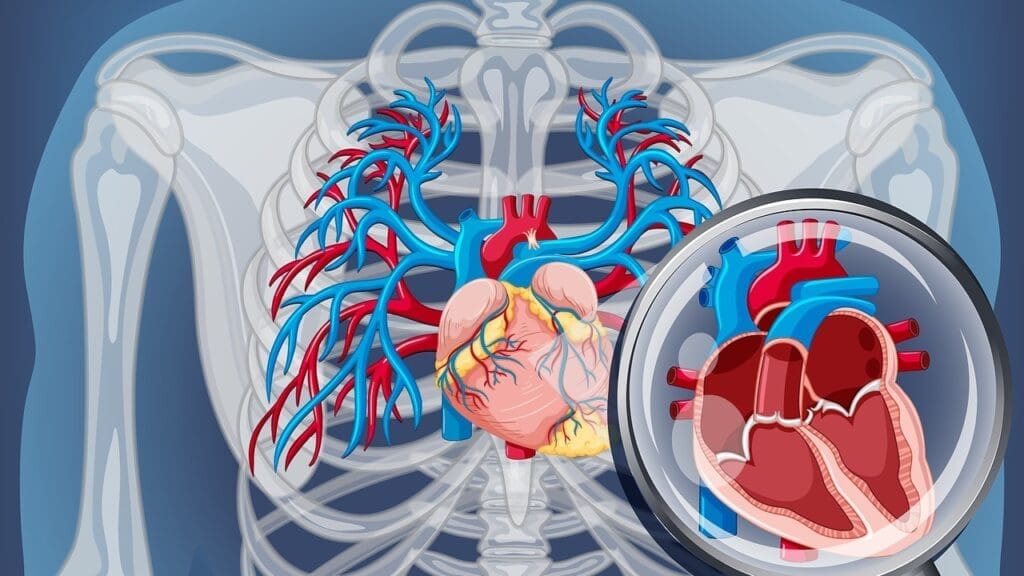
Using MRI to look at atheromatous aorta images helps us understand plaque composition. This is key to figuring out the risk of heart problems. MRI gives us detailed views of the atherosclerotic plaques in the thoracic aorta.
Specialized MRI Sequences
MRI uses special sequences to see the aorta and its plaques. T1-weighted and T2-weighted imaging help us study the aortic wall and plaques. Diffusion-weighted imaging spots inflammation or necrosis in the plaque.
Gadolinium-based contrast agents make it easier to see plaque composition. They highlight areas of neovascularization or inflammation. This is important for knowing how vulnerable the plaque is.
Plaque Composition Analysis
Looking at plaque composition is a big part of MRI analysis. We can spot different parts like lipid-rich necrotic cores, calcifications, and fibrous tissue. Lipid-rich plaques are a big worry because they can rupture easily.
By studying the composition, we can figure out the risk the plaque poses. This helps us decide the best way to manage it.
Advantages in Soft Tissue Characterization
MRI is great at showing soft tissues. This is really helpful for looking at the aortic wall and nearby areas. Soft tissue characterization lets us see things like plaque ulceration or thrombi.
MRI’s detailed views help us accurately diagnose and risk-stratify patients with atherosclerotic aortic disease. This info is super important for making treatment plans.
Comprehensive Aortic Atheroma Grading Systems
Aortic atheroma grading systems have changed over time. They now look at thickness, shape, movement, and ulceration to measure plaque severity. These systems help us understand how severe the plaque is in the thoracic aorta.
Thickness-Based Classification
Thickness-based classification is key in aortic atheroma grading. It measures the plaque’s thickness. Plaques over 4 mm are seen as high-risk.
Thickness measurement is done with tools like TEE or CT scans. This measurement helps us understand the risk of the plaque.
Morphological Features Assessment
The morphological characteristics of the plaque are also important. We look at the plaque’s makeup, like calcification, lipid-rich areas, or fibrous parts.
Looking at the plaque’s shape helps us spot complex plaques. Complex plaques are more likely to rupture or cause embolism. They often have irregular shapes, ulcerations, or parts that move.
Mobility and Ulceration Criteria
Plaques with mobile components or ulcerations are at higher risk. Mobile parts can lead to embolism, and ulcerations show the plaque is unstable.
Ulceration is a depression in the plaque surface, at least 2 mm deep. Checking for mobility and ulceration is key to finding high-risk patients.
Grading systems that look at thickness, shape, movement, and ulceration give a full view of atherosclerotic plaque in the thoracic aorta.
Detecting High-Risk Plaque Characteristics
Finding high-risk plaque is key to spotting patients at risk of heart problems. We’ll look at what makes a plaque high-risk and how to spot it with different imaging tools.
Identifying Plaques Greater Than 4mm
Plaques over 4mm thick are risky because they can lead to heart events. Transesophageal echocardiography (TEE) is great for measuring these plaques in the aorta. We suggest using TEE first to check plaque size.
How thick a plaque is matters a lot. Research shows thick plaques are more likely to be unstable and have loose parts.
| Plaque Thickness | Risk Level | Recommended Action |
|---|---|---|
| < 4mm | Low to Moderate | Monitoring |
| > 4mm | High | Aggressive Management |
Complex Plaque Morphology Markers
Plaques with complex shapes, like ulcers or rough surfaces, are risky. CT angiography and MRI help see these shapes well.
We spot complex plaques by looking closely at images. Ulcers or rough surfaces mean the plaque is unstable.
Mobile Components and Thrombi
Plaques with loose parts or clots are very risky. Real-time imaging with TEE is best for finding these.
When we find loose parts or clots, we need to act fast. A full check is needed to find these risky features.
Knowing about these high-risk plaque traits helps us care for patients better. This can lower the chance of heart problems.
Moderate Aortic Atherosclerosis: Recognition and Significance
Understanding moderate aortic atherosclerosis is key to knowing your heart risk. It means there are plaques in the aorta that are not too bad but need attention. These plaques are in the thoracic aorta.
Age-Related Changes vs. Pathological Findings
It’s important to tell the difference between age-related changes and real disease in the aorta. As people get older, their aortas may get thicker and more calcified. But, if there are complex plaques, ulcers, or mobile parts, it’s a bigger risk.
Looking closely at images helps us tell these apart. If there are signs of real disease, we might need to act faster.
Population Studies and Prevalence Data
Studies show that more people get aortic atherosclerosis as they age. Using tools like transesophageal echocardiography (TEE), researchers have found a lot of atherosclerosis in older folks.
For example, a TEE study found many patients getting heart surgery had a lot of atherosclerosis. This shows how important it is to check before surgery.
Clinical Implications of Moderate Disease
Moderate aortic atherosclerosis means higher risks for heart problems. This includes strokes and heart attacks. So, it’s vital to manage risk factors well.
We suggest a full risk check, looking at heart disease risk factors. This helps decide the best course of action. It might include changing lifestyle, taking medicine, or watching closely.
Clinical Management Based on Imaging Findings
Imaging findings are key in planning care for patients with aortic atherosclerosis. We use advanced imaging to make treatment choices. This ensures patients get the best care possible.
Risk Stratification Approaches
Risk stratification is vital in managing aortic atherosclerosis. We look at imaging to find high-risk patients. Then, we tailor our care plans for them.
Plaque thickness, plaque type, and mobility are important in risk stratification. For example, plaques over 4mm are high-risk. They might need more intense treatment.
| Risk Factor | Description | Management Strategy |
|---|---|---|
| Plaque Thickness > 4mm | High-risk plaque associated with increased cardiovascular events | Aggressive medical therapy, close monitoring |
| Complex Plaque Morphology | Presence of ulceration, thrombus, or irregular surface | Intensified medical therapy, possible intervention |
| Plaque Mobility | Mobile components indicating possible embolism | Anticoagulation therapy, close surveillance |
Medical Therapy Considerations
Medical therapy for aortic atherosclerosis is based on imaging. We look at atherosclerosis severity, symptoms, and health conditions. This helps us choose the right treatment.
For those with moderate to severe atherosclerosis, statins and antiplatelet agents are often used. They help lower the risk of heart problems.
Follow-up Imaging Recommendations
Regular follow-up imaging is key to track aortic atherosclerosis. It helps see if treatment is working. The timing of follow-ups depends on disease severity and treatment response.
Patients with high-risk features need regular imaging. This is usually every 6-12 months. It helps us adjust treatment plans as needed.
By using imaging in care planning, we offer personalized treatment for aortic atherosclerosis. This approach improves outcomes and lowers heart event risks.
Conclusion
Detecting and grading atherosclerotic plaque in the thoracic aorta is key to understanding heart risk. We’ve looked at why aortic plaque matters, how it forms, and how to find it. This includes using special imaging tools.
Tools like transesophageal echocardiography, CT scans, and MRI are very important. They help see if aortic atherosclerosis is present and how bad it is. Knowing this helps doctors decide the best course of action.
We’ve talked about what makes some plaques more dangerous and the risks of moderate atherosclerosis. Understanding these helps doctors create better treatment plans. This can lower heart disease risk.
In short, finding and grading atherosclerotic plaque in the thoracic aorta is essential for heart health. Using advanced imaging and detailed grading systems helps improve patient care. This can greatly reduce heart disease’s impact.
What is the significance of detecting atherosclerotic plaque in the thoracic aorta?
Finding atherosclerotic plaque in the thoracic aorta is key. It shows a higher risk of heart and blood clot problems. It also points to atherosclerosis throughout the body.
How do advanced imaging modalities help in assessing atherosclerotic plaque?
Tools like CT, MRI, and TEE give detailed plaque info. This is vital for figuring out risks and planning treatment.
What are the risk factors for developing aortic plaque?
High blood pressure, high cholesterol, and smoking increase aortic plaque risk. These factors help plaque grow and spread.
What is the role of TEE in assessing atherosclerotic plaque?
TEE is great for checking plaque movement. This shows if plaques might cause blood clots. It offers live plaque movement checks.
How do CT scans assess aortic atherosclerosis?
CT scans, like CT angiography, show aortic plaque types. They use numbers to measure plaque size and type.
What is the advantage of MRI in characterizing atheromatous aorta images?
MRI gives deep insights into plaque makeup. This is key for knowing plaque danger. It’s also good at showing soft tissue details.
How are aortic atheroma grading systems used?
Grading systems help sort plaque risks. They look at thickness, shape, and if it moves or has ulcers. This guides treatment plans.
What are high-risk plaque characteristics?
High-risk plaques are thick, have complex shapes, and move. They also have clots. These signs mean higher heart risk.
What is the significance of moderate aortic atherosclerosis?
Moderate plaque needs careful look to tell age-related changes from disease. Knowing this helps manage patients well.
How does clinical management depend on imaging findings?
Imaging guides treatment plans. It helps decide risk levels, treatments, and when to check again.
What is aortic arch atherosclerosis?
Aortic arch atherosclerosis is plaque in the aortic arch. It’s part of the thoracic aorta and raises heart risk.
How is aortic atherosclerosis diagnosed on chest X-ray?
Chest X-rays might hint at aortic disease. They can show aortic wall calcification



 Departments
 Related Videos
 Our Doctors
 News
News