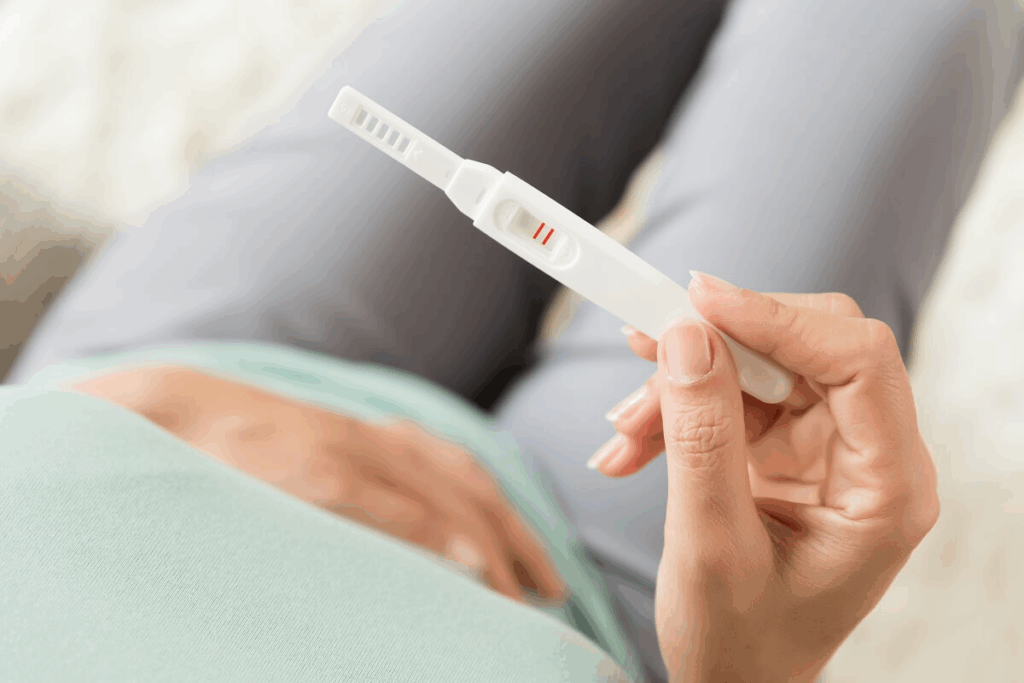
Successful embryo implantation is key in getting pregnant, whether naturally or through fertility treatments. With single euploid embryo transfers, the success rate is about 69.4% in the first try. Knowing what helps with implantation success is very important.
At Liv Hospital, we combine international medical knowledge with care focused on you. Our methods are based on the latest science. It shows that embryos with the right chromosomes can lead to a 95% chance of getting pregnant. Also, transferring high-quality embryos works much better than old methods.
We will show you the seven key steps to increase your chances of successful implantation. We’ll talk about the science behind it and give you expert tips to help your fertility journey.
Key Takeaways
- Understand the critical factors influencing implantation success.
- Learn about the science behind successful embryo implantation.
- Discover expert-backed tips to optimize your chances.
- Explore the importance of chromosomally normal embryos.
- Find out how quality embryo transfer improves success rates.
- Understand the role of patient-centered care in fertility treatment.
The Science Behind Successful Embryo Implantation

Embryo implantation is a key step in IVF. It’s when the embryo attaches to the uterine lining and starts growing. This process involves many factors that affect its success.
What Happens During the Implantation Process
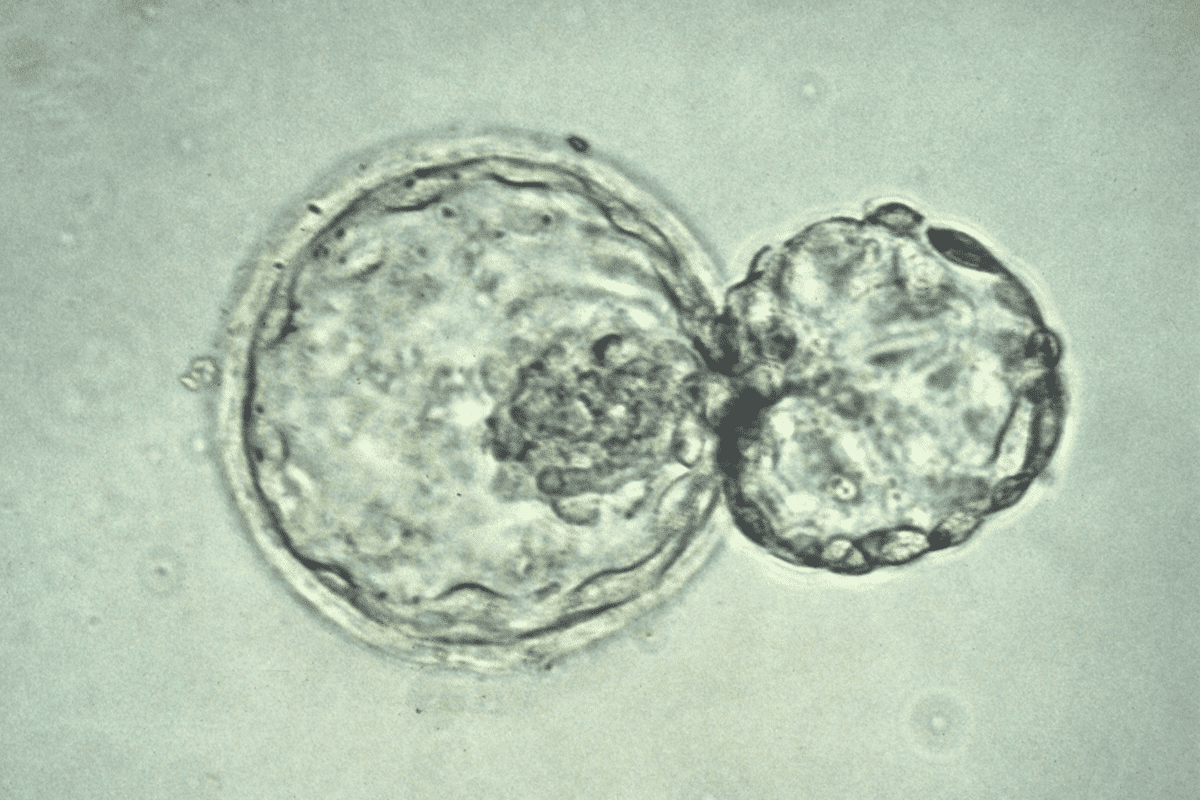
The embryo goes through important stages during implantation. First, it hatches from its outer shell, called hatching. Then, it invades the uterine lining.
This invasion is helped by enzymes and proteins. They help the embryo stick to the uterine wall.
The uterine lining, or endometrium, is very important. It needs to be thick and ready for the embryo to implant. Hormones, like progesterone, play a big role in making the lining ready.
Understanding Implantation Success Rates
Success rates for implantation vary a lot. They depend on the embryo’s quality, the mother’s age, and the uterine environment. High-quality embryos have a better chance of implanting.
To understand what affects success rates, let’s look at some data:
Factor | Impact on Implantation Success | Optimal Condition |
Embryo Quality | High-quality embryos have higher success rates | Grade 1 or 2 embryos |
Maternal Age | Success rates decline with increasing age | Under 35 years |
Uterine Environment | Optimal uterine lining thickness and receptivity are key | 8-12 mm thickness |
Knowing these factors can help those going through IVF. It can help them make better choices and increase their chances of success.
Critical Factors That Determine Implantation Success

Many important factors decide if implantation will be successful, leading to a healthy pregnancy. Knowing these factors is key for those trying to get pregnant through fertility treatments.
Embryo Quality: The Primary Determinant
Embryo quality is seen as the main factor in implantation success. High-quality embryos have a better chance of implanting well and leading to a healthy baby. Embryo quality is judged by its shape, cell count, and how evenly cells divide, and if there’s any damage.
The Impact of Maternal Age
The age of the person when eggs are taken out is a big factor in embryo quality and implantation success. As a woman gets older, her eggs’ quality and number go down, making it harder to get a successful implantation.
Uterine Receptivity Factors
How ready the uterus is for the embryo is also key to success. The uterus needs to be ready to accept the embryo. This readiness depends on the endometrium’s thickness and quality, and how well blood flows to the uterus.
Step 1: Optimize Your Nutrition for Implantation Success
Good nutrition is key for embryo implantation success. Eating a balanced diet with essential nutrients can help a lot. We’ll look at what foods support implantation and give you tips.
Essential Nutrients That Support Implantation
Some nutrients are very important for implantation. Folic acid helps prevent birth defects and supports the baby’s growth. Omega-3 fatty acids reduce inflammation and help the uterus stay healthy. Antioxidants, like vitamins C and E, protect the embryo from damage.
To get these nutrients, eat:
- Leafy greens like spinach and kale (rich in folic acid)
- Fatty fish such as salmon and sardines (high in omega-3 fatty acids)
- Nuts and seeds like almonds and sunflower seeds (rich in antioxidants)
- Colorful fruits and vegetables (packed with vitamins and minerals)
The Mediterranean Diet Connection
The Mediterranean diet is great for health, and it’s good during implantation too. It focuses on whole grains, lean proteins, and healthy fats. This diet helps create a good environment for implantation.
Food Group | Examples | Benefits for Implantation |
Whole Grains | Quinoa, Brown Rice, Whole Wheat Bread | Rich in fiber and essential nutrients |
Lean Proteins | Chicken, Fish, Legumes | Supports overall health and fetal development |
Healthy Fats | Olive Oil, Avocados, Nuts | Reduces inflammation and supports hormone production |
Supplements That May Enhance Implantation
While a balanced diet is important, some supplements can help too. Omega-3 supplements are good for those who don’t eat enough fish. Probiotics help with gut health, which is good for reproductive health. Always talk to your doctor before taking any supplements.
By eating well and choosing the right supplements, you can help implantation happen. Next, we’ll talk about how to keep hormone levels right for implantation.
Step 2: Maintain Optimal Hormone Balance
Keeping the right hormone balance is key for implantation success. Hormones help get the uterine lining ready for the embryo. Any imbalance can mess up the implantation process.
Understanding Progesterone’s Role in Implantation
Progesterone is very important for implantation. It makes the uterine lining thick and ready for the embryo. Without enough progesterone, the lining might not be ready, causing implantation to fail.
Progesterone’s main functions include:
- Thickening the uterine lining
- Maintaining pregnancy
- Supporting embryonic development
Natural Ways to Support Hormone Balance
There are natural ways to help balance hormones. Eating right and managing stress are two of them. A diet full of important nutrients can keep hormone levels just right.
Nutritional Support for Hormone Balance:
Nutrient | Food Sources | Benefit |
Omega-3 Fatty Acids | Salmon, Walnuts | Supports hormone production |
Vitamin B6 | Chicken, Bananas | Regulates progesterone levels |
Magnesium | Spinach, Almonds | Supports hormone balance |
When Medical Intervention May Be Necessary
Sometimes, natural methods aren’t enough to balance hormones. In these cases, medical help like progesterone supplements might be needed to help implantation.
Talking to a healthcare provider is important to figure out the best plan for your needs.
Step 3: How to Ensure Successful Implantation Through Stress Reduction
Stress reduction is key to better implantation chances. High cortisol from stress can mess with hormone balance and hurt implantation. So, it’s important to manage stress well during this time.
The Stress-Implantation Connection
Stress and implantation are linked in a complex way. Chronic stress can upset the body’s hormone balance, which can stop implantation. Studies show that stress can make the endometrium less ready for the embryo.
Knowing this link is vital for those trying to get pregnant. By controlling stress, people might boost their implantation success.
Effective Relaxation Practices During the Implantation Window
Using relaxation methods during implantation can really help. Some good ways include:
- Deep Breathing Exercises: Deep breathing calms the mind and lowers stress.
- Progressive Muscle Relaxation: This method relaxes muscles to release tension.
- Guided Imagery: Imagining peaceful scenes can cut down mental stress and relax you.
Mindfulness and Meditation Approaches
Mindfulness and meditation are great for reducing stress and improving well-being. They’re very helpful during the implantation time.
Mindfulness means staying in the present, watching thoughts and feelings without judgment. Regular mindfulness can lessen stress and anxiety, helping implantation.
Meditation is about focusing the mind to reach calm and relaxation. Loving-kindness meditation or transcendental meditation can manage stress and keep a positive mind.
Adding these stress-reducing methods to daily life can improve implantation chances and the fertility journey.
Step 4: Optimize Physical Activity for Implantation
Finding the right balance in physical activity is key for implantation. It improves blood flow, reduces stress, and keeps you healthy.
Beneficial Exercises During the Implantation Phase
Walking, yoga, or light stretching are great during implantation. They boost blood flow to the uterus, lower stress, and keep your BMI healthy.
Recommended Exercises:
- Brisk walking
- Light yoga or Pilates
- Gentle stretching exercises
Activities to Avoid After Embryo Transfer
After embryo transfer, avoid hard activities. High-impact exercises, heavy lifting, and bending can harm your body and implantation.
Activities to Avoid:
- High-impact aerobics
- Heavy weightlifting
- Bending or twisting exercises
Finding the Right Balance for Your Body
Listen to your body and find a balance that suits you. Regular activity is good, but too much can be bad. Talk to your healthcare provider to create a plan that supports your implantation journey.
Exercise Type | Benefits | Precautions |
Gentle Stretching | Improves flexibility, reduces stress | Avoid deep twists or bends |
Brisk Walking | Enhances blood flow, boosts mood | Avoid uneven terrain or high-impact surfaces |
Yoga or Pilates | Improves core strength, reduces stress | Avoid high-impact or hot yoga |
Step 5: Create an Optimal Uterine Environment
To help embryos implant well, it’s key to make the uterus a good place for them. A ready uterine lining is very important. Several things help make it ready.
Improving Endometrial Thickness and Quality
How thick and healthy the uterine lining is matters a lot. We need to make sure it’s just right for the embryo to implant.
Nutritional Support: Eating right is important for uterine health. Foods full of antioxidants, omega-3s, and vitamins E and C help a lot.
Addressing Underlying Uterine Conditions
Conditions like fibroids, polyps, or adhesions can make it hard for embryos to implant. We should fix these problems with the right medical help.
Diagnostic Techniques: Tools like ultrasound and hysteroscopy can find these issues. This lets us treat them directly.
The Role of Uterine Blood Flow in Implantation
Good blood flow in the uterus is key for the embryo’s growth. We talk about how to keep blood flow healthy.
Lifestyle Modifications: Simple changes like not smoking and staying at a healthy weight can help a lot.
Factor | Impact on Implantation | Improvement Strategies |
Endometrial Thickness | Critical for implantation | Nutritional support, hormonal balance |
Uterine Blood Flow | Essential for embryo nourishment | Lifestyle modifications, stress reduction |
Uterine Abnormalities | Can hinder implantation | Diagnostic techniques, medical interventions |
Step 6: Consider Advanced Medical Interventions
Advanced medical interventions can greatly help with successful implantation during fertility treatments. These methods tackle specific challenges that might be stopping implantation. They offer a more tailored approach to fertility care.
Preimplantation Genetic Testing Benefits
Preimplantation genetic testing (PGT) is a key tool in fertility treatments. It checks embryos for chromosomal issues before transfer. This way, PGT picks the healthiest embryos for implantation.
PGT has many benefits. It boosts implantation success and lowers miscarriage and failed implantation risks. It’s great for those with recurrent implantation failure or miscarriage history.
Endometrial Receptivity Analysis (ERA)
Endometrial receptivity analysis (ERA) is another important intervention. It analyzes the endometrium to find the best time for embryo transfer. This test matches the embryo transfer with the individual’s uterine environment.
ERA improves implantation success by syncing embryo transfer with the optimal window. It’s very helpful for those with repeated implantation failures despite good embryos.
Immunological Treatments and Their Efficacy
Immunological treatments are being explored to help with implantation. They aim to tackle immune issues that might cause implantation failure. Some treatments show promise, but more research is needed.
The success of these treatments varies. They should be considered with a fertility specialist’s guidance. This ensures they’re right for each person’s situation.
In summary, advanced medical interventions like PGT, ERA, and immunological treatments can greatly improve implantation success. By understanding and using these options, we can offer more personalized and effective fertility care.
Step 7: Implement Lifestyle Modifications for Better Outcomes
Making lifestyle changes is key to better implantation success. We’ve talked about how embryo quality, uterine readiness, and hormone balance matter. Now, let’s see how lifestyle changes can help.
Eliminating Harmful Habits
Some habits can really hurt implantation chances. Smoking and too much caffeine are bad for fertility and implantation. Smoking harms reproductive organs and affects egg and sperm quality. Too much caffeine messes with hormone levels and implantation.
- Quit smoking for better reproductive health.
- Drink less than 200mg of caffeine daily (about one 12-ounce cup of coffee).
- Stay away from secondhand smoke.
Getting rid of these bad habits helps create a better implantation environment.
Sleep Quality and Implantation Success
Good sleep is important for implantation. Bad sleep can mess with hormone levels, including those needed for implantation. Getting enough sleep and keeping a regular sleep schedule helps reproductive health.
To sleep better:
- Have a bedtime routine to tell your body it’s time to sleep.
- Make your bedroom cool and dark for better sleep.
- Stay away from screens and exciting activities before bed.
Partner’s Role in Implantation Success
Don’t underestimate the partner’s role in implantation success. Emotional support from a partner can lower stress, which helps implantation. Partners can also help with healthy lifestyle changes by doing them together.
Ways partners can help include:
- Join in on healthy habits like exercise and eating well.
- Be there emotionally during the implantation process.
- Help manage stress with relaxation techniques.
By working together and making these lifestyle changes, couples can improve their implantation chances.
Tracking Implantation: Signs of Success
The two-week wait after embryo transfer is filled with hope and doubt. Knowing the signs of successful implantation can ease worries and boost hopes.
Physical Symptoms That May Indicate Implantation
Some people might feel physical signs during implantation. These can include:
- Mild cramping, similar to menstrual cramps
- Spotting or light bleeding, from the embryo attaching
- Breast tenderness, an early sign of hormonal changes
- Fatigue, as the body adjusts
Not everyone feels these symptoms. Their presence or absence doesn’t confirm implantation success.
When to Test for Pregnancy
The wait for pregnancy test results is hard. We advise waiting 10-14 days for accurate results. Early testing can lead to false negatives, causing stress.
When you test, follow the instructions closely. Blood tests, which measure hCG levels, are more accurate than home tests.
Managing Expectations During the Two-Week Wait
The two-week wait can be tough emotionally. To cope, consider:
- Learning about the implantation process
- Talking openly with your healthcare provider
- Doing stress-reducing activities, like meditation or yoga
- Keeping well, with good nutrition and exercise
By being proactive and informed, you can handle the two-week wait better. This way, you’ll be ready for whatever comes next.
Conclusion: Your Personalized Path to Successful Implantation
Successful implantation needs a mix of the latest research, expert advice, and care tailored to you. By following seven proven steps, you can boost your chances of implantation success. This will help you reach your fertility goals.
Every person’s path to implantation success is different. Nutrition, hormone balance, stress, and physical activity are key. Understanding and working on these areas can help improve implantation chances.
It’s vital to have a plan that fits your unique needs. This way, you can focus on what’s best for you. It’s a step towards building your family.
FAQ
What are the most critical factors that determine implantation success?
The key factors for implantation success are embryo quality, maternal age, and uterine receptivity. High-quality embryos have a better chance of implanting.
How can I optimize my nutrition for implantation success?
Eating well is important for implantation. A Mediterranean diet with folic acid, omega-3s, and antioxidants is good for creating a supportive environment.
What role does progesterone play in implantation, and how can I support hormone balance?
Progesterone helps prepare the uterine lining for implantation. You can support hormone balance with diet and stress management.
How can I reduce stress during the implantation process?
Reducing stress is key for implantation success. Mindfulness and meditation can help you relax and manage stress.
What type of physical activity is beneficial during the implantation phase?
Gentle exercises like walking or stretching are good. Avoid strenuous exercise and heavy lifting after embryo transfer.
How can I create an optimal uterine environment for implantation?
An optimal uterine environment is essential for implantation. Improve endometrial thickness, address uterine conditions, and promote blood flow.
What advanced medical interventions can support implantation success?
Advanced tests like preimplantation genetic testing and endometrial receptivity analysis can help. They identify good embryos and the best time for transfer.
How can I track implantation and understand the signs of successful implantation?
Look for mild cramping and spotting as signs of implantation. Wait two weeks before taking a pregnancy test.
What lifestyle modifications can I make to support implantation success?
Quit harmful habits, improve sleep, and involve your partner. These changes can help create a good environment for implantation.
How can I increase my chances of successful implantation naturally?
Optimize your diet, balance hormones, reduce stress, and make lifestyle changes. These steps can naturally increase your chances of implantation.
What are some things that help with implantation?
Nutrients, stress reduction, and gentle exercises can aid implantation.
How to promote implantation after ovulation?
Focus on nutrition, hormone balance, and stress reduction after ovulation. These steps can help promote implantation.
What helps with implantation success?
A combination of good nutrition, hormone balance, stress reduction, and lifestyle changes can lead to implantation success.
References
National Center for Biotechnology Information. Evidence-Based Medical Guidance. Retrieved from https://pubmed.ncbi.nlm.nih.gov/40064027/