Last Updated on November 27, 2025 by Bilal Hasdemir

Understanding your mental health can be a complex journey. But with the right tools, you can unlock deeper insights into your well-being. At Liv Hospital, we offer expert guidance on how to get a brain scan, including a SPECT scan. This powerful diagnostic tool helps clarify your brain’s function and activity patterns.
A SPECT scan for psychiatric diagnosis is very valuable. It provides important information about blood flow and activity in the brain. This helps in diagnosing and managing mental health conditions.
Key Takeaways
- Understanding the role of SPECT scans in mental health diagnosis.
- The benefits of using advanced imaging techniques for psychiatric diagnosis.
- Step-by-step guidance on obtaining a SPECT scan.
- The significance of SPECT scans in managing mental health conditions.
- Expert insights from Liv Hospital on the diagnostic process.
The Science Behind Brain Scans for Mental Health

Brain scans have changed mental health by giving us a peek into brain function. This has been key in understanding and diagnosing mental health issues.
How Brain Activity Relates to Mental Health Conditions
Brain activity patterns can show signs of mental health issues like ADHD, anxiety, and depression. Studies have found that these conditions have unique brain activity patterns. This helps doctors diagnose and plan treatments.
For example, people with ADHD have different brain activity than those without it. Anxiety and depression also show specific brain patterns. These findings help tailor treatments to each person.
The Evolution of Neuroimaging in Psychiatry
Psychiatry has made big strides with neuroimaging. Before, doctors mainly relied on symptoms and observations. Now, they use neuroimaging for a more precise, data-based approach.
Tools like SPECT, fMRI, and PET let doctors see brain function and structure clearly. This has made diagnosis and treatment more effective.
| Neuroimaging Technique | Primary Use in Mental Health | Key Benefits |
| SPECT Imaging | Assessing blood flow and activity | Helps in diagnosing conditions like ADHD and assessing treatment response |
| fMRI | Examining brain function and connectivity | Provides detailed information on brain activity patterns |
| PET | Studying metabolic activity in the brain | Useful in diagnosing neurodegenerative disorders and certain psychiatric conditions |
By linking brain activity to mental health and using neuroimaging, doctors can make better diagnoses and treatments. This mix of technology and expertise is a big leap in mental health care.
Types of Brain Scans Used in Mental Health Assessment
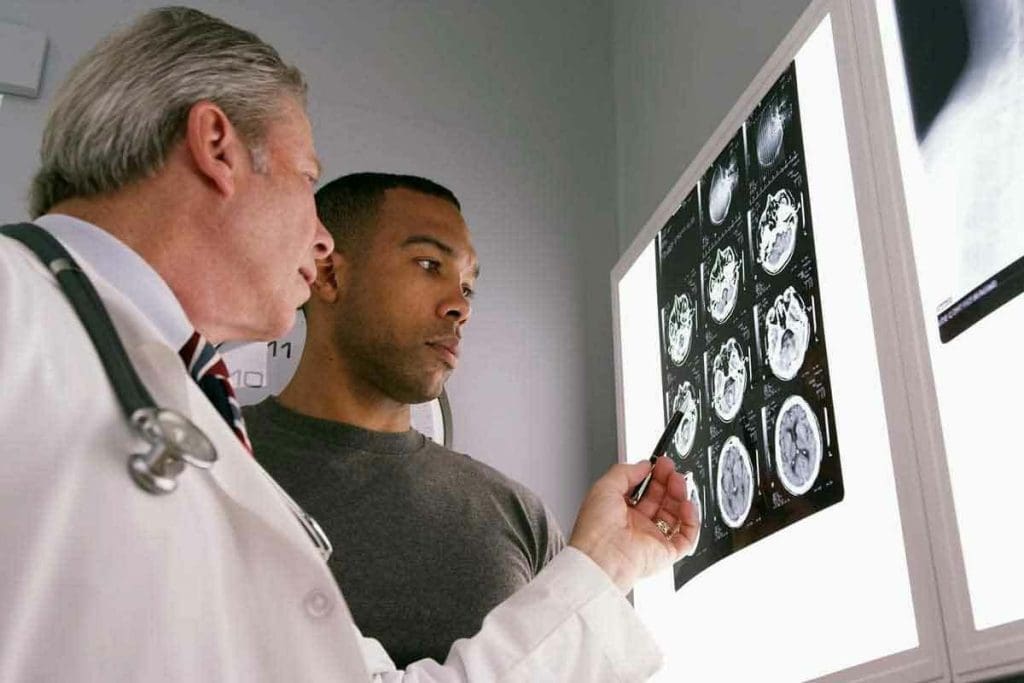
Advanced brain scanning technologies have changed mental health assessment. SPECT, fMRI, PET, and qEEG are key tools. They help us understand the brain’s role in mental health.
SPECT Imaging: Visualizing Blood Flow and Activity
SPECT imaging is a key tool in mental health. It shows blood flow and activity in the brain. SPECT imaging helps find brain areas that don’t work right, which can lead to mental health issues.
Experts say SPECT imaging has changed psychiatry. It lets us see how the brain works, not just its structure.
“SPECT imaging allows us to see the brain’s activity patterns, which can be critical in diagnosing and treating mental health issues.”
Other Neuroimaging Options: fMRI, PET, and qEEG
Other scans are also used in mental health assessment. fMRI shows brain activity by tracking blood flow. PET scans use a radioactive tracer to see brain function. qEEG measures the brain’s electrical activity.
- fMRI helps study brain activity and connections.
- PET scans look at brain metabolism.
- qEEG is good for diagnosing ADHD by looking at electrical activity.
Comparing Effectiveness for Different Conditions
Each scan works best for different mental health issues. For example, SPECT imaging is great for looking at blood flow in depression and anxiety. fMRI is better for studying OCD.
| Condition | Most Effective Scan | Key Insights |
| Depression | SPECT | Blood flow patterns, activity in limbic system |
| ADHD | qEEG | Electrical activity, brain wave patterns |
| OCD | fMRI | Neural circuits, connectivity between brain regions |
Knowing what each scan can do is key. It helps doctors choose the right scan for each patient. This way, they can make better treatment plans.
When to Consider a Brain Scan for Mental Health
For those dealing with mental health issues, knowing when to get a brain scan can change their treatment path. Brain scans offer insights into brain function and structure. This helps doctors create better treatment plans.
Common Conditions That Benefit from Brain Imaging
Some mental health conditions greatly benefit from brain imaging. These include:
- ADHD: Brain scans can spot patterns linked to Attention Deficit Hyperactivity Disorder.
- Anxiety and Depression: Neuroimaging shows how these conditions impact brain function and structure.
- Traumatic Brain Injury: Scans find physical brain damage that may cause mental health symptoms.
- Bipolar Disorder: Brain imaging helps tell different mental health conditions apart and guides treatment.
When Traditional Diagnosis and Treatment Aren’t Working
If you’re not getting better with treatments, it might be time for a brain scan. Traditional diagnostic methods often rely on symptoms and observation. Brain imaging offers a clearer look at brain function, possibly revealing underlying issues.
Some signs you might need a brain scan include:
- Not responding well to many treatments
- Diagnosis is unclear or complex
- Symptoms or behavior have changed a lot
- History of head trauma or substance abuse
Discussing Brain Scans with Your Current Provider
Talking to your healthcare provider about a brain scan is key. They can decide if imaging is right for you and help with the process. Here are tips for the conversation:
- Be open about your concerns: Share why you want a brain scan.
- Ask about their experience: Check if they’ve worked with brain imaging before.
- Inquire about the benefits: Talk about how a brain scan could improve your treatment.
- Understand the next steps: If they agree to a scan, ask about scheduling and preparation.
Considering brain imaging at the right time can help understand mental health better. It can also lead to more effective treatments.
How to Get a Brain Scan: Step-by-Step Process
Getting a brain scan for mental health involves several steps. Knowing these steps can make the process easier. It helps you understand what to expect and make better choices for your mental health.
Step 1: Obtaining a Referral or Self-Referral Options
The first step is usually getting a referral from a doctor. But, some centers let you refer yourself. Check with your insurance to see if they cover self-referrals.
- Talk to your doctor about wanting a brain scan.
- Find out if they can refer you to a specialized center.
- If you can refer yourself, ask what you need to do.
Step 2: Finding Specialized Imaging Centers
After getting a referral or deciding to refer yourself, find a specialized center. Look for centers that do SPECT scans. You can:
- Search online for centers near you.
- Check if they have the right experience and credentials.
- Read what other patients say about their experience.
Step 3: Initial Consultation Requirements
Most centers need you to have an initial consultation before the scan. During this time, you will:
- Talk about your medical history and current symptoms.
- Learn about the scan and what to expect.
- Ask any questions you have about the scan and its benefits.
By following these steps, you’ll be ready for your brain scan. Remember, the goal is to get insights into your mental health. This helps you and your doctors make better decisions for your care.
Finding Brain Scans Near Me: Locating Specialized Facilities
Looking for a brain scan for mental health issues? It’s key to find a specialized facility. We know it can feel overwhelming, but with the right help, you can find a good center for your needs.
Online Resources for Finding Brain Imaging Centers
The internet is a great tool for finding brain imaging centers. Use search terms like “brain scans near me” or “SPECT imaging centers” to find places.
When using online resources, check the credentials and reviews of centers. This can help you choose the best options.
Questions to Ask When Researching Facilities
After getting a list of centers, ask important questions. Find out about their experience with SPECT imaging, their accreditation, and staff qualifications.
- What experience does the facility have with brain imaging for mental health conditions?
- Are the imaging technicians and interpreting physicians board-certified?
- What is the facility’s accreditation status?
- Can they provide references or patient testimonials?
Evaluating Credentials and Experience
Checking a facility’s credentials and experience is key for a quality scan. Look for accredited facilities with a good track record in neuroimaging.
| Credential | Description | Importance |
| Accreditation | Recognized by organizations such as the Joint Commission | High |
| Board Certification | Technicians and physicians certified by relevant boards | High |
| Experience | Years of experience in neuroimaging and specific techniques like SPECT | High |
By doing thorough research, you can confidently pick a specialized center for your brain scan. This is a big step towards understanding and addressing your mental health.
University Research Centers and Teaching Hospitals
University research centers and teaching hospitals lead in brain imaging tech and studies. They join in on clinical trials and studies using advanced brain imaging. For example, a study in a top medical journal showed SPECT imaging’s role in mental health checks. These places offer the latest in diagnostic tools that you might not find elsewhere.
Going to a university research center or teaching hospital can mean getting access to new treatments. But some services might only be part of a study.
Private Neuroimaging Clinics
Private neuroimaging clinics focus on brain scans like SPECT, fMRI, and PET. They put patients first, giving them care tailored to their needs and explaining everything clearly. The knowledge of their staff is very helpful in understanding brain health.
When looking at a private neuroimaging clinic, check their credentials, tech, and staff qualifications. Some clinics also offer counseling or treatment plans based on scan results.
Telehealth Options for Remote Consultations
Telehealth has made it easier to get mental health services, including brain scan talks. It lets patients talk to experts from afar, which is great for those far from special care. This makes getting help easier without the need to travel far.
Telehealth can’t replace the need to be there for scans, but it’s good for first talks, follow-ups, and discussing results. This way, getting a diagnosis is faster and easier for patients.
Preparing for Your Brain Scan Appointment
Getting ready for your brain scan is key to a smooth experience. Knowing what to do can lower your stress and make the scan go well.
Pre-Scan Instructions and Restrictions
Before your scan, you’ll get instructions from the imaging center. These might include:
- Avoiding certain foods or substances that could interfere with the scan
- Removing jewelry or other metal objects
- Arriving early to complete any necessary paperwork
It’s important to follow these steps to make sure your scan works right.
Medication Considerations Before Imaging
Some meds might need to be changed or stopped before your scan. Talk to your healthcare provider or the imaging center about your meds. They can tell you:
- Which medications to continue or stop
- Any possible effects on the scan
This helps keep you safe and makes sure the scan results are accurate.
What to Bring to Your Appointment
To make your brain scan appointment go smoothly, bring:
- Your referral or order from your healthcare provider
- Any relevant medical records or previous scan results
- A list of your current medications
- Insurance information and identification
Having these things ready helps the imaging center staff get ready for you. It ensures your scan is handled correctly.
The SPECT Scan Experience: What to Expect
Thinking about getting a SPECT scan? Knowing what it’s like can make you feel less nervous. A SPECT scan is a high-tech tool that shows how your brain works. It helps doctors understand and treat mental health issues better.
The SPECT scan has two main parts: a resting scan and a concentration scan. These scans give a full picture of your brain’s function in different states.
The Resting Scan Process
The resting scan is done when you’re relaxed, usually with your eyes open. It checks your brain’s blood flow and activity.
- You’ll sit in a quiet room.
- A special dye is put into your blood.
- The scan takes pictures of your brain’s activity over time.
The Concentration Scan Process
The concentration scan is done while you’re doing a specific task, like focusing on something. It shows how your brain handles mental challenges.
| Scan Type | Purpose | Procedure |
| Resting Scan | Assess overall brain activity at rest | Relaxed state with eyes open, tracer injection |
| Concentration Scan | Evaluate brain response to mental tasks | Engaged in concentration exercise, tracer injection |
Knowing the difference between these scans helps you get ready for the SPECT scan. Both scans are important for a full check-up of your brain.
By understanding what happens during a SPECT scan, you can feel more at ease. This knowledge lets you be more involved in your mental health care.
Understanding Your Brain Scan Results
Getting your brain scan results is a big step towards treating your mental health. It’s a key part of creating a treatment plan that works for you.
Interpreting SPECT Images
Experts use SPECT images to spot brain activity patterns. They look at the images to see how different brain parts work. SPECT imaging helps find out about blood flow and brain activity, which is key for diagnosing mental health issues.
They check for brain areas that are too active or too quiet. These can point to conditions like depression, anxiety, or ADHD.
Brain Patterns in Various Conditions
Each mental health issue has its own brain activity patterns. For example, depression might show less activity in some brain parts. Anxiety might show more activity in others.
- Depression: Often linked to less activity in the prefrontal cortex.
- Anxiety: Usually shows more activity in the amygdala.
- ADHD: Has patterns of less activity in the prefrontal cortex and more in other areas.
Follow-up Consultations
After your brain scan, you’ll need to talk to a specialist again. This time, you’ll go over your results and how they affect your mental health. It’s a chance to ask questions and understand your scan’s findings.
You and your healthcare provider will work on a treatment plan just for you. This might include therapy, medication, or other specific treatments based on your scan.
Understanding your brain scan results is a big step in managing your mental health. By working with your healthcare team and using what you learn from your scan, you can make smart choices about your care.
Cost and Insurance Considerations for Mental Health Brain Scans
Understanding the costs and insurance coverage for brain scans is key. The financial side can be tricky. Knowing this helps you make smart choices for your health.
Average Costs of SPECT and Other Imaging Techniques
The price of brain scans changes based on the method used. SPECT (Single Photon Emission Computed Tomography) scans are a common choice. They usually cost between $800 to $1,300. Other methods like fMRI (Functional Magnetic Resonance Imaging) and PET (Positron Emission Tomography) scans cost more.
Here’s a quick look at the average costs for different scans:
| Imaging Technique | Average Cost |
| SPECT Scan | $800 – $1,300 |
| fMRI Scan | $1,000 – $2,500 |
| PET Scan | $1,500 – $3,000 |
Insurance Coverage Possibilities and Limitations
Insurance for brain scans varies a lot. It depends on your insurance and policy. Always check with your provider to see what’s covered.
Insurance might cover scans if they’re needed for health reasons. But, how much they cover can vary. For example, some plans might cover SPECT scans for some conditions but not others. Knowing your policy well is important.
Financial Assistance and Payment Plans
If you don’t have enough insurance or can’t afford it, there are options. Some centers offer payment plans or discounts. Also, some non-profit groups help with medical costs, including brain scans.
Ask about these options when you talk to the imaging center. They can help you find financial aid or payment plans to make the scan more affordable.
Conclusion: Leveraging Brain Imaging for Personalized Mental Health Care
Using brain imaging can make mental health care more personal and effective. It helps us understand what brain scans show. This way, we can work with doctors to create better treatment plans.
Brain scans give us a peek into brain activity. They help find patterns linked to mental health issues. This lets doctors make treatment plans that fit each person better.
As we keep improving neuroimaging, brain imaging’s role in mental health care will grow. It lets us offer more precise and effective treatments. This leads to better mental health results. Brain imaging is a key part of getting the care we need.
FAQ
What is a SPECT scan and how is it used in mental health diagnosis?
A SPECT scan shows blood flow and activity in the brain. It helps diagnose and manage mental health by looking at brain function.
How do I get a brain scan for mental health?
To get a brain scan, talk to your healthcare provider. They can discuss if a scan is right for you.
What are the benefits of using brain scans in mental health diagnosis?
Brain scans give insights into brain function. This helps doctors diagnose and manage mental health better. They can also find underlying issues.
Are brain scans covered by insurance?
Insurance for brain scans varies. Some plans cover certain scans, like SPECT or fMRI. Always check with your insurance to see what’s covered.
What is the difference between SPECT, fMRI, PET, and qEEG brain scans?
Each scan has its own use. SPECT shows blood flow, fMRI looks at blood oxygen, PET checks metabolism, and qEEG measures electrical activity. The right scan depends on the condition and the needed information.
Can I get a brain scan without a referral?
Some centers let you schedule a scan yourself. But it’s best to talk to a doctor first to make sure it’s right for you.
How do I find a reputable brain imaging center near me?
Look online for brain imaging centers in your area. Check their credentials and read reviews. You can also ask your doctor for recommendations or contact professional groups for help.
What should I expect during a SPECT scan?
During a SPECT scan, you’ll do a resting scan and a concentration scan. You’ll relax or do tasks while the scan is done. The scan is painless and safe.
How are SPECT scan results interpreted?
Specialists analyze the scan images to find brain activity patterns. They look for abnormal activity or blood flow to diagnose mental health conditions.
Can brain scans diagnose mental illness?
Brain scans help diagnose mental health conditions. But, they should be used with a full clinical evaluation and other tools for an accurate diagnosis.
How much does a brain scan cost?
The cost of a brain scan varies. It depends on the scan type, the center, and where you are. For example, SPECT scans can cost differently at different facilities.
Are there any financial assistance options available for brain scans?
Some centers offer financial help or payment plans for brain scans. It’s good to ask about these options when you contact them.
References
- Bone metastases imaging overview (Medscape). (2023). Medscape eMedicine. https://emedicine.medscape.com/article/387840-overview