Last Updated on November 26, 2025 by Bilal Hasdemir
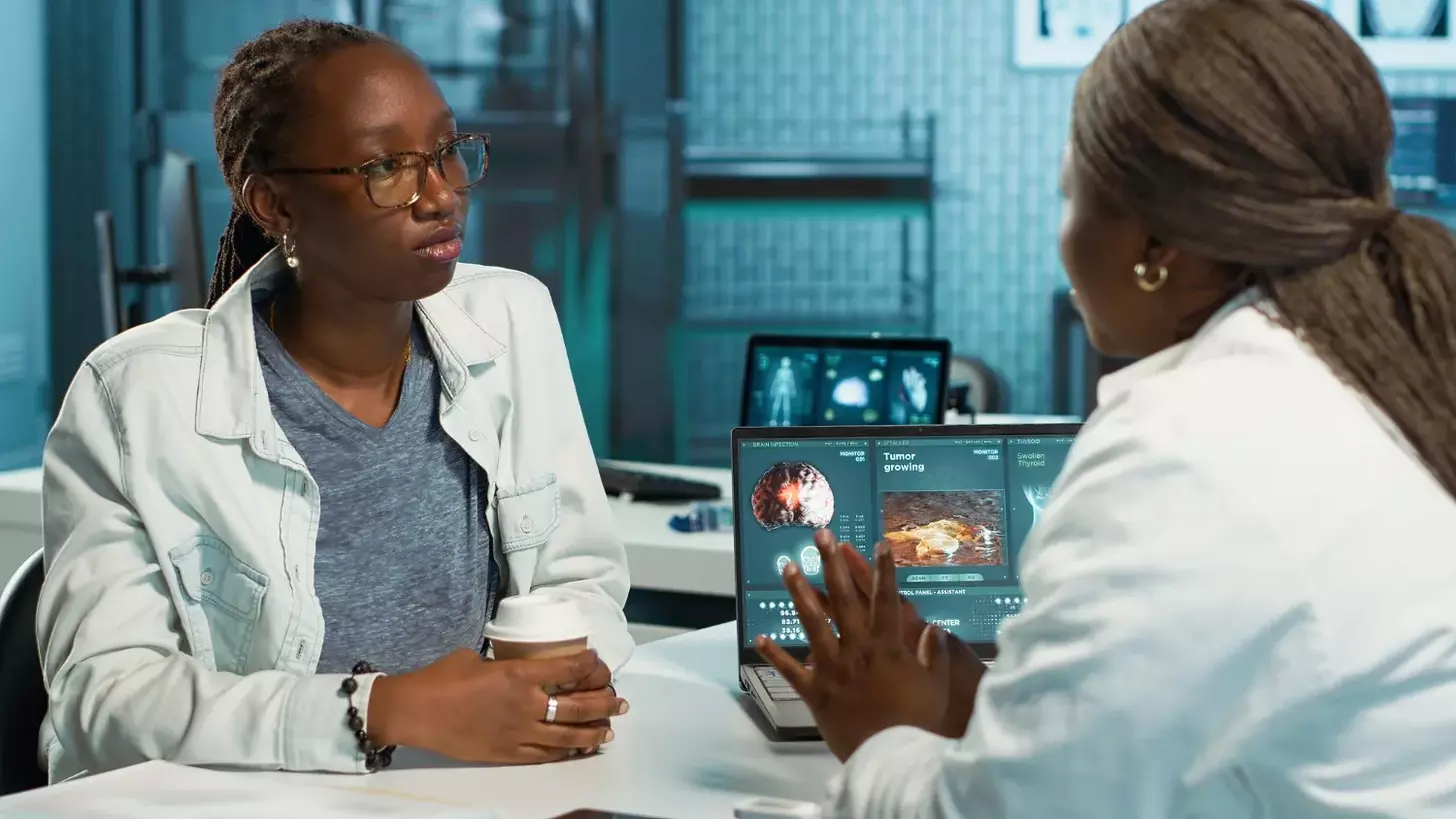
Getting a brain tumor diagnosis can be scary. But, with the right treatment and support, there’s hope for better results. At Liv Hospital, we offer top-notch healthcare and support for patients from abroad. Our team creates custom treatment plans using the latest medical tech, like GammaTile brachytherapy and proton therapy.
Dealing with a brain tumor diagnosis can feel overwhelming. But, new medical breakthroughs bring hope for better results. We’re here to help our patients understand their treatment options.
Key Takeaways
- Personalized treatment plans for brain tumor patients
- Latest advancements in medical technology, such as GammaTile brachytherapy and proton therapy
- Effective management of brain tumor symptoms and side effects
- Comprehensive support for international patients
- Improved outcomes with the right treatment approach
Understanding Brain Tumors: Types and Classifications
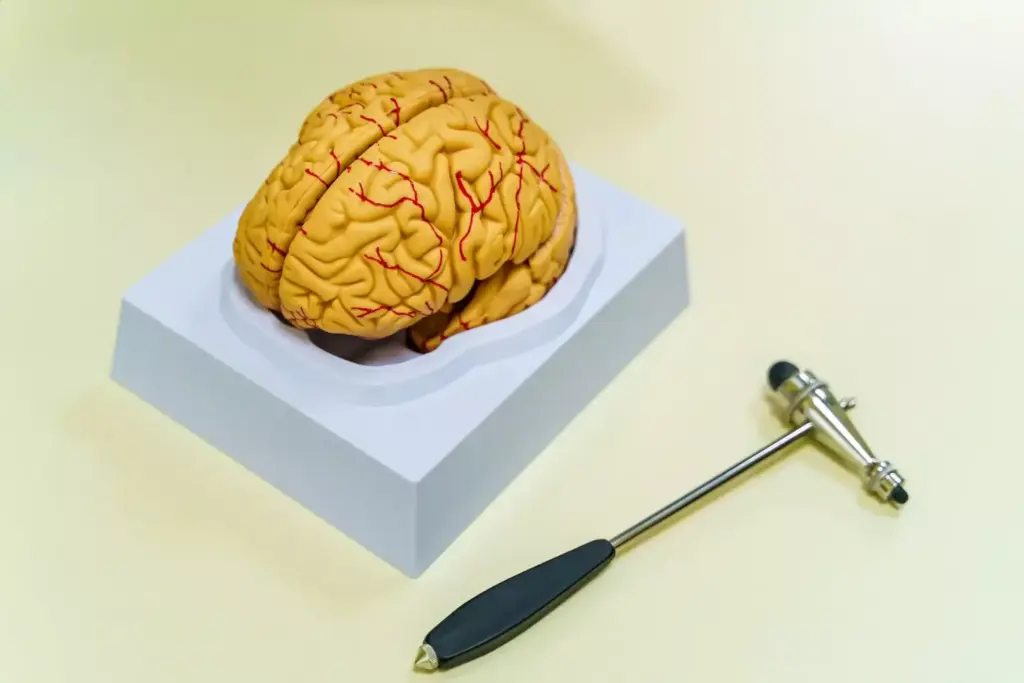
It’s important to know about the different brain tumor types for a good treatment plan. Brain tumors are divided based on where they start, how they grow, and their features.
Primary vs. Secondary Brain Tumors
Brain tumors are split into primary and secondary types. Primary brain tumors start in the brain. Secondary brain tumors come from cancer spreading to the brain from elsewhere. We’ll look at how these differences affect treatment.
Benign vs. Malignant Brain Tumors
Another key way to classify tumors is by their behavior: benign or malignant. Benign brain tumors are usually not cancerous and grow slower. On the other hand, malignant brain tumors are cancerous and grow fast, needing stronger treatments.
WHO Classification System and Grading
The World Health Organization (WHO) has a system for grading brain tumors. It looks at their characteristics and behavior. This helps predict outcomes and guide treatments. We use the WHO system to tailor treatment plans for each patient.
Common Types of Brain Tumors
There are many types of brain tumors, each with its own traits. Gliomas, meningiomas, and acoustic neuromas are some examples. Knowing these types helps us choose the best treatment.
Recognizing Brain Tumor Symptoms and Warning Signs
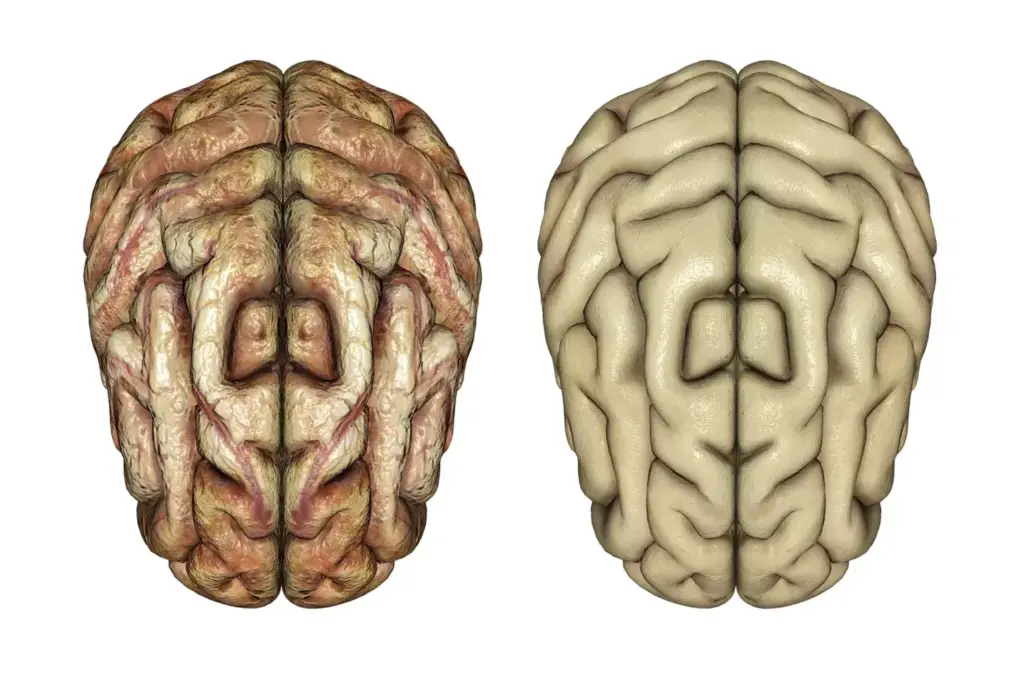
Spotting brain tumors early is key. Knowing the symptoms and acting fast is vital. At Liv Hospital, we stress the need to understand these signs to better treat them.
Common Symptoms of Brain Tumors
Brain tumors can show different symptoms. This depends on where and how big the tumor is. Common symptoms include:
- Headaches that worsen over time
- Seizures or convulsions
- Nausea and vomiting
- Vision problems, such as blurred vision or double vision
- Difficulty with balance and coordination
- Changes in personality or behavior
- Confusion and disorientation
These symptoms can really affect your daily life. If they don’t go away or get worse, see a doctor.
When to Seek Medical Attention
If you notice any of these, get medical help right away:
- Severe headaches that keep getting worse
- Seizures, if they’re new
- Vision changes or trouble speaking and understanding
- Weakness or numbness in your body
Getting diagnosed early can greatly improve treatment and results.
Symptoms Based on Tumor Location
The spot of a brain tumor affects symptoms. For example:
- Tumors in the frontal lobe can cause changes in personality, motor issues, or speech problems.
- Tumors in the temporal lobe may lead to memory issues, seizures, or language problems.
- Tumors affecting the cerebellum can result in coordination and balance issues.
Differentiating Brain Tumor Symptoms from Other Conditions
It’s hard to tell if symptoms are from a brain tumor or something else. Many symptoms are similar. But, if symptoms keep coming back or happen together, it might be a tumor. Always get a doctor’s check-up if you notice unusual or lasting symptoms.
At Liv Hospital, our team works together to give you the best care. We know early detection is key. We’re here to help you through the diagnosis process.
Diagnostic Procedures for Brain Tumors
At Liv Hospital, we use a detailed plan to find and understand brain tumors. Knowing the exact type of tumor is key to creating a good treatment plan.
Neurological Examination
A detailed neurological examination is the first step. Our neurologists check how well you think, move, and feel things. They look for signs that might show a brain tumor.
Advanced Imaging Techniques
Advanced imaging techniques are very important for finding brain tumors. We use:
- MRI (Magnetic Resonance Imaging): Gives clear pictures of the brain and tumors.
- CT (Computed Tomography) scans: Good for quick checks and finding tumor calcifications.
- Functional MRI: Shows how the brain works to help plan surgery.
- Diffusion Tensor Imaging (DTI): Helps see brain connections for surgery planning.
Biopsy Procedures
A biopsy takes a piece of tumor tissue for lab tests. We do:
- Stereotactic biopsy: A small, precise procedure to get a tumor sample.
- Open biopsy: Done during surgery to remove the tumor.
Results from the biopsy tell us what kind of tumor it is, how serious it is, and what genes it has. This helps us decide the best treatment.
Molecular and Genetic Testing
Molecular and genetic testing of tumor samples gives us important details. We look at:
- IDH mutation status: Helps predict how well you might do and what treatments might work.
- MGMT promoter methylation: Tells us how well you might respond to some chemotherapy.
- 1p/19q codeletion: Linked to certain types of tumors and better chemotherapy results.
These tests help us make treatment plans that fit each patient’s unique tumor.
How to Get Rid of Brain Tumor: A Complete Treatment Approach
Getting rid of a brain tumor requires a team effort. We tailor treatments to fit each patient’s needs. This approach brings together experts from different fields for the best care.
Multidisciplinary Treatment Teams
At Liv Hospital, our team includes neurosurgeons, neuro-oncologists, and more. We work together to create a treatment plan that fits each patient’s tumor.
Our team works together to give complete care. We make sure to consider all parts of the patient’s condition when planning treatment.
Factors Affecting Treatment Selection
Many things decide how to treat a brain tumor. These include the tumor’s type, grade, location, size, and the patient’s health and wishes.
- Tumor type and grade
- Tumor location and size
- Patient’s age and overall health
- Patient’s preferences and values
Creating an Individualized Treatment Plan
We make a treatment plan that fits each patient’s unique needs. This plan might include surgery, radiation, chemotherapy, or other treatments.
| Treatment Modality | Description | Benefits |
|---|---|---|
| Surgery | Removal of the tumor through surgical intervention | Potential for complete tumor removal, rapid recovery |
| Radiation Therapy | Use of high-energy rays to kill tumor cells | Effective for tumors that are difficult to remove surgically, can be used in combination with other treatments |
| Chemotherapy | Use of medications to kill tumor cells | Can be used alone or in combination with other treatments, effective for certain types of brain tumors |
The Role of Specialized Centers Like Liv Hospital
Centers like Liv Hospital are key in treating brain tumors. Our advanced facilities and staff offer the latest treatments. This improves patient outcomes.
Our team’s expertise and the latest technology help us provide complete care. We address the complex needs of brain tumor patients.
Surgical Interventions for Brain Tumor Removal
At Liv Hospital, we use the latest surgical methods to remove brain tumors. These methods are key in treating brain tumors. They vary based on the tumor’s type, size, and where it is located.
Traditional Craniotomy
Traditional craniotomy is a common way to remove brain tumors. It involves taking out a part of the skull to get to the tumor. Our neurosurgeons plan and do this carefully to remove as much tumor as possible while saving the brain.
Minimally Invasive Surgical Techniques
New medical tech has brought us minimally invasive brain tumor surgeries. These use smaller cuts and disturb less tissue. This can lead to quicker recovery times and fewer complications.
Awake Brain Surgery
Awake brain surgery is used for tumors in important brain areas. The patient stays awake during part of the surgery. This helps keep brain functions safe. Our team watches the patient’s brain closely during the surgery.
Laser Interstitial Thermal Therapy (LITT)
Laser Interstitial Thermal Therapy (LITT) is a new, less invasive way to treat some brain tumors. It uses laser heat to kill tumor cells without harming nearby healthy tissue. It’s great for tumors hard to reach with regular surgery.
At Liv Hospital, our team picks the best surgery for each patient. We use the latest tech and care to help our patients get the best results from brain tumor surgery.
Advanced Radiation Therapy Options for Brain Tumors
At Liv Hospital, we use the latest in radiation therapy to help patients with brain tumors. This treatment is key in fighting brain tumors. It offers many options to meet each patient’s needs.
External Beam Radiation
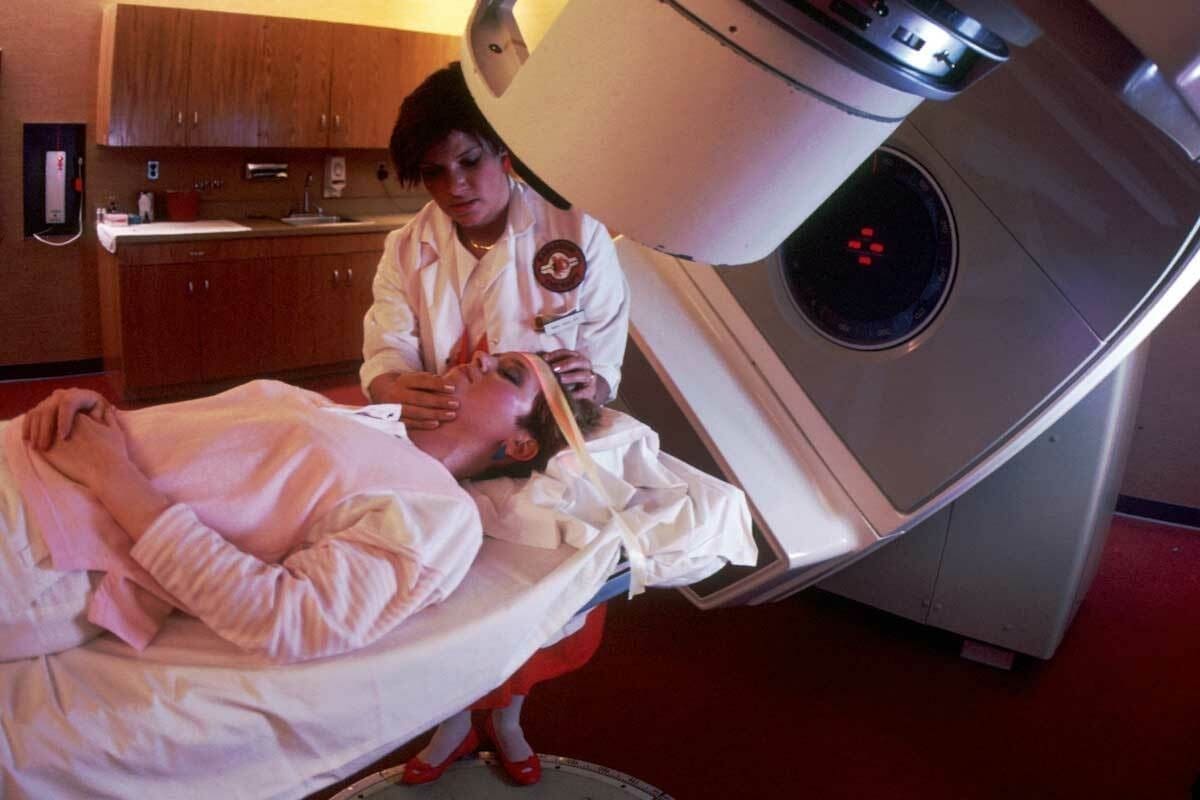
External beam radiation therapy (EBRT) is a non-invasive way to treat tumors. It uses high-energy beams from outside the body to kill cancer cells. This method targets tumors well while protecting healthy tissues. EBRT works great for big tumors or those in hard-to-reach places.
Stereotactic Radiosurgery (Gamma Knife, CyberKnife)
Stereotactic radiosurgery (SRS) is a precise radiation therapy. It uses focused beams to hit tumors with great accuracy. Tools like Gamma Knife and CyberKnife treat small to medium tumors with little damage to the brain. This method is good for tumors hard to get to with surgery.
GammaTile Brachytherapy: A Breakthrough Approach
GammaTile brachytherapy is a new way to treat brain tumors. It involves placing a small device that sends radiation to the tumor. This method is great for treating tumors that come back or have complex shapes.
Proton Therapy Benefits and Tissue Preservation
Proton therapy is a precise radiation treatment that uses protons to kill cancer cells. It delivers a strong dose of radiation to the tumor while saving healthy tissue. Proton therapy is good for tumors in sensitive areas or for kids.
Our team at Liv Hospital is dedicated to giving the best radiation therapy for brain tumors. We use these advanced technologies to improve treatment results and quality of life for our patients.
Innovative Medication and Drug Therapies for Brain Cancer
We are seeing big changes in how we treat brain cancer. At Liv Hospital, we lead in using new treatments to help patients. These treatments aim to make patient care better.
Chemotherapy Protocols and Delivery Methods
Chemotherapy is key in fighting brain cancer. We use new ways to give it to patients. This includes chemotherapy protocols that change how the body fights cancer.
We pick the best chemotherapy for each patient. We consider their cancer type, stage, and health.
Targeted Therapy Approaches
Targeted therapy is a new hope for brain cancer. It attacks specific cancer cells. This makes treatment more effective and reduces side effects.
Immunotherapy Advancements
Immunotherapy uses the body’s immune system to fight cancer. It’s showing great promise for brain cancer. We’re working on new ways to use it, like checkpoint inhibitors and CAR-T cell therapy.
Blood-Brain Barrier Considerations
The blood-brain barrier is a big challenge in treating brain cancer. It blocks some treatments from reaching the tumor. We’re looking into new ways to get past this barrier, like focused ultrasound and nanoparticles.
By using these new treatments together, we can give patients a treatment plan that’s just for them. This plan helps improve their chances of beating the disease.
Recovery and Long-Term Management After Brain Tumor Treatment
The journey to recovery after brain tumor treatment is complex. At Liv Hospital, we focus on care that goes beyond the initial treatment. This ensures a full recovery.
Rehabilitation Programs
Rehabilitation is key to getting better. Our programs help patients regain strength, mobility, and brain function. Each program is customized to meet the unique needs of each patient.
Our rehabilitation programs include:
- Physical therapy to improve mobility and strength
- Occupational therapy to enhance daily living skills
- Speech therapy to address communication challenges
- Cognitive rehabilitation to improve memory and concentration
Nutrition and Lifestyle Modifications
Nutrition is essential for recovery. A balanced diet helps patients regain strength and supports health. Our team offers advice on nutrition and lifestyle changes to aid in recovery.
| Nutritional Element | Benefit |
|---|---|
| Protein | Supports muscle repair and strength |
| Omega-3 Fatty Acids | Reduces inflammation and supports brain health |
| Antioxidants | Helps combat oxidative stress |
Psychological Support and Counseling
The emotional and psychological effects of brain tumor treatment are significant. Our team provides psychological support and counseling. This helps patients deal with the challenges they face.
Our counseling services include:
- Individual therapy sessions
- Group therapy sessions
- Family counseling
Follow-up Care and Monitoring
Regular follow-up care is vital for monitoring progress and addressing concerns. Our team works with patients to create a follow-up care plan. This plan meets their specific needs.
By providing detailed recovery and long-term management plans, we improve outcomes for brain tumor patients. At Liv Hospital, we are dedicated to supporting patients throughout their journey.
Conclusion: Future Directions in Brain Tumor Treatment
As we wrap up our talk on brain tumor treatment, it’s clear there’s hope for better results. Our team at Liv Hospital is all in on the latest research. We make sure our patients get the best treatments available.
Studies are showing great promise in treatments like Boron Neutron Capture Therapy (BNCT) and proton therapy. This shows how vital ongoing research is. We’re eager to explore new ways to treat brain tumors, giving our patients the best care.
By learning more about brain tumors and finding new treatments, we can make a big difference. We’re dedicated to top-notch healthcare for everyone, including international patients. Our goal is to improve lives and outcomes for all.
FAQ
What are the treatment options for brain tumors?
Treatments for brain tumors include surgery, radiation, and drugs. At Liv Hospital, our experts create personalized plans. They use the latest medical technology.
Can brain tumors be cured?
Whether a brain tumor can be cured depends on several factors. These include the tumor’s type, grade, and location. Our team at Liv Hospital uses the WHO system to plan effective treatments.
What are the common symptoms of brain tumors?
Symptoms of brain tumors include headaches and seizures. Nausea, vomiting, and changes in thinking are also common. If you have persistent or severe symptoms, seek medical help.
How are brain tumors diagnosed?
Diagnosing brain tumors involves a neurological exam and imaging. Biopsy and genetic tests are also used. Our team at Liv Hospital uses advanced tools for accurate diagnosis.
What is the role of surgery in brain tumor treatment?
Surgery is key in treating brain tumors. Our team at Liv Hospital performs various surgeries. These include traditional and minimally invasive methods, and laser therapy.
What are the benefits of radiation therapy for brain tumors?
Radiation therapy is vital in treating brain tumors. At Liv Hospital, we offer advanced radiation options. These include external beam and stereotactic radiosurgery.
How do medication and drug therapies work in brain cancer treatment?
Medications and drugs are essential in treating brain cancer. Our team at Liv Hospital leads in developing new treatments. This includes chemotherapy and immunotherapy.
What is involved in recovery and long-term management after brain tumor treatment?
Recovery and long-term care are important after treatment. Our team at Liv Hospital focuses on rehabilitation and lifestyle changes. We also provide psychological support.
How can I manage my brain tumor treatment at Liv Hospital?
Liv Hospital supports international patients fully. We help with travel, accommodation, and language needs. Our team ensures a smooth treatment experience.
Are there any alternative treatments for brain tumors?
Alternative treatments exist, but consult a doctor first. Our team at Liv Hospital can guide you on the best treatment for your condition.
What are the latest advancements in brain tumor treatment?
Our team at Liv Hospital keeps up with new treatments. This includes improved surgery, radiation, and medication. We offer our patients the latest and most effective treatments.