
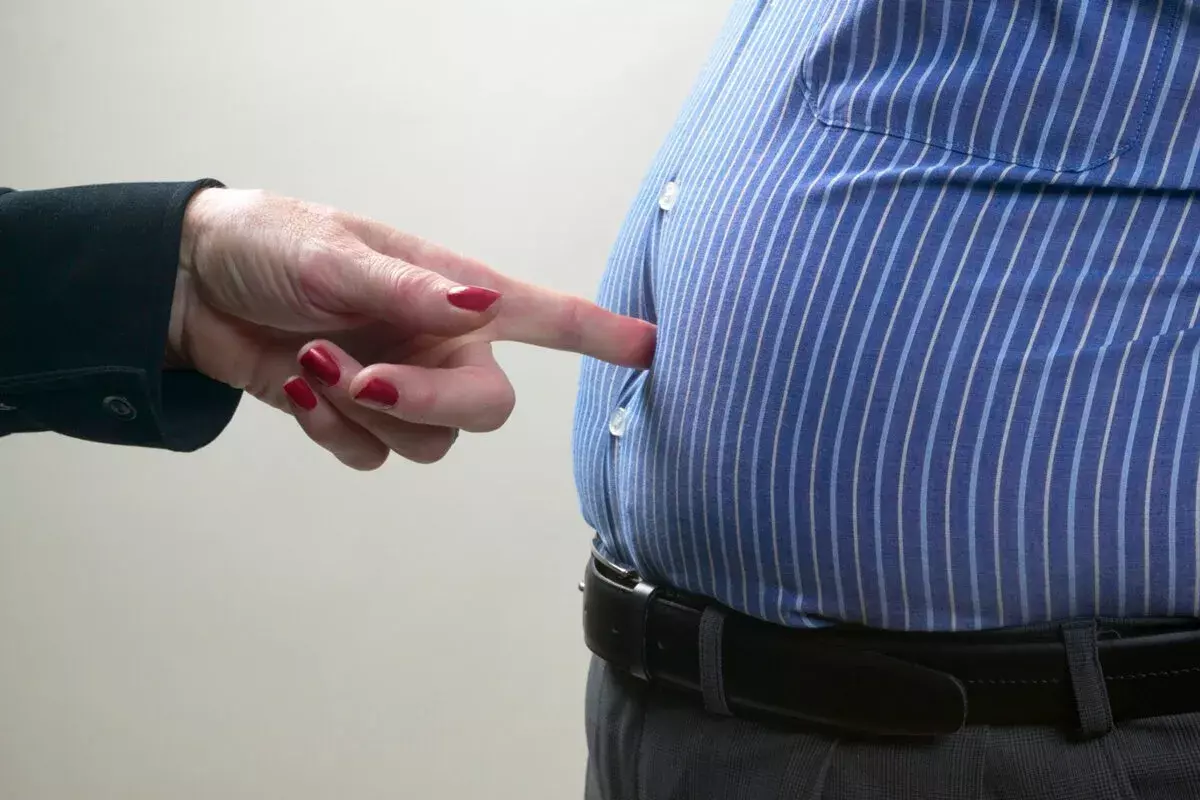
Visceral fat is a serious health concern. It wraps around internal organs in the belly. This type of fat is different from the fat under your skin. It’s active and can cause health problems, even in thin people.
At Liv Hospital, we focus on reducing visceral fat with a detailed plan. Eating more protein, fiber, and foods that fight inflammation can help. Our team uses the latest medical science and cares for each patient personally. We help you understand and fight visceral fat with effective lifestyle changes.
Key Takeaways
- Visceral fat is a metabolically active type of internal body fat that surrounds organs.
- It contributes to multiple serious health risks, including metabolic disease and cardiovascular risk.
- Eating more protein, fiber, and anti-inflammatory foods can help lower visceral fat.
- A complete approach is needed to tackle visceral fat.
- Lifestyle changes are essential to get rid of visceral fat.
Understanding Visceral Fat and Its Dangers

It’s important to know about visceral fat and its health risks. Visceral fat is stored in the belly area, around organs like the liver and pancreas. You can’t see it, but it can harm your health.
What Is Visceral Fat and How It Differs from Other Body Fat
Visceral fat is different from the fat under your skin. It’s deep inside, near your organs. This can lead to problems like insulin resistance and metabolic syndrome.
“Visceral fat is a significant predictor of metabolic health risks, and its reduction is critical for preventing chronic diseases.” Studies show it’s linked to heart disease, diabetes, high blood pressure, and brain problems.
How to Identify Visceral Fat in Your Body
Finding visceral fat is hard because it’s hidden. But, a big waist can hint at its presence. Men with a waist over 40 inches and women over 35 are at risk.
Doctors use scans to measure visceral fat. Some scales can also give an estimate. These tools help people check their risk level.
Health Risks Associated with Excess Visceral Fat
Too much visceral fat is bad for your health. It can lead to heart disease, diabetes, and some cancers. It also causes inflammation, making it hard for your body to use insulin.
“The buildup of visceral fat is a risk factor for many chronic diseases, showing the need for effective management strategies.”
Studies show cutting down visceral fat can reduce these risks. By understanding its dangers and taking action, you can improve your health.
Can You Move Fat Around Your Body? The Science of Fat Distribution
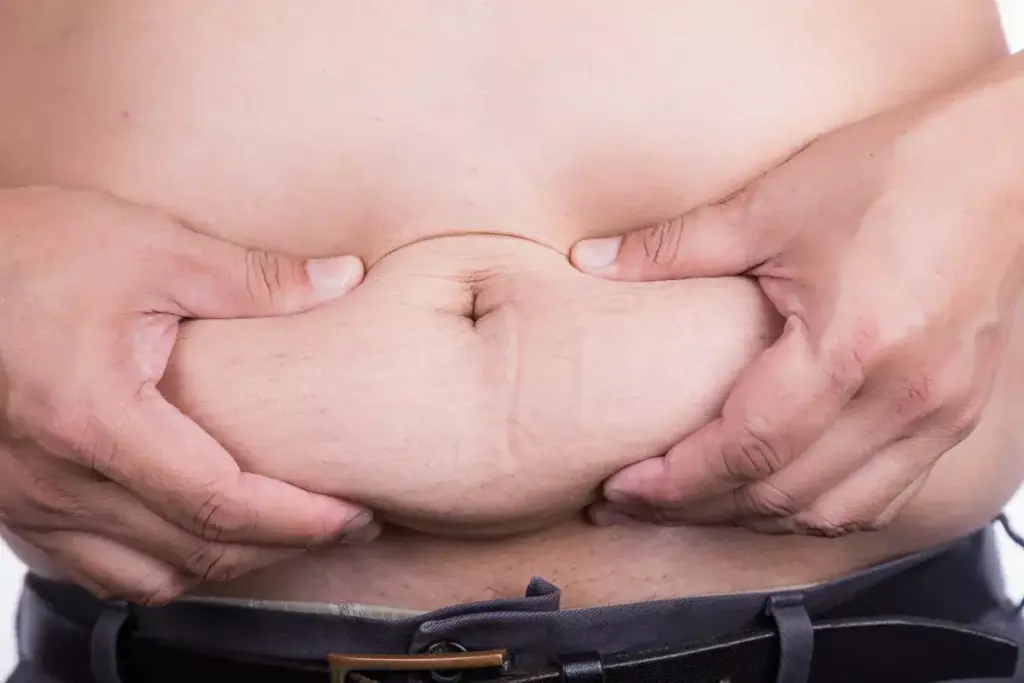
Fat distribution varies a lot among people. Knowing this helps us tackle visceral fat. Visceral fat, making up about 10 percent of body fat, has big health risks. We’ll look into how fat is stored and why it tends to build up in the belly.
How Fat Storage Works in the Body
The body stores fat in two main types: subcutaneous and visceral. Subcutaneous fat is just under the skin. Visceral fat is deeper, around organs. Eating more protein can help burn more calories, thanks to more muscle and better thermogenesis.
Factors Influencing Fat Storage:
- Genetics: Your genes play a big part in where and how fat is stored.
- Hormones: Hormonal imbalances, like too much cortisol, can lead to more belly fat.
- Diet: Eating lots of sugar and saturated fats can make fat build up.
- Lifestyle: Not moving much and sitting a lot can increase belly fat.
Why Visceral Fat Accumulates in the Abdominal Area
Visceral fat in the belly is linked to serious health problems. These include heart disease, diabetes, and some cancers. The belly is very active metabolically, and belly fat can cause insulin resistance and inflammation.
“Visceral fat is not just a passive storage depot for excess energy; it’s an active endocrine organ that secretes inflammatory substances, contributing to metabolic dysregulation.”
A study looked at how fat is distributed in different groups. It found big differences based on lifestyle and genes. Here’s a table with some key findings:
| Population Group | Average Visceral Fat Percentage | Lifestyle Factors |
| Group A | 12% | High physical activity, balanced diet |
| Group B | 18% | Sedentary lifestyle, high sugar intake |
| Group C | 15% | Moderate physical activity, mixed diet |
Knowing how fat is distributed and why belly fat is a problem can help us make better choices. This can lower our risk of health problems.
Effective Strategies to Reduce Visceral Fat
To fight visceral fat, we need a plan that includes healthy eating, exercise, and stress control. People with belly fat face serious health risks. But, by choosing the right lifestyle, we can cut down visceral fat and get healthier.
Dietary Changes That Target Visceral Fat
Eating right is key to losing visceral fat. More protein helps control hunger and speeds up metabolism. Also, foods high in fiber like fruits and whole grains help with fat loss. Adding anti-inflammatory foods like fish and nuts is also good.
By eating more protein, fiber, and anti-inflammatory foods, we can reduce belly fat. For more tips, check out Healthdirect.gov.au for advice on losing visceral fat.
Exercise Routines Proven to Burn Visceral Fat
Exercise is essential for burning belly fat. Aerobic activities like walking and cycling are great for the waistline. Adding strength training helps build muscle, which boosts metabolism and fat loss.
Regular exercise not only burns belly fat but also improves health. Aim for 150 minutes of moderate aerobic exercise or 75 minutes of vigorous exercise weekly. Also, do muscle-strengthening activities two or more times a week.
Sleep and Stress Management for Visceral Fat Control
Managing stress and getting enough sleep are also key to controlling belly fat. Stress can raise cortisol levels, leading to more belly fat. Using stress-reduction techniques like meditation can help.
Good sleep is also vital. Poor sleep can mess with hormones that control hunger, leading to weight gain. Try to sleep 7-9 hours each night and keep a regular sleep schedule to help reduce belly fat.
Conclusion: Taking Control of Your Health by Reducing Visceral Fat
Understanding visceral fat and its risks is the first step to a healthier life. Reducing it is key for your well-being. Small changes in nutrition and lifestyle can lead to big improvements over time.
Controlling your health means making smart choices about what you eat, how you exercise, and managing stress. By using the tips from this guide, you can cut down on visceral fat and boost your health.
We urge you to begin your path to a healthier life today. Simple changes can lead to significant fat loss and better health. Remember, taking charge of your health is a journey. We’re here to support you every step of the way.
FAQ
What is visceral fat and how does it differ from subcutaneous fat?
Visceral fat is a type of body fat that surrounds vital organs like the liver and stomach. It’s different from subcutaneous fat, which is just under the skin. Visceral fat is deeper and can be more harmful because of its location.
How can I identify if I have excess visceral fat?
You can check for excess visceral fat by measuring your waist or using body mass index (BMI). A waist over 35 inches for women or 40 inches for men might indicate too much visceral fat. Imaging tests like CT or MRI scans can also help.
What are the health risks associated with excess visceral fat?
Too much visceral fat can increase your risk of diseases like type 2 diabetes and heart disease. It can also lead to certain cancers and metabolic syndrome. This is because visceral fat can cause insulin resistance and inflammation.
Can I lose visceral fat through diet alone?
Diet is important for losing visceral fat, but it’s not the only factor. Regular exercise, managing stress, and getting enough sleep are also key. Eating less processed food and fewer sugars and fats can help.
What are the most effective exercise routines for burning visceral fat?
Aerobic exercises like running and cycling are good for burning visceral fat. So are resistance training and high-intensity interval training (HIIT). Choose an exercise you enjoy and can keep up with.
How does stress management impact visceral fat?
Stress can make you gain visceral fat by increasing cortisol, a fat-storing hormone. Activities like yoga and meditation can help reduce stress and visceral fat.
Is it possible to remove visceral fat surgically?
Liposuction can remove subcutaneous fat, but it’s not effective for visceral fat. Surgery might be needed for health issues, but lifestyle changes are better for losing visceral fat.
How long does it take to lose visceral fat?
Losing visceral fat takes time and depends on your diet, exercise, and lifestyle. Aim for a slow weight loss of 1-2 pounds a week. This can lead to significant fat loss over time.



 Departments
 Related Videos
 Our Doctors
 News
News