Last Updated on November 27, 2025 by Bilal Hasdemir

Dealing with a pinched nerve in the lower back can be really tough. It causes sharp pain, tingling, numbness, or burning. These feelings spread from the lower back down to the legs or feet. At Liv Hospital, we get how hard this is and want to help with top-notch care for international patients.
It’s key to know the signs of lower back nerve compression. Look out for pain, numbness, or weakness in your lower back and legs. We’ll look at ways to treat a pinched nerve at home. We’ll talk about different options to help you feel better and live better.
Key Takeaways
- Understanding the symptoms of a pinched nerve in the lower back is essential for effective relief.
- Various home treatment options are available to manage pain and discomfort.
- Liv Hospital provides complete support for international patients seeking relief from lower back nerve compression.
- Early recognition of symptoms can lead to timely intervention and better outcomes.
- Effective relief strategies can significantly improve quality of life.
Understanding Pinched Nerves in the Lower Back
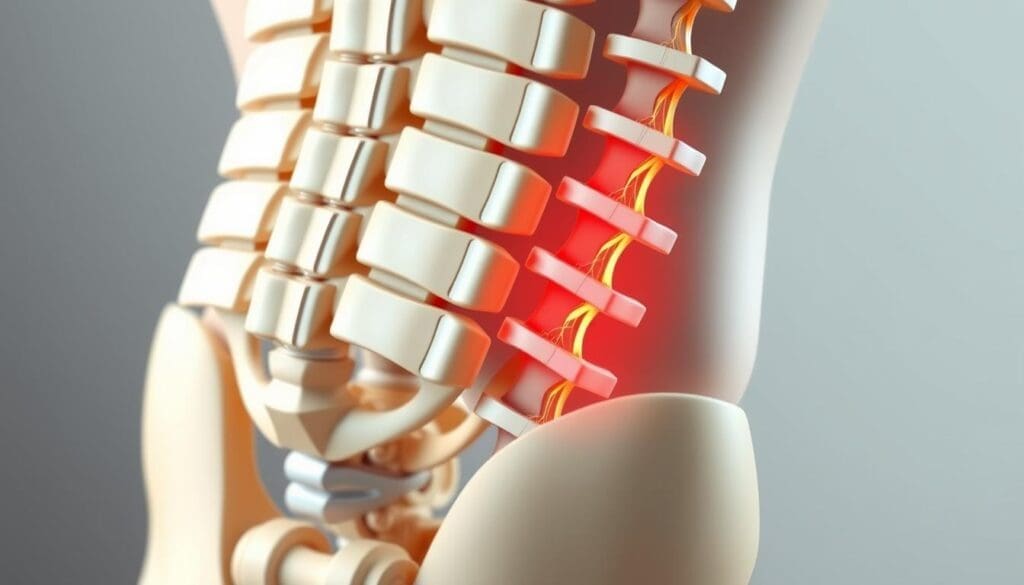
It’s important to know what causes and symptoms of pinched nerves in the lower back. This knowledge helps in managing and relieving the pain. We will look at the anatomy of lower back nerves, common causes of nerve compression, and how common this issue is.
What Causes Nerve Compression in the Lumbar Region
Nerve compression in the lumbar region can happen for several reasons. Herniated discs and spinal stenosis are the main culprits. A herniated disc occurs when the soft inner gel leaks out, pressing on nerves. Spinal stenosis narrows the spinal canal, also putting pressure on nerves.
Other factors include degenerative disc disease, spondylolisthesis, and muscle tightness. Degenerative disc disease is wear and tear on spinal discs. Spondylolisthesis is when a vertebra slips over another, compressing nerves.
The Anatomy of Lower Back Nerves
The lower back, or lumbar region, has five vertebrae (L1-L5). It’s made of bones, discs, muscles, and nerves. These nerves control leg movement and sensation. The sciatic nerve, running from the lower back to the legs, is often compressed.
Knowing the anatomy helps us understand nerve compression. Intervertebral discs act as shock absorbers, and facet joints allow for movement. Any problem with these can cause nerve compression.
How Common This Condition Is
Lower back pain is common, with pinched nerves being a big part of it. Research shows over 40 percent of adults get lower back pain each year. Many of these cases involve pinched nerves.
| Condition | Prevalence | Common Causes |
|---|---|---|
| Pinched Nerve | Significant portion of lower back pain cases | Herniated discs, spinal stenosis |
| Lower Back Pain | Affects over 40% of adults annually | Muscle strain, disc issues, spinal conditions |
Knowing how common pinched nerves are and their causes helps people get the right treatment. It also encourages making lifestyle changes to avoid future problems.
Symptoms of Pinched Nerve in Lower Back
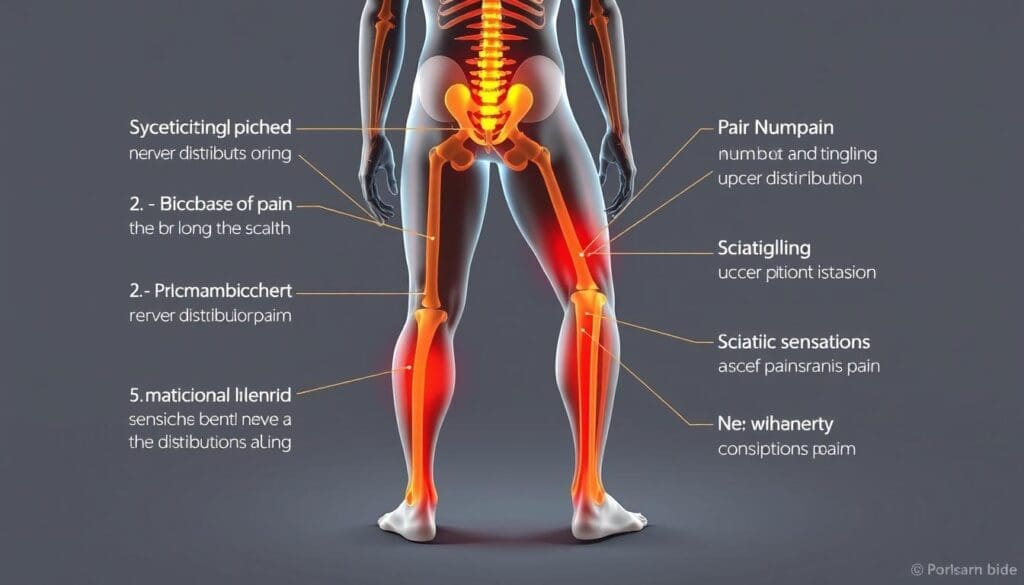
Knowing the signs of a pinched nerve in the lower back is the first step to healing. A pinched nerve can cause pain in the lower back, legs, and affect how you move.
Pain Patterns and Radiation
The pain from a pinched nerve can be sharp or dull. It often spreads down to the legs, following the sciatic nerve. This is known as sciatica. Pain that moves down the leg can be a sign of nerve compression.
Tingling and Numbness Sensations
People with a pinched nerve may also feel tingling or numbness. These feelings can happen in the lower back, buttocks, or legs. The tingling feels like pins and needles, while numbness makes it hard to feel things in those areas.
Muscle Weakness and Mobility Issues
A pinched nerve can make the leg or foot weak. This weakness can make it hard to do everyday things. In bad cases, it might even stop you from walking or standing for long.
Differentiating from Other Back Problems
It’s important to tell the difference between a pinched nerve and other back problems. While other issues might seem similar, the specific pain, tingling, and weakness of a pinched nerve can help doctors figure out what’s wrong.
These symptoms can come from things like herniated discs or spinal stenosis. They can lead to muscle weakness or trouble walking. Knowing these symptoms helps find the right treatment and relief.
When to Seek Medical Attention vs. Home Treatment
It’s important to know when to see a doctor for lower back nerve issues. Many pinched nerves can be treated at home. But knowing when to get help is key for the best treatment and avoiding more problems.
Warning Signs That Require Professional Care
Certain symptoms mean you need to see a doctor right away. These include:
- Severe pain that doesn’t get better with rest
- Numbness or tingling in the legs
- Weakness in the muscles of the lower extremities
- Loss of bladder or bowel control
- Recent trauma or injury to the back
If you have any of these symptoms, seeing a healthcare professional is a must. Early treatment can stop long-term damage and help you feel better.
Conditions Suitable for Self-Management
For mild cases of pinched nerves, you can try treating it at home. Rest, changing your activities, and using over-the-counter pain relievers can help manage symptoms.
| Symptom | Home Treatment | Medical Attention |
|---|---|---|
| Mild Pain | Over-the-counter pain relievers, rest | Not required unless worsening |
| Numbness/Tingling | Stretching, physical therapy | Required if persistent or severe |
| Muscle Weakness | Strengthening exercises | Required to prevent further weakness |
Diagnostic Procedures You Might Encounter
When you see a doctor, you might get different tests to find out what’s wrong. These can include:
- X-rays to check bone alignment and look for fractures
- MRI scans to see soft tissue and nerve compression
- Electromyography (EMG) to check muscle function
Knowing about these tests can help you get ready for your doctor’s visit. It also helps you make better choices about your care.
Rest and Activity Modification Techniques
Healing a pinched nerve in the lower back needs careful planning. Rest and changing daily activities are key. When a nerve is compressed, it’s important to lessen irritation and let it heal.
Proper Resting Positions to Relieve Pressure
Finding the right resting position can help a lot. We suggest lying on your back with a pillow under your knees. This takes pressure off your spine.
Or, try lying on your side with a pillow between your knees. It keeps your spine aligned and reduces nerve pressure.
Daily Activities to Avoid During Recovery
It’s important to skip activities that might make things worse. Heavy lifting, bending, and twisting can hurt your lower back more. Try to avoid these.
Also, don’t sit or stand for too long. These can strain your lower back.
- Avoid heavy lifting or bending
- Minimize prolonged sitting or standing
- Refrain from activities that cause pain or discomfort
Gradual Return to Normal Activities
When you’re feeling better, start doing things again slowly. Begin with gentle stretches and slowly do more as you feel okay. Adding exercises that strengthen your core and improve posture is good too.
These steps can help you manage your symptoms and support your body’s healing.
Effective Stretching and Exercise Therapy
Gentle stretching and specific exercises can help with pinched nerves in the lower back. Adding these to your daily routine can boost flexibility and strengthen back muscles. It also lowers the chance of getting hurt again.
Gentle Lumbar Stretches
Stretching the lower back gently is key to easing tension. Here are some effective stretches:
- Knee to Chest Stretch: Lie on your back, bring one knee towards your chest, and hold for 30 seconds before switching legs.
- Cat-Cow Stretch: On your hands and knees, arch your back (like a cat), then round your back (like a cow), repeating the motion for 30 seconds.
- Pelvic Tilt: Lie on your back with your knees bent, tilt your pelvis upwards, and then back down, repeating for 30 seconds.
Hamstring and Piriformis Stretches
Tight hamstrings and piriformis muscles can make lower back pain worse. Stretching these areas can help:
- Hamstring Stretch: Sit on the floor with your legs straight out, lean forward to reach for your toes, and hold for 30 seconds.
- Piriformis Stretch: Lie on your back, cross one leg over the other, and pull the crossed leg towards your opposite shoulder, holding for 30 seconds before switching.
Core Strengthening for Support and Prevention
Building strong core muscles is vital for supporting your lower back and preventing pinched nerves:
- Plank: Hold a plank position for 30-60 seconds, rest, and repeat.
- Bridges: Lie on your back with your knees bent, lift your hips towards the ceiling, and hold for a few seconds before lowering back down, repeating for 30 seconds.
- Bird Dog: On your hands and knees, lift your right arm and left leg off the ground and hold for a few seconds before lowering and repeating on the other side.
By doing these stretches and exercises, you can manage pinched nerve symptoms in your lower back. This helps you on the path to full recovery.
Heat and Cold Therapy Applications
Heat and cold therapy are simple yet effective ways to ease pinched nerve pain. They help manage pain and swelling, aiding in recovery and relief.
When to Use Ice for Pinched Nerves
Ice is best in the early stages of injury or when swelling is high. Cold therapy reduces swelling and numbs pain. Apply ice packs for 15-20 minutes, several times a day, after activities that worsen the condition.
When to Apply Heat Treatments
Heat therapy is great for relaxing muscles and boosting blood flow. Applying heat eases discomfort and stiffness from pinched nerves. Use warm baths, heating pads, or wraps for 15-20 minutes at a time.
Alternating Therapy Methods
Alternating between heat and cold can be very helpful. This method is good for managing long-term pain and swelling. Begin with cold to reduce swelling, then use heat to relax muscles.
| Therapy Type | Benefits | Application Duration |
|---|---|---|
| Cold Therapy | Reduces inflammation, numbs pain | 15-20 minutes |
| Heat Therapy | Relaxes muscles, increases blood flow | 15-20 minutes |
DIY Heat and Cold Packs
Making your own heat and cold packs at home is easy and saves money. For cold packs, use a bag of frozen peas or a cold compress. For heat packs, a warm towel or microwaveable heating pad works well. Always cover the pack with a cloth to protect your skin.
Posture Correction and Ergonomic Adjustments
Proper posture and ergonomic adjustments are key to recovering from a pinched nerve in the lower back. Good posture lessens nerve pressure, easing pain and discomfort. We’ll look at ways to achieve the best posture and ergonomic adjustments for recovery.
Optimal Sitting and Standing Positions
When sitting, keep your back straight, shoulders relaxed, and feet flat on the floor or on a footrest if needed. Your knees should be at or below hip level. Standing with your shoulders back and weight evenly on both feet also helps reduce nerve pressure.
Here’s a table showing the benefits of proper sitting and standing:
| Posture | Correct Position | Incorrect Position |
|---|---|---|
| Sitting | Straight back, shoulders relaxed, feet flat | Slouching, shoulders hunched, feet crossed |
| Standing | Shoulders back, weight evenly distributed | Leaning to one side, shoulders slouched |
Workplace Ergonomic Modifications
Adjusting your workspace ergonomically can greatly reduce lower back strain. Adjust the chair, monitor, and keyboard heights to comfortable levels. Regular breaks to stand and stretch also help reduce nerve pressure.
Sleeping Positions That Reduce Nerve Pressure
Sleeping on your side with a pillow between your knees helps keep your spine aligned and reduces nerve pressure. For back sleepers, a pillow under your knees can also help.
Supportive Products Worth Considering
Using supportive products like ergonomic chairs, back supports, and orthopedic pillows can help maintain good posture and reduce discomfort. These items are very helpful during recovery.
Here are some products to consider:
- Ergonomic office chairs
- Lumbar support belts
- Orthopedic pillows
- Standing desks
Supplementary Home Remedies and Lifestyle Changes
There are many home remedies and lifestyle changes that can help with a pinched nerve. These can offer relief and support healing. Many people find these strategies helpful.
Anti-Inflammatory Diet Considerations
An anti-inflammatory diet can help reduce inflammation from lumbar radiculopathy symptoms. Eating foods rich in omega-3 fatty acids, like salmon and sardines, is good. Also, eating fruits and vegetables high in antioxidants can help fight inflammation.
Here are some dietary tips:
- Eat more leafy greens like spinach and kale
- Enjoy berries for their antioxidants
- Add nuts and seeds, such as walnuts and chia seeds, to your meals
- Drink green tea for its anti-inflammatory benefits
Over-the-Counter Pain Management Options
For pain from a pinched nerve, over-the-counter (OTC) meds can help. Over-the-counter pain management options include NSAIDs like ibuprofen and naproxen.
| Medication | Dosage | Frequency |
|---|---|---|
| Ibuprofen | 200-400 mg | Every 4-6 hours |
| Naproxen | 250-500 mg | Every 8-12 hours |
Stress Reduction Techniques
Stress can make lower back nerve irritation signs worse. Reducing stress is key to recovery. Meditation, deep breathing, and yoga can help.
Here are some stress-reducing methods:
- Mindfulness meditation to relax
- Progressive muscle relaxation to release tension
- Guided imagery to distract from pain and stress
Recovery Timeline and Expectations
Knowing how long it takes to recover from a pinched nerve is important. Symptoms can get better in a few weeks to several months with the right treatment and lifestyle changes.
Be patient and stick to your treatment plan. Regular check-ups with your healthcare provider can help adjust your treatment as needed.
Conclusion: Creating a Sustainable Recovery and Prevention Plan
Recovering from a pinched nerve in the lower back needs a full plan. This includes rest, exercise, and changes in your lifestyle. Knowing the symptoms of pinched nerve and signs of lower back nerve compression helps a lot. This way, you can lessen pain and avoid it in the future.
It’s important to keep good posture, do low-impact exercises, and handle stress well. Working with healthcare experts helps create a plan just for you. This plan aims to keep your back healthy for a long time.
We aim to offer top-notch healthcare to patients from all over. By using the tips from this article, you can manage your recovery. This will also make your life better.
FAQ
What are the common symptoms of a pinched nerve in the lower back?
Symptoms include sharp pain and tingling. You might also feel numbness or burning. Muscle weakness or trouble walking can happen too.
How can I differentiate a pinched nerve from other back problems?
Look for specific pain patterns and tingling. Muscle weakness is another clue. These signs often point to nerve compression.
When should I seek medical attention for a pinched nerve in my lower back?
See a doctor if pain doesn’t go away or gets worse. Also, seek help if you have muscle weakness, trouble with bladder or bowel, or fever.
What are some effective home treatment options for a pinched nerve in the lower back?
Rest and gentle stretching can help. Heat and cold therapy, along with good posture, are also key. Anti-inflammatory diet and stress reduction are helpful too.
How can I manage pain and inflammation associated with a pinched nerve?
Use heat and cold therapy for pain. Over-the-counter pain meds can help. An anti-inflammatory diet also supports recovery.
What are some recommended exercises for a pinched nerve in the lower back?
Try gentle lumbar stretches and hamstring stretches. Piriformis and core strengthening exercises are good too. They improve flexibility and support your back.
How can I prevent future episodes of pinched nerves in my lower back?
Keep good posture and exercise regularly. Manage stress and make ergonomic changes. These steps reduce injury risk.
What is the typical recovery timeline for a pinched nerve in the lower back?
Recovery time varies. It depends on the condition’s severity and treatment. Most people see improvement in a few weeks with proper care.
Are there any supportive products that can help alleviate symptoms of a pinched nerve?
Yes, ergonomic chairs and back supports can help. Orthotic devices also maintain posture and reduce discomfort.
References
Medical News Today: What to Know About a Pinched Nerve in the Lower Back