Last Updated on November 18, 2025 by Ugurkan Demir
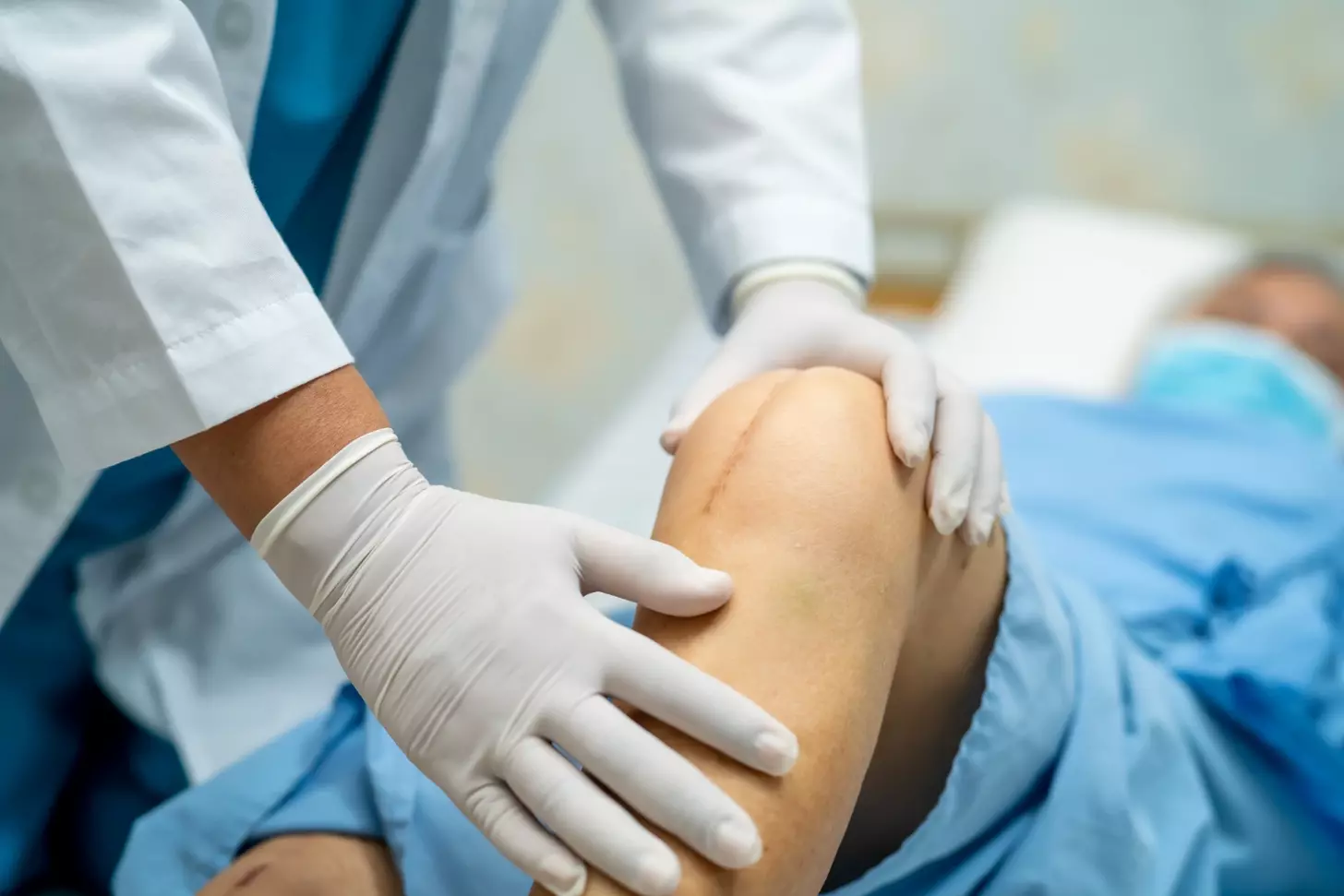
A torn knee ligament is a painful injury. It can greatly affect your mobility and quality of life. This is true for athletes and those who are very active.
At Liv Hospital, we know how important it is to treat knee ligament injuries right. Studies show that surgery using tissue grafts is very effective for ligament tears. We will look at both surgical and non-surgical ways to heal a torn knee ligament. This includes ACL tear treatment and how to recover.
Knowing your treatment options is the first step to getting better. We will help you understand the available treatments. This way, you can get the care you need to live an active life again.
Key Takeaways
- Proper treatment is key to recovering from a torn knee ligament.
- Surgical reconstruction is a highly effective option for complete ligament tears.
- Both surgical and non-surgical treatments are available, depending on the severity of the injury.
- Understanding your treatment options is key to regaining mobility and quality of life.
- Liv Hospital provides advanced, personalized care for knee ligament injuries.
Understanding Knee Ligament Injuries
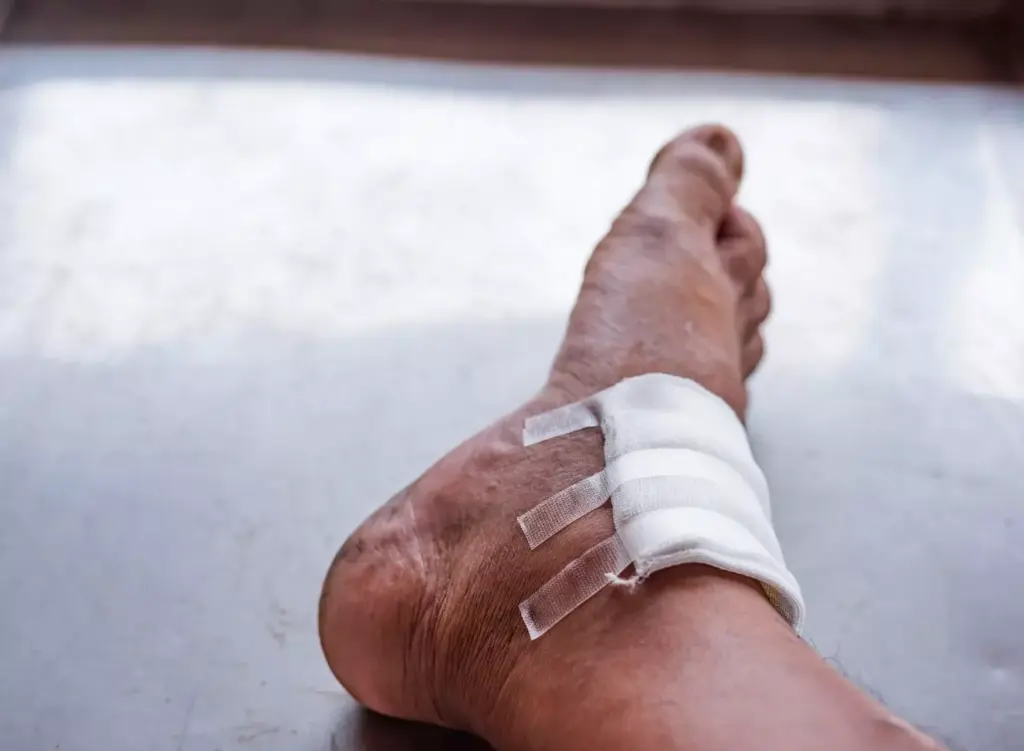
Knee ligament injuries are complex and need proper treatment for recovery. Ligaments help keep the knee stable and allow movement. When these ligaments get hurt, it can really affect how you move and live.
Types of Knee Ligaments (ACL, PCL, MCL, LCL)
The knee has four main ligaments: ACL, PCL, MCL, and LCL. Each one has a special job in keeping the knee stable.
ACL: The ACL is often injured, mainly in sports that require quick stops and changes in direction. It stops the tibia from moving too far forward.
PCL: The PCL is behind the ACL and stops the tibia from moving too far back. PCL injuries are less common but can happen from direct hits.
| Ligament | Function | Common Injury Mechanisms |
|---|---|---|
| ACL | Prevents excessive forward movement of the tibia | Sudden stops, changes in direction, direct contact |
| PCL | Prevents excessive backward movement of the tibia | Direct trauma to the front of the knee |
| MCL | Provides medial (inner) stability to the knee | Valgus stress (force from the outside in) |
| LCL | Provides lateral (outer) stability to the knee | Varus stress (force from the inside out) |
Common Causes of Ligament Tears
Ligament tears can happen from sports injuries, direct hits, or sudden twists. The ACL is often torn during sports that need quick turns or changes in direction.
Risk Factors for Knee Ligament Injuries
Some things can make you more likely to hurt your knee ligaments. These include playing high-risk sports, having had injuries before, and certain body types or muscle imbalances. Knowing these risks helps prevent and treat injuries early.
Recognizing the Signs of a Torn Knee Ligament
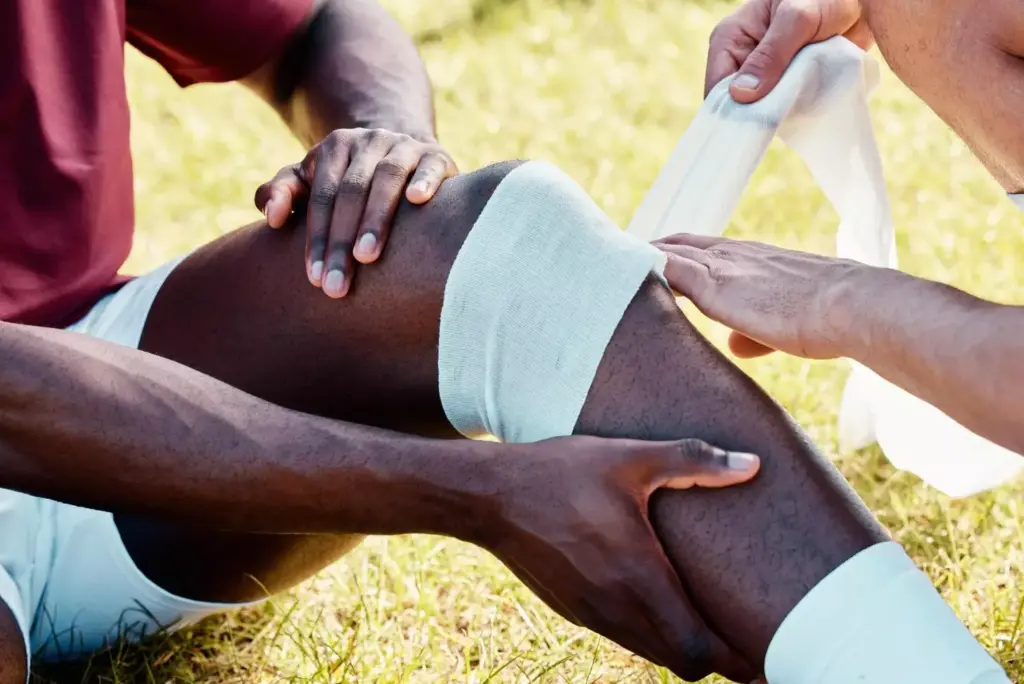
Knowing the signs of a torn knee ligament is key to getting the right treatment. A torn ligament can really affect how you move and live. We’ll show you the signs to look out for and when to see a doctor.
Immediate Symptoms After Injury
When a knee ligament tears, you’ll notice some immediate signs. Pain is usually the first sign, and it can be quite severe. You might also feel like your knee is unstable or “gives way.”
Swelling will quickly follow the injury, and sometimes you’ll hear a popping sound. These symptoms can make it hard to move your knee or do activities.
Delayed Symptoms and Progression
After the injury, some symptoms might get worse or change. You might feel pain or discomfort, mostly when you’re moving or twisting your knee. You could also find it hard to move your knee because of pain or feeling unstable.
Also, you might see bruises around your knee as your body heals. Watching these symptoms is important because they can show how bad the tear is.
When to Seek Medical Attention
If you notice any of these, you should see a doctor: pain that doesn’t go away, feeling unstable, or if your knee feels like it’s giving way. Also, if your knee is very swollen, bruised, or you can’t move it fully, you need to see a doctor.
Getting a diagnosis and treatment early can really help if you have a torn knee ligament. It can prevent more problems like chronic instability or damage to your knee.
Diagnostic Process for Knee Ligament Injuries
Getting a knee ligament injury diagnosed right is key to treating it well. This involves a detailed physical check-up and imaging tests. We’ll walk you through how these steps help diagnose these injuries.
Physical Examination Techniques
The first step in diagnosing knee ligament injuries is a thorough physical exam. We use different methods to check the knee’s stability and function. These include:
- Lachman test for assessing ACL integrity
- Posterior drawer test for evaluating PCL function
- Valgus and varus stress tests to assess MCL and LCL stability
These tests help us figure out how bad the injury is and which ligaments are hurt.
Imaging Tests
Even with a physical exam, imaging tests are often needed to confirm the diagnosis. Common tests include:
- MRI (Magnetic Resonance Imaging): Gives detailed images of soft tissues like ligaments, tendons, and cartilage.
- X-ray: Helps spot bone fractures and check bone alignment.
- Ultrasound: Used to check some soft tissue injuries, but not as often for ligament tears.
We usually suggest an MRI because it’s very good at finding ligament tears and other soft tissue injuries.
Differential Diagnosis Considerations
When diagnosing knee ligament injuries, we also look at other possible causes of knee pain and instability. This includes:
- Meniscus tears
- Fractures
- Tendon injuries
- Other soft tissue injuries
A detailed evaluation helps us rule out other conditions and plan the right treatment.
Initial Treatment Steps After Injury
After a knee ligament injury, start treatment quickly to lessen damage and aid healing. The first steps are key to cut down pain and swelling. They also help set the stage for a good recovery.
The RICE Protocol
The RICE protocol is a top choice for treating acute injuries like knee ligament tears. It stands for Rest, Ice, Compression, and Elevation. Each part of RICE is important for easing pain and swelling.
- Rest: Stay away from activities that make the injury worse and let the knee heal.
- Ice: Use ice packs on the injured area for 15-20 minutes, several times a day, to lessen swelling.
- Compression: Wear compression bandages to cut down swelling and offer support.
- Elevation: Keep the injured knee higher than the heart to lessen swelling and improve blood flow.
Pain Management Options
Managing pain well is key in the early stages of treatment. You can use over-the-counter pain relievers like ibuprofen or acetaminophen. Sometimes, a doctor might prescribe stronger pain meds.
“Pain is a signal that something is wrong, and managing it is critical for recovery. Our pain management strategy is all-encompassing, addressing both physical and emotional pain aspects.” – Orthopedic Specialist
| Pain Management Option | Description | Benefits |
|---|---|---|
| Over-the-counter pain relievers | Medications like ibuprofen or acetaminophen | Reduces pain and inflammation |
| Prescription pain medication | Stronger medications prescribed by a doctor | Effective for severe pain |
Temporary Immobilization Methods
Using temporary immobilization can protect the injured knee and ease pain. Knee braces or splints can do this. It’s very important in the early injury phase.
A knee brace can stabilize the knee, lowering the chance of more injury and helping the ligament heal. The right brace depends on the injury’s severity and the ligament involved.
By following these initial steps, patients can manage their symptoms and support healing. It’s important to talk to a healthcare professional to find the best treatment for a torn knee ligament.
Non-Surgical Treatment Approaches
For knee ligament injuries, a non-surgical method can work well for some. We look at many factors to pick the best treatment.
Physical Therapy Protocols for Partial Tears
For partial tears, physical therapy is key. Physical therapy protocols aim to improve knee function and strengthen muscles. We focus on exercises that boost knee strength and mobility without harming the injured ligament.
Bracing and Support Options
Bracing is also vital for knee ligament injuries. Knee braces offer extra support and stability. We suggest using braces made for ligament injuries to help with healing.
Activity Modification Guidelines
Changing activities is important for non-surgical treatment. We tell patients to stay away from high-impact activities. Instead, we recommend low-impact exercises like swimming or cycling to keep the heart rate up without stressing the knee.
When Non-Surgical Treatment Is Appropriate
Non-surgical treatment fits well for partial ligament tears or less active patients. We consider health, age, and needs to decide if it’s right. Sometimes, a mix of physical therapy, bracing, and changing activities can work without surgery.
Surgery for Ligament Tear: When Is It Necessary?
Deciding if surgery is needed for a torn ligament depends on the injury’s severity and the patient’s health. We look at several factors to find the best treatment.
Complete vs. Partial Tear Considerations
Choosing surgery often depends on the tear’s type. Complete tears mean the ligament is fully broken, affecting knee stability. Partial tears might not need surgery unless they cause a lot of pain or instability.
Patient Activity Level Assessment
An individual’s activity level is key in deciding on surgery. For active individuals, like athletes, surgery might be needed to keep the knee stable and working well.
Age and Health Factors
Age and health are also important. While age doesn’t always mean no surgery, older patients might have other health issues to consider. Young, active people might need surgery to avoid more knee problems.
Long-Term Outcomes Without Surgery
Thinking about what happens without surgery is vital. For some, not having surgery might be okay. But for others, it could lead to long-term instability and more injuries. Rehabilitation and physical therapy are important in both surgical and non-surgical plans.
In the end, the choice to have surgery for a ligament tear should be made carefully. A healthcare professional will consider the patient’s condition, lifestyle, and goals.
Comparing Surgical Techniques for Knee Ligament Reconstruction
It’s important to know the different ways to fix knee ligament injuries. The right method depends on the injury, how active you are, and your overall health.
Arthroscopic vs. Open Surgery Approaches
Arthroscopic surgery uses a small camera and tools through tiny cuts. It’s good for less pain and quicker healing. Open surgery, with a bigger cut, is needed for more serious cases or when tissues are badly damaged.
Benefits of Arthroscopic Surgery:
- Smaller cuts mean less scarring
- Lower chance of infection
- Shorter time to get back to normal
- Less pain after surgery
Autograft Options
Autografts use a graft from your own body. You can choose from:
- Patellar tendon graft
- Hamstring tendon graft
- Quadriceps tendon graft
Each type has its own benefits. For example, patellar tendon grafts are strong and good for athletes. Hamstring grafts are less invasive and might cause less pain in the front of the knee.
Allograft Considerations and Success Rates
Allografts come from a donor. They’re used when you can’t use your own tissue or prefer not to have more surgery. They work well, as long as they’re properly checked and prepared.
| Graft Type | Success Rate | Complications |
|---|---|---|
| Autograft | 85-90% | Donor site morbidity |
| Allograft | 80-85% | Disease transmission risk |
Advanced “All-Inside” Techniques and Benefits
The “all-inside” technique is a new way of arthroscopic surgery. It fixes the graft without big cuts. This method lowers risks and speeds up healing.
The “all-inside” technique is a big step forward in knee ligament repair. It offers a less invasive option for quicker recovery.
Knowing about these techniques helps patients make better choices. By weighing the pros and cons, patients can pick the best treatment with their doctor.
Graft Selection and Surgical Precision Factors
Surgical precision and the right graft selection are key to great results in knee ligament reconstruction. We’ll look at what makes these elements important for the best patient outcomes.
Matching Grafts to Patient Needs
Choosing the right graft is a big decision in knee ligament reconstruction. We think about the patient’s age, how active they are, and any health issues they might have. Autografts, which come from the patient, are often chosen because they’re less likely to be rejected and work better. But allografts, from donors, might be used if the patient’s own tissue isn’t good enough or available.
Anatomic Placement Considerations
Where the graft is placed is very important for the knee to work right and avoid more damage. We use new imaging and planning to make sure the graft is in the right spot. This means looking at where the ligament originally attached and using precise tools.
Surgeon Experience and Outcomes
The skill of the surgeon is a big factor in how well knee ligament reconstruction goes. Research shows that doctors who do more procedures get better results. They have better techniques and can handle problems better. We stress the importance of picking a skilled and experienced surgeon for this complex surgery.
Recent Innovations in Graft Fixation
New ways to fix grafts have made knee ligament reconstructions more stable and last longer. Using bioabsorbable screws and new suture materials makes the graft more secure. This means patients can start moving and rehabbing sooner. We keep up with the newest methods to give our patients the best care.
| Graft Type | Advantages | Disadvantages |
|---|---|---|
| Autograft | Lower risk of rejection, higher success rates | Donor site morbidity, limited availability |
| Allograft | Avoids donor site morbidity, available in various sizes | Risk of rejection, possible disease transmission |
Preparing for Knee Ligament Surgery
Getting ready for knee ligament surgery is a big step. It’s important to follow key steps to help your recovery. We’ll show you how to get ready for a successful surgery and recovery.
Pre-Surgical Physical Therapy Benefits
Starting physical therapy before surgery can really help. Pre-habilitation exercises make your knee stronger and more flexible. They also help reduce pain and swelling after surgery.
We suggest starting with simple exercises. These improve your range of motion and strengthen muscles around your knee.
Medical Clearance Requirements
Getting medical clearance is a must before surgery. It checks your overall health for any risks. We work with your doctor to manage any health issues before the surgery.
What to Expect on Surgery Day
On surgery day, you’ll arrive a few hours early. Our team will help you get ready, including changing into a gown and getting anesthesia. Knowing what to expect can make things easier.
Immediate Post-Operative Care
After surgery, caring for yourself is key. You’ll be in a recovery area where we watch your health and manage pain. We’ll give you clear instructions on wound care, pain management, and follow-up visits.
Following these instructions is important. It helps avoid complications and ensures a smooth recovery.
Recovery Timeline After Ligament Surgery
The journey to recovery after knee ligament surgery is a multi-phase process. It requires patience, dedication, and a clear understanding of what to expect. Each phase is key for a successful outcome.
Initial Recovery (0-2 Weeks)
The initial recovery phase focuses on managing pain and swelling. It also aims to improve basic knee mobility. Rest, ice, compression, and elevation (RICE) are used to help healing.
Patients are often advised to use crutches to avoid putting weight on the operated knee. Pain management is a priority, with medication to keep discomfort at manageable levels. It’s also important to watch for any signs of complications, like infection or excessive swelling.
Early Rehabilitation (2-6 Weeks)
As healing progresses, the focus shifts to early rehabilitation. This phase involves gradually increasing knee flexion and beginning to bear weight on the affected leg. Physical therapy is key, with exercises to improve range of motion and strengthen muscles.
Patients are encouraged to progress from crutches to a cane as they get stronger. The goal is to achieve a full range of motion and normalize gait patterns.
Strength Building (6-12 Weeks)
In the strength building phase, the focus is on enhancing muscular strength and improving functional ability. Patients do more intense physical therapy, including exercises for the quadriceps, hamstrings, and other muscles.
Progressive resistance exercises are introduced to build strength. Agility drills are also used to improve knee stability and overall lower limb function.
Return to Activity (3-6 Months)
The final phase focuses on returning to pre-injury activity levels. Patients work on advanced strengthening exercises and sports-specific training if applicable. The rehabilitation team checks if the knee is ready for full activities, ensuring it’s stable and strong.
Throughout this phase, we also emphasize injury prevention strategies. This helps patients maintain knee health and reduce the risk of future injuries.
Rehabilitation Protocols and Physical Therapy
A good rehabilitation program is key after knee ligament surgery. It includes exercises and techniques for each recovery phase. This helps patients regain strength, mobility, and function.
Key Exercises for Each Recovery Phase
Rehabilitation has several phases, each with its own exercises. These exercises help with healing and restoring function.
- Phase 1 (0-2 weeks): Focus on reducing pain and swelling, maintaining range of motion, and strengthening the surrounding muscles.
- Phase 2 (2-6 weeks): Emphasize improving range of motion, strengthening, and beginning weight-bearing exercises.
- Phase 3 (6-12 weeks): Concentrate on strengthening, balance, and agility training.
- Phase 4 (3-6 months): Advance to sport-specific training and functional activities.
Gait Training and Movement Patterns
Gait training is a key part of rehabilitation. It focuses on restoring normal walking patterns and reducing re-injury risk. Proper gait mechanics are vital for minimizing knee ligament stress and ensuring a smooth return to daily and sports activities.
Strength and Balance Restoration
Strengthening muscles around the knee is essential for ligament support and stability.
“Strengthening exercises, such as squats and lunges, help in restoring muscle balance and improving knee function.”
Balance training is also important. It improves proprioception and reduces injury risk.
Sport-Specific Rehabilitation Techniques
For athletes, sport-specific rehabilitation is vital for safe and effective return to their sport.
- Agility drills: Designed to improve quickness, reaction time, and change of direction.
- Plyometric training: Focuses on explosive movements to enhance power.
- Endurance training: Aims at improving cardiovascular fitness and stamina.
These techniques are tailored to each sport’s demands. They help athletes perform at their best.
Conclusion: Long-Term Outlook and Prevention
Knowing what to expect after knee ligament surgery is key for patients. We’ve talked about different surgeries and how to recover. Most people get their knee function back and can do what they did before the injury.
It’s also vital to prevent knee ligament injuries, which is true for athletes or anyone who does high-risk activities. Doing exercises to strengthen the knee, improving stability, and using the right sports techniques can help. We stress the need for ongoing care and prevention to keep the knee healthy.
By being proactive with knee care and following rehabilitation plans, patients can lower the chance of getting hurt again. Our aim is to offer full support during recovery. This way, patients can get their knee working well and feel better overall.
FAQ
What are the common symptoms of a torn knee ligament?
Symptoms include sudden pain, feeling unstable, swelling, and trouble moving. Some might hear a popping sound when it happens.
How is a knee ligament injury diagnosed?
Doctors use a physical exam, MRI or X-ray, and sometimes arthroscopy to check the injury.
What is the RICE protocol, and how does it help in treating knee ligament injuries?
RICE means Rest, Ice, Compression, and Elevation. It helps lessen pain, swelling, and inflammation early on.
When is surgery necessary for a torn knee ligament?
Surgery is needed for full tears, for those who are very active, or if instability keeps coming back. The choice depends on the tear size, age, and health.
What are the different surgical techniques for knee ligament reconstruction?
There are arthroscopic and open surgeries. They use the patient’s own tissue or donor tissue. “All-inside” techniques also minimize damage.
How long does it take to recover from knee ligament surgery?
Recovery goes through phases: initial healing (0-2 weeks), early rehab (2-6 weeks), building strength (6-12 weeks), and getting back to activities (3-6 months).
What does rehabilitation after knee ligament surgery involve?
It includes a physical therapy plan with exercises for each phase. It also includes gait training, strengthening, and sport-specific training for a safe return.
Can a torn knee ligament heal without surgery?
Some small tears might heal with therapy and bracing. But big tears or those causing a lot of instability usually need surgery.
How can future knee ligament injuries be prevented?
To prevent injuries, keep leg muscles strong, use the right techniques in sports, wear protective gear, and include injury prevention in training.
What are the long-term outcomes after knee ligament surgery?
Most people can get back to their old activities with good care. Success depends on the graft, surgery method, and following the rehab plan.
How is graft selection determined for knee ligament reconstruction?
Choosing a graft depends on age, activity level, availability, and the surgeon’s preference. Autografts and allografts have their own benefits, chosen based on the patient’s needs.
Reference
- J Clin Med / PMC. All-Inside Anterior Cruciate Ligament Reconstruction Technique: Tips and Tricks. https://pmc.ncbi.nlm.nih.gov/articles/PMC10532376/
- HSS. ACL Reconstruction Surgery: Procedure and Recovery. https://www.hss.edu/health-library/conditions-and-treatments/list/acl-surgery
- OrthoInfo – AAOS. ACL Reconstruction Animation. https://orthoinfo.aaos.org/en/treatment/acl-reconstruction-animation/