Last Updated on November 4, 2025 by mcelik
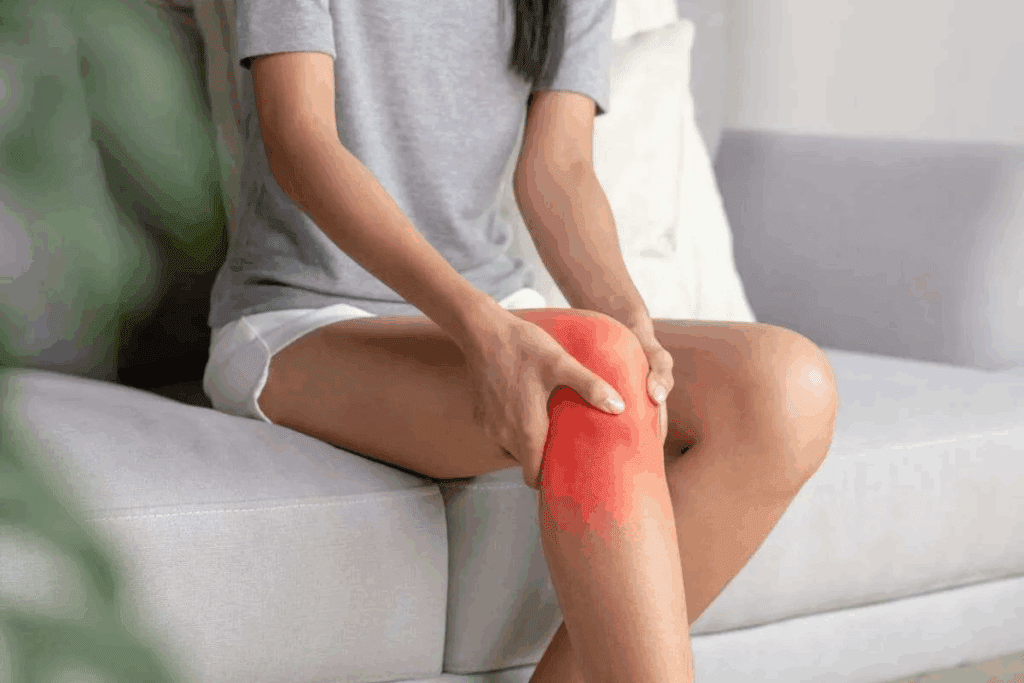
Bursitis is a common condition that affects millions. It causes swelling and irritation in a bursa, a saclike structure that cushions joints. This can lead to pain, swelling, and limited movement, often in the shoulder.
Knowing the bursitis treatment options is important. Using a heating pad is one method to help with pain and stiffness. We will look into how well this works and other ways to ease bursitis symptoms.
Key Takeaways
- Bursitis is characterized by the inflammation of a bursa, leading to pain and discomfort.
- Common symptoms include pain, swelling, and limited mobility.
- Effective treatment options are key to managing bursitis.
- Heating pads can be a method to ease bursitis symptoms.
- Understanding the condition and its treatment is essential for recovery.
Understanding Bursitis: Definition and Overview

Bursitis is when a bursa, a small fluid-filled sac, gets inflamed. Bursae cushion joints and reduce friction between bones and soft tissues. They are found where muscles and tendons move over bony areas.
What Is a Bursa Sac and Its Function
A bursa sac is a closed, fluid-filled sac with synovial fluid. This fluid is like the lubricant in joints. Its main job is to reduce friction between bones, tendons, and skin. This allows joints and surrounding tissues to move smoothly.
Bursae also act as cushions. They absorb shock and distribute pressure. This protects tissues from friction and wear.
In a healthy state, bursae are not noticeable and do not cause issues. But, when a bursa gets inflamed or irritated, it leads to bursitis.
Common Types of Bursitis
Bursitis can affect different parts of the body. It commonly hits the shoulder, elbow, hip, and knee. The condition is categorized by the location of the affected bursa:
- Shoulder Bursitis: Often occurs in the subacromial bursa, between the acromion and the rotator cuff tendons.
- Elbow Bursitis (Olecranon Bursitis): Affects the bursa at the back of the elbow.
- Trochanteric Bursitis: Occurs on the outer aspect of the hip.
- Prepatellar Bursitis (Housemaid’s Knee): Affects the bursa in front of the kneecap.
Knowing the different types of bursitis is key to finding the right treatment. Each type has its causes and symptoms, which we will look into next.
Recognizing Bursitis Symptoms and Diagnosis

Spotting bursitis symptoms early is key to managing it well. Bursitis shows up in different ways, and knowing these signs is vital for the right treatment.
Common Symptoms of Bursitis
Bursitis symptoms change based on where and how bad the inflammation is. You might feel joint pain, stiffness, swelling, and redness in the affected area. For example, hip bursitis can hurt the outside of your hip. Shoulder bursitis might make moving your shoulder painful.
Other signs include:
- Aching or tenderness in the affected joint
- Warmth or redness around the joint
- Limited mobility or stiffness, mostly after resting
- Pain that gets worse with movement or activity
Diagnostic Methods for Bursitis
Figuring out if you have bursitis involves a few steps. These include a physical check-up, looking at your medical history, and sometimes, imaging tests. We’ll go over the main ways doctors diagnose bursitis.
| Diagnostic Method | Description |
| Physical Examination | A healthcare pro checks the affected area for swelling, redness, and tenderness. |
| Imaging Tests (X-ray, MRI, Ultrasound) | These tests show the bursa and nearby tissues, helping diagnose bursitis. |
| Bursa Fluid Analysis | In some cases, fluid from the bursa is taken out and checked to rule out infection or other issues. |
Seeing a healthcare pro for a proper diagnosis is important. They’ll figure out the best treatment based on how bad and where the bursitis is.
Causes and Risk Factors of Bursitis
It’s important to know what causes bursitis to prevent and treat it well. Bursitis is when the bursae, which cushion joints, get inflamed. This can really affect someone’s life.
Common Causes of Bursa Inflammation
Bursitis can happen for many reasons, including:
- Overuse: Doing the same motion over and over can cause bursitis, like in athletes or people with jobs that repeat tasks.
- Injury: A hit to a joint or falling on it can also lead to bursitis.
- Arthritis: Having conditions like rheumatoid arthritis can make you more likely to get bursitis.
- Infection: Sometimes, bursitis is caused by an infection, which might need a doctor’s help.
In teens, the main reason for bursitis is overuse. This often happens in sports or activities that require a lot of repetition.
Who Is at Risk for Developing Bursitis
Some people are more likely to get bursitis because of their job, hobbies, or health. These include:
- Athletes or people who do sports that need a lot of repetition.
- Those with jobs that involve doing the same thing over and over or lifting heavy things.
- People with conditions like arthritis or gout.
- Those who have hurt a joint directly.
Knowing these risk factors can help people take steps to avoid getting bursitis.
A clear understanding of the benefits and limitations of heat therapy can aid in making informed treatment choices.
Many people find relief from bursitis with heat therapy. It involves using a heating pad or warm compress on the affected area. This helps reduce pain and inflammation.
How Heating Pads Work for Bursitis
Heating pads increase blood flow to the area, easing pain and stiffness. Using a heating pad for about 15 minutes a few times a day can be very comforting. It relaxes muscles and tendons around the bursa, reducing inflammation.
The warmth from the heating pad promotes healing and relaxation. It’s important to use it correctly to avoid risks.
When Heat Therapy Is Recommended
Heat therapy is often suggested for chronic bursitis. It works best when the condition is not in an acute inflammatory phase. During this time, it can help manage pain and improve mobility.
They can tell you if heat therapy is right for your condition.
Potential Risks of Using Heat for Bursitis
Heat therapy has benefits but also risks. Using heat on acute injuries or inflamed areas can sometimes make things worse. It’s also important to avoid falling asleep with a heating pad to prevent burns.
Precautions:
- Always use a cloth or towel between the heating pad and your skin.
- Limit the use of the heating pad to 15-20 minutes at a time.
- Monitor your skin for any signs of irritation or burns.
A clear understanding of the benefits and limitations of heat therapy can aid in making informed treatment choices. Always get advice from a healthcare professional for your specific situation.
Cold Therapy vs. Heat Therapy for Bursitis
Choosing between ice and heat is key to managing bursitis symptoms. Both methods are useful, depending on the bursitis stage and severity.
When to Use Ice for Bursitis
Ice packs are often advised at the start of bursitis. They reduce swelling and numb pain. Wrap ice in a towel and apply it for 15-20 minutes, several times a day.
Benefits of Cold Therapy:
- Reduces inflammation
- Numbs pain
- Decreases swelling
When to Use Heat for Bursitis
Heat therapy is better after the swelling goes down. It relaxes muscles, boosts blood flow, and aids healing. Use it after the initial pain phase.
A clear understanding of the benefits and limitations of heat therapy can aid in making informed treatment choices.
- Relaxes muscles
- Increases blood flow
- Promotes healing
Alternating Heat and Cold: Benefits and Methods
Alternating cold and heat can offer the best relief. It’s great for long-term bursitis. Start with cold to reduce swelling, then use heat to relax muscles and heal.
| Therapy Type | Benefits | |
| Cold Therapy | Reduces inflammation, numbs pain, decreases swelling | Initial stages, acute phase |
| Heat Therapy | Relaxes muscles, increases blood flow, promotes healing | After acute phase, chronic pain |
| Alternating Therapy | Combines benefits of both, effective for chronic bursitis | For persistent or recurring bursitis |
Knowing when to use cold, heat, or both can help manage bursitis symptoms. This approach can improve your life quality.
How to Heal Hip Bursitis Quickly: Comprehensive Strategies
To heal hip bursitis quickly, you need a plan that covers immediate relief, short-term recovery, and long-term management. Hip bursitis can be very painful, so we aim to give you the best ways to treat it. This will help you manage your symptoms and get better.
Immediate Relief Techniques
When you first get hip bursitis, it’s important to start with quick relief methods. These can help ease the pain and swelling. Some good options include:
- Resting the affected area to prevent further irritation
- Using pain relief medications such as ibuprofen or naproxen
- Applying protective padding to the affected area
These steps can give you fast relief and help you handle your symptoms better.
Short-term Recovery Methods
After you’ve eased the initial pain and swelling, it’s time to focus on recovery. Good strategies include:
- Stretching exercises to enhance flexibility
- Strengthening exercises to support the hip joint
These methods can help you get better from hip bursitis and lower the chance of it coming back.
Long-term Management Approaches
To avoid future hip bursitis, you need to manage it long-term. Good strategies include:
- Maintaining a healthy weight to reduce pressure on the hip joint
- Engaging in regular exercise to improve hip mobility and strength
- Avoiding repetitive activities that can irritate the bursa
By following these tips every day, you can keep hip bursitis under control and stop it from coming back.
Medical Treatments for Bursitis
There are many ways to treat bursitis, from simple pain relievers to injections. Knowing about these options is key to managing bursitis well.
Over-the-Counter Medications
OTC medications are often the first choice for bursitis. Ibuprofen and naproxen are common. They help reduce swelling and ease pain. These drugs are easy to find and work well for mild to moderate bursitis.
- Ibuprofen: A nonsteroidal anti-inflammatory drug (NSAID) that reduces pain and inflammation.
- Naproxen: Another NSAID that provides longer-lasting relief compared to ibuprofen.
Prescription Medications
For severe cases, doctors may prescribe stronger drugs. These include anti-inflammatory drugs or antibiotics for infections. These are used when OTC drugs don’t help enough.
- Stronger NSAIDs: Prescription-strength NSAIDs can provide more potent relief for severe inflammation.
- Antibiotics: If the bursitis is due to a bacterial infection, antibiotics may be prescribed.
Corticosteroid Injections
Corticosteroid injections are a powerful treatment for bursitis. They inject a corticosteroid into the bursa to cut down inflammation. This method can offer a lot of relief for those with ongoing symptoms.
- Rapid reduction of inflammation
- Significant pain relief
- Minimally invasive procedure
In conclusion, there are many treatments for bursitis, from OTC drugs to injections. Knowing about these options helps patients choose the best care for themselves.
Physical Therapy and Exercises for Bursitis Relief
Physical therapy and exercises can help those with bursitis a lot. Bursitis is when the bursa sacs get inflamed. This can make daily tasks hard. We’ll see how therapy and exercises can ease symptoms and boost function.
Therapeutic Exercises for Hip Bursitis
Hip bursitis often comes from too much motion or a hit to the hip. Exercises can make the muscles around the hip stronger. They also improve flexibility and cut down on pain.
- Gluteal strengthening exercises: These help keep the hip joint stable and lessen bursa strain.
- Tensor fasciae latae stretching: This stretch can help if the muscle is too tight and makes hip bursitis worse.
- Piriformis stretch: This stretch can ease pressure on the sciatic nerve and the bursae around it.
“A physical therapy program that includes hip strengthening and stretching exercises can be an effective treatment for hip bursitis.”
| Exercise | Purpose | Repetitions |
| Gluteal Bridges | Strengthens gluteal muscles | 10-15 |
| Side-lying Leg Lifts | Targets hip abductors | 12-18 |
| Iliopsoas Stretch | Stretches front of hip | 3 sets, 30 seconds each |
Shoulder Bursitis Rehabilitation Exercises
Shoulder bursitis can make moving the arm hard and hurt. Certain exercises can help get the arm moving better and strengthen it.
- Shoulder Rolls: Helps loosen the shoulder muscles.
- Cross-body Stretch: Stretches the shoulder joint and the muscles around it.
- Wall Slide: Helps with shoulder flexion and makes it less stiff.
Working with a Physical Therapist
Working with a physical therapist is very helpful. They can:
- Check how bad the bursitis is and make a plan just for you.
- Use manual therapy to make joints move better.
- Teach you how to move your body right to avoid more problems.
Adding physical therapy and exercises to your treatment plan can really help with bursitis. It can make symptoms better and improve your life a lot.
Lifestyle Modifications to Manage Bursitis
To ease bursitis symptoms, making lifestyle changes is key. These adjustments can lessen pain and boost your life quality. We’ll look at different lifestyle tweaks to manage bursitis well.
Activity Modifications
Changing how you do daily tasks is a big step. Try to avoid repetitive motions and take breaks to rest. For example, if your shoulder hurts, change how you sleep or avoid heavy lifting.
Adding low-impact exercises like swimming or cycling is good. They keep your joints moving without making things worse. A doctor or physical therapist can help pick the right activities for you.
Ergonomic Adjustments
Improving your workspace is also important. Make sure your chair, keyboard, and computer are set up right. This helps avoid putting too much strain on your joints.
For hip or knee bursitis, using the right ergonomic equipment helps. Simple changes like taking stairs or standing up often can also help your joints stay healthy.
Weight Management
Keeping a healthy weight is key, mainly for hips and knees. Too much weight can make bursitis worse. Eating right and exercising can help keep your joints healthy and reduce pain.
Eating a balanced diet with anti-inflammatory foods is good. Foods like omega-3s, fruits, and veggies can help fight inflammation. Working with a doctor to plan your weight is important.
By making these lifestyle changes, you can manage bursitis better. It’s about making smart choices and working with healthcare experts to find the best plan for you.
Natural and Alternative Remedies for Bursitis
Looking into treating bursitis, we find natural and alternative remedies are helpful. They can ease symptoms and improve life quality for those with bursitis.
Herbal Anti-inflammatories
Herbal anti-inflammatories are popular for fighting inflammation and pain in bursitis. Some top herbs include:
- Turmeric: It has curcumin, which fights inflammation well.
- Ginger: It has compounds that reduce pain and swelling.
- Willow Bark: It has salicin, like aspirin, to ease pain.
While these herbs look promising, talk to a doctor before using them. This is true if you’re already on medication.
Dietary Approaches
Changing your diet can help with bursitis symptoms. Eating foods that fight inflammation is key. Focus on:
- Eating more omega-3 fatty acids from fish, flaxseeds, and walnuts.
- Choosing colorful fruits and veggies for antioxidants.
- Adding whole grains like brown rice and whole-wheat bread.
Stay away from processed foods, sugary drinks, and too much alcohol. They can increase inflammation.
The Coffee and Bursitis Connection
Studies have looked at coffee and bursitis. Some say moderate coffee might help because of its anti-inflammatory effects. But, too much coffee can harm, and everyone reacts differently.
While the science isn’t solid, a little coffee might be part of a plan to fight inflammation. Always talk to a doctor before changing your diet.
In summary, natural and alternative remedies are good options for bursitis treatment. By trying herbal anti-inflammatories, changing your diet, and knowing about coffee, you can manage your condition better.
Surgical Options for Persistent Bursitis
For those with persistent bursitis, surgery might be a good option when other treatments don’t work. Most bursitis cases are treated without surgery. But, some people need more serious treatments to feel better.
When Surgery Is Considered
Surgery is considered when other treatments don’t help. A healthcare professional will decide this after checking your symptoms and health. They look at how bad your symptoms are and how they affect your life.
Thinking about surgery can be scary. But, talking about the good and bad sides with your doctor is important. Sometimes, medicine is injected into the bursa before surgery is considered.
Types of Surgical Procedures
There are different surgeries for bursitis. The most common is bursectomy, where the inflamed bursa is removed. This can be done in two ways: open surgery or arthroscopic bursectomy.
- Arthroscopic Bursectomy: A small camera and tools are used to remove the bursa through small cuts.
- Open Bursectomy: A bigger cut is made to remove the bursa.
- Endoscopic Bursectomy: This uses a small camera and tools to remove the bursa with small cuts.
Recovery Expectations After Surgery
Recovery time after surgery varies. It depends on the surgery type and your health. You might feel pain and swelling, but these can be managed with medicine and rest.
Most people can go back to their usual activities in a few weeks to months. This depends on the surgery and how well you recover.
Following your surgeon’s advice and going to follow-up visits is key. This helps you recover well and avoids any problems.
Prevention Strategies for Bursitis Recurrence
To prevent bursitis from coming back, you need to use several strategies. These include using the right body mechanics, wearing protective gear, and staying active. By doing these things, you can lower your chances of getting bursitis again.
Proper Body Mechanics
Keeping your body in the right position is key to avoiding bursitis. This means paying attention to how you move and stand during everyday tasks and sports. For example, learning the right way to lift, bend, and stand can help protect your joints.
- Use proper lifting techniques to avoid putting unnecessary stress on your joints.
- Maintain good posture to reduce pressure on bursae.
- Avoid repetitive motions that can irritate bursae.
Protective Equipment
Wearing protective equipment is another smart way to stop bursitis. This includes knee pads for people who often kneel, elbow pads for those who lean on their elbows, and the right shoes for runners or athletes.
- Knee pads or cushions for kneeling.
- Elbow pads for leaning or crawling activities.
- Properly fitted helmets and pads for contact sports.
Regular Exercise and Stretching
Regular exercise and stretching are important for keeping your joints flexible and strong. This can help prevent bursitis. Exercises that make your joints move better and strengthen the muscles around them can lower your risk of getting bursitis.
Some good exercises to try include:
- Stretching exercises to improve flexibility.
- Strengthening exercises to support joints.
- Low-impact aerobic exercises to maintain overall fitness.
By adding these prevention strategies to your daily life, you can greatly lower your risk of bursitis coming back. This helps keep your joints healthy and pain-free.
Self-Care Practices for Daily Bursitis Management
Dealing with bursitis means taking care of yourself every day. This helps reduce pain and improves your life quality. Simple practices can help manage symptoms and lessen flare-ups.
Creating a Bursitis Management Routine
Having a routine is key for managing bursitis. It includes activities that reduce inflammation, improve joint movement, and strengthen muscles. Start your day with gentle stretches to boost blood flow and ease stiffness and pain.
It’s also vital to pace your activities all day. Avoid too much effort by taking breaks. For example, take a 10-minute stretch every hour when doing repetitive tasks.
Balancing Activity and Rest
It’s important to balance being active and resting. Being active keeps joints moving and strong. But, resting is key to avoid making things worse. Listen to your body and rest when it tells you to to prevent irritation.
- Modify activities to reduce strain on the affected joint.
- Use assistive devices if necessary to reduce stress on bursae.
- Prioritize low-impact exercises like swimming or cycling.
Monitoring Symptoms and Progress
Tracking your symptoms and how they change is vital. Keep a symptom journal to spot patterns and triggers. This helps you make better care choices.
Regular check-ins with your healthcare provider are also important. They help fine-tune your care plan. This ensures you get the best treatment for your needs.
By adding these self-care steps to your daily routine, you can actively manage your bursitis. This improves your overall health and well-being.
Conclusion: Making Informed Decisions About Bursitis Treatment
Bursitis is a complex condition that needs a detailed treatment plan. Understanding its causes, symptoms, and treatment options helps people make smart choices about their care.
Managing bursitis well means using medical treatments, changing your lifestyle, and taking care of yourself. We talked about the good and bad of heat therapy, the value of physical therapy and exercises, and the need for good body mechanics.
By using these strategies every day, people can lessen symptoms, get better function, and stop it from coming back. We suggest that readers work with their doctors to create a treatment plan that fits their needs and helps them get better.
Choosing the right treatment for bursitis is key to feeling better and living a better life. By staying informed and active, people can manage their condition and enjoy better health and happiness.
FAQ
What is bursitis and how does it occur?
Bursitis is when a bursa, a fluid-filled sac, gets inflamed. This sac cushions joints and reduces friction. It usually happens from repetitive motion, injury, or conditions like arthritis.
What are the common symptoms of bursitis?
Symptoms include pain, stiffness, swelling, redness, and warmth. The pain gets worse with movement or pressure.
How is bursitis diagnosed?
Doctors use a physical exam, medical history, and sometimes imaging tests. Tests like ultrasound, MRI, or X-ray might be used. They might also take fluid from the bursa.
Is heat therapy effective for treating bursitis?
Heat therapy can help by increasing blood flow and reducing stiffness. But, it’s important to use it correctly and consider the inflammation stage.
When should I use ice instead of heat for bursitis?
Use ice in the first 48-72 hours to reduce inflammation. Heat is better for chronic bursitis or after the inflammation goes down.
Can I alternate between heat and cold therapy for bursitis?
Yes, switching between heat and cold can be helpful. Cold reduces inflammation, while heat relaxes and reduces stiffness.
What are the medical treatment options for bursitis?
Treatments include over-the-counter pain relievers, prescription drugs, and corticosteroid injections. Sometimes, surgery is needed.
How can physical therapy help with bursitis?
Physical therapy strengthens muscles, improves joint mobility, and reduces pain. A physical therapist can also teach proper body mechanics.
Are there any lifestyle changes that can help manage bursitis?
Yes, making changes like adjusting activities and improving ergonomics can help. Regular exercise and stretching also help.
When is surgery considered for bursitis?
Surgery is considered for bursitis that doesn’t get better with other treatments. The surgery type depends on the bursitis location and severity.
How can I prevent bursitis recurrence?
Preventive measures include proper body mechanics, using protective gear, and regular exercise and stretching.
What self-care practices can help manage bursitis daily?
A daily management routine, balancing activity and rest, and watching symptoms can help manage bursitis.
Can bursitis be cured completely?
Bursitis can be managed well, and symptoms can be reduced. But, a complete cure depends on the cause and treatment effectiveness.
Will bursitis show up on an X-ray?
Bursitis itself might not show on an X-ray. But, an X-ray can rule out other conditions like fractures or bone spurs.
References
- Freiwald, J., et al. (2021). A role for superficial heat therapy in the management of musculoskeletal conditions. Physical Therapy Reviews, 26(4), 241-247. https://www.ncbi.nlm.nih.gov/pmc/articles/PMC8401625/