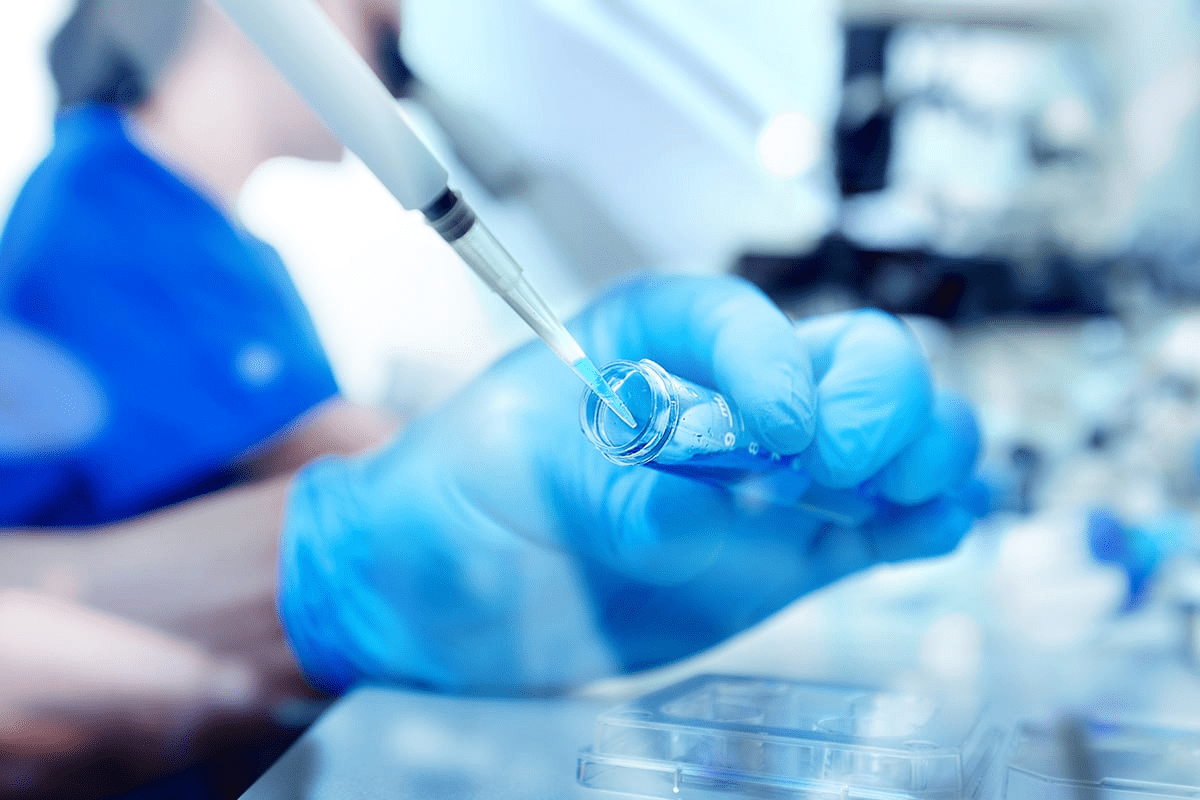

The journey to a successful pregnancy starts with a key moment: embryo implantation. Couples trying to conceive need to know how to naturally help this process. It can greatly improve their chances of getting pregnant. Natural and safe methods designed to optimize the body on how to help embryo attach to uterus naturally.
Recent studies show that implantation success isn’t just about the embryo quality. It also depends on the mother’s body, like endometrial receptivity, hormone levels, and immune health. We’ll look at proven ways to eat, live, and feel better to help implantation happen naturally.
Key Takeaways
- Understanding the importance of embryo implantation in fertility treatments
- Factors affecting implantation success, including endometrial receptivity and hormonal timing
- Evidence-based strategies to enhance implantation chances naturally
- The role of dietary and lifestyle changes in supporting implantation
- Emotional strategies to reduce stress and promote implantation success
Understanding the Embryo Implantation Process
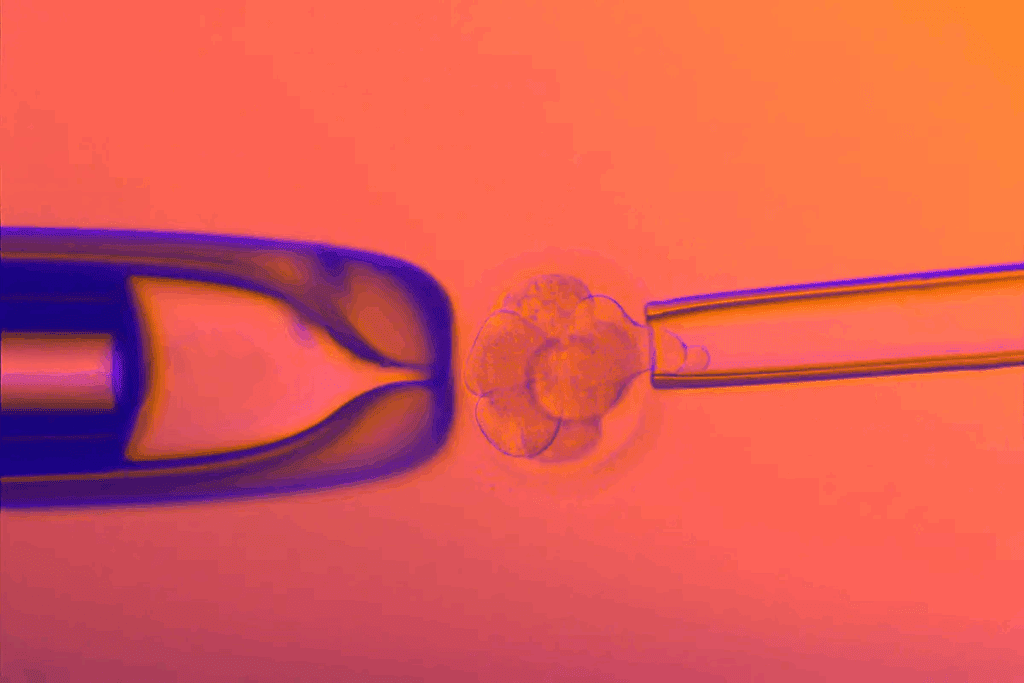
Embryo implantation is a complex process. It involves many factors working together. These include endometrial receptivity, immune system balance, and hormonal preparation.
Studies show the implantation window is 4 to 6 days in the mid-luteal phase. This is when the uterus is ready for the embryo. Knowing this period is key to supporting implantation.
The Science Behind Successful Implantation
The implantation process is a detailed dialogue between the embryo and the mother’s tissue. Research highlights the role of endometrial receptivity markers. These markers are vital for successful implantation.
“The endometrium undergoes significant changes during the implantation window, including the expression of specific adhesion molecules and the development of pinopodes, which facilitate embryo attachment.”
A balance between the mother’s immune system and the embryo is essential. The immune system must accept the embryo while protecting it.
| Factor | Role in Implantation | Optimal Condition |
|---|---|---|
| Endometrial Receptivity | Supports embryo attachment | Proper thickness and receptivity markers |
| Progesterone Levels | Primes uterus for implantation | Adequate levels during luteal phase |
| Immune System Balance | Tolerates embryo while maintaining defense | Regulated immune response |
The Critical Implantation Window
The implantation window is a short time when the embryo can implant. It’s between 6-10 days after ovulation. This is when the endometrium is most ready.
To help implantation, it’s important to know what affects this window. By improving these factors, people can increase their chances of successful implantation.
Key strategies to support implantation include:
- Optimizing nutrition to support endometrial health
- Managing stress to maintain immune balance
- Supporting hormonal balance, specially progesterone levels
Understanding the science of implantation and the critical window helps individuals support their reproductive health.
Factors Affecting Embryo Implantation Success
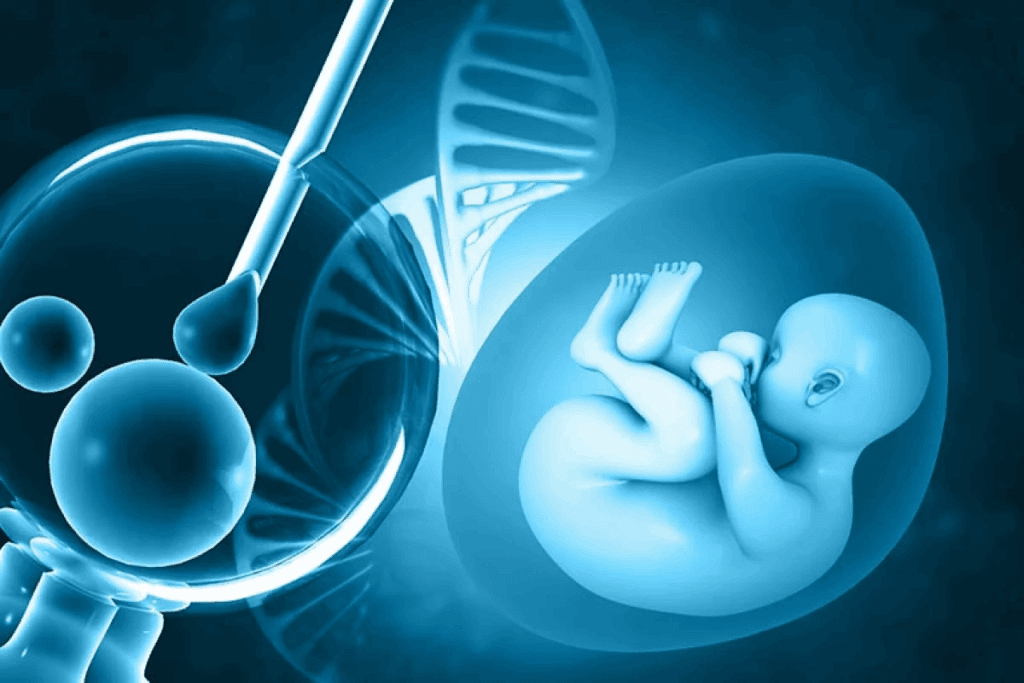
Several key factors contribute to the success of embryo implantation. These include the receptivity of the endometrium, the balance of the maternal immune system, and hormonal synchronization. Understanding these factors is key to creating an optimal environment for the embryo to implant.
Endometrial Receptivity Markers
The endometrium is vital for embryo implantation. Advanced endometrial receptivity markers, like integrin expression and epithelial modifications, are essential. Research shows that the success rate of implantation per embryo is around 25 percent in humans. This highlights the importance of supporting this delicate process.
Key endometrial receptivity markers include:
- Integrin expression
- Epithelial modifications
- Pinopodes formation
| Marker | Description | Importance |
|---|---|---|
| Integrin expression | Cell adhesion molecules | Facilitates embryo-endometrium interaction |
| Epithelial modifications | Changes in endometrial epithelium | Creates a receptive environment |
| Pinopodes formation | Protrusions on endometrial surface | Indicates receptivity window |
Maternal Immune System Balance
The maternal immune system is critical for embryo implantation. A balanced immune response is needed to support the developing embryo and protect against infections. An imbalance can lead to implantation failure or early pregnancy loss.
“The immune system must be modulated to allow the embryo to implant without being rejected as an allograft.” – Expert in reproductive immunology
Hormonal Synchronization
Hormonal synchronization is essential for creating a receptive endometrium. Progesterone and estrogen levels must be balanced to support implantation. Progesterone, in particular, plays a key role in preparing the endometrium for implantation.
By understanding and supporting these factors, individuals can improve their chances of successful embryo implantation. Optimizing endometrial receptivity, maintaining maternal immune system balance, and ensuring hormonal synchronization are critical steps in achieving a successful pregnancy.
How to Help Embryo Attach to Uterus Naturally: The Foundation
Creating an optimal environment can greatly improve implantation success. To improve chances of implantation, focus on making the uterus a welcoming place.
Creating the Optimal Environment for Implantation
Eating a balanced diet, staying hydrated, and managing stress are essential. Choose foods that boost reproductive health.
Nutritional balance is vital for the uterus to prepare for implantation. Foods high in antioxidants, omega-3s, and fiber help the uterine lining stay healthy.
| Nutrient | Benefit for Implantation | Food Sources |
|---|---|---|
| Iron | Supports healthy uterine lining | Red meat, spinach, lentils |
| Omega-3 Fatty Acids | Reduces inflammation | Salmon, walnuts, chia seeds |
| Folate | Essential for fetal development | Leafy greens, beans, citrus fruits |
Understanding Your Unique Fertility Factors
Everyone’s fertility is different. Knowing your unique factors helps tailor strategies to increase implantation chances. Hormonal balance, uterine health, and overall well-being are key.
By understanding and addressing your fertility factors, we can create personalized plans. These plans help encourage implantation and support a healthy pregnancy.
Step 1: Optimize Your Nutrition for Implantation Success
Eating well is key to helping your implantation succeed. It’s important to eat the right foods to support this process.
Essential Nutrients That Support Implantation
Some nutrients are great for implantation. These include:
- Antioxidants: Found in berries, leafy greens, and other fruits and vegetables, antioxidants help reduce oxidative stress.
- Omega-3 Fatty Acids: These are important for reducing inflammation and supporting reproductive health. You can find them in fatty fish, flaxseeds, and walnuts.
- Folate: This B vitamin is key for preventing birth defects and supporting implantation. Include dark leafy greens, beans, and citrus fruits in your diet.
- Iron: Important for healthy blood flow to the uterus, iron-rich foods include red meat, spinach, and fortified cereals.
Foods to Avoid During the Implantation Window
It’s also important to know what not to eat. Some foods can harm implantation:
- Processed Foods: High in unhealthy fats, sugars, and preservatives, these can cause inflammation and disrupt hormonal balance.
- Excessive Sugar: Too much sugar can lead to insulin resistance and hormonal imbalances.
- Caffeine and Alcohol: Both can interfere with implantation by affecting blood flow and hormone levels.
| Food Category | Recommended Foods | Foods to Avoid |
|---|---|---|
| Fruits and Vegetables | Berries, leafy greens, citrus fruits | High-sugar fruits like mangoes |
| Proteins | Lean meats, fish, eggs, beans | Processed meats, high-mercury fish |
| Grains | Whole grains, oats, quinoa | Refined grains, sugary cereals |
Hydration and Its Impact on Uterine Environment
Drinking enough water is vital for a healthy uterus. It helps with blood flow and thickens the uterine lining, making it ready for implantation.
To stay hydrated, drink at least 8-10 glasses of water a day. You can also eat hydrating foods like cucumbers, watermelon, and celery.
By eating right and staying hydrated, you can boost your chances of successful implantation. Next, we’ll talk about managing stress to help implantation too.
Step 2: Manage Stress to Improve Implantation Chances
Managing stress is key to boosting fertility and improving implantation chances. High stress can harm the body’s ability to conceive. So, learning to reduce stress is vital for fertility care.
The Stress-Fertility Connection
The link between stress and fertility is complex. Chronic stress can mess with the body’s hormonal balance, affecting ovulation and fertility. Studies show that high stress can hurt fertility, making stress management critical for implantation success.
Stress impacts the HPA axis, which affects the reproductive system. When stressed, the body focuses on stress response over reproduction. This can lead to implantation issues.
Effective Stress Reduction Techniques
Fortunately, there are many ways to reduce stress and improve fertility. These include:
- Meditation and Mindfulness: These practices help relax and improve emotional health.
- Yoga: Yoga combines physical movement with deep breathing to reduce stress and boost fertility.
- Deep Breathing Exercises: Simple yet effective, these exercises calm the mind and body, lowering stress.
- Progressive Muscle Relaxation: This technique involves tensing and relaxing muscles to release tension.
By adding these stress-reducing techniques to daily life, people can enhance their well-being. They can also increase implantation success by creating a better environment for conception.
Step 3: Support Hormonal Balance Naturally
To boost your chances of implantation, supporting your body’s hormonal balance is key. Hormones play a big role in getting your uterus ready for the embryo.
Progesterone-Supporting Strategies
Progesterone is vital for implantation. It makes the uterine lining thick, welcoming the embryo. Here are ways to boost progesterone:
- Dietary Changes: Eat more foods high in vitamin C, like citrus fruits and leafy greens, to help with progesterone.
- Stress Reduction: Stress can mess with hormones. Try yoga or meditation to reduce stress.
- Supplements: Vitamin B6 and magnesium can support progesterone. But talk to your doctor before taking them.
| Nutrient | Food Sources | Benefit |
|---|---|---|
| Vitamin C | Citrus fruits, leafy greens | Supports progesterone production |
| Vitamin B6 | Fish, eggs, nuts | Helps maintain hormonal balance |
| Magnesium | Dark chocolate, avocados, almonds | Supports overall hormonal health |
Balancing Estrogen Naturally
Estrogen balance is also important for implantation. Here’s how to keep it balanced:
“Estrogen dominance can negatively impact implantation. Maintaining a balance between estrogen and progesterone is critical.”
To balance estrogen naturally, try these:
- Dietary Fiber: Eat more fiber to get rid of extra estrogen.
- Healthy Fats: Add avocados and olive oil to your diet for hormone support.
- Avoiding Endocrine Disruptors: Stay away from chemicals in plastics and some personal care items that mess with hormones.
By following these tips, you can help your hormonal balance and up your chances of implantation.
Step 4: Enhance Blood Flow to the Uterus
To boost your chances of successful implantation, focus on improving blood flow to the uterus. This ensures the embryo gets the nutrients and oxygen it needs.
Gentle Exercise for Improved Circulation
Gentle exercise is a great way to boost blood flow to the uterus. Yoga and brisk walking are good options. They help circulation without straining the body too much.
Benefits of Gentle Exercise:
- Improved cardiovascular health
- Enhanced blood flow to the reproductive organs
- Reduced stress levels
Some yoga poses are great for improving blood flow to the uterus. These include:
- Downward-facing dog
- Cobra pose
- Legs up the wall pose
Warming Practices to Support Blood Flow
Warming practices like acupuncture and moxibustion also help. They stimulate healing and improve circulation.
| Warming Practice | Description | Benefits |
|---|---|---|
| Acupuncture | Involves the insertion of fine needles into specific points on the body | Improved circulation, reduced stress |
| Moxibustion | Involves the burning of mugwort to stimulate healing | Improved blood flow, enhanced fertility |
Adding gentle exercise and warming practices to your daily routine can help. This supports implantation success.
Step 5: Optimize Your Sleep Quality
Getting good sleep is key to helping your embryo implant. Sleep is important for your health, including your reproductive health. It’s important to make your sleep area comfortable during the implantation time.
The Connection Between Sleep and Implantation
Sleep helps control hormones, which is vital for embryo implantation. Studies show that not sleeping well can mess with hormone levels, including those needed for implantation. For example, not sleeping enough can upset the balance of progesterone, a hormone that keeps pregnancy going.
Also, sleep affects how we handle stress. Stress can harm implantation by changing hormone levels and the uterine environment. By focusing on sleep, we can reduce stress and help implantation happen smoothly.
Creating a Sleep-Friendly Environment
To get better sleep, you need a sleep-friendly space. Here are some tips for a good night’s sleep:
- Stick to a regular sleep schedule
- Stay away from screens and electronic devices at night
- Make your sleep area dark and quiet
- Get a comfy mattress and pillows
- Try relaxation techniques like deep breathing or meditation before bed
Also, check out this table for more on how sleep factors can affect implantation:
| Factor | Impact on Sleep | Potential Effect on Implantation |
|---|---|---|
| Inconsistent sleep schedule | Disrupts circadian rhythms | May affect hormonal balance |
| Screen time before bed | Suppresses melatonin production | Can lead to poor sleep quality |
| Stress and anxiety | Can make it hard to fall asleep | May negatively impact implantation |
By using these tips and being aware of sleep factors, we can improve our sleep. This can help support embryo implantation.
Step 6: Consider Evidence-Based Supplements
Evidence-based supplements can help support implantation success. It’s important to choose supplements backed by scientific research. This ensures they are effective and safe.
Supplements That May Support Implantation
Some supplements may help with implantation. These include:
- Omega-3 Fatty Acids: They have anti-inflammatory properties, supporting a healthy uterus.
- Antioxidants: Vitamins C and E can reduce oxidative stress, improving implantation chances.
- Probiotics: A healthy gut microbiome is key for reproductive health.
- Vitamin D: It’s important for immune function and may help with implantation.
Always talk to a healthcare provider before adding supplements. Everyone’s needs are different.
| Supplement | Potential Benefit | Recommended Dosage |
|---|---|---|
| Omega-3 Fatty Acids | Anti-inflammatory effects | 1000-2000 mg daily |
| Vitamin C | Antioxidant properties | 60-90 mg daily |
| Vitamin D | Immune system support | 600-800 IU daily |
Proper Timing and Dosage Guidelines
Timing and dosage are key when using supplements. Start them 3 months before trying to conceive. This allows for optimal nutrient levels.
“The right balance of nutrients can significantly impact reproductive health. Ensuring adequate levels of essential vitamins and minerals is a foundational step in preparing for a healthy pregnancy.”
Be careful with dosages to avoid adverse effects. Always check with a healthcare professional for your specific needs.
Choosing the right supplements can boost implantation chances. Combine them with natural strategies for a complete fertility support plan.
Step 7: Implement Gentle Movement and Appropriate Rest
Gentle movement and rest are key for successful implantation. These elements can greatly help the chances of a successful embryo implantation.
Finding the Right Balance of Activity
Gentle movement boosts circulation, making the uterus a better place for the embryo. Activities like gentle yoga or short walks are good. They improve blood flow without putting too much strain on the body.
Finding the right balance between activity and rest is important. Gentle exercise is good for implantation, but avoid high-impact activities. Gentle movement supports your body’s natural processes.
When to Consider Bed Rest
While gentle movement is good, sometimes bed rest is needed. Always listen to your healthcare provider about how much activity is okay. In some cases, limited bed rest is advised to avoid complications during implantation.
Knowing when to rest and when to move is important. Your health, any complications, and your fertility situation will guide this. Listen to your body and follow professional advice to support implantation.
Step 8: Support Your Immune System Function
Keeping your immune system in balance is key for a good chance of embryo implantation. A strong immune system fights off infections and helps with implantation too.
Autoimmune Considerations for Implantation
Autoimmune diseases, like thyroid issues, can hurt implantation chances. These diseases happen when your immune system attacks your own body. Studies show they can mess with the endometrium and stop implantation.
Knowing about autoimmune issues that might affect implantation is important. Some key things to watch for include:
- Presence of autoimmune antibodies
- History of autoimmune diseases
- Family history of autoimmune conditions
Natural Immune-Balancing Strategies
There are natural ways to balance your immune system and boost implantation chances. These include:
| Strategy | Description | Potential Benefits |
|---|---|---|
| Dietary Changes | Eating more omega-3s, antioxidants, and fiber | Reduces inflammation, supports immune balance |
| Stress Management | Doing meditation, yoga, or deep breathing | Lowers cortisol, boosts immune function |
| Supplementation | Trying probiotics, vitamin D, and other immune boosters | Helps gut health, regulates immune response |
Using these natural ways to balance your immune system can help with implantation. It’s important to talk to a healthcare provider to find what works best for you.
- Maintaining immune system balance is key for implantation success
- Autoimmune considerations can impact implantation and should be addressed
- Natural strategies like diet, stress management, and supplements can help immune balance
When to Seek Medical Support
The journey to successful implantation can be tricky. Knowing when to ask for medical help is key. While many people can naturally support their embryo, sometimes extra medical care is needed.
Signs That Additional Help May Be Needed
Some signs show you might need more medical support for implantation. These include:
- Recurrent Implantation Failure: If you’ve tried and failed many times, it might mean there’s an issue to fix.
- Uterine or Hormonal Issues: Problems with your uterus or hormones can really affect how well the embryo implants.
- Advanced Maternal Age: Women who are older may face extra challenges that need medical help.
Knowing these signs can help you know when to ask for help. It’s very important to work closely with your healthcare provider to find and fix any problems.
Working With Your Healthcare Provider
Working with your healthcare provider is essential for better implantation success. They can give you advice and treatments that fit your needs. Here are some steps to take:
- Comprehensive Evaluation: Get a detailed check-up to find any issues that might be stopping implantation.
- Personalized Treatment Plans: Create a plan with your healthcare provider that tackles your specific problems.
- Ongoing Support: Keep having regular check-ups to adjust your treatment plan as needed.
Medical experts say, “Working together with your healthcare provider is key to better implantation success.” By knowing when to ask for help and working with your healthcare team, you can greatly improve your chances of successful implantation.
Conclusion
By following eight proven steps, people can boost their chances of successful embryo implantation. We’ve covered the key to understanding the implantation process and what affects it. We also talked about natural ways to support implantation.
Making dietary changes, managing stress, and changing your lifestyle can help a lot. Good nutrition, stress control, and hormonal balance are key. They help improve blood flow to the uterus and support other strategies for success.
Working with healthcare providers is also vital. They can help find and fix any fertility problems. This proactive approach can greatly increase the chances of a successful pregnancy.
By sticking to these steps and living a healthy lifestyle, people can up their chances of implantation success. This brings them closer to their reproductive dreams.
FAQ
What is the critical implantation window?
The critical implantation window is when the uterus is ready for an embryo. It happens 6-10 days after ovulation.
How can I help implantation naturally?
To help implantation naturally, eat well, manage stress, and support your hormones. Also, improve blood flow to your uterus and sleep well.
What are the essential nutrients that support implantation?
Important nutrients for implantation include folate, omega-3 fatty acids, vitamin D, and antioxidants. You can get them from a balanced diet and supplements.
How does stress affect implantation?
Stress can harm implantation by upsetting hormone levels and the immune system. It’s key to manage stress for implantation success.
What foods should I avoid during the implantation window?
Avoid foods high in processed sugars, caffeine, and soy during the implantation window. They can harm implantation.
How can I support hormonal balance naturally?
For natural hormonal balance, try dietary changes and supplements that support progesterone. Also, balance estrogen levels through lifestyle changes.
What is the connection between sleep and implantation?
Good sleep is vital for implantation. It helps regulate hormones and supports the immune system. So, create a sleep-friendly environment.
Can exercise improve implantation chances?
Yes, gentle exercise can help by improving blood flow to the uterus. But, find the right balance of activity and rest.
When should I consider seeking medical support for implantation?
If you’re having trouble conceiving or have implantation concerns, seek medical help. They can help identify issues and create a plan for you.
How can I improve my chances of successful implantation?
To boost implantation chances, focus on nutrition, stress management, and hormonal support. Create an optimal environment for implantation.
What are some natural immune-balancing strategies to support implantation?
Natural strategies for immune balance include dietary changes and supplements. They help support implantation by promoting a healthy immune response.
How to increase chances of implantation?
To increase implantation chances, follow the 8 proven steps. This includes nutrition, stress management, and hormonal support. Also, work with your healthcare provider to address any issues.
What helps with implantation?
Factors that help with implantation include a balanced diet, stress management, hormonal balance, and a healthy uterus. These can be supported through lifestyle changes and supplements.
How to promote implantation?
To promote implantation, focus on nutrition, stress management, and hormonal support. Consider evidence-based supplements to help.
What to do after ovulation to help implantation?
After ovulation, focus on nutrition, stress management, and hormonal support. Also, try gentle exercise and warming practices to improve blood flow to the uterus.
References
National Center for Biotechnology Information. Evidence-Based Medical Guidance. Retrieved from https://www.ncbi.nlm.nih.gov/books/NBK153374/