Last Updated on November 18, 2025 by Ugurkan Demir
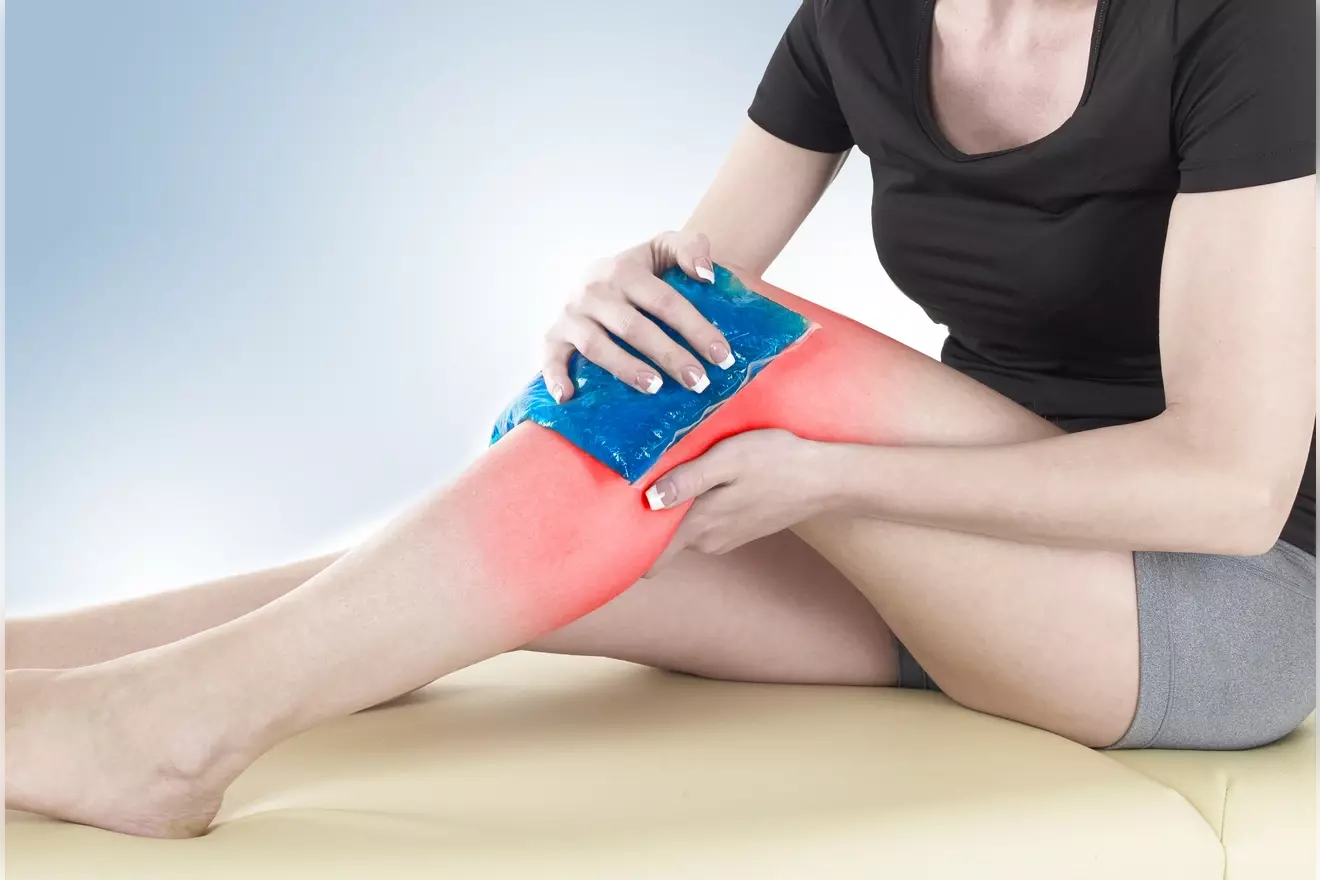
After knee replacement surgery, it’s key to follow a good recovery plan. This helps manage pain and swelling. At Liv Hospital, we focus on your safety, comfort, and healing. We guide you through the important steps to reduce swelling and aid in healing.
Icing and elevating your knee are vital after surgery. Icing reduces pain and swelling. Elevating your knee boosts circulation and lowers swelling. Our team at Liv Hospital offers top-notch healthcare and support for international patients. We aim to make your recovery smooth and successful.
Key Takeaways
- Proper icing and elevation techniques can significantly impact the healing process.
- Icing helps reduce pain and inflammation after knee replacement surgery.
- Elevating the knee improves circulation and reduces swelling.
- A complete recovery plan is essential for effective healing.
- Liv Hospital provides full support for international patients throughout their recovery journey.
Understanding the Importance of Post-Knee Replacement Care

Knowing about post-knee replacement care is key to avoiding problems and helping your body heal. After knee surgery, it’s important to stick to a care plan. This helps you recover smoothly and effectively.
Why Proper Icing and Elevation Matter
Icing and elevation are vital for post-knee replacement care. Icing reduces pain and swelling. Elevation helps by improving blood flow and reducing swelling. These steps are important for your comfort and quick healing.
By using icing and elevation daily, you can manage your symptoms better. This helps you avoid complications and speeds up your recovery. It’s a way to actively participate in your healing journey.
The Role of Icing and Elevation in Recovery
Icing and elevation are essential for recovering from knee surgery. Icing therapy reduces blood flow to the area, which helps with swelling and pain. Elevation uses gravity to lower blood flow to the limb, reducing swelling.
Together, these methods make your recovery more comfortable and faster. Knowing their value helps you follow your care plan better.
Setting Expectations for Your Recovery Journey
It’s important to have realistic expectations during recovery. Understand that healing from knee surgery takes time, patience, and following your care plan.
Knowing what to expect helps you prepare for the journey ahead. This includes the role of icing and elevation, and other care plan aspects.
The Science Behind Icing and Elevation for Knee Recovery

Icing and elevation are key methods to help with healing. They reduce pain and swelling. After knee surgery, these techniques are vital for recovery.
How Ice Therapy Reduces Pain and Inflammation
Ice therapy, or cryotherapy, is a common pain management tool. It works by making blood vessels smaller. This cuts down blood flow and oxygen demand, reducing tissue damage.
As a result, ice therapy helps lower pain and swelling. It’s a critical part of care after surgery.
| Benefits of Ice Therapy | Description |
|---|---|
| Pain Reduction | Constricts blood vessels, reducing blood flow and metabolic rate |
| Inflammation Reduction | Decreases the production of inflammatory chemicals |
| Swelling Control | Reduces fluid accumulation in the affected area |
How Elevation Improves Circulation and Reduces Swelling
Elevation is also important for recovery. It helps by improving blood flow and reducing swelling. When the limb is raised, gravity helps move fluid back to the heart.
This improves blood circulation and helps remove waste. It reduces inflammation and aids in healing.
The Synergistic Effect of Combining Both Techniques
Together, icing and elevation work better than alone. Icing cuts down pain and swelling, while elevation boosts blood flow. This combo speeds up healing and makes patients feel better.
Understanding these techniques helps patients see their value in recovery. It shows how they can improve healing and comfort.
Key Takeaways:
- Icing reduces pain and inflammation by constricting blood vessels and decreasing metabolic rate.
- Elevation improves circulation and reduces swelling by promoting the return of blood to the heart.
- The combination of icing and elevation accelerates healing, improves patient comfort, and enhances outcomes.
Immediate Post-Surgery Care: Days 1-7
Proper care in the first seven days after surgery is key to healing. Managing pain, swelling, and promoting recovery are top priorities. These steps are vital for a smooth recovery.
Icing Protocol for the First Week
Icing is a must for pain and swelling reduction. Ice your knee for 15-20 minutes, with at least 30 minutes break in between. Stick to this routine to keep swelling and pain down.
Use an ice pack or frozen peas in a towel to avoid skin contact. Elevating your leg while icing helps too.
Proper Elevation Techniques in the First Week
Elevation is key for swelling reduction and better circulation. Keep your leg higher than your heart. Use pillows or a wedge pillow for support.
Choose a comfortable position to avoid knee or back strain. Elevate for 30 minutes to an hour, several times a day, in the first week.
Managing Pain and Swelling in the Critical First Days
Effective pain and swelling management in the first week is essential. Follow your doctor’s pain plan and take meds as directed. Icing, elevation, and compression bandages or stockings can also help.
Keep an eye on your pain and swelling. If it gets worse, reach out to your doctor right away.
Week 2-4 After Knee Replacement: Adjusting Your Routine
Weeks 2-4 after knee replacement are a big change in your recovery. You might need to adjust your icing and elevation routine. We’ll help you figure out how to do this and what to watch for with swelling.
Modified Icing Schedule as Healing Progresses
In weeks 2-4, you might not need to ice as often. But, keep icing after therapy or when you’re active. It helps with pain and swelling.
Icing Schedule Adjustment: You can start icing 2-3 times a day. Watch your pain and swelling to find the right amount for you.
Balancing Elevation with Increased Mobility
As you move more, it’s key to balance elevation with activity. Elevating your leg helps with swelling. But, moving more helps your knee heal and get stronger.
- Elevate your leg above heart level for 30 minutes, 2-3 times a day.
- Start moving more slowly, as your doctor suggests.
- Keep an eye on swelling and adjust your elevation and activity as needed.
Signs of Normal vs. Concerning Swelling
It’s important to know the difference between normal and concerning swelling. Normal swelling gets better over time. But, concerning swelling doesn’t get better or gets worse.
| Characteristics | Normal Swelling | Concerning Swelling |
|---|---|---|
| Duration | Gradually decreases over weeks | Persists or worsens over time |
| Pain Level | Manages with medication and rest | Severe, unmanageable pain |
| Redness and Warmth | Minimal, decreasing | Increasing redness and warmth |
If you see concerning symptoms, talk to your doctor. By adjusting your routine and knowing the signs of swelling, you can get through weeks 2-4 with confidence.
How Long to Use Ice After Knee Replacement: Weeks 4-12
After surgery, many wonder how long to use ice for knee recovery. Weeks 4-12 are key for managing pain and swelling. We’ll help you adjust your icing to aid in recovery.
Weeks 4-8: Transitioning to Maintenance Icing
By weeks 4-8, you’ve made big strides in recovery. Yet, icing is vital to keep up the good work. Start to ice less often but listen to your body.
- Reduce icing to 2-3 times a day, after therapy or hard activities.
- Keep ice sessions at 15-20 minutes.
- Watch for swelling or pain; more icing might be needed.
Weeks 8-12: Long-term Swelling Management
Weeks 8-12 see your knee getting better, with swelling going down. Icing will be less often but key for swelling.
- Ice as needed, after swelling-causing activities.
- Try compression or elevation to help icing.
- Keep an eye on swelling; talk to your doctor if it doesn’t improve.
When Swelling Should Go Down After Knee Replacement
Swelling after knee surgery is normal but should lessen over time. By week 12, most see a big drop in swelling. If swelling doesn’t go down or gets worse, talk to your doctor.
Key indicators of normal swelling reduction:
- Swelling goes down slowly over weeks.
- Pain and stiffness lessen with time.
- Daily activities become easier.
If worried about swelling or recovery, always talk to your healthcare provider for advice.
Proper Techniques for Effective Knee Icing
To get the most out of ice therapy, knowing the right techniques for knee icing is key. It’s about using the best methods and doing it regularly. This helps manage pain and swelling after knee surgery.
Types of Ice Therapy Options
There are many ways to use ice for knee pain and swelling. Here are a few:
- Traditional ice packs: These are the most common and can be homemade or bought.
- Cold compresses: These are often used with a cloth to protect the skin.
- Cryotherapy units: These are advanced devices for consistent cold therapy.
- Gel packs: These are reusable and can be chilled in the freezer.
Step-by-Step Guide to Properly Ice Your Knee
To ice your knee right, follow these steps:
- Wrap an ice pack or cold compress in a cloth to avoid direct contact with your skin.
- Place the wrapped ice pack on your knee, making sure it covers the affected area.
- Elevate your leg above the level of your heart to improve circulation and reduce swelling.
- Leave the ice pack on for 15-20 minutes.
- Remove the ice pack and let your skin warm up before applying it again.
How Long to Ice Knee After Surgery (Duration per Session)
The time you ice your knee after surgery is important. We suggest icing for 15-20 minutes per session. Make sure your skin warms up before you ice again to avoid damage.
In the first few days after surgery, ice your knee every 2-3 hours. As you get better, you can ice less often. Always check with your doctor for advice that fits your recovery.
Optimal Knee Elevation Methods and Duration
After knee replacement surgery, it’s key to elevate your knee to reduce swelling and aid in recovery. Knowing the best ways and how long to elevate your knee is important for healing.
Achieving Proper Elevation Position
To elevate your knee right, place it above your heart. You can do this by lying down and using pillows to prop up your leg. This helps by improving blood flow and reducing swelling.
Tips for Proper Elevation:
- Use multiple pillows to support your leg, ensuring your knee is above heart level.
- Avoid bending your knee or putting pressure on the back of your leg.
- Keep your leg straight and supported along its length.
How Long to Elevate Leg After Knee Replacement
The time to elevate your leg after surgery varies. But, usually, elevate for 15-20 minutes, several times a day, in the first few weeks.
Elevation Schedule:
- First week: Elevate your knee as much as possible, when resting or sleeping.
- Second to fourth week: Slowly decrease elevation frequency as swelling goes down.
- Beyond four weeks: Keep elevating your knee, often after activities that swell it.
Helpful Tools and Props for Comfortable Elevation
There are tools and props that can make elevating your knee easier and more comfortable. These include:
- Pillows or cushions made for leg elevation.
- Adjustable beds or recliners for the right height.
- Leg rests or wedges for extra support.
Using these knee elevation methods can help your recovery and reduce pain. Always follow your doctor’s advice on elevation and other care after surgery.
Troubleshooting Common Challenges
After knee replacement surgery, you might face some common issues. Knowing about these can help you deal with them quickly. Everyone recovers differently, but being ready for these problems can make a big difference.
Managing Persistent Swelling at 3 Months After Knee Replacement
Swelling can last even three months after surgery. To manage it, follow your surgeon’s advice on icing and elevating your leg. Keeping your leg above heart level can help a lot.
Also, do gentle exercises as your physical therapist suggests. These can improve blood flow and reduce stiffness. Wearing compression stockings can also help control swelling.
When to Contact Your Doctor About Swelling Concerns
Some swelling is normal, but there are times to call your doctor. If you see increased redness, severe pain, or swelling getting worse, get in touch with your doctor.
Keeping a symptom log can be very helpful. It shows your doctor how you’re doing with swelling and pain.
| Symptom | Normal | When to Worry |
|---|---|---|
| Swelling | Mild, decreasing over time | Increasing, severe, or accompanied by pain |
| Pain | Managed with medication, improving | Severe, worsening, or not relieved by medication |
| Redness/Warmth | Minimal, localized | Increasing, spreading, or accompanied by fever |
Adjusting Your Routine for Maximum Comfort and Healing
Be flexible with your routine as you recover. Listen to your body and change your activities if needed. If something hurts, talk to your physical therapist about changing your exercises.
Also, take care of your overall health. Eating well, staying hydrated, and resting enough can help your recovery.
Being proactive and informed can help you overcome common challenges after knee replacement surgery.
Conclusion: Ensuring Long-Term Success After Knee Replacement
Recovering well after knee replacement surgery needs careful planning and following doctor’s orders. By doing this, patients can be on their way to long-term success. They can also enjoy the benefits of their surgery.
At Liv Hospital, we support our patients all the way through their recovery. We offer complete care and advice at every step. This includes not just the first few days after surgery but also long-term care and following doctor’s orders for the best results.
Understanding how to ice and elevate your knee, manage pain and swelling, and adjust your routine is key. This way, you can take charge of your recovery and get the best results. We’re here to help you every step of the way. We want to make sure you have a successful recovery and long-term success after your knee replacement.
FAQ
How many days should I ice after knee replacement surgery?
Ice your knee for 15-20 minutes, 3-4 times a day, in the first week. You can lessen the time and frequency as your knee feels better.
How long to ice knee after replacement?
Ice your knee for 4-6 weeks after surgery. But, your doctor might adjust this based on how you’re healing.
How often to ice after knee replacement?
Ice your knee 3-4 times a day in the first week. Later, you can ice 1-2 times a day.
How long should you elevate your knee after surgery?
Keep your knee above your heart for 15-20 minutes, 3-4 times a day, for 2-3 weeks. This helps with swelling and healing.
When should swelling go down after knee replacement?
Swelling peaks in 3-5 days and goes down in 2-3 months. Some might see swelling for up to 6 months.
How long for swelling to go down after knee replacement?
Swelling can take weeks to months to go away. Be patient and keep icing and elevating your knee.
What are the proper techniques for effective knee icing?
Use a cold pack or ice in a towel on your knee for 15-20 minutes. You can also use crushed ice in a bag or a commercial pack.
How to achieve proper elevation position?
Use pillows or a wedge pillow to keep your knee above your heart. This reduces swelling and improves circulation.
Managing persistent swelling at 3 months after knee replacement?
If swelling persists at 3 months, talk to your doctor. Continue icing and elevating, and consider exercises for better circulation.
When to contact your doctor about swelling concerns?
Call your doctor if swelling, redness, or pain gets worse, or if you’re worried about your recovery.
How long to elevate leg after knee replacement?
Elevate your leg for 15-20 minutes, 3-4 times a day, for 2-3 weeks. Gradually reduce as you heal.
Here are the references for the links you provided:
- Ice and Inflammation: Total Knee Replacement. Succeed Courses. Retrieved from https://www.succeedcourses.com/blog/ice-and-inflammation-total-knee-replacement/ (succeedcourses.com)
- Total Knee Replacement: Post‑Op Instructions. Dr. Edwin Su. Retrieved from http://www.edwinsu.com/total‑knee‑replacement‑post‑op‑instructions/
- Managing Pain After Knee Replacement: Medications, Ice, and Heat Therapy. PopB. Oct 14 2023. Retrieved from https://www.popb.md/2023/10/14/managing-pain-after-knee-replacement-medications-ice-and-heat-therapy/