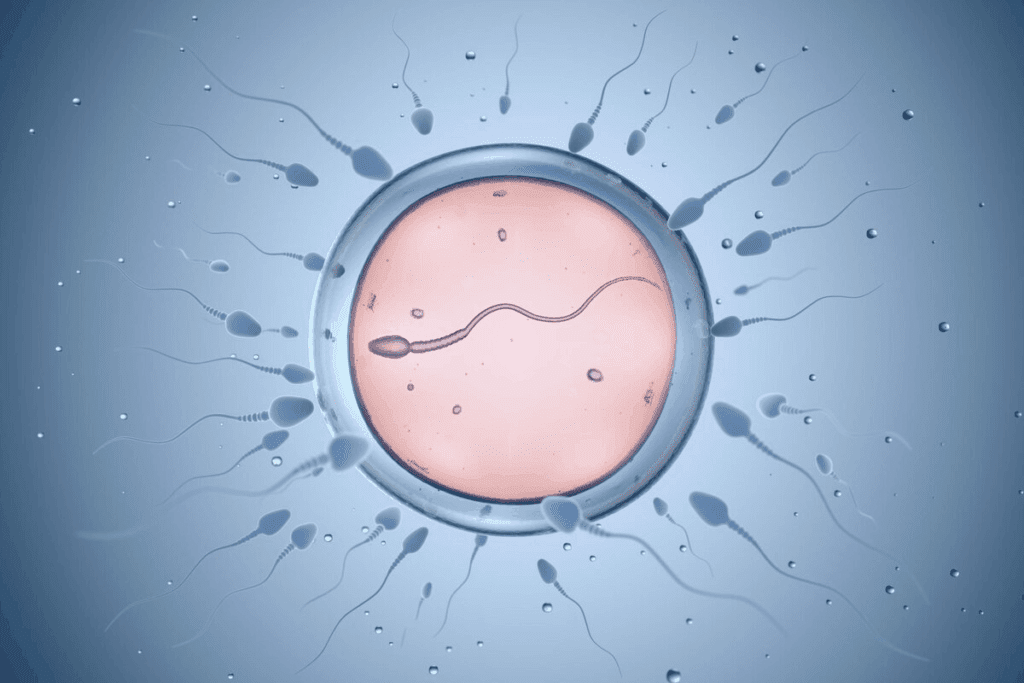
Sperm motility is key to male fertility and helps in successful pregnancies. The World Health Organization (WHO) says a healthy sperm count is 39 million per ejaculate or more. Sperm motility is about how well sperm can move. Low motility can really hurt fertility.
Low sperm motility is a big worry for men and their partners. But, there are scientifically-backed methods to boost sperm motility naturally. We’ll dive into these methods.
Key Takeaways
- Understanding the importance of sperm motility in male fertility
- Recognizing the impact of low sperm motility on fertility
- Exploring natural methods to enhance sperm motility
- Discovering the role of lifestyle changes in improving sperm health
- Learning about the 7 proven methods to naturally improve sperm motility
Understanding Sperm Motility and Male Fertility

Understanding sperm motility is key to solving male fertility problems. Sperm motility is how well sperm move through the female body to fertilize an egg. It’s a big deal for male fertility because it affects how likely conception is.
What Defines Healthy Sperm Motility
Healthy sperm motility means most sperm in a semen sample can move well. The World Health Organization (WHO) says at least 32% of sperm should move forward. Progressive motility is when sperm move straight or in big circles, helping them reach the egg.
Many things can affect sperm motility, like lifestyle, environment, and health. Eating foods full of antioxidants, like vitamins C and E, can help. Foods like beef, liver, salmon, and oysters are good for sperm because they’re full of nutrients.
The Connection Between Motility and Conception Success
Sperm motility and conception success are closely linked. Better sperm motility means more chances of fertilizing an egg. Low sperm motility makes it harder to conceive because fewer sperm can reach the egg.
Studies show sperm motility and health have been getting worse over time. Low sperm motility, or asthenozoospermia, is linked to infertility. So, it’s important to know what affects sperm motility to boost male fertility.
- Dietary Changes: Eating foods full of antioxidants and nutrients.
- Lifestyle Modifications: Avoiding too much heat, reducing stress, and staying away from toxins.
- Supplements: Using supplements that help sperm motility.
By working on these areas, people can improve their sperm motility and fertility.
The Global Decline in Sperm Health

Research over the past few decades has shown a worrying decline in sperm health worldwide. This has big implications for men’s fertility and reproductive health. We’ll look at the latest research on sperm motility trends and what’s causing this decline.
Studies have found that sperm counts and motility are dropping globally. Clinical research shows that at least 30 percent of sperm motility and a total of 5 million motile sperm are key for better pregnancy rates during intrauterine insemination.
Current Research on Sperm Motility Trends
Recent studies aim to understand sperm motility trends and the reasons behind the decline. They’ve linked the drop in sperm health to lifestyle factors like smoking, too much alcohol, and environmental toxins. These can harm sperm quality and motility, leading to lower sperm health overall.
A global data review showed sperm counts have dropped by about 52% over decades. This decline is seen worldwide, not just in certain areas.
What Constitutes Low Sperm Motility (Asthenozoospermia)
Asthenozoospermia, or low sperm motility, means sperm move poorly or not at all. Diagnosis is when less than 32% of sperm are motile. This can greatly affect fertility, as sperm motility is key for fertilization.
It’s important to understand what causes and affects asthenozoospermia. We’ll discuss the factors leading to low sperm motility and possible treatments.
How to Improve Motility Through Optimal Nutrition
Good nutrition is key to better sperm motility. Knowing what to eat can really help with male fertility. Eating foods full of important nutrients helps your health and boosts sperm motility, making it easier to conceive.
Essential Vitamins and Minerals for Sperm Movement
Some vitamins and minerals are great for sperm health. Antioxidants like vitamins C and E protect sperm from damage. Zinc keeps the sperm membrane strong and boosts motility.
Eating foods high in antioxidants, like berries, leafy greens, and nuts, is good for sperm. Omega-3s in fish and flaxseeds also help by fighting inflammation and supporting sperm production. Adding these foods to your diet can help improve sperm motility.
“Evidence-based research shows that plant extracts such as Withania somnifera root improved sperm motility by 57 percent in clinical trials on infertile men.”
It’s also important to live a balanced life. Drinking plenty of water, eating less processed food, and not drinking too much alcohol can all help sperm health. By eating right and living well, men can improve their sperm motility and fertility.
- Incorporate antioxidant-rich foods like berries and leafy greens into your diet.
- Consume omega-3 fatty acids found in fish and flaxseeds to support sperm health.
- Ensure adequate intake of zinc through foods like oysters, beef, and chicken.
By following these dietary tips and living a healthy lifestyle, men can greatly improve their sperm motility and reproductive health.
Physical Activity: The Right Exercise for Better Sperm Health
Physical activity is a key part of a healthy lifestyle that can greatly affect sperm health and fertility. We need to know how different exercises and their intensity impact male reproductive health.
Effects of Exercise Intensity on Sperm
Studies show that exercise intensity can have different effects on sperm health. Moderate exercise is linked to better sperm count and motility. But, intense exercise might harm sperm quality.
A study in the Journal of Men’s Health found that moderate exercise boosts sperm quality. It improves antioxidant defenses and reduces oxidative stress. But, too much intense exercise can increase oxidative stress, harming sperm DNA.
“Moderate physical activity is associated with improved sperm quality, while intense exercise may have detrimental effects on sperm parameters.”
Research-Backed Exercise Recommendations
To boost sperm health through exercise, start with a moderate exercise routine. Activities like brisk walking, cycling, or swimming for 30 minutes a day, several times a week, are recommended.
- Brisk walking: 30 minutes, 5 times a week
- Cycling: 45 minutes, 3 times a week
- Swimming: 20 minutes, 4 times a week
It’s key to avoid too much exercise, as it can undo the benefits for sperm health. Make sure to balance physical activity with rest and recovery.
Adding moderate physical activity to your life can help improve sperm health and fertility.
Herbal Supplements Proven to Enhance Sperm Motility
Certain herbal supplements have shown promise in boosting sperm motility. They are part of the natural approaches to improving male fertility. It’s important to look at the evidence supporting these supplements.
Withania Somnifera: Clinical Evidence for 57% Improvement
Withania Somnifera, also known as Ashwagandha, has been studied a lot for its benefits. Clinical trials show it can significantly improve sperm motility. A study found a 57% increase in sperm motility in those taking Ashwagandha compared to the placebo group.
The herb is thought to improve sperm motility by reducing oxidative stress and boosting testosterone levels. Both are key for healthy sperm function.
Other Evidence-Based Herbal Solutions
While Withania Somnifera is well-studied, other herbs also show promise. Some of these include:
- Maca: Known for its energizing properties and fertility-enhancing effects.
- Ginseng: Believed to improve sperm quality and motility through its antioxidant properties.
- Triphala: A blend of three herbs that may help reduce oxidative stress and improve sperm health.
It’s important to talk to a healthcare professional before starting any herbal supplements. They can interact with other medications or have side effects in some people.
By adding these herbal supplements to a fertility plan, men may see an improvement in sperm motility and reproductive health.
Temperature Regulation for Optimal Testicular Function
Keeping the right temperature is key for testicular function and male fertility. The testicles need to be cooler than the rest of the body. This coolness is vital for making and moving sperm.
The Science of Heat’s Impact on Sperm Production
High temperatures can harm sperm health, research shows. Heat can slow down sperm production and make them move less. This is because making sperm is very sensitive to temperature changes.
Key factors that influence testicular temperature include:
- Environmental factors such as sauna or hot tub use
- Clothing choices, like tight underwear
- Laptop use on the lap
- Occupational exposure to high temperatures
Practical Ways to Maintain Proper Testicular Temperature
There are easy ways to keep testicular temperature right and support sperm health:
- Wear loose-fitting clothing: Choose underwear and pants that fit well to help with airflow and temperature control.
- Avoid excessive heat exposure: Don’t spend too much time in saunas, hot tubs, or other hot places.
- Use laptops on a desk: Place laptops on a desk or lap tray to keep them away from your body.
- Take regular breaks: Stand up and move around if you sit for long periods at work.
By making these simple changes, men can help keep their testicles at the right temperature. This supports sperm production and motility. Along with other lifestyle changes, it can greatly boost fertility.
Stress Management Techniques That Protect Sperm Function
Stress isn’t just bad for our minds; it also harms our sperm. Managing stress is key to keeping sperm healthy. When we’re stressed, our body makes cortisol, a hormone that can hurt sperm health.
How Cortisol Affects Sperm Parameters
Cortisol, or the “stress hormone,” helps us deal with stress. But too much cortisol can mess with the hormones needed for sperm. Studies show that high cortisol can lower testosterone, hurt sperm movement, and reduce sperm count.
A study in the Journal of Clinical Endocrinology and Metabolism found men with high cortisol had lower sperm counts and motility. This shows how important it is to manage stress for good sperm health.
Evidence-Based Stress Reduction Methods
There are many ways to reduce stress and protect sperm. These include:
- Meditation and Mindfulness: Mindfulness meditation can lower cortisol and boost well-being.
- Yoga: Yoga combines poses, deep breathing, and meditation to reduce stress.
- Exercise: Exercise lowers stress and anxiety by releasing endorphins.
- Cognitive Behavioral Therapy (CBT): CBT helps manage stress by changing negative thoughts.
Using these stress-reduction methods can improve sperm health and fertility. A study on mindfulness found it lowered cortisol and improved sperm motility.
“Stress management is not just about mental health; it’s also vital for reproductive health. By adding stress reduction to daily life, men can boost their fertility.” – Medical Expert, Fertility Specialist
Stress Reduction Technique | Impact on Cortisol Levels | Effect on Sperm Parameters |
Meditation | Reduces cortisol levels | Improves motility |
Yoga | Decreases cortisol | Enhances sperm count |
Exercise | Lowers cortisol | Improves overall sperm health |
Understanding stress’s impact on sperm health is key. By managing stress and adopting a holistic approach, men can improve their fertility. This includes stress reduction, a balanced diet, and regular exercise for better reproductive health.
Eliminating Toxins and Harmful Substances
Getting rid of toxins is key to better sperm motility naturally. Toxins can harm sperm health. It’s important to avoid them for good sperm motility.
Tobacco, Alcohol, and Recreational Drugs
Smoking, drinking too much alcohol, and using drugs can hurt sperm motility. Quitting smoking and drinking less can help sperm health. Drugs like marijuana and cocaine also harm sperm and should be avoided.
These substances can harm sperm in many ways. Smoking can damage sperm DNA. Drinking too much alcohol can mess with hormone levels needed for sperm. Here’s how they affect sperm:
Substance | Effect on Sperm Motility |
Tobacco | Damages sperm DNA, reduces motility |
Excessive Alcohol | Disrupts hormone levels, impairs sperm production |
Recreational Drugs | Impairs sperm motility, affects sperm morphology |
Environmental Chemicals That Reduce Motility
Some environmental chemicals can also harm sperm motility. Pesticides, heavy metals, and endocrine disruptors can lower sperm quality. Using protective gear, eating organic, and avoiding plastics can help reduce their harm.
Medications That May Affect Sperm Movement
Some medicines can also affect sperm motility. This includes antibiotics, anti-inflammatory drugs, and blood pressure meds. Talking to a doctor about these effects is important. They might suggest other treatments that are safer for sperm.
Knowing how toxins and harmful substances affect sperm motility helps us take action. We can make lifestyle changes and watch out for environmental dangers. This way, we can improve our sperm health.
Lifestyle Modifications for Long-Term Motility Improvement
Making lifestyle changes can greatly improve sperm motility and fertility. By changing our daily habits, we can boost our reproductive health.
Sleep Quality and Sperm Production Cycle
Getting enough sleep is key for healthy sperm. Poor sleep can mess with our hormones, hurting sperm motility. We recommend aiming for 7-8 hours of sleep per night to help sperm health.
Bad sleep can lower testosterone, harming sperm production and motility. Try to sleep well by keeping a regular schedule and a comfy sleep space.
Weight Management and Hormonal Balance
Keeping a healthy weight is important for hormone balance, which affects sperm motility. Being overweight can lower sperm quality and fertility. Eating right and exercising can boost reproductive health.
A good BMI helps the reproductive system work best. Eating well and staying active helps manage weight and improves health.
Electronic Device Usage and Sperm Health
Using electronic devices can harm sperm health. Devices like laptops and phones may affect sperm motility due to EMFs. Using devices wisely can help protect sperm.
Reducing EMF exposure, near the testes, is wise. It’s a simple step to protect sperm health.
By making these lifestyle changes, we can improve sperm motility and fertility. It’s about making lasting changes for better reproductive health.
When Natural Methods Aren’t Enough: Medical Interventions
Some people might need medical help to fix sperm motility problems. A detailed check-up is key to find out why sperm motility is low.
Diagnostic Tests for Sperm Motility Issues
Tests are important to check sperm motility and find problems. The main test is a semen analysis. It looks at sperm count, how well they move, and their shape.
Semen Analysis Parameters:
Parameter | Normal Value |
Sperm Concentration | > 15 million/ml |
Motility | > 32% progressive motility |
Morphology | > 4% normal forms |
More tests might be needed. These include checking hormone levels, genetic tests, and ultrasound. They help find other issues that might affect sperm motility.
Medical Treatments for Severe Asthenozoospermia
For severe asthenozoospermia, doctors have several treatments. Hormone therapy can fix hormonal problems. Antibiotics treat infections. And, there are assisted reproduction methods like IUI and IVF.
“The use of assisted reproductive technologies has revolutionized the treatment of male infertility, giving hope to couples trying to conceive.”
– Medical Expert, Fertility Specialist
Medical options for severe asthenozoospermia include:
- Hormone therapy to fix hormonal imbalances
- Antibiotics for infections
- Assisted reproduction like IUI and IVF
- Surgery for physical issues
Talking to a doctor is important. They can suggest the best treatment for you.
Knowing about tests and treatments helps people make better choices. It can increase their chances of having a baby.
Conclusion: Implementing Your 7-Step Sperm Motility Improvement Plan
By using natural methods and making lifestyle changes, you can boost your sperm motility and fertility. A good plan includes eating right, staying active, managing stress, and sometimes, medical help.
Our 7-step plan is a complete way to better sperm health. We talked about the key role of good food, exercise, herbal supplements, keeping cool, stress control, and avoiding toxins. Adding these to your life can really help your sperm move better.
For the best results, stick with these changes for a long time. This way, you not only improve your sperm motility but also your overall health. Always talk to a healthcare expert to find what works best for you.
FAQ
What is sperm motility, and why is it important for fertility?
Sperm motility is how well sperm can move through the female body to fertilize an egg. It’s key for fertility because poor motility lowers the chance of getting pregnant.
How can I improve my sperm motility naturally?
To boost sperm motility naturally, eat well, exercise regularly, manage stress, keep cool, and avoid harmful stuff. A mix of these habits can greatly improve sperm health.
What vitamins and minerals are essential for sperm motility?
Vitamins C, D, E, and B12, along with minerals like zinc, selenium, and folate, are vital for sperm health. Eating foods rich in these can help sperm move better.
Can exercise improve sperm motility?
Yes, exercise can help sperm motility. Aim for moderate activity, as too much can be bad. Walking, cycling, or swimming are good when done right.
How does stress affect sperm motility?
Stress can hurt sperm motility by raising cortisol levels. This can mess with hormones and sperm making. Reducing stress with meditation, yoga, or deep breathing can help.
What is the impact of temperature on sperm production?
High temperatures can harm sperm production and motility. Keeping testicles cool with loose clothes, avoiding hot tubs, and taking cool breaks can help sperm health.
Are there any herbal supplements that can enhance sperm motility?
Yes, some herbal supplements like Withania somnifera can boost sperm motility. Studies show it can improve sperm movement significantly.
How can I reduce my exposure to toxins that harm sperm health?
To avoid toxins, don’t smoke, drink less alcohol, and avoid drugs. Be careful of chemicals at work or home. Use protective gear and choose products with fewer chemicals.
What lifestyle changes can I make to improve sperm motility?
Better sleep, a healthy weight, and less screen time can help sperm motility. Good sleep, diet, and exercise can help. Also, limit blue light from devices.
When should I consider medical interventions for low sperm motility?
If lifestyle changes don’t help, see a doctor about medical options. Tests can find problems, and treatments like meds or IVF might be suggested.
Can improving sperm motility increase the chances of conception?
Yes, better sperm motility can greatly boost chances of getting pregnant. By fixing lifestyle and health issues, men can improve fertility and reproductive health.
References
World Health Organization. Evidence-Based Medical Guidance. Retrieved from https://www.who.int/news-room/q-and-a/detail/infertility>
National Center for Biotechnology Information. Sperm Motility: Natural Improvement Methods for Male Fertility. Retrieved from https://www.ncbi.nlm.nih.gov/pmc/articles/PMC5203687/