Last Updated on December 1, 2025 by Bilal Hasdemir

how to increase stem cell production? Research shows that exercise promotes tissue regeneration and repair in many organs. This includes skeletal muscle, the nervous system, and the vascular system. It has sparked interest in how physical activity affects stem cell production. Recent studies suggest that exercise can boost the number and function of stem cells in our bodies.
Examining the link between exercise and stem cells provides valuable health insights. By understanding how exercise impacts stem cell production, we can find new ways to aid in tissue repair and regeneration.
Key Takeaways
- Exercise has been shown to promote tissue regeneration and repair.
- Physical activity influences the number and function of stem cells.
- Understanding the relationship between exercise and stem cells can have significant health implications.
- Exercise can support overall health and wellness.
- New insights into exercise and stem cell production may lead to innovative health strategies.
The Science Behind Stem Cells and Their Function in the Body
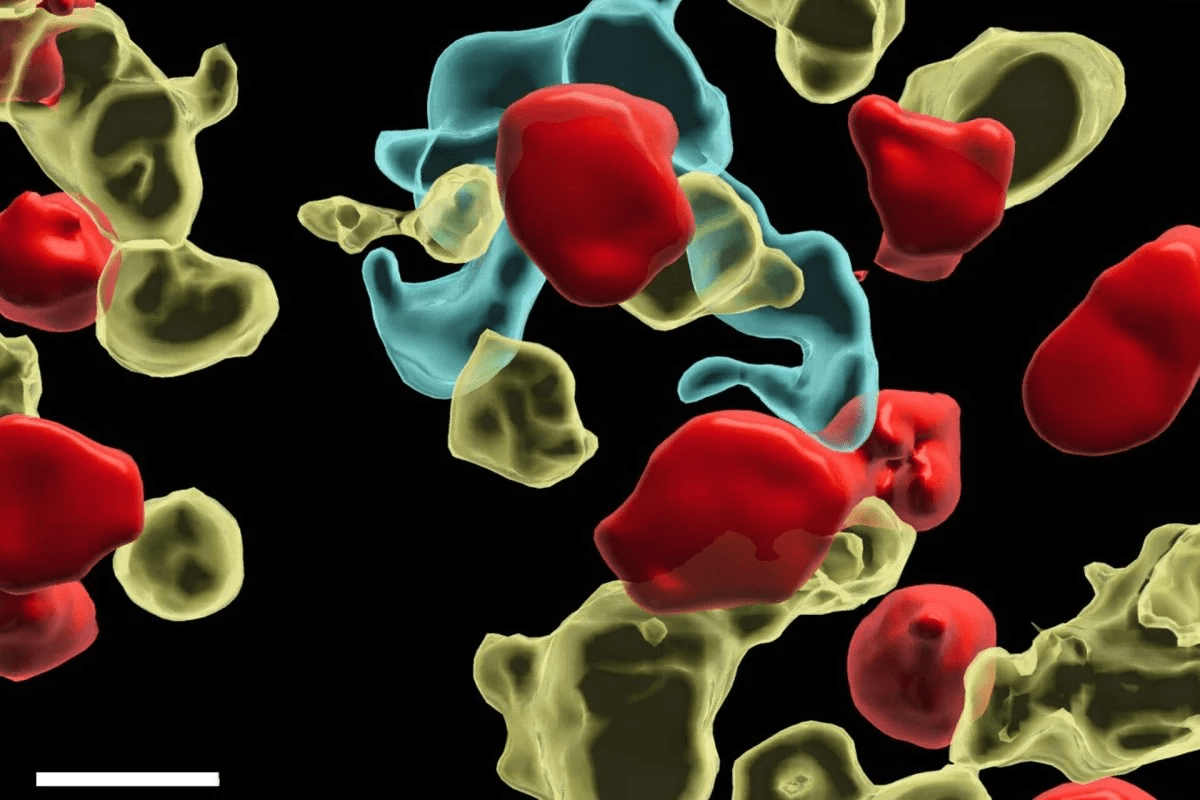
Stem cells are the body’s raw materials. They play a key role in fixing and growing tissues. These cells can turn into different types of cells, helping keep the body balanced.
What Are Stem Cells and Why Are They Important?
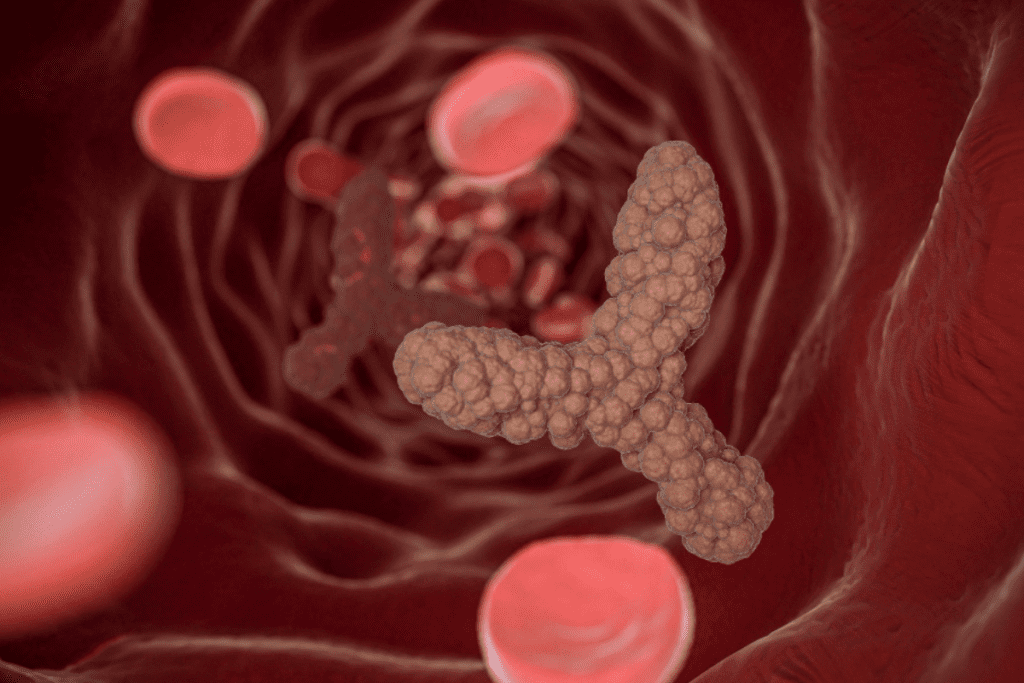
Stem cells can grow and change into many cell types. This makes them vital for growth, repair, and the formation of new tissues. They replace old or damaged cells, keeping tissues healthy.
Key functions of stem cells include:
- Regeneration of tissues
- Maintenance of tissue homeostasis
- Support for the immune system
Different Types of Stem Cells in the Human Body
The human body has many types of stem cells. Each type has its job and traits. The main types are:
Natural Stem Cell Production and Regulation
The body controls stem cell production in a complex way. Growth factors, hormones, and environmental signals play a role. Knowing how this works helps us understand how exercise affects stem cells.
The body carefully manages stem cell production. If this balance is off, it can lead to various diseases. This shows how important it is to keep stem cells healthy.
The Relationship Between Exercise and Stem Cell Production
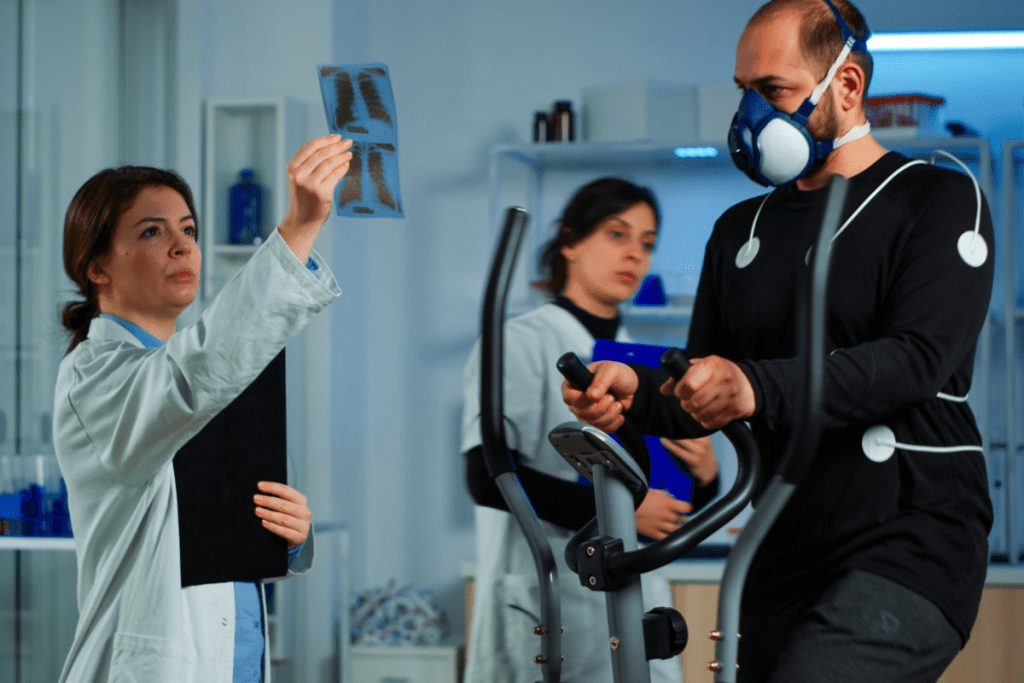
Exercise is now seen as a way to boost stem cell production. This is key to fixing and growing tissues. The link between exercise and stem cells is complex, involving many body processes that lead to better health.
Current Research on Exercise-Induced Stem Cell Activation
New studies have uncovered how exercise affects stem cell activation. Working out releases growth factors and cytokines. These are important for getting stem cells moving.
Aerobic workouts, for example, help stem cells get into the bloodstream. This makes them ready to fix damaged tissues. Exercise triggers the release of special signals that tell stem cells to move from their usual spots.
How Physical Activity Signals Stem Cell Mobilization
Exercise tells stem cells to move through a complex mix of signals. When muscles get damaged from working out, an inflammatory response occurs. This response calls in stem cells to fix the damage.
Also, exercise stimulates the production of certain chemicals and growth factors. These help stem cells find their way to where they’re needed, speeding up healing.
The Role of Exercise-Induced Inflammation in Stem Cell Response
Inflammation from exercise has both beneficial and detrimental effects on stem cells. Acute inflammation helps start the healing process and brings stem cells to the scene.
But long-term inflammation can harm stem cells and overall health. So, finding the right balance between acute and chronic inflammation is key. This helps make exercise better for boosting stem cell production and fixing tissues.
Aerobic Exercise and Its Impact on Stem Cells
Regular aerobic exercise boosts many body processes, like stem cell circulation. Activities like running, cycling, or swimming improve heart health. This can help stem cells move around the body, supporting repair and regeneration.
How Cardio Workouts Affect Stem Cell Circulation
Cardio exercises make the heart stronger and increase blood flow. This helps stem cells move from the bone marrow into the blood. From there, they can reach areas needing repair.
Research shows aerobic exercise boosts stem cell numbers in the blood. A study found that regular exercisers had more stem cells than sedentary people.
Aerobic Connective Tissue Regeneration Through Stem Cells
Aerobic exercise also helps regenerate connective tissue, like tendons and cartilage. This tissue is key for joint support and movement.
Regenerating connective tissue involves stem cells and other cells working together. Aerobic exercise helps by releasing growth factors. These factors attract stem cells to damaged areas.
Optimal Aerobic Exercise Duration for Stem Cell Benefits
The best exercise time for stem cell benefits varies by age, fitness, and health. However, research suggests that 30 minutes of aerobic exercise, performed several times a week, is beneficial for stem cells.
“Exercise is a potent stimulus for stem cell mobilization, and regular aerobic exercise can lead to sustained improvements in stem cell function and overall health.”- A top stem cell researcher advises.
In summary, aerobic exercise is excellent for stem cell circulation and tissue repair. Adding regular aerobic exercise to your life can boost your health and well-being.
Resistance Training and Stem Cell Activation
Resistance training causes muscle damage, which starts a chain of events. This leads to the activation of stem cells, helping muscles to heal and grow. It’s key for athletes and anyone wanting stronger muscles.
Muscle Damage and Stem Cell Recruitment
When you do resistance training, your muscles get tiny tears. This damage signals your body to send stem cells to repair the issue. Growth factors and cytokines help make this happen.
Getting stem cells to the damaged area is vital. They not only fix the damage but also help muscles grow stronger and work better.
How Weight Training Influences Muscle Satellite Cells
Muscle satellite cells are special stem cells for muscle repair. Resistance training makes these cells work harder. They help fix muscle damage and increase muscle size.
Recovery Periods and Stem Cell Activity After Resistance Exercise
After resistance training, it’s essential to rest and eat well. This helps stem cells work better, which in turn aids your muscles in recovering and growing.
Optimizing Recovery: Eating enough protein and resting well boosts stem cell activity. Foam rolling and stretching can also help reduce soreness and improve stem cell function.
How to Increase Stem Cell Production Through Exercise Protocols
Recent studies show that specific exercise plans can boost stem cell production and help cells regenerate. Combining aerobic and resistance training is key. It’s essential to understand how various exercises impact stem cell activation.
Evidence-Based Exercise Regimens for Stem Cell Optimization
A mix of aerobic and resistance training boosts stem cell production. Aerobic exercises like running or cycling improve heart health and increase stem cell flow. Resistance training helps muscles grow and repair by activating stem cells.
A Stanford Medicine study found that exercise can make muscle stem cells in older adults act like those in younger people. This shows how exercise can rejuvenate stem cell function, according to Stanford research on exercise and stem cell biology.
Frequency and Intensity Considerations
The right exercise frequency and intensity are key to boosting stem cell production. Moderate to high-intensity exercise is best, as it mobilizes stem cells without too much stress. The best frequency depends on the exercise and your health, but staying consistent is essential.
Combining Different Exercise Types for Maximum Stem Cell Response
Combining aerobic and resistance training can have a powerful effect. A good plan is 2-3 days of aerobic exercise and 2 days of resistance training each week. This mix can be adjusted to fit your needs and goals, ensuring a well-rounded approach to boosting stem cell production.
Nutritional Factors That Support Exercise-Induced Stem Cell Production
Nutrition is key in helping the body make more stem cells, especially in response to exercise. Eating right can cause your body to respond better to exercise. This leads to more stem cells and better health.
Key Nutrients That Enhance Stem Cell Function
Some nutrients are excellent for stem cell health. These include:
- Omega-3 fatty acids: They fight inflammation and help stem cells stay healthy.
- Antioxidants, including Vitamins C and E, protect stem cells from damage.
- Protein: It’s needed for fixing and growing tissues, which is essential for stem cells.
Dietary Patterns That Support Stem Cell Health
Eating a balanced diet is key to stem cell health. Foods like fruits, veggies, whole grains, and lean proteins give stem cells what they need. Studies show that the Mediterranean diet is good for stem cells because it lowers inflammation and oxidative stress.
Supplements That May Boost Stem Cell Response to Exercise
While a balanced diet is essential, some supplements can help too. These include:
- Curcumin: It fights inflammation and may help stem cells.
- Resveratrol, found in red wine, may be beneficial for stem cells.
Always talk to a doctor before taking supplements. They can affect medications or cause problems in some people.
Special Considerations for Athletes with Medical Conditions
Athletes with medical conditions need to know how to exercise safely. They must follow personalized plans to boost stem cell production. This helps them avoid risks.
NCAA Sickle Cell Trait Guidelines and Stem Cell Implications
The NCAA has rules for athletes with sickle cell trait. This condition affects hemoglobin and can impact performance. Athletes with this trait should avoid strenuous exercise in the heat and drink plenty of water.
Key Considerations for Athletes with Sickle Cell Trait:
- Avoid intense exercise in hot or humid environments
- Build up the intensity and duration of exercise gradually
- Stay well-hydrated before, during, and after exercise
- Be aware of symptoms such as fatigue, pain, or shortness of breath
Exercise Recommendations for Individuals with Chronic Conditions
Athletes with chronic conditions like diabetes or heart disease should adjust their workouts. They should do moderate exercise with breaks to avoid too much strain.
Monitoring Stem Cell Response in High-Performance Athletes
High-performance athletes, even with medical conditions, need to watch their stem cell response to exercise. They should undergo regular health checks and possibly advanced tests to assess the condition of their stem cells.
By understanding their specific needs and limits, athletes can tailor their workouts more effectively. This helps them safely increase stem cell production.
Can You Exercise After Stem Cell Injections? Recovery Guidelines
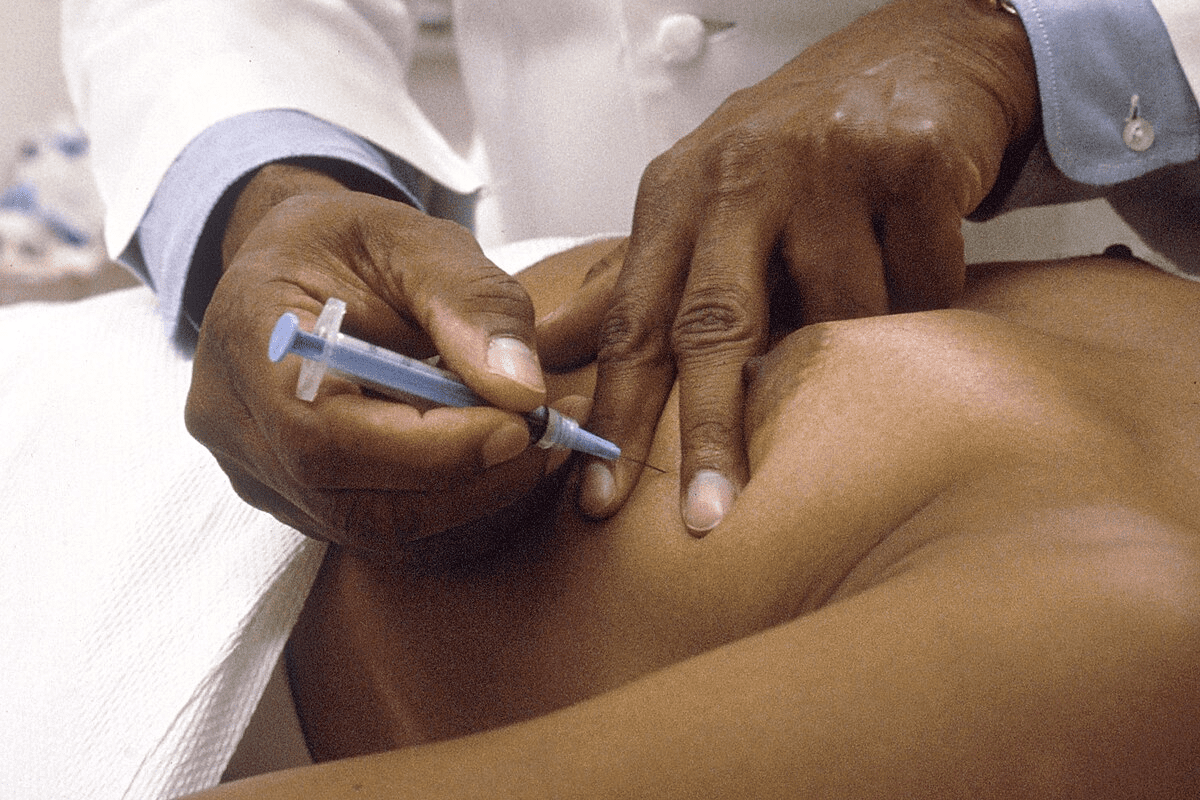
The time after getting stem cell injections is significant. Knowing how to recover well is key. Stem cell therapy can help with many health issues. But it’s essential to follow the proper recovery steps to make sure it works.
Post-Treatment Exercise Protocols
After getting stem cell injections, it’s best to avoid strenuous activities. The exact exercise plan can change based on the treatment and your health. At first, you might be told to do gentle exercises like stretching or short walks.
Key things to think about for exercise after treatment include:
- Avoid heavy lifting or bending
- Don’t do high-impact activities
- Start with easy exercises and slowly get harder
- Watch how your body reacts to exercise
Timing Considerations for Returning to Physical Activity
The time it takes to start exercising again after stem cell injections varies. It depends on the treatment, the condition being treated, and your health.
Usually, you’ll be told to wait a bit before going back to your usual workout routine. This wait helps the treated area heal and lowers the chance of problems.
Exercise Modifications Following Stem Cell Therapy
Once you’re ready to start exercising again, consider changing your routine. You should adjust the intensity, frequency, or type of exercises you do.
For example, if the treatment was for a joint, you might do exercises that strengthen the muscles around it. But you should avoid putting too much strain on the joint.
By following these recovery tips, you can get the most out of your stem cell therapy. And you can safely get back to your usual activities.
Case Studies: Real-Life Examples of Exercise and Stem Cell Benefits
Exercise and stem cells have a complex relationship. Real-life examples help us understand this better. They show how exercise boosts stem cell production and improves health and athletic performance.
Frank Salerno’s Age-Defying Stem Cell Journey Through Exercise
Frank Salerno is known for his youthful energy. His story shows how exercise and stem cells can work together. Even at an older age, Salerno stays active, demonstrating the role in staying healthy.
“Exercise is key to maintaining my health and energy levels. I’ve seen firsthand how regular physical activity can improve overall well-being.” – Frank Salerno.
Salerno’s experience is part of a growing trend. It shows that exercise can increase stem cells, leading to better health. His dedication to exercise is an inspiration for those wanting to improve their health through exercise and stem cell optimization.
Athletic Performance Improvements Through Stem Cell Optimization
Athletes are always looking for ways to get better. Exercise is one method that’s gaining attention. It can boost stem cell production, leading to better muscle repair and performance.
The table shows how different exercises affect stem cells and performance. Athletes can tailor their workouts to boost stem cell production and improve their performance.
Rehabilitation Success Stories Using Exercise-Induced Stem Cell Activation
Exercise can also help in rehabilitation. It can speed up recovery from injuries or surgeries by boosting stem cell production.
For example, patients after orthopedic surgeries have seen faster recoveries. This is thanks to exercises that stimulate stem cells.
In conclusion, real-life examples like Frank Salerno’s show the benefits of exercise on stem cells. Exercise can improve health and performance, whether for athletes or those recovering from injuries.
Conclusion: Integrating Exercise for Optimal Stem Cell Health
Regular exercise is key to good health and well-being. It helps promote optimal stem cell health. By understanding how various exercises impact stem cells, individuals can select the most suitable workouts for their needs.
Adding exercise to your life boosts stem cell circulation and muscle repair. It also supports overall health. A combination of exercise and proper nutrition can lead to improved stem cell production.
Sticking to a workout routine and choosing the right foods and rest can unlock stem cell benefits. As research grows, it’s clear that exercise is essential for keeping stem cells healthy.
FAQ
Does exercise increase stem cell production?
Yes, studies have found that exercise boosts stem cell production. This leads to better tissue repair and growth.
What type of exercise is best for increasing stem cell production?
Both cardio and strength training work well. Mixing both might be the best approach.
How does aerobic exercise impact stem cells?
Aerobic workouts help stem cells move better. They also help grow connective tissue.
Can individuals with NCAA sickle cell trait participate in exercise programs?
People with the NCAA sickle cell trait need to be careful. They should talk to a doctor before starting any workout.
Can you exercise after stem cell injections?
It’s essential to follow the doctor’s advice after getting stem cell injections. They’ll tell you when it’s safe to start moving again.
How can nutrition support exercise-induced stem cell production?
Eating right is key. Foods that help stem cells work better are essential. A healthy diet supports stem cell growth.
Are there any supplements that can boost stem cell response to exercise?
Some supplements help stem cells respond better to exercise. But always check with a doctor before taking them.
How often should I exercise to optimize stem cell production?
The right workout plan is essential. A doctor can help determine the optimal frequency and intensity of exercise for the best results.
References
- Kasravi, K., Ghazalian, F., Gaeini, A., Hajifathali, A., & Gholami, M. (n.d.). A comparison of the effect of two types of continuous and discontinuous aerobic exercise on patients’ stem cell mobilization before autologous hematopoietic stem cell transplantation. International Journal of Hematology-Oncology and Stem Cell Research. Retrieved from https://ijhoscr.tums.ac.ir/index.php/ijhoscr/article/view/1459 ijhoscr.tums.ac.ir
- Laubenthal, P., Rumpke, J., Oliveira, B. M., Ribeiro, L. F., & others. (2024). The impact of acute and chronic aerobic and resistance exercise on stem cell mobilization: A review of effects in healthy and diseased individuals across different age groups. Regenerative Therapy, 27, 464-481. https://doi.org/10.1016/j.reth.2024.04.013 ScienceDirect