Last Updated on November 26, 2025 by Bilal Hasdemir
Feeling uncomfortable in your bowels can be really upsetting. It’s important to know how to handle it safely. At Liv Hospital, we teach you when to get help and how to care for yourself.
Bowel blockages can vary in severity. It’s key to know how serious it is before trying home remedies. If you have a complete blockage, don’t try to fix it yourself. You need a doctor’s help.

We’ll show you safe ways and natural remedies to help with bowel blockages. It’s important to be careful and know your options.Learn how to loosen a bowel blockage at home. This guide provides 7 safe steps and natural remedies you can try for mild cases.
Key Takeaways
- Understand the severity of bowel blockages before attempting home remedies.
- Complete obstructions require immediate medical attention.
- Safe steps and natural remedies can help alleviate bowel blockages.
- Medical guidance is crucial in managing bowel blockages.
- Liv Hospital provides comprehensive support for international patients.
Understanding Bowel Blockages: Types and Causes
Intestinal obstructions can be very different in how they affect the body. It’s important to know what causes them and their types. Bowel blockages happen when the small or large intestine gets blocked, either partially or completely. This can lead to serious problems if not treated properly.
Partial vs. Complete Obstructions
Bowel obstructions are mainly divided into two types: partial and complete. A partial obstruction means the intestine is only partly blocked. This allows some food, fluids, and gas to move through. On the other hand, a complete obstruction blocks everything from passing through.
Knowing the difference between these types is key. Partial obstructions might not need much treatment, but complete obstructions often need quick medical help, sometimes surgery.
Common Causes of Intestinal Blockages
Many things can cause bowel obstructions. Some common causes are:
- Adhesions from previous surgeries
- Hernias
- Tumors
- Inflammatory bowel disease (IBD)
- Diverticulitis
- Intussusception
- Volvulus
These causes can lead to either partial or complete obstructions, depending on how bad the blockage is.
| Cause | Description |
| Adhesions | Bands of fibrous tissue that can form between loops of the intestine or between the intestine and other organs, often as a result of previous surgery. |
| Hernias | Protrusions of an organ or tissue through a weakened area in the muscle or fascia, which can sometimes trap a portion of the intestine. |
| Tumors | Abnormal growths that can physically block the intestine or cause intussusception. |
Risk Factors to Be Aware Of
Some people are more likely to get bowel obstructions. Risk factors include:
“Previous abdominal surgery is a significant risk factor for developing adhesions, which are a leading cause of bowel obstruction,” according to medical experts.
- Previous abdominal or pelvic surgery
- History of inflammatory bowel disease
- Presence of hernias
- Cancer
- Diverticulitis
Knowing these risk factors can help spot and treat bowel obstructions early.
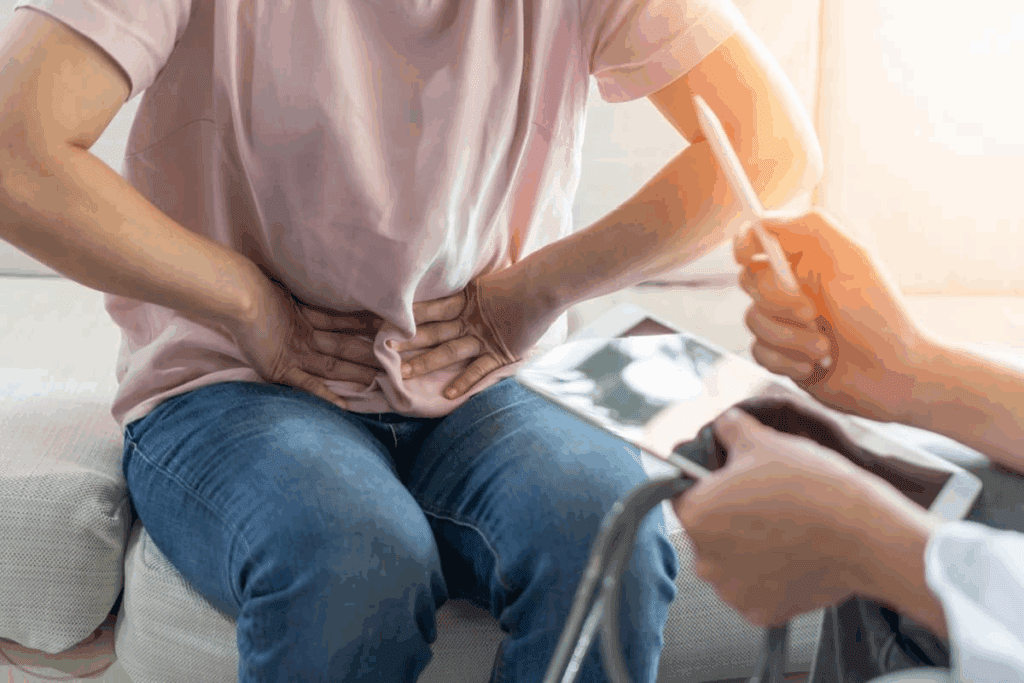
It’s vital to understand the types and causes of bowel blockages for proper treatment. While some might not need much care, others need quick medical help to avoid serious issues.
When to Seek Immediate Medical Attention
Bowel blockages can be life-threatening if not treated quickly. It’s important to know the signs that mean you need to see a doctor right away. A bowel blockage, or intestinal obstruction, happens when the intestines get blocked. This can cause serious problems if not treated.
Warning Signs of Serious Blockages
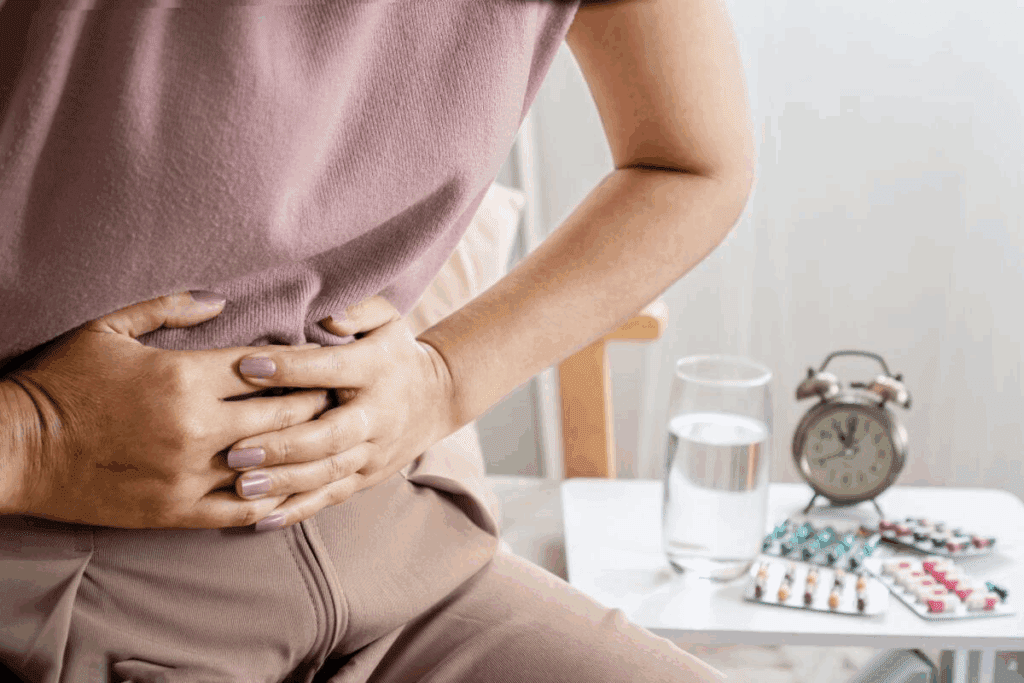
Some symptoms mean you need to get medical help fast. Look out for severe abdominal pain, vomiting that’s bloody or keeps happening, and trouble passing stool or gas. Also, watch for a swollen or tender belly. If you see these signs, get help right away.
| Symptom | Description |
| Severe Abdominal Pain | Persistent and severe pain in the abdomen |
| Vomiting | Bloody or persistent vomiting |
| Constipation or Inability to Pass Gas | Not being able to pass stool or gas |
| Abdominal Tenderness or Distension | The abdomen is tender to the touch or swollen |
Symptoms That Require Emergency Care
Some bowel blockages are medical emergencies. Look out for dehydration, fever, severe pain that gets worse, and bloody stools. If you see these, get help right away.
“Intestinal obstruction is a serious condition that requires prompt medical attention. Delaying treatment can lead to severe complications, including bowel ischemia and perforation.”
Why Self-Treatment Can Be Dangerous
Trying to treat bowel blockages yourself can be very dangerous. Without a doctor’s check-up, it’s hard to know how bad the blockage is. This can make things worse. Always talk to a doctor for the right treatment.
Key Takeaway: Knowing the warning signs of a bowel blockage and when to get medical help is key to avoiding serious problems.
Differentiating Between Constipation and Bowel Obstruction
It’s important to know the difference between constipation and bowel obstruction. Both affect bowel movements, but they are not the same. Constipation is less severe and affects health differently than bowel obstruction.
Key Differences in Symptoms
Constipation means you don’t go to the bathroom often, and when you do, it’s hard. Bowel obstruction is much worse. It causes severe pain, vomiting, and trouble passing gas or stool. Knowing these differences helps you get the right medical care.
Bowel obstruction symptoms can get worse fast. They include:
- Severe abdominal pain or cramping
- Nausea and vomiting
- Abdominal swelling or tenderness
- Constipation or diarrhea
- Inability to pass gas
Understanding the Severity Spectrum
Bowel obstruction can be partial or complete, with complete being a serious emergency. The severity of symptoms often matches the degree of obstruction. Partial obstructions might let some gas and stool pass, but complete obstructions block everything.
Constipation can be uncomfortable, but it doesn’t threaten your health as much. Bowel obstruction is a bigger risk. It can lead to serious problems like bowel ischemia or perforation if not treated quickly.
When Home Remedies Are Appropriate
For mild constipation, simple changes like diet and exercise can help. But it’s important to know the difference between constipation and bowel obstruction before trying to treat yourself. If you think you have bowel obstruction, get medical help right away.
Home remedies might include:
- Eating more fiber from fruits, veggies, and whole grains
- Drinking plenty of water
- Staying active
We stress that while home remedies can help with constipation, they’re not a replacement for medical advice when you think you have bowel obstruction.
How to Loosen a Bowel Blockage at Home: Safe Approaches
Loosening a bowel blockage at home needs careful steps to avoid problems. It’s important to see a doctor if symptoms don’t get better or get worse. But there are safe ways to try at home with a doctor’s help.
Consulting with Healthcare Providers First
Always talk to a doctor before trying home remedies for a bowel blockage. They can check how bad the blockage is and give advice just for you. Share your medical history, symptoms, and any worries you have.
Dietary Modifications for Partial Blockages
For partial blockages, changing your diet can help. A low-fiber diet can help because it reduces undigested food. Eating small, frequent meals also helps digestion. Choose foods that are low in fiber but full of nutrients, like cooked veggies and lean proteins.
Hydration Strategies
Drinking enough water is key when you have a bowel blockage. Water softens stool and helps it move. Try to drink 8-10 glasses of water a day, unless your doctor tells you otherwise. Also, warm liquids like broth or herbal tea can help move your bowels.
Monitoring Your Progress
Watch your symptoms and health closely when trying to loosen a bowel blockage at home. Note any changes, good or bad, and tell your doctor. This helps them adjust your treatment plan if needed.
Hydration and Fluid Intake Strategies
Drinking enough water is key to avoiding and treating bowel obstructions. It makes stool softer, easier to pass, and lowers blockage risk. We’ll look at the best ways to stay hydrated for better digestion.
Optimal Water Consumption Guidelines
Keeping your digestive system healthy starts with drinking water. Aim for at least eight glasses a day. But your needs can change based on age, how active you are, and where you live.
Tips for Optimal Hydration:
- Drink water all day long.
- Check your urine; it should be pale yellow or clear.
- Don’t overdo it with caffeine and alcohol, as they can dry you out.
Beneficial Warm Liquids
Warm liquids like herbal teas and broth can also help your gut. They soothe the digestive tract and encourage bowel movements.
| Liquid | Benefits |
| Herbal Tea (e.g., Peppermint, Chamomile) | Relaxes the digestive tract, reduces inflammation |
| Warm Broth | Provides essential salts, helps maintain hydration |
| Warm Water with Lemon | Stimulates digestion, promotes bowel movements |
Electrolyte Solutions for Gut Health
Electrolyte solutions are great for gut health, especially when you have bowel blockages. They replace lost salts and keep fluids balanced.
Key Electrolytes:
- Sodium: Helps regulate fluid balance.
- Potassium: Essential for muscle function, including intestinal muscles.
- Magnesium: Supports muscle relaxation and bowel movements.
By following these hydration tips daily, you can manage bowel blockages and improve your digestive health.
Natural Remedies for Intestinal Blockage Relief
Several natural remedies can help with intestinal blockages. They are great for partial blockages or preventing them. These remedies can restore normal bowel function.
Prune Juice and Other Fruit Juices
Prune juice is a natural laxative because of its sorbitol. Apple and pear juice also have sorbitol and can help. But drink them in moderation to avoid too much sugar.
Studies show prune juice is good for constipation. Here’s a comparison of natural laxatives:
| Natural Laxative | Key Ingredient | Effectiveness |
| Prune Juice | Sorbitol | High |
| Apple Juice | Sorbitol, Fiber | Moderate |
| Pear Juice | Sorbitol, Fiber | Moderate |
Herbal Teas for Digestive Health
Herbal teas are good for digestive health. Peppermint, chamomile, and ginger teas have anti-inflammatory properties. They can soothe the digestive tract.
Peppermint tea relaxes stomach muscles and improves bile flow. Chamomile tea reduces inflammation and aids in healing.
Gentle Laxative Foods
Certain foods can act as gentle laxatives. Foods like berries, broccoli, and whole grains are high in fiber. They help with regular bowel movements.
Increasing fiber intake slowly is important. Foods like flaxseeds, rich in omega-3 fatty acids, can also help. It’s key to eat these foods as part of a balanced diet for gut health.
How to Clear a Bowel Obstruction Naturally: Physical Approaches
Using certain physical techniques can ease bowel obstruction symptoms. We’ll look at methods to clear obstructions naturally.
Safe Abdominal Massage Techniques
Abdominal massage is a gentle way to help with bowel movements. Lie on your back with knees bent. Use your fingertips to massage in a circular motion.
Start from the right lower quadrant and move up, then across, and down the left side. This can help move trapped gas and stool.
Be gentle and avoid too much pressure. The goal is to stimulate, not cause discomfort or injury.
Yoga Poses for Digestive Health
Some yoga poses can aid digestion and relieve bowel obstruction symptoms. Pawanmuktasana (Wind-Relieving Pose) and Bhujangasana (Cobra Pose) are good examples. They stretch and stimulate the abdominal organs.
“Yoga is not just about physical postures; it’s about creating a balance that promotes overall well-being, including digestive health.” – Yoga Expert.
Walking and Light Exercise Benefits
Light physical activity, like walking, can help with bowel movements. Walking stimulates the intestines’ natural contractions.
Start with short walks and increase duration as you can. Adding light stretching exercises also aids digestion.
Proper Toilet Posture
Proper posture on the toilet can improve bowel movements. Squatting or using a stool can align the rectum for easier stool passage.
By adding these physical methods to your routine, you can ease bowel obstruction symptoms and improve digestion.
Common Misconceptions About Bowel Obstruction Self-Care
Misconceptions about bowel obstruction self-care can lead to delayed medical treatment and worsened outcomes. It’s crucial to distinguish between myths and facts to ensure proper care.
Distinguishing Myths from Facts
One common myth is that bowel obstructions can always be resolved with home remedies. While some partial blockages may be relieved with conservative management, complete obstructions often require medical intervention.
Another misconception is that all fiber is beneficial for bowel health. While fiber is generally helpful, in the case of a bowel obstruction, certain types of fiber can exacerbate the condition.
Dangerous Home Remedies to Avoid
Some individuals attempt to relieve bowel obstructions with potentially harmful home remedies. For instance, using certain laxatives or enemas without medical supervision can lead to complications such as bowel perforation.
| Remedy | Potential Risk |
| Laxatives without medical supervision | Bowel perforation, electrolyte imbalance |
| Enemas without proper guidance | Bowel injury, infection |
| Ignoring symptoms | Delayed diagnosis, worsening condition |
Understanding the Limitations of Self-Treatment
While some cases of bowel obstruction may be managed conservatively, it’s essential to understand that self-treatment has its limitations. Severe or complete obstructions require immediate medical attention.
Recognizing when to seek medical help is crucial. Symptoms such as severe abdominal pain, vomiting, or inability to pass gas or stool warrant immediate evaluation by a healthcare professional.
Preventing Future Bowel Blockages
Keeping your digestive system healthy is key to avoiding bowel blockages. A balanced diet and lifestyle can help. By making smart choices and staying healthy, we can lower our risk of bowel blockages.
Long-term Dietary Habits
Your diet is very important for bowel health. Eating lots of fruits, vegetables, and whole grains helps prevent blockages. Try to avoid foods high in fat and low in fiber.
Eating a variety of foods ensures you get all the nutrients your body needs. Foods like beans, lentils, and broccoli are great for your bowels because they’re high in fiber.
Fiber Intake Guidelines
Getting enough fiber is key to avoiding constipation and blockages. Adults should aim for 25-30 grams of fiber each day. This amount can vary based on age and sex.
| Age Group | Recommended Daily Fiber Intake |
| Adults | 25-30 grams |
| Older Adults | 21-25 grams |
| Children (4-18 years) | Age + 5 grams (e.g., 9-year-old: 14 grams) |
Hydration and Exercise Routines
Drinking enough water is crucial for your digestive health. Water helps your body absorb nutrients and fiber better. Try to drink at least 8 cups (64 ounces) of water a day, adjusting as needed based on your activity level and where you live.
Regular exercise also helps keep your bowels moving. Simple activities like walking can be very helpful. We suggest doing at least 30 minutes of moderate exercise every day.
Managing Underlying Conditions
Health conditions like diabetes and gastrointestinal disorders can raise your risk of bowel blockages. It’s important to manage these conditions through medication, diet, and lifestyle changes.
Regular visits to your healthcare provider are important. They can help you monitor and manage any underlying conditions. Always follow your treatment plan and make any necessary changes as advised by your healthcare team.
Home Monitoring and When to Follow Up with Healthcare Providers
Keeping an eye on your bowel health at home is key. It helps spot blockages early. By watching your symptoms and health closely, you can work with your doctor to change your treatment plan if needed.
Tracking Symptoms and Improvements
It’s important to track your symptoms and any changes. Notice any shifts in bowel movements, stomach pain, or how you feel. Writing down these details helps spot patterns and what might cause problems.
Some symptoms to watch include:
- How often and what your bowel movements are like
- Any stomach pain or cramps
- Nausea or vomiting
- Bloating or gas
Creating a Bowel Health Journal
Keeping a bowel health journal is a good way to track your progress. It should have daily notes on your symptoms, what you eat, and any medicines or supplements. This journal gives you insights into your bowel health trends.
Here’s a sample table for tracking your bowel health:
| Date | Bowel Movement Frequency | Abdominal Pain Level (1-10) | Dietary Notes | Medications/Supplements |
| 2023-04-01 | 2 | 4 | High fiber intake | Prune juice |
| 2023-04-02 | 1 | 3 | Increased water intake | Probiotics |
| 2023-04-03 | 3 | 2 | Normal diet | None |
Follow-up Appointment Guidelines
Regular check-ups with your doctor are crucial for managing your bowel health. The timing of these visits depends on how serious your condition is and what your doctor suggests.
Before a follow-up, consider:
- Bring your bowel health journal to discuss your progress
- Writing down any questions or concerns you have
- Being ready to talk about any changes in your symptoms or health
By monitoring your bowel health and staying in touch with your doctor, you can manage bowel blockages better. This improves your overall quality of life.
Conclusion
Dealing with a bowel blockage can be tough and worrying. We’ve looked at different types of blockages, what causes them, and how to handle them at home. It’s key to know when to get medical help and how to tell if it’s just constipation or a blockage.
We talked about safe ways to help with a blockage, like changing your diet, drinking more water, and using natural remedies. But it’s very important to get medical advice for your bowel health. This is because trying to treat it yourself can be risky. Getting help from doctors and following their advice can help manage blockages and prevent them from happening again.
In the end, while home remedies and changes in your lifestyle can help, your health should always come first. Always seek professional medical advice when you need it. This way, you get the right care and support to keep your bowel health in top shape.
FAQ
How can I loosen my bowel blockage at home?
First, talk to a healthcare provider about loosening a bowel blockage at home. They can suggest safe ways, like changing your diet and staying hydrated. They might also recommend natural remedies like prune juice or herbal teas.
What are the signs that I need immediate medical attention for a bowel blockage?
Seek medical help if you have severe abdominal pain, vomiting, or trouble passing gas. These signs could mean you have a serious blockage that needs quick treatment.
How do I differentiate between constipation and a bowel obstruction?
Constipation means trouble passing stools or not going often. A bowel obstruction ioccurswhen something blocks your intestine. Severe pain, vomiting, or trouble passing gas could mean you have an obstruction.
What are some safe, natural remedies for intestinal blockage relief?
Safe remedies include prune juice, apple or grape juice, and herbal teas like peppermint or chamomile. Also, foods like psyllium husk or flaxseed can help. But always check with a healthcare provider before trying new remedies.
How can I prevent future bowel blockages?
To avoid future blockages, eat foods high in fiber, drink plenty of water, and exercise regularly. Also, manage any health conditions you have. A healthcare provider can give you specific advice on preventing blockages.
What are some common misconceptions about bowel obstruction self-care?
Some people think using laxatives or ignoring bad symptoms is safe. But it’s not. Always know the facts and what you can do at home to avoid serious problems.
How should I monitor my bowel health at home?
Keep track of your symptoms and any changes. Use a bowel health journal and follow up with your doctor as needed. This helps catch any issues early.
Can I clear a bowel obstruction naturally with physical approaches?
Yes, some physical methods can help, like safe massage, yoga, walking, and proper toilet posture. But always talk to a healthcare provider before trying these methods.
What hydration strategies can help manage bowel blockages?
Drink plenty of water and try warm liquids like clear broths or electrolyte-rich drinks. Electrolyte solutions are also helpful. Staying hydrated is key to preventing and treating blockages.
When should I follow up with my healthcare provider after a bowel blockage?
Make sure to see your healthcare provider after a bowel blockage. They’ll check if it’s cleared and give advice on preventing future blockages. Your doctor will guide you on what to do next.