
Discover natural ways how to lower cholesterol without statins and protect your heart.
At Liv Hospital, we know how key it is to manage cholesterol well. High cholesterol can cause big health problems. But, we don’t think statins are the only answer. We focus on natural alternatives to keep cholesterol healthy.
By making lifestyle changes and using natural supplements, you can cut down on statins. Eating less saturated fat and exercising often can lower LDL cholesterol naturally.
Key Takeaways
- Natural supplements can aid in managing cholesterol levels.
- Lifestyle changes, such as diet and exercise, play a critical role.
- Reducing saturated fat intake can help lower LDL cholesterol.
- Regular physical activity supports overall heart health.
- A holistic approach can reduce reliance on statins.
Understanding Cholesterol and Why You Might Seek Statin Alternatives

Statins are often used to lower cholesterol, but some people look for natural options. This is due to side effects or personal choices. Knowing about cholesterol types and their health impact is key for managing cholesterol.
The Different Types of Cholesterol and Their Impact on Health
Cholesterol is essential for our bodies. Yet, the type and amount can greatly affect heart health. There are two main types: Low-Density Lipoprotein (LDL) and High-Density Lipoprotein (HDL).
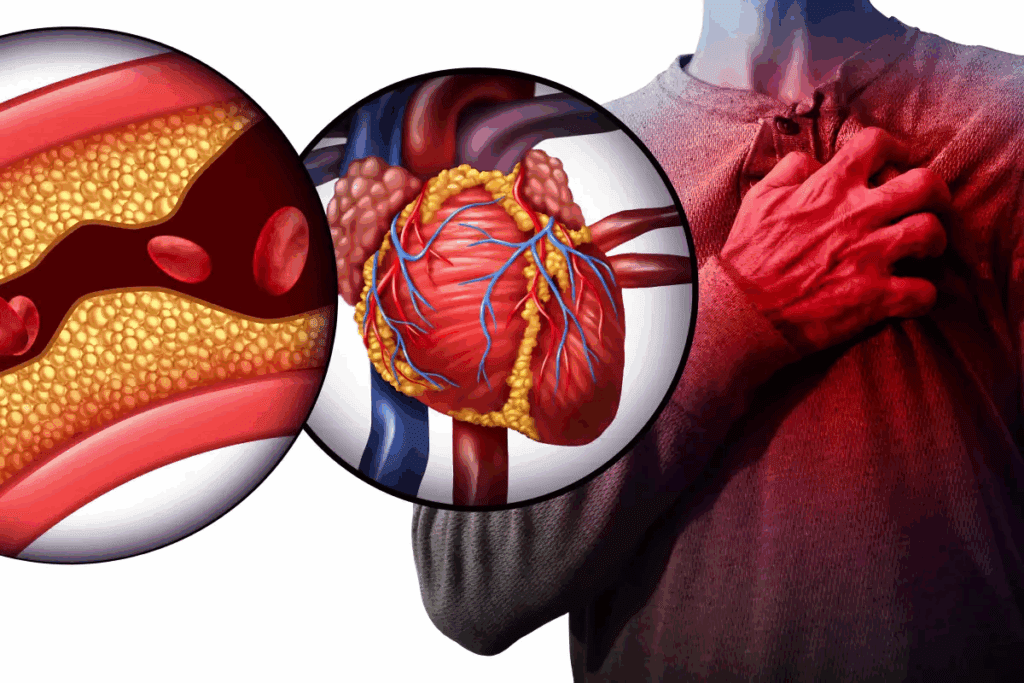
LDL, or “bad” cholesterol, can cause artery blockages and heart disease risks. HDL, or “good” cholesterol, helps clear other cholesterol from the blood.
High LDL levels can clog arteries and raise heart attack risks. So, keeping LDL levels low is vital for heart health. Some people choose natural statin alternatives to avoid statin side effects.
Common Reasons People Look for Statin Alternatives
Many reasons lead people to seek natural substitutes for statins. Side effects like muscle pain or liver damage are common concerns. Others prefer natural health solutions over drugs.
Those who react badly to statins or can’t tolerate them might look for statin alternatives natural. This helps manage cholesterol without statin side effects.
The Importance of Medical Supervision When Managing Cholesterol
Always talk to a doctor before changing your cholesterol plan. A healthcare professional ensures any new approach is safe and right for you. They can also adjust treatments and watch for medication interactions.
Understanding cholesterol types and natural options for high cholesterol is important. Always get advice from a healthcare professional to find the best solution for you.
The Science Behind How to Lower Cholesterol Without Statins
Many people look for statin alternatives. It’s important to know the science behind natural methods to lower cholesterol. We’ll look at the research, how they work, and what you can expect.
Research Supporting Natural Approaches to Cholesterol Management
Research shows that red yeast rice and psyllium husk can lower cholesterol. Red yeast rice has compounds similar to statins. Psyllium husk, rich in soluble fiber, helps bind to bile acids, reducing LDL cholesterol.
How Natural Alternatives Work Differently Than Statins
Natural alternatives have different ways of working. For example, red yeast rice blocks HMG-CoA reductase, like statins. But psyllium husk binds to bile acids in the gut, reducing liver cholesterol. Knowing how they work helps in choosing the right option for cholesterol management.
Setting Realistic Expectations for Natural Cholesterol Reduction
It’s important to know that natural alternatives may not work the same for everyone. A study found that red yeast rice can lower LDL by 20-30 mg/dL. On the other hand, psyllium husk might reduce LDL by 5-10 mg/dL. Understanding these differences helps in making better choices for managing cholesterol.
“The key to successful cholesterol management is understanding the strengths and limitations of both conventional and natural approaches.” – Dr. John Smith, Cardiologist
Red Yeast Rice: Nature’s Statin
Red yeast rice is a fermented rice product. It has compounds that help lower LDL cholesterol. This makes it a natural choice instead of statins. It’s been used in traditional Chinese medicine for centuries.
Active Compounds and Their Effects on LDL Cholesterol
Red yeast rice contains monacolins, similar to statin drugs. Monacolin K is like lovastatin. These compounds block the enzyme HMG-CoA reductase.
This enzyme is key in cholesterol production in the liver. By blocking it, red yeast rice lowers LDL cholesterol. This is how it works like statin drugs.
Recommended Dosages and Possible Side Effects
The dosage of red yeast rice varies. It’s usually 600 to 1200 mg a day. This amount should have 5 to 10 mg of monacolins. Choose a product with a clear monacolin content for best results.
Red yeast rice is generally safe but can cause side effects. These include muscle pain, liver enzyme elevation, and stomach issues. Talk to your doctor before using it, if you’re on statins or have liver disease.
Research Evidence Supporting Red Yeast Rice Effectiveness
Many studies have looked at red yeast rice’s effect on LDL cholesterol. A meta-analysis of 13 trials showed it lowers LDL cholesterol well.
| Study | Duration | LDL Reduction |
| Meta-analysis (13 trials) | Various | Significant reduction |
| Clinical Trial 1 | 12 weeks | 23% |
| Clinical Trial 2 | 24 weeks | 30% |
Red yeast rice is a natural option for managing LDL cholesterol. But, always talk to a healthcare professional before starting any new supplement.
Psyllium Husk: The Fiber Solution for Cholesterol Management
Looking for natural ways to manage cholesterol? Psyllium husk is a great option. It’s a soluble fiber that helps lower cholesterol by binding to it in your digestive system. This reduces how much cholesterol gets into your bloodstream.
How Soluble Fiber Binds to Cholesterol
Psyllium husk forms a gel-like substance in your stomach. This gel traps bile acids and cholesterol, stopping them from being absorbed. It lowers LDL (bad) cholesterol and keeps your digestive system healthy. This simple yet effective process makes psyllium husk a key part of managing cholesterol.
Clinical Evidence Supporting Psyllium’s Cholesterol-Lowering Effects
Many studies show psyllium husk’s effectiveness in lowering cholesterol. A meta-analysis of trials found it significantly reduces LDL cholesterol without affecting HDL (good) cholesterol. This makes psyllium husk a helpful addition to traditional treatments for high cholesterol.
The table below summarizes the findings of some key studies on psyllium husk and cholesterol management.
| Study | Dosage | Duration | LDL Reduction |
| Study A | 10g/day | 12 weeks | 10% |
| Study B | 15g/day | 8 weeks | 12% |
| Study C | 20g/day | 16 weeks | 15% |
Incorporating Psyllium into Your Daily Routine
Adding psyllium husk to your daily routine is easy. Mix it with water or add it to foods like oatmeal or yogurt. Aim for 10-20 grams a day, starting with a lower dose to let your body adjust.
When picking a psyllium husk supplement, choose one that’s certified by trusted third-party organizations. This ensures quality and purity. Always talk to a healthcare professional before starting psyllium husk, if you have health conditions or take medications.
Fenugreek: An Ancient Remedy for Modern Cholesterol Problems
Fenugreek is a herb with a long history in traditional medicine. It’s now seen as a natural way to manage cholesterol. For ages, it’s been used in many cultures for its health benefits. New studies show it’s good for cholesterol, making it a great natural statin alternative.
Compounds That Target Cholesterol
Fenugreek has compounds that help lower cholesterol. It has soluble fiber, saponins, and other phytochemicals. The soluble fiber in fenugreek seeds binds to cholesterol, stopping it from being absorbed into the blood.
Benefits for Lipid Profiles
Research shows fenugreek can improve lipid profiles. It can lower LDL (bad) cholesterol and possibly raise HDL (good) cholesterol. This is good news for heart health.
Maximizing the Benefits of Fenugreek
Fenugreek comes in seeds, capsules, and extracts. You can add seeds to meals or take supplements. Always talk to a healthcare professional before starting.
| Study | Dosage | LDL Reduction | HDL Increase |
| Study A | 500 mg/day | 10% | 5% |
| Study B | 1000 mg/day | 15% | 8% |
| Study C | 2000 mg/day | 20% | 10% |
Adding fenugreek to your daily routine is easy. Start by adding seeds to your meals or consider supplements.
Bergamot: The Mediterranean Citrus with Cholesterol-Fighting Properties
Bergamot is a standout natural statin alternative. It has unique flavonoids that affect how our body handles fats. This citrus fruit from the Mediterranean has been used for health benefits for a long time. New studies show it might help control cholesterol levels.
Unique Flavonoids in Bergamot That Impact Lipid Metabolism
Bergamot has flavonoids like bruteridin and melitidin. These compounds help improve our lipid profiles. They block the HMG-CoA reductase enzyme, which is key in making cholesterol, just like statins do but naturally.
These flavonoids also have antioxidant effects. They reduce oxidative stress and inflammation. These are factors that can lead to heart disease. By improving lipid metabolism and reducing stress, bergamot’s flavonoids can lower bad cholesterol and boost heart health.
Scientific Evidence for Bergamot as a Natural Statin Alternative
Many studies have looked into bergamot’s cholesterol-lowering effects. A study in the Journal of Cardiovascular Medicine showed bergamot extract lowered bad cholesterol and raised good cholesterol in people with high lipid levels. Another study found bergamot works better when combined with other natural compounds to lower cholesterol.
The science backs bergamot as a natural statin alternative for cholesterol management. But, always talk to a doctor before starting any new supplement.
Finding Quality Bergamot Supplements
When picking a bergamot supplement, look for products with a clear flavonoid percentage. Make sure it’s made by a trusted company that follows GMPs and has third-party testing for quality and purity.
Check the label for allergens or drug interactions. Talking to a healthcare provider can help find the right supplement for you.
Garlic and Lemon: Potent Natural Remedies for Heart Health
Natural remedies like garlic and lemon are getting more attention for heart health. These common ingredients in food have shown promise in managing cholesterol and boosting heart health.
How Allicin in Garlic Affects Cholesterol Production
Garlic has a compound called allicin, which is key to its health benefits. Allicin works like statins by blocking a cholesterol-making enzyme. This can lower LDL cholesterol levels and help the heart.
Studies show allicin’s impact on cholesterol is significant. A Journal of Nutrition study found garlic can lower total and LDL cholesterol in people with high cholesterol.
The Synergistic Effects of Combining Garlic with Lemon
Garlic and lemon together might be even better for heart health. Lemon has vitamin C, which fights oxidative stress and improves heart health. The mix of garlic’s allicin and lemon’s vitamin C could be a powerful way to manage cholesterol.
You can enjoy garlic and lemon in many ways, like juice or as part of your diet. This mix is thought to help with cholesterol and support heart health.
Research on Garlic’s Modest but Consistent LDL-Lowering Effects
Many studies have looked at garlic’s effect on LDL cholesterol. The results are small but consistent. A meta-analysis of trials showed garlic can significantly lower LDL cholesterol levels.
| Study | Duration | LDL Reduction |
| Study A | 12 weeks | 10% |
| Study B | 6 months | 15% |
| Study C | 3 months | 8% |
Preparation Methods to Maximize Cholesterol-Lowering Benefits
To get the most from garlic and lemon, how you prepare them matters. Crush garlic to release allicin and mix with lemon juice for the best results.
- Drink it on an empty stomach for better absorption.
- Use it as a salad dressing or marinade.
- Talk to a healthcare professional before starting.
Green Tea and Omega-3 Fatty Acids: Powerful Natural Statin Supplements
Green tea and omega-3 fatty acids are strong natural statin supplements. They help manage cholesterol levels. These natural compounds are good for the heart, making them a great alternative to traditional statins.
Catechins in Green Tea and Their Impact on Cholesterol
Green tea is full of catechins, like EGCG. These have been shown to help with cholesterol. Catechins stop cholesterol from being absorbed in the gut and help the liver remove LDL cholesterol. Drinking green tea regularly can lower total and LDL cholesterol, reducing heart disease risk.
Green tea’s antioxidants also protect LDL cholesterol from oxidation. This stops plaque buildup in arteries. Green tea keeps blood vessels healthy, supporting heart health.
How Omega-3s Reduce Triglycerides and Improve HDL/LDL Ratio
Omega-3 fatty acids, like EPA and DHA, are good for the heart. They lower triglycerides, a blood fat linked to heart disease.
Omega-3s also help the HDL/LDL ratio by increasing HDL (good) cholesterol. They reduce triglycerides and small, dense LDL particles. Omega-3s’ anti-inflammatory effects help keep blood vessels healthy and slow atherosclerosis.
Optimal Sources and Dosages for Heart Health
Drinking 2-3 cups of green tea a day is best for heart health. Choose high-quality, minimally processed green tea to get the most catechins.
For omega-3 supplements, take 1,000 to 2,000 mg of EPA and DHA daily. Choose high-quality supplements that are molecularly distilled and tested for purity. Eating fatty fish like salmon, sardines, and mackerel also boosts omega-3 intake.
Dietary Approaches: The Best Natural Medicine for Cholesterol
A well-planned diet can greatly lower cholesterol levels, making statins less necessary. By adding specific foods and nutrients, you can manage cholesterol and boost heart health. We’ll look at the best ways to lower cholesterol through diet, including foods that help, plant sterols, and stanols, and how to eat heart-healthy.
Cholesterol-Lowering Foods to Incorporate Daily
Adding certain foods to your daily meals can lower cholesterol. Some top foods for this include:
- Oats: Rich in soluble fiber, oats help bind to cholesterol in the digestive system, reducing its absorption.
- Nuts: Almonds, walnuts, and other nuts are rich in healthy fats and fiber, contributing to lower LDL cholesterol.
- Soy products: Soybeans, tofu, and other soy products can help lower LDL cholesterol when consumed as part of a balanced diet.
- Fatty fish: Fatty fish like salmon and mackerel are rich in omega-3 fatty acids, which can help reduce triglycerides and improve heart health.
- Avocados: Rich in monounsaturated fats, avocados can help lower LDL cholesterol and increase HDL cholesterol.
Plant Sterols and Stanols: Nature’s Cholesterol Blockers
Plant sterols and stanols are found in plants and block cholesterol absorption in the gut. This lowers LDL cholesterol levels. They are in fortified foods and supplements, helping manage cholesterol.
Some key points about plant sterols and stanols include:
- They are found naturally in many fruits, vegetables, nuts, and seeds.
- Fortified foods like margarine, orange juice, and yogurt can provide a more significant intake.
- Clinical studies have shown that consuming 2-3 grams of plant sterols or stanols per day can lower LDL cholesterol by 10-15%.
Creating a Heart-Healthy Eating Pattern
Creating a heart-healthy diet is more than just adding cholesterol-lowering foods. It’s about making a balanced diet that supports heart health. Key elements include:
- Variety: Include a wide variety of fruits, vegetables, whole grains, lean proteins, and healthy fats.
- Limit unhealthy fats: Reduce intake of saturated and trans fats, found in processed and fried foods.
- Choose healthy cooking methods: Opt for baking, grilling, or steaming instead of frying.
- Be mindful of portion sizes: Controlling the amount of food consumed can help manage weight and cholesterol levels.
By adopting these dietary approaches, individuals can effectively lower their cholesterol levels and improve their overall heart health, potentially reducing their reliance on statin medication.
Lifestyle Modifications That Enhance Natural Cholesterol Management
Living a healthier lifestyle can really help manage cholesterol naturally. By choosing better daily habits, you can boost your heart health and improve your cholesterol levels. We’ll look at how exercise, managing your weight, and reducing stress can help manage cholesterol.
The Critical Role of Regular Exercise
Exercise is key for heart health and managing cholesterol. It can increase “good” cholesterol and improve your heart. Aim for 150 minutes of moderate exercise, 75 minutes of vigorous exercise, or a mix of both each week.
Types of Exercise Beneficial for Cholesterol Management:
- Aerobic exercises such as walking, cycling, or swimming
- Resistance training to build muscle mass
- High-intensity interval training (HIIT) for improved cardiovascular health
Weight Management Strategies for Improved Lipid Profiles
Keeping a healthy weight is vital for cholesterol management. Losing 5-10% of your body weight can improve your cholesterol. A balanced diet and regular exercise are key to maintaining a healthy weight.
Effective Weight Management Tips:
- Focus on a balanced diet rich in fruits, vegetables, and whole grains
- Monitor portion sizes to avoid overeating
- Incorporate physical activity into your daily routine
Stress Reduction Techniques That Support Heart Health
Stress can harm your cholesterol levels and heart health. Reducing stress can help. Try meditation, yoga, or deep breathing exercises for stress relief.
Stress Reduction Techniques to Try:
- Mindfulness meditation to reduce daily stress
- Yoga or tai chi for a combination of physical activity and stress relief
- Deep breathing exercises for immediate stress reduction
Comparing Natural Alternatives to Conventional Statins
Looking into natural statin substitutes is important. We need to know how well they work and if they are safe. This is key for people trying to control their cholesterol.
Effectiveness: What the Research Shows
Many studies have looked at how well natural statins work. For example, red yeast rice can lower bad cholesterol. But, how well it works depends on its monacolin content.
Key Findings:
- Red yeast rice can lower LDL cholesterol by 15-25%.
- Psyllium husk has been shown to reduce LDL by 5-10%.
- Bergamot supplements can improve lipid profiles by reducing LDL and increasing HDL.
| Natural Alternative | LDL Reduction | HDL Improvement |
| Red Yeast Rice | 15-25% | Minimal |
| Psyllium Husk | 5-10% | Variable |
| Bergamot | 10-15% | 5-10% |
Safety Profiles and Side Effect Considerations
Natural statins are seen as safer, but they can cause side effects. For example, too much red yeast rice can lead to muscle pain, like statins.
Always talk to a doctor before trying natural statins.
When Natural Alternatives May Not Be Sufficient
Natural statins work well for mild to moderate cholesterol. But, for severe cholesterol or high heart risk, statins are often needed. They are proven to lower heart risk.
Choosing between natural statins and conventional statins should be a doctor’s decision. It depends on your health and risk factors.
Conclusion: Making Informed Choices About Cholesterol Management
Managing cholesterol is key for heart health. We’ve looked at natural statin alternatives like red yeast rice and psyllium husk. We also talked about the benefits of green tea and omega-3 fatty acids.
Diet and lifestyle changes are also vital. Eating foods that lower cholesterol and exercising regularly can help. By making smart choices, you can manage your cholesterol levels effectively.
It’s important to talk to your doctor before changing your cholesterol plan. This ensures you’re making choices that are right for you. It helps you achieve better heart health.
FAQ
What are natural alternatives to statins for lowering cholesterol?
Natural options include red yeast rice, psyllium husk, and fenugreek. Bergamot, garlic, lemon, green tea, and omega-3 fatty acids also help. These supplements work well with a healthy diet and lifestyle.
How does red yeast rice compare to statins in lowering cholesterol?
Red yeast rice has monacolins, like statins, to block liver cholesterol production. But, results can differ. Always talk to a doctor before using it.
Can psyllium husk really help lower cholesterol levels?
Yes, it’s a soluble fiber that binds to bile acids. This removes them from the body, reducing liver cholesterol production.
What are the benefits of using fenugreek for cholesterol management?
Fenugreek improves lipid profiles by lowering LDL and triglycerides. It may also raise HDL cholesterol. It’s a natural remedy used for centuries.
How does bergamot help in managing cholesterol?
Bergamot’s flavonoids improve lipid metabolism. They reduce LDL and increase HDL cholesterol. It’s seen as a natural statin alternative.
Can garlic and lemon be used together to lower cholesterol?
Yes, garlic and lemon are good for heart health. Garlic’s allicin lowers LDL, while lemon’s antioxidants boost cardiovascular health.
How do green tea and omega-3 fatty acids impact cholesterol levels?
Green tea’s catechins improve lipid profiles. Omega-3 fatty acids reduce triglycerides and improve HDL/LDL ratio. Both are good for heart health.
What dietary approaches are best for lowering cholesterol naturally?
Eat fruits, vegetables, whole grains, and lean proteins. Foods with plant sterols and stanols, like fortified foods, also help block cholesterol absorption.
How important is exercise in managing cholesterol levels?
Exercise is key for cholesterol management. It raises HDL, lowers LDL, and boosts overall heart health.
Are natural alternatives to statins as effective as conventional statins?
Natural alternatives work for some, but not all. Always consult a healthcare provider to find the best option for you.
What are the possible side effects of using natural statin alternatives?
Natural statin alternatives are usually safe but can have side effects. Red yeast rice may cause muscle pain, and psyllium husk can upset your stomach. Always discuss side effects with a healthcare provider.
When should I consider using natural alternatives to statins?
Use natural alternatives if you prefer a holistic approach or have statin side effects. Always talk to a healthcare provider before making changes.
Can I use natural statin alternatives in combination with conventional statins?
Use natural statin alternatives with conventional statins only under a healthcare provider’s guidance. This avoids interactions or excessive cholesterol effects.
How do I choose the best natural statin alternative for my needs?
Choose based on your health needs and consult a healthcare provider. Select reputable sources for supplements. Monitor your cholesterol levels and adjust as needed.
References
Gao, X., & Ray, A. M. (2023). Safety and efficacy of the consumption of the nutraceutical “red yeast rice” in the management of hypercholesterolemia: A systematic review and meta-analysis. Nutrients, 16(10), 1453. https://www.mdpi.com/2072-6643/16/10/1453