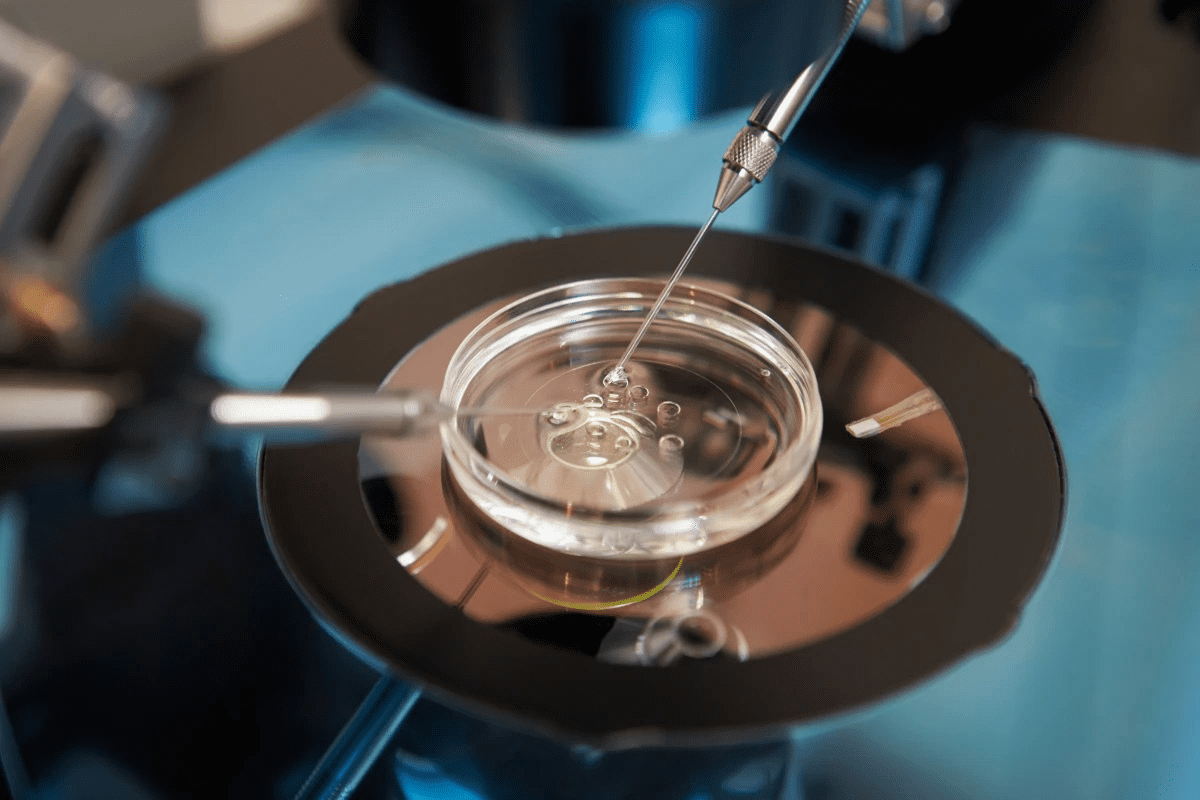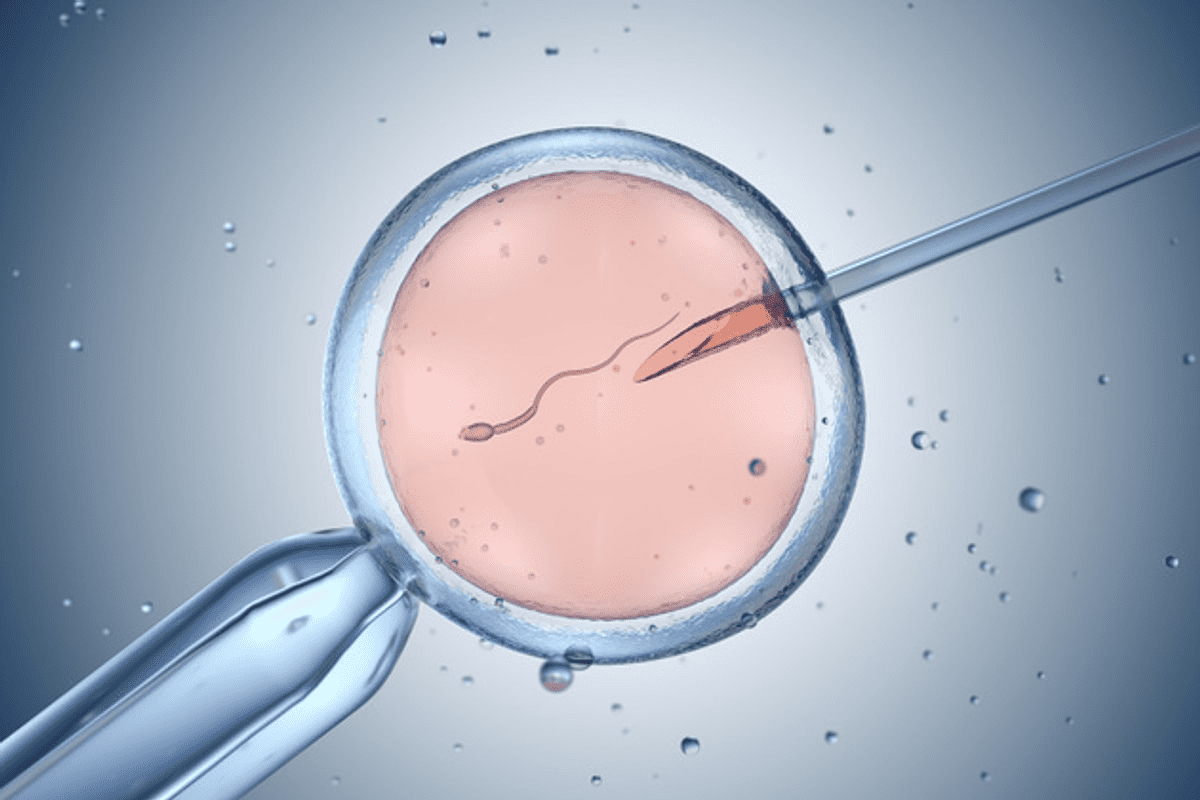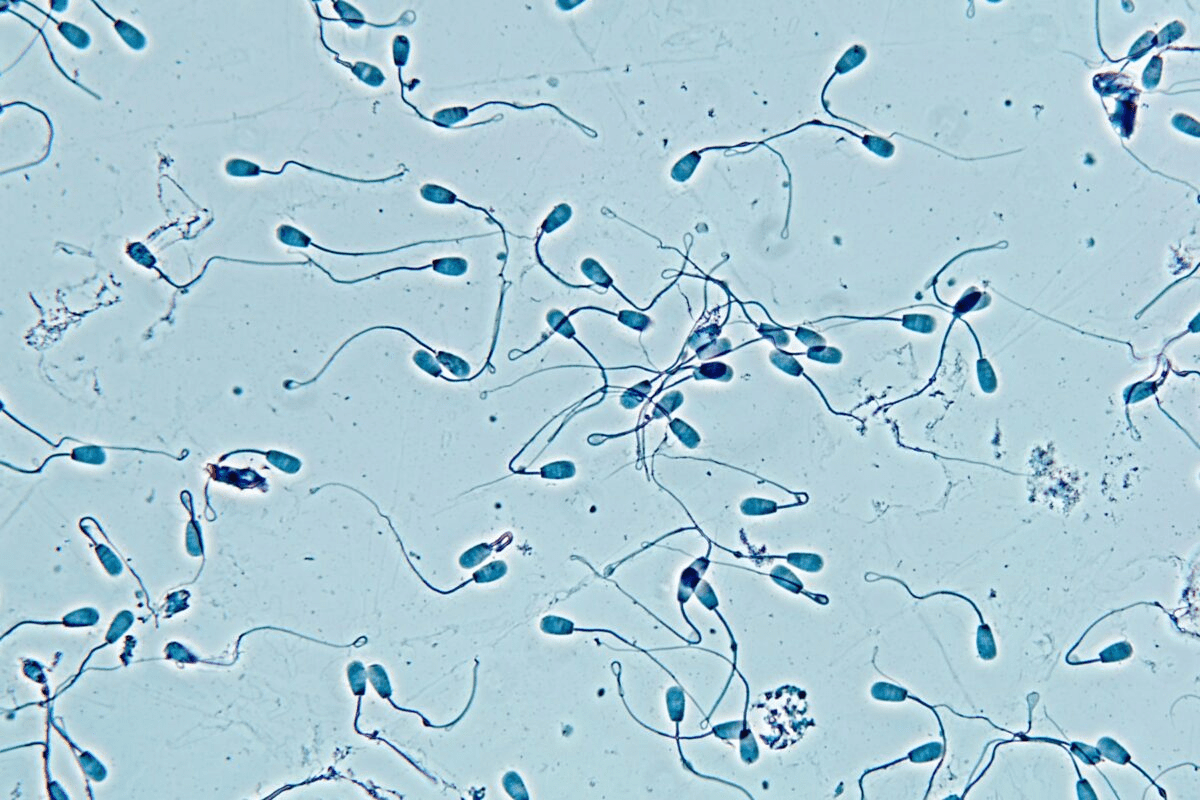
Achieving successful embryo implantation is key in fertility and assisted reproductive technologies. Studies show that embryo quality is essential for a successful implantation.
Implantation is when the blastocyst attaches to the endometrium, starting at week 1’s end. The most successful pregnancies happen when implantation occurs on day 8 or 10 after ovulation. We will look at 10 natural ways to boost implantation success. These include dietary strategies, lifestyle changes, and holistic methods.
Key Takeaways
- Understanding the implantation process is vital for a successful pregnancy.
- Dietary strategies are important for improving implantation success.
- Lifestyle changes can help embryo implantation.
- Holistic approaches support natural implantation.
- Embryo quality is a key factor in successful implantation.
Understanding the Implantation Process

The journey to a successful pregnancy starts with understanding implantation. This is when a blastocyst-stage embryo sticks to the endometrium, beginning pregnancy.
What Happens During Implantation
The embryo goes through many stages before becoming a blastocyst. The uterine lining needs to be just right, about 7 to 10 millimeters thick, for implantation to work. Studies show that the quality of the embryo is key, with high-quality transfers leading to a 98.1 percent live birth rate after five tries.
The embryo and the uterine lining have to work together, with hormones and molecules playing a big role. Progesterone levels are important for getting the lining ready by making it thicker and changing its blood vessels.
The Critical Window for Implantation
The time for implantation is between 6-10 days after ovulation. The embryo and the lining of the uterus must be in sync. Timing is everything, as the lining can only be ready for a short time.
| Day Post-Ovulation | Embryo Development Stage | Uterine Lining Status |
|---|---|---|
| 6-7 | Blastocyst formation | Receptivity begins |
| 8-9 | Implantation initiation | Optimal receptivity |
| 10 | Implantation completion | Receptivity ends |
Signs That Implantation Has Occurred
Implantation is often without symptoms, but some women might notice light spotting or cramping. These signs are usually mild and can be confused with other things. Knowing these signs can help people spot implantation.
- Light spotting due to implantation bleeding
- Mild cramping as the embryo implants
- Changes in cervical mucus
Understanding these signs and the implantation process can help people better understand their fertility journey.
Factors That Influence Successful Implantation

Understanding what affects implantation is key to success. Implantation is a complex process. It requires many elements to work together for the embryo to attach to the uterine lining.
Research shows that the embryo’s health is more important than other factors. For implantation to happen, the endometrium must be ready, the embryo must be healthy, and there must be good communication between the embryo and the lining.
Embryo Quality and Its Impact
Embryo quality is very important for implantation success. A healthy embryo, at the blastocyst stage, is essential. Many things affect embryo quality, like genetic health, shape, and any chromosomal issues. Studies say embryos with good genetics and shape are more likely to implant successfully.
Endometrial Receptivity
The endometrium’s readiness is also key. It must be prepared to accept the embryo. This involves hormonal changes and molecular signals. A ready endometrium has the right thickness, blood flow, and molecular markers for implantation.
Age-Related Considerations
Age affects both embryo quality and endometrial readiness. As people get older, egg and embryo quality decrease, and the endometrium becomes less receptive. Knowing how age impacts implantation helps individuals take steps to improve their chances.
By focusing on these factors, people can increase their chances of successful implantation. Improving embryo quality, ensuring the endometrium is ready, and considering age are important steps towards success.
Common Causes of Implantation Failure
Understanding why implantation fails is key to finding solutions. Many factors can cause implantation to fail. It’s important to find and fix these problems to increase success rates.
Embryonic Factors
Embryos play a big role in whether implantation succeeds. Chromosomal abnormalities can make embryos not viable. Studies show many early pregnancy losses are due to these errors.
- Genetic mutations: Some mutations can affect how an embryo develops and implants.
- Embryo morphology: The embryo’s shape and structure can affect its ability to implant.
Genetic testing has helped us understand embryonic factors. Preimplantation genetic testing (PGT) can find healthy embryos. This increases the chance of successful implantation.
Uterine Abnormalities
The uterus needs to be just right for implantation. Uterine abnormalities can make it hard for implantation to succeed. Common issues include:
- Fibroids: Benign growths that can block implantation.
- Polyps: Growths on the uterine lining that can affect implantation.
- Adhesions: Scar tissue that can make implantation difficult.
Fixing these uterine problems can help implantation succeed. Treatments might include removing fibroids or polyps, or treating adhesions.
Hormonal Imbalances
Hormones are vital for a ready uterus. Hormonal imbalances can mess with this balance, leading to failure. Important hormones include:
- Progesterone levels: Progesterone is key for preparing the uterine lining.
- Estrogen levels: Estrogen helps regulate the menstrual cycle and uterine readiness.
Keeping hormones in check can help the uterus prepare for implantation. This might involve hormone therapies or lifestyle changes.
Immunological Issues
Immunological factors can also cause implantation failure. Immunological issues happen when the immune system sees the embryo as foreign. This can lead to failure. Some issues include:
- Autoimmune disorders: Conditions where the immune system attacks the body’s own tissues.
- Immunological rejection: The immune system’s reaction to the embryo as foreign.
Research is ongoing to understand and treat these immunological causes. Treatments like immunomodulatory therapies are being explored.
Recent research from 2024 shows that less than 2 percent of implantation failures are truly unexplained. This challenges old views on the topic. It highlights the need for detailed research to find effective treatments.
How to Make Implantation Successful Through Nutrition
Optimizing nutrition is key for successful implantation. A healthy diet can greatly help your body during this time. We’ll look at how certain nutrients can aid in this important phase.
Essential Nutrients for Implantation
Eating a balanced diet with fruits, veggies, lean proteins, and whole grains is good for reproductive health. Essential nutrients are vital for boosting fertility and helping implantation.
- Vitamin C: Found in citrus fruits and berries, it improves egg quality and supports the luteal phase.
- Vitamin E: In nuts and seeds, it acts as an antioxidant, protecting the embryo from damage.
- Folic Acid: Found in leafy greens and fortified cereals, it prevents neural tube defects.
- Omega-3 Fatty Acids: In fatty fish and flaxseeds, they support uterine health and reduce inflammation.
Anti-inflammatory Foods to Support Implantation
Eating anti-inflammatory foods can help implantation. These foods reduce inflammation and improve reproductive health.
- Berries: Rich in antioxidants, they reduce oxidative stress.
- Fatty Fish: High in omega-3 fatty acids, they support uterine health.
- Turmeric: Contains curcumin, which has strong anti-inflammatory properties.
- Green Leafy Vegetables: Full of vitamins and minerals, they support overall health.
Foods to Avoid During the Implantation Window
Some foods can harm implantation. It’s important to avoid or limit foods that can negatively impact implantation.
- Processed Foods: High in unhealthy fats and preservatives, they cause inflammation.
- Caffeine and Alcohol: Too much can harm implantation.
- High-Sugar Foods: Can lead to insulin resistance and hormonal imbalances.
- Trans Fats: In processed snacks, they can harm reproductive health.
Making smart food choices can help implantation. A diet full of essential nutrients and anti-inflammatory foods can greatly improve implantation chances.
Natural Supplements That Enhance Implantation
Certain natural supplements can boost reproductive health, making implantation more likely. It’s key to know how these supplements work and their benefits.
Vitamin D and Implantation Success
Vitamin D is vital for reproductive health. Studies show it helps with implantation and boosts fertility treatment success. Maintaining optimal vitamin D levels can come from sun, diet, or supplements.
“Vitamin D deficiency is linked to lower fertility and treatment success,” studies say. Getting enough vitamin D through supplements or food can help improve implantation chances.
Omega-3 Fatty Acids for Uterine Health
Omega-3 fatty acids, like EPA and DHA, are good for uterine health. They have anti-inflammatory effects that help implantation. Incorporating omega-3 supplements into your diet may support a healthy uterine lining and better implantation outcomes.
CoQ10 for Egg and Embryo Quality
Coenzyme Q10 (CoQ10) is an antioxidant that boosts egg and embryo quality. CoQ10 supplementation can lead to better fertility by reducing stress and improving reproductive cells.
These natural supplements can be great for fertility plans. They support reproductive health and address deficiencies, helping with successful implantation.
Lifestyle Modifications to Support Implantation
Making lifestyle changes can help a lot with implantation success. By choosing wisely, you can make your body ready for implantation.
Stress Management Techniques
Stress can hurt your chances of implantation. It messes with your hormones and health. Try meditation, yoga, or deep breathing exercises to calm down.
Doing things that relax you, like reading or listening to music, can also help. It’s key to find healthy ways to deal with stress for implantation.
Optimal Sleep Patterns
Good sleep is key for health and implantation. Try to sleep 7-8 hours each night and stick to a routine.
Make your bedroom sleep-friendly, like cool and dark. Also, avoid caffeine and screens before bed.
Exercise Recommendations During the Two-Week Wait
Doing some light exercise can boost your mood during the wait. Try walking, swimming, or light yoga.
Stay away from hard exercises that might stress you out. Listen to your body and adjust your workout plan as needed.
| Lifestyle Modification | Benefits for Implantation |
|---|---|
| Stress Management | Reduces hormonal imbalance, promotes overall well-being |
| Optimal Sleep | Improves hormonal balance, enhances overall health |
| Gentle Exercise | Supports overall well-being, reduces stress |
By making these lifestyle changes, you can help your body get ready for implantation. It’s about making lasting changes for better health and well-being.
Mind-Body Approaches for Implantation Success
The journey to successful implantation can be helped by mind-body methods. These methods improve overall health and reproductive well-being. By reducing stress and promoting relaxation, they create a better environment for implantation.
Acupuncture and Its Effects on Implantation
Acupuncture is a traditional Chinese medicine technique. It involves inserting thin needles into specific body points. It has been shown to improve blood flow to the uterus, reduce stress, and balance hormonal levels.
All these factors can help with successful implantation. Studies have indicated that acupuncture can enhance the chances of implantation by improving uterine receptivity.
Meditation and Visualization Practices
Meditation and visualization are powerful tools for reducing stress and promoting a positive mindset. By practicing mindfulness and visualizing a successful pregnancy, individuals can reduce anxiety and create a more conducive environment for implantation. Regular meditation practice has been linked to improved fertility outcomes.
The Role of Emotional Wellbeing in Fertility
Emotional wellbeing is key to fertility. High levels of stress and anxiety can harm hormonal balance and reproductive health. By focusing on emotional wellbeing through mind-body practices, individuals can create a more supportive environment for implantation.
This holistic approach can be a valuable addition to medical fertility treatments.
In conclusion, mind-body approaches like acupuncture, meditation, and visualization can greatly improve implantation success. By reducing stress, promoting relaxation, and supporting emotional wellbeing, individuals can increase their chances of a successful implantation.
Creating an Optimal Hormonal Environment
Hormonal balance is key for implantation success. It affects both embryo quality and how ready the uterus is. A balanced hormonal environment helps prepare the endometrium for the embryo.
To get this balance right, knowing the roles of important hormones is vital. Progesterone, estrogen, and thyroid hormones are all important. They help get the uterus ready for implantation.
Natural Ways to Balance Progesterone Levels
Progesterone is essential for the endometrium’s thickness and for the embryo’s growth. To support progesterone levels, making dietary changes and managing stress are helpful.
- Dietary Changes: Eating foods high in vitamin B6, like bananas and leafy greens, can boost progesterone.
- Stress Management: Stress can lower progesterone. Meditation and yoga can help manage stress.
Supporting Healthy Estrogen Production
Estrogen is key for the endometrium’s growth and change. To support healthy estrogen levels, making dietary changes and lifestyle adjustments are needed.
“Estrogen dominance can be as problematic as estrogen deficiency. Balancing estrogen levels is critical for implantation success.”
Eating foods rich in omega-3 fatty acids and antioxidants can help balance estrogen.
| Nutrient | Food Sources | Benefit |
|---|---|---|
| Omega-3 Fatty Acids | Salmon, Walnuts | Supports hormonal balance |
| Antioxidants | Berries, Leafy Greens | Reduces oxidative stress |
The Importance of Thyroid Function for Implantation
Thyroid hormones are vital for metabolism and reproductive health. Thyroid problems can affect implantation success.
Keeping thyroid function optimal is important. Regular check-ups and nutritional support are key. Iodine and selenium are essential for thyroid health.
Understanding and managing hormonal balance can greatly improve implantation chances. This requires a holistic approach. It includes dietary changes, stress management, and nutritional support.
Conclusion: Implementing Your Personalized Implantation Success Plan
Understanding what affects implantation can help us improve our chances. Natural strategies, like diet and lifestyle changes, can make a big difference. Mind-body practices also play a key role in success.
To make a plan that works for you, think about your own needs and situation. Mix the ideas from this article to create a plan that fits you perfectly.
It’s important to be proactive about your reproductive health. Use the strategies we’ve talked about to boost your chances of implantation success. This will help you on your path to becoming a parent.
Creating a plan for implantation success means using nutrition, lifestyle, and mind-body practices together. This holistic approach can greatly increase your chances of a successful implantation.
FAQ
What are some natural ways to enhance implantation success?
We suggest eating right, living healthy, and using holistic methods. These include eating foods full of nutrients, handling stress well, and using mind-body techniques.
How does nutrition impact implantation?
Nutrition is key for implantation. Eating foods with folate, iron, and omega-3 fatty acids helps a lot.
What are some natural supplements that can enhance implantation?
Some supplements like vitamin D, omega-3 fatty acids, and CoQ10 help reproductive health. They can also help with implantation.
How can lifestyle modifications support implantation?
Healthy habits like managing stress, sleeping well, and exercising help implantation. They make a good environment for it.
What is the role of hormonal balance in implantation?
Hormones are very important for implantation. Having the right balance of progesterone, estrogen, and thyroid hormones is essential.
How can mind-body approaches enhance implantation success?
Mind-body methods like acupuncture, meditation, and visualization help reproductive health. They also improve emotional well-being, which helps implantation.
What are some common causes of implantation failure?
Implantation failure can happen for many reasons. These include problems with the embryo, uterus, hormones, and immune system. Knowing these reasons helps in finding solutions.
How can I promote implantation after ovulation?
To help implantation after ovulation, live healthily, manage stress, and eat well. Focus on foods full of nutrients.
What are some things to avoid during the implantation window?
Avoid foods that cause inflammation and manage stress during the implantation window. Also, keep a healthy lifestyle to support implantation.
How can I support implantation naturally?
To naturally support implantation, focus on diet, lifestyle, and holistic methods. This means eating right, managing stress, and using mind-body techniques.
What are some ways to improve implantation success?
To boost implantation success, use diet, lifestyle, and holistic methods. This includes eating well, managing stress, and using mind-body techniques.
How to increase implantation success naturally?
To naturally boost implantation success, live healthily, manage stress, and eat well. Also, consider natural supplements and mind-body approaches.
References
Government Health Resource. Natural Ways to Improve Embryo Implantation Success. Retrieved from https://academic.oup.com/humupd/article/28/5/715/6516377