Last Updated on December 2, 2025 by Bilal Hasdemir
Keeping your urinary system healthy is key, as urinary tract infections (UTIs) have jumped by 66.45% worldwide since 1990. Igor Kagan, MD, an assistant clinical professor at UCLA, says it’s essential for your overall health. Natural methods and drinks recommended for flushing the bladder and improving your ability to know how to make yourself pee.
We’ll look at five proven ways to keep your urinary system in top shape. These include drinking enough water, going to the bathroom regularly, and practicing good hygiene. These steps are critical in avoiding urinary issues and bladder problems.
Key Takeaways
- Staying hydrated is key to urinary health
- Regular urination helps prevent urinary tract infections
- Good hygiene practices lower UTI risk
- A healthy diet supports urinary wellness
- Managing health conditions is vital for urinary health
The Rising Global Concern of Urinary Health Issues
Urinary health issues are becoming more common worldwide. This calls for more awareness and education. Keeping the urinary system healthy is vital for our overall well-being.
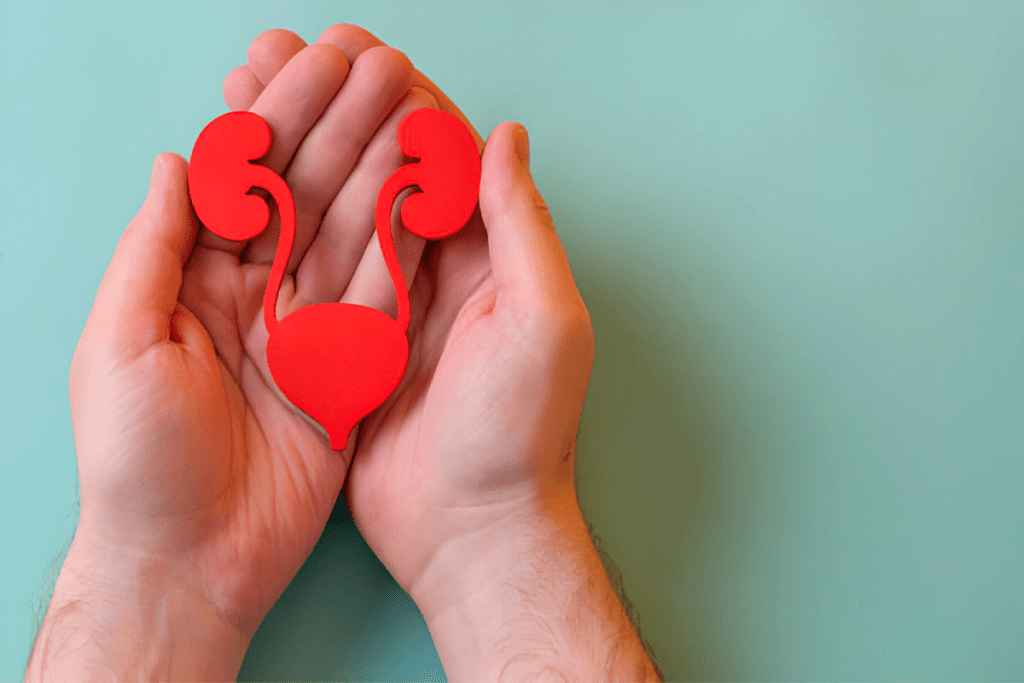
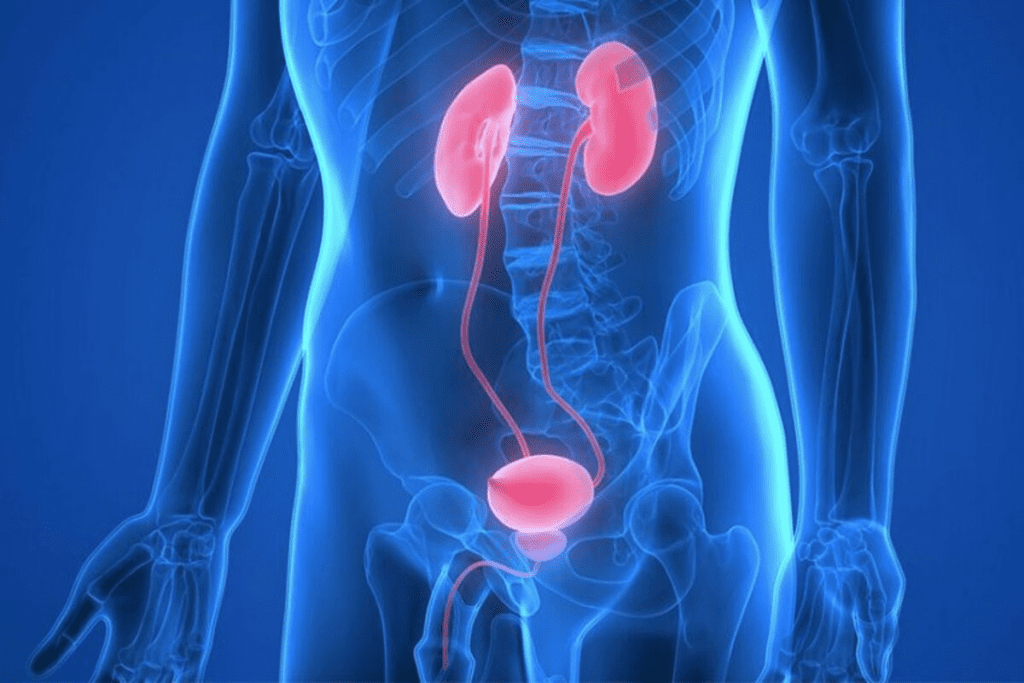
The urinary system includes the kidneys, bladder, and ureters. It helps control blood pressure, balance fluids, and keep electrolyte levels right. Knowing how it works is essential to tackle urinary problems, like bladder control issues.
Understanding the Urinary System and Its Functions
The urinary system filters waste from the blood and keeps electrolyte levels balanced. It also helps maintain acid-base balance. The kidneys filter about 200 liters of blood every day, making urine that goes to the bladder through the ureters. The bladder holds urine until it’s time to go.

Alarming Statistics: 66.45% Increase in UTIs
Urinary Tract Infections (UTIs) have increased by 66.45% globally, with 4.49 billion cases each year. This highlights the need for better urinary health practices and awareness. It’s important to understand UTI causes and prevention to fight this growing issue.
Understanding urinary health is key. Lifestyle choices greatly affect our urinary system. By making healthy choices and knowing the risks, we can reduce urinary health problems.
Why Maintaining Urinary Health Is Critical for Overall Wellness
Keeping our urinary system healthy is key to our overall well-being. It affects not just our physical health but also how we live our lives. A healthy urinary system helps us get rid of waste and toxins. It also helps control blood pressure and keep electrolyte levels balanced.
The Connection Between Urinary Health and Quality of Life
Urinary health greatly impacts our daily lives. When our urinary system works well, we avoid discomfort, pain, and frequent bathroom trips. These issues can really hurt our quality of life.
Good urinary health also lowers the chance of getting urinary tract infections (UTIs) and other problems. These can lead to serious health issues if not treated.
Common Urinary Issues and Their Impact
Issues like UTIs, urinary incontinence, and kidney stones can deeply affect our lives. They cause pain, discomfort, and emotional distress. These problems not only harm the person but also their loved ones and social circle.
- Urinary Tract Infections (UTIs): Bacterial infections that can cause pain and discomfort during urination.
- Urinary Incontinence: Loss of bladder control, leading to involuntary leakage of urine.
- Kidney Stones: Hard deposits made of minerals and salts that form inside the kidneys, causing severe pain.
It’s important to know about these common urinary issues and their effects on our health. By keeping our urinary system healthy, we can lower the risk of these problems. This improves our overall wellness.
To keep our urinary system healthy, we should stay hydrated, practice good hygiene, and see a doctor when needed. By doing these things, we can greatly improve our urinary health. This, in turn, boosts our overall quality of life.
Hydration: The Foundation of Urinary Health
Drinking enough water is key to keeping our urinary system healthy. It helps remove bacteria and toxins. This helps prevent urinary tract infections (UTIs) and kidney stones.
Reducing UTI and Kidney Stone Risk
Drinking the right amount of water is vital to avoid UTIs and kidney stones. Water dilutes our urine and keeps our urinary tract clean. This makes it harder for minerals to form stones.
- Drinking water helps to prevent the formation of kidney stones by diluting the urine.
- Adequate hydration reduces the risk of UTIs by flushing out bacteria from the urinary tract.
Optimal Daily Water Intake
The amount of water we need varies. It depends on our age, sex, weight, and how active we are. Most people should drink at least eight 8-ounce glasses of water a day. But some might need more.
- Monitor your urine output to ensure you are drinking enough water.
- Adjust your water intake based on your activity level and climate.
Understanding Urine Color
The color of our urine tells us about our hydration. Clear or pale yellow urine means we’re drinking enough water. Dark yellow or amber-colored urine means we should drink more.
If your urine is clear but you don’t drink much water, check your diet and health. There might be a reason why.
By knowing how important hydration is, we can lower the risk of urinary problems. This helps us stay healthy overall.
Regular Urination: How to Make Yourself Pee When Needed
Regular urination is key to a healthy urinary system. We’ll show you how to do it. Not peeing often can cause health problems. We’ll talk about the risks, how to pee regularly, and tips for quick bathroom visits.
The Dangers of Holding Your Urine
Waiting too long to pee can harm your health. Your bladder gets too full, which weakens your muscles. This can cause you to have trouble emptying your bladder. Ignoring your body’s signals can lead to infections and even kidney damage.
Also, holding pee can cause urinary tract infections (UTIs). Bacteria grow more in the bladder when it’s full. It’s important to listen to your body and pee when you need to.
Techniques to Encourage Healthy Urination Patterns
Good urination habits are essential for your health. Here are some tips to help you pee regularly:
- Drink lots of water to keep your urine diluted.
- Go pee when you feel the urge; don’t wait.
- Practice good bathroom habits, like wiping correctly and staying clean.
- Eat foods that help your urinary system.
These habits can lower your risk of urinary problems.
How to Pee Faster in Public Restrooms
Using public restrooms can be hard due to anxiety or discomfort. Here are some tips to pee faster:
- Relax: Take a few deep breaths to calm down.
- Choose the stall farthest from the entrance to avoid distractions.
- Run some water to make the environment more comfortable.
- Try to let go of anxiety by focusing on your need to pee.
These tips can make your experience less stressful and quicker.
Personal Hygiene Practices for Urinary Health
Good personal hygiene is key to avoiding urinary tract infections and keeping your urinary system healthy. It helps lower the chance of bacterial contamination and infection. This is very important for women, as they are more likely to face bladder issues due to their body structure.
Post-Bathroom and Intimate Hygiene Techniques
Proper hygiene begins with the right techniques after using the bathroom. Always wipe from front to back to stop bacteria from the anus from getting into the urethra. Also, clean your genital area with mild soap and water to keep it clean.
- Wipe from front to back after using the bathroom.
- Wash your genital area with mild soap and water.
- Avoid using harsh soaps or douches that can irritate the genital area.
Hygiene Practices After Sexual Activity
Sex can raise the risk of urinary tract infections, more so in women. It’s important to practice good hygiene after sex. Urinating after sex helps get rid of bacteria that might have entered the urethra. Also, washing your genital area can help lower the risk of infection.
- Urinate after sexual activity to flush out bacteria.
- Wash your genital area with mild soap and water.
- Consider using a condom to reduce the risk of bacterial transmission.
By following these hygiene tips, you can greatly lower your risk of urinary issues. Remember, good hygiene is just one part of keeping your urinary system healthy. Drinking enough water and managing when you pee are also very important.
For better urinary health, knowing the importance of personal hygiene is just the start. Your diet, lifestyle, and overall health also play big roles. While we focus on hygiene, it’s good to know that some natural methods might help with urinary health. But always talk to a healthcare professional for advice on how to get a bigger pee pee naturally.
Dietary Choices That Support Bladder and Kidney Function
What we eat affects our bladder and kidneys. Eating foods rich in nutrients helps keep our urinary system healthy. This is key to our overall health.
Fruits and Vegetables That Promote Urinary Health
Fruits and vegetables are essential for our urinary health. They are full of antioxidants, vitamins, and minerals. These help protect our bladder and kidneys.
- Cranberries: They may help prevent UTIs by stopping bacteria from sticking to the bladder and urinary tract walls.
- Berries: Blueberries and raspberries are packed with antioxidants. They support our urinary health.
- Leafy Greens: Spinach, kale, and other greens have magnesium and other nutrients good for our kidneys.
- Citrus Fruits: Oranges, lemons, and limes have vitamin C. It boosts our immune system and fights infections.
The Role of Fiber in Preventing Constipation and UTIs
Eating foods high in fiber helps prevent constipation. Constipation can lead to UTIs. Fiber keeps our bowel movements regular, reducing pressure on the bladder and urinary tract.
- Whole grains like brown rice, quinoa, and whole-wheat bread
- Legumes such as beans, lentils, and peas
- Fruits like apples, bananas, and berries
- Vegetables, including broccoli, carrots, and leafy greens
Health experts say a high-fiber diet prevents constipation. This is good for our urinary health because constipation can increase UTI risk.
“A well-balanced diet with fruits, vegetables, and whole grains supports urinary health.” “ A urologist
Foods and Beverages to Avoid for Bladder Health
Some foods can harm our urinary health. We should limit or avoid:
- Caffeine: In coffee, tea, and some sodas, it can irritate the bladder.
- Alcohol: It acts as a diuretic, increasing urine production and irritating the bladder.
- Spicy Foods: They can irritate the bladder and worsen urinary tract issues.
- Processed Foods: High in salt and preservatives, they are hard on the kidneys.
Making smart food choices supports our bladder and kidney health. This reduces the risk of urinary problems and improves our overall well-being.
Managing Urination Frequency: How to Stop Peeing So Much
Learning to control when you pee is key to good urinary health. Peeing too often can mess up your day and stress you out. We’ll look at what’s normal, how to adjust your lifestyle, and when to worry about health problems.
Normal vs. Excessive Urination Patterns
How often you pee can vary, but most people go 4 to 7 times a day. Excessive urination means going more than 7 times or peeing a lot at night. Your drinking habits, diet, and health can affect how often you pee.
To check if you pee too much, try this:
- Keep track of how much you drink and pee for a week.
- Look for patterns, like how caffeine or alcohol affects you.
- Notice if you feel pain or discomfort when you pee.
Lifestyle Adjustments to Regulate Urination
Changing your lifestyle can help you pee less often. Cutting down on caffeine is a big help, as it makes you pee more. Drinking less alcohol is also beneficial.
Here are more tips:
- Drink water in small amounts to avoid overloading your bladder.
- Avoid foods and drinks that bother your bladder, like spicy or fizzy ones.
- Try to pee at the same time every day to train your bladder.
When Frequent Urination Signals a Medical Issue
While lifestyle changes can help, if you pee a lot all the time, it might be a sign of a health problem. Issues like diabetes, UTIs, or bladder problems can cause this.
“Frequent urination can be a symptom of various health issues, making it essential to consult a healthcare professional if the problem persists.” “ A healthcare professional
If you pee a lot and it hurts, or if you see blood, get help right away. These signs can mean serious health problems.
By knowing what’s normal and making smart lifestyle choices, you can manage how often you pee. But if it keeps being a problem, see a doctor to check for health issues.
Conclusion: Integrating Urinary Health Practices Into Your Daily Routine
Keeping your urinary system healthy involves several steps. These include practicing good hygiene, drinking enough water, and going to the bathroom regularly. By doing these things every day, you can lower your chance of getting urinary tract infections (UTIs). It also helps keep your urinary system in top shape.
Simple habits can make a big difference. Drinking plenty of water, keeping clean, and listening to your body’s need to pee are key. These actions help keep your urinary system working well. This improves your life quality and lowers the risk of health problems linked to poor urinary health.
We suggest adding these proven practices to your daily routine. They support your urinary health and overall well-being.
FAQ
How do I maintain a healthy urinary system?
To keep your urinary system healthy, drink plenty of water and practice good hygiene. Also, urinate regularly. Eating a balanced diet with lots of fruits, vegetables, and fiber is important too.
How much water should I drink daily to stay hydrated?
Drinking at least eight glasses of water a day is a good start. But your needs might change based on how active you are, the weather, and your health.
What does clear urine indicate?
Clear urine means you’re drinking enough water. But if your urine stays clear without drinking much, it could mean something’s off. You should talk to a doctor about it.
Is it bad to hold your pee for too long?
Yes, holding urine for too long can cause infections and harm your bladder. Always try to pee when you need to.
How can I make myself urinate when I’m having trouble?
To help pee, try relaxing in a warm place, listening to running water, or using the double voiding method. If it’s hard, see a doctor.
What are some good hygiene practices to prevent UTIs?
To prevent UTIs, wipe correctly after using the bathroom and practice good intimate hygiene. Keep clean after sex, too.
Can dietary choices impact my urinary health?
Yes, eating lots of fruits, vegetables, and fiber helps your urinary health. It prevents constipation and UTIs. Avoid foods and drinks that irritate your bladder.
How can I stop peeing so much?
To control how often you pee, know what’s normal and what’s not. Limit caffeine and alcohol. Also, check for any health issues.
When should I be concerned about my urination frequency?
If you pee a lot and feel pain or discomfort, see a doctor. They can check for any health problems.
Are there any specific foods I should avoid for bladder health?
Yes, avoid spicy foods, caffeine, and alcohol as they can irritate your bladder. Knowing what irritates you can help manage your bladder health.
References
- Medina, M., Castillo-Pino, E. (2019). An introduction to the epidemiology and burden of urinary tract infections. Frontiers in Cellular and Infection Microbiology. https://www.ncbi.nlm.nih.gov/pmc/articles/PMC6502976/
- Perrier, E. T., et al. (2020). Hydration for health hypothesis: a narrative review. Nutrition Reviews. https://www.ncbi.nlm.nih.gov/pmc/articles/PMC7987589/
- Nelson, Z., Aslan, A. T., Beahm, N. P., et al. (2024). Guidelines for the prevention, diagnosis, and management of urinary tract infections in pediatrics and adults: A WikiGuidelines group consensus statement. JAMA Network Open, 7(11), e2444495. https://jamanetwork.com/journals/jamanetworkopen/fullarticle/2825634