Last Updated on November 25, 2025 by
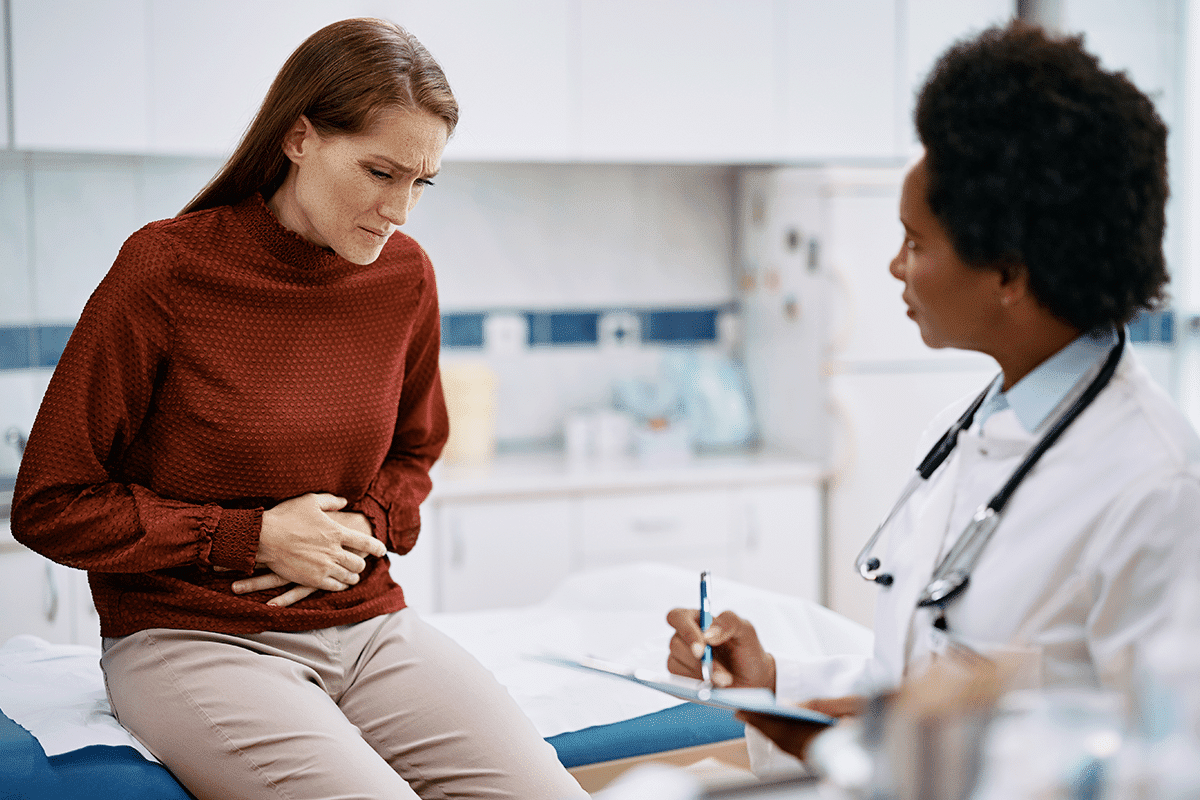
Many people think frequent urges or discomfort are just minor issues. But research shows these signs can mean there’s something wrong with your bladder. Knowing how to make yourself pee can be important for bladder health to catch problems early.
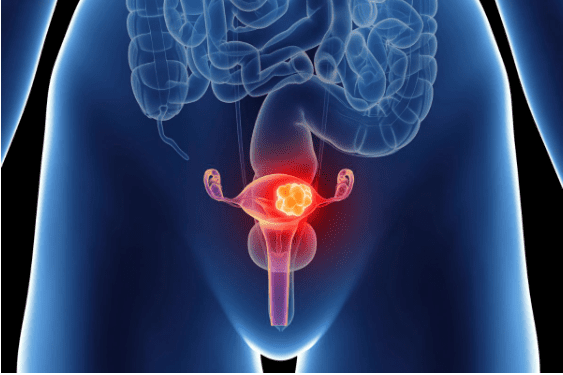
Bladder problems can show up in different ways, like changes in how you pee, pain, or discomfort. Spotting these signs is the first step to getting the right medical help. The National Institute of Diabetes and Digestive and Kidney Diseases says knowing about urinary issues is key to fixing them.
Key Takeaways
- Bladder health is key to our overall well-being.
- Changes in how you pee can mean bladder problems.
- Spotting symptoms early helps get medical help fast.
- Bladder issues can really affect your quality of life.
- Getting expert care is vital for urinary problems.
Common Warning Signs of Bladder Problems
Bladder problems show up in many ways. Spotting these signs early can lead to quick medical help. Knowing these signs is key to keeping your urinary system healthy.
Persistent Urinary Urgency
Persistent urinary urgency is a common bladder symptom. It’s a sudden, strong need to pee. This can mess up your day and might mean there’s a problem.
If you’re always rushing to the bathroom, it’s time to find out why. For some, this urgency is so strong that it leads to unexpected urinary leakage. This makes daily life even harder.
Increased Frequency of Urination
Going to the bathroom more often than usual can be a sign of a bladder problem. If you’re wondering how to stop peeing so much, first know it’s not just about willpower. It could be due to bladder issues.
Going to the bathroom a lot can mess up your day. It might mean you have a health issue that needs a doctor’s help. Knowing why can help manage symptoms.
Nocturia: Waking Up to Urinate
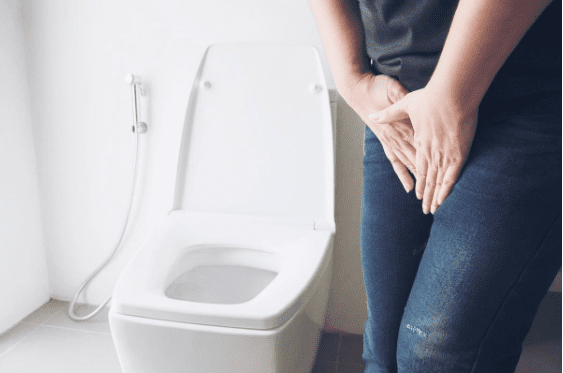
Nocturia means needing to pee at least twice a night. It can ruin your sleep and health. Waking up to pee a lot can be a sign of a bladder problem.
It’s important to fix nocturia to sleep better and stay healthy. It can help avoid other health problems, too.
Unexpected Urinary Leakage
Unexpected urinary leakage, or incontinence, is another bladder symptom. It can be a little leak or a complete loss of control. It’s common, mainly in women, and can really affect your life.
Knowing why it happens and getting medical help can help manage or fix it. It’s a big step towards a better life.
In short, knowing these signs can help spot bladder problems early. If you’re experiencing any, see a doctor for the right care and treatment.
Understanding Urination Difficulties: How to Make Yourself Pee
It’s important to know about urination problems for good bladder health. Urination is a key function that can be hard for some people.
Normal vs. Abnormal Urination Patterns
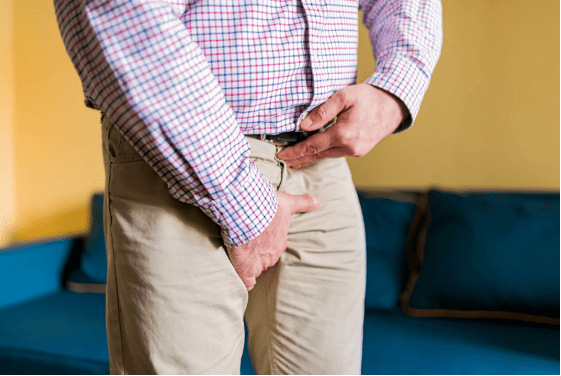
How often someone pees can vary. But a healthy adult usually pees 4 to 7 times a day. If you pee too little or too much, it might mean there’s a health issue.
Difficulty urinating can come from many things. This includes infections, an enlarged prostate, or nerve problems. Finding out why is key to fixing it.
Techniques to Stimulate Urination
There are ways to help if you have trouble peeing. Here are a few:
- Try relaxation methods like deep breathing or meditation to help you pee.
- The sound of running water can also help you feel the need to pee.
- A warm compress on your lower belly can relax your muscles and help you pee.
- Changing your position or standing up can also help start the pee process.
A urology specialist says, “The key to solving urination problems is to find the cause and use the right method to help you pee.“
When Difficulty Urinating Signals a Problem
Not being able to pee can sometimes mean there’s a bigger health issue. Problems like not being able to fully empty your bladder or nerve problems need a doctor’s help.
If you keep having trouble peeing, see a doctor. They can figure out what’s wrong and help you. A medical journal says,
“Urinary retention is when you can’t fully empty your bladder. It’s serious and needs quick attention.” “ Clinical guidance
Knowing why you have trouble peeing and using the right methods can help. It can also make your bladder health better.
Painful Urination and Other Physical Symptoms
Bladder issues can show up in many ways, like painful urination and other physical discomforts. These signs might mean there’s a problem that needs a doctor’s check-up.
Burning or Stinging Sensations
A burning or stinging feeling when you pee is often a sign of a urinary tract infection (UTI). This happens when bacteria in the urinary tract cause inflammation and irritation. If not treated, UTIs can cause serious damage to the kidneys.
It’s very important to see a doctor if you keep feeling burning or stinging while peeing. A doctor can find out what’s wrong and give you the right treatment, which is usually antibiotics.
Pelvic Pain or Pressure
Pelvic pain or pressure can also be a sign of bladder problems. This pain can be mild or very strong and might come and go. Sometimes, it’s linked to interstitial cystitis, a long-term condition that causes bladder pain and pressure.
Blood in Urine: What It Means
Seeing blood in your pee is scary, and you should get medical help right away. Blood in the urine, or hematuria, can be due to UTIs, kidney stones, or even bladder cancer. A doctor will do tests to figure out why you’re seeing blood.
Don’t ignore this symptom. Finding and treating problems early, like bladder cancer, can make a big difference.
Changes in Urine Color or Smell
Changes in urine color or smell can also point to bladder issues or other health problems. For example, dark yellow or amber pee might mean you’re not drinking enough water. Cloudy or smelly pee could be a sign of a UTI. Sometimes, these changes can be due to what you eat or certain medicines.
Talking to a doctor about these changes can help find out what’s going on early.
Overactive Bladder: A Common Condition
Overactive bladder is more common than many think. It makes you feel a sudden need to pee. This can really mess up your daily life and sleep.
Prevalence Rates in the United States
In the United States, overactive bladder affects a lot of people. It’s more common in older adults and women. It’s not just about how often you pee; it’s about the urgency and how it affects your life.
Gender Differences in Overactive Bladder
Research shows women are more likely to have an overactive bladder than men. Hormonal changes, pregnancy, and childbirth play a role. Knowing these differences helps in treating the condition better.
Impact on Daily Life and Quality of Sleep
The symptoms of an overactive bladder can really disrupt your life. They can also mess up your sleep. Waking up to pee is a common problem. It’s key to manage these symptoms for better health.
Risk Factors for Developing Overactive Bladder
Several things can increase your risk of getting an overactive bladder. These include age, gender, and lifestyle. Knowing these can help prevent or catch it early. For example, staying at a healthy weight and drinking the right amount of water can help.
In conclusion, an overactive bladder is a big health issue that needs attention. By understanding its prevalence, gender differences, and how it affects daily life, we can manage it better.
Serious Bladder Conditions to Be Aware Of
Knowing about serious bladder conditions is important for early treatment. The bladder is key to our urinary system. Several conditions can harm its function.
Bladder Cancer: Statistics and Risk Factors
Bladder cancer is a big health issue, with over 80,000 new cases each year in the United States. Age, smoking, and chemical exposure raise the risk. Early detection is key, says the American Cancer Society.
Most bladder cancer cases happen in people over 55. Smoking is a major cause, responsible for half of all cases.
Interstitial Cystitis and Chronic Bladder Pain
Interstitial cystitis, or bladder pain syndrome, is a long-term condition. It causes bladder pressure and pain, sometimes pelvic pain too. Symptoms can be mild or very painful.
The exact cause of interstitial cystitis is unknown. It’s thought to involve bladder lining defects, immune system issues, and nerve problems.
Urinary Tract Infections vs. Bladder Infections
Urinary tract infections (UTIs) and bladder infections are often confused. But they affect different parts of the urinary system. UTIs can happen anywhere, while bladder infections are in the bladder.
Bladder infection symptoms include burning while urinating, needing to urinate often, and pelvic pain. Untreated, they can cause serious problems.
Neurogenic Bladder Dysfunction
Neurogenic bladder dysfunction happens when the nervous system affects bladder function. It can be due to diabetes, Parkinson’s disease, or spinal cord injuries.
“Neurogenic bladder can lead to significant urinary incontinence and other complications if not properly managed,” according to the National Institute of Diabetes and Digestive and Kidney Diseases.
Managing it often means lifestyle changes, medications, and sometimes surgery. This helps improve bladder function and quality of life.
When to Seek Medical Attention for Bladder Issues
Knowing when to seek medical help is key to good bladder health. Bladder problems can range from mild to severe. They might show signs of serious conditions that need quick medical check-ups.
Emergency Warning Signs
Certain symptoms need immediate medical care. These include:
- Severe pain in the lower abdomen or back
- Inability to urinate, which can lead to serious complications
- Blood in the urine, a symptom that should never be ignored
- Fever and chills, indicating a possible infection
If you have any of these symptoms, get medical help right away.
Symptoms That Shouldn’t Be Ignored
Some bladder issues might not seem urgent. But ignoring certain symptoms can hide serious conditions. These include:
- Persistent urinary urgency or frequency
- Nocturia (waking up multiple times at night to urinate)
- Unexpected urinary leakage
These symptoms can really affect your life. They might point to issues like overactive bladder or urinary tract infections.
What to Expect During a Urological Evaluation
A urological evaluation starts with a detailed medical history and physical exam. This may include:
- A detailed questionnaire about symptoms and medical history
- A physical examination, potentially including a pelvic exam
- Urinalysis to check for infections, blood, or other abnormalities
This helps find the cause of bladder problems. It also guides further tests.
Diagnostic Tests for Bladder Problems
Diagnostic tests are key to finding bladder problems. Common tests include:
- Urinalysis to check for signs of infection or other abnormalities
- Urodynamic tests to assess bladder function and urine flow
- Cystoscopy is a procedure that allows direct visualization of the bladder interior
- Imaging tests, such as ultrasound or CT scans, are used to visualize the bladder and surrounding structures
These tests help doctors find the cause of symptoms. They then create a treatment plan.
Conclusion: Taking Control of Your Bladder Health
Good bladder health is key to feeling your best. Knowing the issues and making lifestyle changes can greatly improve your life. Getting the right care on time is vital for managing bladder health well.
Controlling bladder health means watching for signs like constant need to pee and unexpected leaks. Seeking medical help when needed is important. This way, you can lessen the daily impact and sleep better.
Understanding bladder health and acting early can prevent serious problems. Taking charge of your bladder health leads to a better life. It’s all about being proactive.
FAQ
How do you make yourself urinate?
To help yourself urinate, try relaxing in a warm bath. You can also use the double voiding technique. Or, try the “tap and release” method by running water on and off.
How can I make myself urinate if I’m having trouble?
If you’re having trouble, try standing up or changing positions. Applying a warm compress to your lower abdomen can also help. Deep breathing is another relaxation technique to try.
Is it bad to hold your pee for too long?
Yes, holding urine for too long can cause problems. It can lead to urinary tract infections and kidney damage. It’s best to urinate when you feel the need.
How long can you safely hold your pee?
How long you can hold your urine safely depends on your fluid intake and health. Generally, it’s best to urinate when you feel the urge, not to hold it too long.
What are the symptoms of bladder issues in women?
Women with bladder issues might feel an urgent or frequent need to urinate. They might also experience leakage or pelvic pain. Waking up to urinate at night is another symptom.
How can I stop peeing so much?
To pee less, limit fluids before bed. Avoid caffeine and spicy foods. Doing pelvic floor exercises, like Kegels, can also help.
What are the risk factors for developing an overactive bladder?
An overactive bladder can be caused by age, neurological disorders, and certain medications. Lifestyle choices, like caffeine or spicy foods, can also play a role.
Can clear urine indicate a problem if I’m not drinking much water?
Clear urine is good, but not drinking enough water can be a sign of a problem. It might mean diabetes or a urinary tract issue. See a doctor to find out.
How can I get a bigger pee pee naturally?
Drinking plenty of water can help increase urine output naturally. If you’re having trouble, talk to a healthcare professional for advice.
What are the signs and symptoms of serious bladder conditions?
Serious conditions like bladder cancer or interstitial cystitis can cause blood in urine or pelvic pain. Persistent urgency is another symptom. If you notice these, seek medical help.
When should I seek medical attention for bladder issues?
See a doctor for severe pain, trouble urinating, or blood in urine. If your bladder issues are persistent or severe, get medical evaluation and treatment
References
- Coyne, K. S., Sexton, C. C., Irwin, D. E., Kopp, Z. S., & Kelleher, C. (2024). Association of Chronic Conditions With Bladder Health in Women: A Cross-Sectional Study of LUTS and Quality of Life. Preventing Chronic Disease, 22, 25_0197. https://www.cdc.gov/pcd/issues/2025/25_0197.htm
- Ueda, T., Tomosaka, N., Hida, S., et al. (2023). The Innovative Approach in Functional Bladder Disorders: The Bladder-Brain-Gut Axis Connection. International Neurourology Journal, 27(2), 71“80. https://www.ncbi.nlm.nih.gov/pmc/articles/PMC10072998/