Getting ready for a nuclear heart test can seem scary. But knowing about nuclear cardiology can help make it easier.
Nuclear cardiology is a part of cardiology that uses nuclear medicine. It helps find and manage heart issues. A nuclear cardiac stress test is used to check for heart problems like coronary artery disease.
By learning about nuclear cardiology and its role in heart health, you can get ready for the test better. This includes understanding what the test and diagnosis mean for you.
Key Takeaways
- Understand the basics of nuclear cardiology and its role in heart health.
- Learn how to prepare for a nuclear heart test.
- Discover the significance of nuclear cardiology in diagnosing heart conditions.
- Know what to expect during and after the test.
- Understand the importance of nuclear medicine in managing heart health.
Understanding Nuclear Cardiology and Heart Tests
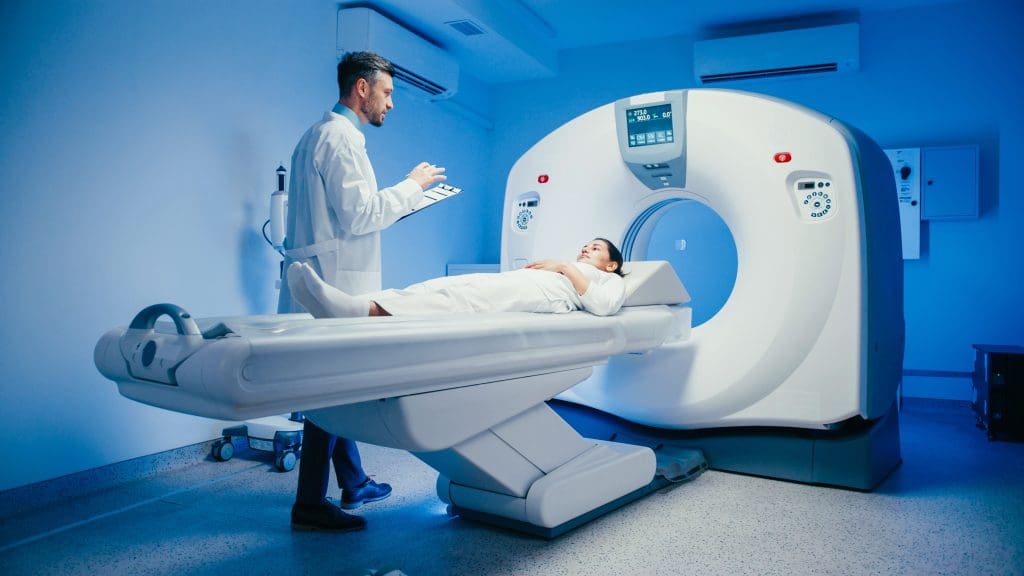
Nuclear cardiology is a mix of nuclear medicine and cardiology. It helps us see how the heart works and what it looks like. This field is key in finding and treating heart diseases.
Definition and Basic Principles
Nuclear cardiology uses tiny amounts of radioactive materials, called radiotracers. These materials give off gamma rays. Special cameras catch these rays to make pictures of the heart.
First, a radiotracer is put into the blood. It goes to the heart. The way it spreads in the heart muscle tells us a lot about how well the heart is working.
How Nuclear Imaging Visualizes Heart Function
Nuclear imaging shows us how the heart works by taking pictures at rest and under stress. It uses Myocardial Perfusion Imaging (MPI) to check blood flow to the heart muscle.
These pictures help find out if the heart is getting enough blood. They also see how well the heart is working. This helps them spot problems like coronary artery disease.
Nuclear cardiology gives us detailed info about the heart. It shows both how the heart works and what it looks like. Here’s a table that shows what nuclear cardiology can do for heart tests.
| Benefit/Application | Description |
| Diagnosis of Coronary Artery Disease | Checks blood flow to the heart muscle, finding areas that don’t get enough blood. |
| Evaluation of Heart Function | Tells us about the heart’s pumping power and overall health. |
| Assessment of Cardiac Risk | Helps sort patients by their risk of heart problems in the future. |
Knowing how nuclear cardiology works helps us see why these tests are important for heart health.
Common Types of Nuclear Cardiology Tests
Nuclear cardiology tests come in many forms, each with its own purpose. They help understand and manage heart problems. These tests give detailed pictures of the heart’s structure and how it works
Myocardial Perfusion Imaging (MPI)
Myocardial Perfusion Imaging (MPI) is a key test in nuclear cardiology. It checks how well blood flows to the heart muscle. It spots areas where blood flow is low, which might mean coronary artery disease.
To do MPI, a tiny amount of radioactive tracer is injected into the blood. This tracer builds up in the heart muscle based on blood flow. Pictures are taken when the heart is at rest and after it’s stressed (either through exercise or medicine).
Positron Emission Tomography (PET) Scans
Positron Emission Tomography (PET) scans offer detailed views of the heart’s metabolic activity and blood flow. They’re great for checking if heart tissue is alive and for spotting coronary artery disease.
PET scans use a special radioactive tracer that emits positrons. When these positrons meet electrons, they create gamma rays. These rays are caught by the PET scanner to make detailed images of the heart.
Multiple-Gated Acquisition (MUGA) Scans
Multiple-Gated Acquisition (MUGA) scans look at the heart’s pumping ability and how well its walls move. They’re helpful for keeping an eye on patients getting chemotherapy that might harm the heart.
MUGA scans involve injecting a radioactive tracer into the blood. This tracer tags red blood cells. The gamma camera then captures images of the heart as it beats, all in sync with the patient’s ECG. This helps assess the heart’s function at different points in its cycle.
| Test Type | Purpose | Key Features |
| Myocardial Perfusion Imaging (MPI) | Evaluates blood flow to the heart muscle | Uses radioactive tracer; images taken at rest and stress |
| Positron Emission Tomography (PET) Scans | Assesses metabolic activity and blood flow | Uses positron-emitting tracer; provides detailed metabolic information |
| Multiple-Gated Acquisition (MUGA) Scans | Evaluates heart’s pumping function and wall motion | Uses radioactive tracer to label red blood cells; gated to ECG |
Why Your Might Recommend a Nuclear Heart Test
Knowing why your suggests a nuclear heart test can ease your worries. This test, also known as a nuclear stress test, checks how well your heart works and blood flows.
Diagnosing Coronary Artery Disease
Your might suggest this test to find coronary artery disease. This happens when heart arteries get blocked by plaque. The test shows if your heart gets enough blood, pointing to possible disease.
The test uses a radioactive tracer in your blood. A camera then takes pictures of your heart at rest and when stressed. This helps spot any blood flow issues.
Evaluating Heart Function After Heart Attack
If you’ve had a heart attack, this test helps see how much damage there is. It’s key to figuring out the best treatment and what might happen next.
A nuclear medicine cardiac perfusion scan gives clear images of your heart. It shows how well your heart pumps blood and spots any scars or damage.
Assessing Treatment Effectiveness
This test also checks if treatments for heart issues are working. By comparing new and old scans, see if treatments need changes.
This info is important for managing heart health. Regular tests help keep track of heart changes. They can then adjust treatments as needed.
One Week Before: Early Preparation Steps
Getting ready for a nuclear medicine scan for heart starts about a week before the test. This early prep is key for a smooth test and accurate diagnosis. Your needs all the right info beforehand.
Discussing Your Medical History and Concerns
Talking to your about your medical history is a first step. Share any heart conditions, allergies, or health issues that might affect the test. It’s also a chance to ask about the cardiac injection and the test process.
- Tell your about any heart surgeries or procedures you’ve had.
- Discuss any allergies or sensitivities, like to medications or contrast dyes.
- Share your medical history, including diabetes or kidney disease.
Reviewing Current Medications with Your
Your will also review your medications. This is to see how they might affect the test. Some meds might need to be adjusted or stopped before the test for accurate results.
- Make a list of all your current medications to bring to your .
- Talk about how each medication could impact your nuclear stress test.
- Follow your advice on any medication changes.
Understanding Coverage and
Understanding the financial side of your test is also important. Check your insurance and any you might face. Your office or the testing facility can help with these questions.
To get ready, consider these steps:
- Call your insurance to see what’s covered and what’s not.
- Ask about any extra , like facility or professional fees.
- Talk about payment options or financial help if you’re worried about .
48 Hours Before: Dietary Restrictions and Guidelines
48 hours before your nuclear heart test, you need to follow certain dietary rules. These rules help make sure your test results are accurate. It’s important to stick to these guidelines for reliable data.
Foods and Beverages to Avoid
In the 48 hours before your test, stay away from certain foods and drinks. High-fat foods can mess with the test’s results. This includes fatty meats, fried foods, and rich desserts. Also, caffeine and certain medications can change your heart rate and blood flow.
Avoid eating:
- High-fat dairy products
- Processed meats
- Foods high in sugar
Caffeine Restrictions and Hidden Sources
Caffeine can change your heart rate and affect the test’s results. You should avoid all caffeine sources. This includes:
- Coffee and tea
- Energy drinks
- Chocolate
- Some medications
Watch out for hidden caffeine in foods and drinks. This helps you stick to the pre-test diet rules.
Fasting Requirements and Timing
Fasting rules can differ based on your healthcare provider’s instructions. You might need to fast for a few hours or overnight. It’s very important to follow these fasting instructions to get accurate test results.
“Proper preparation is key to a successful nuclear stress test. Following dietary guidelines and other pre-test instructions can significantly impact the accuracy of your results.”
By following these dietary restrictions and guidelines, you’ll be ready for your nuclear heart test. This helps make sure your test results are accurate.
24 Hours Before: Medication Management for Your Nuclear Test
To get accurate results from your nuclear heart test, managing your medications is key. You need to know which ones to keep taking, which to stop, and special rules for diabetes.
Medications to Continue Taking
Most medicines are okay to keep taking before your test. But, tell your about all your current meds, including over-the-counter stuff and supplements. Beta-blockers and certain anti-anginal meds might need extra care because they can change the test’s results.
Medications That May Need Temporary Discontinuation
Some meds might mess with the test, so your might tell you to stop them for a bit. For example, caffeine in meds and some cold or herbal supplements might need to go. Always check with your before changing your meds.
Special Considerations for Patients with Diabetes
If you have diabetes, managing it well before your test is very important. You might need to adjust your diabetes meds or insulin. Talk to your healthcare provider about your diabetes plan to stay safe during the test.
Also, if you’re on metformin for diabetes, your will give you special instructions. Keeping your blood sugar in check is key for a good test and your safety.
The Day of Your Test: What to Wear and Bring
Getting ready for your nuclear heart test? Knowing what to wear and bring is key. It helps you feel less anxious and makes the test go smoothly.
Comfortable Clothing and Footwear Recommendations
Wear comfortable clothing that lets you move easily. Loose-fitting clothes like a t-shirt and sweatpants are best. Choose comfortable shoes or sneakers for walking on a treadmill, if needed.
Don’t wear clothes with metal parts like zippers or buttons. They might mess with the imaging gear. Also, skip using lotions, creams, or perfumes as they can cause problems.
Essential Items to Have With You
Bring these essential items for a smooth test:
- A list of your current medications, including dosages and frequencies
- Your insurance information and identification
- Comfortable clothing and shoes for exercising (if applicable)
- A copy of your referral or order for the test
Having these items ready helps the medical staff get you ready fast.
Last-Minute Preparation Tips
Here are some last-minute preparation tips:
| Preparation Tip | Description |
| Arrive Early | Get there 30 minutes before your test to fill out paperwork. |
| Stay Hydrated | Drink lots of water before the test, unless your says not to. |
| Be Prepared to Answer Questions | The medical team will ask about your health history. Be ready to share. |
Being prepared and informed is key for a successful nuclear heart test. Follow these tips for a smooth and efficient test.
“The key to a successful nuclear heart test is preparation. By knowing what to wear and bring, you can help ensure a smooth and efficient testing process.”
” Cardiologist
Arrival at the Nuclear Cardiology Facility: What to Expect
The day of your nuclear heart test has arrived. Knowing what to expect at the nuclear cardiology facility can ease your nerves. The facility is equipped with the latest technology for a safe and efficient test.
Check-in Procedures and Paperwork
First, you’ll check in at the reception desk. You’ll need to fill out paperwork and provide your ID and insurance info. Arriving a few minutes early is a good idea.
To ensure a smooth check-in, please have the following ready:
- Your insurance card
- A valid photo ID
- Any relevant medical records or test results
Initial Vital Signs and Assessments
Next, you’ll go to a preparation area for vital signs. Your blood pressure, heart rate, and possibly weight and height will be measured. These steps are important for your test preparation.
Wear comfortable clothes and avoid heavy meals before your visit. It makes the process easier.
| Vital Sign | Normal Range | Significance |
| Blood Pressure | 90/60 mmHg – 120/80 mmHg | Indicates cardiovascular health |
| Heart Rate | 60-100 bpm | Reflects heart function |
The Radiotracer Injection Process
The radiotracer injection is a key step before your test. It helps show the heart’s function and structure. The injection is through a vein in your arm and might feel a bit pinchy.
“The radiotracer used in nuclear cardiology is designed to be safe and effective, allowing for precise imaging of the heart.” – Nuclear Cardiologist
After the injection, you’ll wait for a bit before the test starts. This lets the radiotracer spread through your body. The staff will help you through this waiting time and get you ready for the test.
The Exercise or Pharmacological Stress Component
The nuclear heart test includes a stress part. This part can be physical exercise or medication. It’s key to see how well the heart works under stress.
Treadmill or Stationary Bike Protocols
Patients who can exercise walk on a treadmill or ride a stationary bike. The workout gets harder to make the heart rate go up. The treadmill protocol is often used, with adjustments to reach the right heart rate.
Your heart rate, blood pressure, and ECG are watched closely during the workout. The test stops when you hit a certain heart rate or show symptoms like chest pain.
Medication-Induced Stress for Those Unable to Exercise
For those who can’t exercise, medication-induced stress is used. Medicines like adenosine or regadenoson are given. They make blood vessels wider, increasing blood flow to the heart muscle.
Monitoring During the Stress Phase
During the stress part, your vital signs and heart activity are watched closely. This includes constant ECG monitoring and blood pressure checks. The stress test is done by skilled healthcare professionals for safety and accuracy.
After the stress part, a radiotracer is given, and images are taken. This shows how well the heart works and blood flows. It helps find coronary artery disease and check the heart’s health.
The Imaging Process: During Your Nuclear Heart Test
A nuclear heart test uses advanced imaging to see how well your heart works. This is key for finding and treating heart problems.
Positioning on the Imaging Table
You’ll lie on an imaging table for the test. This table moves under a gamma camera to take pictures of your heart. The technologist will help you get comfy, usually on your back, for the best images.
How the Gamma Camera Works
The gamma camera is a vital part of the test. It picks up the radiation from a special dye in your blood. This dye helps create detailed pictures of your heart’s function and shape.
The camera moves around you, taking pictures from different angles. This gives a full view of your heart. It’s great for checking blood flow to the heart muscle, helping spot coronary artery disease and see if treatments work.
Duration and What You’ll Experience
The whole imaging part takes 15 to 30 minutes. You’ll need to stay very quiet to get clear pictures. You might have to hold your breath a bit.
The technologist will help you and make sure you’re comfortable. Remember, the test is painless and doesn’t hurt. You might feel a bit stiff from lying down, but it’s usually not bad.
Once it’s done, you can usually go back to your day as usual. Your will get the images and talk to you about them. A cardiologist or nuclear medicine expert will look at the pictures and share the findings with your .
Post-Test Recovery and Follow-up Procedures
After your nuclear heart test, you’ll go through several steps to recover well. Knowing what to expect can make you feel more at ease. The recovery process is key to your overall experience.
Immediate Recovery Period
You’ll be taken to a recovery area right after the test. Medical staff will watch over you to make sure you’re safe and comfortable. They’ll check for any bad reactions to the test.
Resuming Normal Activities and Diet
Usually, you can go back to your normal life soon after the test. Your might tell you to wait if needed. You can also eat as you normally do, unless told differently.
| Activity | Guidelines |
| Driving | Resume driving unless experiencing dizziness or discomfort |
| Eating | Return to normal diet unless specified differently |
| Exercise | Consult your for guidance on resuming physical activity |
When and How You’ll Receive Results
Your test results will be looked at by a cardiologist. You’ll get them in a few days. Your will talk to you about what they mean and what to do next.
It’s important to talk to your about your test results. They can answer any questions and help with any concerns.
Understanding Possible Risks and Side Effects
It’s important to know the risks and side effects of nuclear heart tests. These tests help find heart problems but come with some risks. It’s key to understand these before getting tested.
Common Temporary Side Effects
Most people don’t feel much after a nuclear stress test. But, some might feel:
- Discomfort or pain when the radiotracer is injected
- Mild allergic reactions, like itching or rash
- Dizziness or nausea during or after the test
- Headache or feeling very tired
These effects usually go away quickly. Tell your if you feel any discomfort or unusual symptoms during or after the test.
Radiation Exposure Considerations
Nuclear heart tests use a small amount of radiation. The benefits of getting a clear diagnosis usually outweigh the risks of radiation. Talk to your if you’re worried about radiation, or if you’ve had tests before.
The radiation from a nuclear stress test is usually safe. But, try to keep it low while getting good images.
When to Seek Medical Attention After Your Test
Even though serious problems are rare, knowing when to get help is important. If you have:
- Severe chest pain or trouble breathing
- Severe headache or confusion
- Significant pain or swelling where the radiotracer was injected
- Any other unusual or severe symptoms
Most people can go back to normal activities soon after. If you’re worried or have questions, call your for advice.
Conclusion: Ensuring the Best Outcome for Your Nuclear Heart Test
Getting ready for a nuclear heart test is key to getting good results. Knowing what the test is for, how to prepare, and what happens during and after helps a lot. This makes patients feel more at ease and confident.
Nuclear cardiology tests use advanced imaging to check the heart’s function. Tests like myocardial perfusion imaging help find and manage heart problems. These tests are very important for heart health.
To get the best results, follow your prep instructions carefully. This includes any special diets, managing your meds, and other tips. By doing this, you help make sure your test goes well and the results are right.
FAQ
What is a MUGA scan?
A MUGA scan checks the heart’s function, focusing on the left ventricle’s pumping ability.
What is a PET scan in nuclear cardiology?
A PET scan uses a small amount of radioactive material. It helps see how the heart works and blood flows.
What is myocardial perfusion imaging (MPI)?
MPI is a test in nuclear cardiology. It shows how blood flows and the heart functions.
What are the possible risks and side effects of a nuclear heart test?
You might feel dizzy, have a headache, or feel tired. There’s also a small risk of radiation exposure.
What happens during a nuclear heart test?
You’ll do a stress part, either by exercising or taking medicine. Then, you’ll get a radiotracer. A gamma camera will take pictures of your heart’s function.
What are the dietary restrictions before a nuclear heart test?
Avoid foods and drinks with caffeine for 48 hours before. You might also need to fast before the test.
What is a nuclear heart test?
A nuclear heart test, also known as a nuclear stress test, uses tiny amounts of radioactive material. It helps see how well the heart works and how blood flows.
What is nuclear cardiology?
Nuclear cardiology is a field that uses nuclear medicine to study the heart. It combines nuclear medicine and cardiology to see how the heart works.



 Departments
 Related Videos
 Our Doctors
 News
News