Last Updated on November 18, 2025 by Ugurkan Demir
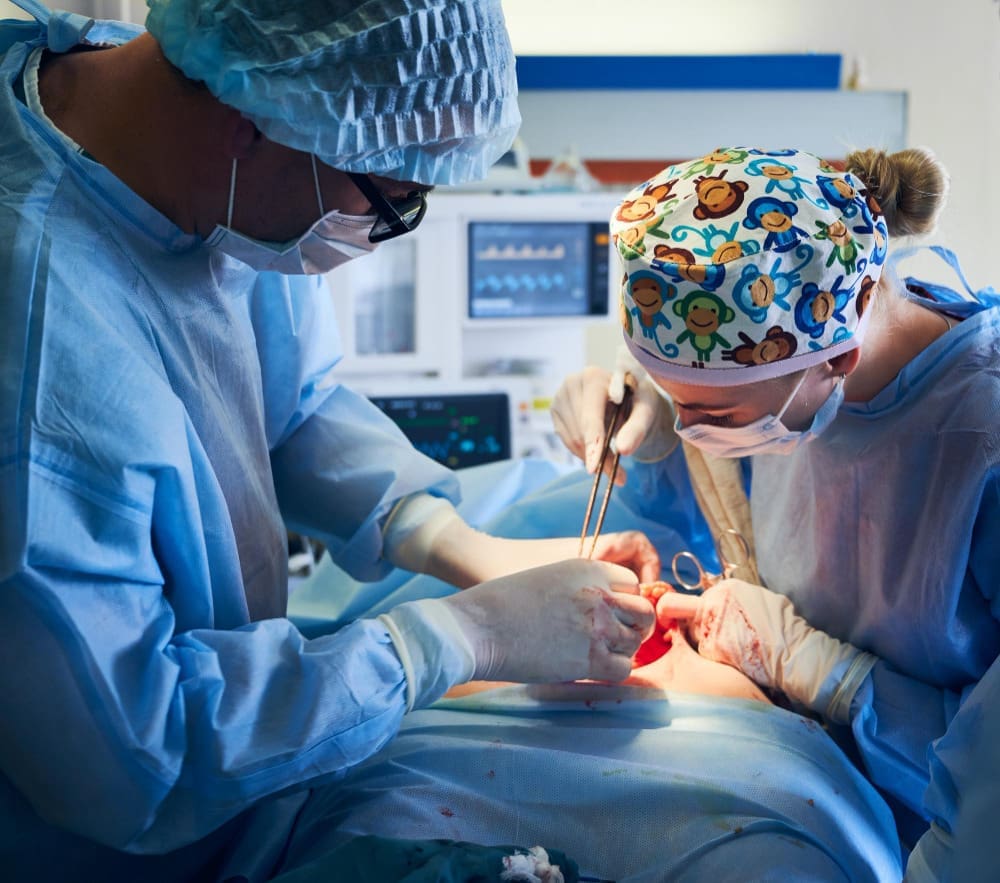
Getting ready for spinal fusion L5-S1 surgery is a big step towards lessening back pain. At Liv Hospital, we know how important it is to be well-prepared. This ensures a smooth recovery.
Our team of experts is all about patient-focused care. We use the latest in spinal surgery. Knowing what to expect is key for our patients’ success.
Preparing for L5 and S1 fusion has several important steps. From the first consultations to after-care, we guide you every step of the way. We aim to give you the best care possible.
Key Takeaways
- Understand the importance of pre-surgical consultations
- Learn about the latest advancements in spinal fusion L5-S1 surgery
- Discover how to prepare your body for surgery
- Find out what to expect during the recovery process
- Explore post-operative care and rehabilitation options
Understanding Disc Fusion L5 S1 Surgery
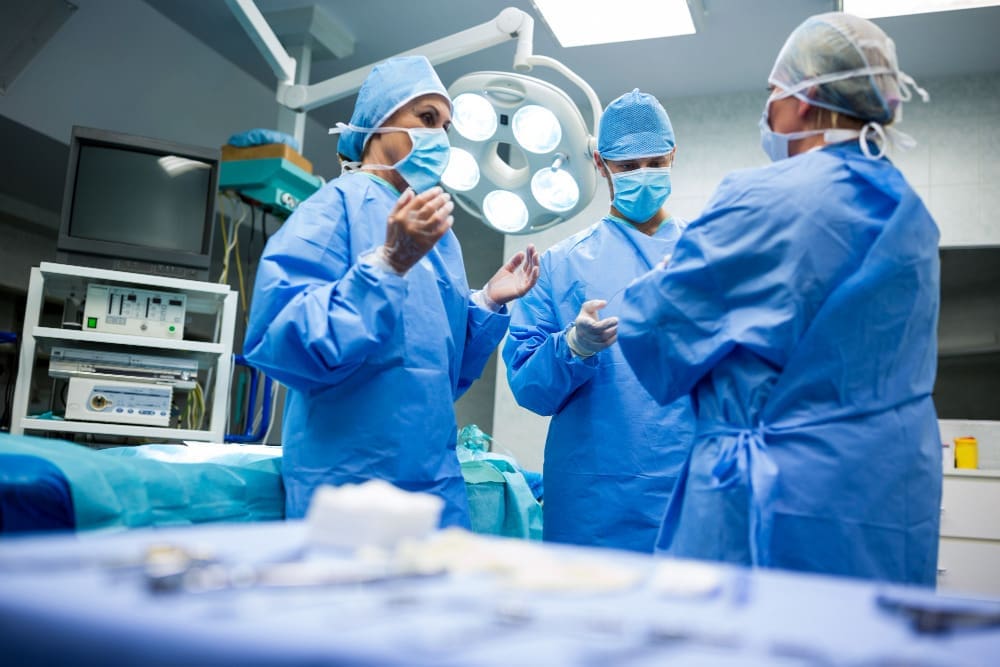
Learning about L5 S1 disc fusion surgery is key for those thinking about it. This surgery joins the L5 and S1 vertebrae in the lower back. It aims to reduce pain and make the area more stable.
What Is L5 S1 Disc Fusion?
L5 S1 disc fusion is a surgery that connects the L5 and S1 vertebrae. It’s done to fix problems with the disc between these vertebrae. By fusing them, we can stop painful movements and make the spine stable again.
Common Conditions Requiring L5 S1 Fusion
Several spinal issues might need L5 S1 fusion surgery. These include:
- Degenerative disc disease, where the disc between L5 and S1 wears out, causing pain.
- Spondylolisthesis, a condition where one vertebra slips over another.
- Herniated discs, where the disc material presses on nerves, causing pain or numbness.
- Spinal stenosis, a narrowing of the spinal canal that can press on nerves.
These problems can cause long-term pain and make it hard to move. They can really affect a person’s life quality.
Success Rates and Outcomes
Studies show that most people who have L5 to S1 fusion surgery feel a lot better. The success rate is usually over 85%. Many can go back to their usual activities a few months after surgery.
It’s important to know that while L5 S1 disc fusion works well for many, results can differ. This depends on your health, how bad the problem is, and following the doctor’s advice after surgery.
Different Surgical Approaches for L5 S1 Fusion

Surgical methods for L5 S1 fusion vary, giving patients and doctors many options. The choice depends on the patient’s health, the condition’s severity, and the doctor’s opinion.
Anterior Lumbar Interbody Fusion (ALIF)
ALIF surgery goes through the abdomen to reach the spine. It allows for a direct fix to the disc space. This method is good for some disc problems or instability.
Posterior Lumbar Interbody Fusion (PLIF)
PLIF surgery goes through the back to access the spine. It helps by removing pressure on nerves and stabilizing the spine. It’s often used when both nerve relief and fusion are needed.
Minimally Invasive Techniques
Minimally invasive surgery for L5 S1 fusion is becoming more common. It aims for smaller cuts, less damage, and faster healing. It’s chosen based on the patient’s situation and the doctor’s skill.
Knowing about the different surgical methods for L5 S1 fusion is key for patients. Each method has its own use, benefits, and risks. It’s important to talk about these with a healthcare expert.
Medical Evaluation Before L5 S1 Fusion
Before you have L5 S1 fusion surgery, a detailed medical check is key. It checks if you’re right for the surgery. It also finds any risks or problems and gets you ready for the big day.
Required Diagnostic Tests
Patients get many tests to see if they’re good for L5 S1 fusion surgery. These tests are:
- X-rays: To check the spine’s alignment and structure.
- MRI (Magnetic Resonance Imaging): To see soft tissues like discs, nerves, and the spinal cord.
- CT (Computed Tomography) scans: For detailed bone images.
- Discography: To check disc health and find trouble spots.
Consultation With Your Surgical Team
Talking to your surgical team is very important. You’ll discuss the surgical plan and the recovery process. It’s also a chance to ask about l5-s1 spinal fusion risks and benefits.
Discussing Your Medical History
Telling your team about your medical history is critical. We need to know about any health issues, allergies, or past surgeries. This helps us make your treatment fit you best and avoid problems.
With a thorough medical check before L5 S1 fusion surgery, we aim for a good outcome and easy recovery.
Physical Preparation for Spinal Fusion L5-S1
Getting ready for spinal fusion L5-S1 surgery is key. We’ll guide you through the important steps. Preparing your body well can make your recovery better and improve your health.
Pre-Surgery Exercise Recommendations
Doing the right exercises before surgery can make a big difference. It strengthens your spine muscles, boosts flexibility, and gets you in better shape. Choose low-impact activities that don’t hurt your back. Good exercises include:
- Gentle stretching to improve flexibility
- Core strengthening exercises to support your spine
- Low-impact aerobics, such as walking or swimming
One patient said starting exercises a few weeks before surgery helped them feel ready. Always talk to your doctor before starting any new exercise.
Weight Management Considerations
Keeping a healthy weight is key for your surgery’s success. Too much weight can stress your spine, making surgery and recovery harder. Working with a nutritionist or dietitian can help you lose weight safely.
“Managing your weight not only improves the outcome of your surgery but also contributes to your overall well-being.” – Orthopedic Surgeon
Smoking Cessation Importance
Smoking hinders healing after surgery. Quitting smoking is a big step towards a successful L5-S1 fusion. There are programs and resources to help you stop smoking and get ready for surgery.
By focusing on these physical preparation steps, you can greatly improve your surgery and recovery chances. Remember, your active role in pre-surgery preparation is key to the best results.
Home Preparation for Recovery After Surgery
Getting ready for your L5 S1 fusion surgery means preparing your home too. A well-prepared home can help avoid complications and make recovery easier.
Setting Up Your Recovery Space
It’s key to have a dedicated recovery area at home. This spot should be quiet, comfy, and easy to get to. Try to use a room on the ground floor to avoid climbing stairs. Make sure it’s tidy and has everything you need close by.
Here are some tips for your recovery space:
- A comfy bed or recliner
- Easy access to water, meds, and a phone
- A TV or other entertainment
- Space for visitors to sit
Assistive Devices You May Need
After your surgery, you might need some help with daily tasks. You might need:
- A walker or crutches for moving around
- A grabber or reaching tool for picking up things
- A shower chair or bench for safe bathing
- A commode or raised toilet seat for easier bathroom use
Talk to your doctor to find out which devices you’ll need.
Meal Planning and Preparation
Eating right is important for healing after l5 to s1 fusion surgery. Plan your meals ahead to have healthy, simple food ready. Think about:
- Freezing meals before surgery
- Stocking up on easy-to-eat foods like soups, fruits, and yogurt
- Keeping a water bottle or hydration pack handy
- Asking someone to help with grocery shopping
By doing these things, you can make your home a healing space. This will help your recovery after spinal fusion l5 s1 surgery go smoothly.
What to Do the Week Before Your L5 S1 Fusion Procedure
As your L5 S1 fusion procedure gets closer, knowing what to do is key. We’ll walk you through the steps to get ready for your surgery.
Medication Adjustments
Changing your medications is a big part of getting ready for your L5 S1 fusion procedure. Some medicines can affect the surgery or healing. It’s important to listen to your surgeon about which medicines to keep or stop before surgery. This might include:
- Blood thinners, which may need to be stopped a few days before surgery to reduce the risk of bleeding.
- Anti-inflammatory medications, which could be advised to be stopped temporarily to promote healing.
- Certain supplements, such as vitamin E, garlic, or ginkgo biloba, that may increase the risk of bleeding and should be avoided.
A leading orthopedic surgeon says, “Proper medication management is a cornerstone of a successful surgical outcome.”
“The patient’s adherence to pre-operative medication instructions significantly influences the risk of complications during and after surgery.”
Fasting Requirements
Fasting before your L5 S1 fusion surgery is a must for your safety. Your surgical team will tell you when to stop eating and drinking. Usually, patients fast for a few hours before surgery. It’s important to follow these instructions to avoid any delays or cancellations.
Final Pre-Op Appointments
In the week before surgery, you might have final appointments with your team. These meetings are important for:
- Reviewing your medical history and any updates.
- Conducting any last-minute tests or examinations.
- Discussing your post-operative care plan and any questions you may have.
Going to these appointments is key for a smooth and successful surgery. They let you ask questions and make sure you’re ready for the procedure and recovery.
By following these tips and talking closely with your healthcare providers, you can help make your L5 S1 fusion procedure a success and have a smooth recovery.
The Day of Surgery: What to Expect
Getting ready for your L5 S1 fusion surgery? Knowing what to expect can make you feel less anxious. We’ll walk you through everything, from arriving at the hospital to the end of the surgery.
Hospital Arrival and Check-In
On surgery day, you’ll arrive at the hospital as planned. Our team will help you with the check-in. You’ll need to show your ID, insurance, and sign some papers. It’s good to have someone with you for support and paperwork help.
Next, you’ll go to a pre-op area. Here, you’ll change into a gown, get an IV for meds, and be watched by our team.
Key Steps at Check-In:
- Provide identification and insurance information
- Sign consent forms
- Change into a hospital gown
- Have an IV line inserted
Anesthesia Process
In the operating room, our anesthesiologist will give you anesthesia. This keeps you comfortable and pain-free. You’ll be told what kind of anesthesia you’ll get beforehand, and our team will watch you closely.
Our skilled anesthesiologists focus on your safety and comfort.
Surgical Duration and Procedure
The surgery usually takes a few hours. Our team will carefully fuse your vertebrae. They’ll use the best method for your case, like ALIF, PLIF, or a minimally invasive method.
You’ll be watched closely during the surgery. After it’s done, you’ll go to the recovery room. There, you’ll be cared for until you’re ready to move to your room.
Knowing what happens during your L5 S1 fusion surgery can ease your worries. We’re dedicated to giving you top-notch care and support every step of the way.
Immediate Post-Operative Recovery
Right after L5 S1 disc fusion surgery, it’s important to watch closely. The first days are key for a good recovery.
Hospital Stay Duration
Most people stay in the hospital for 2 to 4 days after surgery. Our team keeps a close eye on you. They manage your pain and watch for any issues.
We know everyone recovers differently. So, we tailor our care to fit your needs.
Key aspects monitored during your hospital stay include:
- Pain levels and effectiveness of pain management
- Initial signs of healing
- Mobility and ability to perform basic movements
- Overall comfort and well-being
Pain Management Strategies
Managing pain well is key to your recovery. We use several methods to help with pain, such as:
- Medication: A mix of drugs to help with pain.
- Positioning: Finding comfortable positions to ease discomfort.
- Ice and heat therapy: Using ice or heat to reduce pain and swelling.
Telling our team about your pain helps us adjust your care.
Initial Mobility Guidelines
Moving around a bit is important for healing. Our team will show you:
- Safe ways to get out of bed and move around
- Exercises to improve circulation and strengthen your back muscles
- Limitations on bending, lifting, and twisting to avoid straining your back
Knowing what to expect in the first days after surgery helps. Our team is here to support you every step of the way.
Long-Term Recovery Timeline After Fused L5 S1 Vertebrae
Knowing the recovery timeline after L5 S1 fusion surgery is key. It helps patients get ready for their healing journey. The recovery has many stages, each with its own challenges and achievements.
Weeks 1-4: Early Recovery Phase
The early recovery phase is vital. It’s when the body starts to mend from surgery. During this time, patients should rest and avoid hard activities. Pain management is a big focus, with meds to help with pain. It’s important to follow the post-operative instructions from your surgical team for proper healing.
| Week | Activity Level | Pain Management |
|---|---|---|
| 1-2 | Limited mobility, rest | High medication usage |
| 3-4 | Gradual increase in mobility | Reducing medication |
Months 1-3: Progressive Healing
As healing continues, patients see big improvements. Physical therapy may start to boost strength and flexibility. Sticking to the therapy plan is key for the best results.
Months 3-6: Returning to Normal Activities
By this point, most patients have made a lot of progress. They can start doing light exercises and going back to work, depending on their job and health.
6+ Months: Long-Term Adaptation
Full recovery and getting used to the changes can take a year or more. Patients should keep doing exercises to strengthen their back and stay flexible. Regular check-ups with their healthcare provider are important to track progress and solve any issues.
Recovering from l5 to s1 fusion surgery is a long journey. It needs patience, dedication, and the right support. Knowing the recovery stages helps patients navigate their healing path and improve their spinal health.
Conclusion: Living Successfully With an L5 S1 Fusion
Having an L5 S1 fusion can change your life for the better. It brings a lot of pain relief and helps you move better. Many people say it greatly improves their life, letting them do things they love again.
After a successful fusion, you can live more actively without pain. Skilled surgeons make this procedure work well, giving hope and happiness back to patients.
Getting ready for the surgery is very important for a good recovery. Knowing what the surgery does and following the recovery tips helps a lot. Patients should stick to their rehabilitation plan and get help from their healthcare team.
In the end, a successful L5 S1 fusion can make a big difference. It helps you be independent and live better. With the right
What is L5 S1 disc fusion surgery?
L5 S1 disc fusion surgery is a procedure. It joins the L5 and S1 vertebrae in the lower back. This helps stabilize the spine and relieve pain caused by spinal conditions.
What conditions require L5 S1 fusion surgery?
This surgery is needed for conditions like degenerative disc disease and spondylolisthesis. It’s also used for spinal stenosis and herniated discs that cause pain.
What are the different surgical approaches for L5 S1 fusion?
There are several approaches, including Anterior Lumbar Interbody Fusion (ALIF) and Posterior Lumbar Interbody Fusion (PLIF). Minimally invasive techniques are also used, each with its own benefits.
How long does it take to recover from L5 S1 fusion surgery?
Recovery time varies, but most patients take several months. The first 6-12 weeks are the most critical for healing.
What are the success rates for L5 S1 fusion surgery?
Success rates are high. Studies show most patients see improved pain relief and quality of life after the surgery.
How should I prepare my home for recovery after L5 S1 fusion surgery?
Make your home comfortable for recovery. Get assistive devices like walkers. Plan meals that are easy to make and nutritious.
What are the benefits of minimally invasive L5 S1 fusion surgery?
Minimally invasive surgery has many benefits. It includes smaller incisions, less tissue damage, and less blood loss. Recovery times are also faster.
Will I need to adjust my medications before L5 S1 fusion surgery?
Yes, you may need to adjust your medications. It’s important to talk to your surgical team about your medications for a safe procedure.
Can I return to normal activities after L5 S1 fusion surgery?
Yes, most patients can return to normal activities. But, it’s important to follow your surgeon’s guidelines for a safe recovery.
What is the role of physical therapy in L5 S1 fusion recovery?
Physical therapy is key in recovery. It helps patients regain strength, flexibility, and mobility. It promotes a safe return to normal activities.
How is pain managed after L5 S1 fusion surgery?
Pain management involves medications like pain relievers and muscle relaxants. Ice therapy and rest are also used.
What are the risks and complications associated with L5 S1 fusion surgery?
Like any surgery, L5 S1 fusion carries risks. These include infection, nerve damage, and hardware failure. Your surgical team will discuss these with you.
References
AO Surgery Reference. Anterior lumbar interbody fusion (ALIF). https://surgeryreference.aofoundation.org/spine/degenerative/lumbar/degenerative-spondylolisthesis/anterior-lumbar-interbody-fusion
National Center for Biotechnology Information (NCBI). Enhanced recovery after surgery (ERAS) program for lumbar spine fusion. https://pmc.ncbi.nlm.nih.gov/articles/PMC6537308/
Royal National Orthopaedic Hospital. A Patient’s Guide to Low Back Fusion Surgery. https://www.rnoh.nhs.uk/patients-and-visitors/patient-information-guides/low-back-fusion-surgery
UMass Memorial Health. Discharge Instructions for Lumbar Fusion. https://www.ummhealth.org/health-library/discharge-instructions-for-lumbar-fusion