Last Updated on November 25, 2025 by
Stopping bladder cancer needs a mix of steps. We must cut down on risk factors and use good prevention methods. As a top healthcare provider, we focus on educating patients about how to prevent bladder cancer. We know smoking is the biggest risk for bladder cancer, and our goal is to give top‘notch care and help patients from all over.
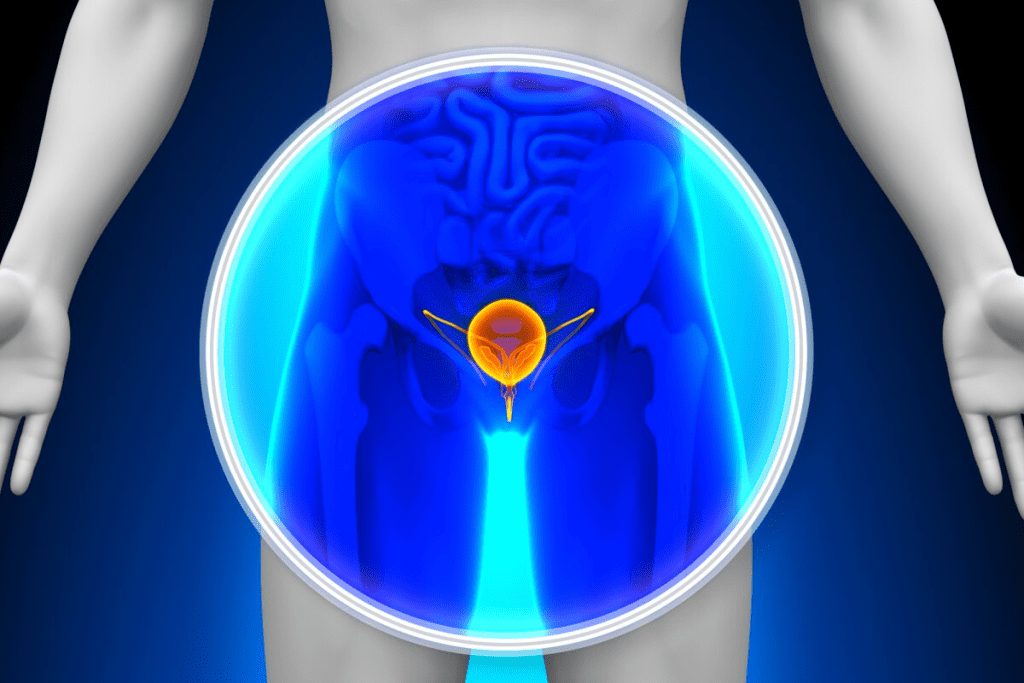
Understanding the latest research and stats helps us save lives. Making lifestyle changes, catching cancer early, and using proven methods are key. Let’s look at how we can stop bladder cancer together.
Key Takeaways
- Reducing exposure to known risk factors is crucial in preventing bladder cancer.
- Smoking cessation is a key strategy in lowering the risk of bladder cancer.
- Lifestyle modifications can significantly impact bladder cancer prevention.
- Early detection is vital for improving outcomes in bladder cancer patients.
- Evidence-based protocols are essential for effective bladder cancer care.
Understanding Bladder Cancer: Statistics and Risk Factors
It’s important to know about bladder cancer because it affects many people. It’s a big health issue in the U.S. with a lot of new cases and deaths every year.
The Current State of Bladder Cancer in the United States
In 2025, about 84,870 new cases and 17,420 deaths from bladder cancer are expected in the USA. These numbers show we need more research and awareness. Men get bladder cancer more than women, and it gets more common after age 55.
Bladder cancer is a serious issue for many families. Knowing about it helps us fight it better.
Identifying High-Risk Groups
Some groups face a higher risk of bladder cancer. These include:
- Smokers, as smoking is a major risk factor that can significantly increase the likelihood of bladder cancer.
- Individuals are exposed to certain industrial chemicals, such as those used in the dye, rubber, and paint industries.
- People with a family history of bladder cancer.
- Those with a history of chronic bladder inflammation or infection.
Knowing who’s at risk helps us target our prevention efforts. This could lower the number of bladder cancer cases.
The Impact of Early Detection on Survival Rates
Finding bladder cancer early can greatly improve survival chances. Early treatment works better, and the outlook is usually better. The five-year survival rate is much higher if caught early.
Survival rates show how crucial screening and early detection are, especially for those at high risk. Taking care of bladder health early can help those with bladder cancer.
In summary, knowing about bladder cancer’s stats and risks is key to prevention. By understanding the disease, knowing who’s at risk, and focusing on early detection, we can lessen its impact.
How to Prevent Bladder Cancer: Essential Strategies
Preventing bladder cancer needs a mix of actions. It’s about tackling different risk factors. By taking certain steps, people can lower their bladder cancer risk a lot.
Smoking Cessation: The Single Most Important Prevention Step
Smoking is the top cause of bladder cancer. Quitting smoking is the best way to cut down this risk. The American Cancer Society says quitting can greatly lower bladder cancer risk and other smoking-related diseases.
Reducing Exposure to Industrial Chemicals
Some industrial chemicals raise bladder cancer risk. Workers in these fields face higher risks. Using protective equipment and following safety rules can help. Employers should also take steps to protect workers from harmful chemicals.

Hydration and Urinary Health Practices
Drinking lots of water is key to urinary health. Adequate hydration helps dilute urine and lowers toxin levels in the bladder. Aim for 8-10 glasses of water daily to flush out toxins.
Lifestyle Modifications That Reduce Risk
Changing your lifestyle can also lower bladder cancer risk. Eat a diet full of fruits, veggies, and whole grains. Eating foods high in antioxidants, like berries and leafy greens, adds extra protection. Regular exercise and a healthy weight are also crucial for overall health and cancer prevention.
By following these strategies, people can greatly reduce their bladder cancer risk. It’s about making smart choices and taking steps towards a healthier life.
Dietary Approaches to Bladder Cancer Prevention
Diet plays a big role in preventing bladder cancer. Eating foods that are good for the bladder can help lower cancer risk. It’s important to choose the right foods to prevent bladder cancer.

Anti-inflammatory Foods That Support Bladder Health
Anti-inflammatory foods are key for bladder health. They help fight chronic inflammation, which can increase bladder cancer risk. Omega-3 fatty acids in fatty fish like salmon are great for this. Also, turmeric with curcumin is very beneficial.
Leafy greens like spinach and kale are also good. They’re full of antioxidants and nutrients that boost health. Eating these foods helps your bladder and overall health.
Antioxidant-Rich Foods and Their Protective Effects
Antioxidant-rich foods protect against bladder cancer. They fight off free radicals that can harm cells and lead to cancer. Berries, tomatoes, and bell peppers are full of antioxidants. Vitamin C in citrus fruits and strawberries is also very helpful.
“A diet rich in fruits, vegetables, and whole grains can significantly reduce the risk of bladder cancer.”
Green tea is another antioxidant-rich drink that may help prevent bladder cancer. Adding these foods to your diet can help prevent bladder cancer.
Foods to Limit or Avoid for Optimal Bladder Health
It’s also important to avoid foods that may increase bladder cancer risk. Processed meats, for example, are linked to higher cancer risks. Reducing processed and smoked foods can lower exposure to harmful substances.
- Limit processed meats like sausages and bacon.
- Avoid too much fried food.
- Don’t eat too much sugar and salt.
Making smart food choices can help prevent bladder cancer. A balanced diet, along with other prevention steps, can greatly lower your risk.
Screening and Early Detection Methods
We will explore the importance of screening and early detection in preventing bladder cancer. Effective screening methods can significantly improve outcomes for patients by identifying the disease at an early stage when it is more treatable.
Recommended Screening Protocols for High-Risk Individuals
For individuals at high risk of developing bladder cancer, such as those with a history of smoking or exposure to certain industrial chemicals, regular screening is crucial. Annual screenings are often recommended for these individuals to catch any potential issues early.
- Urine cytology tests to check for cancer cells
- Cystoscopy to visually examine the inside of the bladder
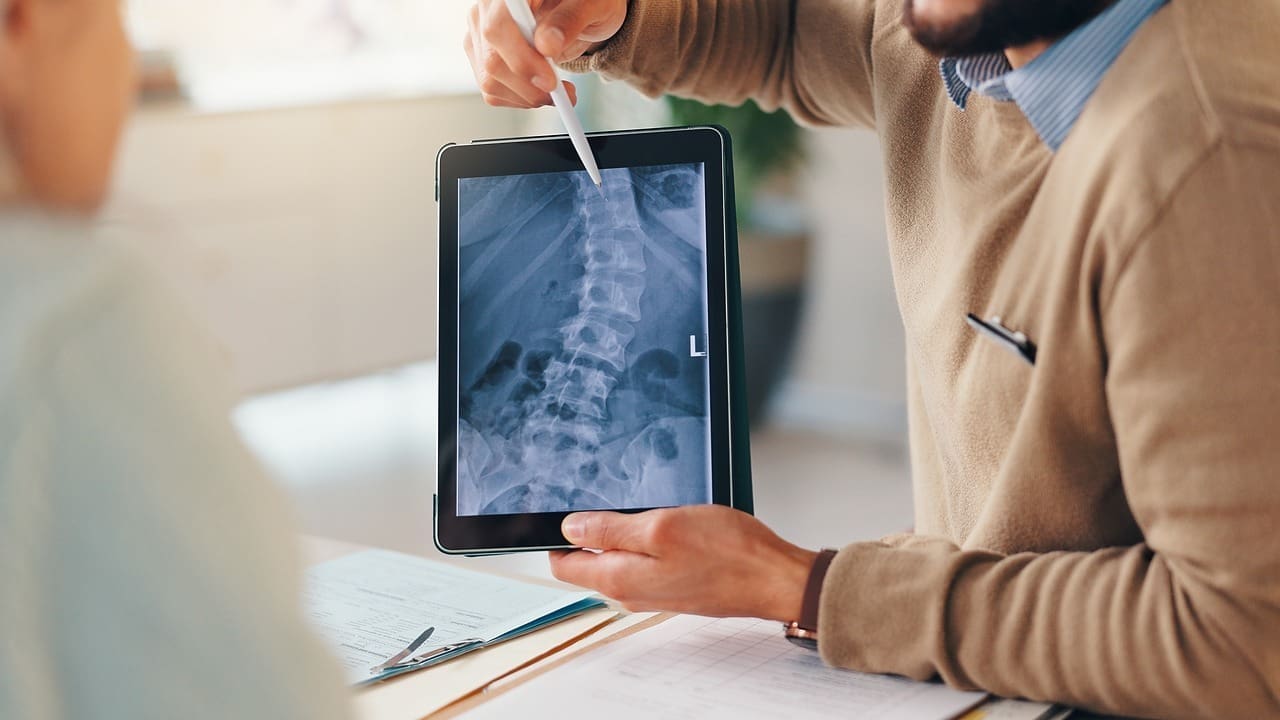
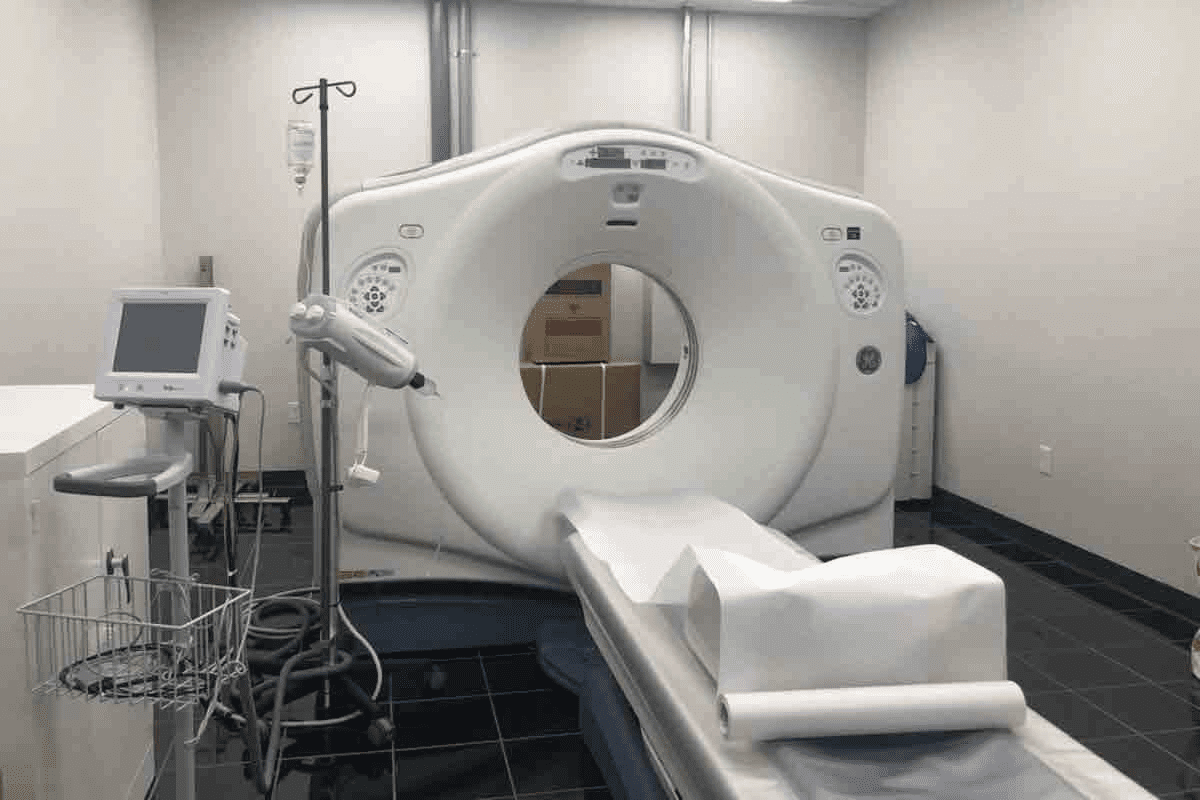
- Imaging tests such as CT scans or ultrasound
These screening methods can help in the early detection of bladder cancer, improving the chances of successful treatment.
Promising Innovations in Bladder Cancer Detection
Recent advancements in medical technology have led to the development of new methods for detecting bladder cancer. One promising area is the use of urine-based biomarkers that can identify specific proteins or genetic changes associated with bladder cancer.
Another innovation is the use of advanced imaging techniques that can provide more detailed pictures of the bladder, helping to identify tumors at an early stage.
When to Seek Medical Attention: Warning Signs
It’s essential to be aware of the warning signs of bladder cancer and to seek medical attention if you experience any of them. These include:
- Blood in the urine
- Frequent urination
- Painful urination
Recognizing these symptoms early and consulting a healthcare professional can make a significant difference in the outcome.
By combining recommended screening protocols, staying informed about the latest innovations in detection, and being aware of the warning signs, we can improve our chances of preventing bladder cancer or catching it at an early stage when it is more treatable.
Conclusion: A Multidisciplinary Approach to Stopping Bladder Cancer
Stopping bladder cancer needs a complete plan. This includes good prevention, early detection, and full care. By knowing the risks and taking action, people can lower their chance of getting bladder cancer.
A healthy lifestyle is key. This means quitting smoking and eating foods that fight inflammation and are full of antioxidants. Knowing how to eat right and live healthy is very important in fighting bladder cancer.
We at our healthcare provider are dedicated to top-notch care for bladder cancer patients. By working together and using a team approach, we can make a big difference. We aim to lower bladder cancer rates and help patients get better.
FAQ
What are the most effective ways to prevent bladder cancer?
To prevent bladder cancer, try quitting smoking and avoiding harmful chemicals. Drink plenty of water and follow good urinary health habits. Also, make lifestyle changes to lower your risk.
Can dietary changes help prevent bladder cancer?
Yes, eating foods that fight inflammation and have antioxidants can help your bladder. Try to eat less of foods that might raise your bladder cancer risk.
How can I reduce my risk of bladder cancer if I have a family history?
If bladder cancer runs in your family, be extra careful. Quit smoking, make lifestyle changes, and get regular check-ups. Early detection is key to better survival rates.
What are the warning signs of bladder cancer, and when should I seek medical attention?
Look out for blood in your urine, needing to pee a lot, and pain when you pee. If you notice these signs, see a doctor right away. This can help your treatment.
Are there any natural remedies or supplements that can help prevent bladder cancer?
Some natural remedies and supplements might help. But talk to a doctor before trying them. Eating well and living healthily are usually the best ways to prevent bladder cancer.
Can smoking cessation really make a difference in preventing bladder cancer?
Yes, quitting smoking is the most important step to lower bladder cancer risk. Smoking is the main cause of bladder cancer. Stopping can greatly reduce your risk.
How often should I get screened for bladder cancer if I’m at high risk?
Talk to your doctor about your risk to figure out the best screening plan. Regular checks can catch bladder cancer early, when it’s easier to treat.
What lifestyle modifications can I make to reduce my risk of bladder cancer?
Besides quitting smoking, try to stay at a healthy weight and exercise often. Also, cut down on chemicals in your environment to lower your bladder cancer risk.
References:
- Leslie, S. W., & Sun, V. C. Y. (2024). Bladder Cancer. In StatPearls. StatPearls Publishing. https://www.ncbi.nlm.nih.gov/books/NBK536923/
- National Cancer Institute. (2023). Bladder Cancer Symptoms. U.S. Department of Health and Human Services. https://www.cancer.gov/types/bladder/symptoms
- DeGeorge, K. C., & Holt, H. A. (2017). Bladder Cancer: Diagnosis and Treatment. American Family Physician, 96(8), 507-515. https://www.aafp.org/pubs/afp/issues/2017/1015/p507.html
- European Association of Urology Guidelines. (n.d.). Non-Muscle-Invasive Bladder Cancer: Diagnosis. https://uroweb.org/guidelines/non-muscle-invasive-bladder-cancer/chapter/diagnosis