Last Updated on November 26, 2025 by Bilal Hasdemir

Are you worried about getting a bowel blockage? At Liv Hospital, we stress the need for knowing how to keep your digestive system healthy. Making smart food and lifestyle choices can really help lower your risk of bowel blockage.Learn how to prevent bowel blockage with 7 of the best diet and lifestyle tips. Reduce your risk and protect your digestive health.
It’s key to know how diet and lifestyle can help avoid bowel obstruction. A low-fiber, low-residue diet is often suggested to lower the risk of bowel blockage. We’ll look at the latest medical advice and expert tips to help you stay healthy.
Key Takeaways
- Understanding the importance of diet in preventing bowel blockage
- Identifying key lifestyle modifications to reduce risk
- Recognizing the role of a low-fiber, low-residue diet
- Exploring expert recommendations for digestive health
- Making informed choices to support overall well-being
Understanding Bowel Blockage: Causes and Risk Factors
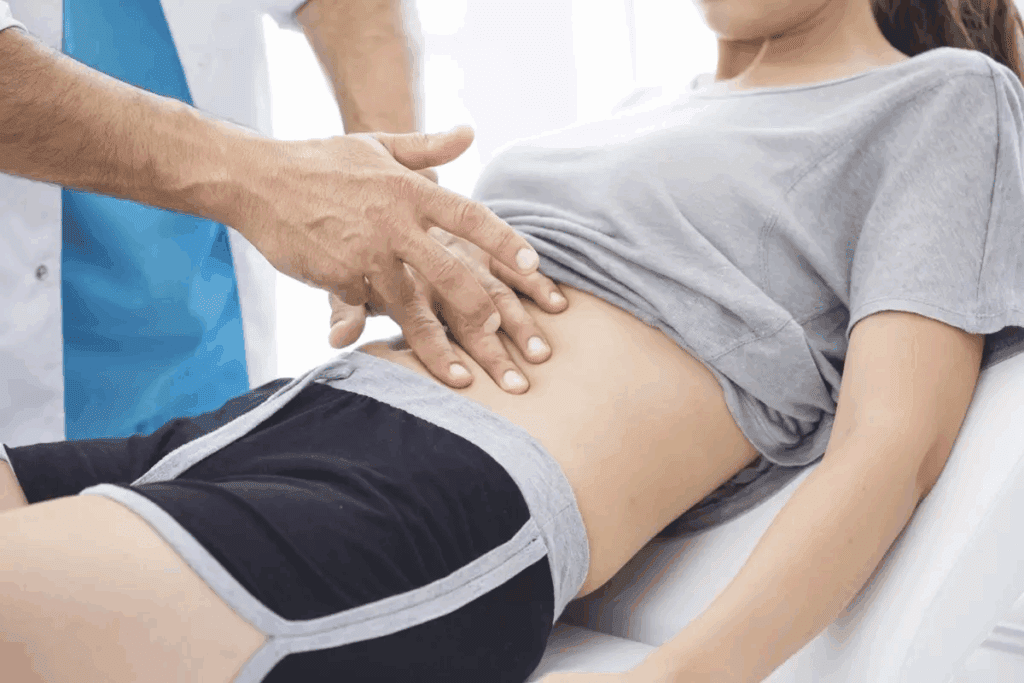
Bowel obstruction is a serious medical issue. It happens when the intestine can’t move food and waste properly. This is because of a blockage in the small or large intestine. If not treated quickly, it can cause serious problems.
What is Bowel Obstruction?
Bowel obstruction, or intestinal obstruction, is when the intestine gets blocked. This blockage can be partial or complete. It stops the normal flow of food and waste.
The blockage can occur in the small or large intestine. It can be caused by many things. When the intestine is blocked, it fills up with food, fluids, and gas. This can lead to serious issues like tissue death, perforation, and peritonitis, a dangerous infection.
Common Causes of Intestinal Blockage
Many factors can cause bowel obstruction. Here are some common ones:
- Intestinal adhesions: Bands of fibrous tissue that can form between loops of the intestine or between the intestine and other nearby organs, often as a result of previous surgeries.
- Hernias: Protrusions of the intestine through a weakened area in the abdominal wall, which can become incarcerated or strangulated.
- Tumors: Benign or malignant growths that can narrow or block the intestine.
- Inflammatory bowel disease (IBD): Conditions like Crohn’s disease and ulcerative colitis that can cause narrowing of the intestine.
- Volvulus: Twisting of a portion of the intestine, cutting off its blood supply.
- Intussusception: Telescoping of one segment of intestine into another.
Who is at Higher Risk?
Some people are more likely to get bowel obstruction. These include:
- People who have had previous abdominal surgery, as adhesions are a common complication.
- Those with a history of inflammatory bowel disease, as chronic inflammation can lead to narrowing of the intestine.
- Individuals with abdominal cancer, as tumors can obstruct the intestine.
- Older adults, as they are more prone to conditions like hernias and volvulus.
Knowing the causes and risk factors is key to preventing and catching bowel obstruction early. Being aware of the signs and symptoms helps people get medical help fast. This can lower the risk of serious complications.
Recognizing Early Warning Signs of Potential Blockage

Spotting early signs of intestinal blockage can greatly improve treatment results. Symptoms of bowel obstruction vary based on the blockage’s location and severity. We’ll help you recognize common symptoms and when to get medical help.
Common Symptoms to Watch For
The symptoms of bowel obstruction can be quite distressing. They may include:
- Severe abdominal pain or cramping
- Vomiting, which may be bloody
- Constipation or inability to pass gas
- Bloating and swelling of the abdomen
- Loss of appetite
These signs may point to a blockage and should not be ignored. It’s crucial to monitor the severity and duration of these symptoms.
When to Seek Medical Attention
If you notice any of these, get medical help right away:
- Severe abdominal pain that doesn’t subside
- Vomiting blood or experiencing bloody stools
- Fever accompanied by abdominal pain
- Inability to pass gas or have a bowel movement
Quick medical action can prevent serious issues and improve results. If unsure about your symptoms, always talk to a healthcare professional.
Differentiating Between Constipation and Blockage
Constipation can be uncomfortable, but it’s different from a bowel blockage. The main differences are in symptom severity and combination.
| Symptom | Constipation | Bowel Blockage |
| Abdominal Pain | Mild to moderate | Severe, crampy |
| Vomiting | Rare | Common, may be bloody |
| Bloating | Mild | Severe |
| Passing Gas | Reduced | Unable to pass gas |
Knowing these differences can help you know when to seek urgent medical care.
The Role of Diet in Preventing Bowel Blockage
A well-balanced diet is key to keeping your intestines healthy and avoiding bowel blockage. What we eat can either help or harm our intestines. We’ll look at how diet affects intestinal health, the importance of fiber, and the need for enough water.
How Food Choices Impact Intestinal Health
Our diet affects our digestive system’s health. Eating a variety of whole foods like fruits, veggies, whole grains, and lean proteins is good. These foods are full of fiber, vitamins, and minerals that help our intestines move well and prevent constipation.
Foods to Include: Fresh fruits, leafy greens, whole grain bread, and lean meats are great for your gut.
Balancing Fiber Intake Based on Your Risk Level
Fiber is important for preventing constipation but too much can cause blockage in some people. It’s important to find the right balance of fiber based on your health risks.
| Fiber Intake Level | Daily Fiber Recommendation | Suitable Foods |
| Low Risk | 25-30 grams | Fresh fruits, vegetables, whole grains |
| Moderate Risk | 15-25 grams | Soft fruits, cooked vegetables, refined grains |
| High Risk | <15 grams | Low-fiber fruits, well-cooked vegetables, white bread |
The Importance of Proper Hydration
Drinking enough water is crucial for preventing constipation and bowel blockage. Water makes stool softer, making it easier to pass. We suggest drinking 8-10 glasses of water a day, depending on your activity level.
Making smart food choices, balancing fiber, and drinking enough water can lower your risk of bowel blockage. It’s about creating a diet plan that fits your health needs and risk factors.
Low-Residue Diet: A Key Strategy for How to Prevent Bowel Blockage
For those worried about bowel blockage, a low-residue diet can help. It’s a way to keep your intestines healthy. This diet limits foods that are hard to digest or can clog your colon.
What is a Low-Residue Diet?
A low-residue diet is a special eating plan. It cuts down on high-fiber foods, dairy, and other hard-to-digest items. The aim is to reduce the risk of bowel blockage by avoiding undigested food in the colon.
Differences Between Low-Fiber and Low-Residue Approaches
Low-fiber and low-residue diets both limit certain foods. But they differ. A low-fiber diet mainly focuses on fiber. A low-residue diet also limits other foods that might irritate your digestive system. This makes it a better choice for those at risk of bowel obstruction.
Who Benefits Most from This Approach
People with bowel obstruction history, after certain surgeries, or with Crohn’s disease can greatly benefit. It’s key to talk to a healthcare provider or dietitian to see if it’s right for you.
Implementing a Low-Residue Diet Safely
To start a low-residue diet safely, first avoid high-risk foods. Slowly add new foods, watching how your body reacts. Drinking plenty of water and eating a balanced diet are also important. Getting help from a healthcare professional ensures you get the nutrients you need while avoiding blockages.
Foods to Avoid for Intestinal Blockage Prevention
Preventing bowel blockage starts with knowing which foods to avoid. Certain foods can increase our risk of intestinal blockage. By choosing what we eat wisely, we can lower this risk and keep our gut healthy.
High-Fiber Foods That May Increase Risk
Fiber is good for our digestive health, but some high-fiber foods can be risky. This is especially true for people with intestinal conditions. Foods high in fiber include:
- Legumes such as beans and lentils
- Whole grains like brown rice and quinoa
- Nuts and seeds, including almonds and chia seeds
For those at higher risk, it’s wise to limit or avoid these foods to prevent blockage.
Problematic Fruits and Vegetables
Some fruits and vegetables can cause issues because of their high fiber or hard-to-digest fiber types. Examples are:
- Fruits like berries, figs, and dried fruits
- Vegetables such as broccoli, cabbage, and Brussels sprouts
These foods are nutritious but may need to be eaten in moderation or avoided by those at risk.
Other Foods That May Contribute to Blockage
Other foods can also increase the risk of intestinal blockage. These include:
- Foods with seeds or pits that are not properly removed
- Certain types of candy or gum that can be swallowed and potentially cause blockages
To understand how different foods affect bowel obstruction risk, let’s look at a table:
| Food Category | Examples | Potential Risk |
| High-Fiber Foods | Beans, lentils, whole grains | Increased risk of blockage in susceptible individuals |
| Fruits and Vegetables | Berries, figs, broccoli, cabbage | Potential for blockage due to high fiber or indigestible content |
| Other Foods | Foods with seeds or pits, certain candies or gum | Risk of blockage if not properly managed |
By knowing these risks, we can make better choices to prevent bowel blockage.
Recommended Foods to Reduce Bowel Obstruction Risk
To lower the risk of bowel blockage, focus on a diet with easy-to-digest foods. A well-thought-out diet for intestinal blockage can greatly reduce the risk of bowel obstruction.
Easily Digestible Protein Sources
Protein is key for a healthy diet, especially for those at risk of bowel obstruction. It’s important to choose protein sources that are easy to digest. Here are some good options:
- Lean meats such as chicken and turkey
- Fish like salmon and cod
- Eggs, which are highly digestible
- Tofu and other soy products
Safe Carbohydrate Options
Carbohydrates are also crucial in your diet. For those trying to avoid bowel blockage, here are some safe choices:
- White rice, which is easy on the digestive system
- Refined pasta
- White bread, in moderation
- Low-fiber cereals
Suitable Fruits and Vegetables
Some fruits and vegetables are high in fiber and might be a problem. But, there are many safe options. Here are a few:
- Cooked vegetables like carrots and green beans
- Ripe bananas
- Avocados, in moderation
- Canned fruits and vegetables, which are low in fiber
Adding these foods to your intestinal blockage diet can help lower your risk of bowel obstruction. It also keeps your intestines healthy.
The SBO Diet: Specialized Eating Plan for Small Bowel Obstruction Risk
If you’re at risk of small bowel obstruction, the SBO diet is key. It’s a special eating plan that lowers the risk of complications. It’s designed to help manage your condition.
Core Principles of the SBO Diet
The SBO diet focuses on foods that are easy to digest. This reduces the risk of bowel obstruction. It includes eating small, frequent meals and avoiding high-fiber foods.
Eating small, frequent meals helps manage your digestive system. Avoiding high-fiber foods is also important. They can be hard to digest and may cause obstruction.
Meal Planning and Preparation Tips
Good meal planning is key to following the SBO diet. It involves picking the right foods and preparing meals ahead of time. Paying attention to portion sizes is also important.
- Choose foods low in fiber and residue, like white bread, lean proteins, and cooked veggies.
- Prepare meals in advance to keep things consistent and reduce stress.
- Watch your portion sizes to avoid overeating. This can strain your digestive system.
Transitioning Between Regular and SBO Diets
Switching between regular and SBO diets needs to be done carefully. It’s important to work with a healthcare professional. They can help figure out the best approach for you.
Gradual transition is essential. Start by adding SBO diet principles to your regular diet. Then, slowly adjust your eating habits over time.
Working with a Dietitian for Personalized Guidance
Getting help from a dietitian is very helpful. They can create a meal plan that meets your nutritional needs. This plan will help lower the risk of bowel obstruction.
Personalized guidance is important. It ensures the SBO diet fits your health needs and lifestyle.
Eating Habits and Techniques to Prevent Intestinal Blockage
Our eating habits are key to keeping our intestines healthy and avoiding blockages. By choosing the right strategies, we can lower the risk of bowel obstructions. This helps our digestive system work better.
The Benefits of Smaller, More Frequent Meals
Eating smaller meals more often can prevent intestinal blockage. It makes digestion easier and helps avoid blockages. This way, we keep our energy levels steady and feel less discomfort.
Benefits of smaller meals include:
- Easier digestion
- Reduced risk of blockage formation
- More consistent energy levels
Proper Chewing and Its Impact on Digestion
Proper chewing is vital for digestion. It breaks down food into smaller pieces, making it easier for our body to absorb nutrients. This reduces the risk of intestinal blockage by preventing undigested food from reaching the intestines.
Mindful chewing techniques can improve digestion and make eating more enjoyable. Focus on the texture and taste of your food to eat more slowly and mindfully.
Optimal Meal Timing and Spacing
When and how often we eat affects our risk of intestinal blockage. Giving ourselves enough time between meals helps avoid digestive discomfort and blockage. It’s also wise to not eat too close to bedtime to prevent digestive issues.
Mindful Eating Practices
Mindful eating means listening to our hunger and fullness signals, eating slowly, and enjoying our food. These practices improve digestion, reduce overeating, and foster a healthier food relationship. Mindful eating helps us spot problem foods and make better diet choices.
By making these eating habits part of our daily life, we can actively prevent intestinal blockage. This keeps our digestive system healthy.
Lifestyle Modifications to Reduce Bowel Obstruction Risk
There are more ways to lower bowel obstruction risk than just changing what you eat. Adding these habits to your daily routine can help keep your gut healthy. This reduces the chance of your intestines getting blocked.
Regular Physical Activity
Staying active is key for a healthy digestive system. Exercise helps move your bowels and keeps your gut moving. This can prevent constipation and blockages.
Benefits of Exercise for Gut Health:
- Stimulates bowel movements
- Improves gut motility
- Reduces stress
- Enhances overall digestive health
Stress Management Techniques
Too much stress can harm your digestive system and increase bowel obstruction risk. Using stress-reducing activities like meditation, deep breathing, or yoga can help.
“Stress management is crucial for maintaining a healthy digestive system. Techniques like meditation and yoga can significantly reduce the risk of bowel obstruction.”
Proper Posture and Body Mechanics
Keeping the right posture and using correct body mechanics can help. This reduces pressure on your belly, which might lower bowel obstruction risk.
| Proper Posture Tips | Benefits |
| Stand up straight | Reduces abdominal pressure |
| Bend at the knees | Minimizes strain on the gut |
| Avoid slouching | Promotes better digestion |
Adequate Sleep
Enough sleep is vital for your health, including your digestive system. Lack of sleep can mess with your gut and raise bowel obstruction risk.
Sleep Recommendations:
- Aim for 7-9 hours of sleep per night
- Establish a consistent sleep schedule
- Create a relaxing bedtime routine
By making these lifestyle changes, you can lower your risk of bowel obstruction. This helps keep your gut healthy.
Conclusion: Creating Your Personalized Bowel Blockage Prevention Plan
Preventing bowel blockage needs a mix of diet changes, eating habits, and lifestyle tweaks. Knowing the causes and risk factors helps. Spotting early signs and using prevention strategies can lower your risk.
To make a plan that’s just for you, use what you’ve learned from this article. This might mean eating foods low in residue, avoiding certain foods, and eating mindfully. Exercise, managing stress, and getting enough sleep are also key for gut health.
Using these strategies can help protect your digestive system. We suggest talking to health experts to create a plan that fits your needs. This way, you can lower your risk of bowel blockage and stay healthy overall.
FAQ
What is a bowel obstruction and how does it occur?
A bowel obstruction is when something blocks the intestines. This can happen for many reasons. These include things like adhesions, hernias, tumors, or stuck stool.
How can diet help prevent bowel blockage?
Eating a balanced diet can help avoid bowel blockage. Choose foods that are easy to digest and full of nutrients. Foods low in fiber and high in water are best.
What is a low-residue diet and who benefits from it?
A low-residue diet limits foods that are hard to digest. This includes foods high in fiber and certain seeds and nuts. People with bowel obstruction history or certain gut issues might find it helpful.
What foods should be avoided to prevent bowel blockage?
Stay away from foods that are hard to digest. This includes beans, cabbage, broccoli, and high-fiber cereals. These can increase the risk of blockage.
What are some recommended foods to reduce bowel obstruction risk?
Opt for foods that are easy to digest. Lean meats, fish, eggs, white bread, and pasta are good choices. Also, bananas, avocados, and cooked veggies are safe.
How can eating habits help prevent bowel blockage?
Eating smaller meals often and chewing well can help. Mindful eating also plays a role in preventing blockage.
What lifestyle modifications can help reduce bowel obstruction risk?
Regular exercise, managing stress, good posture, and enough sleep are key. These habits can lower the risk of bowel obstruction.
How can I create a personalized bowel blockage prevention plan?
Combine diet changes, eating habits, and lifestyle changes for a plan. Getting advice from a healthcare professional or dietitian can help tailor it.
What is the SBO diet and how does it help prevent small bowel obstruction?
The SBO diet is for those at risk of small bowel obstruction. It involves meal planning to avoid blockages. A dietitian’s guidance is often needed.
Can hydration play a role in preventing bowel blockage?
Yes, staying hydrated is crucial. Drinking enough water softens stool and helps regular bowel movements. This reduces constipation and obstruction risk.
How does fiber intake impact bowel obstruction risk?
Fiber is good for digestion, but too much can be risky for some. It’s important to find the right balance based on individual needs.
References
Huttinger, R. (2023). Spigelian hernia. In StatPearls. National Library of Medicine. Retrieved from https://www.ncbi.nlm.nih.gov/books/NBK538290/