Last Updated on November 25, 2025 by Ugurkan Demir
Nearly half of all premature deaths from heart disease are due to unhealthy choices. At Liv Hospital, we know that a heart-healthy lifestyle can greatly lower your risk. It’s a key part of preventing heart disease.
Learn how to prevent heart attack with lifestyle changes, diet, and proven medical strategies.
Your lifestyle is your strongest defense against heart disease. By making smart choices, you can cut down your risk of heart attack and stroke. This means not smoking, eating lots of fruits, veggies, and whole grains, staying active, controlling your cholesterol and blood pressure, and keeping a healthy weight.
By choosing a healthier lifestyle, you can safeguard your future and lower heart disease risk. We’re here to help you with trusted, patient-centered care and effective heart healthy strategies.
Key Takeaways
- Adopting a heart-healthy lifestyle can significantly reduce cardiovascular disease risk.
- Not smoking is key for heart health.
- Eating a diet full of fruits, veggies, and whole grains is good for your heart.
- Regular exercise helps control cholesterol and blood pressure.
- Keeping a healthy weight is essential for preventing heart disease.
The Silent Epidemic: Understanding Heart Attacks
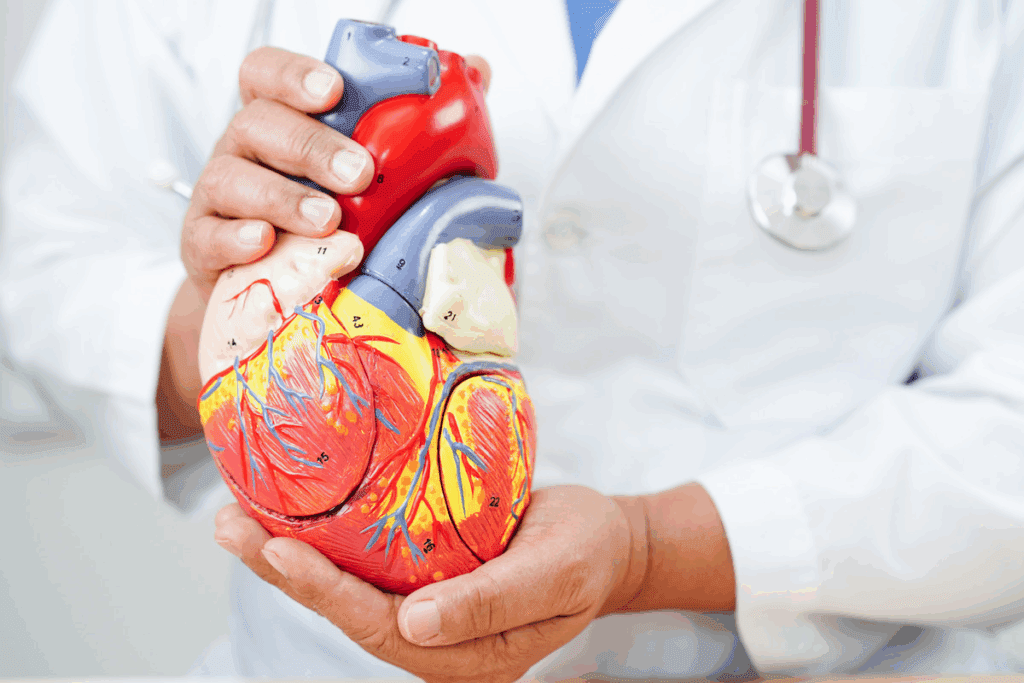
Knowing about heart attacks is key to preventing them. It begins with understanding what happens during a myocardial infarction. A heart attack happens when blood flow to the heart is blocked, harming the heart muscle. This is often due to coronary artery disease (CAD), where plaque builds up in the arteries.
What Happens During a Myocardial Infarction
A myocardial infarction damages the heart muscle because of a lack of blood flow. This damage can cause scarring and serious health issues. The blockage is usually a blood clot on atherosclerosis (plaque) in a coronary artery.
Key events during a myocardial infarction include:
- Blockage of a coronary artery by a blood clot
- Damage to the heart muscle due to lack of oxygen
- Potential scarring of the heart tissue
Common Risk Factors for Heart Disease
Several factors increase the risk of a heart attack. These include:
| Risk Factor | Description |
| High Blood Pressure | High blood pressure can damage arteries, making them more likely to block. |
| High Cholesterol | High levels of LDL cholesterol can cause plaque buildup in arteries. |
| Smoking | Smoking damages blood vessel linings, making blockages more likely. |
| Diabetes | Diabetes can harm blood vessels and nerves that control the heart. |
The Link Between Lifestyle and Cardiovascular Health
Lifestyle choices greatly affect heart health. Healthy choices can lower heart disease risk. This includes eating well, staying active, not smoking, and managing stress.
By knowing the risks and making smart lifestyle choices, you can lower your heart attack risk. It’s always a good time to start making heart-healthy changes.
Why Prevention Matters: The Impact of Heart Disease
Heart disease has a big impact on people and society. It’s a major cause of illness and death around the world. It affects not just the person but also their family and the healthcare system.
Statistics on Premature Deaths from Cardiovascular Causes
Cardiovascular diseases cause a lot of early deaths. Millions die from heart disease every year, and many deaths are preventable. The World Health Organization says heart disease is the top cause of death, with over 17.9 million deaths annually.
This shows how important heart disease prevention is. Knowing the risks and taking action can lower your chance of getting heart disease.
The 50% Risk Reduction with Optimal Habits
Studies show that good habits can cut heart disease risk by up to 50%. Eating right, exercising, not smoking, and managing stress are key. These changes can greatly improve heart health.
These habits not only lower heart disease risk but also boost overall health. It’s a smart way to lower heart attack risk and live better.
Economic and Quality of Life Considerations
Heart disease costs a lot, affecting medical bills, lost work, and family well-being. Preventing heart disease can save money and keep people working. This improves quality of life.
Also, heart disease prevention can lighten the financial load on healthcare. This is a strong reason to support prevention programs and healthy living.
In summary, heart disease’s effects are wide-reaching, touching individuals, families, and society. By knowing the risks and taking steps to prevent them, we can lessen heart disease’s impact. This improves health for everyone.
The Heart-Healthy Diet: Nutrition for Prevention
Eating the right foods can lower your heart disease risk. A heart-healthy diet is key to preventing heart disease. We’ll look at what foods to eat and how to make it part of your life.
Benefits of the Mediterranean Diet
The Mediterranean diet is great for your heart. It’s full of fruits, veggies, whole grains, and healthy fats like olive oil. Eating this way can really improve your heart health.
Key components of the Mediterranean diet include:
- High intake of fruits and vegetables
- Emphasis on whole grains
- Use of olive oil as a primary source of fat
- Moderate consumption of fish and poultry
- Low intake of red meat and processed foods
Power Foods: Fruits, Vegetables, and Whole Grains
Fruits, veggies, and whole grains are packed with nutrients. They help lower cholesterol and blood pressure. They also boost heart health.
Incorporating power foods into your diet:
- Start your day with whole grains and fruits.
- Add colorful veggies to your meals.
- Choose fruits and nuts for snacks.
Foods to Limit or Avoid
Some foods can harm your heart. It’s important to limit or avoid them for a healthy diet.
Foods to limit include:
- Saturated and trans fats in processed foods
- Red and processed meats
- Foods high in added sugars
- High-sodium foods
Practical Meal Planning Strategies
Planning a heart-healthy diet takes some effort. But with the right strategies, it can be easy to stick to.
Tips for meal planning:
- Plan meals around seasonal fruits and veggies.
- Cook at home with healthy recipes.
- Avoid processed and pre-packaged meals.
- Keep healthy snacks on hand.
Moving for Life: Exercise Guidelines for Cardiovascular Health
Exercise is key to a healthy heart. Knowing the right guidelines can make a big difference. Regular physical activity is vital for heart health, and we’re here to help you get started.
Types and Intensity of Recommended Physical Activity
Doing at least 150 minutes of moderate-intensity exercise a week can lower blood pressure and cholesterol. Moderate-intensity exercises include brisk walking, cycling, and swimming. If you prefer vigorous activities, 75 minutes of vigorous-intensity exercise a week is also good.
Starting a Safe Exercise Routine
Always talk to a healthcare professional before starting a new exercise program, even if you’re healthy. Start slow and gradually increase the intensity and duration of your workouts. This helps prevent injuries and keeps you going.
How Regular Activity Strengthens Your Heart
Regular physical activity makes your heart stronger. It improves blood pumping, lowers blood pressure, and boosts overall heart function. This can reduce the risk of heart disease, including heart attacks and strokes.
Incorporating Movement Throughout Your Day
Adding movement to your daily routine is also beneficial. Simple actions like taking the stairs, walking to work, or doing chores can boost your physical activity levels.
How to Prevent Heart Attack Through Weight Management
Keeping a healthy weight is key to avoiding heart disease. Extra weight, mainly around the waist, strains the heart and blood vessels. This increases the risk of heart attack. We’ll look at why weight management is vital for heart health and share tips for a healthy weight.
Understanding Body Mass Index and Waist Circumference
Two important measures are Body Mass Index (BMI) and waist circumference. BMI is your weight in kilograms divided by your height in meters squared. A BMI of 18.5 to 24.9 is normal. A BMI of 25 or higher is overweight or obese.
Waist circumference is also critical. Excess fat around the waist raises heart disease risk. For men, a waist over 40 inches is risky. For women, it’s over 35 inches.
The Connection Between Obesity and Heart Disease
Obesity greatly increases heart disease risk. It can lead to high blood pressure, high cholesterol, and diabetes. These conditions raise the risk of heart attack.
Obesity also causes inflammation, damaging blood vessels. Keeping a healthy weight reduces these risks.
Sustainable Weight Loss Approaches
Weight loss can be tough, but there are lasting ways to do it. These include:
- Eating a balanced diet with fruits, vegetables, whole grains, and lean proteins.
- Regular physical activity like walking, cycling, or swimming.
- Tracking your calorie intake and expenditure.
- Avoiding fad diets for long-term lifestyle changes.
Maintaining Healthy Weight Long-Term
Keeping a healthy weight is more than losing weight. It’s about a lifestyle that promotes health. This means eating well, staying active, and monitoring your weight.
By adopting these habits, you can keep a healthy weight and lower heart disease risk.
Understanding the role of weight management and making lasting lifestyle changes can greatly reduce heart attack risk. It improves overall health.
Breaking Free: Tobacco Cessation for Heart Health
Starting your journey to a healthier heart means quitting tobacco. Tobacco is a big risk for heart disease. Quitting can greatly lower this risk. We’ll look at how smoking harms your heart, the benefits of quitting, and how to stop smoking.
How Smoking Damages Your Cardiovascular System
Smoking harms your heart in many ways. It raises blood pressure and cuts blood flow to the heart. It also damages blood vessel linings, making them more likely to block.
Key Effects of Smoking on Heart Health:
- Increased risk of heart attack and stroke
- Damage to blood vessel linings
- Reduced blood flow to the heart
- Higher blood pressure
Benefits of Quitting at Any Age
Quitting smoking at any age brings quick and lasting health benefits. Within 20 minutes, your heart rate and blood pressure start to drop. In 12 hours, your blood gets more oxygen, helping your heart and other organs.
| Time After Quitting | Health Benefits |
| 20 minutes | Heart rate and blood pressure drop |
| 12 hours | Carbon monoxide levels decrease, increasing oxygen supply to the heart |
| 24 hours | Risk of heart attack begins to decrease |
Effective Strategies to Stop Smoking
There are many ways to stop smoking. Counseling, medication, and support groups can help. Nicotine replacement therapy (NRT) and prescription drugs like bupropion and varenicline manage cravings and withdrawal.
Popular Methods for Quitting Smoking:
- Nicotine replacement therapy (NRT)
- Prescription medications (e.g., bupropion, varenicline)
- Counseling and support groups
Resources for Tobacco Cessation Support
Many resources help with quitting smoking. Helplines, online tools, and local groups offer support. They provide advice, encouragement, and strategies to help you stay on track.
Recommended Resources:
- National cancer institute’s Smoking Quitline: 1-877-44U-QUIT
- American Cancer Society’s QuitForLife Program
- Local support groups and counseling services
Numbers That Matter: Managing Blood Pressure and Cholesterol
Knowing and controlling your blood pressure and cholesterol is key to avoiding heart disease. These two numbers tell a lot about your heart health.
Understanding Your Health Metrics
Blood pressure is measured in millimeters of mercury (mmHg). It’s shown as two numbers: systolic (heart beating) and diastolic (heart resting). A normal reading is about 120/80 mmHg.
Cholesterol is a fat in your blood. There’s LDL (bad) and HDL (good) cholesterol. High LDL can cause artery blockages, raising heart disease risk.
Lifestyle Approaches to Control Hypertension
Lowering blood pressure needs lifestyle changes and sometimes medicine. Here are some tips:
- Reduce Sodium Intake: Eating less sodium can lower blood pressure. Try to stay under 2,300 milligrams a day.
- Exercise Regularly: Being active can lower blood pressure and boost heart health.
- Maintain a Healthy Weight: If you’re overweight, losing weight can help control blood pressure.
- Limit Alcohol Consumption: Too much alcohol can increase blood pressure.
Natural Ways to Improve Cholesterol Profile
Improving your cholesterol can be done through diet and lifestyle:
- Increase Soluble Fiber Intake: Foods like oats, barley, and fruits can lower LDL cholesterol.
- Choose Healthy Fats: Swap saturated and trans fats for healthier fats in olive oil, avocados, and nuts.
- Exercise Regularly: Regular activity can raise HDL cholesterol.
- Avoid Smoking: Quitting smoking can greatly improve your cholesterol and heart health.
Medical Management When Necessary
Some people need medical help to manage blood pressure and cholesterol. This might include:
- Medications: Certain drugs can help control hypertension and high cholesterol.
- Regular Monitoring: Regular check-ups with your doctor to track your health.
By understanding your health numbers and managing them well, you can lower your heart disease risk.
Mind-Heart Connection: Stress Management Techniques
First, we must understand how stress affects our heart. Chronic stress can lead to unhealthy habits and increase heart disease risk. Mindfulness and meditation can help reduce stress.
The Physiological Impact of Stress on Your Heart
Stress triggers a series of physiological responses that can strain the heart. When we feel stressed, our body’s “fight or flight” response is activated. This releases stress hormones like cortisol and adrenaline.
These hormones increase heart rate and blood pressure. This is a big problem for people with heart conditions.
Chronic stress can also cause inflammation in the body. This increases the risk of heart disease. “The link between stress and heart health is complex,” says a leading cardiologist.
Mindfulness and Meditation Practices
Mindfulness and meditation are great for managing stress. They calm the mind and reduce the body’s stress response. Regular mindfulness practice can lower blood pressure and reduce anxiety and depression symptoms.
- Mindfulness meditation involves focusing on the present moment.
- Meditation can be practiced through guided sessions or personal reflection.
- Even short periods of mindfulness practice can have a positive impact on stress levels.
Sleep Quality and Heart Attack Risk
Sleep is key for heart health. Poor sleep quality or insufficient sleep can increase stress levels and contribute to cardiovascular risk factors. Good sleep hygiene practices are vital.
“Sleep is essential for heart health, allowing the body to repair and rejuvenate. Poor sleep can have serious consequences for cardiovascular well-being.”
Building Resilience Against Chronic Stress
Building resilience is key to managing chronic stress. This involves developing healthy coping mechanisms, such as exercise, social support, and relaxation techniques. By increasing our resilience, we can better handle stress’s negative effects on our hearts.
Regular physical activity, practicing gratitude, and staying connected with loved ones can help build resilience against chronic stress.
Heart-Healthy Lifestyle Changes That Prevent Both Heart Attack and Stroke
Heart attacks and strokes have many common risk factors. A healthy lifestyle can greatly lower these risks. Understanding these factors helps us find ways to prevent them.
Shared Risk Factors Between Heart Attack and Stroke
Heart attacks and strokes are often caused by similar things. High blood pressure, high cholesterol, diabetes, smoking, and obesity are some of these. It’s important to manage these risks to prevent both conditions.
Key Risk Factors:
- High Blood Pressure
- High Cholesterol
- Diabetes
- Smoking
- Obesity
Comprehensive Prevention Strategies
Preventing heart attacks and strokes requires a multi-faceted approach. This includes eating a heart-healthy diet, staying active, keeping a healthy weight, and managing stress.
A heart-healthy diet is full of fruits, veggies, whole grains, and lean proteins. It’s low in saturated fats, trans fats, and sodium.
| Dietary Component | Recommended Intake | Benefits |
| Fruits and Vegetables | 5 servings a day | Rich in vitamins, minerals, and antioxidants |
| Whole Grains | 3-5 servings a day | High in fiber, helps lower cholesterol |
| Lean Proteins | Varied sources | Low in saturated fats, supports heart health |
The Role of Regular Medical Screening
Regular medical check-ups are key to catching risks early. They help monitor blood pressure, cholesterol, and blood sugar. Early detection leads to timely action, reducing heart attack and stroke risks.
Creating Sustainable Lifestyle Habits
Building lasting heart-healthy habits is essential. It’s about making small, lasting changes. It’s about living a lifestyle that boosts overall health, not just following a quick fix.
By making heart-healthy choices daily, we can lower our risk of heart disease. This approach not only keeps our hearts healthy but also improves our overall life quality.
Young Hearts at Risk: Prevention Strategies for Young Adults
Heart disease is becoming more common in young adults. This is a worrying trend. It’s important to know why this is happening and how young people can keep their hearts healthy.
Rising Incidence of Heart Disease in Younger Populations
Heart disease used to be a problem mainly for older people. But now, it’s affecting more young adults. Obesity and diabetes are big reasons for this increase. It shows we need to start helping young people early to prevent heart disease.
Unique Risk Factors for Young Adults
Young adults face special risks for heart disease. These include:
- Obesity and Diabetes: More young people are getting these conditions, which raises heart disease risk.
- Smoking: Smoking is a big risk for heart disease. Quitting is key for heart health.
- Physical Inactivity: Sitting too much can harm your heart. It’s important to stay active.
- Poor Diet: Eating too much processed food, sugar, and unhealthy fats can also increase heart disease risk.
Early Intervention and Screening Recommendations
It’s vital to catch heart disease early in young adults. Screening for high blood pressure, high cholesterol, and diabetes is important. Young adults should get regular health checks and talk about their family history and lifestyle with their doctor.
“Prevention is the key to reducing the burden of heart disease. By understanding the risks and taking proactive steps, young adults can significantly lower their chances of developing heart disease later in life.”
— American Heart Association
Building Heart-Healthy Habits Early in Life
Starting heart-healthy habits early can greatly reduce heart disease risk. This includes:
| Healthy Habit | Benefits |
| Regular Physical Activity | Strengthens the heart, improves circulation, and reduces risk factors |
| Balanced Diet | Provides essential nutrients, helps maintain a healthy weight, and supports overall heart health |
| Not Smoking | Significantly reduces the risk of heart disease and other cardiovascular conditions |
| Stress Management | Helps reduce blood pressure and improves overall well-being |
By starting these habits early, young adults can set a strong foundation for heart health. This can help lower their risk of heart disease later on.
Conclusion: Your Personal Heart Attack Prevention Plan
Adopting heart-healthy lifestyle changes can greatly lower your risk of heart attack. We’ve shared easy steps to keep your heart healthy. These include eating right, staying active, managing your weight, quitting smoking, and handling stress.
To create a heart attack prevention plan, add these habits to your daily routine. It’s also key to get regular medical check-ups and catch problems early.
We urge you to take charge of your heart health. Make smart choices and ask for help when you need it. By following our healthy heart tips, you can make a plan to keep your heart safe.
Our aim is to give you the knowledge and drive to make lasting changes. This will help lower your heart attack risk and boost your overall health.
FAQ
What are the most effective ways to prevent a heart attack?
To prevent a heart attack, start by living a heart-healthy lifestyle. Don’t smoke and eat lots of fruits, veggies, and whole grains. Also, exercise regularly, keep your cholesterol and blood pressure in check, and stay at a healthy weight.
How can I reduce my risk of heart disease at a young age?
Start building heart-healthy habits early. Eat well, stay active, and avoid smoking. Keep a healthy weight and get screened early to catch risks.
What is the Mediterranean diet, and how does it help prevent heart disease?
The Mediterranean diet is rich in fruits, veggies, whole grains, and healthy fats. It’s great for your heart because it improves cholesterol and lowers blood pressure.
How much physical activity do I need to maintain cardiovascular health?
Aim for 150 minutes of moderate exercise weekly. This strengthens your heart, improves blood flow, and lowers heart disease risk.
How can I manage stress to reduce my risk of heart disease?
Use mindfulness and meditation to manage stress. Also, get enough sleep and build resilience. Chronic stress can harm your heart.
What are the benefits of quitting smoking for heart health?
Quitting smoking is good for your heart at any age. It reduces heart disease risk by protecting your cardiovascular system.
How can I maintain a healthy weight to prevent heart disease?
Eat right and exercise regularly to keep a healthy weight. Know your BMI and waist size to assess risk. Aim for sustainable weight loss.
What is the link between lifestyle and cardiovascular health?
Your lifestyle choices greatly impact your heart health. Eat well, exercise, don’t smoke, and maintain a healthy weight for a healthy heart.
How can I prevent both heart attack and stroke?
Prevent both by making healthy lifestyle choices and getting regular medical check-ups. Addressing shared risk factors can help prevent both conditions.
Why is early intervention and screening important for young adults?
Early screening and intervention are key for young adults. They help identify risks early, like obesity and diabetes. Building healthy habits young can lower heart disease risk later.
References
- O’Rourke, M. F. (2018). Structure and function of systemic arteries: reflections on the vascular wall and blood flow. Vascular Medicine, 23(4), 316-323. https://pubmed.ncbi.nlm.nih.gov/30016416/