Last Updated on November 13, 2025 by
How to raise neutrophils during chemo? Discover amazing medical options and powerful steps to combat neutropenia and protect your immune system.
Chemotherapy can lower neutrophil counts, making infections more likely. Maintaining healthy neutrophil levels is key for those getting chemo.

Low neutrophil counts, or neutropenia, can cause serious problems. These include delays in treatment and a higher chance of getting sick. It’s important to find ways to manage these risks.
Hospitals like Liv Hospital use different methods to help patients boost their white blood cell count. This helps lower the risk of getting infections.
Key Takeaways
- Neutropenia is a common side effect of chemotherapy.
- Maintaining healthy neutrophil levels is key for cancer treatment.
- Effective management strategies can reduce infection risk.
- Leading hospitals use various methods to boost white blood cell count.
- Patients can benefit from understanding these strategies.
Understanding Chemotherapy-Induced Neutropenia
Chemotherapy-induced neutropenia is a big worry for those fighting cancer. Neutropenia happens when the neutrophil count drops too low. This makes it easier for infections to take hold.

What Are Neutrophils and Their Role in Immune Defense
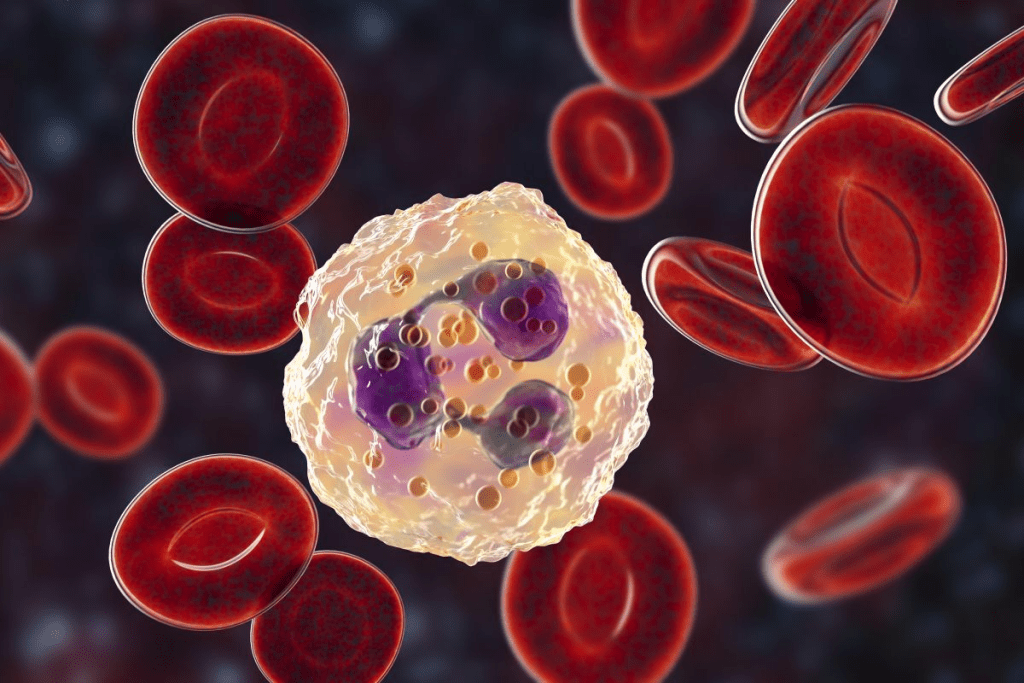
Neutrophils are a key type of white blood cell. They fight off infections first. They engulf and destroy bacteria and other invaders, keeping us healthy.
“Neutrophils are vital for our immune system,” doctors say. “Without enough, we face serious health risks.”
How Chemotherapy Affects Bone Marrow Production
Chemotherapy attacks fast-growing cells, like those in the bone marrow. This area makes neutrophils. So, chemotherapy can lower neutrophil production, causing neutropenia. Knowing this helps manage the condition.
- Chemotherapy drugs can slow down bone marrow.
- This leads to fewer neutrophils, raising infection risk.
- It’s important to keep an eye on neutrophil counts during treatment.
Defining Neutropenia: When ANC Drops Below 1,500/μL
Neutropenia is when the ANC is under 1,500 cells per microliter of blood. Severe cases have an ANC under 500/μL. People with neutropenia are more likely to get serious infections.
Guidelines say, “Those with an ANC under 1,500/μL need close watch for infection signs. They might need extra help to increase their neutrophil counts.”
Recognizing the Signs of Low Neutrophil Counts
Knowing the signs of neutropenia is key to avoiding serious problems during cancer treatment. Neutropenia is when you have too few neutrophils, a type of white blood cell. These cells fight off infections.
Common Symptoms and Warning Signs
People with low neutrophil counts may feel a few things. Some common signs include:
- Fevers above 100.4 °F (38 °C)
- Chills and sweating
- Sore throat or mouth sores
- Cough and shortness of breath
- Pain or burning during urination
- Unusual vaginal discharge or itching
- Redness, swelling, or tenderness around wounds or catheter sites
Watching for these symptoms is important. They can mean you’re getting an infection. Catching it early is vital.
Infection Risk Assessment
It’s important to figure out if you’re at risk for infections when your neutrophil counts are low. Several things can raise this risk:
- The severity of neutropenia (ANC below 500/μL is considered severe)
- Duration of neutropenia (longer periods increase risk)
- Presence of other medical conditions or comorbidities
- Type and intensity of chemotherapy
Knowing these factors can help you and your doctor prevent infections.
When to Seek Immediate Medical Attention
It’s important to know when to get medical help. You should get help right away if you have:
- A fever above 100.4 °F (38 °C)
- Chills or sweating
- Severe pain or difficulty swallowing
- Shortness of breath or difficulty breathing
- Confusion or disorientation
Quick medical care can make a big difference if you get an infection. Keep your doctor’s number handy and call them if you’re worried.
In summary, knowing the signs of low neutrophil counts and when to get help is very important. By staying informed and alert, you can lower your risk of problems and have a better treatment experience.
Medical Interventions to Raise Neutrophils
Understanding how to manage neutropenia is key. Neutropenia is a common side effect of cancer treatment. It makes patients more likely to get infections. Medical treatments help manage this condition and boost the immune system.
Granulocyte Colony-Stimulating Factors (G-CSF)
Granulocyte Colony-Stimulating Factors (G-CSF) are a main treatment for neutropenia. G-CSF helps the bone marrow make more neutrophils. This reduces the risk of infections and complications.
Filgrastim is a well-known G-CSF that works well. It increases white blood cell counts.
Pegfilgrastim and Other Long-Acting Growth Factors
Other growth factors like pegfilgrastim also help manage neutropenia. Pegfilgrastim lasts longer, so patients need fewer doses. This makes treatment easier for those undergoing chemotherapy.
Using these long-acting growth factors can lower the risk of infections.
Evidence-Based Administration Timing
The timing of when to give G-CSF and other growth factors is very important. Evidence-based guidelines say to give them 24-72 hours after chemotherapy. This timing helps the treatment work best.
Healthcare providers can improve patient outcomes with these treatments. It’s important for patients to work with their healthcare team. Together, they can find the best way to manage neutropenia and keep neutrophil levels healthy.
How to Raise Neutrophils Through Prescription Medications
Chemotherapy can lower neutrophil counts, but certain drugs can help. These drugs are key for patients getting chemo. They help fight off infections by increasing white blood cells.
Types of Neutrophil-Boosting Medications
There are several drugs to boost neutrophils. Granulocyte-Colony Stimulating Factor (G-CSF) is a main one. It includes filgrastim and pegfilgrastim. These drugs tell the bone marrow to make more neutrophils.
“The use of G-CSF has changed how we treat neutropenia in cancer patients,” says a top oncologist. “It helps keep neutrophil counts up, lowering the chance of serious infections.”
Mechanism of Action in Bone Marrow Stimulation
These drugs work by telling the bone marrow to make more neutrophils. G-CSF acts like natural proteins that tell the bone marrow to make granulocytes. This helps keep or increase neutrophil counts during chemo.
- G-CSF tells the bone marrow to make granulocytes.
- Pegfilgrastim is a long-acting version of G-CSF, needing fewer doses.
- These drugs are given as injections, usually under the skin.
Managing Side Effects
While these drugs are mostly safe, they can cause side effects. Common ones include bone pain, tiredness, and nausea. It’s important to manage these side effects to keep patients’ quality of life good.
Doctors might suggest pain meds or adjust the drug dose to help. It’s key for patients to tell their doctors about any side effects. This way, they can get the right help.
Knowing about these medications, how they work, and managing side effects helps patients. It lets them be more involved in their care. Working with their healthcare team, patients can reduce risks and get better results.
Dietary Approaches to Support Neutrophil Recovery
Eating the right foods is key to helping neutrophils recover. A good diet can work with medical treatments to boost neutrophil production.
Protein-Rich Foods for Cell Production
Protein is essential for making new cells, like neutrophils. Eating protein-rich foods such as lean meats, fish, eggs, dairy, and legumes helps. This is very helpful during chemotherapy, as it helps replace lost neutrophils.
Immune-Boosting Vitamins and Minerals
Some vitamins and minerals are great for the immune system. Vitamin C in citrus fruits and greens boosts immunity. Zinc in nuts, seeds, and cereals also supports immune functions, including white blood cell production. Getting enough of these nutrients aids in neutrophil recovery.
Nutropenic Diet Guidelines
A neutropenic diet is advised for those on chemotherapy to lower infection risk. It avoids foods with harmful bacteria, like raw meats, unpasteurized dairy, and raw eggs. Instead, choose cooked and prepared foods to lower infection risk and help the body recover.
By following these dietary tips, people can help their neutrophils recover. This improves their immune system during chemotherapy.
Lifestyle Modifications to Prevent Infections
When neutrophil counts are low, making certain lifestyle changes becomes key to prevent infections. People going through chemotherapy need to avoid infections and support their immune system.
Hand Hygiene and Personal Sanitation
Hand hygiene is a top way to stop infections. Wash hands often with soap and water, after using the bathroom, before eating, and after coughing or sneezing. Use hand sanitizer when soap and water are not around.
Good oral hygiene and daily showers are also important. Brush and floss teeth regularly and shower or bathe daily. These steps help keep harmful bacteria away from your body.
Environmental Precautions
For those with low neutrophil counts, a safe environment is key. Stay away from crowded places and public transport during flu seasons or outbreaks. Keep your home well-ventilated and clean surfaces to lower infection risks.
Avoid people with contagious illnesses like the flu or chickenpox. If someone in your home is sick, keep your distance and encourage them to stay clean.
Safe Physical Activity During Neutropenia
Staying active is important, but choose low-risk activities. Safe options include walking or yoga. Always check with your doctor before starting or continuing any exercise during chemotherapy.
Avoid activities that could lead to injuries or infections. Also, be cautious with outdoor activities that might expose you to many people or unsanitary conditions.
Stress Management for Immune Support
Stress can weaken the immune system, making it harder to fight off infections. Try stress-reducing activities like meditation, deep breathing, or reading. “Chronic stress can weaken the immune system, making it vital to find healthy ways to cope,” says experts.
Practicing mindfulness, spending time with loved ones, and getting enough rest also boost your immune system. By managing stress well, you can help your body recover and lower infection risks.
Genetic Factors Influencing Neutrophil Recovery
Recent studies show that genetics play a big role in how well neutrophils recover after chemotherapy. This recovery is complex, influenced by both genes and the environment.
LPHN2 and CRHR1 Gene Variations
Genetic changes in LPHN2 and CRHR1 can affect neutrophil recovery. These genes influence how well patients do after chemotherapy.
LPHN2 changes can impact neutrophil production, leading to more severe neutropenia. CRHR1 changes can also affect the body’s stress response, impacting neutrophil levels.
How Genetic Factors Affect Treatment Response
Genetics can greatly influence how treatments work to increase neutrophil counts. For example, Granulocyte-Colony Stimulating Factor (G-CSF) therapy may work differently for everyone. Knowing this can help doctors tailor treatments better.
“The integration of genetic information into treatment plans could revolutionize the management of neutropenia, making it more personalized and effective.”
Expert Opinion
Personalized Medicine Approaches
Personalized medicine, using genetic info, is a new way to manage neutropenia. It lets doctors tailor treatments based on a patient’s genes. This can help support neutrophil recovery.
- Genetic testing to identify relevant gene variations
- Tailored treatment plans based on genetic profiles
- Monitoring and adjusting treatments according to genetic influences on neutrophil recovery
Using these methods can improve outcomes for chemotherapy patients. It can lower the risk of infections and enhance their quality of life.
Monitoring and Managing Neutrophil Levels
Knowing how to manage neutrophil levels is key to better chemotherapy results. It’s important to monitor and manage these levels well. This helps lower the risk of infections and boosts treatment success.
Understanding Complete Blood Count Results
A Complete Blood Count (CBC) is vital for tracking neutrophil levels. It shows details about blood components like white and red blood cells, and platelets. The Absolute Neutrophil Count (ANC) is a key part of the CBC, showing how many neutrophils are in the blood.
Interpreting CBC Results:
- Normal ANC ranges from 1,500 to 8,000 cells per microliter (μL).
- Mild neutropenia is indicated by an ANC between 1,000 and 1,500/μL.
- Moderate neutropenia is diagnosed when ANC falls between 500 and 1,000/μL.
- Severe neutropenia is defined by an ANC below 500/μL.
Frequency of Testing During Chemotherapy
How often CBC tests are done during chemotherapy depends on the treatment and the patient. Usually, patients get their CBC checked:
- Before each cycle of chemotherapy.
- More often if they have severe neutropenia or other issues.
Regular testing helps catch neutropenia early. This allows for quick action to prevent infections.
Tracking Patterns and Reporting Changes
Patients should keep a record of their CBC results. This helps track patterns and report any big changes to their healthcare team. This info is key for adjusting treatment plans and managing side effects.
“Monitoring your blood counts and reporting any unusual symptoms to your doctor can make a significant difference in your treatment outcome.”
Communicating Effectively With Your Healthcare Team
Talking well with healthcare providers is key for managing neutrophil levels. Patients should ask questions and report symptoms. This includes talking about neutropenia, understanding CBC results, and learning how to reduce risks.
By working closely with their healthcare team, patients can create a plan to manage neutrophil levels. This reduces the risk of complications and improves life quality during chemotherapy.
To increase WBC count and build white blood cells naturally, patients can make dietary changes and lifestyle adjustments. These should be based on advice from their healthcare providers.
Conclusion: Integrated Approach to Neutrophil Management During Cancer Treatment
Managing neutrophil counts is key during cancer treatment. A mix of medical help, diet, lifestyle changes, and genetic awareness can lower neutropenia risks.
Medical steps, like using granulocyte colony-stimulating factors, boost neutrophil production. Eating well, with lots of protein, vitamins, and minerals, helps the immune system. Staying clean and active safely also cuts down infection chances.
Knowing how genetics affect neutrophil recovery helps tailor treatments. Keeping a close eye on neutrophil levels and talking with doctors is vital. This way, patients can handle cancer treatment’s hurdles better.
Using a full approach to manage neutrophils helps patients on chemotherapy avoid infections. Learning to naturally increase neutrophils and white blood cells is key. It keeps the immune system strong during this important time.
FAQ
What are the primary methods to raise neutrophils during chemotherapy?
Main methods include using G-CSF, pegfilgrastim, and other growth factors. Also, dietary changes and lifestyle tweaks can help.
How do G-CSF medications work to boost neutrophil counts?
G-CSF medications tell the bone marrow to make more neutrophils. This helps fight the effects of chemotherapy on neutrophil production.
What dietary changes can help support neutrophil recovery?
Eating protein-rich foods and immune-boosting vitamins and minerals is key. Following a neutropenic diet also helps.
How can lifestyle modifications help prevent infections during neutropenia?
Good hand hygiene and environmental precautions are important. Safe physical activity and stress management also help prevent infections.
How often should neutrophil levels be monitored during chemotherapy?
Monitoring frequency varies based on the treatment and patient factors. Regular checks are vital to catch any drops in neutrophil counts.
Can genetic factors influence how well treatments work to raise neutrophils?
Yes, genetic variations like in LPHN2 and CRHR1 genes can impact treatment success. Personalized medicine might be considered.
What are the signs and symptoms of low neutrophil counts that require immediate medical attention?
Look out for fever, chills, sore throat, and other infection signs. Seek medical help right away if you notice these symptoms.
How can I effectively communicate with my healthcare team about my neutrophil levels?
Keep track of your blood count results and report any changes or concerns. Asking questions about your treatment plan is also important.
Are there any specific medications that can help boost white blood cells quickly?
Yes, G-CSF and pegfilgrastim are designed to increase white blood cell counts, including neutrophils. They can help manage neutropenia.
What is a neutropenic diet, and how can it help?
A neutropenic diet avoids foods that may harbor bacteria. It’s an important part of managing neutropenia and reducing infection risk.
Reference
Wang, Z. (2025). Neutrophils in cancer: From immune defense to tumor progression and therapy. Cellular & Molecular Immunology. https://pmc.ncbi.nlm.nih.gov/articles/PMC12240196/
Koenderman, L. (2024). Neutrophils in cancer: From biology to therapy. Nature Reviews Immunology, 24, 742-757. https://www.nature.com/articles/s41423-024-01244-9