Last Updated on December 1, 2025 by Bilal Hasdemir
Research shows that combining holistic treatments with standard medical care can make a real difference in managing pain. Many patients wonder, “how to reduce cancer pain naturally? Natural methods may include nutrition plans rich in anti-inflammatory foods, gentle physical activity like yoga or walking, relaxation practices such as meditation or deep breathing, and therapies like massage or acupuncture. These approaches don’t replace medical care but can complement it, helping patients feel more comfortable and improving overall well-being.
Research shows that using holistic treatment for pain along with medical care can really help. We’ll look at different cancer pain relief methods. This includes nutrition and mind-body techniques. We want to help people make smart choices about their care.
Key Takeaways
- Combining medical care with holistic approaches can enhance cancer pain relief.
- Nutritional strategies play a significant role in managing pain.
- Mind-body techniques can help alleviate pain and improve quality of life.
- Understanding various approaches empowers individuals to make informed care decisions.
- A complete care plan can greatly improve overall well-being.
Understanding Cancer Pain and Its Impact
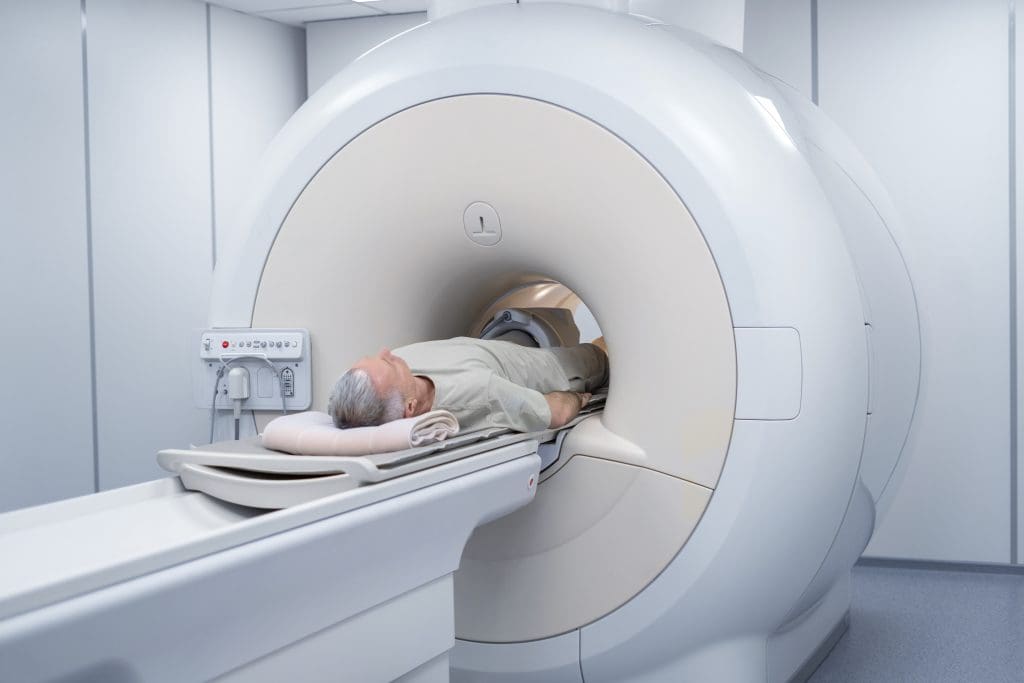
Cancer pain is a big problem for many patients getting cancer treatment. It greatly affects their lives, making it very important to manage it well. We must grasp the different sides of cancer pain to help patients feel better.
Common Types of Cancer Pain
Cancer pain comes in two main types: acute and chronic. Acute pain is short-term, like after an injury or surgery. Chronic pain lasts a long time and needs constant care.
Knowing these types helps us create better plans to manage pain.
| Type of Pain | Description | Management Approach |
| Acute Pain | Short-term pain related to injury or surgery | Typically managed with medication and rest |
| Chronic Pain | Long-term pain that persists over time | Requires ongoing management, including medication, therapy, and lifestyle adjustments |
How Cancer Pain Affects Quality of Life
Cancer pain really hurts a patient’s quality of life. It makes it hard to do daily tasks and stay emotionally strong. It’s key to manage pain well to help patients live normally, even at home.
The Emotional Toll of Chronic Pain
Chronic pain hurts not just the body but also the mind. It can cause anxiety, depression, and lower well-being. It’s vital to tackle the emotional side of pain for full cancer and pain control.
Healthcare providers can offer better care by understanding the emotional side of chronic pain. This way, they can help with pain relief for cancer patients more effectively.
The Importance of Integrating Natural Approaches with Medical Care
Using natural therapies with medical treatments is key in cancer care. It’s vital to see how natural methods can boost traditional care. This helps improve patient results.
Complementary vs. Alternative Approaches
It’s important to know the difference between complementary and alternative therapies. Complementary therapies work with standard treatments. Alternative therapies replace them. We suggest using complementary methods to improve your care plan.
Some good examples of complementary therapies include:
- Acupuncture
- Meditation and mindfulness practices
- Yoga and tai chi
- Herbal supplements
Communicating with Your Healthcare Team
Talking openly with your healthcare team is key when adding natural methods to your care. We urge patients to share their interest in complementary therapies. This way, everyone works together on your care.
To start this conversation, follow these steps:
- Learn about the complementary therapies you’re interested in.
- Keep track of your pain management efforts and results.
- Set up a special meeting to talk about your plans for complementary therapy.
Creating a Holistic Pain Management Strategy
A holistic pain management plan mixes medical treatments with natural methods. We help patients create plans that meet their physical, emotional, and spiritual needs.
Key parts of a holistic pain management plan might be:
- Nutritional counseling
- Mind-body therapies
- Physical therapy and gentle exercise
- Stress management techniques
By blending natural methods with medical care, we can make a pain management plan that boosts well-being. It also improves life quality.
Nutritional Strategies for Cancer Pain Management
Eating well can really help with cancer pain. It’s a natural way to feel better. By choosing the right foods, you can ease your pain and live better.
Anti-inflammatory Foods That Reduce Pain
Some foods fight inflammation and can lessen pain. Here are a few:
- Fatty Fish: Salmon and sardines are full of omega-3s, which fight inflammation.
- Turmeric: It has curcumin, which is good for reducing inflammation and pain.
- Ginger: Gingerols in ginger help ease pain.
- Berries: Berries are full of antioxidants and can lower inflammation.
Foods to Avoid That May Worsen Pain
Some foods can make pain worse. It’s smart to cut down or avoid them:
- Processed Foods: They’re full of bad fats, sugars, and salt, which can cause inflammation.
- Sugary Drinks: They can increase inflammation and make pain worse.
- Refined Carbohydrates: They can raise blood sugar and insulin resistance, leading to more pain.
Hydration and Its Role in Pain Management
Drinking enough water is key for health and pain management. It helps keep our bodies working right, including pain control. Drink lots of water and avoid dehydrating drinks like caffeine and alcohol.
By eating a balanced diet, avoiding bad foods, and staying hydrated, you can manage your cancer pain naturally.
Herbal Remedies and Supplements for Cancer Pain Relief
Herbal remedies and supplements are becoming important in fighting cancer pain. They offer a natural way to help manage pain. But, it’s key to know their benefits and limits.
Evidence-Based Herbs for Pain Control
Many herbs show promise in easing pain and inflammation. This makes them good for cancer pain relief. Some top herbs include:
- Turmeric: It has curcumin, which fights inflammation well.
- Ginger: It’s anti-inflammatory and might help reduce pain.
- Willow Bark: It has salicin, like aspirin, to lessen pain.
Essential Supplements That May Help
Some supplements also offer pain relief for cancer patients. These include:
| Supplement | Potential Benefit |
| Omega-3 Fatty Acids | They have anti-inflammatory effects. |
| Vitamin D | It may help manage pain and boost health. |
| Magnesium | It can relax muscles and ease pain. |
Safety Considerations and Possible Interactions
Herbal remedies and supplements can be safe, but we must watch for side effects. Always talk to a -before starting new supplements. They might affect other medicines or cause problems in some people.
Using herbal remedies and supplements with a advice can help cancer patients. It can make their lives better and more comfortable.
Mind-Body Techniques for Pain Reduction
Mind-body techniques are now part of cancer care plans. They help patients manage pain and live better lives. These methods connect the mind and body, reducing stress and pain.
Meditation and Mindfulness Practices
Meditation and mindfulness are known for lowering stress and promoting calm. They help patients see their pain without judgment, lessening its emotional effect. Studies show that regular meditation can lessen pain and boost mood in cancer patients.
Beginners can start with short, guided meditation sessions. As you get more comfortable, you can increase the time. Apps and local classes offer great support and guidance.
Guided Imagery and Visualization
Guided imagery and visualization use the mind to create a peaceful state. By imagining a calm scene, patients can lower stress and pain. These methods can be done alone or with a therapist.
Guided imagery is very helpful during painful times or when feeling anxious. It helps patients focus on a calming image, distracting them from pain and worry.
Breathing Exercises for Immediate Relief
Breathing exercises are simple yet powerful for pain and stress management. Techniques like diaphragmatic breathing calm the nervous system, reducing pain. These exercises can be done anywhere, providing quick relief.
To do diaphragmatic breathing, place one hand on your belly and the other on your chest. Breathe in slowly through your nose, letting your belly rise while your chest stays steady. Breathe out slowly through your mouth, feeling your belly fall. This can help reduce stress and pain.
By adding these mind-body techniques to their care plans, cancer patients can manage pain and enhance their well-being. Always talk to your healthcare provider before starting any new practices to make sure they work well with your treatments.
Physical Therapies and Movement-Based Approaches
Physical therapies and movement-based approaches are great for cancer patients. They help manage pain and improve life quality. We’ll look at gentle exercises, yoga and tai chi benefits, and home physical therapy techniques.
Gentle Exercise Options for Cancer Patients
Gentle exercises are key for cancer patients. They keep physical function up and pain down. Activities like short walks, stretching, and light swimming are good. They boost circulation, cut down fatigue, and boost well-being.
- Walking: A simple and effective way to improve cardiovascular health.
- Stretching: Helps maintain flexibility and reduce muscle tension.
- Swimming: Provides a low-impact, full-body workout.
Yoga and Tai Chi for Pain Management
Yoga and tai chi mix physical movement with breathing and meditation. They help reduce pain, improve balance, and boost life quality for cancer patients.
Yoga uses postures and breathing to cut stress and boost flexibility. Tai chi has slow movements that improve balance and lower fall risk.
- Improved flexibility and balance.
- Reduced stress and anxiety.
- Enhanced overall well-being.
Physical Therapy Techniques You Can Do at Home
Many physical therapy techniques work at home. They help cancer patients manage pain. These include gentle stretching exercises, breathing exercises, and simple strengthening exercises.
Deep breathing exercises can calm stress and promote relaxation. Simple strengthening, like using light weights or bands, keeps muscles strong.
- Deep breathing exercises for relaxation.
- Gentle stretching to maintain flexibility.
- Simple strengthening exercises to maintain muscle mass.
By adding these physical therapies and movement-based approaches to daily life, cancer patients can see big improvements in pain management and life quality.
Massage and Manual Therapies
For those with cancer pain, massage and manual therapies can offer a lot of relief. They help improve overall well-being. These methods are now seen as key parts of pain management plans.
Safe Massage Techniques for Cancer Patients
It’s important to use safe and gentle massage techniques for cancer patients. Some good methods include:
- Light Touch Massage: This uses soft strokes to ease tension without pain.
- Myofascial Release: Targets the fascia to release tension and boost circulation.
- Manual Lymphatic Drainage: A light-touch method that aids the lymphatic system and reduces swelling.
Acupressure Points for Pain Relief
Acupressure is also helpful for cancer pain relief. Applying pressure to certain body points can lessen pain. Some key points are:
- LI 4 (Hegu): Between the thumb and index finger, it relieves pain and tension.
- LV 3 (Taichong): On the foot, it helps reduce stress and promotes calm.
- GB 21 (Jiangjing): At the neck base, it eases shoulder and neck pain.
When to Avoid Manual Therapies
While massage and manual therapies are beneficial, there are times to avoid them. These include:
- Bone Metastasis: Avoid areas with bone metastasis to prevent fractures.
- Low Blood Platelet Count: Use gentle techniques to prevent bruising or bleeding.
- Open Wounds or Infection: Don’t massage over open wounds or active infections.
Knowing the benefits and limits of massage and manual therapies helps cancer patients make smart choices. They can decide if these therapies fit into their pain management plans.
Heat and Cold Therapy Applications
Heat and cold therapy are simple ways to ease cancer pain. They help improve life quality for patients. These methods can be part of a full pain management plan.
When to Use Heat vs. Cold
Knowing when to use heat or cold is key. Heat therapy relaxes muscles, boosts blood flow, and eases stiffness. It’s great for long-term pain and muscle spasms.
Cold therapy cuts down inflammation, numbs pain, and slows nerve signals. It’s best for sudden injuries and swelling.
| Therapy Type | Benefits | When to Use |
| Heat Therapy | Relaxes muscles, increases blood flow, reduces stiffness | Chronic pain, muscle spasms |
| Cold Therapy | Reduces inflammation, numbs pain, slows nerve conduction | Acute injuries, inflammatory conditions |
Safe Application Methods
To safely use heat or cold, follow some rules. For heat, use a warm towel or a low-setting heating pad. For cold, wrap an ice pack or cold compress in a towel to avoid skin contact.
Always check the pack’s temperature before use. Limit application to 15-20 minutes to prevent tissue harm.
DIY Heat and Cold Packs
Making your own heat or cold packs at home is easy and saves money. For a cold pack, fill a plastic bag with ice or use a frozen bag of peas wrapped in a towel.
For a heat pack, a warm washcloth or a microwave-heated rice pack works well. Make sure it’s not too hot or cold before applying.
Cancer Natural Cures Treatments: Evidence and Reality
Understanding cancer natural cures can help patients make better choices. Some natural methods may help with pain, but it’s important to know what’s real.
Research on Natural Pain Management Approaches
Many studies look into natural ways to manage cancer pain. Evidence-based medicine helps find what works. Some natural methods, like diet changes and mind-body techniques, can really help with pain.
A study in the Journal of Oncology found that mindfulness-based stress reduction cuts down pain in cancer patients. Acupuncture also shows promise in managing pain related to cancer.
| Natural Approach | Evidence Level | Potential Benefits |
| Mindfulness-Based Stress Reduction | High | Reduces pain and stress |
| Acupuncture | Moderate | Manages pain and improves quality of life |
| Dietary Changes | Moderate | Reduces inflammation and pain |
Distinguishing Between Evidence and Claims
It’s hard to tell real natural cures from false claims. Critical thinking is essential. Be wary of treatments that seem too good to be true or lack proof.
Always talk to a healthcare professional before trying new treatments. They can check if a treatment is safe and might work based on the latest research.
Finding Reliable Information Sources
Finding trustworthy sources is key for making smart choices. Peer-reviewed journals and well-known health groups are great places to start. Make sure to check who is promoting natural cures.
By being informed and careful, patients can find their way through the world of natural cancer treatments. This way, they can choose what’s best for them.
Natural Remedies for Specific Cancer Pain Types
Managing cancer pain needs a personal touch, as different cancers cause unique pain. Knowing what each cancer type needs helps patients create a better pain plan.
Bone Cancer Pain Relief at Home
Bone cancer pain is tough because it can lead to fractures and nerve issues. Gentle exercise, heat therapy, and herbal supplements can help. For example, curcumin in turmeric fights inflammation and may ease bone pain.
Eating well, with lots of calcium and vitamin D, supports bone health. Drinking plenty of water also helps keep bones strong.
Throat and Mouth Cancer Natural Pain Management
Throat and mouth cancers hurt a lot, making it hard to eat and swallow. Saltwater rinses, honey, and avoiding spicy foods help. Gentle mouth care stops infections and aids healing.
Using a humidifier soothes the throat and lessens pain. Some find acupressure helps with pain and stress.
Lung Cancer Home Remedies for Discomfort
Lung cancer causes chest, back, and shoulder pain. Breathing exercises and gentle yoga boost lung function and ease pain. Heat or cold packs on the area can also help.
Keeping the air clean at home with purifiers and avoiding smoke helps symptoms. Some find aromatherapy with lavender or eucalyptus oils eases breathing and stress.
Aromatherapy and Essential Oils for Cancer Pain
Essential oils can help with cancer pain in a natural way. Aromatherapy uses these oils to improve both body and mind health. It’s a good addition to a pain management plan for cancer patients.
Most Effective Essential Oils for Pain
Some essential oils are good for pain because they reduce inflammation and pain. Here are a few:
- Lavender oil, known for its calming effects
- Peppermint oil, which can help reduce pain and nausea
- Frankincense oil, valued for its anti-inflammatory properties
- Eucalyptus oil, used for its decongestant and pain-relieving effects
| Essential Oil | Properties | Potential Benefits |
| Lavender | Calming, anti-anxiety | Reduces stress, promotes sleep |
| Peppermint | Analgesic, anti-nausea | Eases pain, reduces nausea |
| Frankincense | Anti-inflammatory | Reduces inflammation, relieves pain |
Application Methods and Safety
There are many ways to use essential oils, like applying them to the skin or inhaling them. But safety first. Always dilute them right and talk to a before trying them, if you have sensitive skin or allergies.
Creating Your Own Pain-Relief Blends
Mixing different essential oils can make them work better together. For pain, try mixing lavender, peppermint, and frankincense. Start small and adjust as needed.
Adding aromatherapy and essential oils to pain management can help cancer patients feel better and live better lives.
Sleep Optimization for Pain Management
Getting good sleep is key to managing cancer pain. Poor sleep can make pain worse, while good sleep can help ease it. By focusing on sleep, people can better handle their pain and feel better overall.
The Pain-Sleep Connection
The link between sleep and pain is complex. Chronic pain can mess up sleep, causing insomnia or poor quality sleep. On the flip side, bad sleep can make pain feel worse, creating a cycle. Fixing sleep problems is vital for managing pain.
Studies show many cancer patients struggle with sleep, which affects their pain and quality of life. Better sleep can lower pain and improve life for cancer patients.
Natural Sleep Aids for Cancer Patients
There are natural ways to help cancer patients sleep better. These include:
- Melatonin: A hormone that helps regulate sleep.
- Valerian root: A herbal supplement that helps sleep.
- Magnesium: A mineral that relaxes the body and aids sleep.
- Chamomile tea: A calming drink that helps you fall asleep.
Always talk to a before trying new supplements to make sure they’re safe and won’t harm other treatments.
Creating an Optimal Sleep Environment
Creating a good sleep space is important for better sleep. Here are some tips:
- Keep the bedroom cool and dark: A cooler, darker room helps sleep better.
- Invest in a comfortable mattress: A supportive mattress can greatly improve sleep.
- Minimize noise: Use earplugs or a white noise machine if needed.
- Limit screen time before bed: The blue light from screens can mess with melatonin.
By using these tips and natural sleep aids, cancer patients can improve their sleep and possibly reduce pain. It’s best to work with healthcare providers to create a sleep plan that fits your needs.
Stress Reduction Techniques That Alleviate Pain
Stress and pain are closely linked, and finding ways to reduce stress can help ease pain for cancer patients. When we feel stressed, our bodies react in ways that can make pain worse.
The Stress-Pain Cycle
Stress and pain create a cycle that’s hard to break. When we’re in pain, we get stressed, and this stress can make our pain worse. This cycle can really hurt a patient’s quality of life.
“The mind and body are not separate entities; they are intimately connected, and stress can have a profound impact on physical pain.” Understanding this is key to managing pain effectively. It’s about treating both the physical and emotional sides of pain.
Practical Stress Management Strategies
There are many ways to manage stress and reduce pain:
- Meditation and mindfulness practices
- Deep breathing exercises
- Progressive muscle relaxation
- Yoga and tai chi
- Journaling and expressive writing
These methods help by relaxing us and easing muscle tension. For instance, a study found that mindfulness-based stress reduction helped cancer patients manage their pain better and feel better overall.
| Technique | Benefits | Tips for Implementation |
| Meditation | Reduces stress, improves pain tolerance | Start with short sessions (5-10 minutes), use guided meditations |
| Deep Breathing | Promotes relaxation, reduces anxiety | Practice regularly, use apps for guidance |
| Yoga | Improves flexibility, reduces stress | Begin with gentle poses, avoid straining |
Building Emotional Resilience
Building emotional resilience is key to managing stress and pain. It means developing coping strategies, staying positive, and seeking help when needed.
Key strategies for building emotional resilience include:
- Developing a strong support network
- Engaging in activities that bring joy and fulfillment
- Practicing gratitude and positive thinking
- Seeking professional help when needed
By using these strategies daily, cancer patients can better handle their stress, reduce pain, and improve their life quality.
Creating a Personalized Natural Pain Management Plan
Managing cancer pain naturally can greatly improve a patient’s life. We can create a plan that meets their specific needs by understanding their unique situation.
Assessing Your Pain Patterns
Understanding your pain patterns is key to managing pain. This means knowing the type of pain, how intense it is, and when it happens. Keeping a pain diary helps track these patterns and what affects them.
It’s also important to see how daily activities, diet, and stress impact pain. This helps us tailor the plan to fit your lifestyle and needs.
Combining Multiple Approaches
There’s no one-size-fits-all solution for managing cancer pain naturally. Combining different methods like nutrition, mind-body techniques, and physical therapies can be more effective. For example, eating anti-inflammatory foods, meditating, and doing gentle exercise can help reduce pain.
Herbal remedies, supplements, and aromatherapy can also be helpful. But, always talk to a healthcare professional before adding them to your plan.
Tracking Effectiveness and Making Adjustments
It’s important to track how well your pain management plan is working. Keep an eye on your pain levels and note any changes. Regularly reviewing and adjusting the plan ensures it stays effective and relevant.
Adjustments might include changing the mix of approaches, adjusting therapy intensity or frequency, or adding new methods based on research.
By taking a proactive and personalized approach, individuals can better manage their cancer pain and improve their overall well-being.
When to Seek Additional Medical Help
Knowing when to get more medical help is key for those using natural ways to manage cancer pain. Natural methods can work well, but sometimes, medical help is needed for good pain control.
Warning Signs That Natural Methods Aren’t Enough
It’s important to know when natural methods don’t work well enough. Look out for these signs:
- Increasing pain intensity
- Reduced mobility due to pain
- Interference with daily activities
- Development of new pain areas
If you see these signs, talk to your to change your pain plan.
Communicating About Pain with Healthcare Providers
Talking well with your healthcare team is key for managing pain. To get the right help:
- Keep a pain journal to track your symptoms
- Be specific about your pain levels and characteristics
- Discuss any side effects from your current pain management regimen
- Ask about available medical interventions that can complement your natural approaches
A leading pain management specialist says, “Open dialogue between patients and healthcare providers is the cornerstone of effective pain management.”
“Pain management is not just about treating the pain, it’s about treating the person.” – Pain Management Specialist
Integrating Natural and Conventional Pain Management
Using both natural and medical treatments can make a great pain plan. This mix might include:
| Natural Approaches | Conventional Treatments |
| Meditation and mindfulness | Medication (e.g., analgesics, opioids) |
| Herbal supplements | Radiation therapy for pain relief |
| Physical therapy | Nerve blocks and other interventional procedures |
By working with your healthcare team, you can make a pain plan that fits you. It will use both natural and medical methods for the best results.
Conclusion: Empowering Yourself in Cancer Pain Management
Understanding natural ways to manage cancer pain is key. By using these methods along with medical care, we can tackle pain more effectively. This approach meets physical, emotional, and spiritual needs.
Being informed and involved in your care is empowering. Natural methods like nutrition, herbs, mind-body techniques, and physical therapies can be part of your plan. They help improve your overall health.
We aim to help you manage cancer pain effectively. By using natural methods and working with healthcare providers, you can find better pain relief. This leads to a better quality of life.
FAQ
Can natural approaches be used in conjunction with conventional pain management?
Yes, natural and conventional methods can work together. This can provide a more complete approach to managing pain.
When should I seek additional medical help for cancer pain?
If natural methods don’t work, you should seek medical help. Signs include increasing pain, less mobility, and lower quality of life.
How can I create a personalized natural pain management plan?
To create a plan, assess your pain patterns and combine different approaches. Tracking how well they work can help tailor your plan.
What is the stress-pain cycle, and how can it be managed?
The stress-pain cycle is when stress and pain feed each other. Managing stress can help break this cycle and manage pain better.
How can sleep optimization help with cancer pain management?
Better sleep can help manage pain and improve well-being. Creating a good sleep environment and using natural aids can help.
What is the role of aromatherapy and essential oils in cancer pain management?
Aromatherapy and essential oils can be part of a pain management plan. Some essential oils have pain-relieving properties.
How can heat and cold therapy be used for cancer pain relief?
Heat and cold therapy can be simple and effective for pain. Knowing when to use each can help manage pain better.
Can physical therapies and movement-based approaches help with cancer pain management?
Yes, therapies like yoga and tai chi can help manage pain. They also improve physical function.
What are some mind-body techniques that can help reduce cancer pain?
Techniques like meditation, deep breathing, and guided imagery can help manage pain. They also improve overall well-being.
Are there any herbal remedies that can help with cancer pain relief?
Yes, some herbal remedies and supplements can help with pain. But, always talk to a healthcare professional first to use them safely and effectively.
How can nutrition help in managing cancer pain?
Certain foods and nutrients can reduce inflammation and pain. Eating anti-inflammatory foods is a good way to manage pain.
What are some natural ways to reduce cancer pain?
We can manage cancer pain naturally. This includes using nutrition, herbal remedies, and mind-body techniques. Physical therapies and alternative methods like aromatherapy also help.