Last Updated on November 26, 2025 by Bilal Hasdemir
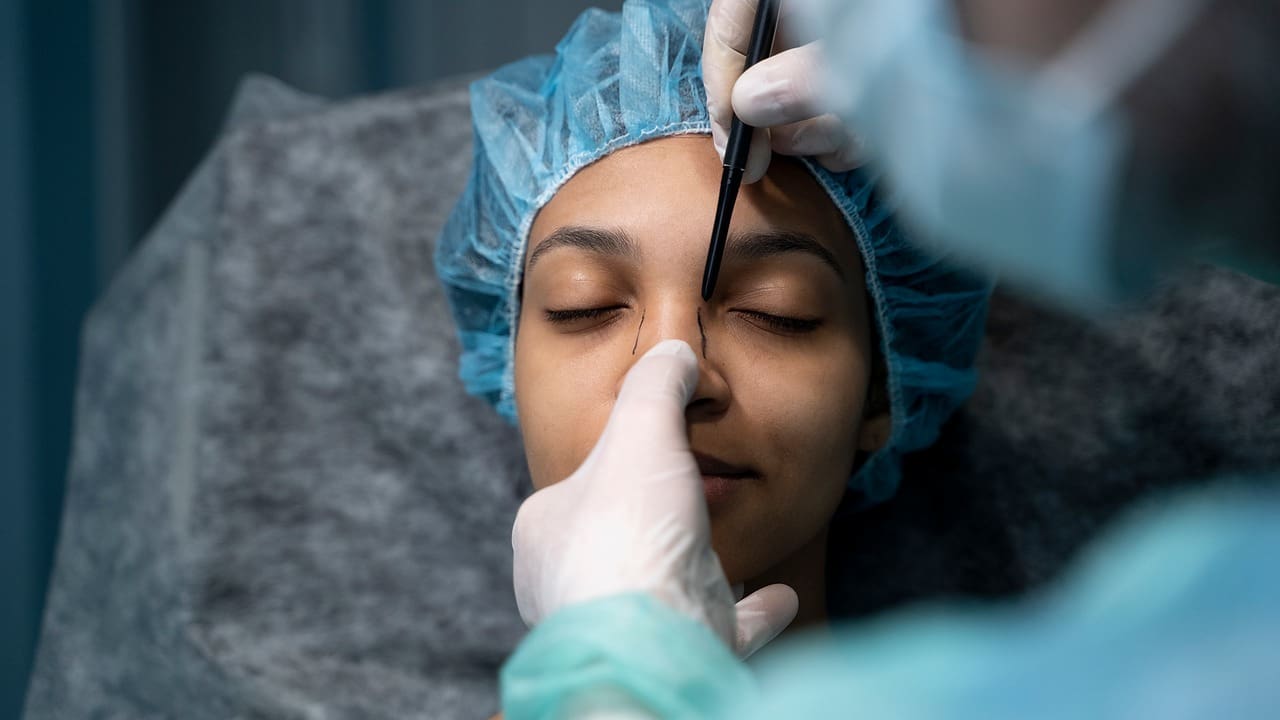
Getting a diagnosis of basal cell carcinoma on the nose can be scary. It affects both your health and looks. At Liv Hospital, we use the latest Mohs surgery methods. We focus on removing cancer and making sure you look good.
Mohs micrographic surgery is the best way to treat basal cell carcinoma on the nose. It has the highest success rate and keeps healthy skin intact. This makes it perfect for sensitive areas like the nose.
Key Takeaways
- Mohs surgery is the gold standard for treating basal cell carcinoma on the nose.
- It offers the highest cure rates and minimizes tissue loss.
- The procedure is precise, removing cancerous tissue while preserving healthy skin.
- Liv Hospital combines advanced Mohs surgery techniques with a patient-first approach.
- Optimal cosmetic results are a priority alongside effective cancer removal.
Understanding Basal Cell Carcinoma of the Nose
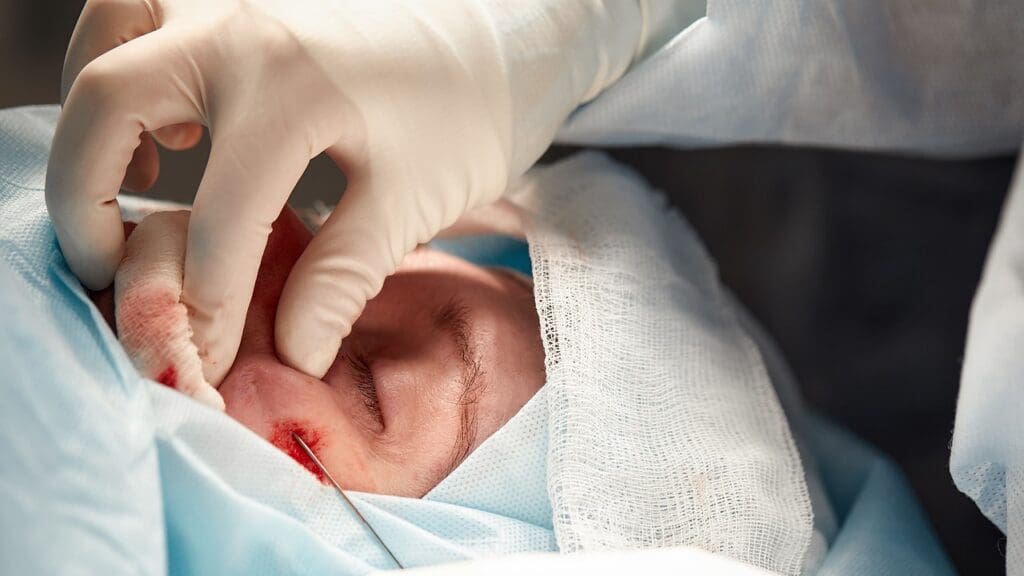
It’s important to know about basal cell carcinoma of the nose for early treatment. This skin cancer is common and can affect how you look and feel. It’s a big worry because of how it can change your appearance and health.
What is Basal Cell Carcinoma?
Basal cell carcinoma starts in the skin’s basal cell layer. It grows slowly and rarely spreads. But, if not treated, it can damage the skin and change how you look, which is a big concern on the nose.
Key characteristics of BCC include:
- Slow growth rate
- Rarely metastasizes
- Can cause local tissue destruction
- More common in sun-exposed areas
Why the Nose is a Common Site for BCC
The nose gets a lot of sun, which is why BCC often happens there. Its position on the face makes it more likely to get sun damage. This increases the risk of getting BCC.
Risk Factors for Developing Nasal BCC
There are several reasons why BCC might show up on the nose. These include:
- Prolonged Sun Exposure: UV radiation is a big risk for BCC. People who are outside a lot, during the hottest sun hours, are at higher risk.
- Fair Skin: Those with light skin, hair, and eyes are more likely to get sun damage.
- Genetic Predisposition: If your family has a history of skin cancer, you might be more likely to get BCC.
- Age: As you get older, the chance of getting BCC goes up, with most cases in people over 50.
Knowing these risk factors helps prevent and catch BCC early. By understanding these risks and taking steps to prevent them, you can lower your chance of getting this common skin cancer.
Recognizing the Signs and Symptoms
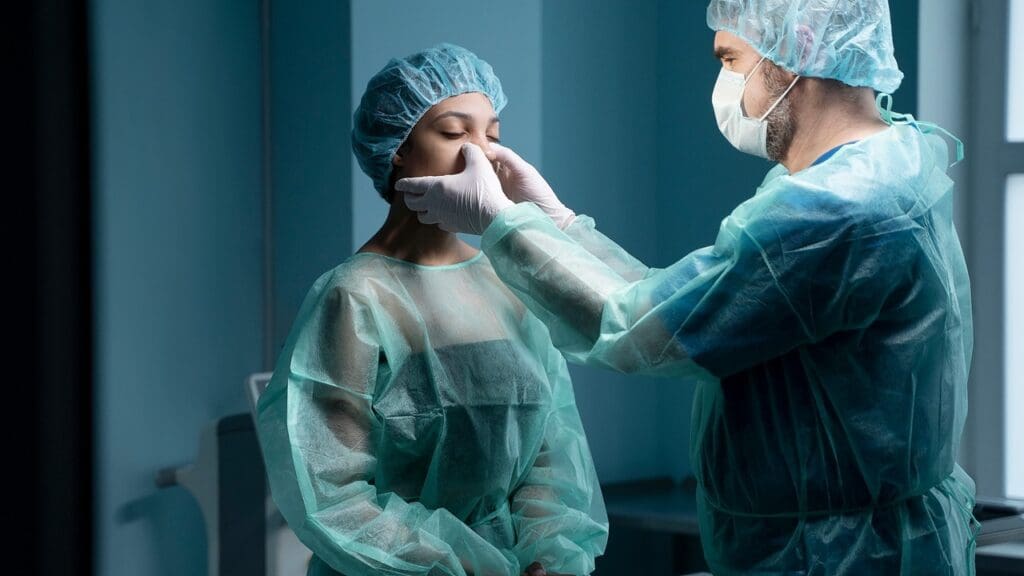
Spotting basal cell carcinoma on the nose early is key to better treatment. Basal cell carcinoma (BCC) is the most common skin cancer. It’s tricky to spot on the nose because of its sensitivity and beauty.
We’ll show you the common signs and symptoms of nasal BCC. This will help you know when to see a doctor. We’ll also explain how to tell it apart from other skin issues.
Common Presentations of Nasal BCC
Nasal BCC can look different, making it hard to spot just by looking. Here are some common ways it shows up:
- A persistent, pearly, or translucent bump
- An open sore that doesn’t heal
- A pink or red patch that’s slightly raised
- A scar-like area that’s white, yellow, or waxy
These spots might bleed or ooze and crust over. It’s important to watch any new or changing skin spots, like on the nose.
When to Seek Medical Attention
If you see any odd or lasting skin changes on your nose, see a dermatologist. Look out for these signs:
- A new growth or sore that doesn’t heal within a few weeks
- A lesion that bleeds, oozes, or crusts
- A change in the size, shape, or color of an existing mole or lesion
A dermatologist can check these signs and decide if a biopsy is needed.
Differentiating BCC from Other Skin Conditions
BCC can look like other harmless skin issues, such as:
| Condition | Characteristics |
|---|---|
| Basal Cell Carcinoma | Persistent, pearly bump; open sore that doesn’t heal |
| Sebaceous Hyperplasia | Yellowish bumps, often on the nose or forehead |
| Benign Nevus | Typically uniform in color, may be raised or flat |
Only a dermatologist can tell BCC apart from other skin problems. They might need to do a biopsy to be sure.
“The key to successful treatment of basal cell carcinoma is early detection. Recognizing the signs and seeking medical attention promptly can significantly impact outcomes.”
Knowing the signs of basal cell carcinoma on the nose helps you catch it early. This can lead to better treatment.
Diagnosis Process for Basal Cell Carcinoma
Getting a correct diagnosis for basal cell carcinoma on the nose is very important. It helps plan the best treatment. This involves looking at the skin, taking biopsies, and sometimes using imaging studies.
Visual Examination
A dermatologist starts by looking closely at the nose. They check the size, shape, color, and texture of the lesion. Early detection is key to stop the cancer from getting worse.
Biopsy Procedures
If the doctor thinks it’s basal cell carcinoma, they’ll do a biopsy next. There are different biopsies, like shave, punch, and excisional biopsies. The choice depends on the tumor’s size, location, and depth. A biopsy is the only way to confirm basal cell carcinoma, by looking at cancer cells under a microscope.
| Biopsy Type | Description | Use Case |
|---|---|---|
| Shave Biopsy | Removes the top layers of the skin | For superficial lesions |
| Punch Biopsy | Removes a small, cylindrical sample of skin | For deeper or larger lesions |
| Excisional Biopsy | Removes the entire lesion | For suspected invasive cancers |
Imaging Studies for Advanced Cases
For big, deep, or recurring basal cell carcinomas, imaging might be needed. MRI or CT scans give detailed pictures. They help plan the best treatment, like Mohs surgery.
Knowing how big the tumor is helps pick the right treatment. Doctors use visual checks, biopsies, and imaging to plan the best care for each patient.
Treatment Options for Basal Cell Carcinoma on the Nose
Understanding the treatments for basal cell carcinoma on the nose is key. The right treatment depends on the tumor’s size, location, and how aggressive it is. It also depends on the patient’s health and what they prefer.
Non-Surgical Approaches
Some patients might find non-surgical treatments a good option. These include:
- Topical creams or gels that can help destroy cancer cells
- Photodynamic therapy, which uses a light-sensitive medication and a specific wavelength of light to target cancer cells
- Cryotherapy, which involves freezing the cancer cells
These methods work well for early-stage or superficial BCC. But, they might not be right for more advanced cases or tumors in sensitive areas like the nose.
Conventional Surgical Excision
Conventional surgical excision removes the tumor and some healthy tissue around it. It’s a common method but might not be the best for tumors on the nose. This is because it can lead to a lot of tissue loss and scarring.
We often suggest other methods for sensitive areas. This helps keep the area looking and working well.
Why Mohs Surgery is Preferred for Nasal BCC
Mohs micrographic surgery is the top choice for basal cell carcinoma on the nose. It has a very high cure rate and helps keep tissue loss to a minimum. Mohs surgery can cure up to 99% of primary BCC tumors on the nose, making it perfect for this delicate area.
Key Benefits of Mohs Surgery:
| Benefit | Description |
|---|---|
| High Cure Rate | Up to 99% for primary BCC tumors |
| Tissue Sparing | Precise removal of tumor tissue, preserving healthy tissue |
| Cosmetic Outcomes | Better preservation of the natural appearance of the nose |
Mohs surgery has big advantages for patients with basal cell carcinoma on the nose. Its high cure rate and ability to save tissue make it great for areas that need to look good.
What is Mohs Micrographic Surgery?
Mohs micrographic surgery is a detailed surgical method for treating skin cancer. It’s very good for tumors in places like the nose. This method removes all cancer cells and keeps as much healthy tissue as it can.
History and Development of the Technique
created Mohs micrographic surgery in the 1930s. It has become a top choice for treating skin cancer, like basal cell carcinoma (BCC) on the nose. The surgery removes thin layers of skin cancer and checks them under a microscope until all cancer is gone.
The Science Behind Mohs Surgery
Mohs surgery is known for its careful process. The surgeon removes a layer of tissue, maps it, divides it, and checks it under a microscope. If cancer is found, they remove more tissue until it’s clear. This way, they make sure all cancer is removed during the surgery.
“Mohs surgery is very good because it checks if all cancer is removed right away. This means it can cure most tumors while keeping healthy tissue intact.”
Success Rates and Benefits for Facial Tumors
Mohs micrographic surgery works well for facial tumors like BCC on the nose. It has a cure rate of about 99% for primary BCC. This makes it a great choice for treating tumors on the face.
Choosing Mohs surgery for basal cell carcinoma on the nose means getting a treatment that works well and looks good. It’s a favorite among dermatologists and their patients.
Choosing a Qualified Mohs Surgeon
Choosing the right Mohs surgeon is key for nose basal cell carcinoma removal. It affects the surgery’s success and how it looks. Mohs surgery needs precision, skill, and experience, more so for the nose.
Credentials to Look For
When picking a Mohs surgeon, check their credentials. Look for a surgeon who:
- Has fellowship training in Mohs surgery
- Is certified by the American Society for Mohs Surgery
- Has handled complex nose cases before
A good Mohs surgeon also has a strong background in dermatology or related fields. Checking a surgeon’s credentials is the first step to a good outcome.
| Credential | Description | Importance |
|---|---|---|
| Fellowship Training in Mohs Surgery | Advanced training in Mohs technique | High |
| Certification by the American Society for Mohs Surgery | Validation of expertise in Mohs surgery | High |
| Experience with Nasal BCC Cases | Proven track record in handling complex nasal BCC cases | High |
Questions to Ask During Consultation
Ask important questions during your first meeting. This will help you understand the surgeon’s skills and approach:
- What experience do you have with Mohs surgery on the nose?
- Can you show me before-and-after photos of similar cases?
- What are the possible complications, and how are they managed?
- How do you plan to reconstruct my nose after surgery?
These questions will help you see if the surgeon is right for your case.
The Importance of Experience with Nasal Reconstruction
Nasal reconstruction after Mohs surgery is very important. A skilled surgeon can greatly improve how your nose looks after surgery. Look for surgeons with a good track record in nasal reconstruction.
By picking a Mohs surgeon with experience in nasal reconstruction, you can get a successful surgery and a good-looking nose.
Basal Cell Carcinoma Removal on Nose: The Preparation Phase
Getting ready for Mohs surgery is key for a good outcome on the nose. Good preparation makes the surgery go well and keeps the patient comfortable and informed.
Pre-Surgical Consultations
We have detailed talks before surgery to answer any questions. We explain the surgery, what to expect, and what to do before it.
Key aspects covered during pre-surgical consultations include:
- Understanding the Mohs surgery procedure
- Discussing the patient’s medical history and current medications
- Explaining the importance of post-operative care
- Addressing any patient concerns or questions
Medication Considerations
Some medicines can change how surgery goes or how you heal. We ask patients to tell us about all their medicines, including blood thinners and supplements.
| Medication Type | Action Required |
|---|---|
| Blood Thinners | May need to be stopped temporarily before surgery |
| Diabetes Medications | Dosage adjustment may be necessary |
| Herbal Supplements | Should be stopped at least 2 weeks prior to surgery |
Day-Before Preparations
The day before surgery, we give specific instructions. These help you get ready well.
- Avoiding certain foods or drinks
- Showering with a special soap to reduce infection risk
- Arranging for someone to drive them home after the procedure
By following these steps, patients can help ensure a smooth and successful surgical process. We are committed to providing complete care and support from the start.
The Mohs Surgery Procedure Step-by-Step
Learning about Mohs surgery can help ease worries. It’s a detailed method for removing basal cell carcinoma, like on the nose. We’ll walk you through from the start to the end.
Initial Tumor Removal
The first step is removing the tumor and a thin layer of tissue around it. This step is key for the next steps. The area is numbed to make it less painful.
Tissue Mapping and Processing
Next, the removed tissue is mapped and cut into sections. These are then made into slides for a close look. This careful work makes sure all edges are checked well.
Microscopic Examination
The slides are then looked at under a microscope. This is vital to find and remove all cancer cells. If cancer is found, the surgeon marks it on the map.
Subsequent Layers Removal if Necessary
If cancer is seen, more tissue is removed from where it was found. This keeps going until no cancer is left. The aim is to get rid of all cancer while keeping healthy tissue.
Mohs surgery is great for basal cell carcinoma on the nose. It has a high success rate and saves healthy tissue. Knowing the steps helps patients see the care and precision in Mohs surgery.
Anesthesia Options During BCC Surgery on Nose
It’s important for patients to know about anesthesia options for Mohs surgery on the nose. Good pain management is key for comfort during the surgery.
Local Anesthesia Techniques
Local anesthesia is often used for Mohs surgery. It numbs the area where the surgery is done, making it less painful. Local anesthetics like lidocaine are typically used, giving effective pain relief without making the patient sleepy.
These techniques let doctors control the area being treated well. This reduces risks and helps in a smoother recovery.
Sedation Options for Anxious Patients
For those who get anxious during medical procedures, sedation is an option. Conscious sedation is a popular choice. It keeps patients awake but relaxed during surgery.
Sedation can be given orally or through an IV, based on the patient’s needs and the doctor’s choice.
Pain Management During the Procedure
Pain management is a big focus during Mohs surgery. Our team makes sure patients get the best anesthesia and sedation to reduce pain.
Using local anesthesia and sedation together is the best way to manage pain. This ensures patients are comfortable during Mohs surgery for basal cell carcinoma.
| Anesthesia Type | Description | Benefits |
|---|---|---|
| Local Anesthesia | Numbing the specific area of surgery | Precise pain control, minimal risk |
| Conscious Sedation | Relaxing the patient while remaining awake | Reduces anxiety, comfortable experience |
Reconstruction After Mohs Surgery for Basal Cell Carcinoma on Nose
The reconstruction process after Mohs surgery is key for the best look and function. It’s a vital step to make the nose look and work like before after removing basal cell carcinoma.
Assessment of the Surgical Defect
After removing the basal cell carcinoma, we check the surgical area carefully. We look at the size, location, and depth of the area to choose the right reconstruction. We also think about the patient’s health and what they want.
The size and where the defect is matter a lot. For example, big defects in places people can see or those that lose a lot of tissue might need more complex ways to fix them.
Local Flap Techniques
Local flap techniques are common for fixing nasal defects after Mohs surgery. These methods move tissue from nearby to the defect, making it look more natural and reducing scars.
There are many local flap techniques, like rotation, advancement, and transposition flaps. The right one depends on the defect’s details and the tissue around it.
Skin Grafting Options
Skin grafting is another option after Mohs surgery. It takes healthy skin from one place and puts it on the defect.
Skin grafting works well for big defects or when other methods can’t be used. Its success depends on the graft’s thickness, the area it’s going to, and how well it’s cared for after.
We decide if skin grafting is right for each patient. We look at skin texture, color, and how much scarring might happen at both the donor and recipient sites.
Immediate Post-Operative Care
After Mohs surgery, it’s key to follow the right care steps. This helps avoid problems and makes recovery smoother. The right care can greatly affect how well you heal and the surgery’s success.
Wound Care Instructions
We give our patients clear instructions on wound care after Mohs surgery. It’s important to keep the wound clean and dry. Wash the area with mild soap and water, then apply antibiotic ointment to aid healing.
Changing the dressing as told is also vital to avoid infection.
Pain Management
Managing pain well is a big part of post-op care. We guide patients on using pain meds, starting with over-the-counter ones unless told differently. It’s important to stick to the dosage and not take more than advised.
Activity Restrictions
Some activities should be skipped right after surgery. We advise against doing strenuous tasks, lifting heavy, or bending. Also, avoid rubbing or scratching the surgical area.
When to Contact Your Surgeon
Knowing when to call for help is important. We tell patients to reach out if they see more pain, swelling, redness, or signs of infection like fever or pus. Any odd symptoms or worries should be shared right away.
By sticking to these tips, patients can lower the chance of problems and help their healing after Mohs surgery for basal cell carcinoma on the nose.
Recovery Timeline After Nose Skin Cancer Surgery
Patients often wonder what to expect after nose skin cancer surgery. Knowing the recovery timeline helps plan and manage expectations. Most people can get back to normal in a few weeks.
First Week Post-Surgery
The first week is key after Mohs surgery for basal cell carcinoma on the nose. Swelling, bruising, and discomfort are common. Keeping the head up and using ice packs helps reduce swelling.
Pain management comes from prescribed meds. It’s vital to follow wound care instructions to avoid infection.
Weeks 2-4 Recovery Milestones
In weeks 2-4, swelling and bruising lessen, and the wound starts to heal. Patients may see the first signs of reconstruction. We advise:
- Continue following wound care instructions
- Avoid strenuous activities that could disrupt the healing process
- Attend follow-up appointments to monitor the healing progress
Most can go back to work and do light activities during this time.
Long-Term Healing Process
The healing process after nose skin cancer surgery takes months. The scar will improve over time. We recommend:
- Protecting the scar from sun exposure
- Using scar creams or gels as recommended by the surgeon
- Massaging the area gently to promote healing
Scars go through stages like redness and firmness before fading.
Return to Normal Activities
Most can return to normal activities in 4-6 weeks. But, full recovery and scar maturation can take up to a year. Patience and following post-operative instructions are key for optimal healing.
In conclusion, knowing the recovery timeline helps manage expectations and plan recovery. By following care instructions and attending follow-ups, patients can get the best results.
Potential Complications and How to Address Them
It’s important to know the possible problems with Mohs surgery. This surgery is very good at removing basal cell carcinoma, even in tricky spots like the nose. But, it’s not without risks.
Infection Prevention and Treatment
Infection can happen after Mohs surgery. We take several precautions to lower this risk. We use clean equipment and antibiotics when needed.
- Keep the wound clean and dry
- Follow post-operative instructions carefully
- Monitor for signs of infection, such as redness, swelling, or increased pain
If an infection does happen, prompt treatment with antibiotics is usually the answer.
| Signs of Infection | Action to Take |
|---|---|
| Redness, swelling, increased pain | Contact your surgeon immediately |
| Fever, chills | Seek medical attention |
Bleeding and Hematoma Management
Bleeding and hematoma (a blood collection outside of blood vessels) can be problems. Applying pressure to the wound right after surgery can help stop bleeding.
If bleeding or hematoma happens, prompt action might be needed. This could mean draining the hematoma or stopping the bleeding.
Scarring Concerns
Scarring is a worry for many after Mohs surgery. We use techniques to lessen scarring. This includes careful wound closure and sometimes skin grafts or flaps.
Talking about scar revision options with your surgeon can offer more peace of mind.
Functional Impairments
Mohs surgery on the nose might lead to breathing problems. Careful planning and reconstruction methods are used to reduce these risks.
If breathing problems occur, further evaluation and treatment might be needed to get function back.
Aesthetic Outcomes After BCC Removal on Nose
Mohs surgery for basal cell carcinoma on the nose aims to remove the cancer and look good. Patients worry a lot about how they will look after the surgery.
Realistic Expectations
It’s important to have realistic hopes for how you’ll look. The nose’s shape and the size of the tumor can affect how you look. We talk to our patients about these things so they know what to expect.
Scar Revision Options
Scar revision might be needed to get the best look. There are many ways to fix scars, like laser treatments, dermabrasion, and surgery. The right method depends on the scar and your skin.
| Scar Revision Technique | Description | Best For |
|---|---|---|
| Laser Treatments | Using laser technology to improve scar appearance | Red, raised scars |
| Dermabrasion | Abrasion of the skin to resurface the scar | Depressed or uneven scars |
| Surgical Revision | Surgical alteration of the scar tissue | Wide or complex scars |
Secondary Procedures for Optimal Results
At times, more surgery might be needed to make you look even better. This could include changing the scar or using other techniques to fix the nose.
Before and After Considerations
Showing before and after pictures is key to understanding the results. We want our patients to share their hopes and worries about how they’ll look.
We aim to remove the cancer and keep your nose looking good. This way, we help our patients get the best results from Mohs surgery on the nose.
Recent Advancements in Mohs Surgery Techniques
Recent changes in Mohs surgery have greatly improved how we treat skin cancer, like on the nose. These changes make Mohs surgery more precise and effective.
3D-controlled micrographic surgery is a big step forward. It lets doctors see the tumor’s edges in detail. This ensures all bad cells are taken out while keeping healthy tissue.
3D-Controlled Micrographic Surgery
3D-controlled micrographic surgery is a major improvement in Mohs surgery. It uses new imaging to show tumors in 3D. This helps doctors remove cancer more accurately.
The good things about 3D-controlled micrographic surgery are:
- It’s more accurate in removing tumors
- It lowers the chance of cancer coming back
- It helps keep more healthy tissue
Technological Innovations in Tissue Processing
New tech has changed how we process tissue in Mohs surgery. Better lab tools and methods mean faster and more accurate tissue checks. This helps doctors make better choices during surgery.
| Innovation | Description | Benefit |
|---|---|---|
| Automated Tissue Staining | Faster and more consistent staining of tissue samples | Improved accuracy in tumor margin assessment |
| Digital Pathology | Electronic examination of tissue samples | Enhanced collaboration and consultation among specialists |
Improved Reconstruction Methods
Rebuilding after Mohs surgery has also gotten better. Doctors now use advanced methods to fix the area. This makes it look and work better.
Some new ways to rebuild include:
- Advanced flap techniques that reduce scars
- Skin grafting with cultured skin
- Less invasive methods for quicker healing
These new Mohs surgery methods are changing patient care. They lead to better results and happier patients. We keep working to give our patients the best care.
Follow-Up Care and Skin Cancer Surveillance
After Mohs surgery, it’s important to have a follow-up care plan. This plan helps watch for basal cell carcinoma recurrence and any other concerns. Regular check-ups are key to keeping your skin healthy and catching problems early.
Recommended Follow-Up Schedule
Right after Mohs surgery, we suggest a follow-up schedule. The schedule depends on your risk factors and the surgery details.
- First year: Every 3-4 months
- Second year: Every 6 months
- Subsequent years: Annually, or as directed by your dermatologist
These visits help us check the surgical site for any signs of recurrence or new skin cancers.
Self-Examination Techniques
Checking your skin yourself is a big part of skin cancer surveillance. We encourage you to get to know your skin and check it regularly. Here’s how:
- Examine your skin in a well-lit room, using a full-length mirror and a hand-held mirror.
- Check all areas of your body, including hard-to-see places like the back of your neck and the tops of your ears.
- Look for new growths, changes in existing moles, or other abnormalities.
- Take note of any suspicious findings and report them to your dermatologist.
Long-Term Sun Protection Strategies
Keeping your skin safe from the sun is key to preventing future skin cancers. Here are some long-term sun protection strategies:
| Strategy | Description |
|---|---|
| Use Broad-Spectrum Sunscreen | Apply SPF 30 or higher daily, even on cloudy days |
| Wear Protective Clothing | Choose clothing with a UPF rating for added protection |
| Seek Shade | Whenever possible, during peak sun hours (10am-4pm) |
| Avoid Tanning Beds | They increase the risk of skin cancer and are not a safe alternative to natural sun exposure |
Monitoring for Recurrence
Watching for recurrence is a big part of follow-up care. We work with our patients to teach them the signs of recurrence and when to seek medical help. Regular check-ups and self-exams are key for early detection.
By following these guidelines and keeping up with regular follow-up care, we can ensure the best outcomes for our patients after Mohs surgery.
Conclusion
We’ve looked into how to diagnose and treat basal cell carcinoma (BCC) on the nose. We found that Mohs micrographic surgery is very effective. It has high cure rates and great results for the nose’s appearance.
Mohs surgery removes tissue carefully and checks it closely. This makes sure all cancer cells are gone while keeping healthy tissue. It helps avoid coming back and looks better too.
Choosing a skilled Mohs surgeon for nose skin cancer surgery is key. They need to know how to fix the nose after surgery. Getting the right treatment and follow-up care is vital for good results.
Knowing about Mohs surgery helps patients make smart choices. Remember to always protect your skin from the sun and go for regular check-ups. This helps catch any problems early and keeps you safe.
FAQ
What is basal cell carcinoma on the nose?
Basal cell carcinoma on the nose is a common skin cancer. It happens on the nose from too much sun. It looks like a pearly or translucent bump.
Why is Mohs surgery preferred for treating basal cell carcinoma on the nose?
Mohs surgery is top choice for the nose because it’s very effective. It also keeps more of the tissue, which is good for looks.
How is basal cell carcinoma diagnosed on the nose?
A doctor checks the nose first. Then, they take a biopsy to confirm cancer cells.
What are the risk factors for developing basal cell carcinoma on the nose?
Too much sun, fair skin, and family history increase risk. These are the main factors.
What are the common presentations of nasal basal cell carcinoma?
It shows as a pearly or translucent bump. Seeing a doctor is key if you notice this.
How do I prepare for Mohs surgery to remove basal cell carcinoma on the nose?
Get ready by going to pre-surgery talks. Tell your surgeon about your meds. Follow the day-before instructions.
What is the recovery timeline after nose skin cancer surgery?
Healing starts quickly, usually in the first week. It gets better over the next few weeks.
What are the possible complications after Mohs surgery, and how can they be addressed?
Complications like infection and scarring can happen. Proper care and follow-up help manage these issues.
How can I minimize scarring after basal cell carcinoma removal on the nose?
Follow care instructions and go to follow-ups. Scar revision might be needed if scarring is a problem.
What are the recent advancements in Mohs surgery techniques?
New tech like 3D surgery and better tissue processing help. These advancements lead to better results and happier patients.
How often should I follow up after Mohs surgery for basal cell carcinoma on the nose?
Follow-up visits are key. They help catch any signs of cancer coming back. Regular self-exams are also important.
Can basal cell carcinoma on the nose recur after Mohs surgery?
Mohs surgery is very effective, but there’s a small chance of cancer coming back. Regular check-ups and self-exams are vital.
What is basal cell carcinoma on the nose?
Basal cell carcinoma on the nose is a common skin cancer. It happens on the nose from too much sun. It looks like a pearly or translucent bump.
Why is Mohs surgery preferred for treating basal cell carcinoma on the nose?
Mohs surgery is top choice for the nose because it’s very effective. It also keeps more of the tissue, which is good for looks.
How is basal cell carcinoma diagnosed on the nose?
A doctor checks the nose first. Then, they take a biopsy to confirm cancer cells.
What are the risk factors for developing basal cell carcinoma on the nose?
Too much sun, fair skin, and family history increase risk. These are the main factors.
What are the common presentations of nasal basal cell carcinoma?
It shows as a pearly or translucent bump. Seeing a doctor is key if you notice this.
How do I prepare for Mohs surgery to remove basal cell carcinoma on the nose?
Get ready by going to pre-surgery talks. Tell your surgeon about your meds. Follow the day-before instructions.
What is the recovery timeline after nose skin cancer surgery?
Healing starts quickly, usually in the first week. It gets better over the next few weeks.
What are the possible complications after Mohs surgery, and how can they be addressed?
Complications like infection and scarring can happen. Proper care and follow-up help manage these issues.
How can I minimize scarring after basal cell carcinoma removal on the nose?
Follow care instructions and go to follow-ups. Scar revision might be needed if scarring is a problem.
What are the recent advancements in Mohs surgery techniques?
New tech like 3D surgery and better tissue processing help. These advancements lead to better results and happier patients.
How often should I follow up after Mohs surgery for basal cell carcinoma on the nose?
Follow-up visits are key. They help catch any signs of cancer coming back. Regular self-exams are also important.
Can basal cell carcinoma on the nose recur after Mohs surgery?
Mohs surgery is very effective, but there’s a small chance of cancer coming back. Regular check-ups and self-exams are vital.