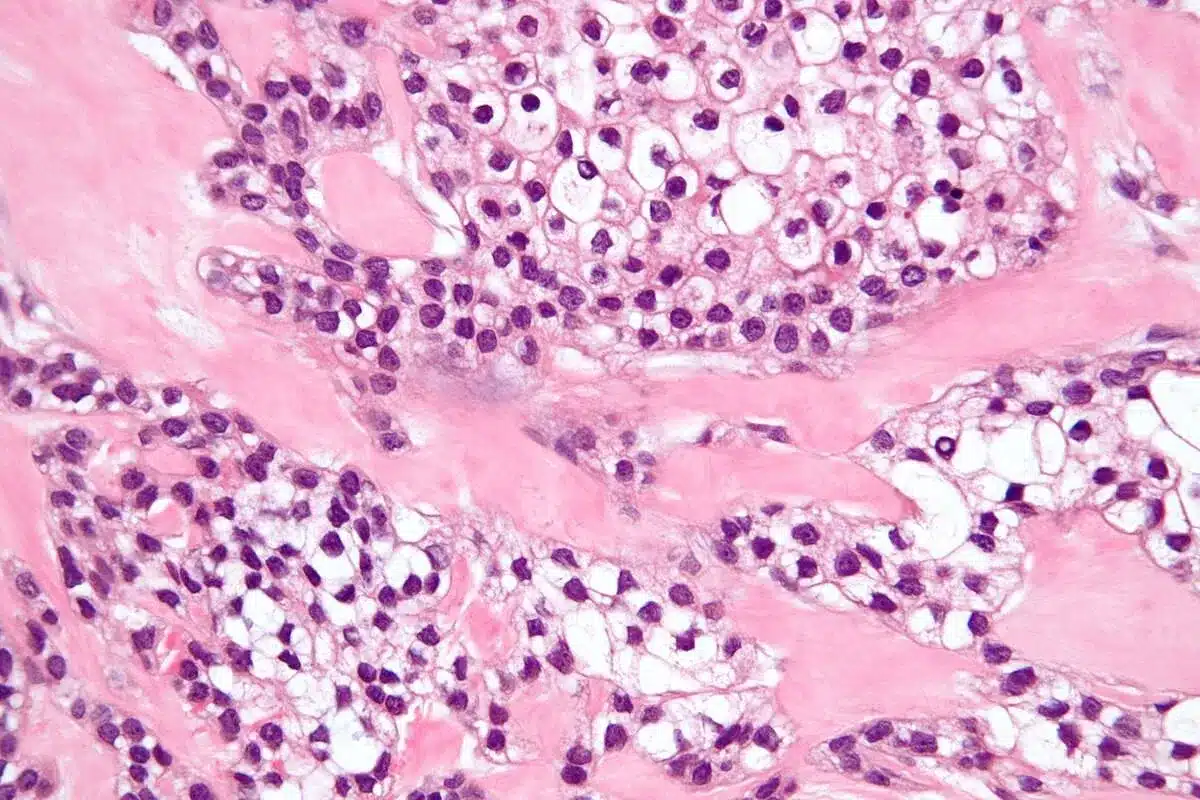
is the most common skin cancer. Its removal is usually simple and has high success rates when caught early. We’ll walk you through the steps to remove BCC, covering different treatment options and what to expect during the process.
Early detection is key for effective treatment. For skin cancer removal, doctors use surgical excision, Mohs micrographic surgery, and topical treatments. At Liv Hospital, we focus on both curing the cancer and improving your quality of life, ensuring top-notch care.
Knowing the step-by-step process for skin cancer removal helps you make better choices about your care. We’ll look at the various removal methods and discuss what affects the treatment choice.
Key Takeaways
- Early detection is vital for effective BCC treatment.
- Many treatment options are available, including surgical and non-surgical methods.
- Liv Hospital aims for both cure and quality of life.
- Understanding the removal process empowers patients to make informed decisions.
- International care standards are met at Liv Hospital.
Understanding Basal Cell Carcinoma
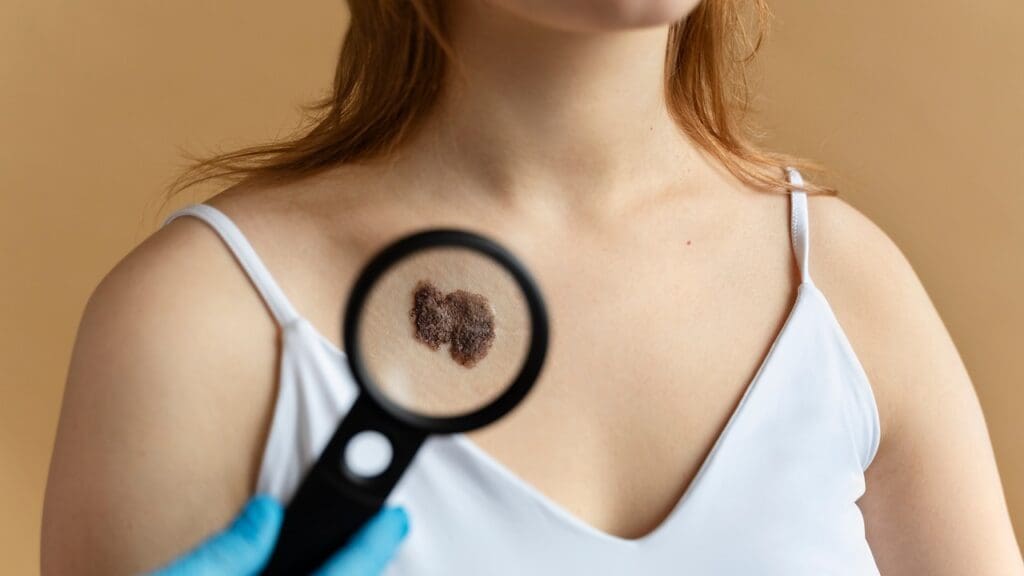
Basal cell carcinoma is the most common skin cancer, affecting millions globally. It’s important to know its causes and symptoms. We aim to give a detailed overview to help patients make informed treatment choices.
What is Basal Cell Carcinoma?
starts in the skin’s basal cell layer. It grows abnormally and can spread if not treated. The most common areas affected are those exposed to the sun, such as the face, ears, and neck. Knowing about BCC helps with early detection and treatment.
Common Causes and Risk Factors
Many factors lead to basal cell carcinoma. Exposure to ultraviolet (UV) radiation from the sun or tanning beds is a big risk. Other factors include:
- Fair skin that burns easily
- History of sunburns, specially during childhood
- Family history of skin cancer
- Previous radiation therapy
- Exposure to certain chemicals like arsenic
Knowing these risk factors helps prevent and seek medical help for skin changes.
Signs and Symptoms to Watch For
Early detection of basal cell carcinoma is key. Look out for:
| Signs and Symptoms | Description |
|---|---|
| New growths or sores | Lesions that don’t heal or persist |
| Shiny bumps or nodules | Flesh-colored or pink, possibly with a depression in the center |
| Pink or red patches | Scaly or crusty patches that may bleed |
“Early detection is key to treating basal cell carcinoma well. Regular skin checks and knowing the signs can improve treatment results.”
Being aware of these signs can lead to early diagnosis and treatment.
Diagnosis and Pre-Treatment Evaluation
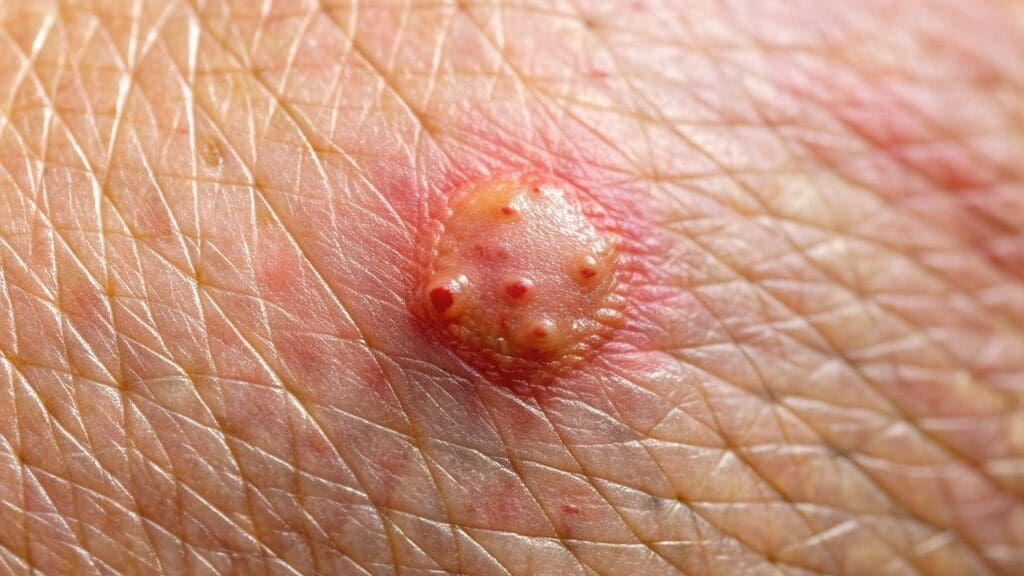
Getting a correct diagnosis is key to treating basal cell carcinoma well. We know diagnosing this condition takes several important steps. This ensures patients get the right care.
Initial Skin Examination
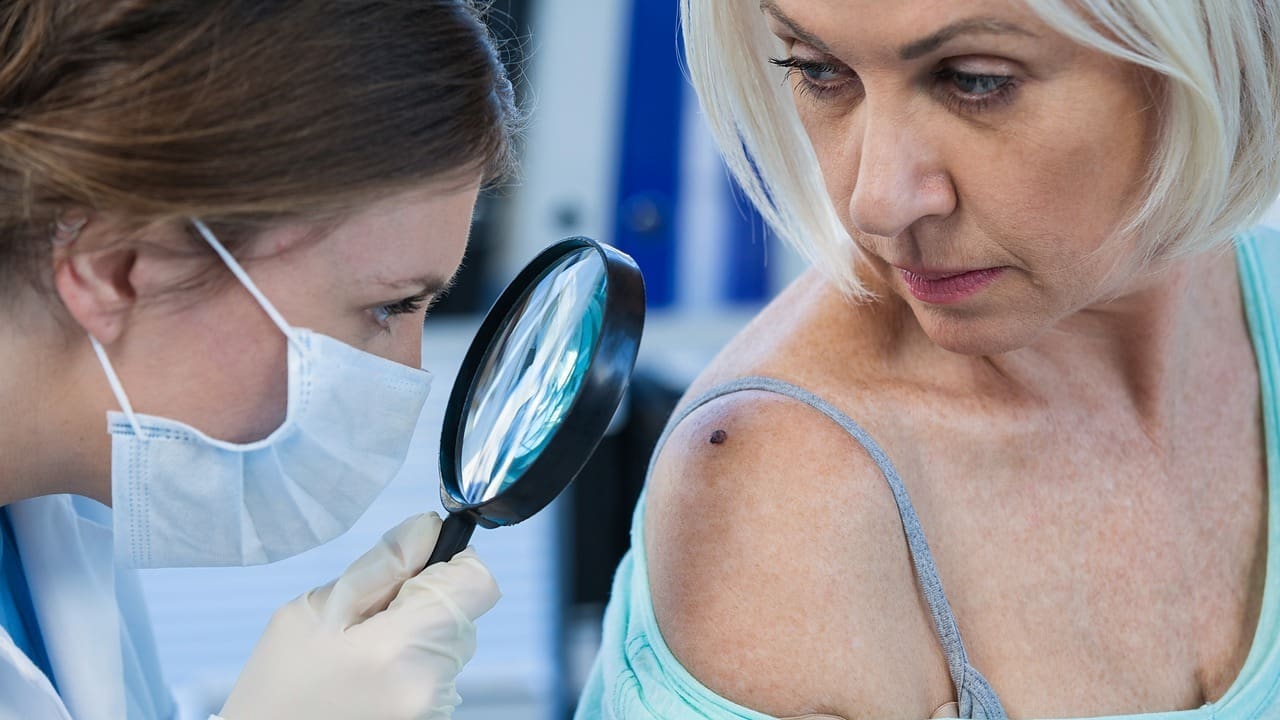
The first step is a detailed initial skin examination. We look closely at the skin lesion. We check its size, shape, color, and texture. This helps us spot basal cell carcinoma and decide if more tests are needed.
Biopsy Procedures
If the first check shows basal cell carcinoma, we do biopsy procedures to confirm. There are different biopsies, like shave, punch, and excisional biopsies. The right one depends on the lesion’s size and where it is.
Biopsy not only confirms cancer but also tells us what type it is. This is key for planning treatment.
Determining Cancer Stage and Extent
After confirming basal cell carcinoma, we figure out its cancer stage and extent. We look at the tumor’s size, depth, and if it’s spread. Knowing this helps us choose the best treatment and predict how well it will work.
| Cancer Stage | Description | Typical Treatment Approach |
|---|---|---|
| Early-stage | Small, localized tumor | Surgical excision or Mohs surgery |
| Advanced-stage | Larger tumor or spread to surrounding tissues | More extensive surgery, possibly combined with other treatments like radiation therapy |
Knowing the stage and extent of basal cell carcinoma helps us make a treatment plan just for the patient. This way, we can ensure the best results.
Basal Cell Cancer Removal: Treatment Options Overview
Understanding the treatment options for basal cell cancer is key. Basal cell carcinoma is the most common skin cancer. It needs a treatment plan that fits the tumor’s size, location, and depth, and the patient’s health and wishes.
Factors Influencing Treatment Selection
Many factors decide the treatment for basal cell carcinoma. Tumor characteristics like size, location, and type are important. For example, tumors on the face might need Mohs surgery to save the skin around them.
Also, the patient’s health, skin type, and what they prefer also matter. We use these to pick the best treatment for you.
Comparing Effectiveness of Different Methods
There are many ways to treat basal cell carcinoma. These include surgical excision, Mohs surgery, curettage and electrodessication, laser therapy, topical treatments, and radiation therapy. Each has its own use, benefits, and possible downsides.
Mohs surgery is great for tumors in sensitive or important areas, with high success rates. Surgical excision is simple and works well for many cases, balancing effectiveness and looks.
What to Expect During Consultation
At your consultation, we’ll check your basal cell carcinoma and talk about the best treatments. This is your chance to ask questions and understand your treatment plan.
We’ll explain the treatment fully, from preparation to aftercare. We want you to know everything and feel comfortable with your plan.
Preparing for Your Procedure
Getting ready is important for a good outcome. We’ll tell you how to prepare, like avoiding certain medicines and arranging for care after the procedure.
Knowing what to expect and how to prepare helps reduce stress and makes recovery easier. Our team is here to support you every step of the way.
Surgical Excision Procedure
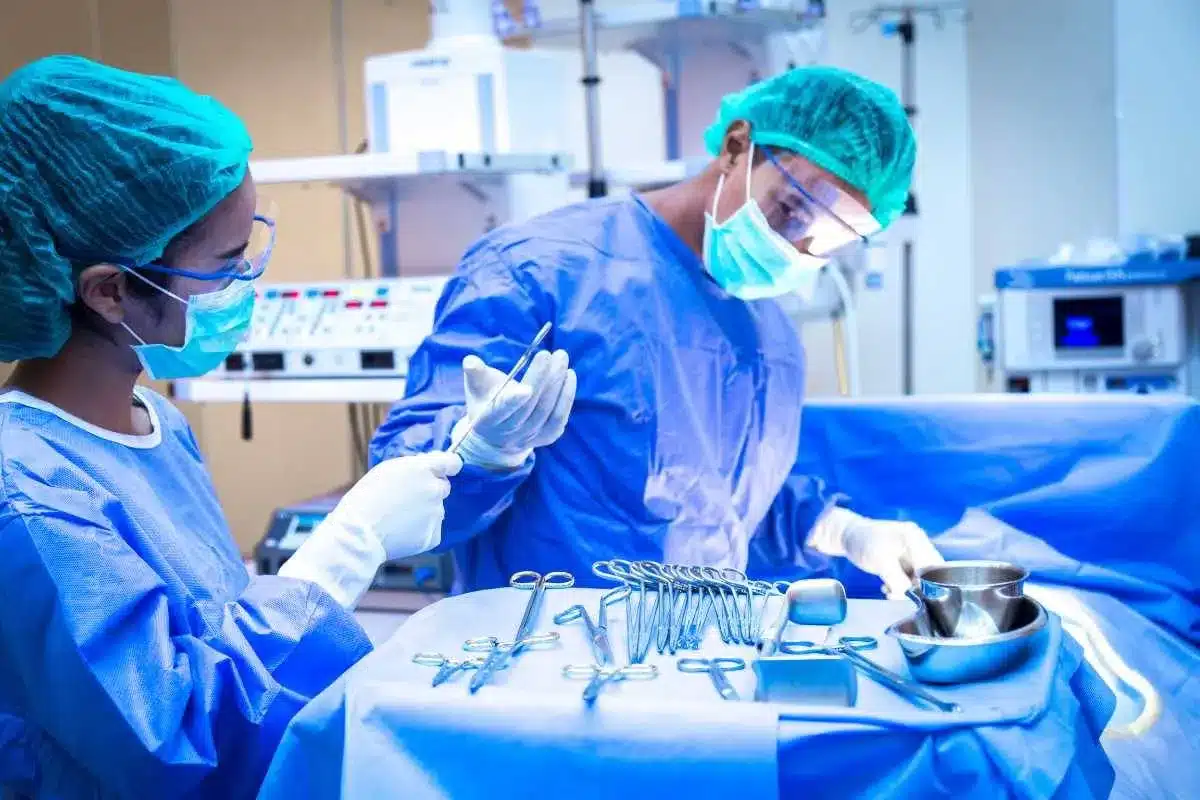
The surgical excision procedure is a common and effective way to treat basal cell carcinoma. This method involves removing the tumor along with a margin of healthy tissue. This ensures that all cancer cells are eliminated.
Preparation and Local Anesthesia
Before the surgical excision begins, we prepare the patient. We administer local anesthesia to numb the area around the tumor. This step is key to ensuring the patient’s comfort during the procedure.
We also clean and mark the area to be excised. This ensures precision and accuracy.
Key preparation steps include:
- Administering local anesthesia
- Cleaning the area around the tumor
- Marking the excision margins
The Step-by-Step Excision Process
Once the area is prepared, we start the surgical excision. We carefully remove the tumor and a margin of healthy tissue. The excised tissue is then sent for pathological examination.
The excision process is meticulous, ensuring that:
- The tumor is removed completely
- A margin of healthy tissue is included to ensure clear margins
- The excised tissue is examined pathologically
Wound Closure Techniques
After removing the tumor, we focus on wound closure. The technique used depends on the size and location of the excision. For smaller wounds, simple closures are used. Larger wounds may require more complex techniques like flaps or grafts.
| Wound Size | Closure Technique | Advantages |
|---|---|---|
| Small | Simple Closure | Minimal scarring, quick recovery |
| Medium to Large | Flap or Graft | Covers larger areas, promotes healing |
Recovery and Aftercare
Post-surgical recovery involves caring for the wound to ensure proper healing. We provide detailed instructions on wound care, managing pain, and recognizing signs of complications. Follow-up appointments are scheduled to monitor the healing process and remove any sutures.
Aftercare tips include:
- Keeping the wound clean and dry
- Avoiding strenuous activities
- Attending follow-up appointments
Mohs Micrographic Surgery for Facial BCC
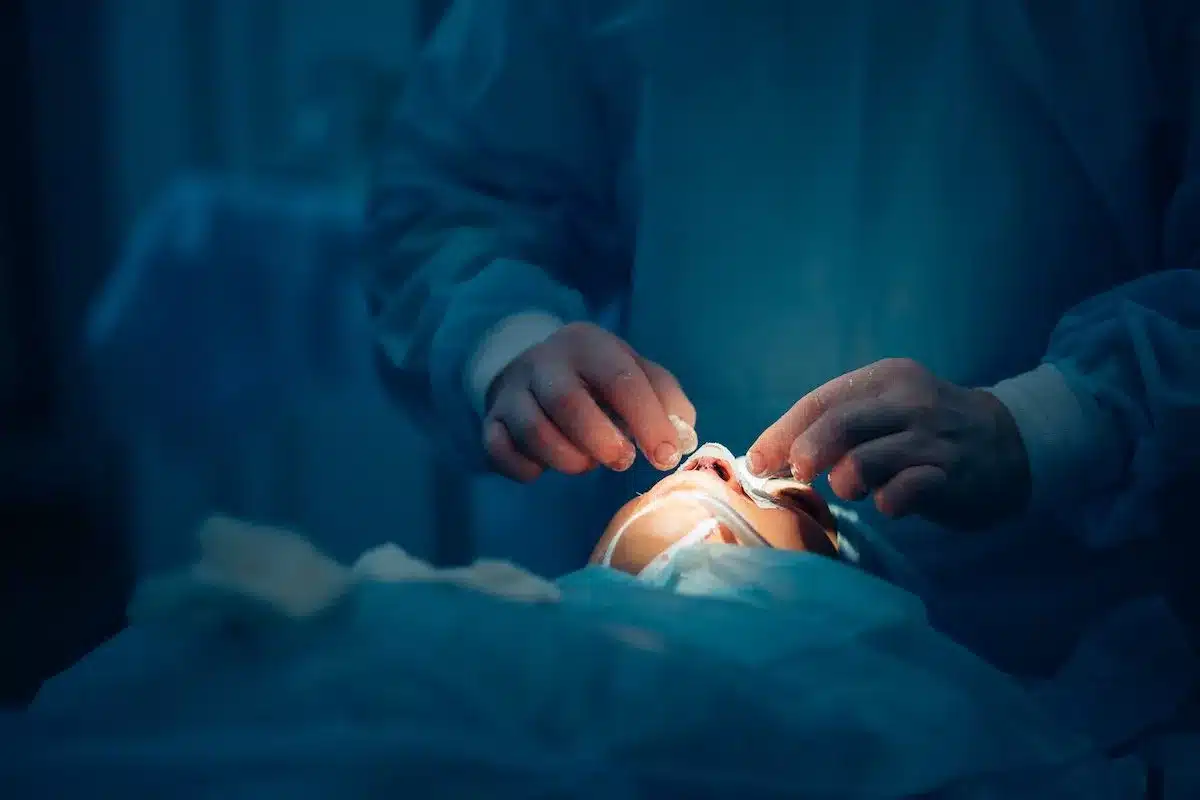
Mohs micrographic surgery is a precise method for removing basal cell carcinoma from the face. It’s great for areas where looks matter a lot, because it saves healthy tissue.
Why Mohs Surgery is Preferred for Facial Lesions
Mohs surgery is top choice for face BCC because it works well and saves tissue. Clinical guidelines show it’s best for keeping the face looking good.
Key advantages of Mohs surgery for facial BCC include:
- High cure rates, often exceeding 99% for primary tumors
- Minimal loss of healthy tissue, preserving facial aesthetics
- Real-time examination of tissue samples during the procedure
The Layer-by-Layer Removal Process
Mohs surgery removes tissue layer by layer. We check each layer for cancer cells. If we find cancer, we keep removing layers until it’s gone.
Tissue Preservation and Cosmetic Results
Mohs surgery is great at saving healthy tissue. It checks every tumor margin to remove cancer while keeping normal tissue. This leads to smaller wounds and better looks.
| Feature | Mohs Surgery | Traditional Excision |
|---|---|---|
| Tissue Examination | 100% margin examination | Less than 1% margin examination |
| Cure Rate | Up to 99% | Variable, often lower than Mohs |
| Cosmetic Outcome | Generally better due to tissue preservation | Variable, often less optimal |
Recovery Timeline After Mohs Surgery
Recovery from Mohs surgery is fast. Most people can get back to normal in a few days. Following our wound care tips is key for healing.
Choosing Mohs surgery for facial BCC means great results and quick recovery. Our team is here to help every step of the way.
Non-Surgical Treatment Approaches
Today, we have many non-surgical ways to treat basal cell carcinoma. While surgery is common, these non-surgical methods work well for some cases.
Curettage and Electrodessication Technique
This method uses a curette to remove cancerous tissue. Then, an electric current kills any leftover cancer cells. It’s good for small, surface-level basal cell carcinomas.
Benefits: It’s less invasive, quick, and done in an outpatient setting.
Laser Therapy Applications
Laser therapy uses light to kill cancer cells. It’s great for treating small basal cell carcinomas or for those who can’t have surgery.
Advantages: It targets cancer cells well, damages less tissue, and can cause less scarring.
Topical Medications and Immunotherapy
Topical treatments, like imiquimod cream, can treat some basal cell carcinomas. They boost the immune system to fight cancer.
- Imiquimod cream: Stimulates immune response against cancer cells.
- 5-fluorouracil: A chemotherapy cream that targets rapidly dividing cancer cells.
Radiation Therapy for Specific Cases
Radiation therapy is for basal cell carcinomas that are hard to treat with surgery or other methods. It’s good for tumors in sensitive areas or for those who can’t have surgery.
Benefits: It’s effective for some basal cell carcinomas, keeps the cosmetic look, and is non-invasive.
Comparing Basal Cell and Squamous Cell Carcinoma Removal
It’s important to know the differences between basal cell carcinoma (BCC) and squamous cell carcinoma (SCC) for treatment choices. Both are skin cancers but have unique features that affect how they are removed.
Differences in Excision Depth Requirements
The depth of excision is key for both BCC and SCC removal. SCC often needs deeper excision than BCC, because it can grow deeper into the skin.
We decide on the excision depth based on the cancer’s stage and how far it has spread. BCC’s depth is mainly based on its thickness and how close it is to important structures. SCC, on the other hand, needs a detailed check to make sure all cancer cells are gone.
| Cancer Type | Typical Excision Depth | Factors Influencing Depth |
|---|---|---|
| Basal Cell Carcinoma | Usually superficial, 1-2 mm | Tumor thickness, proximity to vital structures |
| Squamous Cell Carcinoma | Can be deeper, 2-5 mm or more | Invasion depth, cancer stage, patient’s overall health |
Risk Factors Affecting Procedure Choice
Many risk factors influence the choice of procedure for BCC and SCC. These include the patient’s health, the cancer’s location, and how aggressive it is. For example, SCC on the face or ears needs extra care because these areas are very sensitive.
We look at these risk factors to pick the best treatment. This could be surgery, Mohs micrographic surgery, or non-surgical options like laser therapy or topical treatments.
Recovery Variations Between BCC and SCC Treatment
The recovery time can differ a lot between BCC and SCC treatments. SCC treatment often takes longer because of deeper excisions and more wound care needed.
We give each patient personalized aftercare to help them heal well and avoid complications. This includes instructions on wound care, managing pain, and follow-up visits to check on healing.
Post-Treatment Care and Recovery
Good post-treatment care is key to healing and avoiding basal cell carcinoma coming back. After treatment, following a detailed care plan is important for the best recovery.
Wound Care Instructions
Keeping the wound clean and dry is essential to avoid infection and help it heal. Wash it gently with mild soap and water. Also, apply an antibiotic ointment as told.
- Change dressings daily or as instructed by your healthcare provider.
- Avoid submerging the wound in water until it’s fully healed.
- Monitor for signs of infection, such as redness, swelling, or increased pain.
Managing Pain and Discomfort
It’s normal to feel some discomfort after the treatment. Use over-the-counter pain relievers as directed to help with pain. If the pain doesn’t get better or gets worse, talk to your healthcare provider.
Scar Management Techniques
Good scar management can make the treated area look better. Use silicone gel or sheeting, gently massage the scar, and keep it from the sun with clothes or sunscreen.
| Scar Management Method | Description | Benefits |
|---|---|---|
| Silicone Gel/Sheeting | Apply silicone products to the scar | Improves scar texture and appearance |
| Massage | Gently massage the scar tissue | Enhances scar flexibility and reduces visibility |
| Sun Protection | Use sunscreen or protective clothing | Prevents scar darkening and promotes healing |
Follow-Up Schedule and Monitoring for Recurrence
Regular check-ups are important to watch the treated area and look for any signs of recurrence. We usually schedule follow-ups at 3, 6, and 12 months after treatment, and then every year.
By following these post-treatment care tips, you can improve your recovery and lower the chance of basal cell carcinoma coming back. If you have any worries or questions, don’t hesitate to contact your healthcare provider for help.
Conclusion
Removing basal cell skin cancer can be done in many ways, like surgery or non-surgical methods. We’ve walked you through the steps, from finding out you have it to taking care of yourself after treatment.
It’s key to catch and treat basal cell carcinoma early. Knowing your options helps you choose the best path for your care. Our summary shows how important a full plan is for getting rid of basal cell cancer.
If you notice symptoms that don’t go away or get worse, see a doctor right away. The right treatment can lead to good results and lower the chance of it coming back. We want to give you the info you need to handle your basal cell cancer removal journey.
FAQ
What is basal cell carcinoma, and how is it diagnosed?
Basal cell carcinoma is a type of skin cancer. It starts in the basal cell layer of the skin. Doctors first do a skin check. Then, they take a biopsy to confirm if it’s cancer.
What are the common signs and symptoms of basal cell carcinoma?
Signs include new growths or sores on the skin that don’t heal. Catching it early is key for good treatment.
What are the treatment options available for basal cell carcinoma removal?
You can choose from several treatments. These include surgery, Mohs surgery, and other methods like laser therapy and radiation.
How is surgical excision performed for basal cell carcinoma?
In surgical excision, the doctor removes the cancer and some healthy skin around it. This is done under local anesthesia.
What is Mohs micrographic surgery, and why is it preferred for facial lesions?
Mohs surgery removes tissue layer by layer. It checks each layer for cancer cells. It’s great for facial lesions because it keeps more skin healthy, improving looks.
How deep do they cut for squamous cell carcinoma?
The depth of cut for squamous cell carcinoma depends on the cancer’s size, location, and stage. A margin of healthy tissue is removed with the tumor.
What is the difference between basal cell and squamous cell carcinoma removal?
Basal and squamous cell carcinomas need different treatments. Squamous cell might need deeper cuts. The choice depends on several factors.
How do you remove basal cell skin cancer?
Basal cell skin cancer can be treated in many ways. These include surgery, Mohs surgery, and non-surgical methods like laser therapy and radiation.
What is the recovery process like after basal cell carcinoma removal?
Recovery involves caring for the wound and managing pain. You’ll also need to follow up to check for any signs of cancer coming back.
What are the benefits of Mohs surgery for basal cell carcinoma?
Mohs surgery has many benefits. It has high success rates, preserves tissue, and gives better results for facial lesions.
Are there any non-surgical treatments available for basal cell carcinoma?
Yes, there are non-surgical options. These include laser therapy, topical medications, and radiation therapy. They work well for some cases of basal cell carcinoma.
FAQ
What is basal cell carcinoma, and how is it diagnosed?
Basal cell carcinoma is a type of skin cancer. It starts in the basal cell layer of the skin. Doctors first do a skin check. Then, they take a biopsy to confirm if it’s cancer.
What are the common signs and symptoms of basal cell carcinoma?
Signs include new growths or sores on the skin that don’t heal. Catching it early is key for good treatment.
What are the treatment options available for basal cell carcinoma removal?
You can choose from several treatments. These include surgery, Mohs surgery, and other methods like laser therapy and radiation.
How is surgical excision performed for basal cell carcinoma?
In surgical excision, the doctor removes the cancer and some healthy skin around it. This is done under local anesthesia.
What is Mohs micrographic surgery, and why is it preferred for facial lesions?
Mohs surgery removes tissue layer by layer. It checks each layer for cancer cells. It’s great for facial lesions because it keeps more skin healthy, improving looks.
How deep do they cut for squamous cell carcinoma?
The depth of cut for squamous cell carcinoma depends on the cancer’s size, location, and stage. A margin of healthy tissue is removed with the tumor.
What is the difference between basal cell and squamous cell carcinoma removal?
Basal and squamous cell carcinomas need different treatments. Squamous cell might need deeper cuts. The choice depends on several factors.
How do you remove basal cell skin cancer?
Basal cell skin cancer can be treated in many ways. These include surgery, Mohs surgery, and non-surgical methods like laser therapy and radiation.
What is the recovery process like after basal cell carcinoma removal?
Recovery involves caring for the wound and managing pain. You’ll also need to follow up to check for any signs of cancer coming back.
What are the benefits of Mohs surgery for basal cell carcinoma?
Mohs surgery has many benefits. It has high success rates, preserves tissue, and gives better results for facial lesions.
Are there any non-surgical treatments available for basal cell carcinoma?
Yes, there are non-surgical options. These include laser therapy, topical medications, and radiation therapy. They work well for some cases of basal cell carcinoma.
Reference:
- https://www.moffitt.org/cancers/basal-cell-carcinoma/faqs/how-is-basal-cell-carcinoma-removed/
- https://www.johnvinemd.com/process-of-mohs-surgery/
- https://www.skincancer.org/treatment-resources/mohs-surgery/
- https://www.cancer.org/cancer/types/basal-and-squamous-cell-skin-cancer/treating/surgery.html