Last Updated on November 26, 2025 by Bilal Hasdemir
It’s important to know about the different surgeries for basal cell carcinoma removal. We’ll show you the various types of surgery and procedures in skin cancer surgery. At Liv Hospital, we know how important clear information is for surgeries.
We aim to give you all the details on basal skin cancer removal. This way, you can make better choices about your treatment. We’ll dive into the depths of these surgeries to help you understand what’s involved.
Key Takeaways
- Overview of basal cell carcinoma and its treatment options
- Types of surgery used for basal skin cancer removal
- Understanding the depths and complexities of skin cancer surgery
- Procedures involved in basal cell carcinoma removal
- Importance of choosing the right surgical approach for effective treatment
Understanding Basal Cell Carcinoma
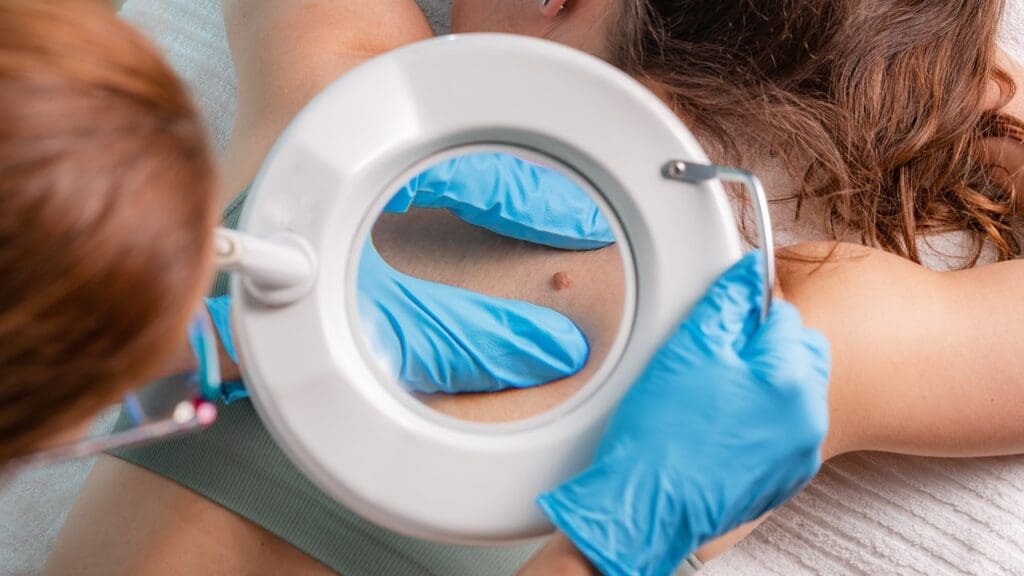
Basal cell carcinoma is the most common skin cancer. Knowing its characteristics is key to effective treatment. We diagnose and treat it often. It’s important to recognize its features for the best care.
What is Basal Cell Carcinoma?
Basal cell carcinoma (BCC) starts in the skin’s basal cell layer. It grows abnormally and can spread if not treated. The main cause is UV radiation from the sun or tanning beds.
Several factors increase your risk of getting BCC. These include:
- Fair skin
- History of sunburns
- Prolonged sun exposure
- Family history of skin cancer
- Exposure to radiation
Common Locations and Appearance
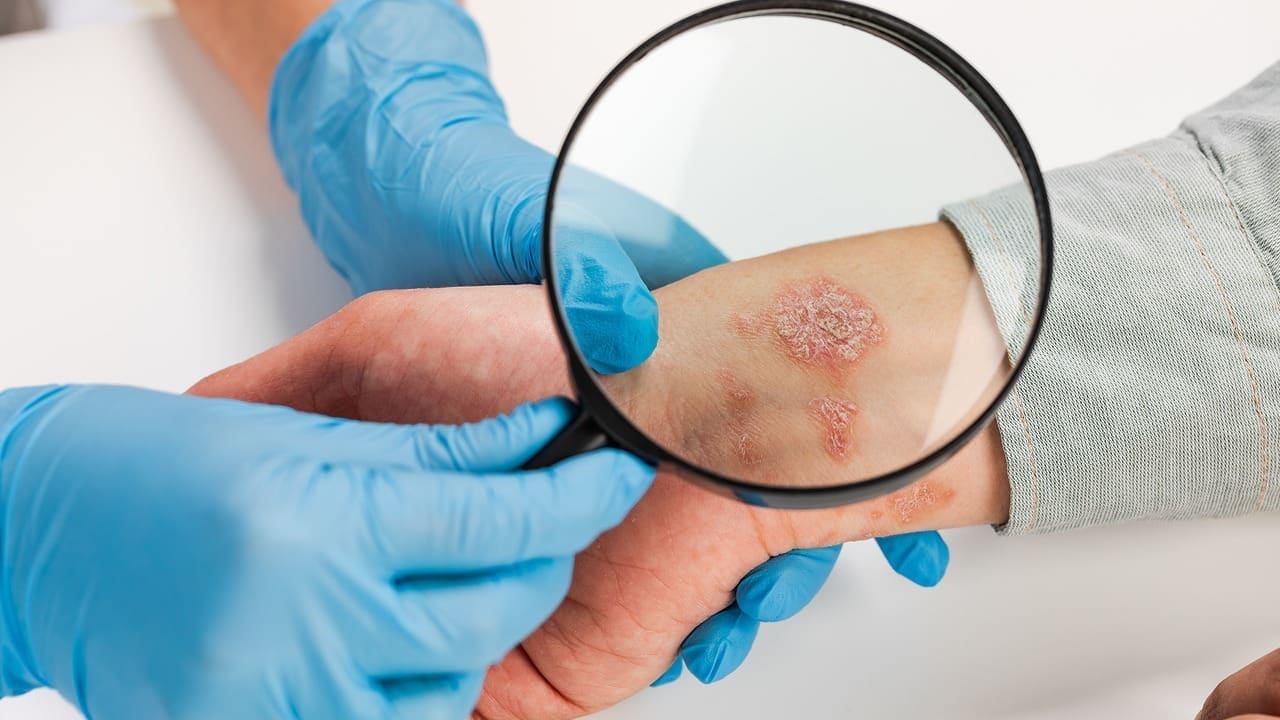
BCC often shows up on sun-exposed areas like the face, ears, neck, and hands. It can look different, such as:
- Nodular: A flesh-colored or pink bump
- Superficial: A flat, reddish patch
- Morpheaform: A scar-like, white or yellowish patch
Differences Between Basal and Squamous Cell Carcinoma
Basal and squamous cell carcinomas are both skin cancers but differ. Basal cell carcinoma grows slowly and stays close to the original site. Squamous cell carcinoma grows faster and can spread more.
| Characteristics | Basal Cell Carcinoma | Squamous Cell Carcinoma |
|---|---|---|
| Growth Rate | Slow | Variable, can be faster |
| Metastasis Risk | Low | Higher |
| Common Locations | Sun-exposed areas, face | Sun-exposed areas, lips, ears |
Knowing these differences helps us choose the right treatment. We’ll talk about treatment options next.
Diagnosing Skin Cancer
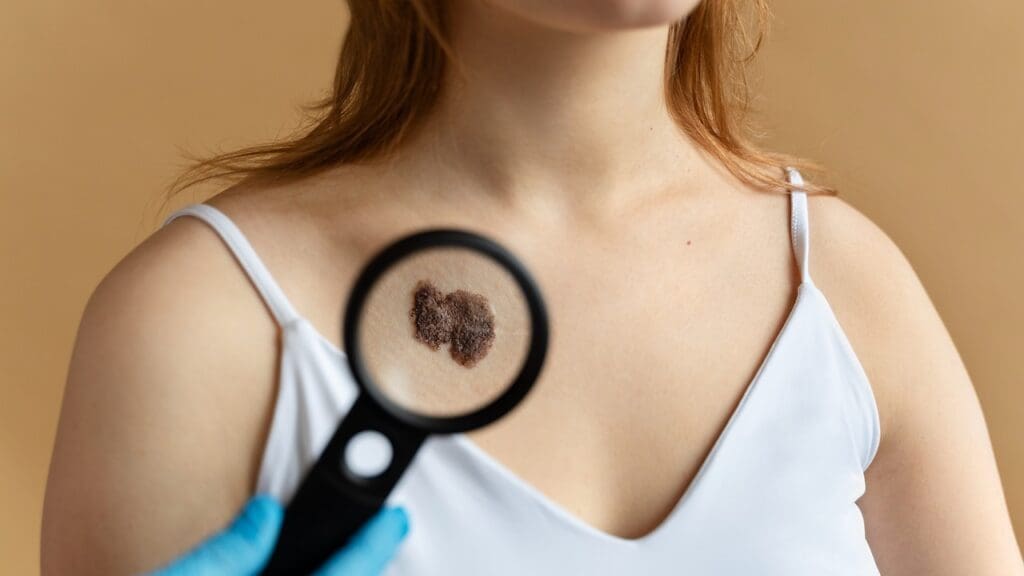
Diagnosing skin cancer involves looking at the skin and using advanced tests. We know it’s tough to get a diagnosis. Our goal is to help you understand it with kindness and clarity.
Visual Examination and ABCDE Method
Our dermatologists start by carefully checking your skin. They use the ABCDE method to spot possible cancer. This method looks for asymmetry (A), irregular borders (B), color changes (C), sizes over 6mm (D), and changes in size or color (E).
Biopsy Procedures
If a spot looks suspicious, we do a biopsy to check for cancer. There are different biopsies, like shave, punch, and excisional biopsies. We pick the right one based on the spot’s size, location, and look.
In a biopsy, we take a piece of the suspicious tissue. Then, we look at it under a microscope for cancer cells. We make sure the biopsy is as easy as possible for you.
Staging and Assessment
After finding skin cancer, we stage it to see how far it has spread. Staging looks at the tumor size, if it’s in lymph nodes, and if it’s in other parts of the body. Knowing the stage helps us plan the best treatment.
We use the latest tools and methods to stage skin cancer accurately. Then, we talk to you about the results. We explain what it means for your treatment and what you can expect next.
Preparing for Basal Skin Cancer Removal
Getting ready for basal skin cancer removal can make you feel less anxious. At our place, we focus on making sure you know what’s happening every step of the way. We want you to feel cared for and informed.
Pre-surgical Consultations
You’ll meet with your surgeon before the surgery to talk about it. This is your chance to ask any questions you have. Your surgeon will tell you about the surgical plan and what kind of surgery you’ll have.
It’s a good idea to write down any questions you have. Knowing what to expect can make you feel more at ease before the surgery.
Medical Evaluations and Tests
We might do some medical checks and tests before your surgery. These help us make sure you’re healthy enough for the surgery. They also help us find any possible risks.
- We’ll look at your medical history to see if anything might affect the surgery or how you recover.
- We’ll do blood tests to check your health and see if you have any infections.
- Imaging tests might be needed to see how big the cancer is.
These steps are important for making sure the surgery is right for you. They help us make sure it’s safe and works well.
What to Expect on Surgery Day
On the day of your surgery, you’ll be taken care of every step of the way. When you get there, you’ll meet your surgical team. They’ll get you ready for the surgery.
It’s important to follow the instructions your surgeon gave you before the surgery. This might include what to eat, drink, and take in terms of medicine. Also, make sure someone can drive you home because you might be feeling the effects of anesthesia or sedation.
Knowing what to expect and being well-prepared can really help reduce your anxiety. It can also help make the surgery go smoothly.
Types of Skin Cancer Surgery
Skin cancer treatment uses many surgical methods. Each method has its own benefits and when to use it. The choice depends on the cancer type, stage, location, and the patient’s health.
Overview of Surgical Approaches
There are several ways to treat skin cancer. These include:
- Standard Excision: This method removes the tumor and some healthy tissue around it.
- Mohs Micrographic Surgery: It removes the tumor layer by layer. Each layer is checked under a microscope until no cancer is found.
- Curettage and Electrodesiccation: The tumor is scraped out with a curette. Then, an electric current kills any remaining cancer cells.
- Cryosurgery: Liquid nitrogen freezes the tumor, killing the cancer cells.
- Laser Surgery: A laser removes or destroys cancer cells.
Factors Determining Surgical Method
Several factors decide the surgical method. These include:
- The type of skin cancer (basal cell carcinoma, squamous cell carcinoma, etc.)
- The size and depth of the tumor
- The location of the tumor (e.g., face, neck, limbs)
- The patient’s overall health and preferences
Comparing Effectiveness of Different Techniques
Different surgical techniques work better for different cases. Their success rates and cosmetic outcomes vary. The choice depends on the patient’s needs and preferences.
| Surgical Technique | Recurrence Rate | Cosmetic Outcome |
|---|---|---|
| Standard Excision | 5-10% | Good |
| Mohs Micrographic Surgery | 1-5% | Excellent |
| Curettage and Electrodesiccation | 10-20% | Fair |
| Cryosurgery | 5-15% | Good |
| Laser Surgery | 5-10% | Excellent |
Choosing the right surgical approach can be tough. Our team works with patients to find the best treatment. We consider the cancer’s specifics and the patient’s needs.
Surgical Excision for Skin Cancer
Surgical excision is a common method for removing skin cancer. It has a high success rate when done right. This method removes the cancerous tissue and some healthy skin around it. This ensures all cancer cells are gone.
Standard Excision Procedure
The standard excision procedure starts with local anesthesia to numb the area. The surgeon then removes the tumor and some healthy tissue. The removed tissue is checked to make sure there are no cancer cells left.
Key Steps in Standard Excision:
- Administering local anesthesia
- Removing the tumor with a margin of healthy tissue
- Histopathological examination of the excised tissue
Determining Surgical Margins
Choosing the right surgical margins is key to removing all cancer cells. The size of the margin depends on the tumor’s type, size, and location. It also depends on the patient’s health. Margins usually range from 2 mm to 1 cm.
Factors Influencing Margin Size:
- Type and size of the tumor
- Location of the tumor
- Patient’s overall health and previous treatments
Wound Closure Techniques
After removing the tumor, the wound must be closed. The method used depends on the wound’s size and location. Small wounds are closed simply, while larger ones might need flaps or skin grafts.
| Wound Closure Technique | Description | Typical Use |
|---|---|---|
| Simple Closure | Directly stitching the wound edges together | Small wounds |
| Flap Closure | Using adjacent tissue to cover the wound | Medium to large wounds |
| Skin Grafting | Transplanting skin from another body area | Large wounds or areas with significant tissue loss |
Mohs Micrographic Surgery
Mohs micrographic surgery is a precise treatment for skin cancer. It’s known for its high cure rates and ability to save tissue.
How Mohs Surgery Works
In Mohs surgery, the surgeon removes skin cancer layer by layer. Each layer is checked under a microscope until all cancer is gone. This method removes cancer completely while keeping healthy tissue.
When Mohs is Recommended
We suggest Mohs surgery for large or recurring skin cancers. It’s also good for cancers in sensitive or critical areas like the face, ears, or hands. It’s best for aggressive skin cancer types too.
Benefits and Success Rates
Mohs surgery has high success rates, often over 99% for some cancers. Its benefits include:
- High cure rates
- Minimal loss of healthy tissue
- Reduced need for follow-up surgeries
Success Rates Comparison
| Surgery Type | Success Rate |
|---|---|
| Mohs Micrographic Surgery | 99% |
| Standard Excision | 90-95% |
Recovery After Mohs Surgery
Recovery from Mohs surgery includes wound care and follow-up visits. Most people can go back to normal activities in a few days. The recovery time depends on the surgery’s size and location.
We give detailed care instructions for a smooth recovery. This includes keeping the wound moist, avoiding hard activities, and going to follow-up appointments.
Basal Skin Cancer Removal Procedures
There are many ways to remove basal skin cancer. The right treatment depends on the tumor’s size, location, and depth. It also depends on the patient’s health.
Curettage and Electrodesiccation
Curettage and electrodesiccation is a common treatment. It involves scraping the tumor with a curette and then using electrodesiccation to kill any leftover cancer cells. This method is quick and effective for small, shallow tumors.
The American Academy of Dermatology says this treatment works well for many basal cell carcinoma patients. “It’s effective for removing basal cell carcinoma, mainly for small, superficial tumors,” say dermatologists.
Cryosurgery
Cryosurgery freezes the tumor with liquid nitrogen. It’s good for small basal cell carcinomas and areas hard to reach with surgery. This simple, non-invasive procedure can be done in a doctor’s office.
Laser Surgery
Laser surgery uses a light beam to kill cancer cells. It’s less invasive than traditional surgery and works well for basal cell carcinoma, even in sensitive spots. Laser surgery causes less scarring and has faster recovery times.
Photodynamic Therapy
Photodynamic therapy (PDT) uses a light-sensitive drug and light to target cancer cells. It’s good for treating superficial basal cell carcinomas and causes little scarring. This treatment is great for patients with many tumors or large skin cancer areas.
Talking to a healthcare professional is key. They can help decide the best treatment for basal skin cancer based on individual needs.
How Deep Do Surgeons Cut for Basal and Squamous Cell Carcinoma
Knowing how deep to cut is key in treating basal and squamous cell carcinoma. Surgeons must think carefully about this to remove all cancer and keep healthy tissue. This balance is important for the best results.
Typical Excision Depths for BCC
For basal cell carcinoma (BCC), the cut depth depends on the tumor’s thickness and type. Most BCCs need a 3-5 mm margin for removal. But, some aggressive types might need deeper cuts.
“The goal is to remove the tumor completely while minimizing the loss of surrounding tissue,” say dermatological surgeons.
Typical Excision Depths for SCC
Squamous cell carcinoma (SCC) often needs a deeper cut than BCC because it can grow faster. The recommended cut for SCC is 4-6 mm or more, based on the tumor’s size, location, and type. Sometimes, surgeons must remove deeper tissues to ensure all cancer is gone.
Factors Affecting Surgical Depth
Many things can change how deep a surgeon cuts for BCC and SCC. These include the tumor’s size, location, type, and the patient’s health. The surgeon’s experience and the technique used also matter in choosing the right depth.
Tissue Sparing Approaches
Using methods that save tissue is important, as it helps the patient look and feel better after surgery. Mohs micrographic surgery is one such method. It removes cancer while keeping healthy tissue around it.
“Mohs surgery is very useful for tumors in sensitive areas or those that grow fast,” says a top dermatological oncologist.
By thinking about what affects the cut depth and using methods that save tissue, surgeons can remove cancer well. This helps patients get the best results from their treatment.
Special Considerations for Facial Basal Cell Cancer Removal
Removing facial basal cell carcinoma is about looks and health. The face is visible and sensitive. So, removing cancer here needs special care.
Cosmetic Concerns and Approaches
Cosmetic worries are big for facial basal cell cancer patients. We aim to keep scars small and skin looking natural. We plan carefully and use advanced surgery to do this.
Mohs micrographic surgery is key for its precision. It removes cancer cells carefully, keeping healthy skin. This is great for the face because it checks every tumor margin, removing cancer fully with less damage.
Reconstructive Options
After removing basal cell carcinoma, we might need to fix the area. We use skin grafts, local flaps, and complex reconstructions. This depends on the size and where the defect is.
| Reconstructive Method | Description | Typical Use |
|---|---|---|
| Skin Grafts | Involves transplanting healthy skin to the affected area | Large surface area defects |
| Local Flaps | Utilizes adjacent skin to cover the defect, maintaining blood supply | Areas requiring texture and color match |
| Complex Reconstructions | Involves intricatetechniques for extensive repairs | Large or deep defects, or those in sensitive areas |
Specialized Techniques for Sensitive Areas
Some face areas, like around the eyes, nose, and lips, need special care. We use oculofacial surgery for eye areas. This ensures cancer is removed well and looks good.
We listen to our patients to make a plan just for them. This way, we get the best results for removing facial basal cell cancer.
Post-Surgical Recovery and Wound Care
Effective post-surgical recovery and wound care are key to avoiding complications after basal skin cancer removal. We will guide you through this important phase. It’s vital to know the steps for a smooth healing process.
Immediate Post-Op Care
Right after surgery, we focus on making the wound stable and starting the healing. This includes:
- Keeping the wound clean and dry
- Applying topical ointments as prescribed
- Covering the wound with a sterile dressing
We also give detailed instructions on wound care. This includes how to change dressings and watch for infection signs.
Managing Pain and Discomfort
Pain management is key in post-surgical recovery. We suggest a mix of:
- Prescribed pain medications
- Over-the-counter pain relievers (as directed)
- Rest and elevation of the affected area
Following our pain management advice is important. It helps you stay comfortable and lowers the risk of complications.
Long-term Scar Management
As the wound heals, we focus on managing scars for better looks. This might include:
- Silicone gel or sheeting
- Massage techniques
- Sun protection measures
Follow-up Appointments and Monitoring
Regular check-ups are vital for watching the healing and solving any issues quickly. At these visits, we check the wound’s progress, remove sutures or staples, and guide on scar care.
By following our post-surgical care and wound instructions, you can improve your healing and lower complication risks. Our team is here to support you, ensuring the best results from your basal skin cancer removal surgery.
Conclusion: Life After Skin Cancer Surgery
After skin cancer surgery, patients face a detailed recovery process. This includes careful follow-up care. We know that life after surgery can be tough and emotional. But, with the right help, patients can feel more confident.
Patients will need to see their healthcare provider often. This is to watch for any signs of cancer coming back. It’s also important for patients to practice sun safety and check their skin regularly. They should tell their doctor about any worries they have.
We work closely with our patients to help them recover well. Our goal is to make sure they have a good outcome and a better quality of life. Our team is dedicated to giving top-notch care and support. We want to help patients take charge of their health and well-being.
FAQ
What is basal cell carcinoma, and how is it different from squamous cell carcinoma?
Basal cell carcinoma starts in the basal cell layer of the skin. It’s different from squamous cell carcinoma, which starts in squamous cells. Basal cell carcinoma grows slower and is less likely to spread than squamous cell carcinoma.
How is skin cancer diagnosed?
Doctors use the ABCDE method to check for skin cancer. They also do biopsies to look at tissue samples. They stage the cancer to see how far it has spread.
What are the different types of surgery used to treat skin cancer?
There are several surgeries for skin cancer. These include surgical excision, Mohs micrographic surgery, and others. The right surgery depends on the cancer’s type, size, and where it is, and the patient’s health.
How deep do surgeons cut during excisions for basal and squamous cell carcinoma?
The cut depth varies based on the tumor’s thickness and location. Surgeons aim to remove the tumor with some healthy tissue around it. For basal cell carcinoma, the cut is usually 4-5 mm deep. For squamous cell carcinoma, it’s often 6 mm or more.
What is Mohs micrographic surgery, and when is it recommended?
Mohs micrographic surgery removes the tumor layer by layer. Each layer is checked under a microscope until no cancer is found. It’s recommended for tumors in sensitive areas, those that come back, or have aggressive features.
How can I prepare for basal skin cancer removal surgery?
Start by having a pre-surgery talk with your doctor. You’ll need to do medical tests and follow your doctor’s instructions before the surgery.
What are the considerations for removing basal cell cancer from the face?
Removing basal cell cancer from the face needs careful thought about looks. Doctors use special techniques to reduce scarring and keep your appearance good.
What is the recovery process like after skin cancer surgery?
Recovery includes taking care of the wound right after surgery. You’ll need to manage pain and follow your doctor’s instructions. Regular check-ups are important to watch for healing and any complications.
How can I manage pain and discomfort after skin cancer surgery?
Use pain medicine as your doctor tells you to. Keep the wound clean and dry. Follow all post-surgery instructions carefully.
What are the benefits of Mohs micrographic surgery?
Mohs surgery has high success rates, even for tough cases. It also helps keep as much normal tissue as possible, which is great for sensitive areas.
Are there any alternative treatments to surgery for skin cancer?
Yes, there are alternatives like photodynamic therapy and topical treatments for early-stage cancers. Radiation therapy is also an option. The best choice depends on the cancer’s type, stage, and location.