Last Updated on November 27, 2025 by Bilal Hasdemir
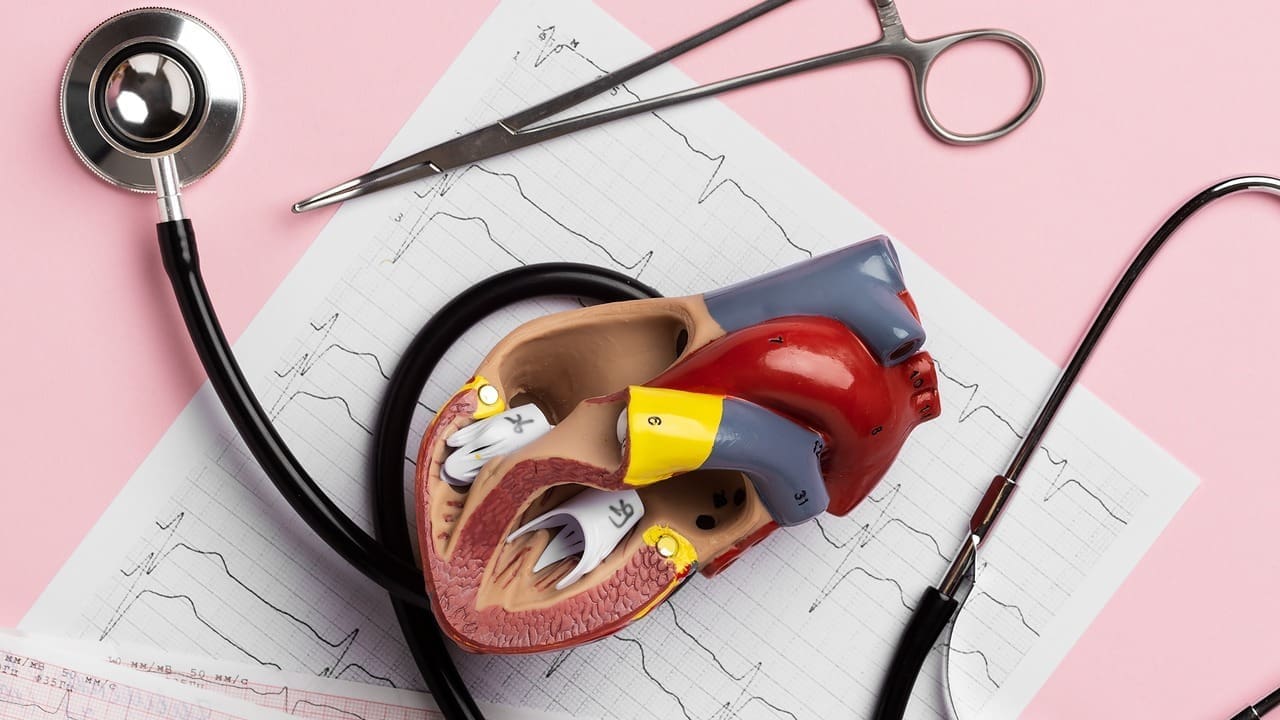
Fixing a leaky heart valve is a key procedure that can greatly enhance a person’s life quality. The heart, a muscular pump, needs four chambers and valves to work right. These valves make sure blood moves forward, but a leaky valve can cause serious health issues.
At top places like Liv Hospital, heart valve repair surgery is done with the latest methods and care focused on the patient. We’ll look at the step-by-step surgical options for valve repair surgery. This will give you a clear view of how these procedures can help the heart work as it should.
Key Takeaways
- Heart valve repair surgery is a viable option for many patients.
- A leaky heart valve can lead to significant health complications if left untreated.
- Advanced surgical techniques improve outcomes in heart health.
- Patient-centered care is key in valve repair surgery.
- Restoring normal heart function can greatly improve quality of life.
Understanding Leaky Heart Valves
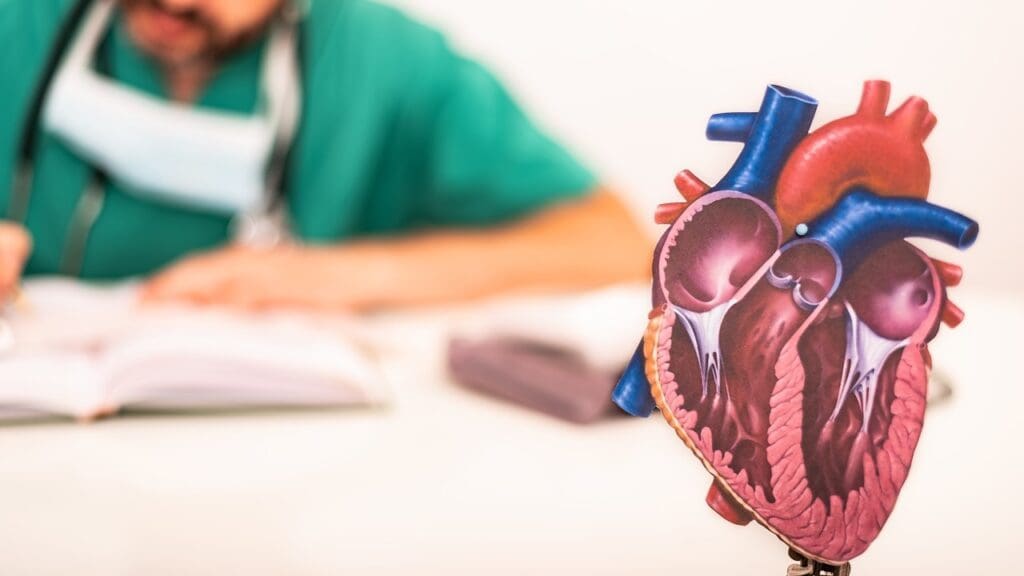
It’s important to know the causes and symptoms of leaky heart valves for effective treatment. A leaky heart valve, or valve regurgitation, happens when the valve doesn’t close right. This lets blood flow backward.
What Causes Heart Valve Leakage
Several things can cause heart valve leakage. This includes valve stiffness (stenosis) and a leaky valve (regurgitation). When valves leak, blood flows backward, reducing the blood pumped forward. Conditions like endocarditis, rheumatic fever, and congenital heart defects can also lead to valve leakage.
Common Symptoms and Warning Signs
Signs of leaky heart valves include shortness of breath, fatigue, and palpitations. Severe cases might cause swelling in the legs, ankles, and feet. If you notice these symptoms, seeing a cardiac specialist is key for a proper check-up.
Diagnostic Methods for Valve Problems
Diagnosing valve issues involves physical exams and imaging tests. We use different tools to check valve function and find the best treatment.
Echocardiogram and Imaging Tests
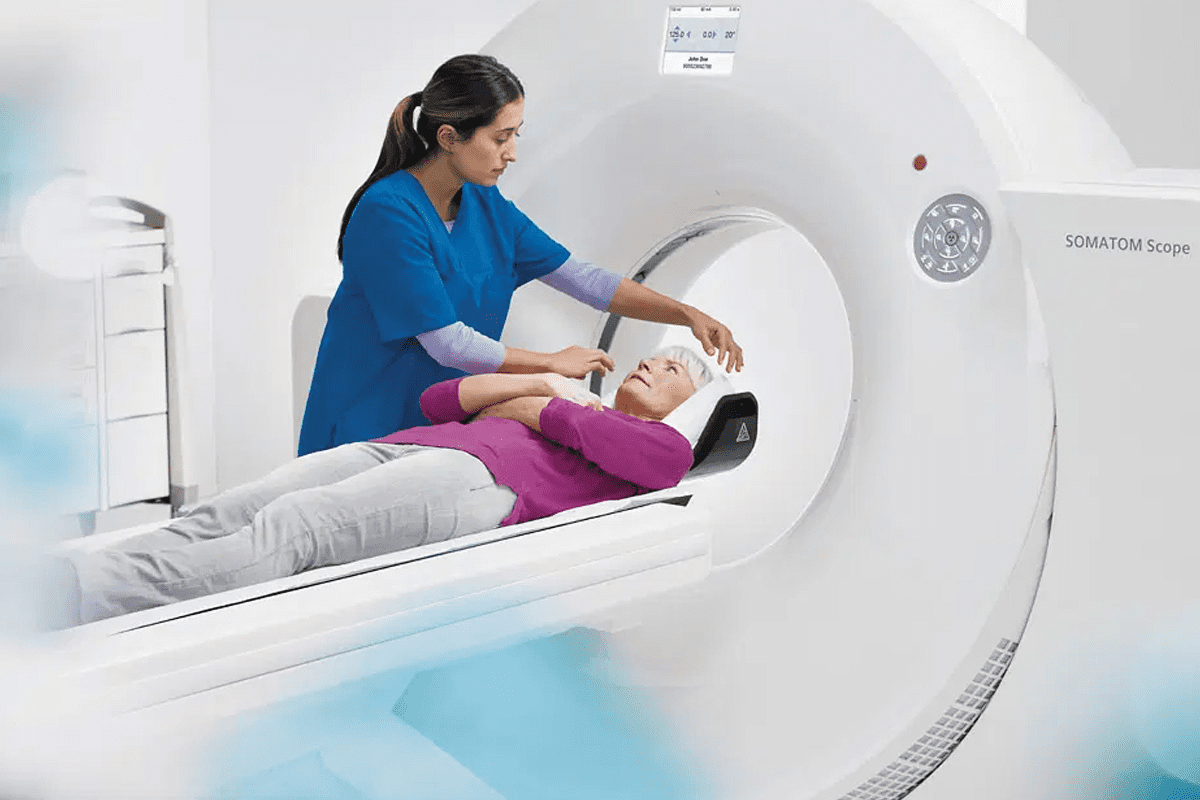
An echocardiogram is a key test for heart valve function. It uses sound waves to show heart images, helping us spot valve leaks and other issues. Other tests like cardiac MRI or CT scans might also be used for a clearer view of the heart.
Physical Examination Findings
A physical exam can also give insights into valve function. We listen for heart murmurs and check overall heart health. For more on valve replacement, see our guide on mitral valve replacement.
| Diagnostic Method | Description | Benefits |
|---|---|---|
| Echocardiogram | Uses sound waves to create heart images | Assesses valve leakage and heart function |
| Cardiac MRI/CT | Provides detailed heart images | Evaluates valve and cardiac structure |
| Physical Examination | Involves listening for heart murmurs | Assesses overall cardiac health |
“The diagnosis of heart valve disease requires a thorough approach, including physical exams, imaging tests, and medical history review.”
Types of Heart Valve Repair Procedures
Heart valve repair is a complex field with many surgical options. We choose repair over replacement when we can. This approach keeps the patient’s own tissue and leads to quicker recovery times.
Mitral Valve Repair Techniques
Mitral valve repair is a common procedure. It involves fixing the valve to stop leaks. Annuloplasty ring placement is a key method, where a ring supports the valve.
Other techniques include leaflet repair methods and chordal reconstruction. Leaflet repair fixes the valve’s leaflets for proper closure. Chordal reconstruction repairs the chords that connect the leaflets to the heart muscle.
For more information on mitral valve repair, check out CTSNet. They offer detailed insights into the latest techniques and results.
Aortic, Tricuspid, and Pulmonary Valve Repairs
Other heart valves can also be repaired. Aortic valve repair might fix the leaflets or use a patch. Tricuspid valve repair often involves making the valve annulus smaller.
Pulmonary valve repair is less common but can use valve-sparing techniques. Each procedure is tailored to the patient’s condition and valve issue.
Choosing the right heart valve repair can greatly improve patient outcomes. Our team of cardiac surgeons works with patients to find the best treatment for their needs.
Heart Valve Replacement Options
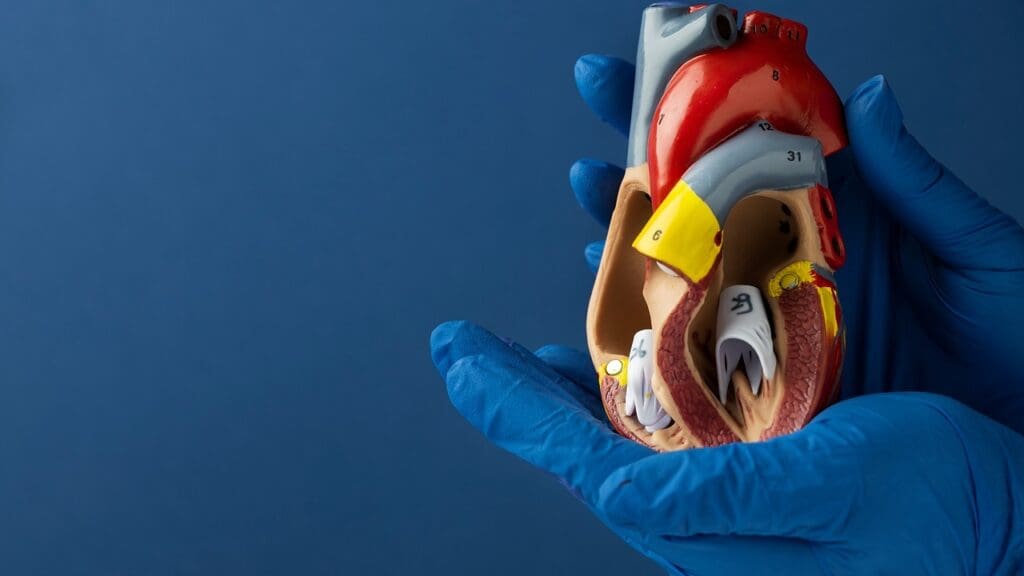
Valve replacement surgery removes the damaged valve and installs a new one. Sometimes, a new valve is needed. These new valves can be made of plastic or come from animals or humans.
Mechanical Heart Valves
Mechanical heart valves last a long time. But, they need anticoagulation therapy to stop blood clots. This is important for patients with these valves.
Durability and Anticoagulation Requirements
Mechanical valves are very durable. But, needing to take blood-thinning medicine forever is a big drawback. We consider this when choosing mechanical valves for patients.
Ideal Candidates for Mechanical Valves
Younger patients and those at low risk for bleeding are good candidates for mechanical valves. They also work for those who can handle lifelong blood-thinning medicine.
Biological Replacement Valves
Biological valves are made from animal or human tissue. They don’t last as long but don’t need blood-thinning medicine. This makes them a good choice for some patients.
Tissue Sources and Longevity
Biological valves come from animals or humans. They last about 10 to 20 years. They are a good option for those who don’t want to take blood-thinning medicine.
Benefits for Specific Patient Groups
Biological valves are better for older patients or those who can’t take blood-thinning medicine. They have fewer risks of bleeding, making them safer for these groups.
Choosing Between Repair and Replacement
Choosing between repair or replacement depends on many things. These include the patient’s health, how damaged the valve is, and their lifestyle. We help patients decide the best treatment for them.
How Is a Leaky Heart Valve Repaired: Surgical Approaches
There are different ways to fix a leaky heart valve. Each method has its own benefits and things to think about. As cardiac surgeons, we look at many factors to choose the best surgery for our patients.
Traditional Open Heart Surgery
For a long time, open-heart surgery was the main way to fix or replace heart valves. This method involves opening the breastbone to get to the heart.
Sternotomy Procedure
A sternotomy lets us see and work on the heart valves directly. “This traditional method gives us a clear view of the heart,” says a well-known cardiac surgeon.
When Open Surgery Is Necessary
Open heart surgery is needed for complex repairs or when other options won’t work. We look at the patient’s health, how bad the valve leak is, and past surgeries to decide on open surgery.
Minimally Invasive Techniques
Recently, new, less invasive ways to fix heart valves have come up. These methods aim to make recovery faster and leave less scar.
Robotic-Assisted Valve Repair
Robotic-assisted surgery uses robots to make valve repairs more precise. It allows for smaller cuts and might mean a quicker recovery. Robotic-assisted repair is good for patients with simpler valve problems.
Transcatheter Procedures
Transcatheter valve repair is a less invasive option than open heart surgery. It uses a catheter to place a device that fixes the leaky valve. Transcatheter procedures are often for patients who can’t safely have open heart surgery.
As cardiac surgery gets better, patients are getting better results from leaky heart valve repairs. The choice between open heart surgery and less invasive methods depends on the patient’s health and how complex the repair is.
Preparing for Heart Valve Surgery
Heart valve surgery needs careful preparation to reduce risks and aid in recovery. The time before surgery can be tough, but with the right help, patients can feel ready and confident.
Pre-Surgical Testing and Evaluation
We do many tests before surgery to check the patient’s health and the heart valve’s condition. These might include echocardiograms, electrocardiograms, and cardiac catheterization. These tests help us choose the best surgery plan.
What to Expect Before the Procedure
As the surgery gets closer, patients must prepare. This includes medication adjustments to avoid surgery complications. We’ll tell you which medicines to keep taking or stop before the surgery.
Medication Adjustments
It’s key to follow our medication advice. Some drugs might need to be stopped or changed to avoid bleeding or other issues during surgery.
Day-of-Surgery Instructions
On surgery day, patients should follow certain rules, like fasting and arrival times. We suggest sticking to any no-eating or no-drinking rules to make the process smoother.
By following these steps and getting thorough pre-surgery tests, patients can help ensure a good surgery outcome. We’re dedicated to giving full care and support every step of the way.
Step-by-Step: The Surgical Repair Process
Fixing a leaky heart valve is a detailed process. It involves many precise steps. We’ll break it down to help you understand what happens.
Anesthesia and Initial Access
The first step is giving anesthesia to keep the patient comfortable. After that, the surgical team makes an incision to reach the heart.
Heart-Lung Bypass Process
Next, the heart is stopped, and a heart-lung bypass machine takes over. This machine acts as the heart and lungs during surgery. The blood is diverted to the machine, and the heart is cooled to stop it.
Valve Repair Techniques in Action
With the heart stopped, the surgeon starts fixing the valve. They use various techniques, like repairing the valve leaflets or annuloplasty, where the valve ring is fixed or replaced.
Repairing vs. Replacing the Valve
Choosing to repair or replace the valve depends on several factors. Repairing the valve is often preferred. It keeps the natural tissue and may avoid long-term medication.
Closing the Surgical Site
After fixing the valve, the surgeon closes the heart. The bypass machine is turned off. The chest incision is then closed with sutures or staples. The patient is moved to the ICU for recovery.
Recovery After Heart Valve Surgery
After heart valve surgery, recovery is key. It needs careful watching and care. The first days after surgery are very important for a good recovery later on.
Hospital Stay and Immediate Post-Op Care
After surgery, patients go to the ICU. ICU Monitoring Phase means being hooked up to machines. These machines show heart rate, blood pressure, and oxygen levels.
This helps doctors catch any problems early.
ICU Monitoring Phase
In the ICU, doctors watch for any signs of trouble. They manage pain and check for bleeding. They also keep an eye on the heart.
Transitioning to Regular Hospital Room
When the patient is stable, they move to a regular room. Here, they focus on getting better, managing pain, and starting to move. Moving helps prevent blood clots and improves blood flow.
Long-Term Recovery Timeline
Recovery time varies based on the surgery type. Knowing the difference helps manage expectations and ensures a smooth recovery.
Repair vs. Replacement Recovery Differences
Patients who get their valve repaired usually recover faster. This is because repair keeps more of the original valve. For more on the surgery, visit NHS UK.
Physical Rehabilitation Process
Physical therapy is a big part of getting better. It starts with simple exercises and gets harder over time. The goal is to get strong and active again. Patients get a plan that fits their needs.
Outcomes and Success Rates of Valve Repair Surgery
Research shows that valve repair surgery has great results, with high survival rates. Success is measured by survival rates and better quality of life.
Statistical Success Rates
Studies show promising success rates for valve repair surgery. Survival rates over 85% at 5 years post-surgery have been found in many studies.
5-Year and 10-Year Survival Data
Long-term survival data shows good results for valve repair surgery patients. A review of clinical data shows:
| Time Frame | Survival Rate |
|---|---|
| 5 Years | 85% |
| 10 Years | 75% |
Quality of Life Improvements
Patients often see big improvements in their quality of life after surgery. These include fewer symptoms and better physical abilities.
Factors Affecting Surgical Outcomes
Many factors can change the results of valve repair surgery. Knowing these factors is key for better patient care.
Age and Comorbidity Considerations
Patient age and health conditions can greatly affect surgery results. Older patients or those with many health issues may face higher risks.
Surgeon Experience and Hospital Volume
The skill of the surgical team and the hospital’s volume also matter a lot. Guideline recommendations stress the need for a heart team approach for valvular heart disease.
When to Consult a Cardiac Surgeon About Leaky Heart Valve
Knowing when to see a cardiac surgeon about a leaky heart valve is key. A leaky heart valve, or valve regurgitation, happens when a valve doesn’t close right. This lets blood flow backward. It’s a serious issue that needs proper care.
Symptoms Requiring Immediate Attention
Some symptoms mean you should see a cardiac surgeon right away. These include:
- Shortness of breath, even when you’re not active or when lying down
- Fatigue and feeling weak
- Swollen feet, ankles, or belly
- Quick weight gain
- Palpitations or an irregular heartbeat
If you notice any of these signs, get medical help fast.
Finding the Right Cardiac Surgery Team
Finding the right cardiac surgery team is very important. Think about this:
“The skill and experience of your cardiac surgeon can significantly influence your surgical outcome.”
Look for a team with lots of experience in heart valve surgery. Ask your primary care doctor for suggestions or get a second opinion.
Questions to Ask Your Surgeon
When you talk to a cardiac surgeon, have some questions ready. For example:
- What experience do you have with heart valve repairs?
- What are the risks and benefits of my treatment options?
- What’s the expected recovery time?
Second Opinion Considerations
Getting a second opinion can give you more information. Do it if you’re not sure about your diagnosis or treatment plan.
Conclusion
Heart valve repair surgery is a big step that can really improve life for those with leaky heart valves. Knowing the reasons, signs, and treatment choices helps patients make smart decisions. We’ve covered all the key points about leaky heart valve surgery and cardiac surgery, aiming to guide patients through their treatment.
For effective heart valve repair, a top-notch cardiac surgery team is essential. Choosing the right doctors ensures the best care. Surgery might seem scary, but with the right support, patients can have a good outcome and better heart health.
We’ve talked about how leaky heart valve surgery can help those with valve leakage. Knowing the surgery options and what to expect after can boost confidence in treatment choices. Our aim is to give patients the knowledge and support they need to make informed decisions about their health.
FAQ
What is heart valve repair surgery?
Heart valve repair surgery fixes a damaged or diseased heart valve. It helps restore normal heart function and improves life quality.
What are the symptoms of a leaky heart valve?
Symptoms include shortness of breath, fatigue, and swelling in the legs. You might also feel palpitations, depending on the severity.
How is a leaky heart valve diagnosed?
Doctors use echocardiograms and other tests to check the valve. They also do a physical exam to see how bad the leakage is.
What are the different types of heart valve repair procedures?
There are many procedures, depending on the valve. For the mitral valve, doctors might use annuloplasty rings or repair the leaflets. Other valves need different repairs.
When is heart valve replacement necessary?
You might need a new valve if repair isn’t possible. There are mechanical and biological valves, each with its own benefits and risks.
What is the difference between mechanical and biological heart valves?
Mechanical valves last longer but need blood thinners. Biological valves don’t last as long but might be better for some patients.
What are the surgical approaches for heart valve repair?
Doctors can use open heart surgery or less invasive methods. This includes robotic-assisted repair and procedures done through catheters.
How should I prepare for heart valve surgery?
You’ll need to go through tests and adjust your medications. Follow your doctor’s instructions to reduce risks and make recovery easier.
What is the recovery process like after heart valve surgery?
Right after surgery, you’ll be in the ICU. Then, you’ll move to a regular room. Recovery takes time, including physical therapy.
What are the success rates of valve repair surgery?
Success is measured by how long you live and how well you feel. Outcomes vary based on your age and health.
When should I seek medical attention for a leaky heart valve?
If you have severe shortness of breath, chest pain, or palpitations, get help right away. Talk to a cardiac surgeon for advice.
Is valve replacement considered open heart surgery?
Yes, traditional valve replacement is open heart surgery. But, there are also less invasive options.
What questions should I ask my cardiac surgeon?
Ask about the surgeon’s experience and the procedure details. Also, find out what to expect during recovery.
How do I find the right cardiac surgery team?
Look for a team with experienced surgeons. They should have a good track record and a team approach.
What is heart valve repair surgery?
Heart valve repair surgery fixes a damaged or diseased heart valve. It helps restore normal heart function and improves life quality.
What are the symptoms of a leaky heart valve?
Symptoms include shortness of breath, fatigue, and swelling in the legs. You might also feel palpitations, depending on the severity.
How is a leaky heart valve diagnosed?
Doctors use echocardiograms and other tests to check the valve. They also do a physical exam to see how bad the leakage is.
What are the different types of heart valve repair procedures?
There are many procedures, depending on the valve. For the mitral valve, doctors might use annuloplasty rings or repair the leaflets. Other valves need different repairs.
When is heart valve replacement necessary?
You might need a new valve if repair isn’t possible. There are mechanical and biological valves, each with its own benefits and risks.
What is the difference between mechanical and biological heart valves?
Mechanical valves last longer but need blood thinners. Biological valves don’t last as long but might be better for some patients.
What are the surgical approaches for heart valve repair?
Doctors can use open heart surgery or less invasive methods. This includes robotic-assisted repair and procedures done through catheters.
How should I prepare for heart valve surgery?
You’ll need to go through tests and adjust your medications. Follow your doctor’s instructions to reduce risks and make recovery easier.
What is the recovery process like after heart valve surgery?
Right after surgery, you’ll be in the ICU. Then, you’ll move to a regular room. Recovery takes time, including physical therapy.
What are the success rates of valve repair surgery?
Success is measured by how long you live and how well you feel. Outcomes vary based on your age and health.
When should I seek medical attention for a leaky heart valve?
If you have severe shortness of breath, chest pain, or palpitations, get help right away. Talk to a cardiac surgeon for advice.
Is valve replacement considered open heart surgery?
Yes, traditional valve replacement is open heart surgery. But, there are also less invasive options.
What questions should I ask my cardiac surgeon?
Ask about the surgeon’s experience and the procedure details. Also, find out what to expect during recovery.
How do I find the right cardiac surgery team?
Look for a team with experienced surgeons. They should have a good track record and a team approach.
References
- CTSNet (Cardiothoracic Surgery Network): [suspicious link removed]
- Journal of Cardiac Critical Care (JCCC): https://jcardcritcare.org/technical-aspects-of-mitral-valve-replacement-a-guide-for-beginners/
- NHS (UK): https://www.nhs.uk/tests-and-treatments/heart-valve-replacement/how-its-done/
- British Heart Foundation (BHF): https://www.bhf.org.uk/informationsupport/treatments/heart-valve-repair-surgery
Fixing a leaky heart valve is a key procedure that can greatly enhance a person’s life quality. The heart, a muscular pump, needs four chambers and valves to work right. These valves make sure blood moves forward, but a leaky valve can cause serious health issues.
At top places like Liv Hospital, heart valve repair surgery is done with the latest methods and care focused on the patient. We’ll look at the step-by-step surgical options for valve repair surgery. This will give you a clear view of how these procedures can help the heart work as it should.
Key Takeaways
- Heart valve repair surgery is a viable option for many patients.
- A leaky heart valve can lead to significant health complications if left untreated.
- Advanced surgical techniques improve outcomes in heart health.
- Patient-centered care is key in valve repair surgery.
- Restoring normal heart function can greatly improve quality of life.
Understanding Leaky Heart Valves
It’s important to know the causes and symptoms of leaky heart valves for effective treatment. A leaky heart valve, or valve regurgitation, happens when the valve doesn’t close right. This lets blood flow backward.
What Causes Heart Valve Leakage
Several things can cause heart valve leakage. This includes valve stiffness (stenosis) and a leaky valve (regurgitation). When valves leak, blood flows backward, reducing the blood pumped forward. Conditions like endocarditis, rheumatic fever, and congenital heart defects can also lead to valve leakage.
Common Symptoms and Warning Signs
Signs of leaky heart valves include shortness of breath, fatigue, and palpitations. Severe cases might cause swelling in the legs, ankles, and feet. If you notice these symptoms, seeing a cardiac specialist is key for a proper check-up.
Diagnostic Methods for Valve Problems
Diagnosing valve issues involves physical exams and imaging tests. We use different tools to check valve function and find the best treatment.
Echocardiogram and Imaging Tests
An echocardiogram is a key test for heart valve function. It uses sound waves to show heart images, helping us spot valve leaks and other issues. Other tests like cardiac MRI or CT scans might also be used for a clearer view of the heart.
Physical Examination Findings
A physical exam can also give insights into valve function. We listen for heart murmurs and check overall heart health. For more on valve replacement, see our guide on mitral valve replacement.
| Diagnostic Method | Description | Benefits |
|---|---|---|
| Echocardiogram | Uses sound waves to create heart images | Assesses valve leakage and heart function |
| Cardiac MRI/CT | Provides detailed heart images | Evaluates valve and cardiac structure |
| Physical Examination | Involves listening for heart murmurs | Assesses overall cardiac health |
“The diagnosis of heart valve disease requires a thorough approach, including physical exams, imaging tests, and medical history review.”
Types of Heart Valve Repair Procedures
Heart valve repair is a complex field with many surgical options. We choose repair over replacement when we can. This approach keeps the patient’s own tissue and leads to quicker recovery times.
Mitral Valve Repair Techniques
Mitral valve repair is a common procedure. It involves fixing the valve to stop leaks. Annuloplasty ring placement is a key method, where a ring supports the valve.
Other techniques include leaflet repair methods and chordal reconstruction. Leaflet repair fixes the valve’s leaflets for proper closure. Chordal reconstruction repairs the chords that connect the leaflets to the heart muscle.
For more information on mitral valve repair, check out CTSNet. They offer detailed insights into the latest techniques and results.
Aortic, Tricuspid, and Pulmonary Valve Repairs
Other heart valves can also be repaired. Aortic valve repair might fix the leaflets or use a patch. Tricuspid valve repair often involves making the valve annulus smaller.
Pulmonary valve repair is less common but can use valve-sparing techniques. Each procedure is tailored to the patient’s condition and valve issue.
Choosing the right heart valve repair can greatly improve patient outcomes. Our team of cardiac surgeons works with patients to find the best treatment for their needs.
Heart Valve Replacement Options
Valve replacement surgery removes the damaged valve and installs a new one. Sometimes, a new valve is needed. These new valves can be made of plastic or come from animals or humans.
Mechanical Heart Valves
Mechanical heart valves last a long time. But, they need anticoagulation therapy to stop blood clots. This is important for patients with these valves.
Durability and Anticoagulation Requirements
Mechanical valves are very durable. But, needing to take blood-thinning medicine forever is a big drawback. We consider this when choosing mechanical valves for patients.
Ideal Candidates for Mechanical Valves
Younger patients and those at low risk for bleeding are good candidates for mechanical valves. They also work for those who can handle lifelong blood-thinning medicine.
Biological Replacement Valves
Biological valves are made from animal or human tissue. They don’t last as long but don’t need blood-thinning medicine. This makes them a good choice for some patients.
Tissue Sources and Longevity
Biological valves come from animals or humans. They last about 10 to 20 years. They are a good option for those who don’t want to take blood-thinning medicine.
Benefits for Specific Patient Groups
Biological valves are better for older patients or those who can’t take blood-thinning medicine. They have fewer risks of bleeding, making them safer for these groups.
Choosing Between Repair and Replacement
Choosing between repair or replacement depends on many things. These include the patient’s health, how damaged the valve is, and their lifestyle. We help patients decide the best treatment for them.
How Is a Leaky Heart Valve Repaired: Surgical Approaches
There are different ways to fix a leaky heart valve. Each method has its own benefits and things to think about. As cardiac surgeons, we look at many factors to choose the best surgery for our patients.
Traditional Open Heart Surgery
For a long time, open-heart surgery was the main way to fix or replace heart valves. This method involves opening the breastbone to get to the heart.
Sternotomy Procedure
A sternotomy lets us see and work on the heart valves directly. “This traditional method gives us a clear view of the heart,” says a well-known cardiac surgeon.
When Open Surgery Is Necessary
Open heart surgery is needed for complex repairs or when other options won’t work. We look at the patient’s health, how bad the valve leak is, and past surgeries to decide on open surgery.
Minimally Invasive Techniques
Recently, new, less invasive ways to fix heart valves have come up. These methods aim to make recovery faster and leave less scar.
Robotic-Assisted Valve Repair
Robotic-assisted surgery uses robots to make valve repairs more precise. It allows for smaller cuts and might mean a quicker recovery. Robotic-assisted repair is good for patients with simpler valve problems.
Transcatheter Procedures
Transcatheter valve repair is a less invasive option than open heart surgery. It uses a catheter to place a device that fixes the leaky valve. Transcatheter procedures are often for patients who can’t safely have open heart surgery.
As cardiac surgery gets better, patients are getting better results from leaky heart valve repairs. The choice between open heart surgery and less invasive methods depends on the patient’s health and how complex the repair is.
Preparing for Heart Valve Surgery
Heart valve surgery needs careful preparation to reduce risks and aid in recovery. The time before surgery can be tough, but with the right help, patients can feel ready and confident.
Pre-Surgical Testing and Evaluation
We do many tests before surgery to check the patient’s health and the heart valve’s condition. These might include echocardiograms, electrocardiograms, and cardiac catheterization. These tests help us choose the best surgery plan.
What to Expect Before the Procedure
As the surgery gets closer, patients must prepare. This includes medication adjustments to avoid surgery complications. We’ll tell you which medicines to keep taking or stop before the surgery.
Medication Adjustments
It’s key to follow our medication advice. Some drugs might need to be stopped or changed to avoid bleeding or other issues during surgery.
Day-of-Surgery Instructions
On surgery day, patients should follow certain rules, like fasting and arrival times. We suggest sticking to any no-eating or no-drinking rules to make the process smoother.
By following these steps and getting thorough pre-surgery tests, patients can help ensure a good surgery outcome. We’re dedicated to giving full care and support every step of the way.
Step-by-Step: The Surgical Repair Process
Fixing a leaky heart valve is a detailed process. It involves many precise steps. We’ll break it down to help you understand what happens.
Anesthesia and Initial Access
The first step is giving anesthesia to keep the patient comfortable. After that, the surgical team makes an incision to reach the heart.
Heart-Lung Bypass Process
Next, the heart is stopped, and a heart-lung bypass machine takes over. This machine acts as the heart and lungs during surgery. The blood is diverted to the machine, and the heart is cooled to stop it.
Valve Repair Techniques in Action
With the heart stopped, the surgeon starts fixing the valve. They use various techniques, like repairing the valve leaflets or annuloplasty, where the valve ring is fixed or replaced.
Repairing vs. Replacing the Valve
Choosing to repair or replace the valve depends on several factors. Repairing the valve is often preferred. It keeps the natural tissue and may avoid long-term medication.
Closing the Surgical Site
After fixing the valve, the surgeon closes the heart. The bypass machine is turned off. The chest incision is then closed with sutures or staples. The patient is moved to the ICU for recovery.
Recovery After Heart Valve Surgery
After heart valve surgery, recovery is key. It needs careful watching and care. The first days after surgery are very important for a good recovery later on.
Hospital Stay and Immediate Post-Op Care
After surgery, patients go to the ICU. ICU Monitoring Phase means being hooked up to machines. These machines show heart rate, blood pressure, and oxygen levels.
This helps doctors catch any problems early.
ICU Monitoring Phase
In the ICU, doctors watch for any signs of trouble. They manage pain and check for bleeding. They also keep an eye on the heart.
Transitioning to Regular Hospital Room
When the patient is stable, they move to a regular room. Here, they focus on getting better, managing pain, and starting to move. Moving helps prevent blood clots and improves blood flow.
Long-Term Recovery Timeline
Recovery time varies based on the surgery type. Knowing the difference helps manage expectations and ensures a smooth recovery.
Repair vs. Replacement Recovery Differences
Patients who get their valve repaired usually recover faster. This is because repair keeps more of the original valve. For more on the surgery, visit NHS UK.
Physical Rehabilitation Process
Physical therapy is a big part of getting better. It starts with simple exercises and gets harder over time. The goal is to get strong and active again. Patients get a plan that fits their needs.
Outcomes and Success Rates of Valve Repair Surgery
Research shows that valve repair surgery has great results, with high survival rates. Success is measured by survival rates and better quality of life.
Statistical Success Rates
Studies show promising success rates for valve repair surgery. Survival rates over 85% at 5 years post-surgery have been found in many studies.
5-Year and 10-Year Survival Data
Long-term survival data shows good results for valve repair surgery patients. A review of clinical data shows:
| Time Frame | Survival Rate |
|---|---|
| 5 Years | 85% |
| 10 Years | 75% |
Quality of Life Improvements
Patients often see big improvements in their quality of life after surgery. These include fewer symptoms and better physical abilities.
Factors Affecting Surgical Outcomes
Many factors can change the results of valve repair surgery. Knowing these factors is key for better patient care.
Age and Comorbidity Considerations
Patient age and health conditions can greatly affect surgery results. Older patients or those with many health issues may face higher risks.
Surgeon Experience and Hospital Volume
The skill of the surgical team and the hospital’s volume also matter a lot. Guideline recommendations stress the need for a heart team approach for valvular heart disease.
When to Consult a Cardiac Surgeon About Leaky Heart Valve
Knowing when to see a cardiac surgeon about a leaky heart valve is key. A leaky heart valve, or valve regurgitation, happens when a valve doesn’t close right. This lets blood flow backward. It’s a serious issue that needs proper care.
Symptoms Requiring Immediate Attention
Some symptoms mean you should see a cardiac surgeon right away. These include:
- Shortness of breath, even when you’re not active or when lying down
- Fatigue and feeling weak
- Swollen feet, ankles, or belly
- Quick weight gain
- Palpitations or an irregular heartbeat
If you notice any of these signs, get medical help fast.
Finding the Right Cardiac Surgery Team
Finding the right cardiac surgery team is very important. Think about this:
“The skill and experience of your cardiac surgeon can significantly influence your surgical outcome.”
Look for a team with lots of experience in heart valve surgery. Ask your primary care doctor for suggestions or get a second opinion.
Questions to Ask Your Surgeon
When you talk to a cardiac surgeon, have some questions ready. For example:
- What experience do you have with heart valve repairs?
- What are the risks and benefits of my treatment options?
- What’s the expected recovery time?
Second Opinion Considerations
Getting a second opinion can give you more information. Do it if you’re not sure about your diagnosis or treatment plan.
Conclusion
Heart valve repair surgery is a big step that can really improve life for those with leaky heart valves. Knowing the reasons, signs, and treatment choices helps patients make smart decisions. We’ve covered all the key points about leaky heart valve surgery and cardiac surgery, aiming to guide patients through their treatment.
For effective heart valve repair, a top-notch cardiac surgery team is essential. Choosing the right doctors ensures the best care. Surgery might seem scary, but with the right support, patients can have a good outcome and better heart health.
We’ve talked about how leaky heart valve surgery can help those with valve leakage. Knowing the surgery options and what to expect after can boost confidence in treatment choices. Our aim is to give patients the knowledge and support they need to make informed decisions about their health.
FAQ
What is heart valve repair surgery?
Heart valve repair surgery fixes a damaged or diseased heart valve. It helps restore normal heart function and improves life quality.
What are the symptoms of a leaky heart valve?
Symptoms include shortness of breath, fatigue, and swelling in the legs. You might also feel palpitations, depending on the severity.
How is a leaky heart valve diagnosed?
Doctors use echocardiograms and other tests to check the valve. They also do a physical exam to see how bad the leakage is.
What are the different types of heart valve repair procedures?
There are many procedures, depending on the valve. For the mitral valve, doctors might use annuloplasty rings or repair the leaflets. Other valves need different repairs.
When is heart valve replacement necessary?
You might need a new valve if repair isn’t possible. There are mechanical and biological valves, each with its own benefits and risks.
What is the difference between mechanical and biological heart valves?
Mechanical valves last longer but need blood thinners. Biological valves don’t last as long but might be better for some patients.
What are the surgical approaches for heart valve repair?
Doctors can use open heart surgery or less invasive methods. This includes robotic-assisted repair and procedures done through catheters.
How should I prepare for heart valve surgery?
You’ll need to go through tests and adjust your medications. Follow your doctor’s instructions to reduce risks and make recovery easier.
What is the recovery process like after heart valve surgery?
Right after surgery, you’ll be in the ICU. Then, you’ll move to a regular room. Recovery takes time, including physical therapy.
What are the success rates of valve repair surgery?
Success is measured by how long you live and how well you feel. Outcomes vary based on your age and health.
When should I seek medical attention for a leaky heart valve?
If you have severe shortness of breath, chest pain, or palpitations, get help right away. Talk to a cardiac surgeon for advice.
Is valve replacement considered open heart surgery?
Yes, traditional valve replacement is open heart surgery. But, there are also less invasive options.
What questions should I ask my cardiac surgeon?
Ask about the surgeon’s experience and the procedure details. Also, find out what to expect during recovery.
How do I find the right cardiac surgery team?
Look for a team with experienced surgeons. They should have a good track record and a team approach.
What is heart valve repair surgery?
Heart valve repair surgery fixes a damaged or diseased heart valve. It helps restore normal heart function and improves life quality.
What are the symptoms of a leaky heart valve?
Symptoms include shortness of breath, fatigue, and swelling in the legs. You might also feel palpitations, depending on the severity.
How is a leaky heart valve diagnosed?
Doctors use echocardiograms and other tests to check the valve. They also do a physical exam to see how bad the leakage is.
What are the different types of heart valve repair procedures?
There are many procedures, depending on the valve. For the mitral valve, doctors might use annuloplasty rings or repair the leaflets. Other valves need different repairs.
When is heart valve replacement necessary?
You might need a new valve if repair isn’t possible. There are mechanical and biological valves, each with its own benefits and risks.
What is the difference between mechanical and biological heart valves?
Mechanical valves last longer but need blood thinners. Biological valves don’t last as long but might be better for some patients.
What are the surgical approaches for heart valve repair?
Doctors can use open heart surgery or less invasive methods. This includes robotic-assisted repair and procedures done through catheters.
How should I prepare for heart valve surgery?
You’ll need to go through tests and adjust your medications. Follow your doctor’s instructions to reduce risks and make recovery easier.
What is the recovery process like after heart valve surgery?
Right after surgery, you’ll be in the ICU. Then, you’ll move to a regular room. Recovery takes time, including physical therapy.
What are the success rates of valve repair surgery?
Success is measured by how long you live and how well you feel. Outcomes vary based on your age and health.
When should I seek medical attention for a leaky heart valve?
If you have severe shortness of breath, chest pain, or palpitations, get help right away. Talk to a cardiac surgeon for advice.
Is valve replacement considered open heart surgery?
Yes, traditional valve replacement is open heart surgery. But, there are also less invasive options.
What questions should I ask my cardiac surgeon?
Ask about the surgeon’s experience and the procedure details. Also, find out what to expect during recovery.
How do I find the right cardiac surgery team?
Look for a team with experienced surgeons. They should have a good track record and a team approach.
References
- CTSNet (Cardiothoracic Surgery Network): [suspicious link removed]
- Journal of Cardiac Critical Care (JCCC): https://jcardcritcare.org/technical-aspects-of-mitral-valve-replacement-a-guide-for-beginners/
- NHS (UK): https://www.nhs.uk/tests-and-treatments/heart-valve-replacement/how-its-done/
- British Heart Foundation (BHF): https://www.bhf.org.uk/informationsupport/treatments/heart-valve-repair-surgery