Last Updated on November 27, 2025 by Bilal Hasdemir

When a heart valve leaks, it can cause serious health issues if not treated. At Liv Hospital, we specialize in fixing or replacing heart valves. We use the latest in cardiac care.
Recent studies have shown that new heart surgery methods cut down on recovery time and risks. Every year, about 280,000 heart valve surgeries are done worldwide. Choosing the right treatment is very important.
At Liv Hospital, we combine top-notch expertise with a focus on our patients. This approach helps us get the best results for heart valve repairs or replacements. Our goal is to give our patients the best care possible.
Key Takeaways
- Minimally invasive heart valve surgery reduces recovery time and complications.
- Liv Hospital specializes in heart valve repair and replacement surgeries.
- A patient-centered approach is key for the best heart valve treatment results.
- Approximately 280,000 heart valve procedures are done globally each year.
- Choosing the right treatment for a leaky heart valve is critical for patient health.
Understanding Leaky Heart Valves

A leaky heart valve, also known as valve regurgitation, happens when the valve doesn’t close right. This lets blood flow backward. If not treated, it can cause serious health problems.
What Causes Heart Valve Leakage
Heart valve leakage can come from many things. These include degenerative changes, infections, and being born with it. Degenerative changes are the top reason, often linked to getting older.
Types of Heart Valves and Common Problems
The heart has four valves: the mitral, aortic, tricuspid, and pulmonary valves. Each can face leakage issues. But, the mitral and aortic valves are more often affected because of their high-pressure environments.
| Valve Type | Common Issues |
|---|---|
| Mitral Valve | Regurgitation, prolapse |
| Aortic Valve | Regurgitation, stenosis |
Signs and Symptoms of Valve Dysfunction
Symptoms of leaky heart valves include shortness of breath, feeling tired, and irregular heartbeats. In bad cases, it can cause heart failure. Finding it early is key to managing it well.
Diagnosing Valve Problems
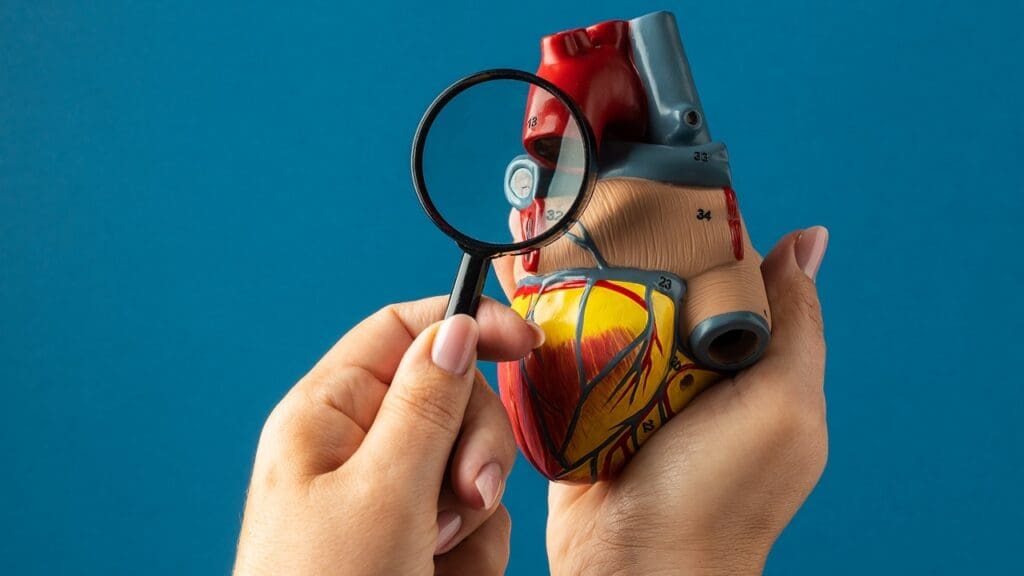
Diagnosing leaky heart valves needs a detailed approach. This includes a physical check and advanced imaging. First, we look at the patient’s overall health and past medical history. We search for any signs or symptoms that might show valve problems.
Physical Examination and Initial Assessment
A detailed physical examination is key in finding valve issues. We listen to the heart with a stethoscope to find any unusual sounds. These sounds might show valve leaks or other heart problems. We also check the patient’s medical history for signs of heart failure or related issues.
Diagnostic Imaging and Tests
We use diagnostic imaging to check the heart valves. Echocardiography is a main tool to see the heart’s structure and how it works. It helps us understand how bad the valve leak is and its effect on the heart. Other tests like electrocardiograms (ECG) and cardiac catheterization might also be used to get more detailed heart information.
Determining Severity and Surgical Necessity
After the tests, we figure out how serious the valve problem is. We decide if surgery is needed based on several things. These include how bad the symptoms are, how much the heart function is affected, and the patient’s overall health. We use the findings from the tests to decide if a heart valve repair procedure is needed.
| Diagnostic Tool | Purpose | Information Provided |
|---|---|---|
| Echocardiography | Visualize heart structure and function | Assesses valve leakage severity and heart function impact |
| Electrocardiogram (ECG) | Record heart electrical activity | Identifies rhythm abnormalities and ischemia signs |
| Cardiac Catheterization | Examine heart chambers and coronary arteries | Provides detailed info on heart condition and coronary artery disease |
When Surgery Becomes Necessary
Doctors decide if surgery is needed by checking the valve’s condition and the heart’s health. When a leaky heart valve is found, cardiologists and cardiothoracic surgeons team up. They figure out if surgery is required.
Medical Indications for Surgical Intervention
Surgery is often suggested when symptoms get worse or the valve doesn’t work right. Experts say, “Surgery is considered when the benefits are more than the risks” (Source). They look at the patient’s health, other conditions, and how bad the symptoms are.
Risk Assessment for Heart Valve Procedures
Before surgery, a detailed risk check is done. This includes looking at age, health, and the chance of surgery problems. A top surgeon says, “The success depends on choosing the right patient and precise surgery.”
Timing Considerations for Optimal Outcomes
When to have heart valve surgery is very important. Waiting too long can make the heart worse. Doing it too soon can be risky.
Healthcare teams assess medical needs, risks, and timing. This helps decide when surgery is needed for leaky heart valves.
Types of Leaky Heart Valves and Specific Approaches
Knowing the type of leaky heart valve is key to finding the right treatment. Leaky heart valves, or valve regurgitation, happen when a valve doesn’t close right. This lets blood flow back. It can affect any of the heart’s four valves: mitral, aortic, tricuspid, and pulmonary.
Mitral Valve Regurgitation
Mitral valve regurgitation is a common leaky heart valve issue. It happens when the mitral valve doesn’t close well, causing blood to leak back into the heart. We’ll look at the different treatments, like repair and replacement.
Aortic Valve Insufficiency
Aortic valve insufficiency, or aortic regurgitation, occurs when the aortic valve doesn’t close right. This lets blood flow back into the heart. It can be caused by damage or a birth defect. Treatment depends on how severe it is and might need surgery.
Tricuspid and Pulmonary Valve Issues
Tricuspid and pulmonary valve problems are less common but important. Tricuspid regurgitation happens when the tricuspid valve leaks. Pulmonary regurgitation affects the pulmonary valve. We’ll discuss how to diagnose and treat these issues.
| Valve Condition | Common Causes | Treatment Options |
|---|---|---|
| Mitral Valve Regurgitation | Valve damage, heart disease | Repair, Replacement |
| Aortic Valve Insufficiency | Congenital conditions, valve damage | Surgical repair, Replacement |
| Tricuspid Regurgitation | Heart failure, valve abnormalities | Medical management, Surgical repair |
| Pulmonary Regurgitation | Congenital heart defects, pulmonary hypertension | Monitoring, Surgical intervention |
Heart Valve Repair vs. Replacement: Making the Decision
Choosing between repairing or replacing a heart valve depends on several important factors. We look at the type and severity of valve problems, the patient’s health, and the risks and benefits of each surgery.
Benefits of Valve Repair Surgery
Valve repair is often the first choice when it’s possible. It keeps the patient’s own valve. This approach has several advantages:
- Reduced risk of complications: Repairing the valve can lower the risk of complications like blood clots and mechanical failure.
- Less need for anticoagulation therapy: Patients who have their valve repaired might not need to take blood-thinning medicine for life, unlike those with mechanical valves.
- Preservation of natural valve function: Repairing the valve helps it work better over time, leading to better long-term results.
When Replacement Heart Valve Is Necessary
Even with the benefits of repair, sometimes a replacement is needed. This is true when the valve is badly damaged or diseased. We choose replacement when:
- The valve is too damaged to be repaired.
- The patient has had valve repair before that didn’t work.
- The valve disease is severe and repair is not possible.
Factors That Influence the Surgical Approach
Many things affect the choice between repair and replacement. These include the patient’s age, health, and the specifics of the valve problem. We also think about the surgical team’s experience and the latest technology.
By carefully looking at these factors, we can pick the best surgery for each patient. This ensures the best possible outcome.
How to Repair a Leaky Heart Valve: Surgical Techniques
Fixing a leaky heart valve requires different methods for each patient. We’ll look at these techniques and their success rates.
Valve Reconstruction Methods
Valve reconstruction is key in heart valve repair surgery. It uses various methods to make the valve work right again.
Annuloplasty Ring Placement
One common method is placing an annuloplasty ring. This ring supports the valve and helps it function better. It’s great for those with big valve issues.
Leaflet Repair Techniques
Leaflet repair fixes problems with the valve’s leaflets, like tears. These fixes can greatly improve how well the valve works and cut down on leaks.
Chordal Reconstruction
Chordal reconstruction fixes or replaces the chordae tendineae. These are important for the leaflets to work right. This method is often used with others.
Heart Valve Repair Procedure Success Rates
The success of heart valve repair depends on many things. These include the patient’s health, how bad the valve problem is, and the surgeon’s skill. Research shows that valve repair can lead to big improvements in symptoms and life quality. For more on mitral valve repair, check out https://www.ctsnet.org/article/mitral-valve-repair.
Overall, the success rates for heart valve repair are good. This makes it a good choice for many with leaky heart valves.
Heart Valve Replacement Options
Heart valve replacement is a big surgery with many choices for those with valve problems. When a heart valve is badly damaged, it needs to be replaced to work right again.
Mechanical Valve Prosthetics
Mechanical valves are strong and last a long time. They are best for younger people because they can handle a long life. But, people with these valves must take anticoagulant medication forever to stop blood clots.
Biological Tissue Valves
Biological tissue valves are made from animal parts and are gentle on the body. They are less likely to cause blood clots, so some people might not need to take medicine forever. But, these valves don’t last as long and might need to be replaced in 10 to 15 years.
TAVR and Newer Replacement Technologies
Transcatheter Aortic Valve Replacement (TAVR) is a new, less scary way to replace a valve. It uses a catheter to put in a new valve. TAVR is great for people at high risk for surgery problems. New tech keeps making TAVR and other small surgeries better and more available.
What Is Heart Valve Replacement: Patient Education
Learning about heart valve replacement means knowing the valve type, surgery method, and recovery. It’s very important for patients to understand their options. We make sure patients know all about their choices, including risks, benefits, and what to expect after surgery.
Minimally Invasive Approaches to Leaky Heart Valve Surgery
Modern surgery for leaky heart valves is changing. It now offers patients faster recovery and less pain. These new methods aim to make healing quicker and less uncomfortable.
Transcatheter Valve Procedures
Transcatheter valve procedures use catheters to fix or replace heart valves without open-heart surgery. This method is great for those at high risk for traditional surgery. It means smaller cuts, less pain, and faster healing.
Robot-Assisted Valve Surgery
Robot-assisted valve surgery uses robots to improve surgery precision. It allows for detailed repairs and can lead to better results for some patients. The robots help surgeons make smaller cuts.
Benefits and Limitations of Minimally Invasive Techniques
Minimally invasive surgery has many benefits, like quicker healing and less pain. But, it also has some downsides:
- It’s not right for all heart valve issues
- Needs special tools and training
- Can be more expensive
Despite these challenges, these methods are gaining popularity. They promise to improve patient care and the surgery experience.
Traditional Open Heart Surgery for Valve Repair
Traditional open heart surgery is a key treatment for leaky heart valves. It offers a direct way to fix or replace valves. This method is great for complex cases because it lets surgeons directly access the heart valves.
Is Valve Replacement Open Heart Surgery?
Yes, valve replacement is open heart surgery. The surgeon makes a chest incision to reach the heart. They then swap the damaged valve with a new one, either mechanical or biological.
The Surgical Repair or Replacement of a Heart Valve
The process starts with general anesthesia. The surgeon then opens the chest and stops the heart. A heart-lung machine keeps blood flowing while the damaged valve is fixed or replaced.
When Open Heart Approaches Are Preferred
Open heart surgery is chosen for complex valve diseases, past heart surgeries, or when less invasive methods won’t work. The choice depends on the patient’s health and condition.
Key benefits of traditional open heart surgery include:
- Direct access to the heart valves
- Effective for complex valve repairs or replacements
- Allows for a thorough examination of the heart
Understanding open heart surgery’s role in valve repair helps patients make better choices about their treatment.
Preparing for Heart Valve Surgery
Getting ready for heart valve surgery is a big step. It includes tests, managing your meds, and getting both mentally and physically ready. We’ll help you through each part to make sure you’re ready for the surgery.
Pre-Surgical Testing and Evaluation
We do a lot of tests before surgery to check your health and heart. You might have echocardiograms, electrocardiograms, and blood tests. For more info, check out technical aspects of mitral valve replacement.
Medication Management Before Surgery
Managing your meds before surgery is key. We might change or stop some to lower risks. Our team will tell you exactly how to handle your meds.
Mental and Physical Preparation
Being mentally and physically ready is as important as the medical side. Eat well, exercise lightly, and understand the surgery. Having people to support you can also help with anxiety.
Recovery After Cardiac Valve Replacement or Repair
After cardiac valve surgery, recovery is key. It needs careful attention and following doctor’s advice. This period can be tough, but with the right care, patients can recover well.
Hospital Stay and Immediate Post-Op Care
The recovery starts in the hospital. Our team watches for complications and manages pain. The stay usually lasts 5 to 7 days.
During this time, we stabilize the patient, start physical therapy, and teach post-op care to patients and families.
Long-Term Recovery Timeline
Recovery after heart valve surgery takes months. Everyone recovers at their own pace. Most see big improvements in 3 to 6 months.
We guide patients through this journey. We help them know what to expect at each stage.
Physical Rehabilitation and Activity Resumption
Physical therapy is vital for recovery. We start with light exercises and gradually increase intensity. Our team creates a plan for each patient to safely get back to normal activities.
- Start with short walks and gentle stretching exercises.
- Gradually increase the intensity and duration of physical activities.
- Monitor your body’s response and report any concerns to your healthcare provider.
Medication Requirements After Valve Surgery
Medications are a big part of recovery. Patients may take anticoagulants, anti-arrhythmics, or other meds. We stress the importance of taking the right meds as directed.
Key aspects of medication management include:
- Understanding the purpose of each medication.
- Following the prescribed dosage schedule.
- Reporting any side effects or concerns to your healthcare provider.
By following our advice, patients can recover better. This leads to the best outcomes after valve surgery.
Living with a Repaired or Replaced Heart Valve
Living with a repaired or replaced heart valve means regular medical check-ups and lifestyle changes. After surgery, you can lead an active life. But, it’s key to know how to keep your heart healthy.
Long-Term Monitoring and Follow-Up
Seeing your doctor regularly is important to check your heart valve’s function. We recommend follow-up appointments at least once a year, or as your doctor suggests. These visits might include tests like echocardiograms to make sure your valve is working right.
Lifestyle Modifications After Valve Surgery
Changing your lifestyle can greatly improve your recovery and long-term health. Eating well, exercising, and not smoking are key steps. Your healthcare team can give you advice tailored to your needs.
Signs of Possible Complications to Watch For
Knowing the signs of complications is vital. Look out for shortness of breath, chest pain, or unusual fatigue. If you notice these symptoms, get medical help right away. Staying alert to your health can prevent serious problems.
Understanding the need for ongoing monitoring, making lifestyle changes, and knowing about complications can help you manage your condition. This way, you can enjoy a better quality of life after heart valve surgery.
Conclusion
Fixing a leaky heart valve is a big medical step that can really help people feel better. We’ve looked at different ways to fix it, like repairing or replacing the valve. Each method has its own way of working.
There are many ways to fix a leaky heart valve, from big surgeries to smaller ones. The choice depends on how bad the leak is and the person’s health. Whether to repair or replace the valve is a big decision.
Having surgery for a leaky heart valve is a big deal. It needs careful planning, skilled doctors, and good care after the surgery. Thanks to new technology and ways of doing surgery, people can get better and live more active lives.
Knowing about the surgery options and the need for good care helps people with leaky heart valves make smart choices. This can lead to better health and a better life.
FAQ
What is heart valve replacement?
Heart valve replacement is a surgery. It replaces a damaged heart valve with a new one. This new valve helps blood flow properly.
What is the difference between heart valve repair and replacement?
Repair fixes the valve, while replacement takes it out and puts in a new one. The choice depends on the valve’s condition.
Is valve replacement considered open heart surgery?
Yes, traditional valve replacement is open heart surgery. It opens the chest to reach the heart. But, some newer methods are less invasive.
What are the benefits of minimally invasive heart valve surgery?
It has smaller cuts, less pain, and fewer risks. Recovery is also faster than traditional surgery.
How long does it take to recover from heart valve surgery?
Recovery time varies. Patients usually spend days in the hospital and weeks to months at home.
What lifestyle changes are necessary after heart valve surgery?
Patients need to eat well, exercise, quit smoking, and manage stress. These help the heart stay healthy.
What are the signs of possible complications after heart valve surgery?
Watch for fever, chest pain, shortness of breath, or leg swelling. Seek help right away if you see these signs.
How is the success of heart valve repair or replacement measured?
Success is seen in better symptoms, quality of life, and heart function. It also means no more surgery is needed.
What is the role of physical rehabilitation after heart valve surgery?
It helps patients regain strength and do normal activities again. It’s key to recovery.
Can I lead an active life after heart valve surgery?
Yes, with care and follow-up, many lead active lives. But, follow your doctor’s advice and make lifestyle changes.
What is TAVR, and how does it differ from traditional valve replacement?
TAVR is a less invasive procedure. It uses a catheter to replace the valve, avoiding open surgery. It’s mainly for aortic valve replacement.
What are the risks associated with heart valve surgery?
Risks include bleeding, infection, stroke, and anesthesia reactions. Each patient’s risk is assessed based on their health.
How do I prepare for heart valve surgery?
Preparation includes tests, managing medications, and mental and physical readiness. This ensures the best results.
What is heart valve replacement?
Heart valve replacement is a surgery. It replaces a damaged heart valve with a new one. This new valve helps blood flow properly.
What is the difference between heart valve repair and replacement?
Repair fixes the valve, while replacement takes it out and puts in a new one. The choice depends on the valve’s condition.
Is valve replacement considered open heart surgery?
Yes, traditional valve replacement is open heart surgery. It opens the chest to reach the heart. But, some newer methods are less invasive.
What are the benefits of minimally invasive heart valve surgery?
It has smaller cuts, less pain, and fewer risks. Recovery is also faster than traditional surgery.
How long does it take to recover from heart valve surgery?
Recovery time varies. Patients usually spend days in the hospital and weeks to months at home.
What lifestyle changes are necessary after heart valve surgery?
Patients need to eat well, exercise, quit smoking, and manage stress. These help the heart stay healthy.
What are the signs of possible complications after heart valve surgery?
Watch for fever, chest pain, shortness of breath, or leg swelling. Seek help right away if you see these signs.
How is the success of heart valve repair or replacement measured?
Success is seen in better symptoms, quality of life, and heart function. It also means no more surgery is needed.
What is the role of physical rehabilitation after heart valve surgery?
It helps patients regain strength and do normal activities again. It’s key to recovery.
Can I lead an active life after heart valve surgery?
Yes, with care and follow-up, many lead active lives. But, follow your doctor’s advice and make lifestyle changes.
What is TAVR, and how does it differ from traditional valve replacement?
TAVR is a less invasive procedure. It uses a catheter to replace the valve, avoiding open surgery. It’s mainly for aortic valve replacement.
What are the risks associated with heart valve surgery?
Risks include bleeding, infection, stroke, and anesthesia reactions. Each patient’s risk is assessed based on their health.
How do I prepare for heart valve surgery?
Preparation includes tests, managing medications, and mental and physical readiness. This ensures the best results.
References
- NHS (UK): https://www.nhs.uk/tests-and-treatments/heart-valve-replacement/how-its-done/
- Journal of Cardiac Critical Care (JCCC): https://jcardcritcare.org/technical-aspects-of-mitral-valve-replacement-a-guide-for-beginners/
- CTSNet (Cardiothoracic Surgery Network): [suspicious link removed]
- British Heart Foundation (BHF): https://www.bhf.org.uk/informationsupport/treatments/heart-valve-repair-surgery