Last Updated on November 18, 2025 by Ugurkan Demir
At Liv Hospital, we know that an anterior cruciate ligament injury can be scary. But knowing every step of the reconstruction surgery is key for a good recovery.
We aim to offer the newest and best ways to fix knee ligament surgery. Our focus on patients and the latest research makes us leaders in treating torn ACLs.
We use a graft to replace the damaged ligament. This brings back knee stability and function. Thanks to new arthroscopic surgery, this method is very effective. It uses small cuts and has fewer complications.
Key Takeaways
- ACL reconstruction surgery is a highly effective treatment for ACL injuries.
- Our patient-focused approach ensures complete care and rehabilitation.
- Arthroscopic surgery allows for minimal incision and low complication rates.
- Graft replacement restores knee stability and function.
- Liv Hospital is committed to delivering innovative solutions and the latest academic protocols.
Understanding ACL Injuries and When Surgery Is Necessary
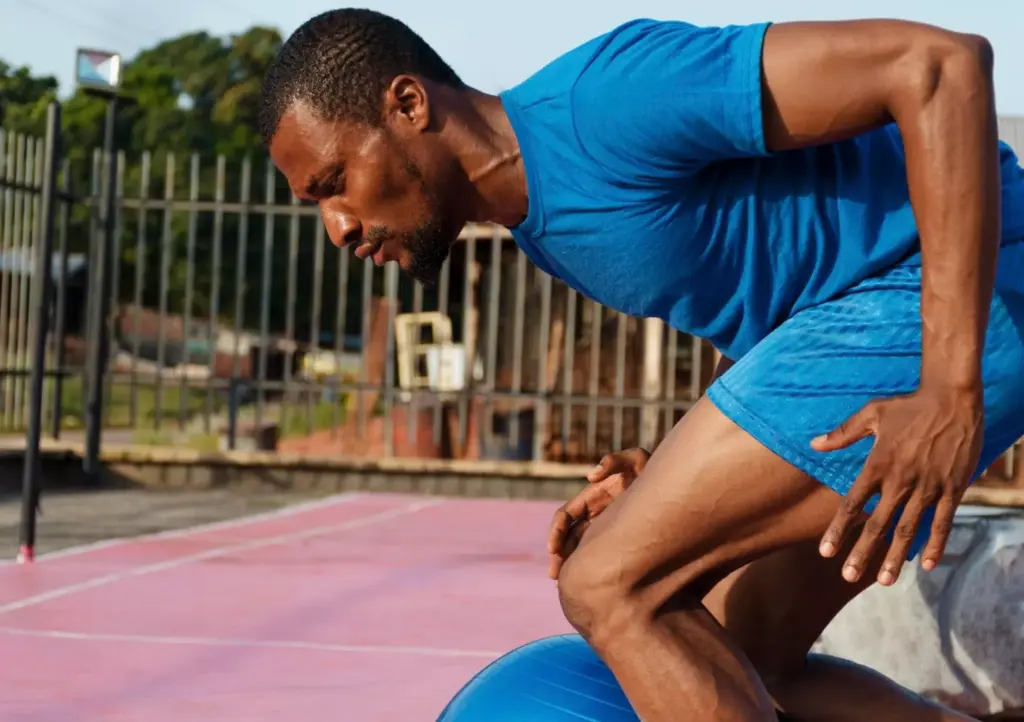
The anterior cruciate ligament (ACL) is key to knee stability. Injuries to it can be very limiting. It connects the femur (thigh bone) to the tibia (shin bone), helping to stabilize the knee.
What Is the Anterior Cruciate Ligament?
The ACL is a strong, fibrous ligament. It’s vital for knee movement and stability. It stops the tibia from moving too far forward and controls rotational movements.
Common Causes of ACL Tears
ACL injuries often happen in sports that involve twisting or overextending the knee. This includes soccer, basketball, and skiing. Sudden stops, changes in direction, or direct contact can cause ACL tears. Understanding these causes is essential for prevention and diagnosis.
“ACL injuries are a significant concern in sports medicine, requiring a thorough approach to diagnosis and treatment.” – Sports Medicine Expert
Diagnosing a Torn ACL
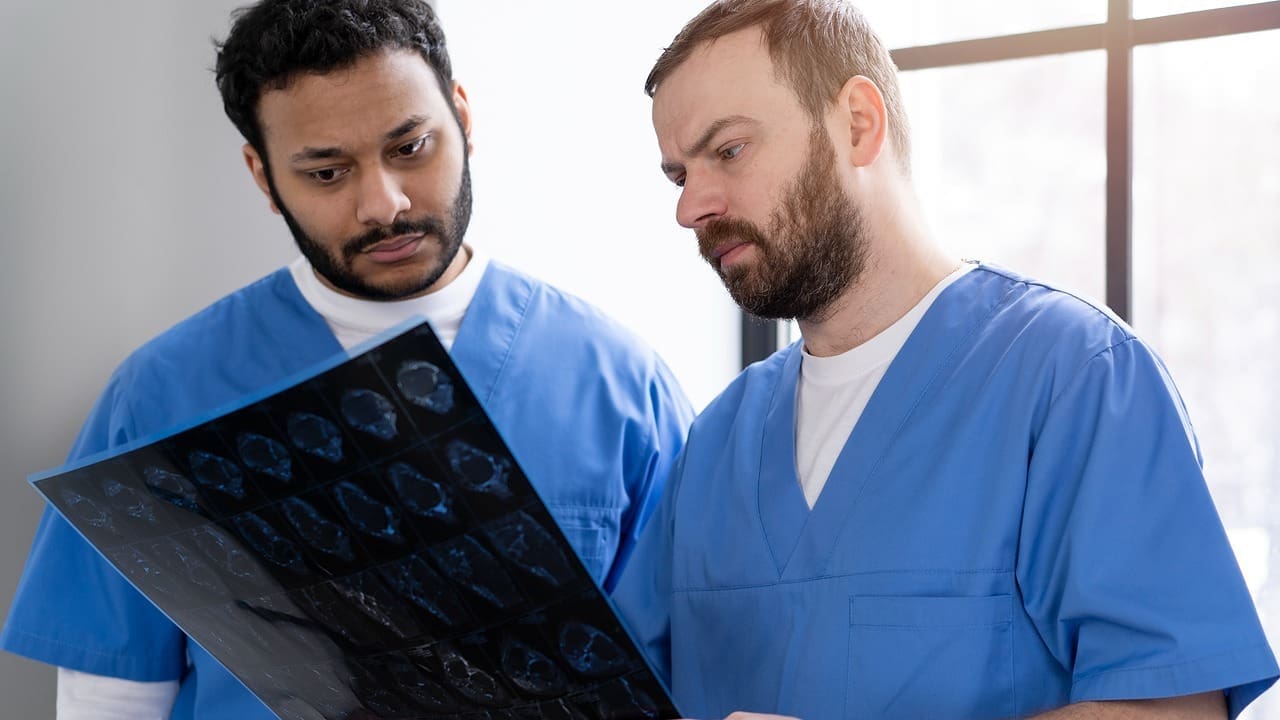
Diagnosing an ACL tear involves a detailed physical exam and diagnostic tests. We use clinical evaluation, patient history, and imaging studies like X-rays and MRI scans. Early diagnosis is critical for effective treatment planning.
- Physical examination to assess knee stability
- Imaging tests (X-rays, MRI) to visualize the ACL and other knee structures
- Patient history to understand the mechanism of injury
Conservative vs. Surgical Treatment Options
Treatment for ACL injuries depends on the tear’s severity, patient activity level, and overall health. Conservative management includes physical therapy, bracing, and activity modification. Surgical options involve ACL reconstruction. We work with patients to determine the best treatment plan based on individual needs.
Understanding ACL injuries helps us make informed care decisions. Whether through conservative management or surgery, our goal is to restore knee function and stability.
Preparing for ACL Reconstruction Surgery
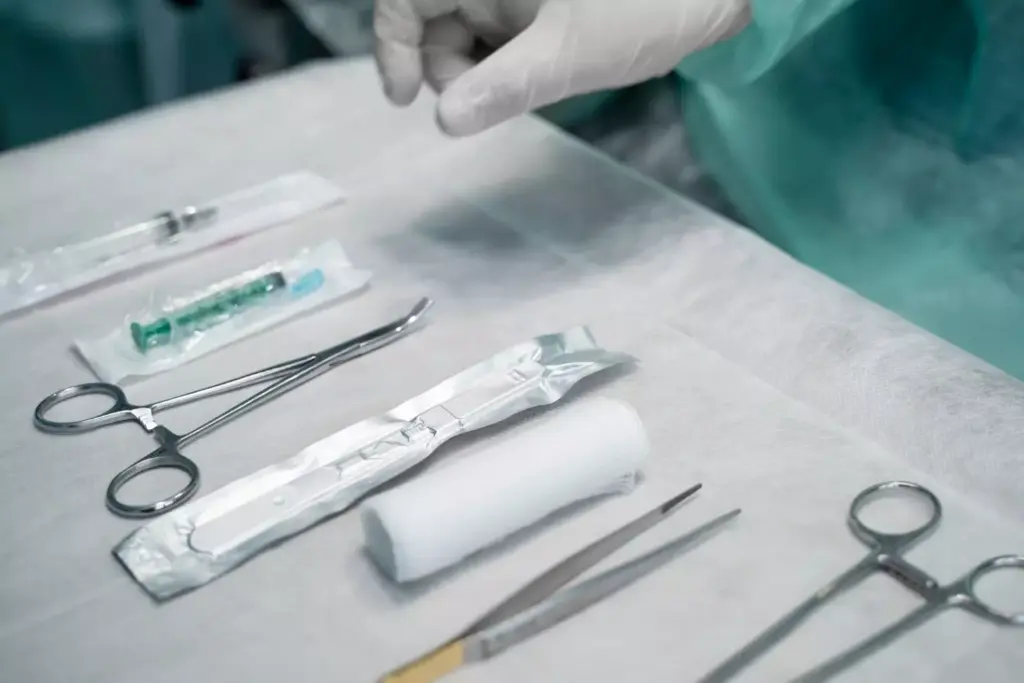
Getting ready for ACL reconstruction surgery is key to its success. We’ll walk you through the steps, including evaluations, physical prep, and what to expect on surgery day.
Pre-Surgical Evaluations and Tests
Before surgery, you’ll go through several tests. These check your health and if you’re ready for the surgery. You might have:
- Blood tests to check for any underlying conditions
- Imaging tests such as X-rays or an MRI to evaluate the extent of the ACL injury
- A physical examination to assess your knee’s range of motion and stability
- A review of your medical history to identify any possible risks or complications
These tests help us make the surgery plan just for you. This way, you’re more likely to have a good outcome.
Physical Preparation for Better Outcomes
Getting physically ready is a big part of getting ready for surgery. We suggest doing exercises that make your knee muscles stronger. These also help improve your range of motion and overall health. Some exercises you might do include:
| Exercise | Description | Benefits |
|---|---|---|
| Straight Leg Raises | Lifting your leg straight out in front of you while keeping it straight | Strengthens quadriceps muscles |
| Quad Sets | Tightening the muscles on the front of your thigh | Improves quadriceps strength |
| Heel Slides | Sliding your heel away from your body while keeping your knee bent | Enhances knee flexion and range of motion |
Getting in shape before surgery can help you recover faster. It can also make the surgery more successful.
What to Expect Before Surgery Day
As surgery day gets closer, you might have lots of questions. Here’s what you can expect:
“The day before surgery, you’ll get instructions on how to prepare. This includes any fasting or medication changes. On surgery day, arrive at the hospital or surgical center early.”
We know this time can be stressful. But we’re here to support you every step of the way.
Setting Realistic Recovery Expectations
Recovering from ACL reconstruction surgery takes time and effort. It’s important to have realistic expectations about your recovery. This includes knowing how long it will take and the work you’ll need to do to get better.
By understanding the process and sticking to your rehab plan, you can regain knee stability. You’ll be able to get back to your normal activities.
Types of ACL Grafts Used in Reconstruction
Choosing the right ACL graft is key to a successful surgery. It affects how quickly you recover and how well your knee works later on. The type of graft depends on your age, how active you are, and what grafts are available.
Autografts: Patellar Tendon vs. Hamstring Tendon
Autografts come from your own body. This lowers the chance of getting sick from the graft or your body rejecting it. There are two main autografts: patellar tendon and hamstring tendon.
Patellar Tendon Grafts are strong and heal well. But, they might cause more pain in the front of your knee after surgery.
Hamstring Tendon Grafts are less invasive and might hurt less after surgery. They’re a good choice for athletes who need to bend their knees a lot.
Allografts: Using Donor Tissue
Allografts come from donors, like cadavers. They make surgery shorter and cause less harm to the donor site. But, there’s a small chance of getting sick from the graft. Modern tests have made this risk very low.
A study on ACL reconstruction grafts shows allografts are a good option. They’re best for older patients or those having surgery again.
Synthetic Graft Options
Synthetic grafts are made from man-made materials. They were used more in the past but are now less common. This is because they don’t last as long and can cause problems like failure and inflammation.
Choosing the Right Graft for Your Situation
Choosing an ACL graft is very personal. It depends on your lifestyle, what you want, and your body’s needs. Talking to an orthopedic specialist is important to find the best graft for you.
“The choice of graft is a critical factor in the success of ACL reconstruction. It’s essential to consider the patient’s specific needs and preferences when making this decision.” – Orthopedic Specialist
The ACL Graft Repair Procedure Explained
ACL graft repair is a mix of art and science. It involves many steps, from getting ready to placing the graft. Each step is important for a successful ACL reconstruction.
Anesthesia and Initial Preparation
The first step is giving the patient anesthesia. This makes sure they are comfortable during the surgery. General anesthesia or regional anesthesia is used, based on the patient’s health and the surgeon’s choice.
After the anesthesia, the knee area is cleaned and draped. This keeps everything sterile.
Arthroscopic Evaluation of the Knee
Arthroscopic surgery is a minimally invasive way to check the knee. The surgeon uses an arthroscope through small cuts to see inside the knee.
This step is key to see how bad the ACL injury is. It also checks for damage to other parts of the knee, like menisci or cartilage.
Graft Harvesting Techniques
Graft harvesting is a vital part of ACL reconstruction. The type of graft used depends on the patient’s age, how active they are, and if they’ve had surgery before.
- Autografts take tendon tissue from the patient, usually from the patellar tendon or hamstring tendons.
- Allografts use donor tissue, which is chosen and processed to lower the risk of disease.
Tunnel Creation in the Femur and Tibia
Making tunnels in the femur and tibia is a precise step. It involves drilling holes to hold the graft in place.
The surgeon uses special guides and methods to place the tunnels correctly. This is key for the graft’s stability and the knee’s function.
Proper tunnel creation is vital for the graft’s success. It affects how well the graft integrates and the patient’s recovery.
Advanced ACL Surgical Techniques
Advanced ACL surgical techniques have changed how surgeons fix ACLs. They offer more precise and effective treatments. This has greatly improved results for those having ACL surgery.
Minimally Invasive Arthroscopic Approaches
Minimally invasive arthroscopic methods are key in modern ACL surgery. They use smaller cuts, causing less damage and helping patients heal faster. With top-notch arthroscopic tools, doctors can see the knee better. This makes placing the graft more accurate and correct.
Computer-Assisted Navigation for Precision
Computer-assisted navigation is a big step forward in ACL surgery. It gives doctors real-time feedback, making tunnel placement and graft fixing more precise. Research shows it can lead to better results by lowering the chance of graft failure or tunnel problems.
Anatomic Reconstruction Methods
Anatomic reconstruction methods aim to get the ACL back to its natural state. They require a deep understanding of the knee’s anatomy. Advanced imaging helps guide the surgery. This way, surgeons can improve knee function and lower the risk of future damage.
Double-Bundle Reconstruction Techniques
Double-bundle reconstruction tries to match the ACL’s natural structure by fixing both bundles. This method can give better rotational stability and mimic the knee’s natural movement. Studies suggest it might be better for athletes who need their knees to perform at high levels.
For more on the latest in orthopedic surgery, including ACL fixes, check out Miragenews for news and updates.
Immediate Post-Operative Care
Good care after ACL surgery is key to avoid problems and help you heal well. The first days after surgery are very important for a good recovery.
Pain Management Strategies
Managing pain is a big part of care after surgery. We use many ways to help with pain, like pills, shots, and other methods. This helps keep you comfortable.
Common pain management strategies include:
- Use of NSAIDs and other oral analgesics
- Administration of local anesthetics
- Employing nerve blocks for regional pain relief
Wound Care and Infection Prevention
It’s very important to take care of your wound to avoid infection and help it heal. We give you clear instructions on how to care for your wound.
| Wound Care Tips | Infection Prevention Measures |
|---|---|
| Keep the wound dry | Use antibiotics as prescribed |
| Monitor for signs of infection | Attend follow-up appointments |
Initial Movement Guidelines
Moving gently is good to keep your range of motion and prevent stiffness. We teach you the right exercises and movements.
Initial exercises may include:
- Straight leg raises
- Gentle knee bends within a pain-free range
Managing Swelling and Inflammation
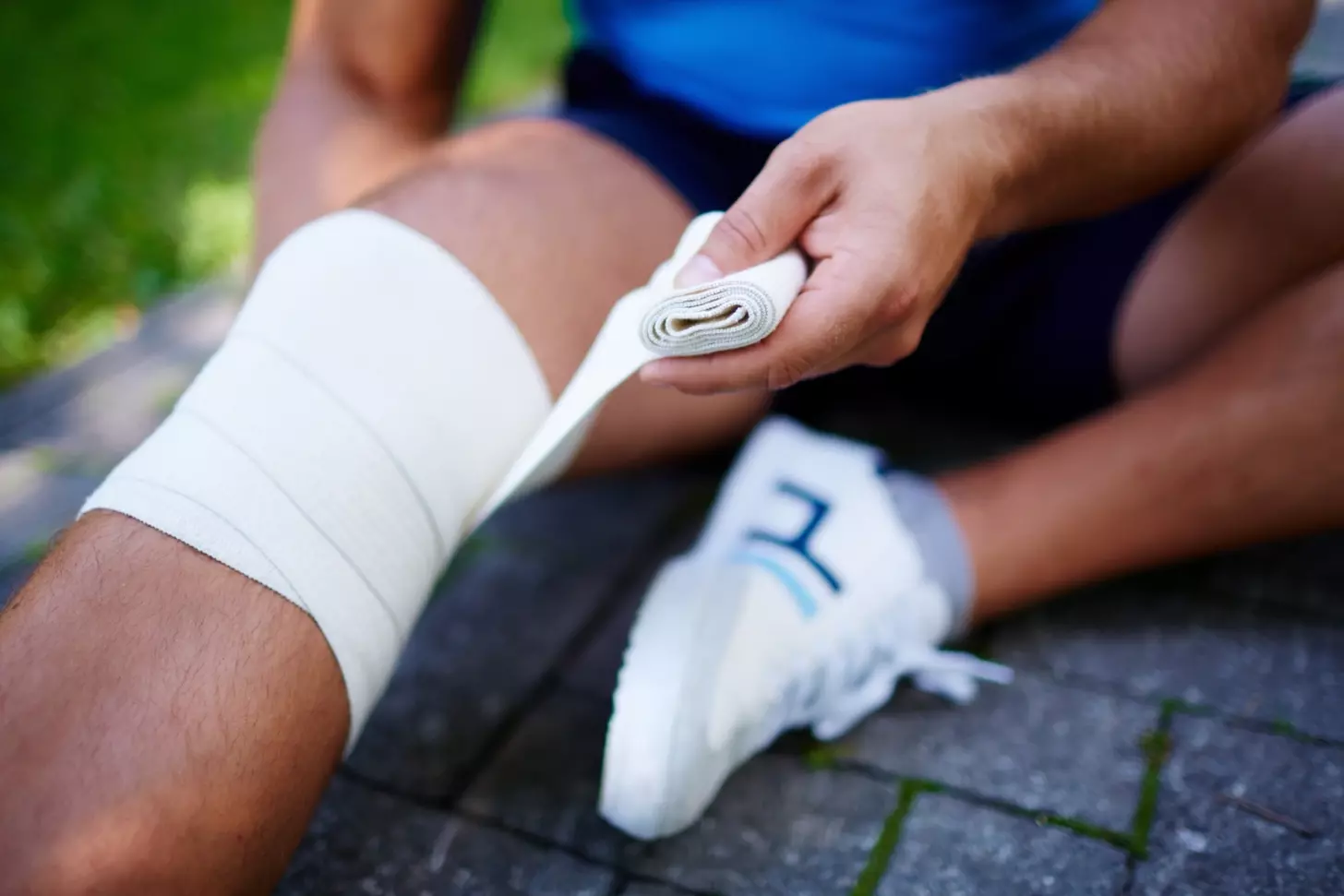
Swelling is normal after surgery. We suggest ways to reduce swelling, like elevating your leg, using compression, and applying ice.
By following these tips, you can greatly improve your recovery. It’s very important to follow the instructions from your healthcare team for a successful recovery.
The ACL Graft Healing Process Timeline
Recovering from ACL reconstruction is a complex journey. It’s important for patients to know what to expect. This helps them stick to their rehabilitation plans.
First 2 Weeks: Controlling Swelling and Pain
Right after surgery, the main goal is to manage swelling and pain. Ice packs and elevating the knee help reduce swelling. Pain is controlled with medication and rest.
Key Strategies for Managing Swelling and Pain:
- Regular application of ice packs
- Elevating the knee above heart level
- Adhering to prescribed pain medication
- Resting the knee and avoiding strenuous activities
Weeks 2-6: Early Mobility and Basic Strengthening
Once swelling goes down, we start on early mobility and strengthening. Gentle knee bends and straightening are key to regain motion.
Example Exercises:
- Straight leg raises
- Knee bends (initially with support)
- Quad sets (strengthening the quadriceps muscles)
Months 2-3: Progressive Strengthening
Months 2-3 focus on strengthening the knee muscles more. We do squats, lunges, and leg press, adjusting to each patient’s ability.
| Exercise | Description | Repetitions |
|---|---|---|
| Squats | Stand with feet shoulder-width apart, then bend knees | 3 sets of 10 |
| Lunges | Step out with one foot, lower body, then step back | 3 sets of 10 (per leg) |
| Leg Press | Push the platform away with your feet | 3 sets of 12 |
Months 4-6: Advanced Rehabilitation
Months 4-6 involve advanced exercises like agility drills and sport-specific training. This phase is key for getting back to normal activities or sports.
Understanding and following the ACL graft healing timeline helps patients recover better. It leads to the best possible outcomes.
Comprehensive Rehabilitation Protocol After ACL Graft Repair
After ACL graft repair, a detailed rehab plan is key for a good recovery. We know rehab has many steps. Each step helps improve knee function and strength slowly.
Phase 1: Protection and Initial Motion (Weeks 1-4)
The first phase is about protecting the graft and starting to move the knee. We focus on:
- Managing pain and swelling
- Slowly increasing knee movement
- Strengthening muscles around the knee
Key exercises include straight leg raises, quadriceps sets, and gentle knee bends.
Phase 2: Strength Development (Weeks 4-12)
As the knee heals, we move to strengthening exercises. This phase is vital for:
- Building muscle strength around the knee
- Improving knee stability
- Boosting functional ability
We use exercises like squats, lunges, and leg presses to build strength.
Phase 3: Functional Training (Months 3-6)
Functional training comes next, focusing on:
- Agility drills
- Plyometric exercises
- Sport-specific training
This phase helps patients get back to daily activities and sports.
Phase 4: Return to Sport Preparation (Months 6-9)
The last phase gets patients ready to return to their sport. We check:
- Strength and stability
- Functional ability
- Psychological readiness
Return to sport criteria include passing tests and showing confidence in the knee.
A detailed rehab plan after ACL graft repair is made for each person. By sticking to this structured program, patients can safely get back to their activities.
Potential Complications and How to Avoid Them
ACL surgery is usually successful, but problems like graft failure and pain can happen. Knowing about these issues and how to handle them is key for a good recovery.
Graft Failure: Causes and Prevention
Graft failure is a big problem after ACL surgery. It occurs when the graft doesn’t work right or gets damaged again.
Causes of Graft Failure:
- Trauma to the knee
- Inadequate graft fixation
- Poor graft placement
- Infection
To avoid graft failure, following a detailed rehab program is important. Also, stay away from risky activities early on.
| Cause | Prevention Strategy |
|---|---|
| Trauma | Use protective gear during sports |
| Inadequate graft fixation | Ensure proper surgical technique |
| Poor graft placement | Use advanced imaging during surgery |
Infection and Stiffness Management
Infection and stiffness are other issues after ACL surgery. Infection is treated with antibiotics, and stiffness needs physical therapy.
“Early detection and treatment of infection are key to avoid long-term damage.”
To deal with stiffness, stick to your rehab plan. Focus on exercises that help move your knee better.
Addressing Persistent Pain or Instability
Some people may have ongoing pain or feel unstable after ACL surgery. This could be due to graft failure or other issues like arthritis.
Dealing with these problems might need more tests, physical therapy, or even more surgery.
“Persistent pain or instability after ACL surgery needs a careful check to find the cause and right treatment.”
When to Contact Your Surgeon Post-Operation
Knowing when to see a doctor after ACL surgery is important. Call your surgeon if you notice:
- Increasing pain or swelling
- Signs of infection (redness, warmth, fever)
- Instability or feeling like your knee is giving way
- Any worries about your recovery
Understanding and avoiding complications can lead to better results after ACL surgery.
Returning to Sports and Physical Activities
After ACL reconstruction surgery, getting back to sports needs a good plan. This step is key for building strength, improving knee function, and ensuring a safe return to sports.
Sport-Specific Rehabilitation Considerations
Rehab programs should match the athlete’s sport. For example, a soccer player’s rehab will differ from a basketball player’s. Sport-specific training boosts the skills and endurance needed for each sport.
Our team works with athletes to create a personalized plan. This plan includes exercises that mimic the sport’s movements. It helps improve performance and lowers the risk of injury.
Testing Readiness for Return
Before going back to sports, athletes must pass tough tests. These tests check strength, agility, and knee stability. Functional performance tests help decide if an athlete is ready to return safely.
| Test | Description | Criteria for Passing |
|---|---|---|
| Single-Leg Hop Test | Measures the distance an athlete can hop on one leg | 90% of the distance achieved by the uninjured leg |
| Agility Drill Test | Assesses quick changes of direction | Completion within a certain time frame |
| Strength Test | Evaluates the strength of the quadriceps and hamstring muscles | 85% strength compared to the uninjured leg |
Protective Measures for Long-Term Success
Long-term success after returning to sports depends on protective measures. Using the right knee braces and avoiding overuse injuries are key. Athletes are also taught proper techniques to protect their knees.
“The key to a successful return to sports after ACL reconstruction is a combination of thorough rehabilitation, careful planning, and a gradual return to full activity.”
Psychological Aspects of Returning to Sport
The mental side of returning to sport is often ignored but is very important. Athletes may fear re-injury, which can affect their performance. Mental preparation techniques like visualization and positive self-talk can help overcome these fears.
Returning to sports after ACL surgery is a detailed process. It requires patience, dedication, and a well-structured rehab plan. By focusing on sport-specific training, rigorous testing, protective measures, and mental preparation, athletes can safely return to their sports and keep their knees healthy for the long term.
Success Rates and Long-Term Outcomes of ACL Reconstruction
ACL reconstruction surgery has greatly improved, leading to high success rates and better long-term results. We focus on helping patients through every step of their recovery. This is as important as the surgery itself.
Statistical Success Rates for Athletes
Research shows ACL reconstruction works well, with over 90% of athletes getting back to their old level of activity. Success is often measured by returning to sports, knee stability, and patient satisfaction. For example, a study in the American Journal of Sports Medicine found 85% of athletes got back to their pre-injury sports level.
“The return to sports rate after ACL reconstruction is a critical measure of success, reflecting not just knee function but also the patient’s confidence and performance level.”
Factors Affecting Long-Term Results
Several factors can impact the long-term results of ACL reconstruction. These include:
- Rehabilitation adherence: Following a rehabilitation plan closely is key to success.
- Graft type: The choice of graft can affect long-term results.
- Surgical technique: New surgical methods, like anatomic reconstruction, have improved outcomes.
- Patient factors: Age, activity level, and knee conditions before surgery can influence results.
Preventing Re-Injury and Future Knee Problems
It’s important to prevent re-injury for long-term success. We suggest a detailed rehabilitation program. This includes strength training, flexibility exercises, and functional training. Wearing protective gear during sports and modifying activities can also help avoid future knee issues.
Quality of Life After ACL Reconstruction
The main goal of ACL reconstruction is to improve knee function and quality of life. Most patients see big improvements in pain, stability, and knee function. Understanding what affects long-term outcomes helps patients make better choices and work towards the best results.
Conclusion
ACL graft repair is a top choice for fixing ACL injuries. It’s key to have a good recovery plan for the best results. We’ve talked about the different grafts, new surgery methods, and how to rehab after surgery.
The success rate of ACL surgery is very high. With the right care and rehab, people can get back to their usual activities. It’s important to stick to a detailed rehab plan to help the graft heal right and avoid problems.
Knowing about the ACL repair process, recovery, and rehab helps patients get involved in their care. A thorough rehab plan is vital for long-term success and avoiding future knee issues. We focus on giving top-notch care and support to international patients.
With proper treatment, patients can get their knee working again and enjoy their activities. Our aim is to offer the best healthcare and support for patients after ACL graft repair.
FAQ
What is ACL graft repair?
ACL graft repair is a surgery to fix a torn ACL in the knee. It uses a graft to replace the damaged ligament.
How is ACL reconstruction surgery performed?
ACL reconstruction surgery makes small cuts around the knee. An arthroscope is used to see inside the joint. Then, a graft is placed to replace the torn ACL.
What are the different types of ACL grafts used in reconstruction?
There are three main types of ACL grafts. Autografts come from the patient, allografts from donors, and synthetic grafts are man-made. Each has its own benefits and drawbacks.
What is the ACL graft healing process timeline?
The healing process of an ACL graft has several stages. First, it heals (0-6 weeks). Then, it incorporates into the knee (6-12 weeks). Lastly, it remodels (3-12 months or more).
What are the possible complications of ACL surgery?
ACL surgery can lead to graft failure, infection, stiffness, and pain. It can also cause instability and re-injury.
How long does it take to recover from ACL graft repair?
Recovery from ACL graft repair takes 6-12 months. It depends on the patient’s health, injury extent, and rehab program.
What is the rehabilitation protocol after ACL graft repair?
The rehab protocol has several phases. It starts with protection and motion. Then, it moves to strength training, functional training, and sport preparation.
Can I return to sports after ACL reconstruction?
Yes, many can return to sports after ACL reconstruction. It’s important to follow a specific rehab program, test readiness, and use protective gear.
What are the success rates of ACL reconstruction?
ACL reconstruction success rates are high. Most studies show good to excellent outcomes in stability, function, and patient satisfaction.
How can I prevent re-injury after ACL reconstruction?
Preventing re-injury requires a thorough rehab program, maintaining strength and flexibility, and using proper sports techniques. Wearing protective gear is also key.
What is the role of physical therapy in ACL rehabilitation?
Physical therapy is vital in ACL rehab. It helps regain strength, flexibility, and function. It also prepares for a safe return to sports.
How do I choose the right graft for my ACL reconstruction?
Choosing the right graft depends on several factors. These include the patient’s age, activity level, and personal preferences. The surgeon’s advice is also important.
References
American Academy of Orthopaedic Surgeons (AAOS). (n.d.). ACL reconstruction animation. OrthoInfo. Retrieved from https://orthoinfo.aaos.org/en/treatment/acl-reconstruction-animation