Last Updated on November 27, 2025 by Bilal Hasdemir
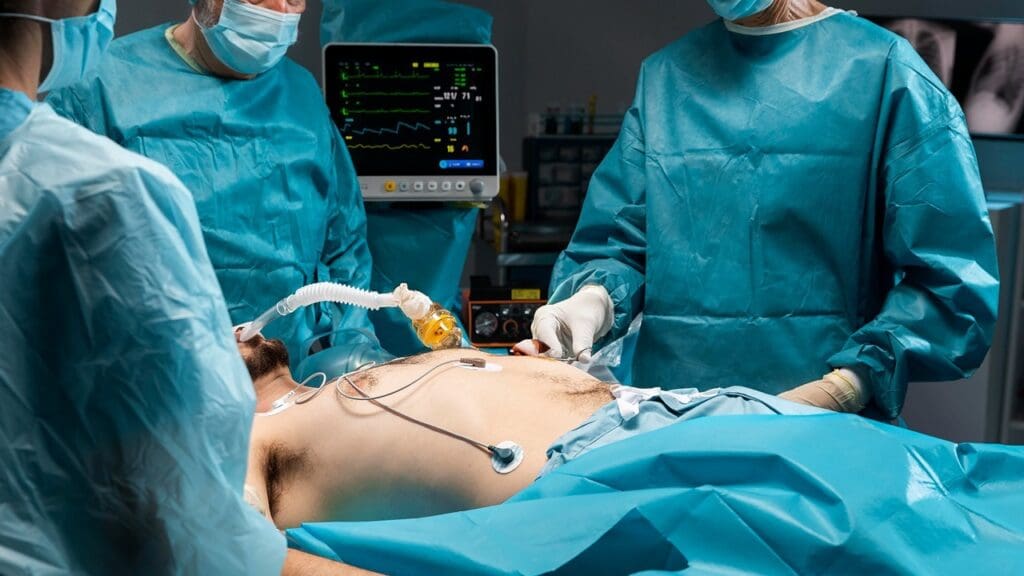
Fixing a damaged heart valve needs skill, care, and a focus on the patient. At Liv Hospital, we follow top international standards for care. Our team is committed to using the newest heart valve repair surgery methods to help our patients get the best results.
Every year, over 300,000 valve repair or replacement surgeries are done. New techniques like minimally invasive cardiac valve repair make recovery faster. We use different methods, like annuloplasty rings and leaflet reconstruction, to get the best results. By using the latest in transcatheter and robot-assisted valvular repair, we help our patients have fewer complications and a better life.
Key Takeaways
- Heart valve repair surgery is a critical treatment for valvular heart diseases.
- Innovative techniques like minimally invasive cardiac valve repair reduce recovery times.
- Various surgical methods, including annuloplasty rings and leaflet reconstruction, are used.
- Transcatheter and robot-assisted valvular repair offer lower complication rates.
- Successful heart valve repair can restore a patient’s quality of life and extend longevity.
Understanding Heart Valves and Their Function
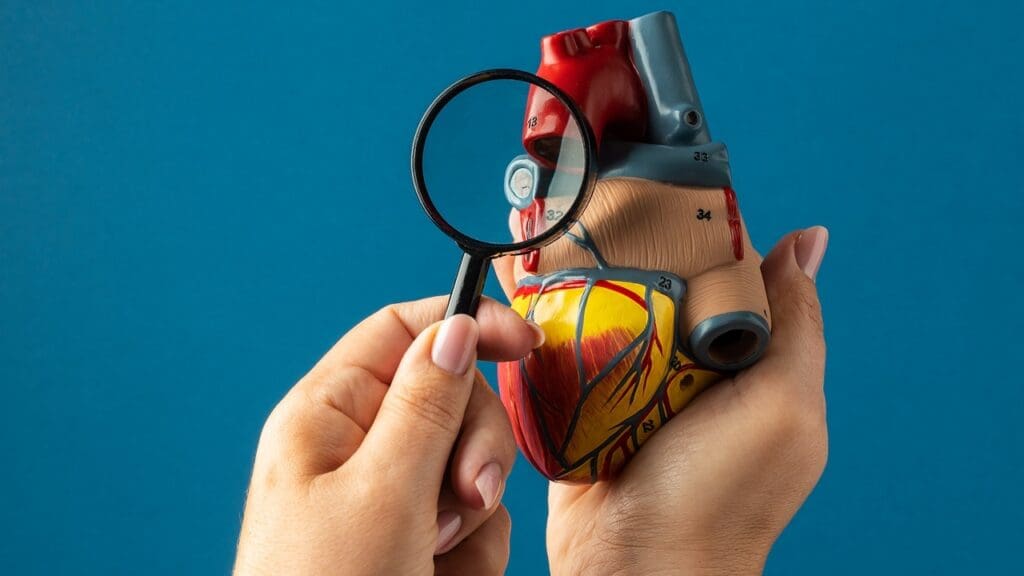
Heart valves are key to making sure blood moves in one direction through the heart. They stop blood from flowing back and keep the heart’s rhythm steady. This is vital for the heart’s health.
The Four Heart Valves and Their Roles
The heart has four valves: the mitral, tricuspid, pulmonary, and aortic. Each one plays a special part in controlling blood flow. The mitral and tricuspid valves manage blood between the atria and ventricles. The pulmonary and aortic valves handle blood flow to the lungs and the body.
| Valve Name | Location | Function |
|---|---|---|
| Mitral Valve | Between the left atrium and ventricle | Prevents backflow into the left atrium |
| Tricuspid Valve | Between the right atrium and ventricle | Prevents backflow into the right atrium |
| Pulmonary Valve | Between the right ventricle and pulmonary artery | Regulates blood flow to the lungs |
| Aortic Valve | Between the left ventricle and aorta | Regulates blood flow to the body |
Normal Heart Valve Function
In a healthy heart, valves open and close with each beat. This ensures blood flows only in one direction. The valves have thin leaflets and a supporting ring called the annulus. Good valve function is key for blood to circulate well.
How Valves Maintain Blood Flow Direction
Valves keep blood flowing in the right direction by opening and closing. They do this through pressure and timing with the heartbeat. If valves get damaged, they might not work right. This could mean they need valve repair or replacement.
Common Heart Valve Disorders Requiring Repair
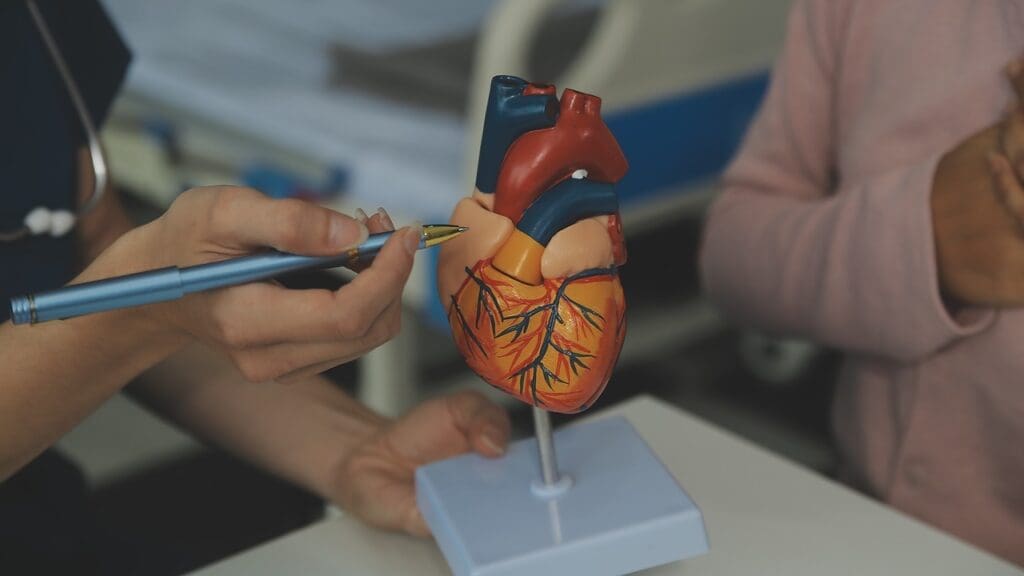
Heart valve disorders can greatly affect our health. It’s important to know the common issues that need repair. The heart has four valves – mitral, tricuspid, pulmonary, and aortic. Each valve is key to blood flowing right through the heart and to the body.
Valve Regurgitation (Leaky Valves)
Valve regurgitation happens when a valve doesn’t close right, letting blood leak back. This can cause shortness of breath, fatigue, and swelling in the legs and feet. If not treated, it can lead to serious problems like heart failure.
Valve Stenosis (Narrowed Valves)
Valve stenosis is when a valve gets too narrow, blocking blood flow. It can lead to chest pain, dizziness, and fainting. Severe cases might need surgery to fix or replace the valve.
Prolapsed Valves
A prolapsed valve bulges back into the chamber when it should be closed. This is often seen in mitral valve prolapse. It can cause mitral regurgitation if not managed well.
Signs and Symptoms of Valve Dysfunction
It’s vital to know the signs of valve problems for early treatment. Common signs include palpitations, shortness of breath, and fatigue. Sometimes, valve issues don’t show symptoms until they’re serious.
“Understanding the underlying causes and symptoms of heart valve disorders is essential for effective management and treatment.”
We’ll look at how to diagnose and treat heart valve disorders next.
Diagnostic Procedures for Heart Valve Assessment
Diagnosing heart valve issues requires advanced imaging and medical checks. We use these methods to check how well the heart valves work. This helps us find the best treatment for you.
Echocardiography and Imaging Techniques
Echocardiography is key for checking heart valve function. It uses sound waves to show the heart’s images. We can see how the valves move and blood flows. Other tests like MRI or CT scans give us more detailed views of the heart.
Cardiac Catheterization
Cardiac catheterization is a detailed test. It involves putting a catheter into the heart. This test shows how the heart’s valves and chambers work. It helps us spot any problems or blockages.
Stress Tests and Other Evaluations
Stress tests check how the heart works when it’s under stress. This can be through exercise or medicine. These tests show how well the heart valves work when the heart is active. We also do ECGs and chest X-rays to learn more about your heart.
Understanding Your Diagnosis
After the tests, we’ll talk about what we found. It’s important to understand your diagnosis. This helps you make choices about your treatment. We’ll work with you to create a treatment plan that fits your needs.
As a renowned cardiologist once said,
“The key to successful heart valve treatment lies in accurate diagnosis and a well-planned treatment strategy.”
We’re dedicated to giving you top-notch care and support. We’re here for you every step of the way.
Types of Heart Valve Repairs and Surgical Approaches
Heart valve repair surgery uses different methods. These range from traditional open-heart surgery to newer, less invasive techniques. Each method is designed to fix various heart valve problems, aiming for the best results for patients.
Annuloplasty Ring Procedures
Annuloplasty uses a ring or band to support the valve annulus. This helps improve the valve’s function. It’s great for fixing leaky valves by making the valve annulus the right shape and size.
Benefits of Annuloplasty:
- Improved valve function
- Reduced risk of further regurgitation
- Potential for a more durable repair
Leaflet Reconstruction Techniques
Leaflet reconstruction is a detailed method for fixing damaged or diseased valve leaflets. It might involve removing extra tissue, fixing tears, or reshaping the leaflet. This improves how well the valve works.
Minimally Invasive Cardiac Valve Repair
Minimally invasive cardiac surgery uses smaller cuts than traditional open-heart surgery. This leads to less damage to tissues and faster recovery times. It’s good for some valve repairs, as it causes less scarring and pain after surgery.
Traditional Open-Heart Valve Repair
Traditional open-heart surgery is a key method for many valve repairs. It lets surgeons directly access the heart valves. This is important for complex repairs.
Transcatheter Valve Repair Innovations
Transcatheter valve repair is a big step forward in heart care. It allows for valve repairs without open-heart surgery. This method uses catheters to place repair devices in the heart valves through blood vessels.
| Surgical Approach | Description | Benefits |
|---|---|---|
| Annuloplasty Ring Procedures | Use of a ring to support the valve annulus | Improved valve function, reduced regurgitation |
| Leaflet Reconstruction | Repairing or reshaping valve leaflets | Precise repair, improved valve competency |
| Minimally Invasive Surgery | Smaller incisions, less tissue damage | Quicker recovery, less scarring |
| Traditional Open-Heart Surgery | Direct access to heart valves through a larger incision | Complex repairs possible, established technique |
| Transcatheter Valve Repair | Using catheters to deliver repair devices | Avoids open-heart surgery, less invasive |
Preparing for Heart Valve Repair Surgery
Getting ready for heart valve repair surgery is a big step. It involves several important steps to make sure everything goes smoothly. We’ll help you understand the key parts of preparation, like pre-surgical checks, managing your meds, and making lifestyle changes.
Pre-Surgical Evaluations and Tests
Before surgery, you’ll need to go through some tests. These tests check your heart health and the state of your heart valves. You might have echocardiography, cardiac catheterization, and stress tests. These tests help our team plan the best surgery for you.
Medication Management Before Surgery
Managing your meds before surgery is very important. Some medicines might need to be stopped or changed to reduce risks. Our team will tell you exactly what to do with your medications. For more info on heart valve repair and replacement, check out https://doctorudgeathdhir.com/exploring-the-heart-valve-replacement-surgery-process-step-by-step/.
Lifestyle Adjustments Prior to Operation
Changing your lifestyle a bit can help before surgery. This might mean quitting smoking, eating healthy, and staying active. These changes can help you recover better and have better results.
What to Expect the Day Before Surgery
The day before surgery, you’ll get instructions on what to do. You’ll learn when to stop eating and drinking, and other important things. It’s very important to follow these instructions to stay safe during the surgery.
| Pre-Surgical Preparation | Description |
|---|---|
| Pre-Surgical Evaluations | Echocardiography, cardiac catheterization, stress tests |
| Medication Management | Adjust or stop certain medications as instructed |
| Lifestyle Adjustments | Quit smoking, healthy diet, appropriate physical activity |
The Heart Valve Repair Procedure: Step-by-Step
Heart valve repair is a detailed process. It aims to fix heart valve problems. This improves the heart’s function and the patient’s life quality.
Anesthesia and Initial Preparation
The first step is giving anesthesia. This keeps the patient comfortable and pain-free during surgery. General anesthesia is usually used, and the anesthesiology team watches the patient closely.
Establishing Cardiopulmonary Bypass
After anesthesia, the team sets up cardiopulmonary bypass (CPB). This method temporarily takes over the heart and lungs. It lets the surgeons work on a stopped heart.
Accessing and Assessing the Damaged Valve
With CPB ready, the surgeons make an incision in the chest. They then check the damaged valve. They figure out how bad it is and what repair is needed.
Surgical Techniques for Valve Reconstruction
The team uses different methods to fix the valve. This might include annuloplasty ring procedures or leaflet reconstruction. The choice depends on the valve’s state and the patient’s needs.
Testing Valve Competency
After fixing the valve, the surgeons test it. They make sure it works right. This is key to confirm the repair was a success.
Completing the Procedure
When the valve test is good, the team closes the incisions. The patient is then taken off the CPB. They are moved to the ICU for care and monitoring.
The surgical team works together for the best patient outcome. Knowing the steps helps patients prepare for surgery and recovery.
Advanced Techniques in Heart Valve Repairs
Medical technology has made big strides in heart valve repair surgery. These new methods aim to make patients’ lives better. They work to cut down on recovery time and improve quality of life.
Robot-Assisted Valve Repair Surgery
Robot-assisted valve repair is a big step forward in heart surgery. It uses robots to make precise repairs with smaller cuts. This could mean less pain and quicker healing for patients.
Percutaneous Valve Repair Methods
Percutaneous valve repair is a gentler way than open-heart surgery. It uses catheters to fix the valve, avoiding big cuts. This might lower the chance of serious problems.
3D Imaging-Guided Procedures
3D imaging makes heart valve repairs more precise and effective. It gives surgeons detailed, live images. This helps them make accurate repairs and check the valve’s function during surgery.
Emerging Technologies in Valvular Repair
New technologies like tissue engineering and biodegradable materials are being looked into. They could lead to better, more lasting repairs. These innovations might make repairs that grow and adapt with the patient’s needs.
These advanced techniques are changing heart valve repair for the better. They offer hope and better results for patients all over the world.
Recovery After Heart Valve Repair Surgery
The journey to full recovery after heart valve repair surgery involves several key steps and considerations. Understanding these steps is essential for a successful outcome.
Immediate Post-Operative Care
Right after surgery, patients are watched closely in the ICU for any complications. They get the right pain management and care for their wound.
Hospital Stay Duration and Monitoring
The time in the hospital varies based on each patient’s needs. It usually lasts from a few days to a week. Our team keeps a close eye on patients to make sure they’re recovering well.
Pain Management and Wound Care
Managing pain is key for comfort and recovery. We also teach patients how to care for their wound to avoid infection and help it heal.
Gradual Return to Activities
As patients get better, we guide them on returning to normal activities. This includes exercise and daily routines. A slow approach helps avoid overdoing it and ensures a smooth recovery.
Follow-Up Appointments and Tests
Follow-up visits are important to check on the patient’s progress and perform tests. These tests help see how the repaired valve is working. Adjustments to treatment plans may be made as needed.
By following these steps, patients can improve their recovery after heart valve repair surgery. Our team is dedicated to providing the best care and support every step of the way.
Potential Risks and Complications of Valve Repair
It’s important for patients and their families to know about the risks of heart valve repair surgery. The surgery is usually safe, but there are risks to consider.
Short-Term Surgical Risks
Short-term risks include bleeding, infection, and reactions to anesthesia. Cardiac arrhythmias and stroke can also happen during or right after surgery.
Long-Term Complications
Long-term issues might be prosthetic valve dysfunction or needing more surgery. Some may face heart failure or endocarditis, an infection of the heart valves.
Signs of Post-Surgical Complications
- Increased shortness of breath
- Chest pain or discomfort
- Fever or signs of infection
- Swelling in the legs or abdomen
When to Seek Emergency Care
If you have severe symptoms like trouble breathing, chest pain, or severe bleeding, get emergency care right away. Quick medical help can greatly improve your chances of recovery.
Long-Term Outcomes and Benefits of Heart Valve Repairs
Heart valve repair surgery brings many long-term benefits. It greatly improves patients’ quality of life. By fixing valve problems, patients see a big drop in symptoms and better heart function.
Improved Quality of Life
One key advantage of heart valve repair is better quality of life. Patients often feel more energetic and can do daily tasks without valve symptoms holding them back.
Extended Longevity Statistics
Research shows heart valve repair can lead to longer life. According to recent studies, those who get valve repair live longer than those who don’t have surgery.
| Outcome | Valve Repair | Valve Replacement |
|---|---|---|
| Improved Quality of Life | 85% | 70% |
| 5-Year Survival Rate | 90% | 80% |
| Reduced Symptoms | 95% | 85% |
Reduced Need for Valve Replacement
Heart valve repair often means you won’t need another surgery later. This is great for younger patients who might face many surgeries in their lives.
Ongoing Monitoring Requirements
Even with the many benefits, it’s key to keep an eye on things after heart valve repair. Regular check-ups and echocardiograms help catch any problems early.
Knowing the long-term benefits of heart valve repairs helps patients make smart choices. Always talk about the risks and benefits with your doctor before surgery.
Conclusion
We’ve looked into heart valve disorders and how to fix them surgically. Heart valve repair surgery is a top choice for fixing damaged or diseased valves.
This surgery can greatly improve a patient’s life. It reduces symptoms and boosts heart function. Choosing repair over replacement can also cut down on long-term medication needs.
Deciding on heart valve surgery is a big step. It should be thoughtfully considered with a heart specialist. Knowing the pros and cons helps patients make the best choice for their health.
Thanks to new surgical methods and tools, repair surgery is safer and works better. If you’re feeling symptoms of heart valve disease, see a doctor. Early treatment can make a big difference.
FAQ
What is heart valve repair surgery?
Heart valve repair surgery fixes or replaces damaged heart valves. This helps blood flow normally and improves heart function.
Why is heart valve repair necessary?
It’s needed when a valve gets damaged. This can cause symptoms like shortness of breath and chest pain.
What are the different types of heart valve repairs?
There are several types. These include annuloplasty ring procedures and leaflet reconstruction. Also, minimally invasive and traditional open-heart repairs, and transcatheter valve repair.
How is heart valve disease diagnosed?
Tests like echocardiography and cardiac catheterization are used. Stress tests and other evaluations help find the extent of damage.
What are the benefits of minimally invasive heart valve repair?
It has many benefits. These include smaller incisions and less pain. It also has a lower risk of complications and faster recovery.
How long does it take to recover from heart valve repair surgery?
Recovery time varies. Most patients spend a few days in the hospital. Then, several weeks to months at home to recover fully.
What are the possible risks and complications of heart valve repair surgery?
Risks include bleeding and infection. Stroke and valve dysfunction are also possible. Long-term risks include bleeding and valve deterioration.
Will I need to take medications after heart valve repair surgery?
Yes, you may need medications. These are for conditions like high blood pressure and arrhythmias. They help prevent complications and keep the valve healthy.
Can heart valve repair surgery improve my quality of life?
Yes, it can. It relieves symptoms and improves heart function. It also reduces the risk of complications from valve disease.
How is the success of heart valve repair surgery measured?
Success is measured by valve function and symptom relief. It also looks at overall heart health and monitors for complications.
What are the emerging technologies in valvular repair?
New technologies include robot-assisted surgery and percutaneous methods. 3D imaging-guided procedures offer innovative solutions for complex repairs.
How often will I need follow-up appointments after heart valve repair surgery?
Follow-ups are scheduled regularly. They monitor valve function and adjust medications. They also address any concerns or complications.
References
- CTSNet (Cardiothoracic Surgery Network): [suspicious link removed]
- Journal of Cardiac Critical Care (JCCC): https://www.jcardcritcare.org/technical-aspects-of-mitral-valve-replacement-a-guide-for-beginners/
- British Heart Foundation (BHF): https://www.bhf.org.uk/informationsupport/treatments/heart-valve-repair-surgery
- NHS (UK): https://www.nhs.uk/tests-and-treatments/heart-valve-replacement/how-its-done/