Last Updated on November 27, 2025 by Bilal Hasdemir

Every second is critical when a heart attack happens. Knowing heart attack first aid can be a lifesaver. At Liv Hospital, we stress the need for fast action and the right response to improve outcomes.
If you see signs of a heart attack, like chest pain or shortness of breath, act fast. We’ll show you how to help in these urgent moments.
It’s key to know what to do when someone is having a heart attack. Our guide will help you take the right steps. This way, you can give the best care until help arrives.
Key Takeaways
- Recognize the signs of a heart attack, including chest pain and shortness of breath.
- Act quickly by calling emergency services immediately.
- Follow our step-by-step first aid guide for effective response.
- Understanding heart attack first aid can save lives.
- Stay calm and provide the necessary care until medical help arrives.
Understanding Heart Attacks: What Happens During a Cardiac Emergency
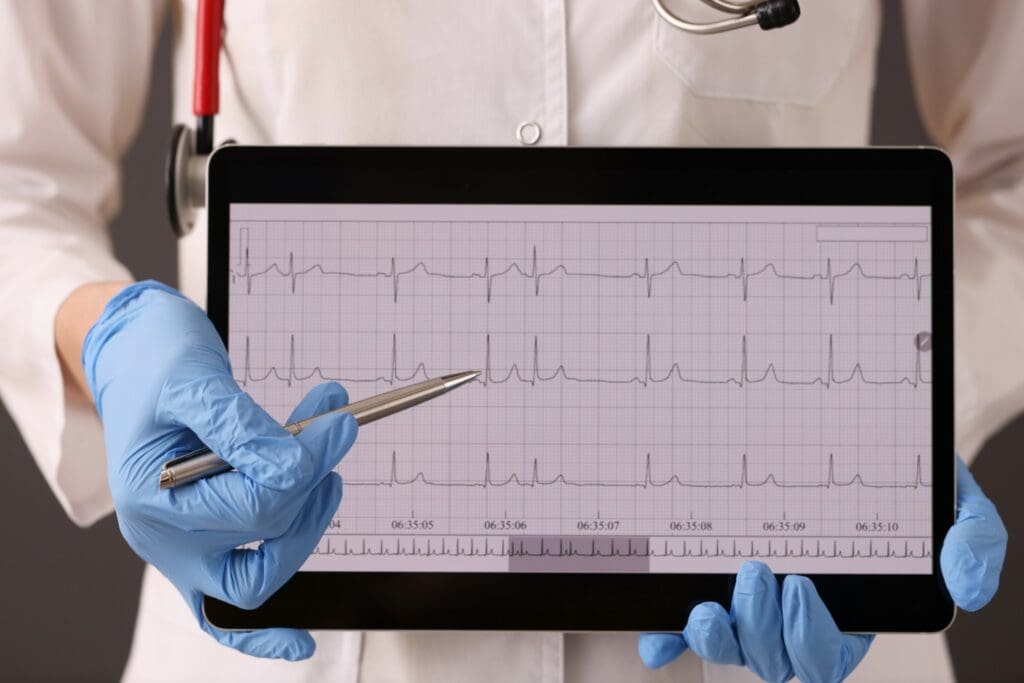
Knowing what happens during a heart attack is key to giving good first aid. A heart attack, or myocardial infarction, happens when blood flow to the heart stops for too long. This causes damage or death to the heart muscle.
The Physiology of a Heart Attack
Most heart attacks are caused by a blockage in the coronary arteries. These arteries supply blood to the heart. The blockage is usually a blood clot on atherosclerosis (plaque) inside the artery.
The heart needs oxygen and nutrients constantly to work. When a coronary artery is blocked, the heart muscle beyond the blockage doesn’t get what it needs. This leads to damage or death of the heart tissue.
Why Quick Response Matters: The Golden Hour
The first hour after heart attack symptoms start is called the “golden hour.” This time is critical because quick medical treatment can save lives and reduce heart damage. Getting help fast can restore blood flow to the heart.
“Time is muscle” is a phrase often used in the context of heart attacks, stressing that opening a blocked artery quickly reduces heart muscle damage.
Common Risk Factors for Heart Attacks
Several factors increase the risk of having a heart attack. These include:
- High blood pressure
- High cholesterol
- Smoking
- Diabetes
- Obesity
- Family history of heart disease
| Risk Factor | Description |
|---|---|
| High Blood Pressure | High blood pressure can damage the coronary arteries, making a heart attack more likely. |
| High Cholesterol | High levels of LDL (“bad”) cholesterol can cause plaque buildup in the arteries. |
| Smoking | Smoking damages blood vessel linings, making them more prone to blockage. |
Knowing these risk factors and what happens during a heart attack helps prevent and respond to cardiac emergencies.
Recognizing the Warning Signs of a Heart Attack
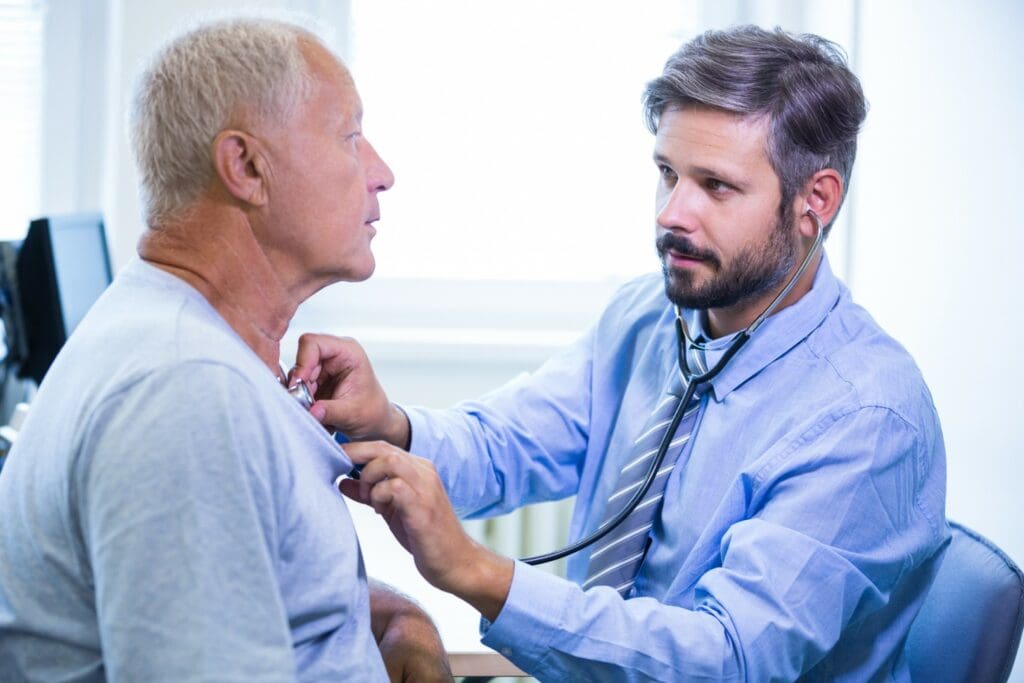
Knowing the signs of a heart attack can save lives. It’s vital to recognize them quickly to act fast.
Classic Symptoms to Watch For
Heart attack symptoms include chest pain or discomfort. This can feel like pressure or tightness. Pain can spread to the arms, back, neck, jaw, or stomach.
Other signs are shortness of breath, cold sweats, nausea, and lightheadedness.
The American Heart Association says chest pain is the main symptom. Don’t ignore these signs and seek help right away.
How Heart Attack Symptoms Differ in Men and Women
Men and women both get chest pain during a heart attack. But, women often have other symptoms like shortness of breath and nausea. They might also feel pain in the back, neck, or jaw without chest pain.
A study found women are more likely to have symptoms not related to chest pain.
Silent Heart Attacks: When Symptoms Are Subtle
Some heart attacks are “silent,” with no typical symptoms or very mild ones. Silent heart attacks are more common in people with diabetes. They can be just as dangerous as those with clear symptoms.
Regular check-ups and noticing any unusual body changes can help spot a silent heart attack.
- Be aware of unusual fatigue
- Watch for mild discomfort in the chest or arms
- Monitor for shortness of breath
By knowing these warning signs, we can react faster in case of a heart attack.
What to Do If Someone Gets a Heart Attack: The Critical First Steps
When someone has a heart attack, every second is important. Knowing what to do first is key. Staying calm and acting fast can greatly help.
Assessing the Situation Quickly
The first thing to do is quickly check the situation. See if the person is awake and can talk. Ask them if they’re okay and if they can speak clearly.
If they can’t talk or seem unresponsive, it’s a serious sign.
Key signs to look for include:
- Chest pain or discomfort
- Shortness of breath
- Pain or discomfort in one or both arms, the back, neck, jaw, or stomach
- Feeling weak, light-headed, or faint
Calling Emergency Services Immediately
After checking the situation, call emergency services right away. In the U.S., dial 911 or your local emergency number. Quick action is key because fast medical help is vital.
Stay calm when calling 911. Give clear information. The operator will help you, so be ready to share details.
What Information to Provide to 911 Operators
When you call 911, the operator will ask for specific info. Be ready to give:
- The location of the emergency, including the address
- A description of the person’s condition, including symptoms
- Any relevant medical history or known conditions
By following these steps, you can help the person get the medical help they need fast. Quick action and the right info can make a big difference.
Immediate Actions While Waiting for Emergency Services
After calling for help, it’s key to know what to do next. Your actions can greatly help the person having a heart attack. They might even save their life.
Helping the Person Find a Comfortable Position
First, help the person find a comfy spot. This can lessen their pain and worry. They should sit or lie down with their back supported.
We recommend you gently help them into this position. This way, you avoid making things worse.
Loosening Tight Clothing
Then, loosen any tight clothes around their neck, chest, and arms. This can help them breathe better and ease their heart’s work. Simple steps like removing or loosening ties, scarves, or tight collars can really help.
Keeping the Person Calm and Reassured
It’s vital to keep the person calm and reassured. Tell them help is coming and you’re there for them. Speak softly and gently, and only ask them to talk if it’s really needed.
Here are some reassuring things to say:
- Emergency services have been called and are on their way.
- You are there to support them.
- They are not alone.
By taking these steps, you can give important care while waiting for help to arrive.
Medication Administration During a Heart Attack
When someone has a heart attack, giving the right medicine is key. The right medicine can ease symptoms and might even save lives.
Assisting with Nitroglycerin If Prescribed
Nitroglycerin is often given to people with heart problems. If the person having a heart attack has nitroglycerin, we help them take it. Nitroglycerin eases chest pain by making blood vessels wider and improving blood flow to the heart.
It’s important to follow the dosage instructions. Also, make sure the person is sitting or lying down when they take it. This is because nitroglycerin can make them dizzy or faint.
When and How to Administer Aspirin
Aspirin is also very important during a heart attack. Aspirin makes blood thinner and stops clots from blocking arteries. If the person isn’t allergic to aspirin and it’s okay to give it, we can give them one adult aspirin (usually 325 mg).
They should chew and swallow it. Always call emergency services before giving aspirin. They can give more advice.
Medications to Avoid During a Suspected Heart Attack
While aspirin and nitroglycerin (if prescribed) are good, some medicines are bad during a heart attack. Don’t give any medicine that wasn’t prescribed or not recommended by a doctor. Also, don’t give medicines for other problems unless a doctor says it’s okay.
What to Do If You’re Having a Heart Attack Yourself
When you’re having a heart attack, every second is critical. Knowing what to do can save your life. Heart attacks are scary and isolating, but being ready can greatly improve your chances.
Recognizing Your Own Symptoms
Knowing the signs of a heart attack is key. Look out for chest pain, shortness of breath, and nausea. You might also feel lightheaded or have pain in your arms, back, neck, jaw, or stomach.
Heart attack symptoms can differ from person to person. Some may have mild or no symptoms, known as a silent heart attack. If you’re unsure, it’s better to be safe than sorry.
Steps to Take When Alone
If you’re alone and think you’re having a heart attack, follow these steps:
- Call emergency services right away. In the United States, dial 911.
- Take nitroglycerin if you’ve been prescribed it.
- If your doctor says it’s okay, chew and swallow an aspirin.
- Try to stay calm and rest.
Self-Administration of Emergency Medication
If you have heart medication, like nitroglycerin, follow your doctor’s advice. Also, if you’re told to take aspirin, know the right amount.
Here’s a quick guide for emergency medication during a heart attack:
| Medication | Dosage | Instructions |
|---|---|---|
| Nitroglycerin | As prescribed | Take as directed by your doctor |
| Aspirin | Typically 325 mg | Chew and swallow if advised by your doctor |
While taking your medication is important, getting to a hospital quickly is even more critical.
Performing CPR If the Person Becomes Unresponsive
If someone having a heart attack stops responding, you must act fast. CPR is a lifesaving method for heart attacks and other emergencies. It keeps blood flowing and oxygen to vital organs until help arrives.
“The sooner CPR is started, the better the chances of survival,” the American Heart Association says. CPR is key because it keeps the body going until medical help gets there.
When to Start CPR
Start CPR if the person is not breathing or unresponsive. Check if they’re okay by shaking them gently. If they don’t respond, call 911 or your local emergency number right away.
If you’re alone, start CPR before calling for help. Do 30 chest compressions and two rescue breaths if you know how. For hands-only CPR, keep doing chest compressions at 100 to 120 per minute.
Hands-Only CPR Technique
Hands-only CPR is for those not trained or uncomfortable with rescue breaths. Place your hands on the chest, with one hand on top of the other. Push down on the chest to a depth of 2-3 inches at 100-120 compressions per minute.
Keep going until help arrives, the person wakes up, or you can’t do it anymore.
For more detailed CPR guidelines, check out the Heart and Stroke Foundation’s CPR guidelines.
CPR with Rescue Breaths for Trained Responders
For those trained in CPR, you do chest compressions and rescue breaths. After 30 compressions, give two breaths. Tilt the head back, lift the chin, and breathe through the mouth.
The American Heart Association says high-quality CPR, with both compressions and breaths, boosts survival chances. Keep doing CPR until help arrives.
Using an Automated External Defibrillator (AED)
Having an AED and knowing how to use it can save lives during a heart attack. An Automated External Defibrillator checks the heart’s rhythm and shocks it if needed. This helps the heart beat properly again.
Locating and Accessing an AED
Finding an AED is the first step. They are in places like malls, airports, and schools. It’s also smart to have one at home, if heart disease runs in your family.
- Look for AEDs in local businesses and community centers.
- Many workplaces have AEDs in their first aid kits.
- Some cities have maps or registries to find AEDs quickly.
Step-by-Step Guide to AED Use
Using an AED is easy. Here’s how to do it:
- Turn on the AED and follow the voice or visual prompts.
- Expose the person’s chest and attach the electrode pads as shown on the diagrams provided with the AED.
- The AED will analyze the heart rhythm. Ensure no one is touching the person during this time.
- If the AED advises a shock, ensure no one is touching the person and press the button to deliver the shock.
- Continue CPR as directed by the AED until emergency services arrive.
Remember, an AED is for anyone to use. It gives clear instructions, even if you’re not a medical expert.
AED Safety Considerations
While AEDs are safe, there are some things to keep in mind:
| Safety Consideration | Description |
|---|---|
| Avoid water | Do not use an AED in or near water. If the person is wet, dry their chest before attaching the electrode pads. |
| Medication patches | If the person has medication patches on their chest, remove them before attaching the AED pads. |
| Implanted devices | If the person has an implanted pacemaker or defibrillator, the AED pads should not be placed directly over the device. |
The American Heart Association says AEDs are key in saving lives. They can greatly improve survival rates when used right away and correctly.
“Early defibrillation is critical for survival from cardiac arrest. The use of AEDs by lay rescuers can double or triple survival from cardiac arrest.”
Special Considerations for Different Populations
Heart attack response varies by group, like the elderly and those with heart conditions. It’s key to know the special needs of each group for a good response.
Heart Attack Response for Elderly Individuals
Elderly people often show different symptoms, making quick diagnosis hard. Look out for signs like confusion, shortness of breath, or tiredness. These can mean a heart attack in older adults.
Key Considerations for Elderly Heart Attack Response:
- Be aware of subtle or atypical symptoms.
- Consider comorbidities that may complicate diagnosis or treatment.
- Adjust medication administration according to age-related guidelines.
Responding to Heart Attacks in People with Known Heart Conditions
Those with heart conditions might have special meds or devices like pacemakers. Knowing their situation and treatments is very important.
| Condition | Response Consideration |
|---|---|
| Pacemaker/ICD | Check device status; avoid using AED if it’s implanted. |
| Nitroglycerin Use | Assist with administration if prescribed. |
| Previous Heart Surgery | Be aware of possible complications like sternal instability. |
Heart Attack First Aid for Pregnant Women
Pregnant women need quick help for heart attacks, thinking of both mom and baby. If CPR is needed, do it with the woman on her back. Use a wedge or manual displacement to the left to avoid aortocaval compression.
It’s vital to call emergency services right away and follow their advice.
By knowing and meeting the special needs of different groups, we can better handle heart attacks and save lives.
After the Emergency: Hospital Care and Recovery
The time after a heart attack is very important. Hospital care is key to getting better. After the emergency, patients go to the hospital for more treatment and care.
Emergency Room Procedures
When patients arrive at the hospital, the emergency room team quickly checks them. They do tests like electrocardiograms (ECGs), blood tests, and imaging studies. These help figure out how bad the heart attack is and if there are any other problems.
Key emergency room procedures include:
- Rapid assessment and stabilization of the patient
- Administration of medications to manage pain, reduce clotting, and stabilize heart rhythm
- Monitoring of vital signs and cardiac function
Common Treatments and Interventions
In the hospital, treatments aim to fix the heart attack, manage symptoms, and stop more damage.
| Treatment | Description |
|---|---|
| Angioplasty and Stenting | A procedure to open blocked arteries and restore blood flow to the heart. |
| Coronary Artery Bypass Grafting (CABG) | Surgery to bypass blocked arteries, improving blood flow to the heart. |
| Medication Therapy | Use of drugs to manage cholesterol, blood pressure, and prevent clotting. |
What Family Members Should Know and Do
Family members are very important in the recovery. They need to know about the patient’s condition, treatment, and any doctor’s advice.
Key actions for family members include:
- Providing emotional support and reassurance to the patient
- Assisting with communication between the patient and healthcare team
- Helping to manage follow-up appointments and medication schedules
Knowing what to expect in hospital care and recovery helps both patients and their families. It makes this critical time easier to get through.
Conclusion: Being Prepared Can Save Lives
Being ready for a heart attack can greatly improve survival chances. We’ve covered key steps for handling a cardiac emergency. This includes spotting warning signs, giving first aid, and using an Automated External Defibrillator (AED).
It’s vital to be prepared for heart attacks. Knowing what to do can be life-saving. By recognizing symptoms, acting fast, and giving the right care, we can help more people survive.
We urge everyone to get prepared. Learn CPR, keep an AED close, and know how to act in a heart attack. Together, we can make our community safer and save lives.
FAQ
What are the common symptoms of a heart attack?
Symptoms include chest pain or discomfort. You might also feel short of breath or have pain in your arms, back, neck, jaw, or stomach. Feeling tired or weak, and lightheadedness or loss of consciousness are also signs.
How do heart attack symptoms differ between men and women?
Both men and women can have chest pain. But women often have other symptoms like shortness of breath, nausea, or back and jaw pain. Men usually just feel chest pain.
How do heart attack symptoms differ between men and women?
Both men and women can have chest pain. But women often have other symptoms like shortness of breath, nausea, or back and jaw pain. Men usually just feel chest pain.
What should I do if someone is having a heart attack?
Call emergency services right away. Help the person get into a comfortable spot. Loosen tight clothes and keep them calm. If they have nitroglycerin, help them take it.
References
- Heart Disease Facts. Retrieved from: https://www.cdc.gov/heart-disease/data-research/facts-stats/index.html
- World Heart Report. Retrieved from: https://world-heart-federation.org/wp-content/uploads/World_Heart_Report_2025_Online-Version.pdf
- Heart Attack. Retrieved from: https://www.nhs.uk/conditions/heart-attack/
- Heart Attack. Retrieved from: https://www.heart.org/en/health-topics/heart-attack
- About Heart Attack Symptoms, Risk, and Recovery. Retrieved from: https://www.cdc.gov/heart-disease/about/heart-attack.html