Last Updated on November 26, 2025 by Bilal Hasdemir

Radiofrequency ablation (RFA) is a procedure that treats chronic pain by destroying nerves. After RFA, patients often struggle to sleep well because of soreness or discomfort, mainly in the neck. Struggling with how to sleep after radiofrequency ablation? Get 5 easy tips for better comfort, pain management, and a faster recovery.
At Liv Hospital, we know how important good sleep is during recovery. We teach patients the best sleeping positions and how to use ergonomic pillows. This helps manage pain and ensures a smooth recovery.
Key Takeaways
- Optimal sleeping positions can help reduce discomfort after RFA.
- Using ergonomic pillows is key for neck support during recovery.
- Managing pain effectively is vital for restful sleep.
- Post-procedure soreness is temporary and can be managed with proper care.
- Proper sleep is essential for a smooth recovery after RFA.
Understanding Radiofrequency Ablation (RFA) and Its Effects
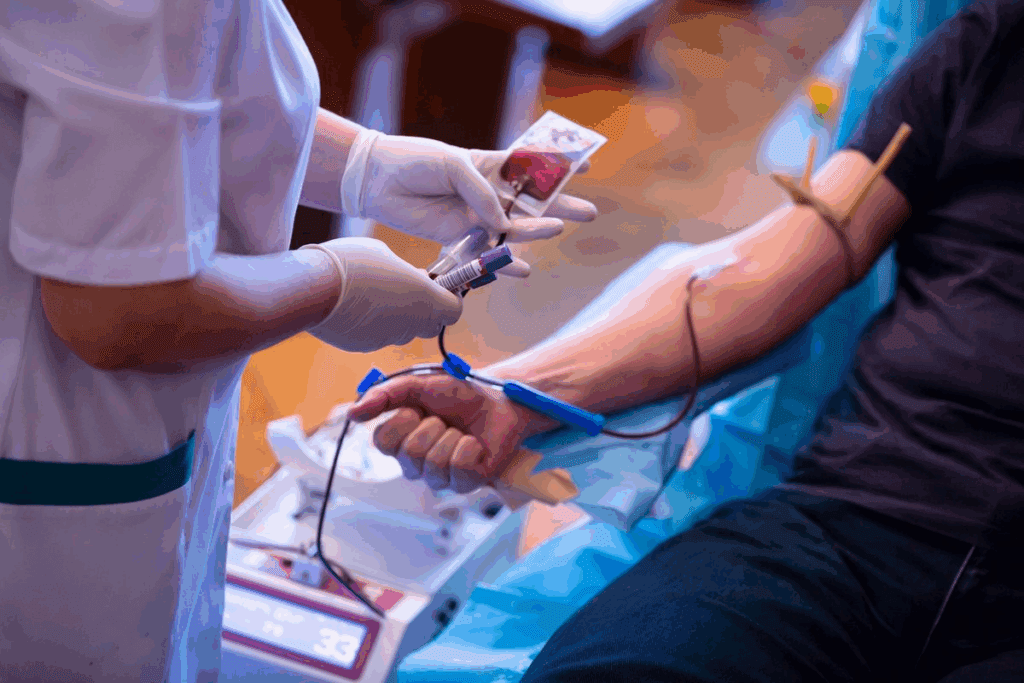
Learning about radiofrequency ablation (RFA) is key for those thinking about it for chronic pain management. RFA is a small procedure that helps a lot with chronic pain.
What is Radiofrequency Ablation?
Radiofrequency ablation heats up a small nerve area with electric currents. This stops pain signals from reaching the brain. It’s great for chronic pain that other treatments can’t fix.
Common Treatment Areas and Conditions
RFA treats many chronic pain issues, like arthritis of the spine, sacroiliac joint inflammation, and facet joint inflammation. It targets the pain-causing nerves, giving relief to those with these problems.
Immediate Post-Procedure Sensations
Right after RFA, you might feel numbness or mild pain in the treated area. These immediate post-procedure sensations are usually short-lived and can be managed with care and pain strategies.
It’s important to know RFA can greatly lessen chronic pain, but it’s not a complete fix. Pain after RFA might happen, but it’s usually milder than the original pain. Knowing what to expect from RFA helps patients prepare for recovery and make smart treatment choices.
What to Expect: Normal Pain and Discomfort After RFA

Knowing what to expect after RFA can make recovery easier. Radiofrequency ablation (RFA) helps with chronic pain. But, it’s normal to feel some discomfort after the procedure.
Typical Pain Patterns Following Ablation
Patients may feel different levels of pain after RFA. Some might feel just a little discomfort, while others might feel more pain. The pain comes from the body’s reaction to the procedure, like inflammation and nerve irritation. Doctors say, “The pain after RFA is usually a temporary response to the treatment.”
Some patients might get “post-ablation syndrome.” This can include pain, discomfort, fever, or fatigue. This syndrome is usually short-lived and goes away on its own.
When Pain May Worsen Before Improving
It’s common for pain to get worse right after RFA. This is because of the body’s inflammatory response. A medical expert explains,
“It’s not unusual for patients to feel a bit worse before they start feeling better, as the body adjusts to the changes made during the RFA procedure.”
This initial pain increase is usually short-lived. It should start to get better as the body heals. Patients should follow their doctor’s pain management advice.
Timeline for Pain Relief and Recovery
The time it takes to feel better after RFA varies. Some might feel better in a few days, while others might take weeks. The recovery time depends on the treated area, the individual’s health, and following post-procedure instructions.
Here’s what patients can generally expect:
- Immediate post-procedure: Some discomfort or pain
- First few days: Possible increase in pain due to inflammation
- 1-2 weeks: Gradual improvement as inflammation subsides
- 2-6 weeks: Continued improvement and return to normal activities
It’s key for patients to keep in touch with their healthcare provider during recovery. This way, they can address any concerns or unexpected pain changes.
How to Sleep After Radiofrequency Ablation: Essential Techniques
After radiofrequency ablation, finding a comfy sleeping position is key for a good night’s sleep. The right techniques can lessen discomfort and help your body heal.
Optimal Sleeping Positions
Choosing the right sleeping position can ease strain on the treated area. For those with RFA on their lower back or legs, sleeping on their back with a pillow under their knees is best. It reduces spine pressure and boosts comfort.
For neck or upper back RFA, a supportive pillow is vital. A contoured cervical pillow keeps the neck aligned, easing strain on the treated area.
Creating a Comfortable Sleep Environment
A good sleep environment is key for quality sleep after RFA. Make sure your bedroom is cool, dark, and quiet. Use blackout curtains, earplugs, or a white noise machine if needed.
Also, get a comfortable mattress that supports well. A medium-firm mattress is best as it offers both comfort and support, preventing too much sinking or stiffness.
Pre-Sleep Routines to Reduce Discomfort
Starting a pre-sleep routine can help your body relax, reducing discomfort. Try gentle stretching, meditation, or reading to calm your body and mind.
A warm bath or shower before bed can also relax your muscles and calm you. But, avoid extreme temperatures and make sure the water isn’t too hot, as it could irritate the treated area.
| Pre-Sleep Activity | Benefits |
| Gentle Stretching | Relaxes muscles, improves flexibility |
| Meditation or Deep Breathing | Reduces stress, promotes relaxation |
| Warm Bath or Shower | Relaxes muscles, promotes calmness |
By using these strategies, patients can improve their sleep, lessen discomfort, and aid in their recovery after radiofrequency ablation.
Choosing the Right Pillows and Bedding for Recovery
Choosing the right pillows and bedding is key for a comfy recovery after radiofrequency ablation. The right support and comfort can help ease post-procedure discomfort. This makes for better sleep and faster recovery.
Ergonomic Pillows for Neck Support
Ergonomic pillows offer great neck support, keeping your spine aligned and easing strain. They can greatly improve sleep quality by cutting down on discomfort and helping you sleep naturally.
“I’ve found that using an ergonomic pillow has made a big difference in my recovery,” says a patient who had cervical RFA. “It helps keep my neck in the right position and cuts down on pain.”
Body Pillows and Positioning Aids
Body pillows and positioning aids are great for keeping you comfy while sleeping. They support your knees, back, or other areas, helping to reduce pressure on sensitive treatment sites.
- Full-body pillows help you sleep comfortably on your side.
- Knee pillows ease strain on your lower back.
- Contour pillows support the natural curve of your neck.
Mattress Considerations for Pain Relief
The right mattress is key for pain relief during recovery. A medium-firm mattress is often best as it offers the right support without being too hard or too soft.
When picking a mattress, think about the material, firmness, and how well it breathes. Memory foam mattresses, for example, are great for support and pressure relief.
Adaptive Bedding Solutions for Different Ablation Sites
Different ablation sites need different bedding solutions. For example, patients with lumbar RFA might need extra lower back support. Those with cervical RFA might need more neck support.
| Ablation Site | Recommended Bedding |
| Cervical | Ergonomic neck pillow |
| Lumbar | Supportive mattress, knee pillow |
By picking the right pillows and bedding for your needs, you can greatly improve your comfort and recovery after radiofrequency ablation.
Pain Management Strategies for Better Sleep
To sleep better after radiofrequency ablation, it’s key to use the right pain management. Good pain management helps improve sleep and makes recovery more comfortable.
Physician-Approved Medications
Always follow your doctor’s advice on pain meds. They might suggest nonsteroidal anti-inflammatory drugs (NSAIDs) or other pain relievers. Stick to the dosage to avoid side effects.
| Medication Type | Common Examples | Usage |
| NSAIDs | Ibuprofen, Naproxen | Relieves pain and reduces inflammation |
| Prescription Pain Relievers | Oxycodone, Hydrocodone | Manages moderate to severe pain |
Non-Pharmaceutical Pain Relief Methods
There are also non-medical ways to ease pain. Using ice packs on the affected area can help. Try relaxation techniques like deep breathing or meditation to manage pain and relax.
Timing Pain Management for Optimal Sleep
When you take pain meds is important for good sleep. Take them 30 minutes before bedtime as your doctor advises. This ensures they work well at night.
When to Contact Your Doctor About Pain
If you have severe or worsening pain, call your doctor right away. Also, reach out if you see signs of infection or if your pain meds aren’t working.
Using these pain management tips can greatly improve your sleep and recovery after radiofrequency ablation.
Recovery Timeline and Expectations After Different Types of RFA
Knowing how long it takes to recover from radiofrequency ablation (RFA) is key. It helps manage your expectations and ensures a smooth recovery. The time it takes can vary a lot, depending on where the treatment was and your own health.
Cervical Neck Ablation Recovery Process
Cervical neck ablation treats neck pain. The recovery usually includes:
- Mild discomfort or soreness in the neck area
- Possible numbness or tingling sensations
- Gradual improvement in pain levels over the following weeks
Most people can get back to normal in a few days to a week. But, it’s important to follow your doctor’s post-procedure instructions carefully.
Back and Lumbar RFA Recovery
Back and lumbar RFA treats chronic lower back pain. The recovery might include:
- Initial soreness or stiffness in the lower back
- Possible bruising or redness at the treatment site
- Improvement in pain levels over the following weeks as the treated nerves heal
People usually see big pain relief in 2-4 weeks. Keeping a healthy lifestyle, like regular exercise and good posture, helps a lot in the long run.
Factors That May Affect Your Recovery Time
Several things can change how long it takes to recover from RFA, including:
| Factor | Description | Impact on Recovery |
| Age | Older patients may have slower healing times | May prolong recovery |
| Overall Health | Presence of underlying medical conditions | Can affect healing rate and recovery |
| Treatment Area | Different areas of the body may heal at different rates | Varies depending on the treated area |
Signs of Proper Healing vs. Complications
It’s important to watch your recovery closely. Dr. John Smith, a pain management specialist, says, “While some discomfort is normal after RFA, severe pain, infection signs, or neurological symptoms require immediate medical attention.”
“Monitoring your recovery and being aware of possible complications is key for a good outcome after RFA.”
Dr. Jane Doe, Pain Management Specialist
Good healing signs include pain getting better, needing less pain meds, and moving more easily. But, watch out for severe pain, infection signs (like redness, swelling, or fever), or neurological symptoms (like numbness, tingling, or weakness).
By understanding the recovery timeline and expectations after RFA, patients can better prepare for the post-procedure period. This helps achieve the best results.
Daily Activities and Movement During Recovery
After radiofrequency ablation (RFA), it’s key to find a balance between rest and activity. This balance aids in healing and lowers the chance of complications.
Safe Activities in the First 24-48 Hours
In the first 24 to 48 hours after RFA, rest and avoid hard activities. But, don’t stay completely inactive. Short walks help prevent blood clots and improve blood flow.
- Take short walks around your home
- Perform gentle stretching exercises as recommended by your healthcare provider
- Engage in light activities that don’t worsen the treated area
Gradual Return to Normal Activities
As you get better, you can start doing more things. Listen to your body and don’t overdo it. Most people can get back to their usual activities within a few days to a week after RFA.
- Start with low-intensity activities and gradually increase the intensity
- Watch how your body reacts to more activity
- See your healthcare provider if you feel more pain or discomfort
Activities to Avoid During Recovery
Stay away from certain activities to avoid problems. Avoid heavy lifting, bending, or hard exercises that might hurt the treated area.
- Avoid heavy lifting (more than 10 pounds) for at least a week
- Don’t bend or twist, if the treated area is in your back or neck
- Stay away from high-impact activities like running or jumping
Protecting the Treated Area During Daily Tasks
It’s important to protect the treated area during daily tasks. Be careful with your posture and movements to avoid straining it.
Using ergonomic furniture and taking breaks can help avoid strain. If you feel unusual pain or discomfort, talk to your healthcare provider.
Exercise After Radiofrequency Ablation: What’s Safe and When
Knowing the right exercises after radiofrequency ablation is key for a good recovery. Exercise helps keep you moving, reduces pain, and boosts your recovery.
Light Exercise Recommendations
Start with light exercises after radiofrequency ablation to keep blood flowing and prevent stiffness. Short walks and gentle stretching are good first steps. Be careful not to push too hard and hurt the treated area.
Stretches for Comfort and Mobility
Some stretches can make you feel better and move easier after RFA. For example, neck stretches might help if you had cervical RFA. Gentle back stretches could be good if you had lumbar RFA. Always check with your doctor to find the best stretches for you.
Timeline for Returning to Regular Exercise
When you can start regular exercise again depends on how well you’re recovering and the type of RFA you had. Usually, it takes a few weeks to get back to more intense activities. But, always listen to your doctor’s advice. They can give you personalized tips based on your situation.
Exercises to Avoid During Recovery
There are exercises you should avoid during recovery to avoid problems and help healing. High-impact activities like running or jumping, and heavy lifting are not good in the first weeks after RFA. Also, stay away from any exercises that hurt or feel uncomfortable in the treated area.
Doctors say, “A good exercise plan after radiofrequency ablation can really help your recovery and improve your results.” By picking the right exercises and listening to your doctor, you can make your recovery better.
Conclusion: Creating Your Personalized Recovery Plan
Managing recovery after Radiofrequency Ablation (RFA) is key. A personalized recovery plan is essential for a smooth healing process. We’ve looked at ways to improve comfort and recovery, like the best sleeping positions and pain management.
A personalized plan fits each patient’s needs, considering the treatment area and pain tolerance. Working with healthcare providers helps create a plan that works best for you. This ensures effective pain management and a quick return to normal activities.
We suggest using the tips from this article to make your own recovery plan. This way, you can better manage your recovery after RFA. A good plan can greatly improve your recovery experience, leading to better outcomes and a better quality of life.
FAQ
How long should I rest after radiofrequency ablation?
Rest time after radiofrequency ablation varies. It depends on the area treated and your health. Usually, you’ll need a few days of rest. Always follow your doctor’s advice.
What are the optimal sleeping positions after RFA?
Sleeping positions after RFA differ based on the area treated. For the neck, sleep on your back with a pillow under your neck. For the back or lumbar area, use a pillow under your knees to ease strain.
How can I manage pain after radiofrequency ablation?
Managing pain after RFA includes using doctor-approved medicines and non-medical methods like ice packs. Timing your pain management for better sleep is key. If pain is hard to handle, talk to your doctor.
Why am I experiencing worse pain after radiofrequency ablation?
It’s normal to feel more pain before it gets better. But, if the pain is too much or lasts too long, see your doctor. They can check for any issues.
What are the benefits of using ergonomic pillows after RFA?
Ergonomic pillows support your neck and spine. They help reduce discomfort and aid in healing, mainly for neck treatments.
Can I exercise after radiofrequency ablation?
Yes, you can do light exercises and stretches. But, start slowly and avoid exercises that might hurt the treated area.
How long does it take to recover from radiofrequency ablation?
Recovery time varies. It depends on the area treated and your health. Generally, it takes a few weeks. Always follow your doctor’s advice.
What are the signs of proper healing versus complications after RFA?
Healing signs include less pain over time. Complications show as more pain, swelling, or other unusual symptoms. If you notice these, talk to your doctor.
How can I protect the treated area during daily tasks after RFA?
Avoid heavy lifting, bending, or twisting. Take breaks to rest. Your doctor will give specific advice on safe daily activities.
Are there any specific bedding solutions recommended for recovery after RFA?
Yes, use supportive mattresses and ergonomic pillows for comfort. The right bedding depends on your treatment area and needs.
References
Yao, P. Y. (2023). Varicose vein treatment: Endovenous laser therapy. StatPearls. https://www.ncbi.nlm.nih.gov/books/NBK557719/