

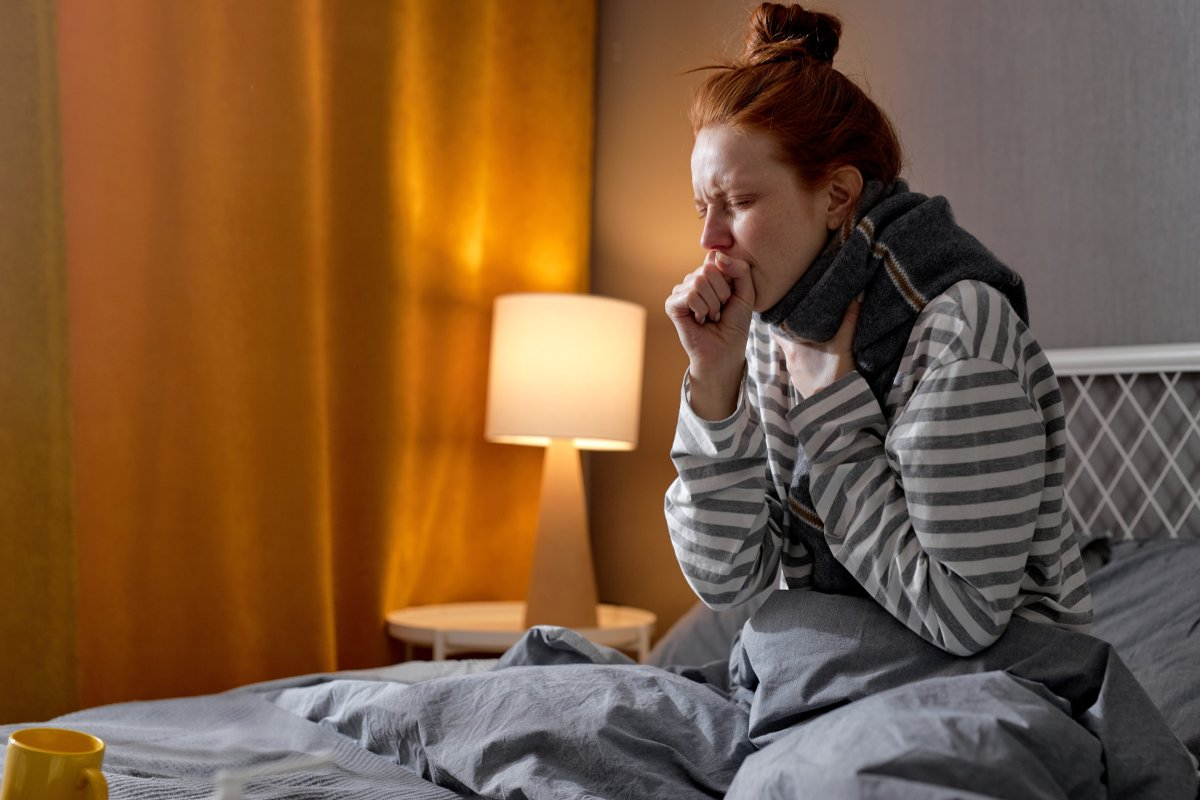
Learn how to stop an asthma cough at night effectively. Follow 5 proven tips to quiet your lungs and ensure better sleep quality. Nocturnal asthma affects millions worldwide, ruining their sleep and health. Nighttime asthma symptoms can make you tired, less productive, and lower your quality of life.
We know how hard it is to live with nocturnal asthma. We’re here to help with 5 proven tips. These will help you manage nighttime asthma symptoms and sleep better.

Asthma that gets worse at night is called nocturnal asthma. It can really affect your health and daily life. Symptoms like coughing and wheezing get worse at night, making it hard to sleep.
Nocturnal asthma means asthma symptoms get worse at night. This can cause a lot of trouble, like coughing and shortness of breath. It’s hard because it happens when you’re most tired.
Many people with asthma have symptoms at night. Studies show 44% to 61% of them have symptoms weekly. About 75% have symptoms at least once a week, leading to poor sleep and tiredness during the day.
This shows we need better ways to manage nocturnal asthma. It’s important for our sleep and health.
Nocturnal asthma can really mess with your sleep. It causes you to wake up a lot and have trouble falling asleep. This poor sleep can make you tired during the day and lower your quality of life.
It’s important to understand how nocturnal asthma affects sleep. This way, we can find better ways to manage symptoms and improve our well-being.

Nighttime can be tough for people with asthma. We find out why asthma gets worse at night. It’s because of many reasons.
Our bodies have a natural clock that controls how we work. This clock affects our airways, making asthma symptoms worse at night. Lower hormones and body temperature increase airway inflammation, making breathing hard.
Hormones change all day, affecting asthma symptoms. For example, epinephrine, which opens airways, drops at night. This can make airways tighter and asthma symptoms worse. Knowing about these changes helps manage asthma better at night.
The bedroom environment is key for asthma symptoms at night. Dry air, dust mites, pet dander, and allergens can make asthma worse. Keeping the bedroom clean and the air right can help.
By fixing these issues, people with asthma can control their symptoms at night. This improves their sleep quality.
To stop an asthma cough at night, it’s key to know the science behind relief. Nighttime asthma symptoms can be tough. Understanding what causes them helps manage them better.
Airway inflammation is a big part of asthma symptoms. At night, this inflammation can get worse. This is due to changes in our body’s rhythm and allergens in our bedroom. Inflammation makes airways narrower and more sensitive, causing coughing and wheezing.
Mucus production is also key in asthma. At night, our body’s rhythms can make more mucus. This extra mucus blocks airways, leading to coughing fits and harder breathing. It’s important to know how to control mucus for relief at night.
|
Factor |
Effect on Asthma at Night |
Relief Strategy |
|---|---|---|
|
Airway Inflammation |
Increases sensitivity and narrowing of airways |
Anti-inflammatory medications |
|
Mucus Production |
Clogs airways, triggers coughing |
Expectorants, hydration |
|
Circadian Rhythm |
Affects hormone levels, airway responsiveness |
Timing of medication |
Strategies for nighttime asthma symptoms aim to tackle the root causes. By knowing how medications and lifestyle changes work, we can better manage symptoms. For instance, long-acting beta-agonists (LABAs) and inhaled corticosteroids (ICS) help reduce inflammation and keep airways open at night.
Effective strategies include making the bedroom better, using the right meds, and pre-bed routines that avoid asthma triggers. By using these methods together, we can lessen nighttime asthma symptoms and improve our life quality.
Sleeping position is key in managing asthma symptoms at night. It can either help or hurt your airways. This affects how well you breathe while you sleep.
The best position for people with asthma is on their back. Make sure your neck and shoulders are raised. This keeps your airways open, helping to prevent asthma symptoms at night.
Benefits of Elevating the Head and Shoulders:
To get the best sleep, use pillows to lift your head and shoulders. Here’s how:
Some sleeping positions can make asthma symptoms worse. Avoid:
Comparison of Sleeping Positions for Asthmatics:
|
Sleeping Position |
Effect on Asthma Symptoms |
|---|---|
|
Back with elevated head and shoulders |
Reduces symptoms by keeping airways open |
|
Stomach |
Can worsen symptoms due to airway obstruction |
|
Side without support |
May lead to uneven breathing and increased pressure |
An asthma-friendly bedroom is key to reducing nighttime asthma attacks. It improves overall health. We need to focus on several critical aspects to manage asthma symptoms.
Minimizing exposure to common allergens and triggers is essential. Dust mites are a major allergen that can worsen asthma symptoms. Using allergen-proof bedding and washing sheets in hot water weekly can help.
Pet dander is another allergen to watch out for. Keeping pets out of the bedroom prevents dander buildup. Regular vacuuming with a HEPA-filter vacuum cleaner also helps reduce allergens.
Keeping the bedroom’s humidity and temperature right is vital for asthma management. Humidity levels should be between 30-50% to prevent mold and dust mites. A hygrometer can help monitor humidity.
The ideal bedroom temperature for asthma sufferers is 60-67°F (15-19°C). Keeping the room cool can help reduce symptoms. Good ventilation is also key to prevent stale air buildup.
|
Factor |
Ideal Setting |
Benefit |
|---|---|---|
|
Humidity |
30-50% |
Reduces mold and dust mites |
|
Temperature |
60-67°F (15-19°C) |
Minimizes asthma symptoms |
Air purifiers are important for removing airborne allergens and irritants. Look for air purifiers with HEPA filters. They can capture 99.97% of particles as small as 0.3 microns, including dust, pollen, and other allergens.
When choosing an air purifier, consider your bedroom’s size. Choose a device that fits your space well. Regular maintenance, like replacing filters, is also key for best performance.
Managing asthma at night is key. Using the right medications is essential. This ensures symptoms don’t disrupt your sleep.
When you take your asthma meds is just as important as what you take. Timing is everything for controlling symptoms at night. Always talk to your doctor about the best schedule for you.
“The right timing can greatly help with nighttime asthma,” says a top asthma expert. “It’s not just about the meds, but when you take them.”
Albuterol is a rescue medication for asthma. It’s usually used as needed. But, some might take it before bed for frequent night symptoms. Always listen to your doctor about using albuterol at night, as it can lose effectiveness and cause side effects.
Knowing the difference between long-acting and short-acting meds is important. Long-acting meds like inhaled corticosteroids and LABAs help control symptoms for longer. They’re often taken in the evening. On the other hand, short-acting meds like albuterol give quick relief but don’t last as long.
Understanding and using each type of medication correctly helps manage nighttime symptoms. This improves your life quality.
Having a regular bedtime routine can really help with asthma symptoms at night. By adding certain activities to your evening, you can manage asthma better and sleep better too.
Breathing exercises can calm your airways and get you ready for sleep. Techniques like diaphragmatic breathing, yoga, and pursed-lip breathing are great. Diaphragmatic breathing uses your diaphragm to breathe better and slow down your breathing.
To do diaphragmatic breathing:
Some foods and drinks can make asthma symptoms worse. Staying away from these in the evening can help reduce symptoms at night. Foods like dairy, processed meats, and those with sulfur dioxide can be triggers.
|
Trigger Food/Drink |
Potential Effect on Asthma |
|---|---|
|
Dairy Products |
Increased mucus production |
|
Processed Meats |
Contains sulfites, which can trigger asthma |
|
Sulfur Dioxide-Rich Foods |
Can irritate airways and trigger symptoms |
Stress can make asthma symptoms worse. Using stress-reducing activities before bed can help. Meditation, progressive muscle relaxation, and mindfulness are good options.
“Meditation can help reduce stress and anxiety, which are known triggers for asthma symptoms. Regular practice can lead to better overall asthma management.”
— Asthma Expert
To practice progressive muscle relaxation:
By adding these routines to your evening, you can take steps to reduce asthma symptoms at night. This can improve your life quality a lot.
Knowing how to handle nighttime asthma attacks is key to staying safe. It’s important to have quick plans for when asthma gets worse at night. This helps manage the condition well.
When wheezing starts, staying calm is vital. We suggest using a quick-relief inhaler first. Sitting upright and loosening tight clothes also helps breathing.
Rescue meds like albuterol are for quick relief during attacks. Always follow your doctor’s advice on how to use them. If symptoms don’t get better, you might need to see a doctor.
|
Rescue Medication |
Dosage |
Action Time |
|---|---|---|
|
Albuterol |
2 puffs |
5-10 minutes |
|
Levalbuterol |
1-2 puffs |
5-10 minutes |
To soothe an asthma cough at night, keep your sleep area clean and free of allergens. A humidifier can add moisture to the air, easing your airways. Also, doing breathing exercises before bed can cut down on coughing at night.
With these emergency plans, people with asthma can handle nighttime attacks better. This improves their life quality a lot.
Managing asthma well needs teamwork with a healthcare provider. Together, we can make a plan that works for you. This plan helps control symptoms and boosts your quality of life.
Knowing when to see a doctor is key. If your asthma gets worse at night or you use rescue meds a lot, it’s time to talk to your doctor. They can check if your treatment plan needs a change.
An asthma action plan shows how to handle asthma. It’s important to update this plan with your doctor often. This ensures it keeps working to control your symptoms.
For asthmatics who have trouble sleeping, sleep aids can help. Talking to your doctor about sleep aids can find the right one for you.
Teamwork with your healthcare provider is key to better asthma management. It helps reduce nighttime symptoms and improves your overall health.
Sleeping on your side with your head and shoulders up is best. Use pillows for this. It helps clear congestion and makes breathing easier.
Albuterol is for quick relief of asthma attacks. It might be okay before bed, but always check with your doctor first.
Make your bedroom asthma-friendly by removing allergens and triggers. Use allergen-proof bedding and avoid carpets. Keep pets out. Also, control humidity and temperature, and consider air purifiers.
To reduce asthma symptoms before bed, try breathing exercises. Avoid foods and drinks that can trigger asthma. Stress-reducing activities like meditation or yoga are also helpful.
To soothe an asthma cough at night, sit up and lean forward. This opens your airways. A humidifier can also help by adding moisture. Always follow your doctor’s advice on using a rescue inhaler.
Long-acting meds control asthma symptoms for a long time. Short-acting meds give quick relief during attacks. Your doctor will decide which is best for you.
Get medical help if your asthma symptoms get worse or if you have frequent or severe attacks. Your doctor can adjust your treatment plan.
Yes, stress-reducing activities like meditation, yoga, or deep breathing can help. They reduce stress and promote relaxation, which can ease asthma symptoms at night.
Work with your doctor to review and adjust your asthma plan. This might mean changing your meds, avoiding triggers, or trying new ways to manage symptoms at night.
Some sleep aids might be safe for people with asthma, but always talk to your doctor first. Some sleep aids can interact with asthma meds or make symptoms worse.
