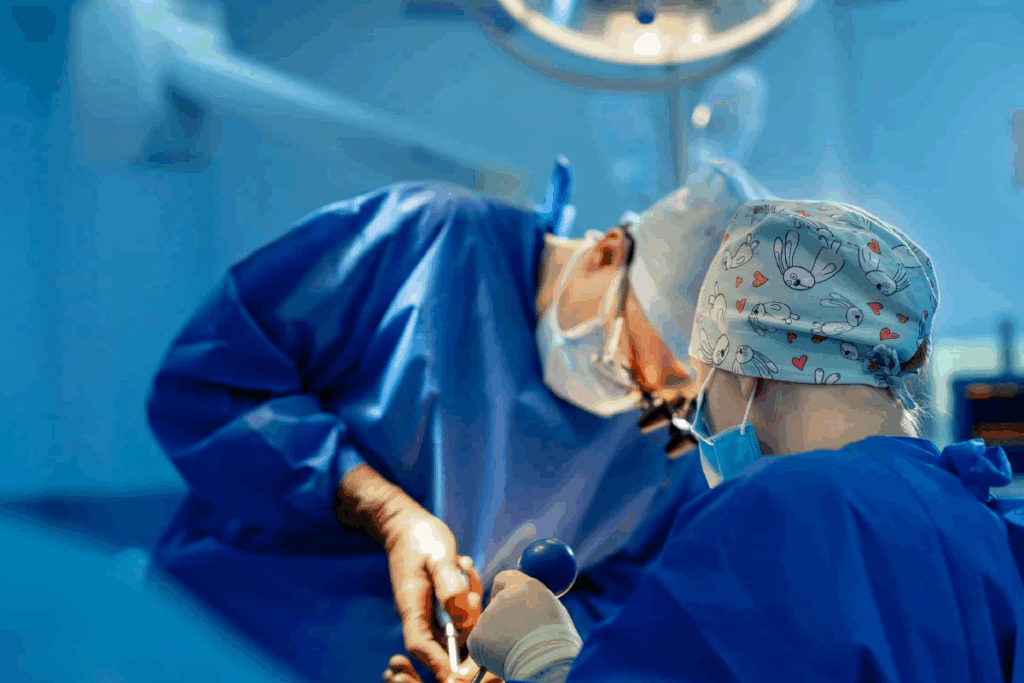
Bariatric surgery can change lives for the better, helping those with obesity. But, it can also cause unexpected side effects like hair loss. About 47 to 57 percent of patients see hair loss in the first year, usually three to six months after.how to stop hair loss after bariatric surgeryBariatric Surgery Post Op Diet: 10 Essential Foods
This hair loss, called telogen effluvium, happens due to rapid weight loss, hormonal shifts, and nutrient gaps. At Liv Hospital, we know hair loss can worry you. But, it’s good to know it’s only temporary. We’ll look into why hair loss happens after surgery and how to handle it.
Key Takeaways
- Hair loss is a common side effect of bariatric surgery, affecting nearly half of all patients.
- Telogen effluvium typically occurs between three to six months after surgery.
- Nutrient deficiencies and hormonal changes contribute to hair loss.
- Gentle hair care practices and proper nutrition can help manage hair loss.
- With proper care and attention, hair loss after bariatric surgery is temporary.
Understanding Post-Bariatric Surgery Hair Loss

The journey after bariatric surgery brings many changes. For some, hair loss is a surprising challenge. It’s important to understand the causes and effects of hair loss to support patients fully.
What is Telogen Effluvium?
Telogen Effluvium is a condition where you shed a lot of hair. It happens after big changes, like bariatric surgery. This is because more hair follicles than usual enter a resting phase before falling out.
This condition can be upsetting for patients. We need to understand its causes and effects well to help.
How Common is Hair Loss After Weight Loss Surgery?
Research shows that about 47 to 57 percent of patients lose hair in the first year after surgery. This highlights the need for early counseling and care plans that include hair loss.
Demographics Most Affected
Younger women are more likely to experience hair loss after bariatric surgery. Knowing this helps us tailor our support and treatment to those most at risk.
By recognizing the commonality and patterns of hair loss after bariatric surgery, we can support our patients better. We can guide them through this tough time and help them manage their hair loss.
Why Hair Loss Occurs After Bariatric Procedures

Many things can cause hair loss after bariatric surgery. It’s important to understand these reasons. This knowledge helps in finding ways to stop or lessen hair loss.
Physical Stress of Surgery
Bariatric surgery is very stressful for the body. The surgery trauma sets off a chain of body responses. These can harm hair growth.
This stress makes the body use its energy differently. It might lead to hair loss.
Impact of Rapid Weight Loss
Fast weight loss after surgery also causes hair loss. Losing weight quickly can make the body lack nutrients. Even if you eat enough, you might not get all the nutrients you need.
This sudden change can shock your body. It makes hair follicles stop growing. This results in a lot of hair falling out.
Nutritional Deficiencies
Nutrient shortages are a big reason for hair loss after surgery. The smaller stomach and changed digestion make it hard to absorb nutrients. This includes proteins, vitamins, and minerals.
Important nutrients like zinc, folic acid, ferritin, and iron are key for hair. Eating right and taking supplements is vital to keep your hair healthy.
To fight hair loss, tackle these issues. Manage surgery stress, eat well even with quick weight loss, and take the right supplements. This helps avoid nutrient shortages.
Hair Loss Patterns by Surgery Type
Knowing how different bariatric surgeries affect hair loss is key. Each surgery impacts hair loss in its own way.
Gastric Bypass and Hair Loss
Gastric bypass surgery can lead to weight loss but may cause nutritional deficiencies. These deficiencies can lead to hair loss.
People who get gastric bypass surgery often lose hair. This is because they can’t absorb all the nutrients they need. It’s important to eat right and take supplements.
Gastric Sleeve and Hair Shedding
Gastric sleeve surgery removes a big part of the stomach. This can lead to less nutrient intake and hair loss. The risk of hair shedding is high because of the big change in stomach size and eating habits.
Research shows that post gastric sleeve hair loss is common. It affects many patients. Eating right and taking supplements can help.
Other Bariatric Procedures
Other bariatric surgeries, like adjustable gastric banding and biliopancreatic diversion, can also cause hair loss. The amount of hair loss depends on the surgery and the patient’s health and nutrition.
Bariatric Procedure | Hair Loss Risk | Nutritional Considerations |
Gastric Bypass | High | Vitamin and mineral deficiencies |
Gastric Sleeve | Moderate to High | Protein malnutrition, vitamin deficiencies |
Adjustable Gastric Banding | Low to Moderate | Less risk of nutritional deficiencies |
Timeline: When to Expect Hair Loss and Regrowth
Knowing when hair loss and regrowth happen after bariatric surgery is key. Hair loss is common after surgery. Knowing when it starts helps patients get ready and deal with it.
Typical Onset Period
Hair loss usually starts three to six months after surgery. This time is important because the body is changing fast. It’s losing weight and adjusting to new food habits.
The surgery itself and possible nutritional gaps also play a part. They can lead to hair loss.
Duration of Hair Shedding
How long hair shedding lasts varies. It can last for several months. The type of surgery, nutrition, and health all affect this.
It’s important to know this phase is short. With the right care, hair can grow back.
“The hair loss experienced after bariatric surgery is usually a temporary condition, and with proper nutrition and care, hair regrowth can be expected.”
Expert Opinion
When Regrowth Typically Begins
Hair usually starts growing back in six to nine months. This happens when nutrient levels get better and the body adjusts. Eating enough protein, vitamins, and minerals is key for hair growth.
Timeline | Event |
0-3 months | Post-surgery recovery |
3-6 months | Hair loss typically begins |
6-9 months | Hair regrowth typically starts |
By knowing when hair loss and regrowth happen, patients can handle the post-surgery time better. They can also take steps to keep their health and hair in good shape.
Nutritional Strategies to Prevent Hair Loss
Nutrition is key in stopping hair loss after bariatric surgery. It’s important to get enough nutrients to keep hair follicles healthy and help hair grow back.
Optimal Protein Intake Guidelines
Protein is essential for hair. Patients should aim for 60 to 80 grams of protein daily to keep hair healthy. This can come from food and supplements.
Eating foods high in protein like lean meats, fish, eggs, and dairy is important. For those who can’t get enough protein from food, protein supplements can help.
Essential Vitamins and Minerals
Some vitamins and minerals are also vital for hair health. Bariatric-specific multivitamins are recommended to get these nutrients. Key ones include:
- Biotin: important for hair growth
- Iron: needed for healthy hair follicles
- Zinc: helps with hair growth and prevents shedding
- Vitamin C: helps with collagen and iron absorption
Balancing Calorie Restriction and Nutrition
After bariatric surgery, it’s hard to balance eating less with getting enough nutrients. It’s important to choose foods that are full of nutrients but not too many calories.
We suggest eating whole, nutrient-rich foods like fruits, vegetables, lean proteins, and whole grains. This way, you get the nutrients you need without eating too many calories.
How to Stop Hair Loss After Bariatric Surgery: Supplementation Protocol
Supplements are key in reducing hair loss after bariatric surgery. They help fill nutritional gaps. After surgery, patients face a higher risk of hair loss due to changes in diet and absorption.
Bariatric-Specific Multivitamins
Bariatric-specific multivitamins are made for post-surgery patients. They help cover nutritional gaps from less food and changed absorption. It’s important to take a daily multivitamin made for post-bariatric surgery patients.
Look for these key ingredients in a bariatric-specific multivitamin:
- Iron
- Calcium
- Vitamin D
- Vitamin B12
Protein Supplements
Protein is vital for hair growth. Bariatric surgery patients often need more protein. Eating protein-rich foods and supplements helps hair health.
Try to get at least 60 grams of protein daily. Protein supplements are helpful, mainly in the early stages after surgery.
Specialized Hair Growth Supplements
Special hair growth supplements offer extra support. They often have biotin, vitamin B, and keratin. These help hair health.
Choose hair growth supplements with scientific backing and from trusted brands.
Proper Timing and Absorption
When and how you take supplements matters. Follow your healthcare provider’s advice on timing and watch for interactions. This ensures supplements work well.
For better absorption, consider these tips:
Supplement | Recommended Timing | Tips for Absorption |
Bariatric-specific multivitamin | With breakfast | Take with food to enhance absorption |
Protein supplement | Between meals | Choose a protein source that is easy to digest |
Hair growth supplement | With a meal | Take consistently to see optimal results |
Following a detailed supplementation plan can help prevent hair loss after bariatric surgery. It’s vital to work with a healthcare provider to create a plan that fits your needs.
Dietary Adjustments to Promote Hair Health
After bariatric surgery, it’s key to make the right food choices for hair health. A balanced diet with all the necessary nutrients is important. It helps keep your hair healthy.
Hair-Healthy Foods After Bariatric Surgery
Choosing the right foods is vital for hair health after surgery. We recommend eating:
- Lean Proteins: Foods like chicken, fish, and eggs are rich in protein, which is essential for hair growth.
- Complex Carbohydrates: Whole grains, fruits, and vegetables provide necessary vitamins and minerals.
- Healthy Fats: Nuts, seeds, and avocados are rich in healthy fats that support overall health.
Meal Planning for Optimal Nutrition
Planning your meals well is key to getting the right nutrients. We suggest:
- Creating a weekly meal plan that includes a variety of nutrient-dense foods.
- Incorporating foods rich in vitamins and minerals known to support hair health, such as biotin, vitamin E, and omega-3 fatty acids.
- Avoiding excessive sugar and processed foods that can lead to nutritional deficiencies.
Hydration’s Role in Hair Health
Drinking enough water is vital for overall health and hair growth. We recommend drinking at least 64 ounces of water daily. Proper hydration keeps the scalp healthy and supports hair growth.
Foods to Avoid
Some foods can harm hair health. It’s wise to limit or avoid:
- High-Sugar Foods: Can lead to inflammation and negatively impact hair health.
- Processed Foods: Often lack essential nutrients and can cause nutritional deficiencies.
- Excessive Caffeine: Can lead to dehydration if consumed in large amounts.
By making these dietary changes, bariatric surgery patients can support their hair health and possibly reduce hair loss. Always talk to a healthcare provider or a nutritionist to get a personalized diet plan.
Topical Treatments and Hair Care Practices
Topical treatments and good hair care are key to managing hair loss after bariatric surgery. Using effective treatments and gentle hair care can help lessen hair loss.
Minoxidil and Other FDA-Approved Options
Minoxidil is a topical treatment approved by the FDA for hair loss. It boosts hair growth and extends the active growth phase of hair follicles. Research shows it can help with hair loss, including from telogen effluvium, a common issue after bariatric surgery.
Other FDA-approved options include low-level laser therapy (LLLT) devices. These devices aim to stimulate hair growth. Though the exact way they work is not fully known, they are thought to increase hair density and promote growth.
Natural Oils and Serums
Natural oils and serums can also support hair health. Oils like coconut oil, rosemary essential oil, and argan oil are known for their benefits. They nourish the scalp and may promote hair growth. While there’s limited scientific proof, many people report positive results.
Gentle Hair Handling Techniques
Being gentle with your hair is essential to prevent loss. Use gentle, sulphate-free shampoo and conditioner to protect your hair. Avoid tight hairstyles and minimize heat styling to keep your hair healthy.
Hairstyles That Reduce Stress on Hair
Choosing the right hairstyle can help reduce hair loss. Opt for loose styles and avoid tight hair pulls. Also, use soft hair ties and brush your hair gently to avoid mechanical stress.
Psychological Impact and Coping Strategies
Hair loss after bariatric surgery can deeply affect patients’ minds. It can make them feel insecure, lower their self-esteem, and cause anxiety. We know that dealing with hair loss is more than just physical. It’s also about handling the emotional and psychological sides.
Managing Emotional Responses
It’s key to manage how you feel about hair loss. Patients might feel shocked, deny it, get depressed, or get frustrated. Here’s what we suggest:
- Acknowledging Feelings: It’s okay to feel overwhelmed. Your feelings are valid.
- Seeking Support: Talk to loved ones or a mental health expert about your feelings.
- Focusing on Positive Outcomes: Think about why you had surgery and the good changes you’re seeing.
Temporary Cosmetic Solutions
While waiting for hair to grow back, there are temporary fixes to boost confidence:
- Wigs and Hairpieces: They can make you feel more at ease with your look.
- Hair Thickening Products: Shampoos, conditioners, and sprays can make hair look thicker.
- Styling Techniques: Some hairstyles can make hair look thicker and fuller.
Support Groups and Resources
Being part of a support group can offer a sense of belonging and understanding. Sharing your story with others facing similar issues can be very helpful. We recommend:
- Online Forums: There are many online groups for bariatric surgery and hair loss.
- Local Support Groups: Meeting in person can be a safe place to share and get support.
- Professional Counseling: Getting help from a mental health expert who knows about post-surgery adjustment can be beneficial.
By understanding the emotional side of hair loss and using coping strategies, patients can handle this tough part of recovery better. We’re here to support you every step of the way.
Conclusion: Long-Term Hair Health After Bariatric Surgery
After bariatric surgery, many patients face hair loss. This is due to nutritional gaps and surgery stress. We’ve looked into why hair loss happens after these surgeries.
Proper nutrition is key to growing hair back. This includes enough protein and vital vitamins and minerals. Supplements, like bariatric multivitamins and protein powders, are also important.
Those who had gastric sleeve surgery should know about hair loss risks. Knowing the connection between gastric sleeve and hair loss helps patients act early.
Hair usually grows back in six to nine months with the right care. Eating well, taking supplements, and gentle hair care help. Following these tips can reduce hair loss and improve overall health.
FAQ
What is telogen effluvium, and how is it related to bariatric surgery?
Telogen effluvium is a condition that leads to hair loss after big physical stress, like bariatric surgery. It happens when many hair follicles stop growing and rest, causing a lot of hair to fall out.
How common is hair loss after weight loss surgery?
Hair loss is a common side effect of weight loss surgery. It affects a lot of patients. The exact number depends on the surgery type and individual factors.
Does gastric bypass surgery cause more hair loss than gastric sleeve surgery?
Both surgeries can lead to hair loss, but it varies. It depends on nutritional deficiencies and how the body reacts to the surgery.
How long does hair loss last after bariatric surgery?
Hair loss starts 3-6 months after surgery and can last months. Hair usually starts growing back 6-12 months after surgery.
What nutritional strategies can help prevent hair loss after bariatric surgery?
Eating enough protein and essential vitamins and minerals helps. A balanced diet with hair-healthy foods is key.
Are there specific supplements that can help stop hair loss after bariatric surgery?
Bariatric multivitamins, protein supplements, and hair growth supplements help. Taking them correctly is important for their effectiveness.
Can topical treatments like minoxidil help with hair loss after bariatric surgery?
Minoxidil and other treatments can stimulate hair growth. Natural oils, gentle hair care, and stress-free hairstyles also help.
How can I cope with the psychological impact of hair loss after bariatric surgery?
Manage your feelings, use temporary solutions, and join support groups. Healthcare professionals offer valuable support and guidance.
Is hair loss after bariatric surgery permanent?
Hair loss after bariatric surgery is usually temporary. With the right nutrition, supplements, and care, hair will grow back.
How can I promote long-term hair health after bariatric surgery?
Eat a balanced diet, follow a supplementation plan, and care for your hair gently. Regular health check-ups are also important.
Government Health Resource. Hair Loss After Bariatric Surgery: Incidence and Prevention. Retrieved from https://www.obesityaction.org/resources/weight-loss-surgery-nutrition-and-hair-loss/