Last Updated on September 17, 2025 by ubanarci
Did you know over 400,000 people worldwide have stored their stem cells for future medical use? This trend shows more people are learning about stem cell storage. With new medical tech, stem cells can help treat many diseases.
Storing stem cells can protect you from future health issues. The process starts with collecting stem cells, often from cord blood. Understanding stem cells storage is key for keeping your health safe.
Key Takeaways
- Stem cell storage is becoming increasingly popular for future medical use.
- The process involves collecting and preserving stem cells.
- Understanding the storage process is key for securing your health.
- Stem cells have the power to treat many diseases.
- New medical tech is making stem cell storage even more beneficial.
Understanding Stem Cells
Stem cells are key to treating many medical conditions. They can turn into different cell types. This helps in growing and fixing tissues.
What Are Stem Cells?
Stem cells are called “master cells” because they can become many cell types.
Types of Stem Cells
There are several types of stem cells, each with its own uses. The main types are:
- Embryonic Stem Cells: These come from embryos and can become any cell type.
- Adult Stem Cells: These are in adult bodies and can fix tissues but are limited.
- Induced Pluripotent Stem Cells (iPSCs): These are adult cells that can change to many cell types like embryonic stem cells.
| Type of Stem Cell | Source | Differentiation Ability |
| Embryonic Stem Cells | Embryos | Any cell type |
| Adult Stem Cells | Adult tissues | Limited to specific cell types |
| Induced Pluripotent Stem Cells (iPSCs) | Reprogrammed adult cells | Various cell types |
Importance in Medical Treatments
Stem cells have changed medicine, opening up new ways for stem cell therapy and stem cell treatment. They can fix damaged tissues and treat many diseases. Scientists are studying their use in heart disease, diabetes, and some cancers.
Sources of Stem Cells in the Human Body
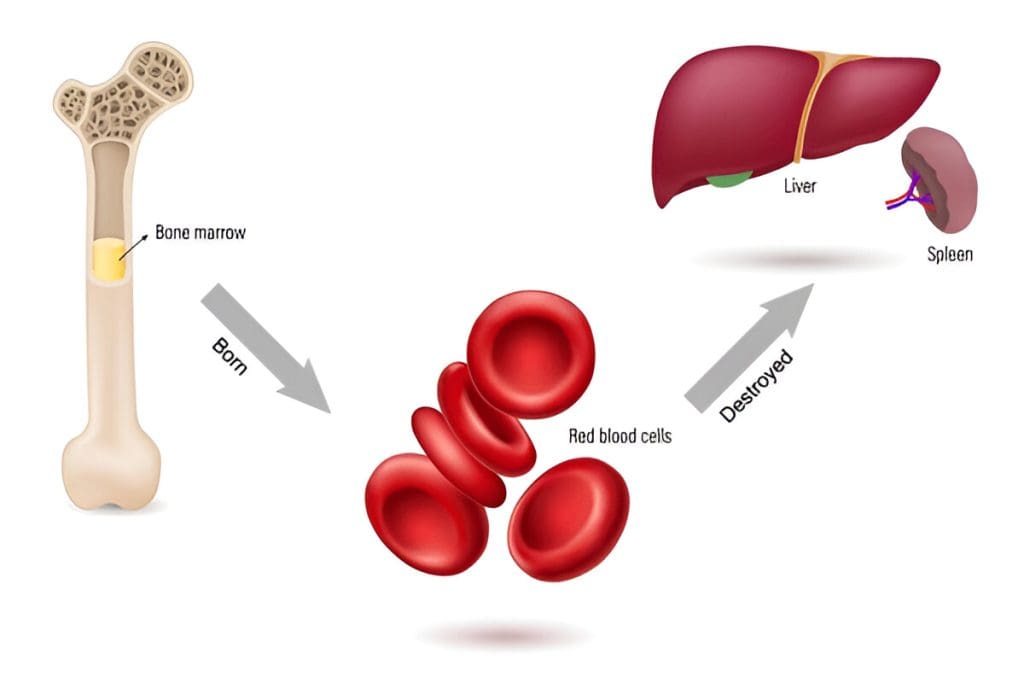
The human body has many places where stem cells are found. These cells are important for healing and can be used in medicine. Knowing where they come from helps us make new treatments.
Bone Marrow
Bone marrow is a key place for stem cells. It has mesenchymal stem cells and hematopoietic stem cells. These cells help make blood and can turn into different types of cells. Getting stem cells from bone marrow can be a bit painful.
Peripheral Blood
Peripheral blood is also a source of stem cells. This happens when special drugs move stem cells from bone marrow into the blood. Peripheral blood stem cells are used to help patients with some cancers. Getting these cells is less painful than bone marrow but needs careful handling.
Umbilical Cord Blood
Umbilical cord blood is full of hematopoietic stem cells. It’s used for transplants in patients with blood disorders. Getting this blood is safe and doesn’t hurt the mom or baby. It’s a good choice because it lowers the risk of complications.
Adipose (Fat) Tissue
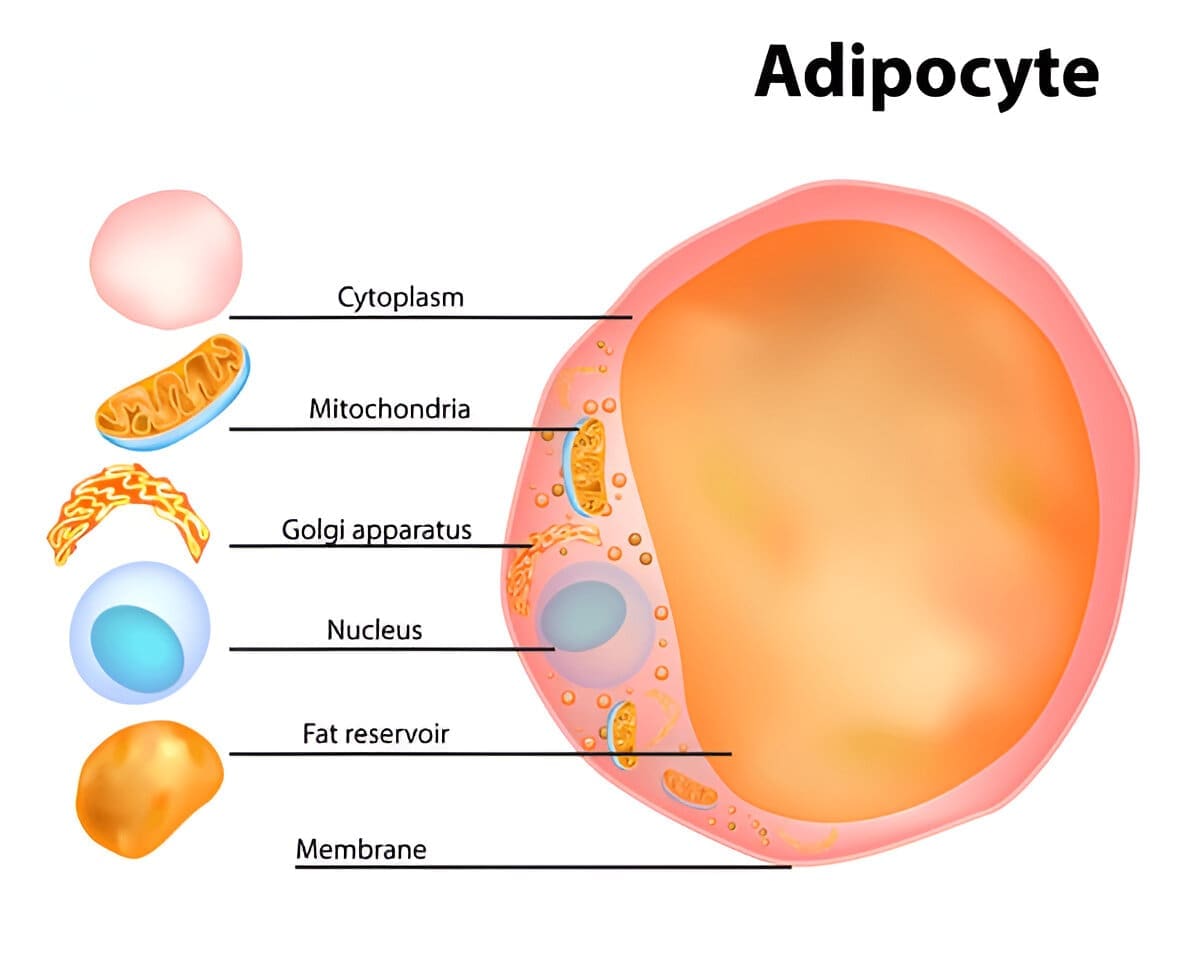
Adipose tissue, or fat, is another source of stem cells. These mesenchymal stem cells can become different types of cells. Getting these cells is safe through liposuction. They are useful in fixing damaged tissues.
In summary, the body has many places where stem cells are found. Each has its own benefits and challenges. New technologies, like Hemostemix’s VesCell therapy, show the power of these cells. Knowing where they come from is key to using them in medicine.
Why Consider Stem Cell Storage?
Stem cell research is growing fast. This makes storing stem cells for health benefits now and later very important. It lets people save cells for medical treatments, changing healthcare forever.
Current Medical Applications
Stem cell therapy is showing great results in treating many diseases. It’s helping with conditions like PAD, CLTI, and heart diseases. Storing stem cells means people can use these treatments to get better.
Current treatments use stem cells to fix or replace damaged tissues. This can greatly improve patients’ lives. It gives hope for diseases that were hard to treat before.
Future of Stem Cell Therapy
The future of stem cell therapy looks bright. Research is finding new ways to use it for many diseases. By storing stem cells, people can be ready for new treatments that haven’t been made yet.
New uses for stem cells are being found all the time. This means stored stem cells could lead to new, personalized treatments.
Stem Cells Collection: Methods and Procedures
Collecting stem cells is a key step in storing them. It involves different methods based on where the cells come from.
Each method is designed for a specific source of stem cells. Sources include bone marrow, peripheral blood, umbilical cord blood, and adipose tissue. Each method has its own steps and considerations.
Bone Marrow Aspiration
Bone marrow aspiration takes stem cells from the bone marrow, often from the hip. This method needs anesthesia and is done in a hospital or clinic.
To do this, a needle is inserted into the bone marrow cavity. The marrow is then processed to get the stem cells.
Peripheral Blood Stem Cell Collection
This method uses growth factors to move stem cells into the blood. Then, apheresis separates these cells from other blood parts.
It’s less invasive than bone marrow aspiration and can be done as an outpatient. The collected stem cells are stored for later use.
Umbilical Cord Blood Collection
Umbilical cord blood collection is non-invasive. It takes stem cells from the umbilical cord after birth. This method is painless and safe for both the mother and baby.
The cord blood is processed and stored for possible future medical use.
Adipose Tissue Extraction
Adipose tissue extraction uses liposuction to remove fat tissue. From this, stem cells are isolated. This is done under local anesthesia.
The fat tissue is processed to get the stem cells. These cells can be used for various treatments.
| Collection Method | Procedure | Source |
| Bone Marrow Aspiration | Aspirating marrow from the hip bone | Bone Marrow |
| Peripheral Blood Stem Cell Collection | Apheresis after mobilizing stem cells into the bloodstream | Peripheral Blood |
| Umbilical Cord Blood Collection | Extracting stem cells from umbilical cord blood after birth | Umbilical Cord Blood |
| Adipose Tissue Extraction | Removing fat tissue through liposuction | Adipose Tissue |
The Step-by-Step Process of Arranging Stem Cell Storage
Learning about the steps to arrange stem cell storage is key. It helps you make smart choices. The process has several important steps that guide you through the complex journey of stem cell storage.
Researching Storage Options
The first step is to research storage options. Look into different stem cell banks and their services. Companies like Hemostemix offer detailed guidance during the storage process.
Consultation with Healthcare Providers
After finding storage facilities, talk to healthcare providers. They can share insights on the medical side of stem cell storage. They’ll help decide the best option for your health.
Completing Necessary Paperwork
Choose a storage facility, then fill out the needed paperwork. This includes contracts and consent forms. These legal documents are essential for the storage process.
Scheduling the Collection Procedure
The last step is to schedule the stem cell collection. This might involve bone marrow aspiration or other methods. Healthcare professionals will help make sure it’s done right.
By following these steps, you can arrange stem cell storage correctly. This gives you peace of mind and potentially life-saving options for the future.
Eligibility Requirements for Stem Cell Storage
To see if stem cell storage is right for you, it’s key to know the rules. These rules help make sure the process is safe and effective. They look at your health and personal situation.
Health Criteria
Health checks are a big part of getting stem cells stored. Some health issues might stop you from being eligible. For example, people with certain diseases or long-term health problems might need extra checks.
- Infectious disease screening
- Chronic condition assessment
- Overall health evaluation
Age Considerations
Age is also very important when it comes to storing stem cells. You can store stem cells from babies to adults. But, the quality of the cells can change with age. Cells from younger people are usually better.
Key age-related considerations include:
- The quality of stem cells tends to decrease with age.
- Younger individuals typically have healthier stem cells.
Medical History Factors
Your medical history is also a big factor. Some medical conditions or treatments can affect your stem cells. This can make you more or less suitable for storage.
“A thorough medical history assessment is key to see if you’re a good fit for stem cell storage.” – Expert in Stem Cell Storage
Things to consider include:
- Previous medical treatments or surgeries
- Existing medical conditions
- Family medical history
Stem Cell Collection from Newborns
Collecting stem cells from newborns involves several steps. These start from planning before birth to the actual collection during delivery.
Planning Before Birth
Expectant parents should plan early for stem cell collection. They need to research and choose a reputable cord blood bank or storage facility. It’s important to know the collection process, costs, and storage options.
- Research cord blood banks and their accreditation
- Understand the costs and payment plans
- Review and sign the consent forms
The Collection Process During Delivery
Umbilical cord blood is a rich source of stem cells. It can be collected during delivery. The process is safe and painless and doesn’t disrupt the birthing process. The cord blood is collected after the baby is born and the umbilical cord is cut.
Post-Birth Processing and Storage
After collection, the cord blood is processed and stored in a cryogenic facility. The processing includes testing, separating, and freezing the stem cells. Proper storage is key to keeping the stem cells viable for future use.
- The cord blood is sent to a laboratory for processing
- Stem cells are separated and frozen
- The frozen stem cells are stored in a secure cryogenic facility
Adult Stem Cell Harvesting Procedures
Adults thinking about storing stem cells need to know about the harvesting process. This process collects stem cells from different parts of the body. It’s designed to gather these cells efficiently.
Preparation Requirements
Before starting the stem cell harvesting, adults must prepare. This includes:
- Getting a full medical check-up to check health.
- Filling out all necessary paperwork and consent forms.
- Following specific diet or medication advice from doctors.
It’s key to follow these steps carefully for a smooth harvesting process.
The Collection Experience
The actual collection can differ based on the method used. Common methods are:
- Bone marrow aspiration, which takes stem cells from bone marrow.
- Peripheral blood stem cell collection, which gets stem cells from the blood.
Recovery and Aftercare
After harvesting, recovery and aftercare are critical. This includes:
- Resting and avoiding hard activities for a while.
- Following doctor’s advice for wound care or managing side effects.
- Going to follow-up appointments to check on recovery and address concerns.
Following these aftercare steps can help avoid complications and speed up recovery.
Stem Cell Storage Technologies and Facilities
Cryopreservation and storage conditions are key to keeping stem cells alive for a long time. The tech for storing stem cells is always getting better. It focuses on keeping the cells’ quality and power.
Cryopreservation Methods
Cryopreservation cools stem cells to very cold temperatures to keep them alive. New methods like vitrification stop ice crystals from harming the cells. Vitrification uses special cryoprotectants to keep ice crystals away, keeping the cells safe.
Storage Conditions and Monitoring
Stem cells are stored in liquid nitrogen at very low temperatures. Keeping these conditions stable is vital. This ensures the cells stay healthy.
Top-notch storage facilities have advanced monitoring systems. These systems watch temperature, liquid levels, and more in real-time. They act fast if something goes wrong.
Facility Security and Backup Systems
Stem cell storage places have strong security to protect the cells. They have secure access, 24/7 watch, and backup systems for power and storage. Having extra systems means the cells stay safe even if something breaks.
| Security Feature | Description | Benefit |
| Secure Access Controls | Restricted access to authorized personnel | Prevents unauthorized access |
| 24/7 Monitoring | Continuous surveillance of storage conditions | Ensures prompt response to any anomalies |
| Backup Power Systems | Redundant power sources | Maintains storage conditions during power outages |
By using the latest in cryopreservation, strict storage rules, and strong security, stem cell storage is a reliable way to keep these cells ready for future medical use.
Public vs. Private Stem Cell Banks
Stem cell banking comes in two main forms: public and private banks. Each has its own benefits and things to think about. Knowing the differences is key to choosing the right stem cell storage option.
Access and Ownership Differences
Public stem cell banks offer stem cells to anyone who needs them, usually for transplants. Private stem cell banks, on the other hand, keep stem cells for personal or family use. They are only for the donor or their close relatives.
Stem cell ownership also varies. Public banks see donated stem cells as a shared resource. Private banks, though, consider the stored cells the property of the individual or their family.
Donation vs. Personal Storage Options
Choosing to donate stem cells to a public stem cell bank helps those in need of transplants. It also aids in medical research and could save lives. But, once donated, the cells are not available for personal use.
Storing stem cells in a private stem cell bank means they’re kept for the donor or their family. This is good for families with a history of diseases that might be treated with stem cells. It gives them a future source of cells for medical treatments.
The choice between public and private stem cell banking depends on many factors. These include personal circumstances, budget, and what you hope to achieve with your stored stem cells.
Evaluating and Choosing a Stem Cell Bank
Choosing the right stem cell bank is a big decision. You need to think about several important factors. Look at the bank’s abilities, safety, and how well they serve customers.
Accreditation and Certification Standards
First, check if the bank is accredited and certified. Accreditation from reputable organizations means they follow strict rules. Look for certifications from groups like the American Association of Blood Banks (AABB) or the Foundation for the Accreditation of Cellular Therapy (FACT).
Success Rates and Experience
The bank’s success rates and experience are key. Evaluate the bank’s track record in storing and using stem cells. A bank with a good track record is more reliable.
Contract Terms and Conditions
It’s important to understand the contract terms. Make sure you know the storage fees, payment terms, and any penalties. Also, find out what happens to your stem cells if the bank closes or changes hands.
Customer Service and Support
The bank’s customer service matters a lot. Assess the bank’s responsiveness and how clear they are. Good support staff can help with any issues.
When picking a stem cell bank, consider these key points:
- Accreditation and certification status
- Success rates and experience in stem cell storage
- Contract terms and conditions, including storage fees
- Quality of customer service and support
By looking at these factors, you can choose a stem cell bank that’s right for you. This ensures you get the best service.
Legal and Ethical Considerations
Stem cell technology is growing fast. This means we need to think more about the legal and ethical sides of storing and using them. Deciding to store stem cells touches on many complex issues, not just medical ones.
Ownership Rights
Who owns stem cells when they’re stored is a big legal question. Is it the person they came from, or the place where they’re kept? Clarifying ownership rights is key to protect everyone’s interests.
Here’s a table that shows some important points about who owns stem cells:
| Aspect | Description | Implication |
| Individual Rights | Rights of the person from whom stem cells are taken. | Ensures personal autonomy over one’s biological material. |
| Storage Facility Rights | Rights and responsibilities of the facility storing the stem cells. | Defines the facility’s role in maintaining and protecting the stored cells. |
| Contractual Agreements | Agreements between the individual and the storage facility. | Outlines the terms and conditions of storage, including access and use. |
Informed Consent Requirements
Getting informed consent is a big deal in stem cell storage. It means people know what happens to their stem cells, including possible uses and risks. Transparent communication is vital for real informed consent.
Regulatory Oversight in the United States
In the U.S., stem cell storage and use are watched closely to keep them safe and effective. The FDA helps set rules for where stem cells are stored. Following these rules is important for legal and ethical storage.
It’s important to know about the legal and ethical sides of stem cell storage. As technology gets better, keeping up with these issues will be even more important for those thinking about storing stem cells.
Alternative Options for Those Who Didn’t Store at Birth
If you didn’t store stem cells at birth, there are other ways to preserve them. This is great for people thinking about stem cell therapy benefits.
Adult Stem Cell Banking
Adult stem cell banking is an option for those who missed the birth window. It collects stem cells from adults, usually from bone marrow, blood, or fat.
Benefits of Adult Stem Cell Banking:
- Potential for use in regenerative medicine
- Possible treatment options for various diseases
- Personalized medicine approach
| Source | Collection Method | Potential Uses |
| Bone Marrow | Aspiration | Treatment of blood-related disorders |
| Peripheral Blood | Apheresis | Regenerative therapies, immune system disorders |
| Adipose Tissue | Liposuction | Regenerative medicine, tissue repair |
Family Banking Programs
Family banking programs are another choice for those who missed the birth window. They let families store stem cells. This way, family members can benefit from a better genetic match.
Key Features of Family Banking Programs:
- Storage for multiple family members
- Increased likelihood of finding a compatible match within the family
- Potential for future therapeutic applications
Adult stem cell banking and family banking programs offer chances for individuals and families to save stem cells. It’s key to learn about each option’s details, like how they collect and store cells, and the costs involved.
Risks and Limitations of Stem Cell Storage
Stem cell storage is a promising medical field, but it comes with risks. The process, which could save lives, also has complications and uncertainties. These need careful consideration.
Procedural Complications
Collecting stem cells from bone marrow, blood, or fat is a medical procedure. It can lead to infection, bleeding, and reactions to anesthesia. For example, bone marrow aspiration might cause nerve damage or infection.
Let’s look at the possible complications for each stem cell collection method:
| Collection Method | Potential Complications |
| Bone Marrow Aspiration | Infection, Nerve Damage, Bleeding |
| Peripheral Blood Stem Cell Collection | Circulation Issues, Allergic Reactions to Medications |
| Adipose Tissue Extraction | Infection, Scarring, Reaction to Anesthesia |
Storage Failure Possibilities
Storage failure is another concern. It can happen due to equipment problems, human mistakes, or disasters. Reliable storage facilities use safety measures like backup power and secure data systems to reduce these risks.
Uncertain Future Utility
The future use of stored stem cells is not clear. Medical practices are always changing, and stem cell research is ongoing. There’s a chance that stored stem cells might not be useful in the future because of new technology or medical practices.
Despite these unknowns, many people and families store stem cells. They hope that future medical breakthroughs will offer new treatment options.
Conclusion
The field of stem cell therapy is growing fast, with new discoveries every day. Stem cell storage is key to using stem cells for medical help. Knowing how to collect and store stem cells helps people make smart choices for their future health.
Stem cell therapy’s future looks bright, with chances to fix damaged tissues and cure diseases. As research gets better, storing stem cells will become even more important. It’s a smart move for your health, keeping up with the latest in stem cell therapy.
Choosing to store stem cells is a personal choice, based on your health and family history. Keeping up with new stem cell storage and therapy news is important. This is true for those who have decided to save their stem cells.
FAQ
What are stem cells and why are they important?
Stem cells can turn into different types of cells in our body. They help fix or replace damaged tissues and cells. This makes them useful for treating many health issues.
How are stem cells harvested?
Stem cells come from places like bone marrow, blood, umbilical cord blood, and fat tissue. Getting them involves a medical procedure, like bone marrow aspiration or blood stem cell collection.
What is the difference between public and private stem cell banks?
Public banks store stem cells for anyone who needs them. Private banks store them for the family who donated them.
How do I store my stem cells?
To store your stem cells, contact a trusted bank and follow their steps. This includes talking to a doctor, filling out forms, and setting up the collection.
What are the eligibility requirements for stem cell storage?
Who can store stem cells varies by bank and health status. Generally, you need to be healthy and meet age and medical criteria.
Can I store my stem cells at any age?
Yes, you can store stem cells at any age. But, the quality and amount may decrease with age.
How are stem cells collected from newborns?
Newborn stem cells are usually taken from umbilical cord blood. This is done after the baby is born.
What is the process of adult stem cell harvesting?
Adult stem cells are collected through medical procedures. This includes bone marrow aspiration or blood stem cell collection.
How are stem cells stored?
Stem cells are frozen at very low temperatures. This method, called cryopreservation, keeps them alive for storage.
What are the risks and limitations of stem cell storage?
Risks include complications during collection, storage failure, and unsure future use.
Can I use my stored stem cells for medical treatment?
Yes, you can use stored stem cells for treatment. But, it depends on the cells’ quality, quantity, and your health condition.
How do I choose a stem cell bank?
Look for banks with good standards, success rates, clear contracts, and good customer service.
What are the costs associated with stem cell storage?
Costs vary by bank and services. They include an initial fee and annual storage fees.
Are there any alternative options for stem cell storage?
Yes, you can consider adult stem cell banking or family banking programs.
What is the regulatory oversight for stem cell storage in the United States?
In the U.S., stem cell storage is watched over by the FDA and AABB.
What are stem cells and why are they important?
Stem cells can turn into different types of cells in our body. They help fix or replace damaged tissues and cells. This makes them useful for treating many health issues.
How are stem cells harvested?
Stem cells come from places like bone marrow, blood, umbilical cord blood, and fat tissue. Getting them involves a medical procedure, like bone marrow aspiration or blood stem cell collection.
What is the difference between public and private stem cell banks?
Public banks store stem cells for anyone who needs them. Private banks store them for the family who donated them.
How do I store my stem cells?
To store your stem cells, contact a trusted bank and follow their steps. This includes talking to a doctor, filling out forms, and setting up the collection.
What are the eligibility requirements for stem cell storage?
Who can store stem cells varies by bank and health status. Generally, you need to be healthy and meet age and medical criteria.
Can I store my stem cells at any age?
Yes, you can store stem cells at any age. But, the quality and amount may decrease with age.
How are stem cells collected from newborns?
Newborn stem cells are usually taken from umbilical cord blood. This is done after the baby is born.
What is the process of adult stem cell harvesting?
Adult stem cells are collected through medical procedures. This includes bone marrow aspiration or blood stem cell collection.
How are stem cells stored?
Stem cells are frozen at very low temperatures. This method, called cryopreservation, keeps them alive for storage.
What are the risks and limitations of stem cell storage?
Risks include complications during collection, storage failure, and unsure future use.
Can I use my stored stem cells for medical treatment?
Yes, you can use stored stem cells for treatment. But, it depends on the cells’ quality, quantity, and your health condition.
How do I choose a stem cell bank?
Look for banks with good standards, success rates, clear contracts, and good customer service.
What are the costs associated with stem cell storage?
Costs vary by bank and services. They include an initial fee and annual storage fees.
Are there any alternative options for stem cell storage?
Yes, you can consider adult stem cell banking or family banking programs.
What is the regulatory oversight for stem cell storage in the United States?
In the U.S., stem cell storage is watched over by the FDA and AABB.