Last Updated on November 17, 2025 by Ugurkan Demir
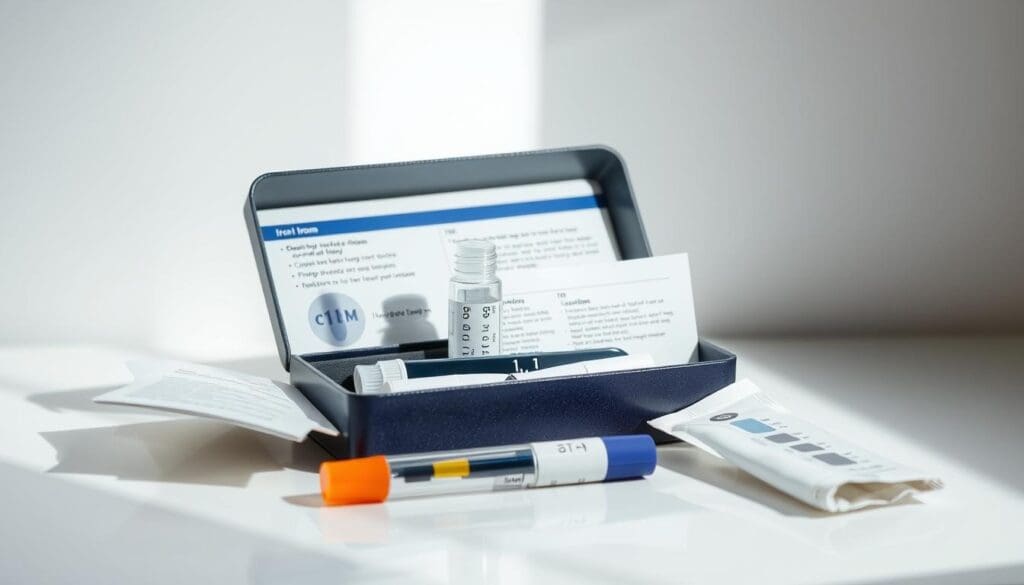
Healthcare is changing, and testing iron levels at home is now easier. LivHospital leads the way with new diagnostic tools and care that focuses on patients. Now, we can check for anemia or iron deficiency with at-home kits, like ferritin tests. This makes it simpler to keep an eye on our health.
Studies show that point-of-care tests are good for checking our health at home. Using an iron deficiency test kit at home is a simple first step. It helps spot iron deficiencies early, so we can see a doctor if needed.
Key Takeaways
- At-home iron testing kits provide a convenient way to monitor iron levels.
- LivHospital supports innovative diagnostics for patient-centered care.
- Point-of-care tests are effective for self-monitoring health conditions.
- Early detection of iron deficiency can lead to timely medical interventions.
- At-home testing can empower individuals to take control of their health.
Understanding Iron Deficiency and the Importance of Testing
Iron deficiency is a common issue. It’s important to know its symptoms, risks, and why testing is key. Iron deficiency can cause anemia, where the body lacks enough red blood cells. This makes it hard for tissues to get enough oxygen, posing a big health risk.
Common Symptoms of Iron Deficiency and Anemia
Iron deficiency and anemia show up in many ways. Some common signs include:
- Fatigue and weakness
- Pale skin
- Shortness of breath
- Dizziness or lightheadedness
- Cold hands and feet
These symptoms can really affect your daily life. It’s important to find and fix the cause.
Health Risks Associated with Untreated Iron Deficiency
Untreated iron deficiency can cause serious health problems. Some risks are:
- Increased risk of infections due to a weakened immune system
- Poor pregnancy outcomes, including preterm labor and low birth weight
- Impaired cognitive function and decreased productivity
Testing regularly can spot iron deficiency early. This allows for quick action.
Benefits of Regular Iron Level Monitoring
Regular iron level checks have many benefits. These include:
- Early detection of iron deficiency
- Prevention of anemia and its complications
- Improved overall health and well-being
By tracking iron levels, people can stay healthy.
Who Should Consider At-Home Iron Testing
At-home iron testing is good for some groups. These include:
- Individuals with a history of iron deficiency or anemia
- Those experiencing symptoms of iron deficiency
- People with dietary restrictions that may lead to iron deficiency
At-home testing kits are easy to use. They let people check their iron levels and manage their health.
Types of At-Home Iron Testing Kits Available
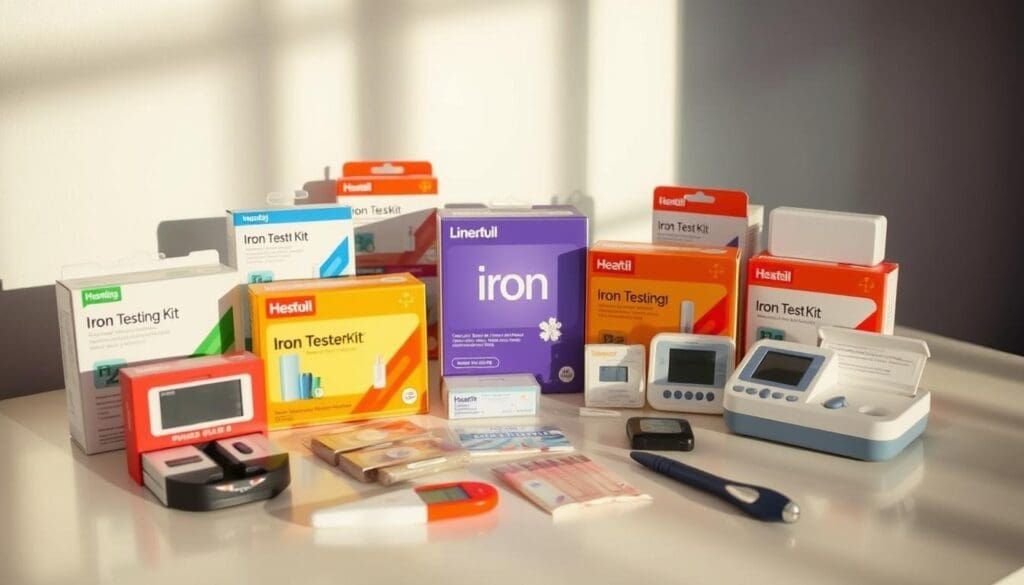
Today, you can find many at-home iron testing kits. Each has its own special features and benefits. They meet different needs and preferences, helping you pick the right one for your health.
Ferritin Test Kits: The Gold Standard
Ferritin test kits are the top choice for checking iron levels. They measure ferritin, a protein that holds iron. This gives a clear picture of if you have too little or too much iron.
Key Features: Measures ferritin levels, accurate indication of iron stores, useful for diagnosing iron deficiency or overload.
Hemoglobin and Hematocrit Test Options
Hemoglobin and hematocrit tests look at the blood’s hemoglobin and red blood cell levels. They don’t directly measure iron but can show if you have anemia.
Benefits: Can indicate anemia, relatively simple and quick tests.
Complete Iron Panel Kits
Complete iron panel kits test for several markers, like ferritin, iron, and transferrin. They give a full view of your iron levels.
Advantages: Gives a detailed look, great for complex iron issues.
Choosing the Right Test for Your Needs
When picking an at-home iron testing kit, think about what you need to know. Look at the test type, how accurate it is, and how easy it is to use.
| Test Type | Measures | Usefulness |
| Ferritin Test | Ferritin levels | Diagnosing iron deficiency or overload |
| Hemoglobin/Hematocrit Test | Hemoglobin/hematocrit levels | Indicating anemia |
| Complete Iron Panel | Multiple iron markers | Comprehensive assessment of iron status |
How to Test Iron Levels at Home: The Basic Process
You can test your iron levels at home with the right kit and instructions. These kits are easy to use and give accurate results if done right.
Overview of the Testing Procedure
The process starts with a finger-prick blood sample. Then, you analyze it with the testing kit. Most kits come with clear instructions to help you through each step.
Materials Needed for Testing
To test iron at home, you need a few things:
- The at-home iron testing kit, which includes lancets, test strips, and a collection device.
- A clean and stable surface to work on.
- A timer (a smartphone timer works well).
Timing Considerations for Accurate Results
When you test, timing is key. It’s best to test in the morning after fasting overnight. Also, skip testing if you’re sick or have inflammation, as it can change your iron levels.
Safety and Hygiene Precautions
When doing a blood test at home, safety and hygiene are critical. Make sure your hands are clean and dry before starting. Use a new lancet for each test to avoid infection. Dispose of used lancets and test strips as directed by the manufacturer or local laws.
| Aspect | At-Home Testing | Lab Testing |
| Convenience | High | Low |
| Cost | Variable | Generally higher |
| Accuracy | High when done correctly | High |
By knowing the basics and following the guidelines, you can use at-home iron testing kits to keep an eye on your iron levels.
Step-by-Step Guide to Using an At-Home Ferritin Test Kit
Using an at-home ferritin test kit is easy. It lets you check your iron levels at home. You don’t need to see a doctor.
Preparing for the Test
Before starting, get ready and make sure you have everything. Read the instructions carefully. Check the kit’s expiration date to make sure it’s good.
Choose a quiet time for the test. Follow any special instructions, like fasting or avoiding certain medicines. Following these steps is key for accurate results.
Collecting Your Blood Sample
Getting a blood sample is usually a finger prick. Warm your hands to help blood flow. Clean your finger with the alcohol swab and let it dry.
Use the lancet to prick your finger. Then, massage your finger to get more blood. Don’t touch the test area to avoid contamination.
Processing the Sample
After getting your blood, follow the kit’s instructions. This might mean putting the blood on a test strip or mixing it with a reagent. Follow the instructions carefully to avoid mistakes.
Some kits need you to send the sample to a lab. Others give you results right away. If sending to a lab, package the sample carefully and send it as instructed.
Reading and Recording Results
If your kit gives you results right away, you’ll see a color change or a digital reading. Use the reference guide to understand your iron levels.
If you need to send your sample to a lab, you’ll get your results by mail or email. Keep a health journal to track your progress. Talking to a healthcare provider is a good idea to understand your results.
| Test Result | Interpretation | Recommended Action |
| Normal Ferritin Levels | Iron levels are within the normal range. | Continue monitoring as recommended by your healthcare provider. |
| Low Ferritin Levels | Indicates iron deficiency. | Consult your healthcare provider about supplementing with iron. |
| High Ferritin Levels | May indicate iron overload or other conditions. | Discuss your results with your healthcare provider to determine the cause. |
Interpreting Your At-Home Iron Test Results
Understanding your at-home iron test results can seem hard. But, with the right info, you can grasp them. Knowing your results is key to spotting health issues linked to iron.
Normal Iron and Ferritin Level Ranges
Iron and ferritin levels show your body’s iron health. Normal ranges vary a bit between labs. For ferritin, a level between 20-250 ng/mL is normal for adults. Hemoglobin levels are also important, with normal ranges above 11.6 g/dL for menstruating people and above 13.2 g/dL for others.
It’s important to remember that lab ranges can differ. So, if you’re unsure about your results, talk to a healthcare professional.
Understanding Low Iron Readings and Anemia Indicators
Low iron readings can mean iron deficiency or anemia. Hemoglobin levels below normal might show anemia. Symptoms include fatigue, weakness, and shortness of breath. If your test shows low iron, talk to a healthcare provider to find out why and how to treat it.
Key indicators of low iron levels include:
- Hemoglobin levels below 11.6 g/dL for menstruating individuals
- Hemoglobin levels below 13.2 g/dL for non-menstruating individuals
- Ferritin levels below 20 ng/mL
When High Iron Levels May Be a Concern
High iron levels can also be a problem. High ferritin levels might mean hemochromatosis, a disorder that makes the body absorb too much iron. If not treated, high iron levels can damage organs over time.
Factors That Can Affect Test Accuracy
Several things can affect your at-home iron test results. These include:
- Timing of the Test: Iron levels change throughout the day, so when you take the test matters.
- Recent Dietary Intake: Eating iron-rich foods or supplements before the test can change your readings.
- Sample Handling: Poor handling of the blood sample can lead to wrong results.
Knowing these factors can help you understand your results better. This way, you can talk about any concerns with your healthcare provider.
When to Seek Professional Medical Testing
At-home iron testing kits are handy, but sometimes you need a doctor’s help. These kits can’t replace a doctor’s diagnosis. Some health issues need a medical setting’s tools and knowledge.
Limitations of At-Home Testing
At-home iron tests have their limits. They usually check only one thing, like ferritin or hemoglobin. Professional medical testing can look at more, giving a clearer picture of your iron levels.
- At-home tests might not be as precise due to user mistakes or kit flaws.
- They can’t find the cause of iron problems.
- Understanding the results often needs a doctor’s insight.
Warning Signs That Require Immediate Medical Attention
Some symptoms need urgent doctor visits, no matter your test results. Look out for:
- Extreme tiredness or weakness
- Difficulty breathing or chest pain
- Dizziness or fainting
- Severe stomach pain
These signs could mean serious health problems that need quick doctor checks.
How to Discuss Your At-Home Test Results with Healthcare Providers
When talking to your doctor about your test results, be ready. Bring the test kit, instructions, and your results. Be prepared to explain how you did the test and what you noticed.
Follow-up Testing Options
After talking to your doctor, you might need more tests. This could include:
- Blood tests from a vein for better accuracy
- More tests to find why your iron levels are off
- Regular checks to see how your iron levels change
Your doctor will suggest the best tests for you based on your situation.
Improving Your Iron Levels Naturally
Iron deficiency can be fixed by adding certain foods and habits to your daily life. Keeping iron levels healthy is key for your well-being. There are many natural ways to do this.
Iron-Rich Foods to Include in Your Diet
Eating more iron-rich foods is a simple way to increase your iron levels. Red meat, poultry, and fish are great sources of iron. They have heme iron, which your body absorbs better.
For those who don’t eat meat, lentils, beans, and spinach are good options. They have non-heme iron. Eating these with foods high in vitamin C can help your body absorb more iron.
| Food | Iron Content (mg per serving) |
| Clams | 28 |
| Spinach | 6.4 |
| Lentils | 6.6 |
Supplements and Their Proper Usage
If food changes aren’t enough, iron supplements can help. But, always talk to a doctor before starting them. They can tell you the right amount and help avoid side effects.
“Iron supplements can help alleviate deficiency, but they should be taken under medical supervision to avoid overdose and interactions with other medications.”
Foods That Enhance or Inhibit Iron Absorption
Some foods can help or hurt how well your body absorbs iron. Vitamin C can boost iron absorption from plant-based foods. But, foods high in calcium, tea, and coffee can block it.
- Enhancers: Vitamin C-rich foods (citrus fruits, bell peppers)
- Inhibitors: Calcium-rich foods, tea, coffee
Lifestyle Changes That Support Healthy Iron Levels
Changing your lifestyle can also help keep iron levels healthy. Regular exercise can improve blood flow and help use iron better. Stress management, like meditation or yoga, can also improve your health.
By making these dietary and lifestyle changes, you can naturally boost your iron levels. Use an iron level test kit regularly to check your progress. This ensures your iron levels stay healthy.
The Science Behind At-Home Iron Testing: Accuracy and Reliability
At-home iron testing kits are getting more attention as people take control of their health. We’ll look into the science behind these tests. We’ll see how reliable they are and what research supports their use.
Research Supporting Point-of-Care Testing
Studies have shown that point-of-care tests, like at-home iron kits, work well. They give accurate results when used right. This makes them a good choice instead of going to a lab.
Clinical trials show that at-home iron kits are as good as lab tests. But, they must meet high quality standards.
Comparing At-Home Tests to Laboratory Results
It’s key to compare at-home iron tests to lab results. Research shows many at-home tests match lab results well. This is true for iron deficiency anemia tests.
But, some at-home tests might not be as precise as lab tests. Knowing the limits of at-home tests helps in understanding results.
Quality Standards in Home Testing Kits
The quality of at-home iron kits varies. Regulatory bodies help make sure kits are accurate and reliable.
- Look for kits that are FDA-approved or CE-marked.
- Check if the manufacturer provides clear instructions and support.
- Consider the type of test used (e.g., ferritin vs. hemoglobin).
Technological Innovations in Home Diagnostics
The world of home diagnostics is changing fast. Technological innovations are making at-home tests better. Biosensor tech and mobile health apps let people check their health at home.
As tech gets better, at-home iron testing kits will be more reliable and easy to use. This will help people manage their health better.
Conclusion: Empowering Your Health Through At-Home Iron Testing
Iron deficiency is common, affecting many people. Using a home iron test kit can give you important health insights. Regular checks can stop iron deficiency problems before they start.
Even though home testing is useful, it’s key to also get a doctor’s opinion. This ensures you get the right diagnosis and treatment. By working with your doctor, you can make smart health choices and keep your iron levels healthy.
FAQ
What is an at-home iron test, and how does it work?
An at-home iron test lets you check your iron levels at home. It involves a small blood sample from your finger. This sample is then analyzed with a device or sent to a lab.
Are at-home iron tests as accurate as laboratory tests?
At-home iron tests are getting better but might not be as exact as lab tests. Yet, many have been tested and can give reliable results if used right.
What types of at-home iron tests are available?
You can find different at-home iron tests. These include kits for ferritin, hemoglobin, hematocrit, and complete iron panels. Each type looks at different aspects of iron levels.
How do I choose the right at-home iron test for my needs?
Think about the test type, how easy it is to use, the cost, and how detailed you need it. Always talk to a healthcare provider to find the best test for you.
Can at-home iron tests diagnose anemia?
Some tests, like those for hemoglobin and hematocrit, can spot anemia. But, a full diagnosis usually needs more tests and a doctor’s review.
How often should I test my iron levels at home?
How often you test at home depends on your situation. If you’ve had iron issues or symptoms, talk to a doctor about the right schedule.
What are the benefits of regular at-home iron testing?
Testing at home regularly can help you keep an eye on your iron levels. It can catch problems early and help you talk better with your doctor.
Can I rely solely on at-home iron tests for diagnosis and treatment?
No, you can’t just rely on at-home tests for everything. They’re useful but not a full replacement for a doctor’s evaluation and advice.
How do I interpret my at-home iron test results?
Understanding your test results means knowing what the numbers mean. It’s best to talk to a doctor to make sure you’re reading them right and to figure out what to do next.
What should I do if my at-home iron test results indicate low iron levels?
If your test shows low iron, see a doctor right away. They can help find out why and how to fix it.
Can lifestyle changes and dietary adjustments help improve iron levels?
Yes, eating more iron-rich foods and avoiding things that block iron absorption can help. A doctor or dietitian can give you specific advice.
Are there any safety precautions I should take when using at-home iron tests?
Yes, always follow the test’s instructions. Use clean equipment and safely throw away used items to avoid infection or other problems.
Reference
Medical News Today – USA-focused guide on Best At-Home Iron Tests https://www.medicalnewstoday.com/articles/at-home-iron-tests