Last Updated on November 27, 2025 by Bilal Hasdemir

At Liv Hospital, we know how serious aortic aneurysms can be. We act fast when the aorta gets too big or grows too quickly. This is because surgery is often needed to stop it from bursting.
We use the latest in minimally invasive procedures and traditional surgery for aneurysms. Our team is here to care for you with kindness and create a treatment plan just for you.
Thanks to new aneurysm treatments, we can make your recovery better and lower the chance of problems.
Key Takeaways
- Timely medical intervention is key for treating aortic aneurysms.
- Aortic enlargement surgery is needed when the aorta is too big.
- There are many ways to treat aneurysms, from small to big surgeries.
- We make sure each patient gets care that fits their needs.
- New treatments help patients get better faster and avoid more issues.
Understanding Aortic Enlargement and Aneurysms
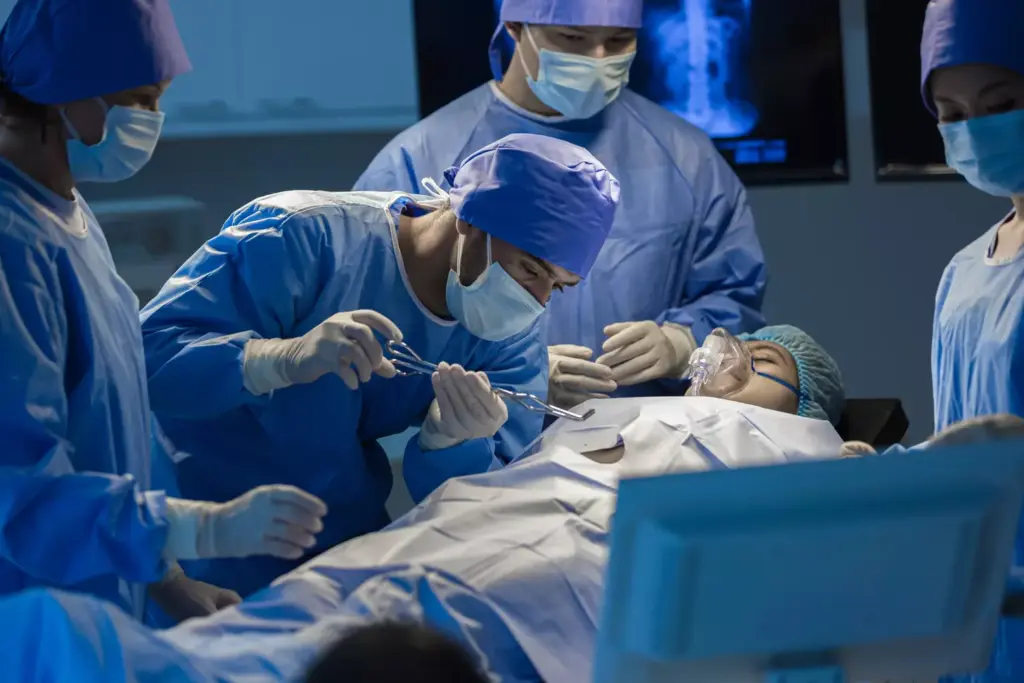
To tackle aortic enlargement, we must first understand the aorta’s anatomy and the different aneurysms. The aorta is the biggest artery and is key to heart health.
Anatomy of the Aorta and Types of Aneurysms
The aorta starts at the left ventricle of the heart and goes down to the belly. Aneurysms can happen anywhere in the aorta, but they’re more common in some spots.
There are many types of aortic aneurysms, including:
- Abdominal aortic aneurysms (AAA), found in the belly.
- Thoracic aortic aneurysms (TAA), in the chest.
- Thoracoabdominal aortic aneurysms, covering both the chest and belly.
Common Causes of Aortic Enlargement
Aortic enlargement often comes from genetics and lifestyle. Hypertension and atherosclerosis are big culprits, as they make the aortic walls weak.
Risk Factors and Prevalence
Many factors can lead to aortic aneurysms, like being older, male, smoking, and having genetic conditions like Marfan syndrome.
| Risk Factor | Description | Impact |
|---|---|---|
| Older Age | Increased risk with age | Higher likelihood of aneurysm development |
| Male Sex | Males are more prone to aneurysms | Increased risk compared to females |
| Smoking | Smoking damages the aortic wall | Significantly increases the risk of aneurysm |
As a renowned cardiovascular specialist once said,
“The key to managing aortic aneurysms lies in understanding their causes and identifying risk factors early on.”
Diagnosing Aortic Aneurysms
Diagnosing aortic aneurysms needs a mix of doctor’s checks and advanced imaging. Finding them early is key for good treatment and better health outcomes.
Screening and Detection Methods
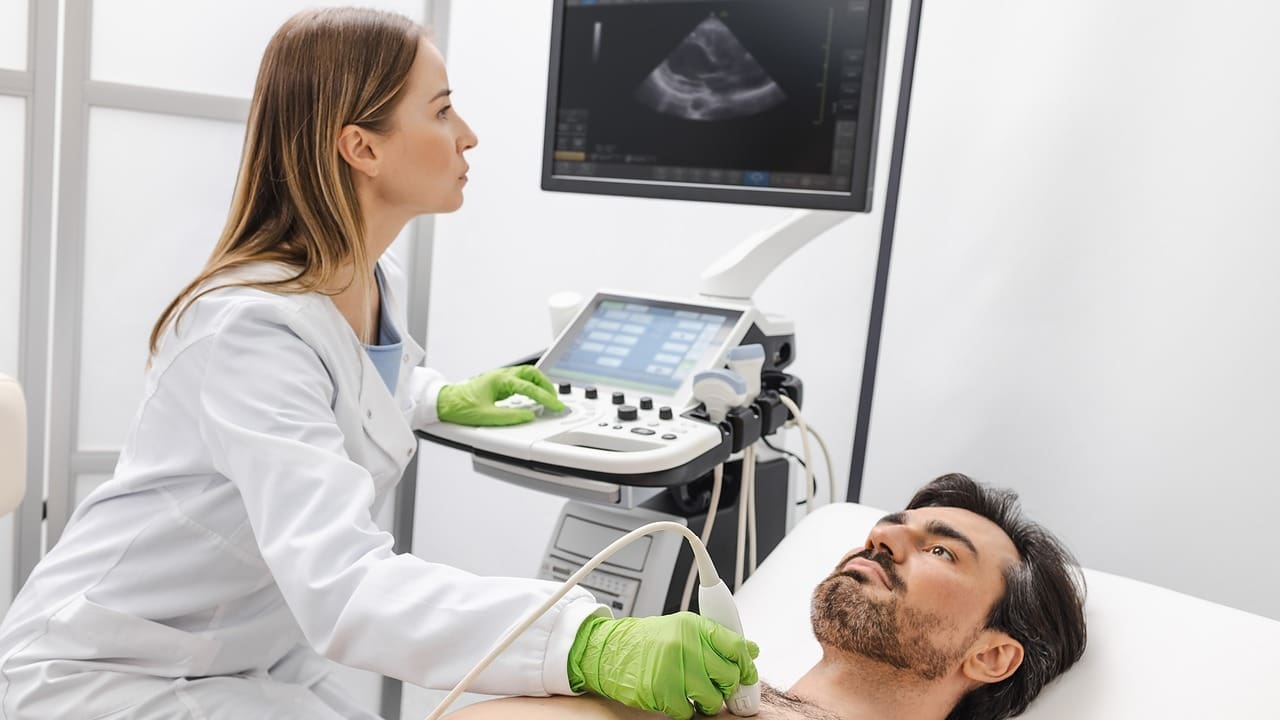
Screening starts with a detailed medical history and physical check-up. Ultrasound screening is suggested for those at high risk, like family history or smoking. Age and gender also play a part in deciding who needs screening.
For those at risk, regular checks can spot aneurysms early. This lets doctors keep an eye on the aneurysm’s size and growth. It helps them decide if surgery is needed.
Imaging Techniques for Diagnosis
When an aneurysm is suspected, imaging techniques are key for a clear diagnosis. The most used methods are:
- Computed Tomography (CT) scans: Give detailed aorta images, helping measure size and risk of rupture.
- Magnetic Resonance Imaging (MRI): Offers detailed images without radiation, great for long-term checks.
- Echocardiography: Uses sound waves to see the heart and aorta, good for checking the heart and finding aneurysms in the upper aorta.
Measuring Aneurysm Size and Growth Rate
It’s vital to accurately measure aneurysm size and growth rate. Serial imaging tracks changes over time. How often to image depends on the aneurysm’s size and growth speed.
These measurements help decide on treatment. For small aneurysms, watching them closely is often the plan. But bigger ones might need quicker action.
When Treatment for Aortic Aneurysm Becomes Necessary
Treatment for an aortic aneurysm is needed when certain risks are high. Doctors look at the size of the aneurysm and the patient’s health. This helps decide if surgery is needed.
Size Thresholds for Intervention
Doctors suggest surgery if the aorta is over 5 to 5.5 centimeters. This is because the risk of it bursting goes up a lot after this size.
| Aneurysm Size (cm) | Rupture Risk | Recommended Action |
|---|---|---|
| Low | Monitoring | |
| 4-5.5 | Moderate to High | Regular Surveillance |
| > 5.5 | High | Surgical Intervention |
Growth Rate Considerations
Fast growth of the aneurysm is also important. Growing more than 0.5 cm in six months means it might need treatment.
Symptom-Based Decision Making
Pain in the back, belly, or tenderness can also lead to treatment. Symptoms mean it’s a medical emergency and needs quick action.
Risk Assessment for Rupture
Doctors do a full risk check to decide on treatment. They look at the patient’s age, health, and family history. They also consider the aneurysm’s size and shape.
Healthcare providers weigh the risks of surgery against the chance of rupture. This helps them make the best choice for the patient.
How to Stop an Aortic Aneurysm from Growing
Aortic aneurysm growth can be slowed or halted through careful management of risk factors and medical therapy. We will explore strategies to prevent aneurysm progression in this section.
Blood Pressure Management Strategies
Managing an aortic aneurysm starts with controlling blood pressure. High blood pressure is a big risk factor for aneurysm growth. Blood pressure management includes lifestyle changes and, if needed, medication.
To manage blood pressure, we suggest regular monitoring, a low-sodium diet, and regular physical activity. Sometimes, antihypertensive medications are prescribed to keep blood pressure in check.
The Critical Role of Smoking Cessation
Smoking is a major risk factor for aortic aneurysm growth and rupture. Smoking cessation is key for patients with an aortic aneurysm. It greatly reduces the risk of aneurysm progression and heart disease.
There are many resources to help quit smoking, including counseling, support groups, and medications.
Medication Options for Stabilization
Certain medications can stabilize the aneurysm and reduce growth risk. Beta-blockers are often used to lower blood pressure and reduce aortic wall stress.
Other medications may be prescribed for related conditions like high cholesterol or diabetes, which can affect aneurysm growth.
Lifestyle Modifications and Their Impact
Medical therapy is not the only way to manage an aortic aneurysm. Lifestyle modifications are also critical. A healthy diet, regular exercise, and maintaining a healthy weight can slow aneurysm growth.
It’s also important to avoid heavy lifting and bending, as they can increase pressure on the aortic wall.
By combining these strategies, patients can significantly reduce the risk of their aortic aneurysm growing. Regular follow-ups with a healthcare provider are key to monitor the aneurysm and adjust the treatment plan as needed.
Conservative Management and Monitoring
For many patients with aortic aneurysms, conservative management is key. This approach involves watching closely, managing risk factors, and treating other health issues. It aims to stop the aneurysm from growing and prevent rupture.
Regular Imaging Protocols
Keeping an eye on aortic aneurysms with regular scans is vital. We use ultrasound, CT scans, or MRI to track changes. The choice of scan depends on the aneurysm’s location, size, and the patient’s health.
Imaging Frequency: How often scans are needed depends on the aneurysm’s size and growth. Smaller aneurysms might need scans every 6-12 months. Larger ones might need more frequent checks.
Frequency of Medical Follow-ups
Regular doctor visits are important for aortic aneurysm patients. These visits help us check the patient’s health and the aneurysm’s size. We can also adjust the treatment plan as needed.
During these visits, we:
- Look at scan results to see if the aneurysm is growing
- Check blood pressure and adjust medications if needed
- Watch for symptoms that might mean the aneurysm is getting worse
- Give advice on lifestyle changes to lower risk factors
Managing Comorbid Conditions
It’s important to manage other health issues for aortic aneurysm patients. Problems like high blood pressure, diabetes, and high cholesterol can affect the aneurysm’s growth and overall health.
| Comorbid Condition | Management Strategy |
|---|---|
| Hypertension | Blood pressure medications, lifestyle modifications |
| Diabetes | Glycemic control through medication and lifestyle changes |
| High Cholesterol | Statins, dietary changes, and lifestyle modifications |
When to Transition from Monitoring to Intervention
Deciding when to move from watching to treating an aneurysm depends on several factors. These include the aneurysm’s size, how fast it’s growing, and if there are symptoms. Generally, treatment is considered when the aneurysm reaches a certain size (usually 5.5 cm) or if it’s growing quickly or showing signs of rupture.
By closely monitoring patients with aortic aneurysms and managing other health issues, we can lower the risk of rupture. Regular check-ups and scans help us find the best time for treatment.
Aortic Enlargement Surgery: Traditional Open Repair
Open repair is a well-established treatment for aortic enlargement. It offers a lifeline to those with big aneurysms. This method is more invasive than newer techniques but is vital for many patients.
Surgical Technique and Procedure
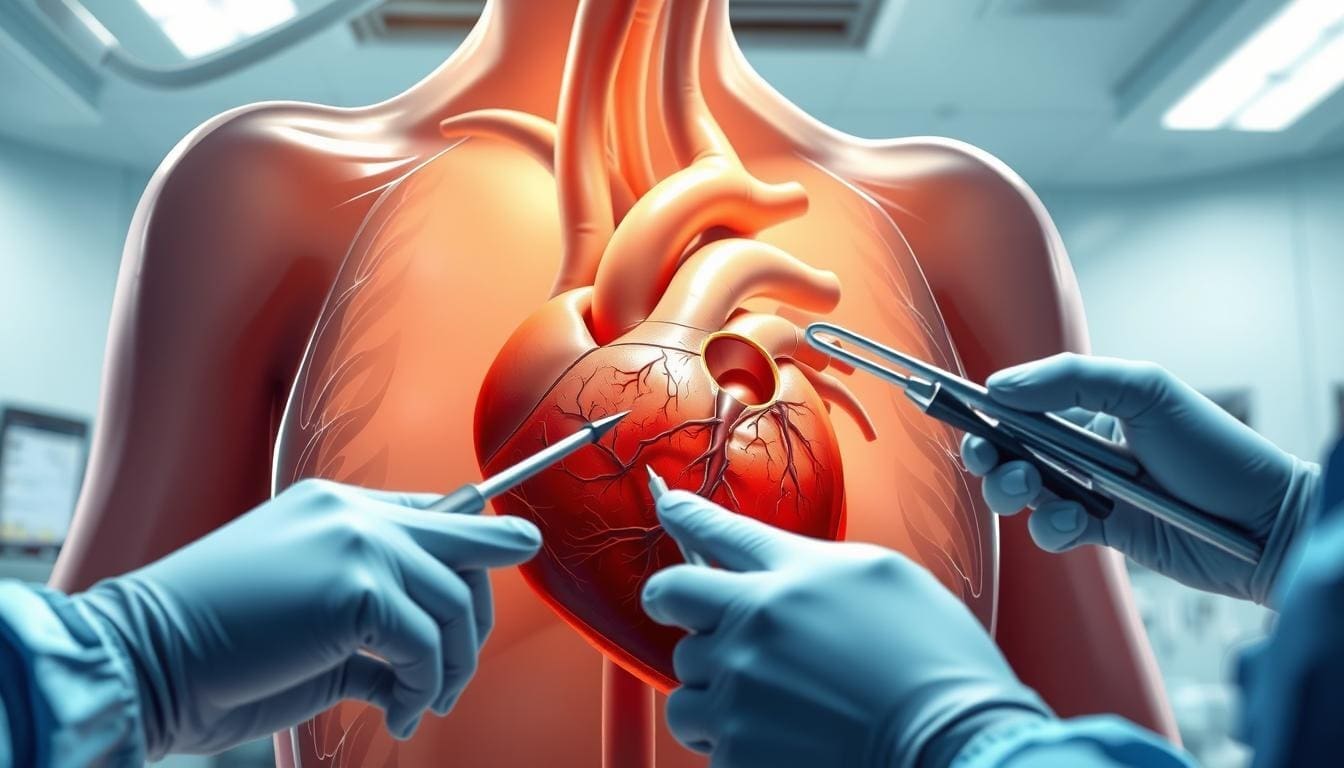
The open repair procedure starts with a chest or abdominal incision to reach the aorta. Surgeons then remove the weak part of the aorta and replace it with a synthetic graft. This graft acts as a strong replacement, ensuring blood flows properly.
The surgery needs great care and is done under general anesthesia. The incision site depends on the aneurysm’s location. For example, chest incisions are used for thoracic aortic aneurysms, and abdominal incisions for abdominal aortic aneurysms.
Ideal Candidates for Open Surgery
Open repair is best for those with big aneurysms or fast-growing ones. Ideal candidates are usually in good health and can handle major surgery. Age, health, and other medical conditions are key in deciding if someone is a good candidate.
- Significant aneurysm size (typically over 5.5 cm)
- Rapid aneurysm growth rate
- Symptomatic aneurysms
- Patients who are good surgical candidates
Recovery Timeline and Hospital Stay
Recovery from open repair surgery takes time, often needing a 7-10 day hospital stay. Patients are watched closely for any complications. After surgery, they get pain management, respiratory therapy, and help to move to prevent issues.
Long-term Outcomes and Success Rates
Open repair has a strong success history in treating aortic aneurysms. It has high long-term survival rates and low aneurysm recurrence rates when done by skilled surgeons. Regular check-ups are key to watch the graft and heart health.
- High success rate in preventing rupture
- Long-term durability of the graft
- Improved survival rates compared to untreated aneurysms
Endovascular Aortic Repair (EVAR) for Aneurysm Treatment
Endovascular Aortic Repair (EVAR) is a new way to treat aortic aneurysms. It’s less invasive than traditional surgery. EVAR uses stent grafts to fix the aneurysm from inside the aorta.
Mechanism of Stent Grafts
Stent grafts are inserted through small cuts in the groin. They expand to fit the aorta, covering the aneurysm. This stops blood from flowing into the aneurysm, lowering the risk of rupture.
Criteria for Patient Selection
Doctors choose patients for EVAR based on several factors. These include the aneurysm’s size and location, and the patient’s health. The best candidates are those at high risk for open surgery complications.
A study by Mayo Clinic shows EVAR benefits patients with complex aneurysms.
Advantages of Minimally Invasive Approaches
EVAR is less invasive than open surgery. This means less damage and quicker recovery. Patients often have less pain and can get back to normal faster.
Long-term Considerations and Limitations
EVAR has benefits but also long-term issues. These include endoleaks, graft migration, and the need for ongoing checks. Long-term data show EVAR may need more procedures over time.
| Aspect | EVAR | Open Surgery |
|---|---|---|
| Invasiveness | Minimally invasive | Highly invasive |
| Recovery Time | Quicker recovery | Longer recovery |
| Hospital Stay | Typically shorter | Often longer |
| Risk of Complications | Lower for some patients | Higher for some patients |
Hybrid and Advanced Surgical Techniques
New hope is coming for those with complex aortic aneurysms. Hybrid repair and branched grafts are leading the way. These methods are making it possible to treat cases once thought too risky.
Combining Open and Endovascular Approaches
Hybrid aortic repair mixes open surgery with endovascular techniques. This method can treat complex aortic issues in one go. It might cut down recovery time and boost success rates. It’s great for patients with aneurysms in multiple aorta segments or complex branch vessels.
Branched and Fenestrated Grafts
Branched and fenestrated grafts are special tools for complex aortic aneurysms. They have custom-made parts that fit the patient’s arteries. These grafts let more patients get endovascular treatment.
| Feature | Branched Grafts | Fenestrated Grafts |
|---|---|---|
| Design | Custom-made branches for major vessels | Custom-made fenestrations for visceral arteries |
| Application | Ideal for aneurysms with multiple branch vessels | Suitable for aneurysms with complex visceral artery anatomy |
| Advantage | Preserves blood flow to critical organs | Offers precise alignment with visceral arteries |
Treating Complex Anatomical Cases
Complex cases need special care. Advanced imaging and 3D models help plan these repairs. With these tools and new graft designs, surgeons can tackle cases once thought impossible.
Innovation in Aortic Surgery Techniques
Aortic surgery is always getting better. New studies show promising results from fresh techniques and materials. As these advancements keep coming, we’ll see better care for complex aortic aneurysms.
Post-Treatment Care and Long-term Management
After aortic aneurysm surgery, taking care of yourself is key. It’s important to know how to manage your health for the long run. This ensures you stay healthy and happy.
Immediate Post-Surgical Care
The first days after surgery are very important. You need to be watched closely to catch any problems early. Patients usually stay in the ICU before moving to a regular ward when they’re better.
Managing pain, taking care of your wound, and getting up and moving are vital. Following your doctor’s advice is essential for a smooth recovery.
Long-term Follow-up Requirements
Regular check-ups are a big part of your care. They help us see how well the repair is working and catch any new problems. CT scans are often used to check on your health.
It’s also important to keep your heart healthy. This means managing blood pressure, diabetes, and cholesterol, and quitting smoking. Changing your lifestyle can greatly improve your health.
Managing Possible Complications
Even with successful surgery, problems can happen. We need to be ready to handle them. Issues like endoleaks and graft migration need quick action.
We keep a close eye on you for any signs of trouble. Regular check-ups and scans help us catch problems early.
Lifestyle Adjustments After Treatment
Living a healthy lifestyle is important after surgery. Eating right, staying active, and quitting smoking can make a big difference. These changes help your heart and overall health.
We suggest eating lots of fruits, veggies, and whole grains. Also, doing some exercise as your doctor advises. These habits are good for your heart and overall health.
Conclusion: Making Informed Decisions About Aortic Aneurysm Treatment
Treating aortic aneurysms requires a detailed plan that looks at many factors. We’ve covered the key parts of treating aortic aneurysms, from finding out you have one to the various treatments available.
Making informed decisions about aortic aneurysm treatment is key for patients. Knowing the different treatment options helps patients work with their doctors to find the best treatment for them.
Understanding the condition is vital. This includes knowing what causes aneurysms and how doctors find them. Patients should ask questions and get a second opinion if needed.
The main goal of treatment is to stop the aneurysm from rupturing and improve the patient’s life. Doctors consider the patient’s health, the aneurysm’s size and location, and new treatments to offer personalized care.
We’ve talked about the aortic aneurysm treatment options, from watching and waiting to surgery. Each method has its benefits and fits different patients.
By being informed and involved in their care, patients can make choices that are right for them. This ensures the best results in managing their aortic aneurysm.
Frequently Asked Questions About Aortic Aneurysm Treatment
Many patients wonder about aortic aneurysm treatment. They ask about the risks and benefits of different treatments, how long it takes to recover, and what the long-term results are. We answer some of the most common questions to help patients make informed choices.
One big worry is the risks of surgery. Both open repair and endovascular aortic repair (EVAR) have their own risks and benefits. Our team works with patients to find the best treatment for their condition and health.
Recovery times are another concern. EVAR usually means a quicker recovery than open surgery. But, both need careful care after surgery and follow-up. We guide patients on what to expect during recovery.
Long-term outcomes are also a big worry. With the right treatment and care, many patients with aortic aneurysms can live active lives. We stress the importance of regular check-ups and managing other health issues for the best results.
By answering these FAQs, we aim to give patients the knowledge they need. This way, they can confidently navigate their treatment journey.
FAQ
What is the primary goal of treating an aortic aneurysm?
The main goal is to stop the aneurysm from bursting. This is done by removing it or strengthening the aorta. This helps avoid serious health issues.
How do you determine if surgery is necessary for an aortic aneurysm?
Doctors suggest surgery if the aneurysm is over 5 to 5.5 cm. They also consider rapid growth or symptoms. These signs mean a higher risk of rupture.
What are the main treatment options for aortic aneurysms?
Treatments include open repair surgery and endovascular aortic repair (EVAR). EVAR is a less invasive method using stent grafts. For complex cases, hybrid approaches are used.
How does endovascular aortic repair (EVAR) work?
EVAR places a stent graft in the aorta. This strengthens the weak area. It stops the aneurysm from getting bigger and lowers the risk of rupture.
What lifestyle changes can help manage an aortic aneurysm?
Managing blood pressure and quitting smoking are key. Eating well, exercising, and reducing stress also help. These actions slow aneurysm growth and improve health.
How often should patients with aortic aneurysms undergo imaging tests?
Imaging test frequency depends on the aneurysm’s size and growth. Regular checks are usually needed to decide if treatment is necessary.
Can medication help in treating aortic aneurysms?
Yes, medications can help manage conditions like high blood pressure and cholesterol. This indirectly supports treatment and slows aneurysm growth.
What are the benefits of early detection of aortic aneurysms?
Early detection means quicker treatment. This reduces the risk of rupture and allows for less invasive options. It improves patient outcomes.
What is the recovery process like after aortic aneurysm surgery?
Recovery varies by surgery type. Open repair needs a longer hospital stay and recovery. EVAR is less invasive and has a quicker recovery.
Are there any long-term considerations after aortic aneurysm treatment?
Yes, long-term follow-up is needed. This is to watch for complications like endoleaks in EVAR patients. It also helps manage ongoing risks.
How can patients reduce the risk of complications after aortic aneurysm treatment?
Following lifestyle advice, attending follow-ups, and managing health conditions are key. These actions help avoid complications.
References
- Penn Medicine. (n.d.). Aorta surgery. Retrieved October 23, 2025, from https://www.pennmedicine.org/treatments/aorta-surgery
- Mass General Brigham. (n.d.). Ascending aortic aneurysm repair surgery. Retrieved October 23, 2025, from https://www.massgeneralbrigham.org/en/patient-care/services-and-specialties/heart/conditions/aortic-disease/ascending-aortic-aneurysm-repair
- National Heart, Lung, and Blood Institute. (2022, March 24). Aortic aneurysm – treatment. Retrieved October 23, 2025, from https://www.nhlbi.nih.gov/health/aortic-aneurysm/treatment
- American Heart Association. (n.d.). Aortic aneurysm. Retrieved October 23, 2025, from https://www.heart.org/en/health-topics/aortic-aneurysm
- Johns Hopkins Medicine. (n.d.). Aortic aneurysm treatment. Retrieved October 23, 2025, from https://www.hopkinsmedicine.org/health/conditions-and-diseases/aortic-aneurysm/aortic-aneurysm-treatment