Basal Cell Carcinoma: Causes, Symptoms, and Advanced Treatment Options
Basal cell carcinoma is the most common skin cancer, affecting nearly three million people in the United States every year. Early cases can be treated easily, but advanced stages require stronger and more targeted approaches. At Liv Hospital, we focus on effective management and personalized care for every patient. Our specialists follow international guidelines and use the latest medical technologies to Treat Basal Cell Carcinoma with precision and safety.
Advances in treatment options have greatly improved outcomes. For example, the US FDA approved cemiplimab (Libtayo) to help prevent certain skin cancers from returning. Studies show that this treatment significantly reduces the risk of recurrence, offering new hope for patients who need advanced care.
Key Takeaways
- Early-stage BCC is highly treatable with the right treatment.
- Advanced BCC cases need more aggressive and personalized treatments.
- Liv Hospital offers evidence-based treatments following international standards.
- Cemiplimab (Libtayo) has been approved by the US FDA to prevent recurrence of certain skin cancers.
- Personalized care is key for managing BCC effectively.
Understanding Basal Cell Carcinoma
Basal cell carcinoma (BCC) is the most common skin cancer. Knowing about it is key to treating it well. It’s important to catch it early.
What is Basal Cell Carcinoma?
Basal cell carcinoma starts in the skin’s basal cell layer. It grows abnormally and can harm nearby tissues if not treated. It often looks like a small, flesh-colored bump on sun-exposed skin.
BCC grows slowly and rarely spreads. But, if ignored, it can damage a lot. Knowing about BCC helps in managing and treating it.
Common Causes and Risk Factors
Many things can lead to basal cell carcinoma. The main risks are:
- Prolonged exposure to ultraviolet (UV) radiation from the sun or tanning beds
- Fair skin, light hair, and light eye color
- History of previous skin cancers
- Family history of skin cancer
- Exposure to certain chemicals like arsenic
- Weakened immune system
Knowing these risks helps in catching BCC early. For more on curable cancers, including BCC, visit Liv Hospital’s resource on curable cancers.
| Risk Factor | Description |
|---|---|
| UV Radiation | Prolonged exposure to UV radiation from the sun or tanning beds increases the risk of BCC. |
| Fair Skin | Individuals with fair skin, light hair, and light eyes are more susceptible to BCC. |
| Family History | A family history of skin cancer can increase an individual’s risk of developing BCC. |
Signs and Symptoms to Watch For
Spotting basal cell carcinoma early is key to better treatment. Look out for:
- A new growth or sore on the skin that doesn’t heal
- A shiny, pink, or red bump or nodule
- A flat, scaly, or crusty area on the skin
- An open sore that bleeds or oozes
Knowing these signs can lead to early treatment. Treatment for BCC depends on the tumor’s size, location, and type, and the patient’s health.
Understanding basal cell carcinoma is vital for effective treatment. By knowing its causes, risks, and symptoms, we can catch it early. BCC is one of the most treatable cancers when caught and treated quickly.
Diagnosing Basal Cell Carcinoma
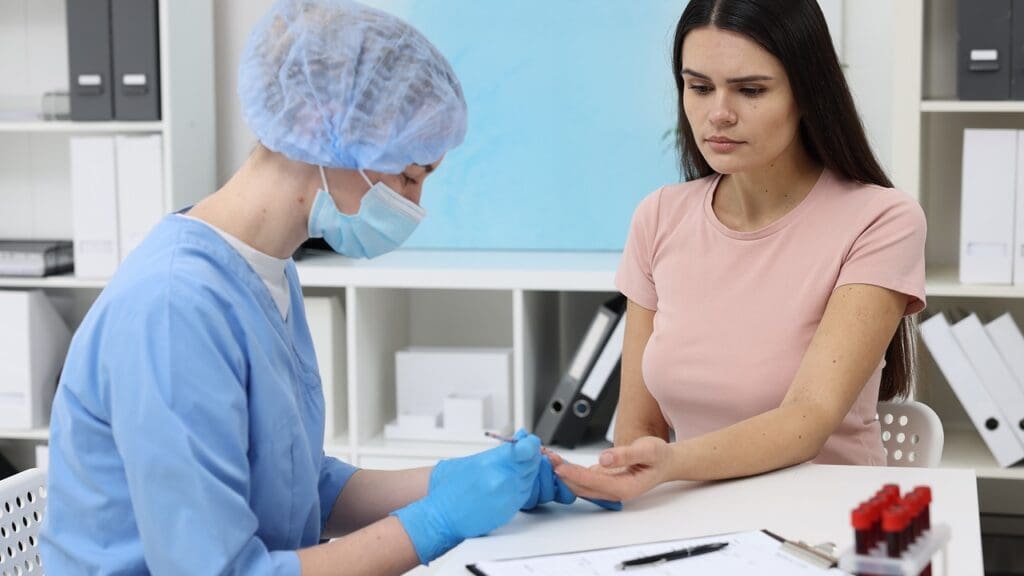
Diagnosing basal cell carcinoma involves several steps. It starts with a detailed skin check. Accurate diagnosis is key to choosing the right treatment for BCC.
Initial Skin Examination
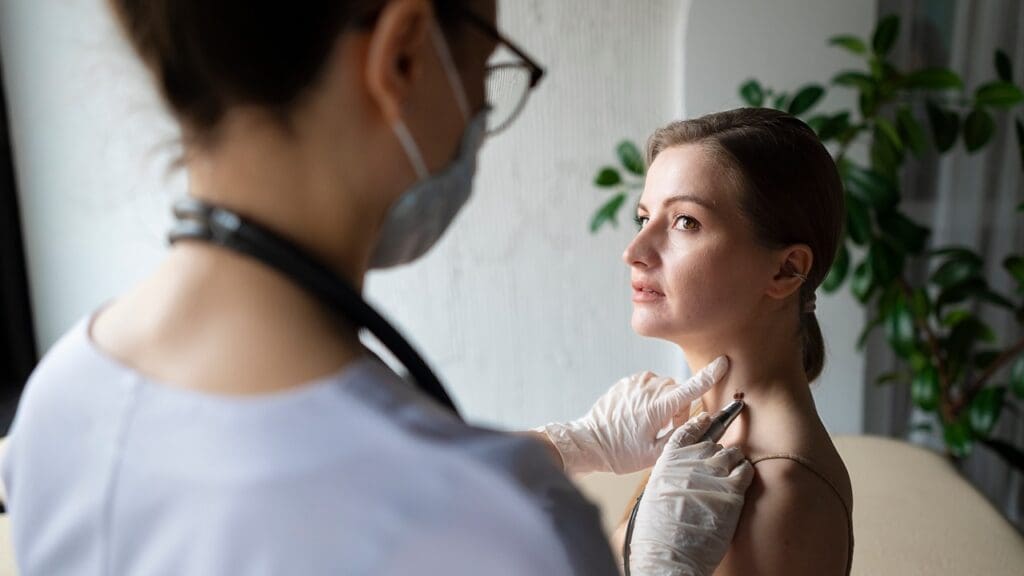
We carefully look at the skin for any unusual growths during the first check. This step is vital to spot BCC and decide if more tests are needed.
Key aspects of the initial examination include:
- Visual inspection of the skin
- Assessment of lesion characteristics (size, shape, color, texture)
- Patient history and risk factor assessment
Biopsy Procedures
If BCC is suspected, we do biopsies to confirm. A biopsy takes a small tissue sample from the area for microscope examination.
There are various biopsy methods, like shave, punch, and excisional biopsies. The choice depends on the lesion’s size, location, and other factors.
Understanding Your Diagnosis
We’ll explain the biopsy results to you in detail. Knowing your diagnosis helps you make informed treatment choices.
The report will tell you about the BCC type, size, and if it’s fully removed. This info helps us pick the best treatments for basal cell carcinoma.
| Diagnosis Aspect | Description | Implication for Treatment |
|---|---|---|
| Type of BCC | Nodular, superficial, morpheaform, etc. | Influences choice of treatment modality |
| Tumor Size and Depth | Size and depth of invasion | Affects treatment aggressiveness and type |
| Margin Status | Whether BCC is completely removed | Determines need for further treatment or follow-up |
Clinical trials, like the Phase 3 C-POST trial, show promising results for BCC treatment. For example, cemiplimab reduced disease recurrence or death risk by 68% compared to placebo. We keep up with new research to offer the best bcc on nose treatment and other basal cell carcinoma treatments.
Types of Basal Cell Carcinoma
Basal cell carcinoma (BCC) is not just one type; it has several subtypes. Each subtype has its own look and treatment needs. Knowing these differences helps doctors choose the best treatment.
Nodular BCC
Nodular BCC is the most common type, making up 60-80% of BCC cases. It looks like a slow-growing, flesh-colored or pink bump on the skin. It often has a “rolled edge” and a central ulcer.
Characteristics: Nodular BCC grows slowly and doesn’t usually spread deep at first. But, if not treated, it can spread to nearby tissues.
Superficial BCC
Superficial BCC looks like a flat, reddish patch on the skin. It has a scaly surface and grows slowly. It’s more common on the trunk or arms and legs.
Treatment Implications: Because it’s on the surface, superficial BCC is often treated with creams or light therapy.
Morpheaform (Sclerosing) BCC
Morpheaform BCC is aggressive and hard to diagnose because it looks like a scar. It grows deep into the skin, making treatment harder.
“Morpheaform BCC is notorious for its ability to extend far beyond the clinically visible margins, complicating surgical excision.” – Dermatology Expert
Pigmented BCC
Pigmented BCC has different levels of pigmentation, sometimes looking like melanoma. It’s hard to tell apart from melanoma just by looking at it.
| BCC Subtype | Characteristics | Common Treatment Approaches |
|---|---|---|
| Nodular BCC | Slow-growing nodule, often with central ulceration | Surgical excision, Mohs surgery |
| Superficial BCC | Flat, reddish patch with scaly surface | Topical therapies, photodynamic therapy |
| Morpheaform BCC | Aggressive, infiltrative growth pattern | Mohs surgery, wide excision |
| Pigmented BCC | Pigmentation varying in degree | Surgical excision, Mohs surgery |
Knowing the specific type of basal cell carcinoma is key to picking the right treatment. Each type has its own look and treatment needs. This shows why a custom approach is best for treating BCC.
Factors That Determine Treatment Options
Choosing the right treatment for BCC depends on several key factors. These elements help us create a treatment plan that fits each patient’s needs. This ensures the best possible results.
Size and Location of the Tumor
The size and where the BCC tumor is located are very important. Larger tumors or those in sensitive areas, like the face, need careful treatment. This is to keep their appearance and function intact.
Tumors near the eyes or nose need special attention. Early treatment is key to managing BCC well.
BCC Subtype
The type of BCC also affects treatment choices. Different types grow and spread at different rates. For example, morpheaform BCC is harder to treat because it grows deep into tissues.
Knowing the BCC type helps us pick the best treatment. This could be surgery, creams, or other non-surgical methods.
Patient Health and Age
A patient’s health, age, and what they prefer are also important. Older patients or those with health issues might need gentler treatments. These treatments should have fewer side effects.
We make sure the treatment fits the patient’s health and wishes. This ensures they can handle the treatment well.
Risk of Recurrence
The chance of the tumor coming back is a big factor. Tumors at high risk, like large or aggressive ones, might need stronger treatments. This could include surgery, radiation, or other treatments.
New treatments, like Libtayo for CSCC, show how skin cancer treatment is changing. Keeping up with new treatments is important.
By looking at these factors, we can make a treatment plan that meets each patient’s needs. This approach improves outcomes and quality of life.
How to Treat Basal Cell Carcinoma: Surgical Options
Treating Basal Cell Carcinoma often means surgery. The choice depends on the tumor’s size, location, and type. Surgery is key for tumors in sensitive areas. “Surgery offers the best chance of curing Basal Cell Carcinoma while preserving the patient’s appearance and function,” say dermatologists.
Standard Excision
Standard excision removes the tumor and some healthy tissue around it. It works well for many BCCs, mainly those not too big or in less visible areas. The aim is to get rid of the cancer completely, reducing the chance of it coming back.
Mohs Micrographic Surgery
Mohs micrographic surgery is very precise. It removes the tumor layer by layer, checking each layer under a microscope until no cancer is found. This method is great for BCCs in sensitive or important areas, like the face, and for fast-growing or recurring BCCs.
Curettage and Electrodesiccation
Curettage and electrodesiccation scrapes out the tumor with a curette and then uses electric current to kill any left-over cancer cells. It’s good for small, surface BCCs but might not be right for all BCCs because of scarring risks.
Cryosurgery
Cryosurgery freezes the tumor with liquid nitrogen, killing the cancer cells. It’s used for some surface BCCs and is less invasive than other surgeries. But, it’s not for all BCC types, mainly the aggressive ones.
In conclusion, picking the right surgery for BCC depends on the tumor and the patient’s health. “Advances in surgical techniques have significantly improved outcomes for patients with Basal Cell Carcinoma,” say experts. It’s vital to talk to a dermatologist to find the best treatment.
Non-Surgical Treatment Approaches
Non-surgical treatments for Basal Cell Carcinoma give patients more choices. These options are great for those with superficial BCC or can’t have surgery due to health reasons or tumor location.
Topical Medications
Topical medications are key in treating Basal Cell Carcinoma without surgery. Imiquimod and Fluorouracil are two top picks. Imiquimod boosts the immune system to fight cancer. Fluorouracil directly kills cancer cells.
“Topical treatments like Imiquimod have shown great promise in treating superficial BCC,” studies say. They offer a high cure rate with little scarring.
Photodynamic Therapy
Photodynamic Therapy (PDT) is another non-surgical method. It involves applying a light-sensitive drug and then shining a specific light on it. This kills cancer cells and works well for superficial BCC.
PDT treats larger areas and leaves less scarring than surgery. It’s a good choice for cosmetic reasons.
Radiation Therapy
Radiation Therapy is effective for Basal Cell Carcinoma, even in sensitive areas. It uses high-energy rays to kill cancer cells.
While Radiation Therapy is usually well-tolerated, it might need several sessions. Choosing Radiation Therapy depends on the BCC’s size, location, and type. A radiation oncologist will help decide.
In summary, non-surgical treatments for Basal Cell Carcinoma offer many options. Understanding each treatment’s benefits and limits helps patients and doctors choose the best care.
Specialized Treatment for Superficial BCC
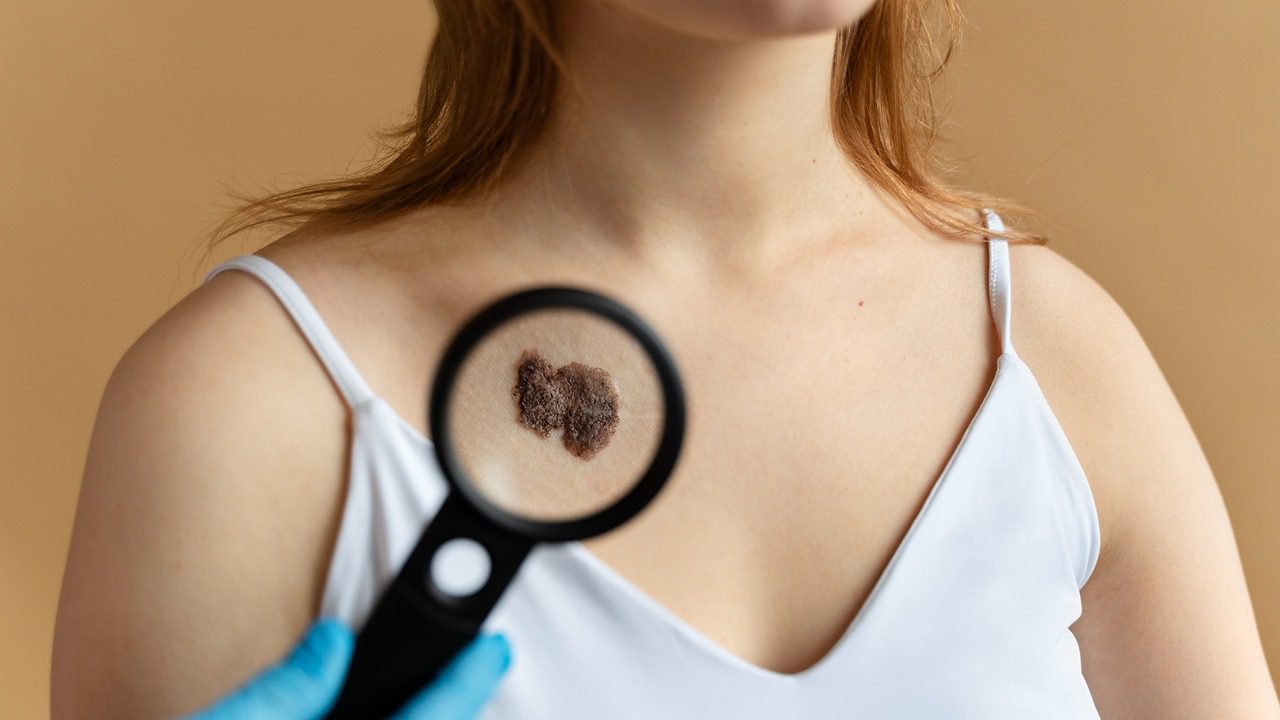
Superficial basal cell carcinoma (BCC) needs a special treatment plan. This often includes topical therapies. We focus on the unique traits of superficial BCC to pick the best treatment.
Identifying Superficial BCC
Superficial BCC shows up on the skin’s surface. It looks like a pink or red patch. It’s key to tell it apart from other skin issues for the right treatment.
We use a mix of looking at the skin and biopsies to make sure it’s superficial BCC.
Topical Therapy Protocols
Topical treatments are key for superficial BCC. Imiquimod and fluorouracil are top picks. Imiquimod boosts the immune system to fight cancer. Fluorouracil kills off bad cells directly.
We adjust the treatment based on the patient’s needs. For example, treating BCC on the nose needs extra care to keep it looking good and working right.
Treatment Duration and Success Rates
How long topical therapy lasts for superficial BCC varies. It can take weeks to months. We keep a close eye on patients to see how they’re doing and handle any side effects.
Topical therapy works well for superficial BCC. Studies show it shrinks tumors and lowers the chance of them coming back. We also look into new treatments like Libtayo for advanced BCC.
Choosing the right topical therapy and watching patients closely helps us treat superficial BCC effectively.
Treatment for Special Locations: Face, Nose, and Sensitive Areas
When BCC happens on the face or nose, we must think about both how well it works and how it looks. We need to understand the tumor and the patient’s health well.
Considerations for Facial BCC
Choosing a treatment for facial BCC is tricky. We look at the tumor’s size, where it is, and what it looks like. We also think about what the patient wants it to look like after treatment.
For example, new studies show some treatments work well in these areas. We tailor the treatment to each patient, considering their skin and any health issues.
Specialized Approaches for Nasal BCC
Nasal BCC is hard to treat because of the nose’s shape and how it looks. We use special methods, like Mohs surgery, to remove the tumor. This helps keep the nose working and looking good.
Cemiplimab is a drug that helps fight BCC, even in hard-to-treat places like the nose. It works by boosting the body’s immune system to fight cancer cells. This is a good option for patients with tough or high-risk tumors.
Treatment Options for High-Risk Areas
In risky spots like the face and nose, we have many treatment choices. We pick the best one based on the tumor’s size, where it is, and what it looks like under a microscope.
| Treatment Modality | Indications | Benefits |
|---|---|---|
| Mohs Micrographic Surgery | High-risk BCC, sensitive areas | High cure rate, tissue sparing |
| Imiquimod Cream | Superficial BCC, small tumors | Non-invasive, good cosmetic outcome |
| Photodynamic Therapy | Superficial BCC, multiple lesions | Non-invasive, selective targeting |
By picking the right treatment, we can get the best results for patients with BCC in sensitive areas. We aim to treat it well and make it look good too.
Managing Advanced or Metastatic BCC
Dealing with advanced or metastatic BCC requires knowing the latest treatments. This type of BCC is bigger or has spread to other parts of the body. We’ll look at current treatments and new options that give hope to those affected.
Targeted Therapy with Hedgehog Pathway Inhibitors
Using hedgehog pathway inhibitors is a big step forward in treating advanced BCC. These drugs block the hedgehog signaling pathway, which is often too active in BCC. This helps shrink tumors and slow the disease’s growth.
Vismodegib and Sonidegib are two inhibitors that work well in trials. They’re great for those who can’t have surgery or radiation.
Vismodegib and Sonidegib Treatment Protocols
The rules for using vismodegib and sonidegib come from clinical trials. Patients take the drug by mouth and get checked often. The dose and how long to take it depend on how well the patient does.
It’s key for patients to stick to their treatment plan and tell their doctor about any side effects. Side effects like muscle spasms, hair loss, and taste changes are common. Handling these side effects is important to keep the patient’s quality of life good.
Clinical Trials and Emerging Treatments
New trials are looking into better treatments for advanced BCC. Immunotherapies, like Libtayo (cemiplimab), are showing promise in treating skin cancers, including BCC.
We aim to keep up with these new treatments, giving our patients the best options. As research goes on, we expect to see even more ways to manage advanced BCC, bringing hope to those affected.
Conclusion: Recovery, Follow-Up, and Prevention
Treating basal cell carcinoma (BCC) needs a full plan. This includes the first treatment and ongoing care to stop it from coming back. We’ve talked about different ways to treat it, like surgery and new methods.
After treating BCC, it’s important to focus on recovery and follow-up. Regular skin checks and watching for new spots are key. Knowing how to treat BCC helps manage the disease and stop it from spreading.
Every BCC case is different. The size and where the tumor is, the type of BCC, and the patient’s health all matter. New medical tech and treatments have made treating BCC better.
Preventing BCC is also vital. Keeping your skin safe from the sun, avoiding too much sun, and using sun protection helps. New treatments, like cemiplimab for CSCC, show how important it is to stop BCC from coming back.
By knowing the treatment options and being proactive in follow-up and prevention, patients can manage BCC well. We’re dedicated to top-notch healthcare for international patients looking for advanced treatments.
What is basal cell carcinoma?
Basal cell carcinoma is the most common skin cancer that starts in the basal cells of the skin and usually grows slowly.
What causes basal cell carcinoma to develop?
Long term UV exposure from the sun or tanning beds, fair skin, family history, certain chemicals, and weak immune system increase the risk.
What are early signs of basal cell carcinoma?
A non healing sore, shiny bump, flat scaly patch, or an open sore that bleeds or crusts can be early signs.
How is basal cell carcinoma diagnosed?
Doctors examine the skin and confirm the diagnosis with a biopsy, where a small tissue sample is checked under a microscope.
Are there different types of basal cell carcinoma?
Yes, common types include nodular, superficial, morpheaform, and pigmented BCC, each with different appearance and behavior.
How is basal cell carcinoma usually treated?
Most BCCs are treated with surgery such as standard excision or Mohs surgery, especially in sensitive areas like the face and nose.
What non surgical treatments are available for BCC?
Topical creams, photodynamic therapy, and radiation therapy can be used for selected superficial or inoperable lesions.
How are advanced or metastatic BCC cases managed?
They may be treated with targeted drugs like hedgehog pathway inhibitors and immunotherapies such as cemiplimab.
Why is follow up important after BCC treatment?
Regular checkups help detect recurrences or new skin cancers early and allow timely treatment.
How can basal cell carcinoma be prevented?
Protecting the skin from UV radiation with sunscreen, clothing, shade, and avoiding tanning beds reduces the risk.



 Departments
 Related Videos
 Our Doctors
 News
News