Last Updated on November 27, 2025 by Bilal Hasdemir
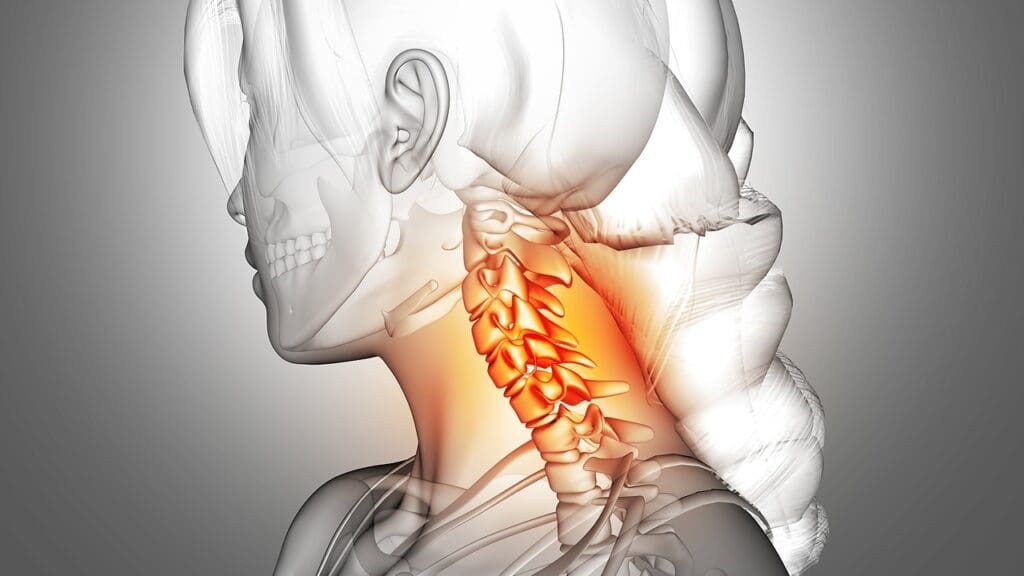
If you’re facing cervical disc herniation or degenerative disease, Anterior Cervical Discectomy and Fusion (ACDF) might help. This surgery aims to relieve spinal cord or nerve root pressure. At Liv Hospital, we focus on you, using the latest methods for the best results.
Our team is here to offer world-class healthcare and support for patients from abroad. We know surgery can seem scary. So, we’re here to help you through every step.
Key Takeaways
- Understanding the ACDF procedure and its benefits
- Liv Hospital’s expertise in treating cervical disc conditions
- The importance of a patient-centered approach in healthcare
- What to expect during the ACDF surgery process
- How Liv Hospital supports international patients
Understanding ACDF C Spine Surgery

ACDF, or Anterior Cervical Discectomy and Fusion, is a surgery for the neck. It’s used to treat pain, numbness, or weakness. This is due to a herniated disc or compressed nerves.
What is Anterior Cervical Discectomy and Fusion?
This surgery removes the damaged disc from the front of the neck. “Discectomy” means removing the disc. “Fusion” means joining the vertebrae together with a bone graft.
Common Indications for ACDF Surgery
ACDF is often needed for herniated discs, degenerative disc disease, and spondylosis. A study on JSS shows it’s effective. It relieves pressure on the spinal cord and nerves.
Benefits of the Anterior Approach
The front approach in ACDF surgery has many advantages. It causes less muscle damage and reduces nerve injury risk. It also gives better access to the spine.
This approach helps in decompressing and stabilizing the spine. It leads to better results for patients, including those with ACDF C5-6 or C4-C7 ACDF.
Knowing about ACDF surgery helps patients make better choices. They can decide between cervical disc replacement fusion or ACDF.
Common Cervical Levels Treated with ACDF
Understanding the cervical levels treated with Anterior Cervical Discectomy and Fusion (ACDF) is key. ACDF is used for many cervical spine levels to treat various conditions.
C5-6 and C6-7 ACDF: The Most Common Procedures
C5-6 and C6-7 are the most common ACDF levels. These areas often face degenerative changes and issues like herniated discs and spinal stenosis. C5-6 ACDF is common because of the area’s high mobility and stress.
Multilevel Fusions: C4-7 ACDF and C5-7 ACDF
For severe degenerative changes or complex conditions, multilevel fusions are needed. C4-7 ACDF and C5-7 ACDF fuse multiple levels to stabilize the spine and relieve symptoms.
Complex Cases: C3-C4 Fusion and C4-C6 ACDF
For complex cases, fusions at higher levels like C3-C4 fusion or C4-C6 ACDF are required. These surgeries need precise planning and execution for the best results.
Determining the Appropriate Surgical Level
Finding the right surgical level involves a detailed evaluation. This includes imaging studies and clinical assessments. The choice is based on the patient’s condition, symptoms, and spinal health.
| Cervical Level | Common Conditions | Surgical Procedure |
|---|---|---|
| C5-6 | Herniated discs, spinal stenosis | C5-6 ACDF |
| C6-7 | Degenerative disc disease | C6-7 ACDF |
| C4-7 | Multilevel degenerative changes | C4-7 ACDF |
| C3-C4 | Complex degenerative conditions | C3-C4 Fusion |
Preparing for Your ACDF C Spine Surgery
Getting ready for your ACDF C spine surgery can make you feel less anxious. We’ll walk you through what you need to do. This will help make sure your surgery goes well.
Initial Consultation and Diagnostic Tests
Your first step is an initial consultation with your surgical team. We’ll talk about your health history and your condition. We’ll also discuss the ACDF procedure in detail.
Diagnostic tests like X-rays and MRI scans will be done. They help us confirm your diagnosis and plan your surgery.
Medical Clearance Requirements
You’ll need to get medical clearance from your doctor before surgery. This is to make sure you’re healthy enough for the operation. It also helps us spot any possible risks.
Medication Adjustments Before Surgery
Some medications might need to be changed or stopped before your surgery. We’ll tell you how to manage your meds. This is to reduce risks during and after the surgery.
What to Bring to the Hospital
On surgery day, bring important items like insurance cards and identification. We’ll also tell you what to wear and what personal items you might need during your stay.
By following these steps and working with your surgical team, you’ll be ready for your ACDF C spine surgery. You’ll be on the path to a successful recovery.
The Day of Surgery: What to Expect
Getting ready for your ACDF surgery? Knowing what to expect can make you feel less anxious. We’ll guide you through what happens from when you arrive at the hospital to after the surgery.
Arrival and Pre-Operative Procedures
When you arrive, our staff will welcome you and take you to the pre-operative area. Here, you’ll change into a hospital gown and get an IV for your meds. Our team will also check your medical history and go over your ACDF surgery details, like C5-6 or C6-7.
Anesthesia Administration
An anesthesiologist will give you anesthesia to keep you comfortable during the surgery. They’ll choose the right type and amount based on your health and the surgery.
Duration of the Procedure
The ACDF surgery usually takes about an hour to an hour and a half for one level. If you need a multi-level fusion, like C4-7, it might take longer. Our team will keep you updated on how it’s going.
Immediate Post-Operative Monitoring
After surgery, you’ll go to the recovery room. Our staff will watch your vital signs and help with any pain or discomfort. This close monitoring is key for a good recovery from your ACDF C Spine Surgery.
By knowing these steps, you’ll feel more ready and confident on surgery day. Our team is dedicated to giving you the best care during your treatment.
Step-by-Step ACDF C Spine Surgical Procedure
Learning about the ACDF surgical procedure can ease worries for those about to have it. This surgery is a detailed method to fix cervical spine problems. It involves several key steps for a good outcome.
Surgical Approach and Incision
The surgery starts with a small cut in the neck’s front, often on the right side. But, the side chosen depends on the surgeon and the patient’s body. The anterior approach lets the surgeon directly access the spine. This way, it causes less damage to nearby tissues and muscles.
Disc Removal Process
After making the incision, the surgeon carefully moves tissues to show the affected disc. The disc removal process is about taking out the damaged disc. This is to stop it from pressing on the spinal cord or nerve roots.
Decompression of the Spinal Cord and Nerve Roots
After removing the disc, the surgeon does a detailed decompression. This is to take pressure off the spinal cord and nerve roots. This step is key to easing symptoms like neck pain, numbness, and weakness in the arms.
Fusion Techniques and Materials
The next part is getting the vertebrae ready for fusion. This includes putting a bone graft or synthetic spacer between them to help fuse. Also, plates and screws might be used to keep the spine stable and help the fusion.
| Fusion Technique | Description | Benefits |
|---|---|---|
| Autograft Fusion | Uses the patient’s own bone | High fusion rates, no risk of rejection |
| Allograft Fusion | Uses donor bone | Avoids additional surgery for bone harvesting |
| Synthetic Spacer | Uses artificial materials | Immediate stability, customizable |
Closure and Immediate Post-Operative Care
After the fusion is done, the surgeon closes the incision with stitches or staples. Immediate post-operative care is about watching the patient for any issues and managing pain well.
By explaining the ACDF C Spine surgical procedure step by step, it’s clear it needs careful attention and a skilled team. Knowing the process helps patients prepare for the surgery and recovery.
ACDF vs. Cervical Disc Replacement: Understanding Your Options
When you’re thinking about surgery for your neck, you might choose between ACDF and cervical disc replacement. Both aim to ease pain and improve function. But they work in different ways and have different results.
Comparing C5-6 ACDF and Cervical Disc Replacement Fusion
ACDF removes the bad disc and fuses the vertebrae to make the spine stable. Cervical disc replacement keeps the spine moving by putting in an artificial disc. The main difference is how they affect spinal movement.
Cervical disc replacement is for some patients to keep the spine moving and avoid future problems. But ACDF is usually the go-to for serious instability or bad disc wear.
Candidacy Criteria for Each Procedure
Choosing between ACDF and cervical disc replacement depends on a few things:
- The extent of disc degeneration
- Presence of spinal instability
- Patient’s overall health and age
For cervical disc replacement, you need to have single-level disc disease and not much spinal instability. ACDF is better for those with more severe disc wear or multiple levels affected.
Long-Term Outcomes and Considerations
Both procedures have good long-term results, but they affect the spine differently. ACDF might make the fused area less mobile, which could stress other discs. Cervical disc replacement keeps the spine moving, which might help avoid this.
When picking between these options, think about your lifestyle, how bad your condition is, and the risks and benefits of each. Talking to a spine specialist is key to finding the right treatment.
Potential Risks and Complications of C6-7 ACDF Surgery
It’s important for patients to know about the risks of ACDF surgery. This treatment is often successful, but it’s good to understand the possible risks.
Common Side Effects vs. Serious Complications
ACDF surgery comes with some risks, like temporary pain and swelling. Some people might also have trouble swallowing. But, serious problems like infection or nerve damage are rare.
It’s key to know the difference between common side effects and serious issues. The latter need quick medical help.
Adjacent Segment Disease
Adjacent segment disease is when discs near the fusion site wear out. This can happen months or years later. Symptoms include neck or arm pain.
Not everyone will get this disease, but it’s good to know about it. It helps with long-term care.
Hardware-Related Complications
Problems with the implanted devices can happen. It’s important to see your surgeon regularly. This way, any issues can be caught and fixed early.
Strategies to Minimize Risks
To lower risks, follow your doctor’s instructions closely. Go to all follow-up appointments and stay healthy. Eat well, exercise, and don’t smoke.
By doing these things, you can reduce the chance of problems. This helps you recover better.
Post-Surgery Recovery Timeline
After ACDF C spine surgery, patients follow a set recovery timeline. This timeline helps manage expectations and ensures a smooth recovery.
Hospital Stay Duration
Most patients stay in the hospital for 1-2 days after surgery. Medical staff monitor their condition, manage pain, and watch for complications. This time allows for immediate care and guidance on post-surgery care.
First Week After Surgery
The first week is key for recovery. Patients should rest and avoid hard activities. Pain management is a top priority, with medication to control pain. A healthy diet supports healing. Patients can start with light activities but must avoid bending, lifting, or twisting.
Weeks 2-6: Initial Healing Phase
In weeks 2-6, patients see big improvements. They can do more, like short walks and light exercises, with their doctor’s okay. It’s important to watch for complications like infection or hardware failure and report them right away.
Months 2-6: Progressive Recovery
By months 2-6, patients can do more strenuous activities and get back to normal. Physical therapy may help strengthen the neck and improve flexibility. Recovery speeds vary, but most see big improvements.
Complete Fusion Timeline (Up to 18 Months)
The vertebrae fusion can take up to 18 months. Regular check-ups with the surgeon are needed to track healing. Patients should keep following post-operative instructions and go to physical therapy as advised.
Knowing the recovery timeline after ACDF C spine surgery helps patients prepare. By following care instructions and attending follow-ups, patients can recover well and achieve the best results.
Managing Post-Operative Care at Home
After ACDF C Spine Surgery, taking care of yourself at home is key. Doing so well can greatly help your healing and results.
Wound Care Instructions
It’s important to keep the wound clean and dry to avoid infection. Follow your surgeon’s advice for dressing changes. Watch for signs of infection like redness, swelling, or discharge.
Pain Management Strategies
Managing pain well is essential for a smooth recovery. Stick to your pain meds and use ice packs to help with swelling and pain. Always talk to your doctor to adjust your pain plan if needed.
Activity Restrictions and Activity Gradations
It’s important to stick to activity limits to heal properly. Avoid heavy lifting, bending, or hard activities at first. Slowly add more activity as your doctor advises. Use a neck brace as directed to support your neck early on.
Some activities to skip in the early stages include:
- Lifting objects heavier than 5 pounds
- Bending or twisting your neck
- Doing strenuous exercises or sports
Know when to call your surgeon. Seek help right away for severe pain, trouble swallowing, or infection signs.
By following these tips and keeping in touch with your healthcare team, you can manage your recovery well. This will help you get back to normal successfully.
Conclusion: Life After ACDF C Spine Surgery
After ACDF C spine surgery, patients often feel much better. We’ve explained the whole process of ACDF surgery. This includes everything from getting ready for surgery to recovering afterwards.
Recovery usually means a short stay in the hospital and wearing a cervical collar. It also means slowly getting back to normal activities over 4–6 weeks. Physical therapy is key to getting your strength and mobility back. Even though there are risks like infection and nerve injury, most people see a big improvement in their life quality.
Knowing about anterior cervical discectomy and fusion is important for making the right choice. By choosing ACDF surgery, you can get back to your physical activities and enjoy a better life. We’re dedicated to giving top-notch healthcare to international patients going through this surgery.
FAQ
What is an Anterior Cervical Discectomy and Fusion (ACDF) surgery?
ACDF is a surgery for neck pain or damage. It removes a bad disc and fuses the vertebrae together.
Why is ACDF surgery performed?
It’s done to ease pressure on the spinal cord or nerves. This helps with herniated discs, degenerative disease, or spinal stenosis.
What are the benefits of the anterior approach in ACDF surgery?
The front approach in ACDF surgery gets to the spine directly. This causes less muscle damage and speeds up recovery.
What cervical levels can be treated with ACDF surgery?
ACDF can treat many levels, like C5-6 and C6-7. It can also do multilevel fusions, like C4-7 and C5-7.
How is the decision made on the surgical level for ACDF?
The choice of surgical level depends on the patient’s condition, symptoms, and imaging results. MRI or CT scans are used.
What is the difference between ACDF and cervical disc replacement?
ACDF fuses the vertebrae. Cervical disc replacement puts in an artificial disc, keeping the level moving.
What are the possible risks and complications of ACDF surgery?
Risks include infection, nerve damage, and hardware failure. There’s also a chance of disease in the next segment.
How long does it take to recover from ACDF surgery?
Recovery time varies. Most people get back to normal in weeks to months. Fusion can take up to 18 months.
What are the post-operative care instructions after ACDF surgery?
Care includes wound care, managing pain, and avoiding certain activities. Follow-up with the surgeon is also important.
Can ACDF surgery be performed on multiple levels?
Yes, it can be done on several levels, like C4-7 or C5-7. It depends on the condition being treated.
What is the success rate of ACDF surgery?
ACDF surgery is usually very successful. Most patients see big improvements in their symptoms and quality of life.
How is pain managed after ACDF surgery?
Pain is managed with medicines and other methods. Ice or heat therapy can also help.
References
- Spine-health (ACDF Surgery Procedure) : https://www.spine-health.com/treatment/spinal-fusion/acdf-surgery-procedure
- PMC – PubMed Central : https://pmc.ncbi.nlm.nih.gov/articles/PMC6132613
- Globus Medical (Anterior Cervical Fusion Procedure) : https://www.globusmedical.com/patient-education-musculoskeletal-system-conditions/procedures/anterior-cervical-fusion-procedure
- Neurosurgeons of New Jersey (Understanding ACDF Neck Fusion) : https://neurosurgeonsofnewjersey.com/blog/understanding-acdf-neck-fusion
- Kraus Back and Neck Institute (Anterior Cervical Discectomy and Fusion) : http://spinepain.com/anterior-cervical-discectomy-fusion-kraus-back-neck-institute.html