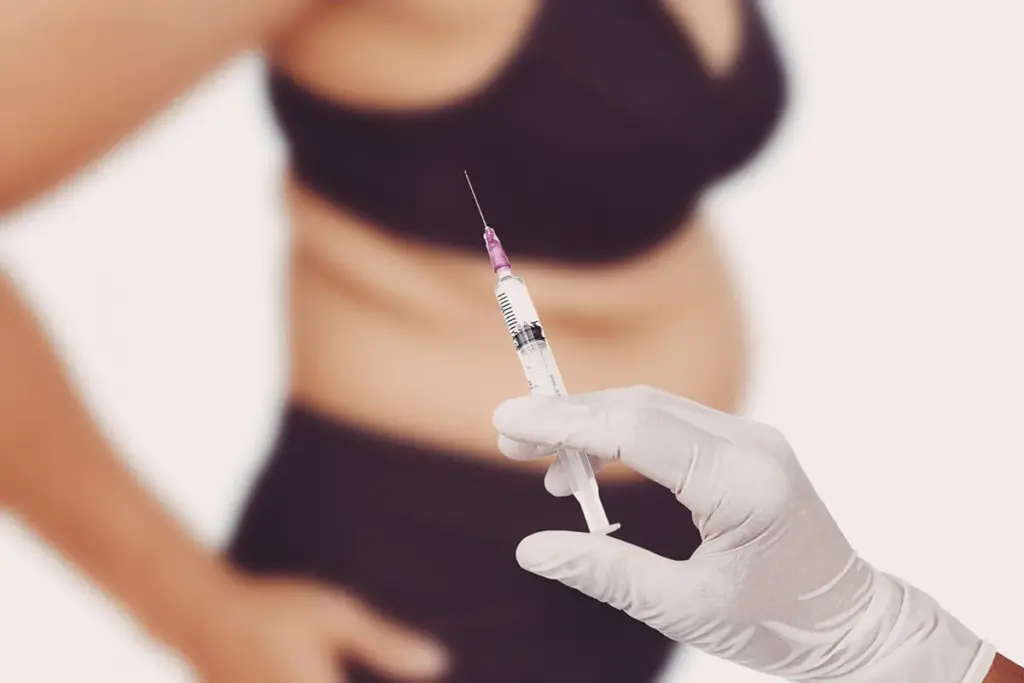
We are seeing a big change in body shaping with fat dissolving injections. These new treatments help get rid of stubborn fat deposits without the risks of old-school liposuction.
Fat dissolving injections, like phosphatidylcholine and deoxycholate mixes, are becoming popular. They are a non-surgical way to reduce fat. Kybella, with deoxycholic acid, is the only FDA-approved fat dissolving injection in the U.S. for neck fat.
Key Takeaways
- Fat dissolving injections are a nonsurgical alternative to liposuction.
- They are used for localized fat reduction.
- Kybella is FDA-approved for treating submental fat.
- These treatments offer minimal downtime compared to surgical options.
- Phosphatidylcholine and deoxycholate are common ingredients.
Understanding Lipo Fat Dissolving Injections
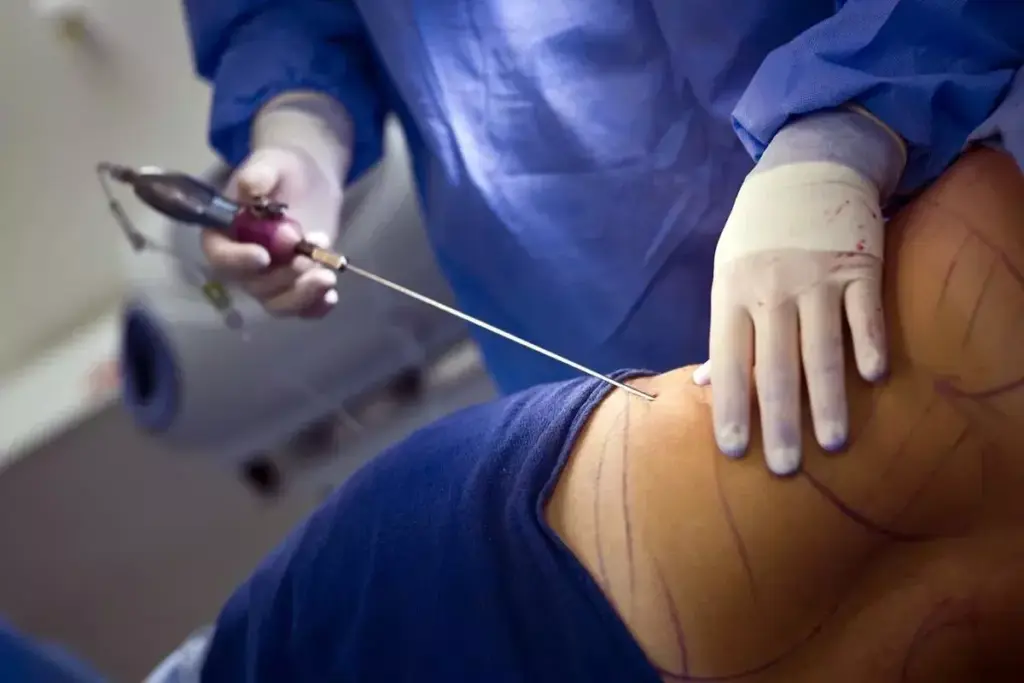
Fat dissolving injections are a new way to get rid of extra fat. They are getting a lot of attention because they are a non-surgical way to shape the body.
What Are PPC-DC and Deoxycholate Treatments
PPC-DC treatments use phosphatidylcholine (PPC) and sodium deoxycholate (DC) to break down fat cells. PPC is a natural part of our bodies, and deoxycholate is a bile salt that helps break down fats. They work together to break down fat cell membranes.
These treatments have been used worldwide to reduce unwanted fat. Studies show they work well in different settings.
How Fat Dissolving Mechanisms Work
The ingredients in these injections break down fat cells. This breakdown is then removed by the body through the lymphatic system. This process is called cell lysis.
Cell lysis is how these injections reduce fat. They target fat under the skin, reducing it without harming nearby tissues.
FDA Approval Status and Safety Profile
PPC-DC injections are used globally for fat loss, but their FDA approval status varies. It’s important to know these treatments have risks and side effects.
Side effects include swelling, bruising, and pain at the injection site. Serious problems are rare but can happen. Always talk to a healthcare professional about the safety profile and risks.
Ideal Candidates and Treatment Areas
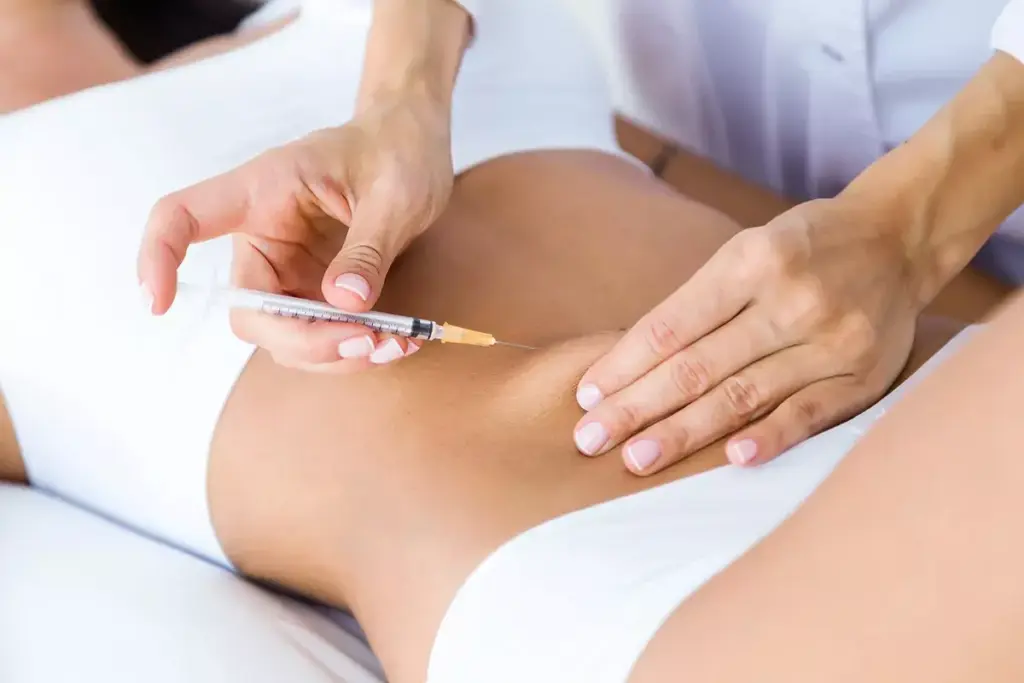
People who are close to their ideal weight but have stubborn fat are good candidates. They should have stable weight and good skin to get the best results.
Who Should Consider Fat Dissolving Treatments
These treatments are for those who are near their ideal weight but have hard-to-lose fat. Good skin elasticity is key for smooth results. They’re perfect for those wanting a non-surgical way to slim down.
Remember, these treatments aren’t for losing weight. They target localized fat deposits that diet and exercise can’t get rid of. You should be healthy and have realistic hopes for the results.
Most Effective Treatment Areas
These injections work well on many body parts, like the abdomen, thighs, and under the chin. The most common areas are:
- Abdomen
- Thighs
- Submental area (double chin)
- Arms
- Love handles
| Treatment Area | Common Concerns | Effectiveness |
| Abdomen | Stubborn belly fat | High |
| Thighs | Inner thigh fat | High |
| Submental Area | Double chin | Very High |
Contraindications and Limitations
Fat dissolving treatments are safe for most, but there are exceptions. They’re not for pregnant or breastfeeding women, those with infections, or certain autoimmune diseases. Always talk to a healthcare professional first.
It’s important to know the limits and risks of these treatments. We make sure our patients understand what to expect and how to stay safe during treatment.
The Fat Dissolving Injection Procedure
The fat dissolving injection procedure has several key steps. We guide our patients through each stage. This includes the initial consultation to post-treatment care, ensuring the best results.
Pre-Treatment Consultation and Preparation
Before starting, a detailed consultation is done to check if the treatment is right for you. We talk about your medical history and look at the areas to be treated. We also discuss what you can expect from the treatment.
To get ready, you should avoid certain medicines and skincare products. Proper skin cleansing is also important to avoid complications.
- Avoid harsh skincare products for at least a week before treatment.
- Ensure the skin is clean and free of makeup on the day of the treatment.
- Stay hydrated to support the treatment’s effectiveness.
During the Injection Session
During the session, we carefully plan where to inject. We use fine needles to make it as painless as possible.
Precision is key in giving the injections. This ensures the fat dissolving agents work well in the targeted areas.
| Procedure Step | Description | Importance |
| Pre-Treatment Consultation | Assessing patient suitability and discussing expectations. | Ensures safe and effective treatment. |
| Injection Session | Administering fat dissolving injections with precision. | Targets fat deposits effectively. |
| Post-Treatment Care | Managing swelling and maintaining hydration. | Supports optimal recovery and results. |
Post-Treatment Care Protocol
After the treatment, we give you a care plan to handle swelling and bruising. Drinking plenty of water is key.
Follow-up evaluations are set to check on your progress. This helps us see if the treatment is working as expected.
By following our guidelines before, during, and after treatment, you can get the most out of your fat dissolving injections.
Conclusion
Fat dissolving injections are a non-surgical way to reduce fat. They help you look sculpted without surgery. Knowing how they work and where to use them helps you decide if they’re right for you.
It’s key to pick a skilled practitioner and know what to expect. PPC fat dissolving treatments are showing great results in certain areas. They help reduce fat effectively.
To keep the results of fat dissolving treatments, living healthy is important. We suggest this non-surgical option for those aiming for a better look. Fat dissolving injections are a great way to shape your body.
FAQ
What are fat dissolving injections?
Fat dissolving injections, also known as lipolytic injections, are a non-surgical way to shape your body. They use phosphatidylcholine and deoxycholate to break down fat cells. This helps reduce fat in specific areas.
How do PPC-DC and deoxycholate treatments work?
PPC-DC and deoxycholate treatments target fat cells by breaking their membranes. This causes the fat cells to be removed from the body naturally. The ingredients are injected into the fat area to start the process.
Are fat dissolving injections FDA approved?
Yes, Kybella is the only FDA-approved fat dissolving injection for submental fat. Other treatments might be used off-label, but their safety and effectiveness are not as proven.
What are the possible side effects of fat dissolving injections?
Side effects can include swelling, bruising, pain, and redness at the injection site. Rare but serious risks include nerve damage or infection.
Who is a good candidate for fat dissolving treatments?
Good candidates have stable weight, good skin, and localized fat. They should not be pregnant, breastfeeding, or have certain health issues.
What areas of the body can be treated with fat dissolving injections?
Treatments can target the abdomen, thighs, and submental area. The most effective areas have localized fat deposits.
What is the procedure for fat dissolving injections?
The process starts with a consultation and cleansing the area. Then, the ingredients are injected using fine needles. After, you’ll need to manage swelling and stay hydrated for the best results.
How should I prepare for fat dissolving injections?
Avoid certain skincare products and cleanse the area well before treatment. Your practitioner will give you specific instructions.
What is the role of phosphatidylcholine in fat dissolving injections?
Phosphatidylcholine is a key ingredient that breaks down fat cells. It’s often combined with deoxycholate for better results.
Can I use fat dissolving injections if I have a history of certain medical conditions?
Some medical conditions may make these injections unsafe. Always discuss your health history with your practitioner before treatment.
References
National Center for Biotechnology Information. Evidence-Based Medical Guidance. Retrieved from https://www.ncbi.nlm.nih.gov/pmc/articles/PMC3486781/



 Departments
 Related Videos
 Our Doctors
 News
News