Last Updated on November 4, 2025 by mcelik
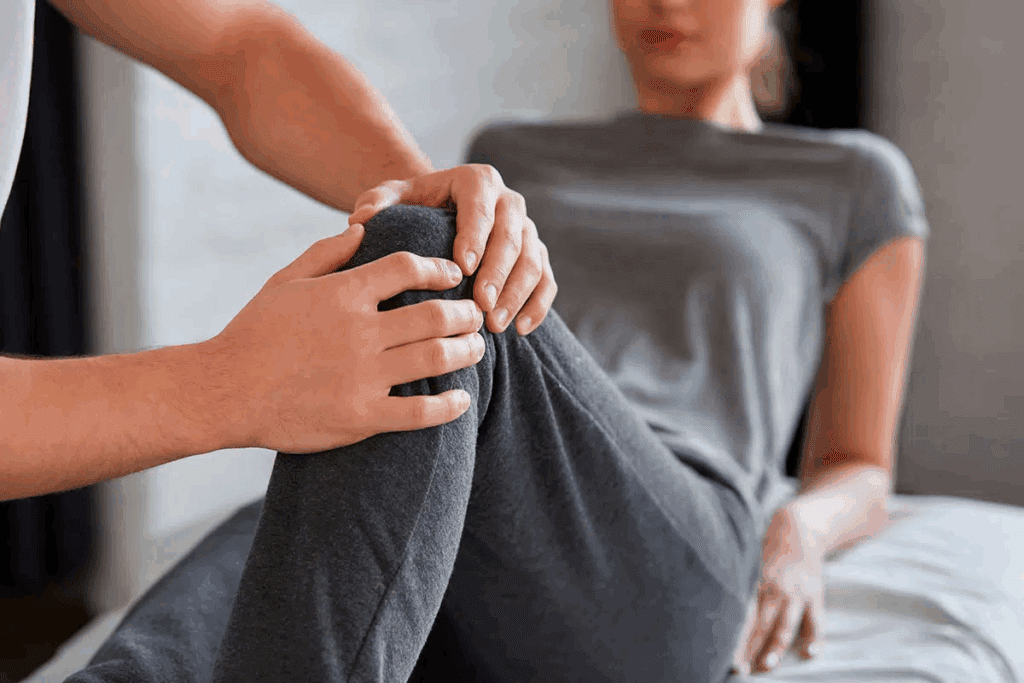
Knee pain is a significant issue globally, hindering daily activities. Did you know that knee pain is one of the most common complaints among adults? It can come from injuries, too much use, or health issues.
Dealing with knee pain is tough. But, there are ways to make it better. The RICE method, or Rest, Ice, Compression, and Elevation, is a top choice to help knee pain go away. Resting your knee and avoiding activities that worsen the pain is a good start.
Key Takeaways
- Understanding the causes of knee pain is key to relief.
- The RICE method is a top choice for knee pain relief.
- Resting your knee and avoiding activities that make it worse helps in recovery.
- Knee pain relief is possible with the right methods and care.
- Seeing a healthcare professional is important for ongoing knee pain.
Understanding the Causes of Knee Pain
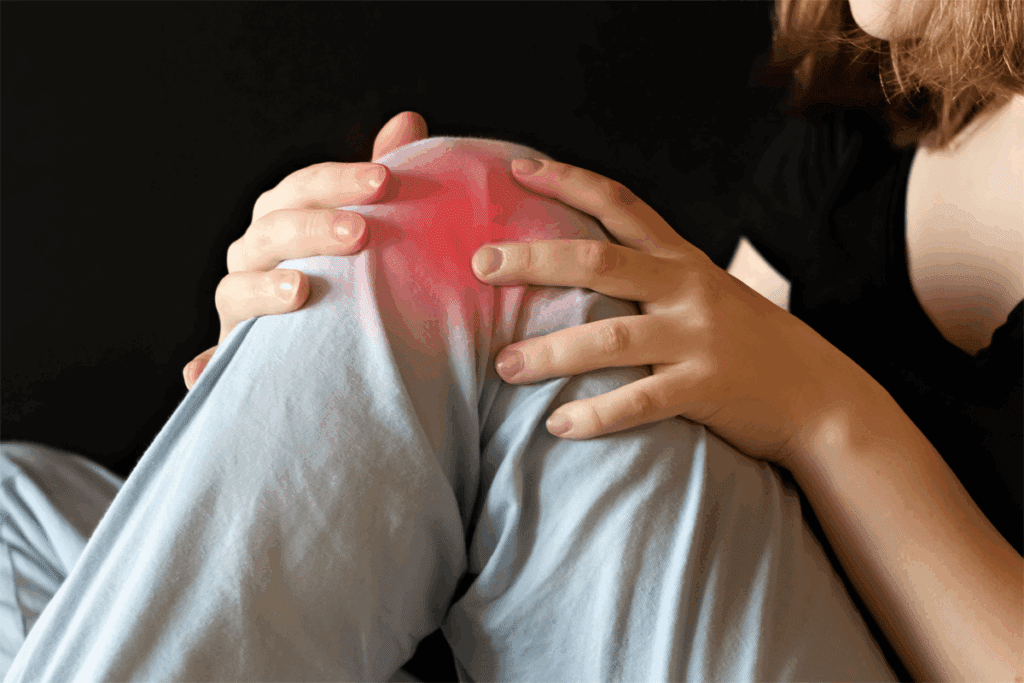
The knee joint is complex, and pain in this area can be caused by many factors. Knee pain can come from sudden injuries, long-term conditions, or a mix of both. These are often influenced by different risk factors.
Common Types of Knee Injuries
Knee injuries are a big reason for knee pain, mainly in athletes and those who are active. Some common knee injuries include:
- Ligament sprains or tears, such as ACL (Anterior Cruciate Ligament) or MCL (Medial Collateral Ligament) injuries.
- Meniscal tears, which affect the cartilage between the bones in the knee joint.
- Fractures or breaks in the bones around the knee, including the patella (kneecap).
- Overuse injuries, such as tendonitis or bursitis, which result from repetitive strain on the knee.
Chronic Conditions That Cause Knee Pain
Chronic conditions also cause knee pain. These can develop over time and are influenced by age, weight, and past injuries. Common chronic conditions include:
- Osteoarthritis, a degenerative joint disease that wears away the cartilage in the knee.
- Rheumatoid arthritis, an autoimmune disease that causes inflammation and pain in the joints.
- Gout, a condition characterized by sudden, severe attacks of pain and redness in the knee.
Risk Factors for Developing Knee Problems
Several risk factors can increase the chance of knee problems. These include:
- Age: The risk of knee problems, such as osteoarthritis, increases with age.
- Obesity: Excess weight puts additional strain on the knee joint, increasing the risk of pain and injury.
- Previous injuries: Individuals with a history of knee injuries are more likely to experience chronic knee pain.
- Sports and activities: Participating in sports that involve running, jumping, or quick changes of direction can increase the risk of knee injuries.
| Risk Factor | Description | Impact on Knee Health |
| Age | Increased risk with older age | Higher likelihood of osteoarthritis |
| Obesity | Excess body weight | Increased strain on knee joint |
| Previous Injuries | History of knee injuries | Greater risk of chronic pain |
| Sports and Activities | High-impact sports and activities | Increased risk of acute injuries |
By understanding these causes and risk factors, individuals can take proactive steps to manage their knee health and reduce the likelihood of pain.
The RICE Method for Immediate Relief
Knee pain can really hurt, but the RICE method can help fast. RICE stands for Rest, Ice, Compression, and Elevation. It’s a simple way to ease knee pain and make you feel better.
Rest: Avoid Aggravating Activities
Allowing your knee to rest is crucial for recovery. Avoid activities that make the pain worse, like running or heavy lifting. Try low-impact activities like cycling or swimming instead.
Ice: Applying Cold Therapy Correctly
Cold therapy is great for pain and swelling. Put ice wrapped in a cloth on your knee for 15-20 minutes, a few times a day. It numbs the pain and reduces swelling.
Compression: Wrapping Techniques for Reduced Swelling
Compression helps by limiting blood flow to the area. Use a compression bandage or wrap to support your knee. But don’t wrap it too tight, as it could harm circulation.
Elevation: Proper Positioning for Optimal Results
Elevating your knee can also help. Whenever you can, elevate your leg on a pillow or cushion. This helps blood flow back to the heart, reducing swelling.
Allowing your knee to rest is crucial for recovery.
Over-the-Counter Pain Management Options
Over-the-counter pain management options are easy to find and use. They help people deal with knee pain. These options are great because they are simple to get and offer a lot of relief.
Oral Medications: NSAIDs and Acetaminophen
Oral medications are often the first choice for knee pain. NSAIDs (Nonsteroidal Anti-Inflammatory Drugs) and acetaminophen are the main types. NSAIDs, like ibuprofen and naproxen, cut down inflammation, which causes pain. Acetaminophen helps with pain but doesn’t fight inflammation.
Choosing between NSAIDs and acetaminophen depends on your health. NSAIDs are better for inflammation. But, if you can’t take NSAIDs because of stomach problems, acetaminophen is safer.
Topical Treatments: Creams, Gels, and Patches
Topical treatments are another way to ease knee pain. You apply creams, gels, or patches right on your knee. They give relief where you need it most.
Topical treatments work by acting on the skin. They might not have as many side effects as pills. But, how well they work depends on the ingredients and your skin.
Proper Dosage and Safety Considerations
It’s key to follow the right dosage with over-the-counter pain meds. Taking too much can cause serious problems. For example, too many NSAIDs can hurt your stomach, and too much acetaminophen can harm your liver.
Always read the label and follow the instructions. If you’re on other meds or have health issues, talk to a doctor first. Knowing the maximum dose and not going over it is important for safety.
Heat Therapy for Chronic Knee Pain
Heat therapy is a great way to ease chronic knee pain. It makes everyday tasks easier by relaxing muscles and improving blood flow. This helps reduce pain.
When to Choose Heat Over Ice
Knowing when to use heat or ice is key for managing pain. Ice is best for new injuries to cut down on swelling. Heat is better for long-term pain as it relaxes muscles and boosts blood flow.
Use heat therapy for knee pain caused by stiffness or tension. It offers quick relief and comfort.
Different Heat Application Methods
There are many ways to apply heat therapy, each with its own benefits. The most common include:
- Electric heating pads
- Warm baths or showers
- Heat wraps or patches
- Microwaveable heat packs
Choosing the right method depends on personal preference and the type of pain you’re treating.
| Method | Benefits | Precautions |
| Electric Heating Pads | Adjustable heat levels, can be used for extended periods | Avoid falling asleep with it on, keep a cloth between the pad and skin |
| Warm Baths or Showers | Relaxes the entire body, improves circulation | Be cautious of slipping, test water temperature carefully |
| Heat Wraps or Patches | Portable, easy to use, discreet | Follow manufacturer’s instructions for application time |
| Microwaveable Heat Packs | Reusable, can be molded to fit the knee | Be careful when removing from the microwave, use a cloth to wrap around the pack |
Combining Heat with Other Treatments
Heat therapy works best when paired with other treatments. For example, using heat before stretching or exercises can improve flexibility and reduce stiffness.
We suggest combining heat therapy with other pain management methods. This could include pain relievers or physical therapy for a full approach to managing chronic knee pain.
Rest: Avoid Aggravating Activities
The first step to ease knee pain is to stop doing things that make it worse. Finding a balance between rest and activity is essential for healing. This helps the knee heal without losing its ability to move.
Identifying Activities That Worsen Knee Pain
Allowing your knee to rest is crucial for recovery.
- High-impact exercises like running or jumping
- Lifting heavy objects or bending
- Prolonged standing or walking
- Squatting or kneeling
Knowing these activities helps us make changes to protect our knee.
Creating a Rest Schedule
Having a rest plan is key for managing knee pain. It means setting times for rest and activity. A good plan helps in:
- Reducing inflammation and pain
- Promoting healing
- Maintaining some level of physical activity
For instance, alternating between 30 minutes of activity and 15-20 minutes of rest is helpful.
| Activity | Duration | Rest Period |
| Walking | 30 minutes | 15-20 minutes |
| Light Stretching | 10-15 minutes | 10-15 minutes |
Balancing Rest with Movement
Rest is important, but too much can make joints stiff. Gentle movement keeps joints flexible and strong. It’s about finding the right mix:
Tips for Balancing Rest and Movement:
- Engage in low-impact activities like swimming or cycling
- Perform gentle stretches to maintain flexibility
- Gradually increase activity levels based on pain tolerance
By balancing rest with the right amount of movement, we help our knee heal and stay functional.
Gentle Stretching and Mobility Exercises
Knee pain doesn’t have to stop you from moving. Gentle stretches can help you feel better and move more easily. These exercises keep your knees healthy and reduce pain. They also make your muscles stronger and your joints more mobile.
Safe Stretches for Different Types of Knee Pain
Each type of knee pain needs its own stretches. For example, people with patellofemoral pain syndrome should stretch their quadriceps and hamstrings. Those with osteoarthritis might find simple movements helpful.
Here are some safe stretches:
- Quad Stretch: Stand with one hand against a wall for balance, bend one knee, and grab your ankle with your hand. Pull your heel towards your buttocks until you feel a stretch in the front of your leg.
- Hamstring Stretch: Sit on the floor with your legs straight out in front of you. Lean forward, reaching for your toes, until you feel a stretch in the back of your leg.
- Calf Stretch: Stand facing a wall with one hand on the wall for balance. Step one foot back about a foot, keeping your heel on the ground. Bend your front knee and lean forward until you feel a stretch in your calf.
Mobility Routines to Maintain Joint Function
Mobility exercises keep your knee joint moving well. They include:
- Knee Bends: Stand with your feet shoulder-width apart and slowly bend your knees, keeping your back straight.
- Straight Leg Raises: Lie on your back with one leg straight and the other bent. Slowly lift the straight leg off the ground, keeping it straight, and then lower it back down.
- Heel Slides: Lie on your back with your legs straight. Slowly slide one heel towards your buttocks, bending your knee, and then return to the starting position.
Progression: When and How to Advance Your Stretching
As you get better at stretching, it’s time to make your routine harder. This means:
- Increasing the depth or duration of your stretches: Gradually deepen your stretches or hold them for longer periods.
- Adding more challenging exercises: Incorporate more complex movements or resistance to your routine.
- Increasing the frequency of your stretching routine: If you’re currently stretching once a day, try to incorporate stretching into your routine twice a day.
Remember, progress slowly and consistently. Always listen to your body and stop if you experience pain.
Low-Impact Exercises for Knee Pain Relief
Doing low-impact activities can really help with knee pain. It’s good to choose exercises that are easy on the knees but help strengthen the muscles. This also improves flexibility.
Water-Based Activities
Swimming or water aerobics are great for knee pain. Water makes it easier on your joints, letting you move freely. These activities also boost your heart health without hurting your knees too much.
Benefits of Water-Based Activities:
- Reduced joint impact
- Improved cardiovascular health
- Enhanced muscle strength
Cycling and Stationary Bike Workouts
Cycling is a low-impact exercise that’s good for knee pain. Riding a stationary bike or a bike on flat ground works your leg muscles. Make sure the bike fits you right to avoid knee strain.
Tips for Cycling:
- Start with low resistance
- Adjust the bike seat height
- Maintain a steady pace
Walking Programs for Knee Health
Walking is a simple yet effective way to ease knee pain. A good walking plan can make your joints more mobile and strengthen your knee muscles. Start on flat ground and slowly increase your walks as you get better.
Creating a Walking Program:
- Begin with short walks (10-15 minutes)
- Gradually increase duration and frequency
- Incorporate gentle inclines if appropriate
Strength Training to Support Knee Function
Building strong muscles around the knee joint can greatly reduce discomfort and improve mobility. Strength training is key in managing knee pain. It helps stabilize the knee and lowers the risk of injury.
Quadriceps and Hamstring Exercises
The quadriceps and hamstring muscles are vital for knee stability. Exercises like squats, lunges, and leg press strengthen these muscles. This can help ease knee pain.
“Strengthening the quadriceps and hamstring muscles is essential for knee health,” as it helps absorb shock and reduce knee stress.
Some effective exercises for strengthening the quadriceps and hamstrings include:
- Leg squats
- Lunges
- Leg press
- Leg extensions
- Leg curls
Core and Hip Strengthening
A strong core and hip muscles are key for proper knee alignment and injury prevention. Exercises like planks, bridges, and hip abductions improve knee function and reduce pain.
Core strengthening exercises like planks and Russian twists stabilize the body and reduce knee stress. Hip strengthening exercises like clamshell exercises and side leg lifts improve hip stability and reduce knee pain.
Balance and Stability Training
Balance and stability training are vital for knee health. Exercises like single-leg squats and balance boards improve proprioception and reduce fall risk.
Incorporating balance and stability exercises into your routine strengthens knee muscles. This provides additional support and stability. “Balance training is an often-overlooked aspect of knee health,” but it’s critical for injury prevention and pain reduction.
Physical Therapy Approaches
Physical therapy is a big help for those with knee pain. It offers a way to get better and move more easily. It not only relieves pain but also makes life better for our patients.
Recognizing the Need for Professional Help
Allowing your knee to rest is crucial for recovery.
Effective Techniques for Knee Pain Management
Physical therapists use many ways to help with knee pain. They do manual therapy, use heat or cold, and create special exercise plans. These exercises make the muscles around the knee stronger, improve flexibility, and help the joint stay stable.
Common PT Techniques Include:
- Manual therapy to improve joint mobility
- Strengthening exercises for the quadriceps and hamstrings
- Flexibility and stretching exercises
- Balance and proprioception training
Empowering Patients through Home Exercises
Home exercises are a big part of physical therapy. They are made just for you and done at home. Doing these exercises helps you get better faster, makes your knee work better, and lowers the chance of getting hurt again.
| Exercise | Repetitions | Frequency |
| Straight Leg Raises | 10-15 | 3 times a day |
| Quad Sets | 10-15 | 3 times a day |
| Heel Slides | 10-15 | 3 times a day |
In conclusion, physical therapy is a great way to handle knee pain. By knowing when to get help, learning about PT techniques, and doing home exercises, you can greatly improve your knee health and feel better overall.
Bracing, Orthotics, and Supportive Footwear
Managing knee pain often requires a mix of treatments. This includes using knee braces, orthotics, and supportive shoes. These tools can offer stability, lessen pain, and boost function. We’ll look at the various supportive devices and how they help with knee pain.
Types of Knee Braces and Their Uses
Knee braces are made to support and stabilize the knee joint. They come in different types, each with its own purpose.
- Prophylactic Braces: These prevent injuries, mainly during sports.
- Rehabilitative Braces: For recovery after injuries or surgery, these braces offer support and protection.
- Functional Braces: They provide stability for knees with ligament injuries or other conditions.
- Unloader Braces: Designed for those with osteoarthritis, these braces help shift weight from the damaged area.
Custom vs. Over-the-Counter Orthotics
Orthotics support or correct the foot’s function. They play a key role in managing knee pain.
| Feature | Custom Orthotics | Over-the-Counter Orthotics |
| Personalization | Tailored to the individual’s foot shape and needs | Standard designs available off-the-shelf |
| Cost | Generally more expensive due to custom fabrication | Less expensive, widely available |
| Effectiveness | Can be more effective for specific foot conditions | May be sufficient for mild to moderate issues |
Choosing the Right Shoes for Knee Health
Wearing the right shoes is key for knee health. The right shoes can lessen knee joint strain.
- Look for shoes with good arch support: Proper arch support spreads pressure evenly.
- Choose shoes with cushioning: Enough cushioning absorbs shock and reduces knee impact.
- Consider the fit: Make sure the shoes fit well and don’t strain the foot or knee.
Understanding knee braces, orthotics, and supportive shoes helps manage knee pain. This knowledge aids in making informed choices for knee health.
Weight Management for Joint Health
Keeping a healthy weight is key to easing knee pain and boosting joint health. Too much weight can stress the knee joints more, making pain worse and possibly causing more harm.
Impact on Knee Joints
The link between weight and knee health is strong. Every pound of extra weight adds more pressure on the knee joints. This is a big concern for those with knee pain, as it can make their condition worse.
Key Effects of Excess Weight on Knees:
- Increased stress on the knee joint
- Accelerated wear and tear on the cartilage
- Higher risk of developing osteoarthritis
| Weight Category | Impact on Knee Joints |
| Normal Weight | Minimal stress on knee joints |
| Overweight | Moderate increase in stress |
| Obese | Significant increase in stress and risk of osteoarthritis |
Healthy Approaches to Weight Loss
Healthy weight loss combines good eating habits, more exercise, and sometimes help from experts. It’s important to aim for lasting changes, not quick fixes.
Effective Weight Loss Strategies:
- Balanced diet with plenty of fruits, vegetables, and whole grains
- Regular physical activity, such as walking or swimming
- Avoiding fad diets and focusing on long-term changes
Setting Realistic Goals
Setting realistic weight loss goals is key to success. It’s important to remember that losing weight takes time. Small, steady changes are better than big, sudden ones.
Tips for Setting Realistic Weight Loss Goals:
- Aim for a gradual weight loss of 1-2 pounds per week
- Set specific, measurable, and achievable goals
- Regularly monitor progress and adjust goals as necessary
Anti-Inflammatory Diet and Supplements
Eating a balanced diet rich in anti-inflammatory foods and taking supplements can help with knee pain. We’ll look at how diet and supplements can help manage knee pain.
Foods That Fight Inflammation
Adding foods that fight inflammation to your diet can help with knee pain. These include:
- Fatty fish like salmon and sardines, rich in omega-3 fatty acids
- Turmeric, containing curcumin, a potent anti-inflammatory compound
- Ginger, known for its anti-inflammatory properties
- Leafy greens like spinach and kale, rich in antioxidants
- Nuts and seeds, such as walnuts and chia seeds, high in healthy fats and antioxidants
It’s also good to avoid foods that can cause inflammation. This means cutting down on processed meats, sugary drinks, and refined carbs. Making these changes can help reduce inflammation and knee pain.
Supplements for Joint Health
Along with diet changes, some supplements can support joint health and manage knee pain. Some popular ones are:
| Supplement | Benefits |
| Glucosamine and Chondroitin | May help maintain cartilage health and reduce joint pain |
| Omega-3 Fatty Acids | Anti-inflammatory effects that may help reduce joint inflammation |
| Turmeric/Curcumin | Potent anti-inflammatory properties that may help alleviate joint pain |
| MSM | May help reduce inflammation and promote healing in joints |
Always talk to a healthcare provider before starting any supplements. This ensures they are safe and work well for you.
Hydration and Its Role in Knee Pain
Hydration is key for healthy joints. Drinking enough water keeps joints lubricated and reduces friction. Not drinking enough water can make knee pain worse by reducing the fluid that helps joints move smoothly.
To stay hydrated, drink plenty of water all day. Aim for at least eight 8-ounce glasses a day. But, your needs might be different based on how active you are, where you live, and your health.
In summary, an anti-inflammatory diet, the right supplements, and enough hydration can greatly help manage knee pain and improve joint health.
Alternative Therapies for Knee Pain
Looking for ways to ease knee pain? Alternative therapies might help. They can work alongside traditional treatments to offer a more complete approach to knee pain management.
Acupuncture and Traditional Chinese Medicine
Acupuncture is a big part of Traditional Chinese Medicine. It involves putting fine needles into certain body points. This is thought to kickstart the body’s healing, cutting down pain and swelling.
Research shows acupuncture can help with long-term knee pain. It can also boost function and life quality.
Benefits of Acupuncture:
- Reduces pain and inflammation
- Improves joint function
- Enhances overall well-being
Massage and Manual Therapies
Massage and manual therapies can ease knee pain. They work by easing muscle tightness, boosting blood flow, and calming the body. Deep tissue massage, trigger point therapy, and myofascial release are some of the most helpful methods.
Massage therapy can be customized to fit your specific needs, focusing on areas that cause knee pain.
Mind-Body Approaches: Meditation and Stress Reduction
Mind-body therapies, like meditation and stress reduction, are key in fighting chronic pain. They help lower stress and promote calm, which can lessen pain and improve how you handle it.
“Meditation can significantly reduce chronic pain by promoting relaxation and reducing stress.”
Some effective mind-body approaches include:
- Meditation and mindfulness practices
- Yoga and tai chi
- Cognitive-behavioral therapy (CBT)
Adding these alternative therapies to your treatment plan can offer more relief from knee pain. It can also enhance your overall life quality.
Lifestyle Modifications for Long-Term Relief
Making smart lifestyle changes can really help with knee pain. By adding a few simple steps to your daily life, you can feel better for a long time.
Ergonomic Adjustments at Home and Work
Good ergonomic setup is key to easing knee pain. At home and work, make sure everything supports good posture and eases knee stress. This means adjusting chair heights, using standing desks, and keeping things within reach.
Sleep Positioning and Quality
How you sleep can impact your knee pain. Sleeping on your side with a pillow between your knees helps keep your hips and knees aligned. For back sleepers, a pillow under your knees can ease spine and knee pressure. A comfy mattress and regular sleep times are also important.
Daily Habit Adjustments
Small changes in your daily habits can help a lot. Take breaks to stretch and move, wear supportive shoes, and pay attention to how you move. For example, bending at the knees instead of the waist can help your knee joint.
By making these lifestyle changes, you can actively manage your knee pain and enhance your life quality.
Advanced Medical Interventions
Advanced medical treatments offer effective solutions for chronic knee pain. These options are considered when other treatments don’t work well.
Injections for Knee Pain Relief
Injections are a common treatment for knee pain. There are several types, like corticosteroid, hyaluronic acid, and platelet-rich plasma (PRP) injections. Corticosteroid injections reduce inflammation and pain. Hyaluronic acid injections help with joint lubrication. PRP injections use the patient’s blood to promote healing.
“Injections for knee pain are getting more popular,” says a top orthopedic specialist. “They offer significant pain relief and better function.”
- Corticosteroid injections for short-term pain relief
- Hyaluronic acid injections for improved joint lubrication
- PRP injections for possible tissue repair
Regenerative Medicine Options
Regenerative medicine is a promising field for knee pain treatment. It aims to repair or replace damaged tissues. Techniques include stem cell therapy and PRP therapy, which help the body heal itself.
Regenerative medicine is for cases with significant tissue damage. These treatments are new and their success varies.
Surgical Considerations
Surgery is usually a last choice for knee pain. It’s considered when other treatments fail and pain affects daily life. Surgical options include arthroscopic procedures and partial or total knee replacement.
| Surgical Option | Description |
| Arthroscopy | Minimally invasive procedure to repair or remove damaged tissue |
| Partial Knee Replacement | Replacing only the damaged part of the knee |
| Total Knee Replacement | Replacing the entire knee joint |
Deciding on surgery should be after talking it over with a healthcare provider. Consider the benefits and risks carefully.
When to See a Doctor
Getting medical help on time can greatly help with knee pain. Some knee pain might go away with rest and care. But, some cases need quick medical attention.
Red Flags That Require Immediate Attention
There are signs that mean you should see a doctor right away. These include:
- Severe pain that doesn’t get better with rest or medicine.
- Swelling that comes on fast or is very bad.
- Instability or feeling like your knee might collapse.
- Deformity or a weird shape of your knee.
- Inability to bear weight on your knee.
- Signs of infection like redness, warmth, or fever.
If you notice any of these signs, you should see a doctor fast.
Choosing the Right Specialist
Choosing the right doctor for knee pain is key. You might start with your primary care doctor. They can send you to a specialist if needed. You could see:
- An orthopedic specialist for bone, joint, and muscle issues.
- A rheumatologist for arthritis or other rheumatic conditions.
- A physical medicine and rehabilitation (PM&R) specialist for rehab and pain management.
Questions to Ask Your Healthcare Provider
Prepare questions for your doctor visit. Some good ones are:
- What might be causing my knee pain?
- What tests might I need?
- What treatment options are there?
- Are there lifestyle changes I can make for my knee pain?
- What are the risks and benefits of the treatments you suggest?
Conclusion: Creating a Sustainable Knee Pain Management Plan
As we wrap up our look at knee pain relief, it’s clear a full plan is key for lasting success. A good knee pain management plan is vital for a pain-free life.
By using the RICE method, gentle stretching, and strength training, you can make a plan that fits you. It’s also important to keep a healthy weight, eat anti-inflammatory foods, and try therapies like acupuncture and massage.
To keep pain away for good, stay consistent and patient. Make changes as you need to. Regularly check and update your plan to keep moving forward. With a proactive and all-around approach, you can improve your mobility, reduce pain, and feel better overall.
FAQ
What is the RICE method for knee pain relief?
The RICE method is a simple way to help with knee pain. It stands for Rest, Ice, Compression, and Elevation. Rest means avoiding activities that make the pain worse. Ice helps by reducing swelling.
Compression uses wraps to lessen swelling. Elevation helps by keeping your knee above your heart. This can make a big difference in how you feel.
How do I know if I should use heat or ice for my knee pain?
Ice is best for new injuries to cut down on swelling. Heat is better for long-term pain to relax muscles and improve blood flow. You can switch between ice and heat based on what feels right for you.
What are some safe stretches for knee pain?
Safe stretches include gentle movements for your quadriceps, hamstrings, and calves. Avoid deep bends or anything that makes the pain worse. Start with static stretches and gradually move to dynamic ones with a healthcare professional’s advice.
Can I continue exercising with knee pain?
Yes, but choose low-impact activities that don’t hurt your knee. Swimming, cycling, or walking are good options. Strengthening your knee muscles can also help reduce pain.
How can I manage my weight to reduce knee pain?
Keeping a healthy weight is key to lessening knee pain. Eat well and exercise regularly. Even a little weight loss can make a big difference.
Are there any supplements that can help with knee pain?
Supplements like glucosamine, chondroitin, and omega-3 fatty acids might help with knee pain. But always talk to your doctor before taking any new supplements.
When should I seek medical attention for knee pain?
See a doctor if your pain is severe, your knee is swollen, red, or hard to move. Also, if you have a fever, your knee looks different, or you’ve had a bad injury.
What are some alternative therapies for knee pain?
Options include acupuncture, massage, and meditation. These can help with pain and improve your overall health.
Can lifestyle modifications help with long-term knee pain relief?
Yes, making your home and work spaces more ergonomic can help. Improving your sleep and changing your daily habits also contribute to long-term relief.
What advanced medical interventions are available for knee pain?
Options include injections like corticosteroids and hyaluronic acid. There are also regenerative medicine and surgery. Talk to a doctor to find the best treatment for you.
References
- De Luigi, A. J. (2022). The Role of Rest, Ice, Compression, and Elevation in Soft Tissue Injury Management. Physical Medicine and Rehabilitation Clinics of North America, *33*(2), 331–342. https://pubmed.ncbi.nlm.nih.gov/35365479/
- Liu, X., Machado, G. C., Eyles, J. P., Ravi, V., & Hunter, D. J. (2018). Dietary supplements for treating osteoarthritis: a systematic review and meta-analysis. British Journal of Sports Medicine, *52*(3), 167–175. https://www.ncbi.nlm.nih.gov/pmc/articles/PMC5804559/