High cholesterol is a big health problem, raising the risk of heart disease and stroke. Finding good treatments is key to keeping cholesterol levels in check. At Liv Hospital, we offer top-notch care to help people achieve better heart health.hyperlipidemia medsHow Serious Is Atherosclerosis of the Aorta? Symptoms, Risks, and Life Expectancy
Lipid-lowering agents have changed how we manage cholesterol, providing many proven choices. We focus on finding the best treatment for each person, aiming for complete care.
There are many high cholesterol medications out there, like statins and new treatments. The market for these drugs is expanding fast. We’re always learning about the latest treatments to give our patients the best care.
Key Takeaways
- Effective management of high cholesterol is key to avoiding heart disease and stroke.
- Lipid-lowering agents offer a variety of treatments for cholesterol management.
- Liv Hospital provides top-notch care and expertise.
- Many high cholesterol medications are available, including statins and new treatments.
- Getting the right treatment is important for each person’s health.
The Critical Impact of High Cholesterol on Health

It’s important to know the dangers of high cholesterol for heart health. High cholesterol, or hyperlipidemia, means too much fat in the blood. If not treated, it can cause serious health problems.
What Is Hyperlipidemia and Who Does It Affect?
Hyperlipidemia is when your blood has too much fat, like cholesterol and triglycerides. It can come from genes or lifestyle, like diet and exercise. Anyone can get it, but some people are at higher risk because of family history, diabetes, or smoking.
The Prevalence of High Cholesterol in the United States
About 11.3 percent of U.S. adults have high cholesterol. This shows how common it is. High cholesterol is a big risk for heart disease, a top cause of death in the U.S.
Cardiovascular Risks Associated with Untreated Hyperlipidemia
Not treating high cholesterol can lead to heart disease. This includes heart attacks and strokes. People with high blood pressure, diabetes, or who smoke are at even higher risk. Early detection and treatment are key to avoiding these problems.
Managing high cholesterol needs a full plan, including diet and medicine. By understanding the risks and acting early, people can lower their chance of heart disease.
The Expanding Market of Cholesterol-Lowering Medications
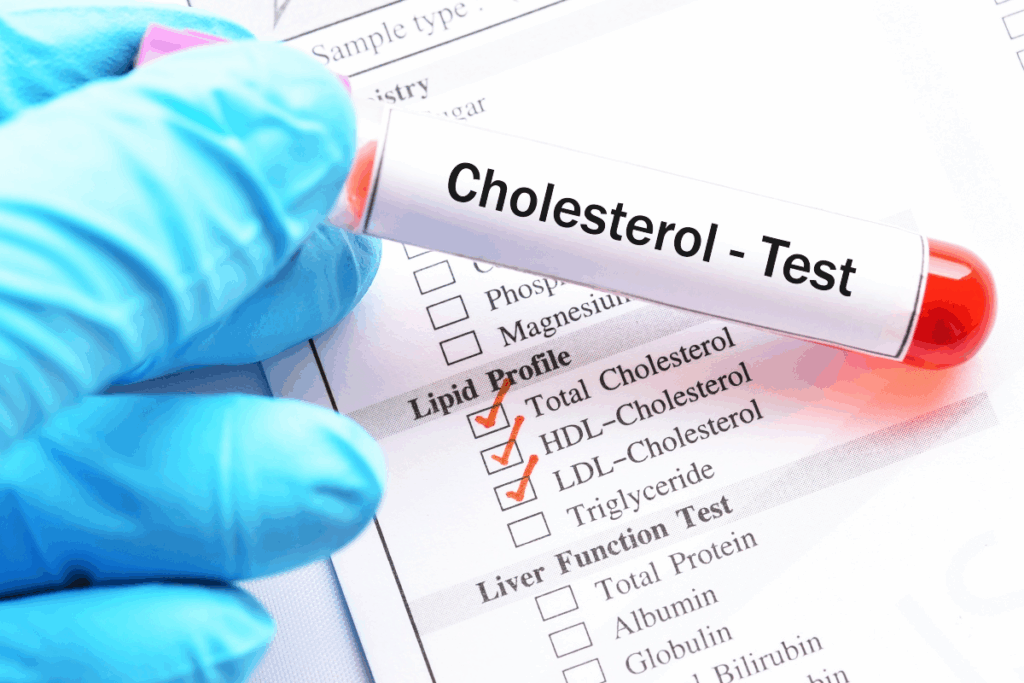
The global market for hyperlipidemia drugs is set to hit $32.4 billion by 2034. This growth is fueled by more people getting high cholesterol. It also comes from the need for better ways to lower lipids.
Current Market Value and Growth Projections
The market for cholesterol meds is already big, showing how common hyperlipidemia is worldwide. Statins, ezetimibe, and PCSK9 inhibitors are leading players. The market is forecasted to grow by over 5% each year for the next ten years. This is due to:
- More people being diagnosed with hyperlipidemia
- More focus on heart health
- New drug discoveries
- The growing number of older adults
Factors Driving the Development of New Treatment Options
Several things are pushing for new hyperlipidemia meds. These include:
- Unmet medical needs: Many patients don’t reach their cholesterol goals with current treatments. This means there’s a need for better options.
- Advances in medical research: Our knowledge of lipids and genetics is growing. This helps create targeted treatments.
- Technological innovations: New ways to deliver and make drugs are making treatments safer and more effective.
As the market grows, we’ll see more treatments. This includes new combos and personalized medicine. These will help improve how we manage hyperlipidemia.
How Hyperlipidemia Meds Work to Reduce Cholesterol Levels
Hyperlipidemia medications target different parts of lipid metabolism to lower cholesterol. They are key in managing high cholesterol and preventing heart disease.
The Science Behind Lipid Metabolism
Lipid metabolism is about breaking down and making lipids in our bodies. Cholesterol is made in the liver and comes from food too. The liver controls cholesterol levels by making and removing it from the blood.
Lipid metabolism is complex, involving many enzymes and receptors. Knowing this helps us create effective treatments for high cholesterol.
Different Mechanisms of Action
Hyperlipidemia medications work in various ways to lower cholesterol. Some main ways include:
- Statins: These stop the enzyme HMG-CoA reductase, key for liver cholesterol making.
- PCSK9 Inhibitors: These target PCSK9, helping more LDL receptors to remove LDL cholesterol from the blood.
- Bile Acid Sequestrants: These bind to bile acids in the gut, helping remove cholesterol.
- Cholesterol Absorption Inhibitors: These drugs reduce how much dietary cholesterol is absorbed in the small intestine.
Each type of medication targets a different part of lipid metabolism. This gives us many options for treating hyperlipidemia.
Timeframe for Seeing Results from Medication
The time it takes to see results from hyperlipidemia medications varies. Statins can start working in a few weeks. PCSK9 inhibitors might take longer to show their full effect.
“The effectiveness of hyperlipidemia medications in reducing cardiovascular risk is well-documented, with statins being a cornerstone in the treatment of high cholesterol.”
It’s important to regularly check cholesterol levels and visit your healthcare provider. This helps see if the medication is working and if changes are needed.
Categories of Lipid-Lowering Medications
Lipid-lowering medications are divided into several types. Each type works differently and has its own benefits. Knowing about these categories helps doctors choose the best treatment for patients with high cholesterol.
Statins: The First-Line Treatment
Statins are the most used lipid-lowering drugs. They are the first choice for treating high cholesterol. Statins block the enzyme HMG-CoA reductase in the liver. This action lowers LDL cholesterol, reducing heart disease risk.
Common statins include atorvastatin (Lipitor) and rosuvastatin (Crestor). These drugs are effective and usually safe for most people.
Non-Statin Medications
Non-statin drugs are an option for those who can’t take statins or need more help. Ezetimibe (Zetia) stops cholesterol absorption in the small intestine. PCSK9 inhibitors, like evolocumab (Repatha), also lower LDL cholesterol.
Combination Therapies and Emerging Treatment Options
Combining different drugs is common to reach the best cholesterol levels. For example, mixing a statin with ezetimibe can lower LDL more. New treatments, like inclisiran, target PCSK9 and show promise.
The table below lists the main types of lipid-lowering medications:
Medication Category | Mechanism of Action | Examples |
Statins | Inhibit HMG-CoA reductase | Atorvastatin (Lipitor), Rosuvastatin (Crestor) |
Ezetimibe | Inhibit cholesterol absorption | Ezetimibe (Zetia) |
PCSK9 Inhibitors | Inhibit PCSK9 protein | Evolocumab (Repatha) |
In summary, there are many lipid-lowering drugs for high cholesterol. Understanding how they work helps doctors create effective plans. This approach helps manage cholesterol and lower heart disease risk.
Top 7 Hyperlipidemia Meds for Fast Cholesterol Reduction
Certain medications are known for quickly lowering cholesterol. We’ll look at the top 7 hyperlipidemia meds used for fast cholesterol reduction.
1. Atorvastatin (Lipitor)
Atorvastatin, or Lipitor, is a statin that lowers bad cholesterol and triglycerides. It also slightly raises good cholesterol. It’s often given to those at risk of heart problems.
Studies show atorvastatin greatly lowers the risk of heart attack and stroke in people with high cholesterol.
2. Rosuvastatin (Crestor)
Rosuvastatin, or Crestor, is a strong statin that lowers bad cholesterol and triglycerides. It’s known for its ability to significantly reduce LDL levels, often more than other statins.
Research shows rosuvastatin not only lowers LDL cholesterol but also has anti-inflammatory effects. These benefits may help heart health.
3. Ezetimibe (Zetia)
Ezetimibe, or Zetia, blocks cholesterol absorption in the small intestine. It’s often used with statins to lower cholesterol more.
Ezetimibe is great for those who can’t take high doses of statins or need more LDL reduction.
4. Evolocumab (Repatha)
Evolocumab, or Repatha, is a PCSK9 inhibitor given by injection. It targets the PCSK9 protein, which regulates LDL receptors in the liver.
By blocking PCSK9, evolocumab greatly lowers LDL cholesterol levels. This reduces the risk of heart events.
These medications are among the most effective for managing high cholesterol. Understanding how each works helps healthcare providers create personalized treatment plans.
Managing Side Effects and Drug Interactions
Managing high cholesterol needs more than just the right medicine. You also need to know about side effects and how drugs interact. Cholesterol meds are key for many, but they can have side effects.
Common Side Effects of Cholesterol Medications
Statins, a common type of cholesterol drug, can cause muscle pain and liver issues. For example, atorvastatin and rosuvastatin might lead to muscle pain in some.
Here’s a table showing common side effects:
Medication | Common Side Effects |
Atorvastatin (Lipitor) | Muscle pain, liver enzyme abnormalities |
Rosuvastatin (Crestor) | Muscle pain, abdominal pain |
Ezetimibe (Zetia) | Diarrhea, abdominal pain, fatigue |
Important Drug Interactions to Be Aware Of
Some drugs can make cholesterol meds less effective or riskier. For instance, cyclosporine and gemfibrozil can raise muscle damage risks with statins. Always tell your doctor about all your meds and supplements.
When to Consult Your Healthcare Provider
If you notice any odd symptoms or side effects, talk to your doctor. They can decide if the benefits of the meds are worth the risks. They might change your treatment plan.
Regular visits and talking openly with your doctor are vital. They help manage side effects and make sure your treatment works well.
Lifestyle Modifications to Enhance Medication Effectiveness
Medication is key in managing high cholesterol, but lifestyle changes are also important. We suggest combining medication with healthy habits for the best results.
Dietary Changes That Support Cholesterol Reduction
Changing your diet is a big step in managing cholesterol. Reducing saturated and trans fats is essential. These fats can raise bad cholesterol. Instead, choose monounsaturated and polyunsaturated fats found in avocados, nuts, and olive oil.
Adding more soluble fiber can also lower bad cholesterol. Foods like oats, barley, fruits, and veggies are good sources. Eating more fruits, veggies, and whole grains gives you important nutrients and fiber.
Food Group | Recommended Foods | Benefits |
Fats | Avocados, nuts, olive oil | Rich in monounsaturated and polyunsaturated fats |
Fiber | Oats, barley, fruits, vegetables | Helps lower LDL cholesterol |
Grains | Whole grains | Rich in nutrients and fiber |
Exercise Recommendations for Patients with Hyperlipidemia
Regular exercise is vital for cholesterol management. Aim for 150 minutes of moderate-intensity aerobic exercise weekly. Activities like brisk walking, cycling, or swimming are good. Exercise boosts good cholesterol and heart health.
Adding resistance training to your routine can also help. It builds muscle and boosts metabolism.
Other Lifestyle Factors That Impact Cholesterol Levels
Other lifestyle choices also affect cholesterol. Quitting smoking is essential. Smoking lowers good cholesterol and harms the heart. Drinking too much alcohol can also raise triglycerides and lead to weight gain.
Keeping a healthy weight is important. Extra weight can increase bad cholesterol and lower good cholesterol. Work with a healthcare provider to manage your weight if needed.
Combining medication with these lifestyle changes can improve cholesterol management. This reduces the risk of heart problems.
Conclusion: Selecting the Right Treatment Approach for Your Cholesterol Management
Managing cholesterol is key to keeping your heart healthy. Choosing the right treatment is essential. We’ve looked at different medicines and agents that can lower cholesterol.
A good treatment plan combines medicine and lifestyle changes. Statins, ezetimibe, and evolocumab are effective in lowering cholesterol. But, making healthy diet choices, exercising regularly, and adopting a healthy lifestyle are also important.
Working with a healthcare provider to find the best treatment is important. This way, you can manage your cholesterol levels and lower your heart disease risk. We stress the need for a complete approach, using both medicines and lifestyle changes for the best results.
FAQ
What is hyperlipidemia, and how is it treated?
Hyperlipidemia means having too much lipid in your blood. We treat it with medicines like statins and lifestyle changes. This includes eating right and exercising.
What are the most common lipid-lowering agents used to manage hyperlipidemia?
Common medicines include statins like atorvastatin and rosuvastatin. We also use non-statin drugs like ezetimibe and evolocumab. Sometimes, we mix different medicines for better results.
How do statins work to lower cholesterol levels?
Statins block the enzyme HMG-CoA reductase in the liver. This enzyme is key in making cholesterol. By stopping this, statins lower LDL cholesterol.
What are the possible side effects of cholesterol medications, and how can they be managed?
Side effects can include muscle pain and liver damage. There’s also a higher risk of diabetes. We watch patients closely and adjust their treatment as needed.
Can lifestyle modifications alone effectively manage hyperlipidemia?
Lifestyle changes are key, but they might not work for everyone. We often use medicines along with diet and exercise for better results.
What are the benefits of using combination therapies for hyperlipidemia treatment?
Combination therapies target different parts of lipid metabolism. This can lead to better cholesterol reduction and heart health.
How long does it take to see results from hyperlipidemia medications?
Results vary by medication and patient. We usually see changes in a few weeks to months after starting treatment.
Are there any new or emerging treatment options for hyperlipidemia?
Yes, new medicines and therapies are coming. We keep up with these to offer the best treatments.
Can hyperlipidemia medications interact with other medications I’m taking?
Yes, they can. We check your other medicines to avoid bad interactions.
How can I ensure I’m taking the right hyperlipidemia medication for my condition?
We tailor treatments to your needs and health. Regular check-ups help us adjust your treatment as needed.
References
National Center for Biotechnology Information. Evidence-Based Medical Guidance. Retrieved from https://pubmed.ncbi.nlm.nih.gov/36755694/