Learn the essential functions of the hypothalamus hypothalamus. Understand its crucial role in hormone production and body regulation clearly. The hypothalamus is a small, pea-sized part of the brain. It plays a key role in controlling many body functions. It acts as a central hub for the endocrine system, making hormones that control growth, metabolism, reproduction, and how we handle stress.
At Liv Hospital, we know how important it is to understand the hypothalamic role. This tiny but complex brain area is vital for keeping our body in balance and responding to our surroundings. Knowing what hormones it makes helps us see its big role.
Key Takeaways
- The hypothalamus produces multiple releasing and inhibiting hormones.
- These hormones regulate various bodily functions, including growth, metabolism, reproduction, and stress response.
- Understanding hypothalamic function is key for staying healthy.
- The hypothalamus is a vital center for the endocrine system.
- Knowing about the hypothalamus is essential for its importance.
The Hypothalamus: Location and Fundamental Role in the Endocrine System

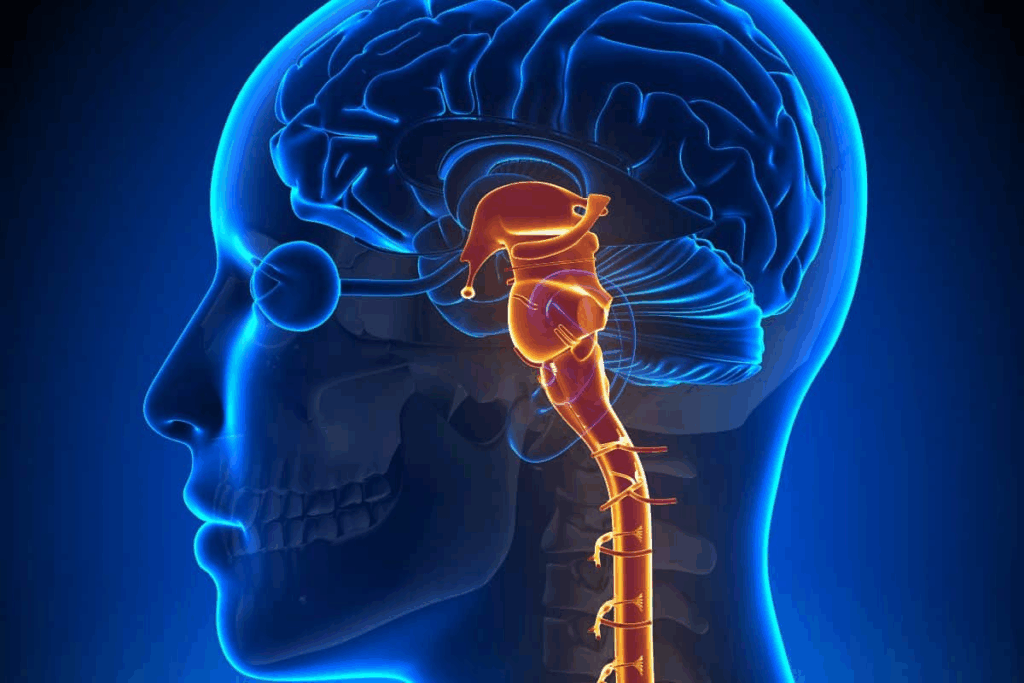
The hypothalamus connects the nervous and endocrine systems. It’s key for keeping the body balanced and controlling many functions. It’s a small but important part of the brain, found below the thalamus.
Anatomical Position and Structure
The hypothalamus is at the brain’s base, below the thalamus and above the pituitary gland. It’s made up of several nuclei, each with its own job. It’s linked to the pituitary gland through the infundibulum, a stalk that helps share signals and hormones.
Its location lets it mix neural and endocrine signals well. Its design supports its role as a neuroendocrine organ. It makes and releases hormones that affect the pituitary gland’s work.
Connection to the Pituitary Gland
The hypothalamus is closely tied to the pituitary gland, known as the “master gland.” It makes hormones that either help or stop the pituitary gland from releasing its hormones. This control is key for managing growth, metabolism, and reproductive processes.
Key aspects of the hypothalamus-pituitary connection include:
- Production of releasing and inhibiting hormones
- Regulation of pituitary hormone secretion
- Control over downstream endocrine glands
Neuroendocrine Function Overview
The hypothalamus acts as a neuroendocrine organ. It turns neural signals into hormonal responses. It makes several important hormones that affect the pituitary gland, which then controls other glands. This function is vital for keeping the body balanced, handling stress, and managing various functions.
The hypothalamus produces hormones through two main paths. These paths influence the pituitary gland and the whole endocrine system. Knowing its role helps us understand its impact on our health and well-being.
Understanding the Hypothalamus-Pituitary Axis

The connection between the hypothalamus and the pituitary gland is key to keeping our body balanced. The hypothalamus-pituitary axis controls many body functions through hormones.
The Hypothalamic-Anterior Pituitary Pathway
The hypothalamus sends out hormones that control the anterior pituitary gland. Six important hormones are involved: TRH, GnRH, GHRH, CRH, Somatostatin, and Dopamine.
- TRH helps release TSH from the anterior pituitary.
- GnRH controls LH and FSH.
- GHRH helps release Growth Hormone (GH).
- CRH causes the release of ACTH.
- Somatostatin stops GH release.
- Dopamine stops Prolactin release.
The Hypothalamic-Posterior Pituitary Pathway
The hypothalamus makes neurohormones that go to the posterior pituitary gland. Then, they are released into the blood. ADH/Vasopressin and Oxytocin are the main hormones involved.
ADH/Vasopressin helps control water. Oxytocin is important for social bonding and childbirth.
Feedback Mechanisms and Control Systems
The hypothalamus-pituitary axis has complex feedback systems. These systems keep everything working right. Negative feedback loops are key, as they help keep hormone levels balanced.
“The hypothalamus-pituitary axis is a master regulator of endocrine function, and its dysregulation can lead to various endocrine disorders.”
Learning about the hypothalamus-pituitary axis helps us understand how our body is controlled.
Overview of Hypothalamus Hormone Production
It’s important to know about the hormones the hypothalamus makes. These hormones help control many body functions. They affect things like metabolism, growth, and how we reproduce.
Classification of Hypothalamic Hormones
Hypothalamic hormones fall into two main groups: releasing hormones and inhibitory hormones. Releasing hormones help the pituitary gland make more hormones. Inhibitory hormones, on the other hand, stop the release of certain hormones.
- Releasing Hormones: Thyrotropin-Releasing Hormone (TRH), Gonadotropin-Releasing Hormone (GnRH), Growth Hormone-Releasing Hormone (GHRH), and Corticotropin-Releasing Hormone (CRH).
- Inhibitory Hormones: Somatostatin and Dopamine.
Synthesis and Secretion Mechanisms
The process of making and releasing hypothalamic hormones is complex. These hormones come from special cells in the hypothalamus. They then travel to the pituitary gland through a special transport system.
Many factors control when and how these hormones are released. This includes feedback from other glands in the body.
Regulation of Hormone Release
The release of hypothalamic hormones is controlled by several signals. These include:
- Negative Feedback: When there’s too much hormone from a target gland, it can stop the release of hypothalamic and pituitary hormones.
- Neural Inputs: The hypothalamus gets signals from different parts of the brain. These signals can change how hormones are released.
- Humoral Signals: Changes in blood, like glucose levels, can also affect hormone release from the hypothalamus.
In summary, the hypothalamus is key to hormone production and control. It helps keep the body balanced and working right. The way hypothalamic hormones are made, released, and regulated shows how complex the endocrine system is.
Releasing Hormones of the Hypothalamus
Releasing hormones from the hypothalamus control different endocrine processes. The hypothalamus makes several key hormones. These hormones tell the pituitary gland to release its hormones, helping to regulate the body.
Thyrotropin-Releasing Hormone (TRH): Function and Effects
Thyrotropin-releasing hormone (TRH) is a key hormone from the hypothalamus. It makes the pituitary gland release thyroid-stimulating hormone (TSH). TSH then controls the thyroid, affecting metabolism, growth, and development.
Gonadotropin-Releasing Hormone (GnRH): Reproductive Control
Gonadotropin-releasing hormone (GnRH) is vital for the hypothalamus. It controls the release of gonadotropins, like luteinizing hormone (LH) and follicle-stimulating hormone (FSH). GnRH is key for puberty, menstruation, and fertility.
Growth Hormone-Releasing Hormone (GHRH): Growth Regulation
Growth hormone-releasing hormone (GHRH) helps the pituitary gland release growth hormone (GH). GH is important for growth, development, and metabolism. GHRH is key for growth patterns, mainly in kids and teens.
Corticotropin-Releasing Hormone (CRH): Stress Response
Corticotropin-releasing hormone (CRH) is released by the hypothalamus when we’re stressed. It makes the pituitary gland release adrenocorticotropic hormone (ACTH). ACTH then tells the adrenal glands to make cortisol. CRH is important for how we respond to stress.
The releasing hormones from the hypothalamus, like TRH, GnRH, GHRH, and CRH, are very important. They help control many endocrine functions. Knowing about these hormones helps us understand the endocrine system better.
Inhibitory Hormones Produced by the Hypothalamus
The hypothalamus also makes inhibitory hormones. These hormones are key for keeping our body balanced. They help control the release of other hormones in our body.
Somatostatin: The Growth Hormone Inhibitor
Somatostatin is a hormone made by the hypothalamus. It stops the release of growth hormone from the pituitary gland. This is important for controlling how we grow and develop.
Somatostatin works by binding to receptors on pituitary cells. This action reduces the amount of growth hormone released.
Experts say, “Somatostatin’s role in regulating growth hormone secretion shows how the hypothalamus and pituitary gland work together.”
This balance is key for our body to function right
Dopamine: The Prolactin Inhibitor
Dopamine is another important hormone from the hypothalamus. It stops the release of prolactin from the pituitary gland. This is important for controlling milk production and reproductive functions.
- Dopamine stops prolactin release
- This helps control milk production
- It keeps reproductive functions normal
Balancing Act: Inhibitory and Stimulatory Signals
The hypothalamus balances inhibitory and stimulatory signals. This balance is key for controlling growth, metabolism, and reproductive functions. The work of somatostatin, dopamine, and other hormones shows how complex this balance is.
The hypothalamus makes both stimulatory and inhibitory hormones. The right balance is vital for keeping our body in check and ensuring our functions work as they should.
Neurohormones of the Hypothalamus-Posterior Pituitary System
The posterior pituitary gland stores and releases two vital neurohormones made by the hypothalamus: antidiuretic hormone (ADH) and oxytocin. These hormones are key to many bodily functions. They help with water balance, social bonding, and childbirth.
Antidiuretic Hormone (ADH/Vasopressin): Water Regulation
Antidiuretic hormone (ADH), also known as vasopressin, is vital for water balance. It’s made in the hypothalamus and sent to the posterior pituitary gland. There, it’s stored and released as needed.
ADH helps the kidneys keep more water, making urine more concentrated. This reduces water loss. Its release is controlled by blood osmolality and volume.
When blood osmolality goes up (due to dehydration), ADH is released to hold onto water. If blood osmolality goes down, ADH release is stopped, letting more water out.
Oxytocin: Social Bonding and Childbirth
Oxytocin is another important hormone from the hypothalamus, released by the posterior pituitary gland. It’s involved in childbirth, lactation, and social bonding.
During childbirth, oxytocin helps with uterine contractions. It’s also key for milk letdown in nursing mothers. Plus, it plays a role in social behaviors, like bonding between people.
Storage and Release Mechanisms
The process of storing and releasing ADH and oxytocin is complex. They’re made in the hypothalamus and travel to the posterior pituitary gland. There, they’re stored in secretory granules.
The release of these hormones is triggered by signals from the hypothalamus. For ADH, it’s changes in blood osmolality and volume. Oxytocin release is triggered by nipple suckling and uterine distension during childbirth.
In summary, the hypothalamus-posterior pituitary system is vital for many bodily functions. It produces, stores, and releases hormones like ADH and oxytocin. Understanding these processes sheds light on the complex relationship between the hypothalamus and the posterior pituitary gland.
The Role of Hypothalamic Hormones in Metabolism and Growth
The hypothalamus controls metabolism and growth through hormones. It uses several hormones to manage the body’s functions.
Regulation of Thyroid Function via TRH
Thyrotropin-releasing hormone (TRH) is key for thyroid control. It makes the pituitary gland release TSH. TSH then helps the thyroid make T3 and T4 hormones.
These hormones are important for metabolism. They help the body use and make energy.
Growth Regulation through GHRH and Somatostatin
Growth hormone-releasing hormone (GHRH) and somatostatin control growth. GHRH helps release growth hormone, which aids in growth. Somatostatin, on the other hand, stops GH release.
This balance is important for growth. It keeps growth in check.
Metabolic Effects and Energy Homeostasis
Hypothalamic hormones affect metabolism and energy balance. They send signals to keep metabolism steady. For example, TRH and GHRH and somatostatin help balance thyroid and GH levels.
In summary, the hypothalamus is key for metabolism and growth. Its hormones work together to keep the body in balance.
Hypothalamic Control of Reproductive Function
GnRH, a hormone from the hypothalamus, is key in controlling reproductive cycles. The hypothalamus manages reproductive functions by releasing hormones. GnRH is a major player in the reproductive axis.
GnRH Pulsatility and Reproductive Cycles
GnRH pulsatility is vital for the reproductive system’s function. The frequency and strength of GnRH pulses affect the release of LH and FSH. This pulsatile release is key for normal reproductive cycles in both sexes.
Prolactin Regulation and Lactation
The hypothalamus controls prolactin through dopamine, which stops its release. Prolactin is vital for lactation, and its imbalance can cause reproductive problems. During pregnancy and lactation, the hypothalamus adjusts prolactin levels for milk production.
Puberty, Fertility, and Reproductive Aging
The hypothalamus starts puberty with more GnRH release. As we age, it keeps reproductive functions in check. Changes in GnRH affect fertility. In reproductive aging, the axis changes, leading to menopause and andropause.
In conclusion, the hypothalamus is essential for reproductive health. It controls GnRH pulsatility, prolactin, and reproductive health at all ages.
Clinical Significance: Disorders of Hypothalamic Hormone Function
Understanding the clinical significance of hypothalamic hormone dysfunction is key to diagnosing and treating related disorders. The hypothalamus controls many bodily functions. Its dysfunction can cause a variety of endocrine disorders.
Hypopituitarism and Hypothalamic Deficiencies
Hypopituitarism is when the pituitary gland doesn’t make enough hormones. This often happens because of problems with the hypothalamus. Symptoms include fatigue, weight loss, and decreased libido. We’ll look at how to diagnose and treat hypopituitarism, focusing on the need to address the hypothalamic causes.
To diagnose hypopituitarism, doctors use clinical evaluation, lab tests, and imaging. Treatment usually involves hormone replacement therapy to fix the deficiencies.
Key diagnostic approaches include:
- Clinical evaluation of symptoms and medical history
- Laboratory tests to assess hormone levels
- Imaging studies, such as MRI, to evaluate the hypothalamic-pituitary axis
Diabetes Insipidus and ADH Dysfunction
Diabetes insipidus is when the body can’t regulate fluids because of low ADH production or dysfunction. This leads to excessive thirst and urination. We’ll explore the causes, diagnosis, and treatment of diabetes insipidus, focusing on ADH and the hypothalamus.
Diagnosing diabetes insipidus involves checking symptoms, measuring urine output, and lab tests for ADH levels and kidney function.
Treatment options include:
- Desmopressin therapy to replace ADH
- Managing underlying causes, such as tumors or head injuries
- Lifestyle adjustments to manage symptoms
Precocious Puberty and GnRH Abnormalities
Precocious puberty is when children start puberty too early due to GnRH issues. We’ll discuss the causes, diagnosis, and treatment of precocious puberty, focusing on GnRH and the hypothalamus.
Diagnosing precocious puberty involves checking for early puberty signs, hormone levels, and bone age. Treatment may include GnRH agonists to slow puberty.
Modern Diagnostic and Treatment Approaches
Recent advances in diagnosis and treatment have greatly improved managing disorders related to hypothalamic hormone dysfunction. We’ll talk about the latest methods, including genetic testing, advanced imaging, and targeted therapies.
Modern treatment approaches include:
- Targeted hormone replacement therapies
- Advanced surgical techniques for tumors or other structural abnormalities
- Genetic counseling for inherited conditions
Conclusion: The Critical Role of Hypothalamic Hormones in Body Function
The hypothalamus is key in controlling many body functions. This includes metabolism, growth, and reproductive processes. We’ve looked at how it makes and releases hormones, affecting other glands in the body.
Hypothalamic hormones are vital for keeping the body balanced. They help us handle stress and manage reproductive cycles. The balance between these hormones keeps our body working right.
Learning about the hypothalamus and its hormones helps us understand our body’s control systems. As we study this area more, we can find better ways to treat problems related to it. This will help improve our health and well-being.
In short, the hypothalamus is a major part of our endocrine system. Its hormones are essential for our body’s functions. By understanding the hypothalamus, we can see how hormones and body functions work together.
FAQ
What hormone is produced by the hypothalamus?
The hypothalamus makes several important hormones. These include TRH, GnRH, and GHRH. It also produces CRH, somatostatin, and dopamine. Plus, it makes ADH/vasopressin and oxytocin.
Where are releasing and inhibiting hormones made?
Releasing and inhibiting hormones like TRH, GnRH, and GHRH are made in the hypothalamus.
What is the purpose of the hypothalamus?
The hypothalamus is key for the endocrine system. It makes hormones that control many body functions. This includes metabolism, growth, reproductive processes, and how we handle stress.
Where is the hypothalamus gland located?
The hypothalamus is not a gland. It’s a part of the brain. It’s found below the thalamus and above the pituitary gland.
What is the hypothalamus-pituitary axis?
The hypothalamus-pituitary axis is a complex system. It involves the hypothalamus and the pituitary gland. The hypothalamus makes hormones that either help or stop the pituitary gland from releasing hormones. This controls many endocrine functions.
How does the hypothalamus influence reproductive function?
The hypothalamus controls reproductive functions. It does this by releasing GnRH. This hormone affects reproductive cycles and prolactin, which is important for lactation.
What are the clinical implications of hypothalamic hormone dysfunction?
Problems with hypothalamic hormone function can cause many issues. These include hypopituitarism, diabetes insipidus, and precocious puberty. These conditions need modern diagnosis and treatment.
How do hypothalamic hormones regulate metabolism and growth?
Hypothalamic hormones like TRH, GHRH, and somatostatin control metabolism and growth. They regulate thyroid function, growth hormone secretion, and energy balance.
What is the role of the hypothalamus in stress response?
The hypothalamus is vital for the stress response. It releases CRH. This hormone stimulates the pituitary gland to release ACTH.
How are hypothalamic hormones synthesized and secreted?
Hypothalamic hormones are made by neurosecretory cells in the hypothalamus. They are secreted into the hypophyseal portal system or directly into the posterior pituitary gland. From there, they are stored and released.