Last Updated on November 27, 2025 by Bilal Hasdemir
Robotic surgery has changed gynecology, making robotic hysterectomy a less invasive option. Many wonder about the details of the procedure, like intubation.
Intubation, or the use of a breathing tube, is common in surgeries. It’s used to keep the airway safe during a robotic hysterectomy.
Knowing about intubation in laparoscopic surgery like robotic hysterectomy can ease worries. It helps patients understand what to expect during their surgery.
Key Takeaways
- Robotic hysterectomy is a type of minimally invasive surgery.
- Intubation is generally required for robotic hysterectomy procedures.
- Laparoscopic surgery, including robotic hysterectomy, involves specific airway management techniques.
- Understanding the surgical process can help reduce patient anxiety.
- Robotic surgery offers several benefits, including less recovery time.
Understanding Robotic Hysterectomy
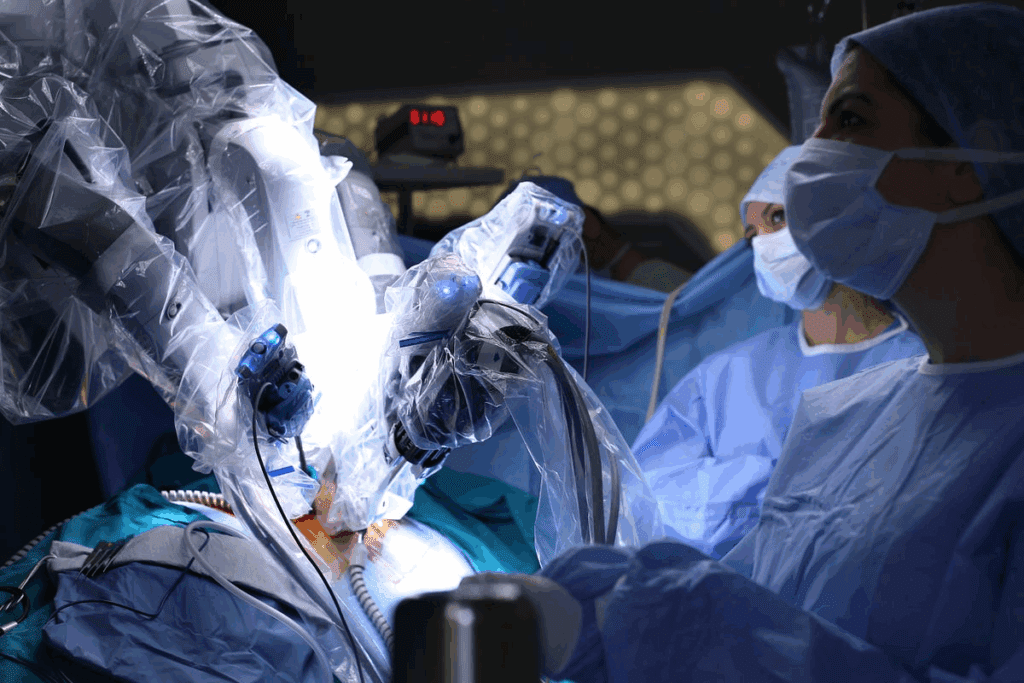
Robotic hysterectomy is a new surgical method that combines the best of both worlds. It uses the latest in robotic technology and minimally invasive surgery. This makes it safer and more precise than older methods.
What is a Robotic Hysterectomy?
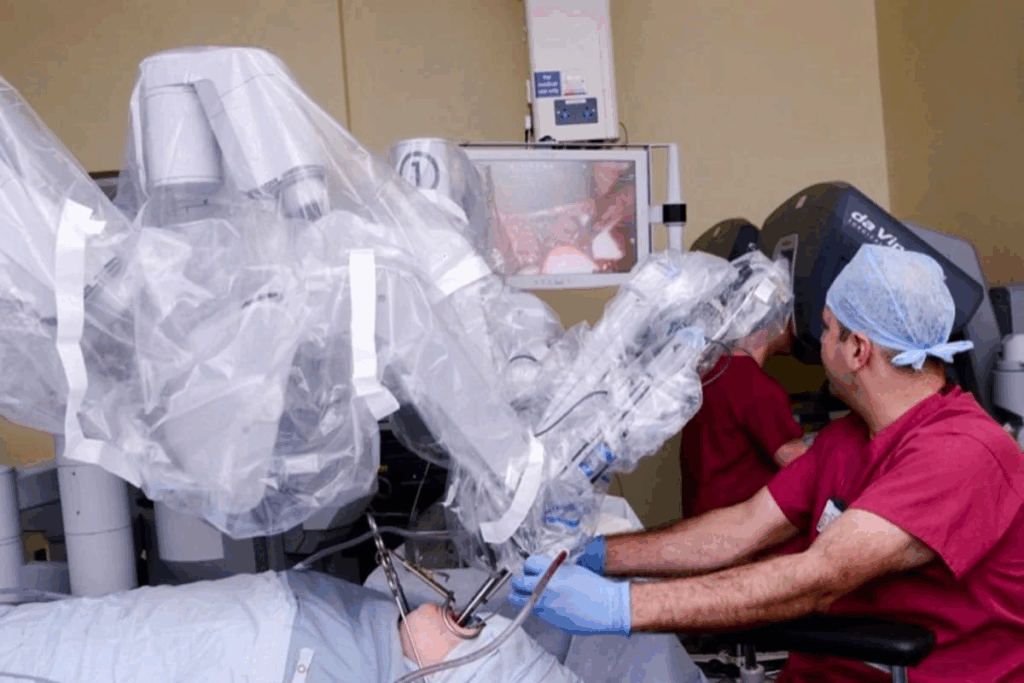
A robotic hysterectomy is a way to remove the uterus with small cuts. It uses the da Vinci Surgical System, a top-notch robotic tool. This system has a surgeon’s console, robotic arms, and a 3D vision system.
The surgery starts with small cuts in the belly. The robotic arms go through these cuts. The surgeon controls the arms from a console, using hands and feet. This way, the surgery is more precise and has less bleeding.
How the da Vinci Surgical System Works
The da Vinci Surgical System helps with complex surgeries. It has high-definition 3D vision for clear views. This lets surgeons see the area they’re working on in detail.
The robotic arms have wristed instruments that move like human wrists. This allows for more movement than regular laparoscopic tools. The system also filters out tremors, making the surgery even more precise.
The Evolution of Minimally Invasive Gynecological Surgery
Minimally invasive gynecological surgery has come a long way. Robotic hysterectomy is a big step in this journey. It aims to reduce recovery times, pain, and improve results.
Robotic hysterectomy is a big leap forward. It brings the benefits of small cuts while fixing some old methods’ problems. As technology gets better, we’ll see even more improvements in robotic surgery.
Anesthesia Requirements for Robotic Hysterectomy
Anesthesia is key for robotic hysterectomy, helping surgeons work with precision. The right anesthesia ensures patient comfort and safety.
Types of Anesthesia Used in Hysterectomy Procedures
Several anesthetics can be used in hysterectomies, like general, regional, and local. But, general anesthesia is most common for robotic hysterectomies.
General anesthesia makes the patient unconscious and pain-free. This is vital for robotic surgeries, keeping the environment stable.
Why General Anesthesia is Necessary for Robotic Procedures
General anesthesia is needed for robotic hysterectomies. It helps the surgical team work in a controlled setting. The da Vinci Surgical System, used in these surgeries, needs precise patient positioning and stability.
It also manages the patient’s airway, ensuring they breathe properly during the surgery.
The Intubation Process Explained
Intubation is when a breathing tube is put into the patient’s airway. It’s essential for safe ventilation under general anesthesia. This step is critical for patient safety and lets the surgical team focus on the surgery.
An anesthesiologist performs the intubation. They carefully put the endotracheal tube through the patient’s mouth or nose into the lungs.
| Type of Anesthesia | Use in Robotic Hysterectomy | Key Benefits |
| General Anesthesia | Most commonly used | Ensures patient comfort and safety, allows for controlled environment |
| Regional Anesthesia | Less common | Numbness in a larger area of the body, reduces pain |
| Local Anesthesia | Rarely used for robotic hysterectomy | Numbness in a small area, minimal impact on patient consciousness |
The Intubation Process During Robotic Surgery
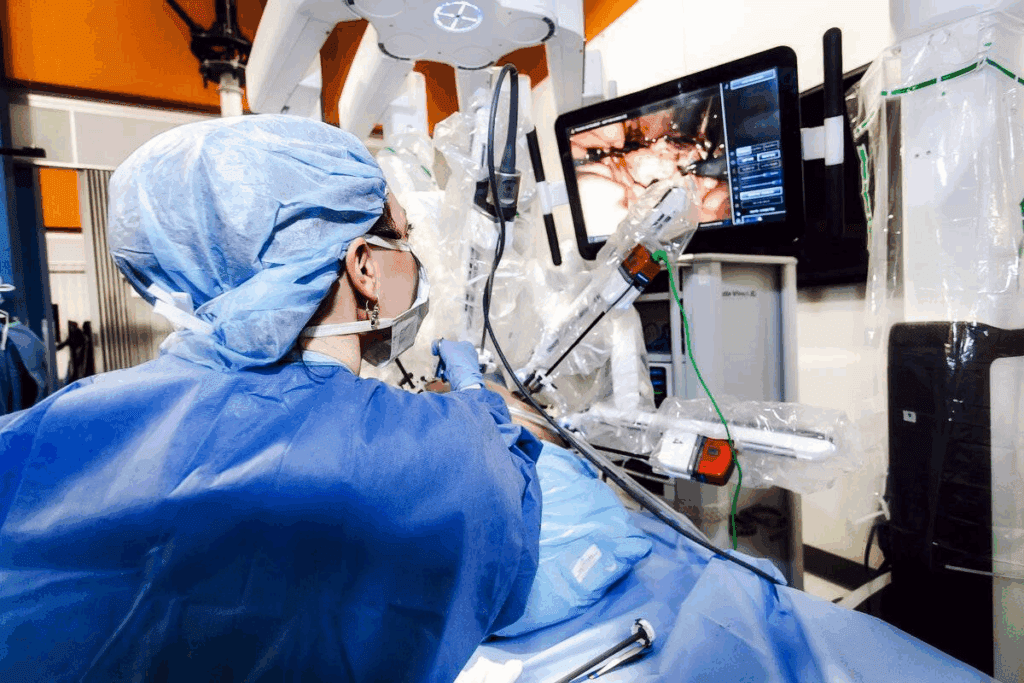
Intubation is key in robotic hysterectomy to keep patients safe. It’s important to know why and how it’s done.
Why Intubation is Required for Abdominal Access
Intubation secures the airway during robotic surgery. The procedure uses carbon dioxide gas to clear the view for the surgeon. This gas can press on the lungs and diaphragm, making breathing hard.
By using an endotracheal tube, we ensure the airway is safe. Patients get the right amount of oxygen and anesthetic gases.
What Happens During Endotracheal Intubation
Endotracheal intubation puts a tube through the mouth or nose into the trachea. It’s done under general anesthesia to keep the patient comfortable. The anesthesiologist uses a laryngoscope to see the vocal cords and guide the tube.
Once in, the tube is held in place with tape or a device. This keeps it from moving during surgery.
Duration of Intubation During the Procedure
Intubation lasts as long as the surgery. Robotic hysterectomies can take 1 to 3 hours. The patient stays intubated until they can breathe on their own after waking up.
Monitoring During Anesthesia
The anesthesiologist watches the patient’s vital signs closely. They check heart rate, blood pressure, oxygen levels, and anesthesia levels. Advanced tools help keep the patient stable and the anesthesia safe.
This constant monitoring lets the team make quick changes if needed. It keeps the patient safe during the surgery.
Preparing for Anesthesia and Intubation
Getting ready for your robotic hysterectomy? Knowing about anesthesia and intubation can help calm your nerves. Your healthcare team will walk you through these steps to keep you safe and comfortable during surgery.
Pre-operative Assessments and Testing
First, you’ll have tests to check your health before surgery. These might include blood tests, heart rate checks, and looking at your medical history. Your doctor will also do a physical exam to check your airway and overall health.
| Assessment Type | Purpose |
| Blood Tests | Evaluate blood count, clotting, and biochemical markers |
| Heart Rate Monitoring | Assess cardiovascular health |
| Medical History Review | Identify previous medical conditions or allergies |
Fasting and Medication Requirements
Your healthcare team will tell you how to prepare for surgery. You might need to stop eating for a while before the procedure. It’s also important to tell your doctor about any medicines or supplements you’re taking.
“It’s essential to follow your doctor’s instructions regarding fasting and medication to ensure your safety during anesthesia.”
Discussing Anesthesia Concerns with Your Doctor
It’s normal to have questions or worries about anesthesia. Talk to your anesthesiologist or doctor about them. They can give you specific advice and help calm your fears about the process.
What to Bring to the Hospital
On surgery day, bring important items like comfy clothes and your insurance cards. Having someone you trust with you can also help. Your healthcare team will tell you what to expect and what to bring.
By following these steps, you can prepare well for anesthesia and intubation. This will make your robotic hysterectomy smoother and more comfortable.
The Hysterectomy Laparoscopic Approach Explained
The laparoscopic approach to hysterectomy has many benefits. It causes less pain and allows for quicker recovery times. This method uses small incisions for a laparoscope and surgical tools to do the surgery.
Traditional vs. Laparoscopic Techniques
Traditional open hysterectomy uses a big incision in the abdomen. Laparoscopic hysterectomy, on the other hand, uses small incisions. This leads to less tissue damage and faster healing.
Laparoscopic surgery also means less blood loss and fewer complications.
How Robotic Assistance Enhances Laparoscopic Surgery
Robotic assistance in laparoscopic hysterectomy improves the surgeon’s skills. It offers better visualization, precision, and dexterity. The da Vinci Surgical System is a common robotic platform used for these surgeries.
Patient Positioning Requirements for Successful Surgery
Proper patient positioning is key for laparoscopic hysterectomy success. Patients are placed in a Trendelenburg position. This means their feet are higher than their head.
This position helps move the intestines away from the surgical area. It gives the surgeon better access to the uterus.
Types of Hysterectomies Performed Laparoscopically
Several types of hysterectomies can be done laparoscopically. These include total laparoscopic hysterectomy (TLH), laparoscopic-assisted vaginal hysterectomy (LAVH), and robotic-assisted laparoscopic hysterectomy. The choice depends on the patient’s condition, the surgeon’s skills, and other factors.
| Type of Hysterectomy | Description | Benefits |
| Total Laparoscopic Hysterectomy (TLH) | The entire procedure is performed laparoscopically. | Less invasive, quicker recovery. |
| Laparoscopic-Assisted Vaginal Hysterectomy (LAVH) | Combines laparoscopic and vaginal approaches. | Reduces recovery time, less pain. |
| Robotic-Assisted Laparoscopic Hysterectomy | Utilizes robotic technology for enhanced precision. | Improved accuracy, less blood loss. |
Step-by-Step: What Happens During a Robotic Hysterectomy
For those having a robotic hysterectomy, knowing what happens can ease worries. We’ll guide you through each step of this surgery.
Preparation in the Operating Room
First, we get the operating room ready. We set up the da Vinci Surgical System and other tools. Our team checks the patient’s file and talks about the surgery plan and any last-minute questions.
Anesthesia Administration and Intubation
In the operating room, our anesthesiology team gives general anesthesia. This makes sure the patient is comfortable and safe. They also do endotracheal intubation to keep the airway open.
The Surgical Procedure
The robotic hysterectomy has several important steps:
- Insertion of ports and docking of the robotic system
- Identification and dissection of relevant anatomical structures
- Removal of the uterus or affected tissues
- Closure of the vaginal cuff or other incisions
| Surgical Step | Description |
| Port Insertion | Small incisions are made to insert ports for the robotic instruments. |
| Robotic Docking | The robotic system is positioned and docked to the ports. |
| Tissue Dissection | The robotic instruments are used to carefully dissect and remove the uterus or affected tissues. |
Completion and Closure
Once the surgery is done, we undock the robotic system and remove the ports. Then, we close the incisions with sutures or staples. The patient is moved to the recovery room for care.
Knowing these steps can make patients feel more ready for their robotic hysterectomy.
Potential Risks and Complications of Intubation
Intubation is a common procedure, but it comes with risks. It’s needed for robotic hysterectomy to keep patients safe. Yet, like any medical procedure, it can have complications.
Common side effects after intubation
Most people face mild side effects after intubation. These include:
- Sore throat
- Difficulty swallowing
- Hoarseness
- Mild discomfort in the mouth or throat
These side effects usually go away in a few days.
Rare complications to be aware of
Though rare, serious complications can happen. These include:
- Dental damage
- Laryngeal injury
- Tracheal injury
- Aspiration of gastric contents
It’s important to know about these risks, even if they’re rare.
Risk factors that increase complications
Some factors can raise the risk of complications. These include:
- Pre-existing medical conditions, such as heart disease or diabetes
- Smoking or excessive alcohol consumption
- Previous difficulties with anesthesia
- Anatomical issues that may complicate intubation
Talking to your healthcare provider about these risks is key.
How anesthesiologists minimize risks
Anesthesiologists take steps to reduce risks. They include:
- Thorough pre-operative assessments to identify risk factors
- Careful planning and preparation for intubation
- Use of advanced technology and techniques for safe intubation
- Close monitoring during and after the procedure
As one expert says,
“The key to minimizing risks lies in meticulous preparation and a patient-centered approach.”
Knowing the risks of intubation can help patients feel more ready for their robotic hysterectomy. While risks are there, most patients do well. Choosing a skilled team and following instructions can help reduce risks further.
Laparoscopic Hysterectomy Recovery Process
Recovering from a laparoscopic hysterectomy is a journey. It involves several steps to ensure a smooth healing process. The recovery period is key for patients to rest, heal, and gradually get back to their normal lives. We will guide you through what to expect, including managing pain and understanding the recovery timeline.
Immediate Post-Operative Experience
Right after surgery, patients go to the recovery room. Here, they are watched closely for any complications. You might feel groggy from the anesthesia and experience some pain, which is managed with medication. The medical team will also keep an eye on your vital signs and make sure you’re comfortable before you’re discharged or moved to a hospital room.
Managing Throat Discomfort from Intubation
Throat discomfort or soreness from intubation is common. It’s usually temporary and can be eased with throat lozenges, salt water gargling, or a humidifier. Drinking plenty of water helps your throat heal faster. If the discomfort is severe or lasts, it’s important to talk to your healthcare provider.
Timeline for Anesthesia Effects to Wear Off
Anesthesia effects start to fade within a few hours after surgery. It may take a few days for your body to fully recover. You might feel some lingering effects like nausea or dizziness, but these usually go away on their own. It’s important to follow your doctor’s advice on rest, medication, and follow-up care during this time.
Week-by-Week Recovery Milestones
Recovery from a laparoscopic hysterectomy is a gradual process. It can vary from person to person. Generally, most women can:
- Start with light activities in 1-2 weeks
- Do more strenuous activities in 3-4 weeks
- See a big improvement in health in 6-8 weeks
It’s vital to follow your healthcare provider’s specific instructions and attend follow-up appointments for a smooth recovery.
Benefits of Robotic Hysterectomy Compared to Open Surgery
Robotic hysterectomy has changed gynecological surgery for the better. It offers many advantages over traditional open surgery. This modern method is now more popular among surgeons and patients.
Reduced Recovery Time and Hospital Stays
One big plus of robotic hysterectomy is the shorter recovery time. The procedure is less invasive, leading to less tissue damage. This means patients often go home the same day or within 24 hours.
Less Pain, Blood Loss, and Scarring
Robotic hysterectomy causes less pain because of the smaller cuts. The robotic system also cuts down on blood loss. This results in less scarring, making patients look better after surgery.
Improved Surgical Precision and Outcomes
The robotic system gives surgeons better views and control. This leads to more precise surgeries. Patients get better results, like fewer complications and better organ function.
Faster Return to Normal Activities
Because it’s less invasive, robotic hysterectomy lets patients get back to their lives faster. They can recover quicker and return to work sooner. This is a big advantage over open surgery.
| Benefits | Robotic Hysterectomy | Open Surgery |
| Recovery Time | Shorter (often same day discharge) | Longer (typically 2-4 days hospital stay) |
| Pain and Scarring | Less pain, minimal scarring | More pain, significant scarring |
| Surgical Precision | High precision, better outcomes | Less precision, variable outcomes |
| Return to Normal Activities | Faster return (within 1-2 weeks) | Slower return (often 4-6 weeks) |
Laparoscopic Hysterectomy Risks and Possible Complications
Laparoscopic hysterectomy is generally safe but has its own risks and complications. It’s important for patients to know about these to make informed decisions about their care.
Surgery-specific Complications
Complications like bleeding, infection, and damage to nearby organs are possible. These risks are common in any surgery. But, laparoscopic hysterectomy often has fewer complications than open surgery because it’s less invasive.
“The risk of complications during laparoscopic hysterectomy is significantly reduced due to the precision offered by robotic assistance,” says a leading gynecological surgeon. This precision helps in reducing risks.
Anesthesia-related Risks
Anesthesia can also pose risks, such as reactions, respiratory problems, and heart issues. Our anesthesiologists take every precaution to lower these risks. They do this by doing thorough checks before surgery and watching closely during it.
- Respiratory complications
- Cardiac issues
- Reactions to anesthesia
Long-term Considerations
Long-term effects of laparoscopic hysterectomy include adhesions, pelvic floor problems, and emotional impacts. We counsel our patients on these possible long-term effects to help them prepare for recovery.
How Surgeons Minimize Complications
Surgeons use careful techniques, detailed planning, and close follow-up to reduce complications. The use of robotic assistance improves the procedure’s precision. This leads to more accurate surgery and lower risks of complications.
Knowing the risks and complications of laparoscopic hysterectomy helps patients prepare for their surgery. Our team is dedicated to providing top care. We aim to minimize risks and ensure the best results for our patients.
Comparing Different Types of Hysterectomy Procedures
When you think about a hysterectomy, knowing the different surgical methods is key. There are several types of hysterectomies, each suited for different needs. We’ll look at open abdominal, vaginal, traditional laparoscopic, and robotic-assisted laparoscopic hysterectomies.
Open Abdominal Hysterectomy
This method involves a big cut in the belly to remove the uterus. It’s often used for complex cases or when the uterus is too big.
- Needs a big cut, which can cause more pain and scarring.
- Recovery takes longer than with less invasive methods.
- It’s sometimes needed for big fibroids or cancer.
Vaginal Hysterectomy
This surgery removes the uterus through the vagina, without any cuts outside. It’s less invasive than the open method.
- No outside scars.
- Recovery is quicker.
- Not for everyone, depending on the uterus size and other factors.
Traditional Laparoscopic Hysterectomy
This surgery uses small cuts in the belly for a laparoscope and tools to remove the uterus.
- Less invasive than open surgery, leading to less pain and scarring.
- Recovery is faster than with open surgery.
- Needs skilled laparoscopic surgeons.
Robotic-Assisted Laparoscopic Hysterectomy
This is a minimally invasive surgery that uses a robotic system to help the surgeon.
- Improves precision and dexterity.
- Uses 3D imaging for better vision.
- Usually means less blood loss and shorter hospital stays.
Patient Experiences with Robotic Hysterectomy and Intubation
Women thinking about a robotic hysterectomy find comfort in hearing from others. Many have shared their journeys, giving insights into what happens before, during, and after surgery.
Common Patient Concerns Before Surgery
Patients often worry about the anesthesia, intubation, and possible risks before surgery. Talking to a healthcare provider about these worries can help ease fears.
General anesthesia and intubation are big concerns. Patients wonder about being intubated and how it affects recovery. Jane, a patient, said, “I was scared about general anesthesia. But my doctor said it’s common for robotic surgeries, which made me feel better.”
Testimonials and Recovery Stories
Many women have good things to say about robotic hysterectomies. They talk about less pain and quicker recovery times compared to open surgery.
“The recovery was much easier than I expected. I was back to my normal routine within a few weeks.” – Sarah, robotic hysterectomy patient
What to Realistically Expect During Recovery
Recovery times can vary, but most patients face similar challenges. They deal with throat discomfort from intubation, follow a care plan, and slowly get back to activity.
For a smooth recovery, follow your surgeon’s advice, go to all follow-up appointments, and be patient with healing.
Tips from Past Patients
Patients who’ve had the surgery offer helpful tips. They recommend having help at home, being ready with supplies, and talking openly with their healthcare team about any issues.
- Plan ahead for your recovery by preparing meals in advance.
- Have a support system in place, whether it’s family, friends, or a caregiver.
- Follow your surgeon’s instructions carefully to ensure a smooth recovery.
Who Is a Good Candidate for Robotic Hysterectomy?
To find out if robotic hysterectomy is right for you, look at several important factors. This surgery is advanced, leading to less pain and quicker healing than traditional methods. But, it’s not for everyone.
Medical Indications for the Procedure
Some health issues make robotic hysterectomy a good choice. These include:
- Fibroids: These are non-cancerous growths in the uterus that can cause heavy bleeding and pain.
- Endometriosis: A condition where tissue like the uterus lining grows outside the uterus, leading to pain.
- Uterine prolapse: When the uterus slips out of its normal place.
- Cancer: In some cases, it’s used to treat certain cancers like cervical or uterine cancer.
Contraindications and Limitations
Even though robotic hysterectomy is versatile, some conditions make it less suitable. These include:
- Severe adhesions: Scar tissue that can make surgery harder.
- Large uterus: A very big uterus can be hard to remove robotically.
- Certain medical conditions: Like heart or lung disease, which can raise surgery risks.
Factors That Influence Surgical Approach Selection
Choosing between robotic hysterectomy and other surgeries depends on several things. These include:
- The patient’s overall health: Including any existing health issues.
- The reason for the hysterectomy: Different reasons might need different surgeries.
- The surgeon’s expertise: The surgeon’s experience with robotic surgery matters.
Insurance and Cost Considerations
Insurance and costs are big factors in choosing robotic hysterectomy. Many plans cover it for approved reasons, but coverage varies. Patients should:
- Check their insurance coverage: Know what’s covered and what’s not.
- Discuss costs with their healthcare provider: Talk about any extra fees for robotic surgery.
Figuring out if robotic hysterectomy is right involves looking at medical needs, possible issues, and personal factors like insurance and costs. By understanding these, patients and doctors can decide the best surgery option.
Conclusion
Robotic hysterectomy is a complex surgery that needs careful thought about anesthesia and intubation. We’ve looked into how this laparoscopic surgery works. This includes the role of intubation in keeping patients safe and comfortable during the surgery.
The da Vinci Surgical System lets surgeons do complex tasks with great precision. This means less recovery time and fewer risks. Knowing about intubation and how to reduce risks can make patients feel better about robotic hysterectomy.
Choosing a skilled surgical team and following pre-operative advice can help patients have a better experience. As medical technology gets better, robotic hysterectomy stays a good choice for those needing hysterectomy. It offers the benefits of less invasive surgery.
FAQ
What is a robotic hysterectomy?
A robotic hysterectomy is a surgery to remove the uterus. It uses the da Vinci Surgical System. This method is more precise and flexible.
Are you intubated during a robotic hysterectomy?
Yes, patients are intubated during this surgery. It ensures safe anesthesia and keeps the airway secure.
What type of anesthesia is used for robotic hysterectomy?
General anesthesia is used. It involves intubation to keep the airway safe during surgery.
How long does it take to recover from a robotic hysterectomy?
Recovery time is about 2-4 weeks. This is faster than open surgery recovery.
What are the benefits of robotic hysterectomy compared to open surgery?
Robotic hysterectomy has many benefits. These include less recovery time, less pain and scarring, and better surgical results.
What are the possible risks and complications of intubation during robotic hysterectomy?
Intubation is generally safe but can cause sore throat or vocal cord injury. Rare complications include aspiration or respiratory problems.
How do anesthesiologists minimize risks during intubation?
Anesthesiologists take many precautions. They do thorough pre-operative checks, monitor closely during anesthesia, and use advanced techniques and equipment.
Can I choose the type of hysterectomy procedure I have?
The choice depends on medical reasons, the surgeon’s advice, and your needs. Talking to your doctor can help decide the best option.
What should I discuss with my doctor before undergoing robotic hysterectomy?
Discuss your medical history, any concerns about anesthesia or intubation, and recovery expectations. This ensures you’re well-prepared.
Are there any specific preparations I need to make before a robotic hysterectomy?
Yes, you need to prepare with pre-operative checks, fasting, and arrange for post-operative care. Your doctor will give specific instructions.
How is pain managed after a robotic hysterectomy?
Pain management is discussed before the surgery. It may include medication and other techniques to reduce discomfort during recovery.
What are the long-term considerations after a hysterectomy?
Long-term considerations include managing menopause symptoms, follow-up care, and addressing any concerns or complications that may arise.
Reference:
Ciccone MA et al. “Prolonged intubation after robotic-assisted hysterectomy for endometrial cancer: Case reports.” Gynecologic Oncology Reports, 2018.