Last Updated on November 26, 2025 by Bilal Hasdemir
Ovarian cancer is a big worry for women, with nearly 20,000 new cases diagnosed every year in the United States. Finding it early is key to treating it well. But many women don’t know the small signs or how their gynecologist can spot it.
Talking about cancer can be scary, but knowing is powerful. A gynecologist is very important for women’s health. They help find ovarian cancer early and discuss preventive options such as hysterectomy ovarian cancer prevention for women at high risk. By knowing about screenings and signs, women can help keep themselves healthy.
Key Takeaways
- Ovarian cancer is a big worry for women, with early detection being key to effective treatment.
- A gynecologist is very important in finding ovarian cancer through screening and awareness.
- Knowing the signs and symptoms can lead to an early diagnosis.
- Regular check-ups and screenings are vital for women’s health.
- Empowering women with knowledge about ovarian cancer is a critical step in combating the disease.
Understanding Ovarian Cancer Basics
Ovarian cancer is a serious condition that affects the ovaries. These organs are key in the female reproductive system, producing eggs. It’s vital to know the basics of ovarian cancer to understand its impact.
What is Ovarian Cancer?
Ovarian cancer starts when cells in the ovaries grow out of control. This forms a tumor. It’s classified based on the cell type where it begins.
Key Facts About Ovarian Cancer:
- Ovarian cancer is often called a “silent killer” because its symptoms are vague and similar to other conditions.
- The exact cause of ovarian cancer is not known, but some risk factors have been found.
Types of Ovarian Cancer
There are several types of ovarian cancer, with epithelial ovarian cancer being the most common. It makes up about 90% of cases. Other types include germ cell tumors and sex cord-stromal tumors.
| Type of Ovarian Cancer | Description | Frequency |
| Epithelial Ovarian Cancer | Arises from the outer layer of the ovary | About 90% |
| Germ Cell Tumors | Originates in the cells that produce eggs | About 5% |
| Sex Cord-Stromal Tumors | Develops in the connective tissue of the ovary | About 1% |
Prevalence and Risk Factors
Ovarian cancer is the fifth leading cause of cancer deaths in women. Risk factors include family history, genetic mutations, age, and reproductive history.
“A woman’s risk of developing ovarian cancer is significantly higher if she has a family history of the disease or carries certain genetic mutations.”
Knowing these risk factors helps assess individual risk. It’s important to talk about preventive measures with a healthcare provider.
The Role of Gynecologists in Women’s Health
Gynecologists play a big role in women’s health. They focus on preventive care, cancer screening, and routine exams. They are more than just doctors; they are women’s health guardians. They offer guidance, care, and support at every stage of a woman’s life.
Scope of Gynecological Practice
Gynecologists handle many women’s health issues. This includes reproductive health and menopause management. Their work includes:
- Routine check-ups and health screenings
- Diagnosis and treatment of reproductive health issues
- Preventive care and health education
- Cancer screening and early detection
Preventive care is key in gynecology. It focuses on keeping health and preventing disease. This includes vaccinations, screenings, and advice on lifestyle choices.
Routine Examinations and Their Purpose
Routine exams are vital for women’s health. These exams help gynecologists:
| Purpose | Description |
| Early Detection | Find health issues before symptoms show |
| Preventive Care | Give advice on healthy living |
| Cancer Screening | Check for cancers like cervical and ovarian |
These exams are key for early detection and prevention. They greatly improve treatment chances.
Preventive Care and Cancer Screening
Preventive care and cancer screening are big parts of a gynecologist’s job. They include:
- Regular Pap smears for cervical cancer screening
- Pelvic exams to check for abnormalities
- Talking about cancer risks
- Screening advice based on age and risk
Gynecologists focus on preventive care and cancer screening. They play a big role in lowering cancer risk and improving women’s health.
Gynecologist Ovarian Cancer Detection: Capabilities and Limitations

Doctors can find ovarian cancer in a woman’s body, but it’s not always easy. They look for signs during check-ups. Yet, they might miss it, mainly in the early stages.
Capabilities in Detection
Doctors can spot some signs of ovarian cancer. They feel for odd shapes or sizes in the ovaries during a pelvic exam. Tools like ultrasound help see any strange growths.
Key detection methods include:
- Pelvic examination to feel for ovarian masses
- Transvaginal ultrasound to visualize ovarian structures
- Review of patient symptoms and medical history
Inherent Limitations
Even with these tools, there are big challenges. Early ovarian cancer is hard to find because it doesn’t show up as a lump. It’s also tricky to tell if a mass is cancerous without more tests.
| Detection Method | Capabilities | Limitations |
| Pelvic Examination | Can identify large masses | Difficulty in detecting early-stage cancer |
| Transvaginal Ultrasound | Visualizes ovarian structures | May not distinguish between benign and malignant lesions |
Why Ovarian Cancer Can Be Missed
Ovarian cancer symptoms are often not clear. They can be mistaken for other health issues. There’s no good test for everyone, so many cases are found late.
We need to know how doctors can find ovarian cancer and what they can’t. This knowledge helps us find cancer sooner. It also improves care for women at risk.
The Standard Pelvic Examination
The pelvic examination is key in women’s health care. It lets gynecologists check the reproductive system. This exam is vital for looking at the health of reproductive organs and finding any problems.
What Happens During a Pelvic Exam
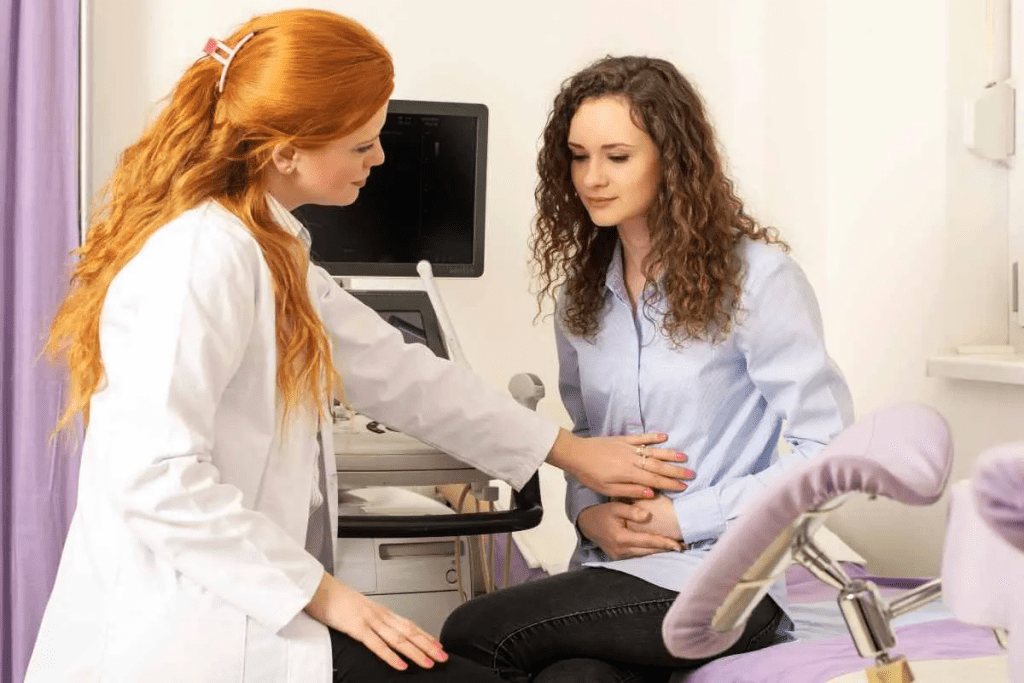
A pelvic exam involves a manual check of the reproductive organs. The gynecologist looks at the vagina, cervix, uterus, and ovaries for any issues. They do a visual check and a manual feel to find any irregularities.
We use a speculum to see the cervix and vagina. Then, we do a bimanual exam to check the uterus and ovaries. This helps us spot any problems that need more looking into.
Can a Gynecologist Feel Ovarian Cancer?
Many wonder if a gynecologist can find ovarian cancer during a pelvic exam. While a manual exam can find some issues, it’s not perfect for finding ovarian cancer. If we find something odd, we might suggest more tests like imaging studies or blood tests to figure out what’s going on.
Limitations of Manual Examination
Though a pelvic exam is helpful, it has its limits. It might not catch ovarian cancer early. How well it works depends on the gynecologist’s skill and the tumor’s size and location.
- Early-stage ovarian cancer might not show up in a manual exam.
- Ovarian cysts or fibroids can make it harder to diagnose.
- Some cancers are hard to reach during a manual exam.
So, while a pelvic exam is important, it’s part of a bigger picture in women’s health. We use it along with other tests to get a full picture of health.
Pap Smears and Ovarian Cancer: Common Misconceptions
Many people think Pap smears can find ovarian cancer, but that’s not true. We meet patients who don’t get what Pap smears do and what they can’t do. It’s key to know what Pap smears can and can’t find to manage hopes and ensure right screening for gynecological issues.
What Pap Smears Actually Test For
Pap smears check for abnormal cell changes in the cervix, the cervix’s lower part. These changes might turn into cervical cancer if not treated. Cells from the cervix are taken and checked for any oddities under a microscope. This helps spot pre-cancerous or cancerous cells early on.
Why Pap Smears Cannot Detect Ovarian Cancer
Ovarian cancer starts in the ovaries, which are higher in the pelvis and not reached by a Pap smear. The cells tested in a Pap smear come from the cervix, not the ovaries. So, Pap smears can’t find ovarian cancer. They’re great for checking for cervical cancer but not for finding cancers like ovarian cancer.
The Difference Between Cervical and Ovarian Screening
Cervical and ovarian cancers need different ways to be screened. Cervical cancer is checked with Pap smears, which take cells from the cervix. But finding ovarian cancer is harder and involves transvaginal ultrasound and blood tests, like the CA-125 test. Knowing these differences helps women understand their screening choices and what they can do.
Imaging Technologies Used by Gynecologists
Imaging technologies like transvaginal and pelvic ultrasounds are key in gynecology for finding ovarian cancer. They help doctors see the ovaries and nearby areas. This makes it easier to spot problems that might mean cancer. We’ll look at how these methods work and how well they find ovarian cancer.
Transvaginal Ultrasound
Transvaginal ultrasound is a top choice for looking at female reproductive organs. It uses a probe in the vagina to get clear images of the ovaries, uterus, and fallopian tubes. This method gives a closer look at the ovaries than external ultrasounds, helping spot small issues.
Benefits of transvaginal ultrasound include:
- High-resolution images of the ovaries
- Ability to detect small cysts or tumors
- Guiding further diagnostic procedures if needed
Pelvic Ultrasound
Pelvic ultrasound scans the lower abdomen to see the reproductive organs. It doesn’t give as much detail as transvaginal ultrasound but is useful for checking the pelvic area’s health. Pelvic ultrasounds can spot bigger issues or problems that need more checking.
Can Gynecologists See Ovarian Cancer on Ultrasound?
Ultrasound can find ovarian cancer by spotting tumors or cysts on the ovaries. But, it’s hard to tell if a mass is cancer just from ultrasound pictures. Doctors use ultrasound info along with other tests and patient history to plan next steps.
“Ultrasound is a valuable tool in the detection of ovarian cancer, but it is part of a more detailed diagnostic approach.”
In summary, imaging like transvaginal and pelvic ultrasounds are key in finding and watching ovarian cancer. They have their limits but are very helpful in spotting problems and guiding treatment.
Blood Tests for Ovarian Cancer Detection
Blood tests are key in finding ovarian cancer early. They help doctors spot cancer when it’s easier to treat. These tests are getting better at finding cancer early.
The CA-125 Blood Test
The CA-125 test is a common way to check for ovarian cancer. It looks for a protein called CA-125 in your blood. But, high levels can also mean other things, like pregnancy or cysts.
Key aspects of the CA-125 blood test include:
- It’s not specific to ovarian cancer, leading to false positives.
- It can be elevated in various other conditions.
- It’s used more for monitoring response to treatment and detecting recurrence than as a standalone screening tool.
Limitations of CA-125 as a Screening Tool
The CA-125 test has its downsides. It’s not always accurate and can give false results. It also doesn’t catch all ovarian cancers.
- Low specificity, leading to false positives.
- Not all ovarian cancers produce CA-125.
- Early-stage ovarian cancer may not elevate CA-125 levels.
Because of these issues, doctors don’t use it for everyone. But, it might be used for those at high risk or with other tests.
Other Biomarkers Under Investigation
Scientists are looking into new biomarkers for ovarian cancer. Some of these include:
- HE4 (Human Epididymis Protein 4)
- OVA1, a multi-marker test
- Various genetic markers
These new markers aim to make cancer detection better. For example, the OVA1 test uses five tests to give a score for cancer risk. But, more research is needed to see if they work well.
We’re getting better at finding ovarian cancer early. More accurate blood tests are being developed. We hope these will help find cancer sooner and improve treatment outcomes.
Signs and Symptoms Gynecologists Look For
Gynecologists are key in spotting ovarian cancer early. They know the signs that need more checking. Finding these symptoms early can really help with treatment.
Early Warning Signs
Early signs of ovarian cancer can be tricky. They might seem like other, less serious issues. We watch for:
- Pelvic or abdominal pain: Pain in the pelvic or belly area that doesn’t go away.
- Bloating or swelling: Feeling bloated or swollen in the belly.
- Difficulty eating or feeling full quickly: Not wanting to eat or feeling full after small meals.
- Urinary symptoms: Needing to pee more often or feeling a strong urge to pee.
These signs can be hard to spot and might not seem like ovarian cancer at first. It’s key for patients to tell their gynecologist about any lasting changes.
Advanced Symptoms
As ovarian cancer gets worse, symptoms get clearer. They can include:
- Significant weight loss: Losing weight without trying, often with less hunger.
- Changes in bowel habits: Trouble with constipation or other bowel issues.
- Fatigue: Feeling very tired or lacking energy.
- Back pain: Pain in the lower back that lasts.
These symptoms can really affect a person’s life. That’s why finding cancer early is so important.
When Symptoms Warrant Further Investigation
If a patient has any of these symptoms, we think about more tests. This might include:
- Imaging tests: Like ultrasound to look at the ovaries better.
- Blood tests: To see if there are tumor markers like CA-125.
- Pelvic examination: A detailed check for any oddities.
It’s vital for patients to know their bodies and tell their gynecologist about any odd or lasting symptoms. Finding and treating ovarian cancer early can make a big difference.
Why Ovarian Cancer Is Often Detected Late
Ovarian cancer is often detected late because its early signs are not clear. It’s called a “silent killer” because its symptoms are vague. These symptoms can be similar to those of other common conditions, making it hard to detect early.
The “Silent Killer” Reputation
The term “silent killer” describes ovarian cancer because it often reaches an advanced stage before being caught. Its early symptoms, like bloating, pelvic pain, and trouble eating, are not specific. These symptoms can be mistaken for many other conditions, making it hard to spot ovarian cancer.
Symptom Overlap with Common Conditions
The symptoms of ovarian cancer can be mistaken for other common issues. For example, bloating and stomach pain might be thought of as irritable bowel syndrome. This confusion can cause delays in diagnosis, as both patients and doctors might think of less serious conditions first.
Challenges in Early Detection
Early detection of ovarian cancer is hard due to several reasons. There’s no reliable screening test for the general population. The early symptoms are not specific, making it tough to catch the cancer early.
| Challenges | Description | Impact on Detection |
| Nonspecific Symptoms | Symptoms like bloating and pelvic pain are common and can be associated with many other conditions. | Delays diagnosis as symptoms are attributed to less serious conditions. |
| Lack of Specific Screening Tests | No single reliable screening test for ovarian cancer exists for the general population. | Makes early detection difficult, particularlly in asymptomatic women. |
| Limitations of Current Tests | CA-125 blood test and transvaginal ultrasound have limitations, especialy in premenopausal women. | Can lead to false positives or false negatives, complicating diagnosis. |
Understanding these challenges is key to improving ovarian cancer detection and treatment. While we face challenges in early detection, awareness and research into better screening methods are essential for progress.
Current Screening Guidelines for Ovarian Cancer
It’s key for doctors and patients to know the latest on ovarian cancer screening. These guidelines help spot who’s at risk and suggest the right tests.
ACOG Recommendations
The American College of Obstetricians and Gynecologists (ACOG) sets the rules for ovarian cancer screening. They say there’s no single test that works for everyone. Instead, doctors look at a woman’s medical history, do physical checks, and run tests to figure out her risk.
“The best way to lower ovarian cancer risk is by checking and managing it carefully,” doctors say.
Guidelines for High-Risk Individuals
Women at high risk, often because of BRCA1 or BRCA2 genes, might need more tests. These could be:
- Transvaginal ultrasound
- CA-125 blood test
- Regular pelvic exams
These women often see a gynecologic oncologist to find the best way to screen and prevent.
Why Universal Screening Isn’t Recommended
Screening everyone for ovarian cancer isn’t advised. The disease is rare, and false positives can cause harm. The dangers of screening, like surgery risks and emotional stress, are too high for most people.
We stress the need for personalized risk checks and screening plans for ovarian cancer. Knowing each person’s risk and following guidelines helps doctors give the best care.
When Your Gynecologist Suspects Ovarian Cancer

A gynecologist’s suspicion of ovarian cancer means a detailed check-up and looking at test results. This can worry patients, but we’re here to help you understand what’s happening.
Initial Suspicion Indicators
Your gynecologist might find signs that suggest ovarian cancer during a routine check-up. These signs include:
- Abnormal pelvic examination findings
- Unusual symptoms like persistent bloating or pelvic pain
- Family history of ovarian or breast cancer
If these signs show up, we’ll do more tests to figure out what’s going on.
The Diagnostic Process
The process to find out if you have ovarian cancer involves several steps:
- Imaging Tests: We might use ultrasound or other imaging to see the ovaries and find any issues.
- Blood Tests: The CA-125 blood test checks for a protein that can be high in ovarian cancer.
- Clinical Evaluation: A detailed medical history and physical exam help us understand your health and find risk factors.
Referral to Specialists
If tests suggest ovarian cancer, we’ll send you to a gynecologic oncologist. This expert has special training in female reproductive cancers. They will:
- Do a full check to confirm the diagnosis
- Talk about treatment options like surgery or chemotherapy
- Work with other doctors as needed
We know this is a tough time, and we’re here to support you with care and understanding.
Gynecologist vs. Gynecologic Oncologist: Understanding the Difference
Understanding and managing gynecological cancers requires different medical experts. Gynecologists and gynecologic oncologists play key roles in women’s health.
Gynecologists focus on general women’s health, like routine check-ups and common health issues. Gynecologic oncologists, on the other hand, specialize in cancers of the female reproductive system. They have the training to diagnose, treat, and manage these cancers.
Specialized Training of Gynecologic Oncologists
Gynecologic oncologists get extra training beyond what gynecologists receive. This training prepares them to care for patients with gynecological cancers. They know how to use surgery, chemotherapy, and other treatments for cancer.
Key aspects of their specialized training include:
- Advanced surgical techniques for cancer removal and management
- Knowledge of chemotherapy and other cancer treatments
- Understanding of the latest research and clinical trials in gynecologic oncology
When a Referral Is Necessary
If a gynecologist finds or diagnoses a gynecological cancer, a referral to a gynecologic oncologist is needed. This ensures the patient gets the right care for their cancer.
| Condition | Typical Care Provider | Referral to Specialist |
| Routine Gynecological Care | Gynecologist | No |
| Suspected or Diagnosed Gynecological Cancer | Gynecologist | Yes, to Gynecologic Oncologist |
Collaborative Care Approach
We believe in a team approach to care. Gynecologists and gynecologic oncologists work together for the best patient outcomes. This teamwork is essential for managing complex cases.
The collaboration involves:
- Shared decision-making regarding treatment options
- Coordinated care to ensure smooth transitions between general gynecological care and specialized cancer treatment
- Support for patients and their families throughout the treatment process
Definitive Diagnosis: Beyond the Gynecologist’s Office
When a gynecologist thinks you might have ovarian cancer, more tests are needed. These tests help figure out if you really have the disease and how far it has spread.
Advanced Imaging Techniques
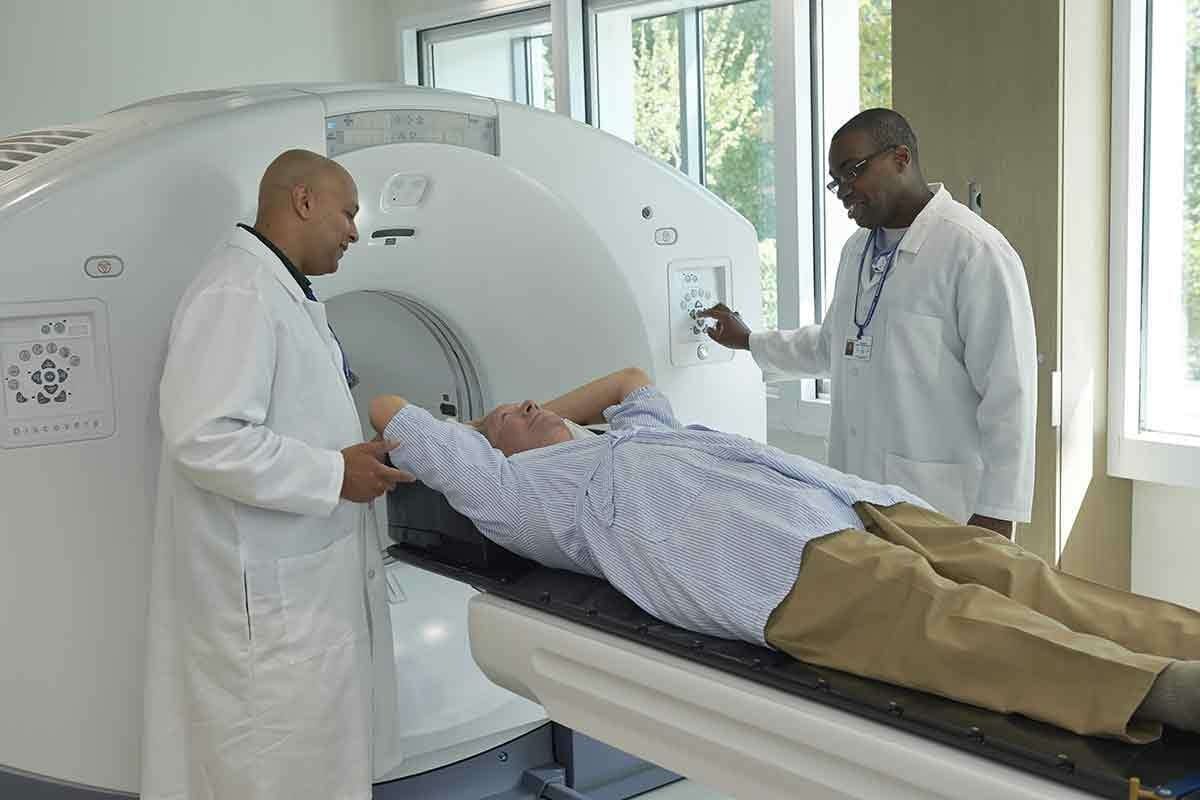
Advanced imaging is key in finding out if you have ovarian cancer. CT scans and MRI show how big the tumor is and if it has spread. They give detailed pictures of the tumor and its effect on nearby tissues.
Surgical Evaluation and Biopsy
Surgery is the next step to get a clear diagnosis. During surgery, a piece of the tumor is taken for a biopsy. This means removing tissue or cells for a microscope check. It’s important to find out what kind of cancer cells are there.
The Importance of Pathological Confirmation
Pathological confirmation is the top way to confirm ovarian cancer. A pathologist looks at the biopsy to see if there are cancer cells. They also find out what type of ovarian cancer it is. This info is key for choosing the right treatment.
Getting a clear diagnosis is a detailed process. It involves advanced imaging, surgery, and checking the biopsy. This way, doctors can accurately diagnose ovarian cancer and plan the best treatment.
How to Advocate for Yourself at Gynecological Appointments
Being proactive in your gynecological care is key. Knowing how to talk to your gynecologist can greatly improve your care.
Communicating Symptoms Effectively
Telling your gynecologist about your symptoms is very important. Be ready to share your symptoms in detail. This includes when they started, how long they last, and what makes them better or worse. Keeping a symptom journal can help.
For example, instead of saying “I’ve been feeling unwell,” say, “I’ve had pelvic pain for three weeks, getting worse during my period.” This helps your gynecologist understand you better.
Questions to Ask About Ovarian Cancer Risk
Knowing your risk for ovarian cancer is key. Ask your gynecologist about your risk factors. Some questions to ask are:
- What are my risk factors for ovarian cancer?
- Should I get tested for BRCA1 or BRCA2 mutations?
- What are the signs and symptoms of ovarian cancer I should watch for?
- Are there preventive steps I can take based on my risk?
Asking these questions helps you understand your risk and what to do about it.
When to Seek a Second Opinion
Knowing when to ask for a second opinion is important. If you’re unsure about your diagnosis or treatment, get another opinion. This is very important if you’re at high risk for ovarian cancer or have been diagnosed.
Here’s a table showing why a second opinion is beneficial:
| Benefits | First Opinion | Second Opinion |
| Confirms Diagnosis | Initial assessment | Validation or alternative diagnosis |
| Treatment Options | Initial treatment plan | Alternative or additional treatment options |
| Patient Confidence | Initial confidence | Increased confidence in diagnosis and treatment |
Getting a second opinion can give you more information and confidence in your care plan.
Reducing Your Risk: Preventive Strategies
To lower your risk of ovarian cancer, make lifestyle changes and consider medical options. We can’t remove all risk, but these steps can help a lot.
Lifestyle Factors
Changing your lifestyle can help prevent ovarian cancer. Here are some ways:
- Dietary Changes: Eating more fruits, veggies, and whole grains is good.
- Physical Activity: Regular exercise can lower your risk.
- Maintaining a Healthy Weight: Being overweight increases cancer risk, including ovarian cancer.
- Avoiding Talc: Some research links talcum powder use to higher ovarian cancer risk.
Medical Interventions for High-Risk Women
If you have a high risk due to genes like BRCA1 and BRCA2, you might consider:
- Risk-Reducing Salpingo-Oophorectomy (RRSO): Removing ovaries and fallopian tubes can greatly reduce risk.
- Prophylactic Medications: Some birth control pills can also lower your risk.
Regular Monitoring Options
If you’re at high risk or have a family history, regular checks are key. This includes:
- Transvaginal Ultrasound: A way to spot problems early.
- CA-125 Blood Test: This test can help find issues, but it’s not perfect on its own.
Seeing your doctor regularly can help catch problems early.
Conclusion: The Importance of Regular Gynecological Care
Regular gynecological care is key for women’s health. It helps find ovarian cancer early. Preventive care is important because it catches problems before they start.
Doctors can spot issues and act fast with regular check-ups and tests. This helps keep women healthy.
Getting checked regularly helps find ovarian cancer early. Women should follow screening guidelines. They should also talk openly with their doctors about their health.
This way, women can lower their risk and get treated sooner. Early detection is a big plus.
But regular gynecological care is more than just about ovarian cancer. It’s about women’s health overall. Doctors can give advice on staying healthy, talk about health worries, and encourage good habits.
We urge women to make their health a priority. Schedule regular visits to the gynecologist.
FAQ
Can a gynecologist detect ovarian cancer during a routine exam?
A gynecologist can do a pelvic exam to look for oddities. But finding ovarian cancer early is hard. This is because the ovaries are deep inside, and early signs are not clear.
What is the role of a gynecologist in ovarian cancer screening?
Gynecologists are key in women’s health. They do routine checks, preventive care, and cancer screenings. They spot problems and send patients to experts when needed.
Can a Pap smear detect ovarian cancer?
No, Pap smears check for cervical cancer, not ovarian. To screen for ovarian cancer, other tests like ultrasounds and blood tests are used.
How effective is a pelvic exam in detecting ovarian cancer?
A pelvic exam can find some issues. But it’s not great for finding ovarian cancer early. More tests, like imaging, are often needed.
What are the signs and symptoms of ovarian cancer that gynecologists look for?
Doctors look for symptoms like pelvic pain and bloating. They also watch for trouble eating and frequent urination. These signs can mean many things, making it hard to find ovarian cancer early.
Can a gynecologist see ovarian cancer on an ultrasound?
Yes, doctors can use ultrasounds to see the ovaries. They can spot problems, like ovarian cancer. But, more tests might be needed to confirm.
What is the CA-125 blood test, and how is it used in ovarian cancer detection?
The CA-125 blood test checks for a protein linked to ovarian cancer. It’s not a sure sign, but it helps with risk assessment. Doctors use it with other tests and checks.
When should I see a gynecologist about ovarian cancer symptoms?
See a doctor if you have ongoing symptoms like pelvic pain. Early checks can help figure out what’s wrong.
Can a gynecologist refer me to a specialist if they suspect ovarian cancer?
Yes, if a doctor thinks you might have ovarian cancer, they’ll send you to a gynecologic oncologist. This specialist knows a lot about gynecologic cancers.
How can I advocate for myself during gynecological appointments?
To speak up for yourself, tell your doctor about your symptoms. Ask about your risk and any worries. If unsure, ask for a second opinion.
Are there any preventive strategies for reducing the risk of ovarian cancer?
There’s no sure way to stop ovarian cancer. But, living healthy and knowing your family history can help. Doctors might suggest certain steps for those at high risk.
Why is regular gynecological care important for ovarian cancer detection?
Regular visits help with early screenings and spotting problems. They also ensure timely referrals to specialists. All these steps are key in fighting ovarian cancer.
References
American College of Obstetricians and Gynecologists. (2021). Practice Bulletin No. 206: Management of epithelial ovarian cancer. Obstetrics & Gynecology, 137(1), e1-e32.