Last Updated on November 4, 2025 by mcelik
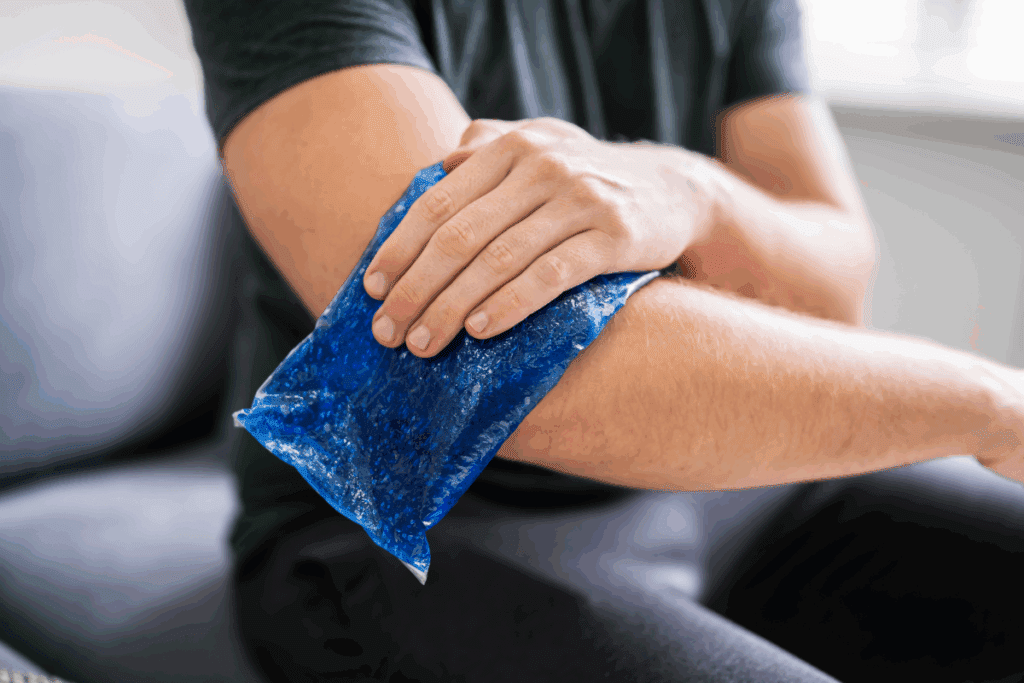
Tendonitis is a condition that causes pain and swelling in the tendons. Tendons are like ropes that connect muscles to bones. They help us move and stay flexible. When tendonitis happens, it can make everyday tasks hard, so finding good treatments is important. The Simple truth about Ice Therapy for Tendonitis. When is it the Best choice, and when is it the Worst?
Cold therapy is often suggested for tendonitis. It helps by reducing swelling and easing pain. Knowing how ice therapy works can help manage tendonitis better.
Key Takeaways
- Tendonitis is a common condition that causes inflammation and pain in the tendons.
- Ice therapy is a recommended treatment for reducing tendonitis symptoms.
- Cold therapy can help in reducing inflammation and numbing pain.
- Understanding the role of ice therapy is key for managing tendonitis well.
- Tendons connect muscles to bones, and their health is vital for mobility.
Understanding Tendonitis: Causes, Symptoms, and Impact

Knowing the causes and symptoms of tendonitis is key to managing it well. Tendonitis happens when tendons, which connect muscles to bones, get inflamed. It can be caused by repetitive strain, sudden injury, or wear and tear over time.
Common Types of Tendonitis
Tendonitis can affect different parts of the body, leading to various types. Here are some common ones:
- Achilles Tendonitis: Affects the tendon connecting the calf muscles to the heel bone.
- Tennis Elbow: Involves the tendons on the outer aspect of the elbow.
- Rotator Cuff Tendonitis: Affects the tendons surrounding the shoulder joint.
- Patellar Tendonitis: Involves the tendon connecting the kneecap to the shinbone.
The Inflammation Process in Tendons
The inflammation in tendons is a complex response to injury or strain. When a tendon gets hurt, the body sends more blood to the area, causing inflammation. This process involves chemicals that help heal but can also cause pain and swelling.
Chronically elevated inflammatory cytokines can mess up the tendon’s healing, leading to chronic tendonitis. Knowing this helps us find better ways to treat it.
The Science Behind Ice Therapy for Tendonitis
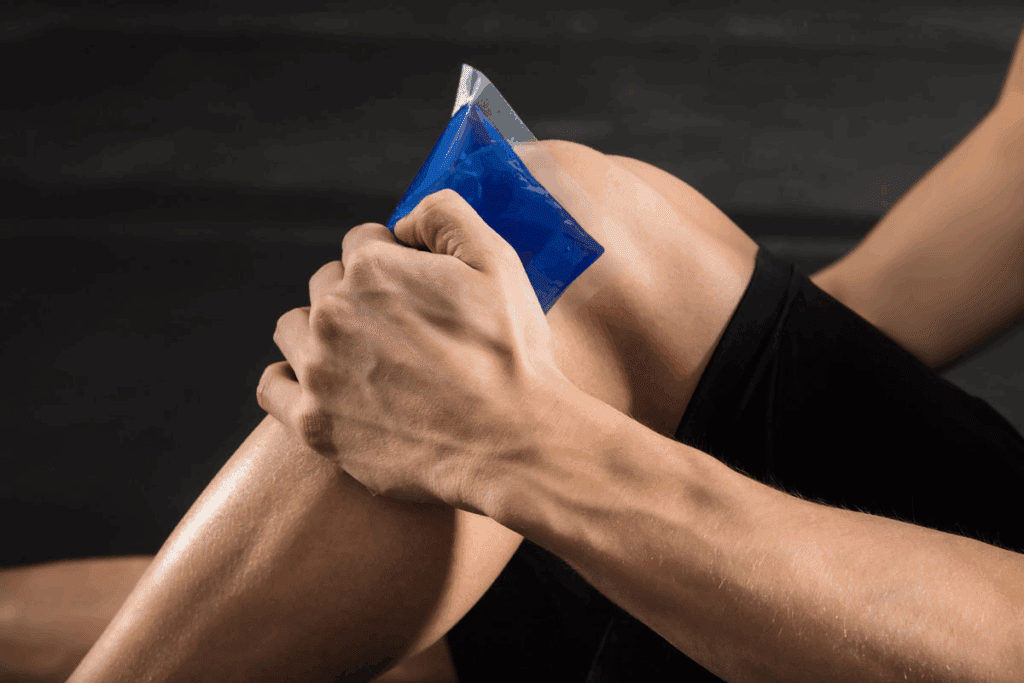
Ice therapy for tendonitis works by changing how the body reacts to injury. It helps lessen pain and swelling. This method, also known as cryotherapy, is used to treat many muscle and tendon injuries.
How Cold Affects Inflamed Tissues
Cold temperatures directly affect inflamed tissues. They lower the metabolic rate and oxygen demand. This helps reduce tissue damage from inflammation.
Cold also cuts down on the release of molecules that cause inflammation and pain. This is key in treating tendonitis.
Vasoconstriction, or narrowing of blood vessels, is another cold therapy effect. It reduces blood flow to the area, which helps decrease swelling and inflammation. But, the body will increase blood flow to warm the area back up.
Physiological Response to Cold Application
The body responds to cold in several ways. First, cold causes vasoconstriction, which reduces blood flow. This decrease in blood flow means fewer inflammatory cells and chemicals reach the injured tendon, reducing inflammation.
Cold therapy also affects nerve signals, making it harder for pain to reach the brain. This is important in managing tendonitis pain. Plus, it helps keep tissue function and supports healing.
Knowing how ice therapy works is key to getting the most out of it. By using cold therapy correctly, people with tendonitis can see a big improvement in their symptoms and recovery.
Immediate Benefits of Ice Therapy for Tendonitis
Ice therapy is a key treatment for tendonitis. It quickly reduces pain and swelling. This makes it a popular choice for managing tendonitis symptoms.
Pain Reduction Mechanisms
Ice therapy is great for easing pain. Cold temperatures numb the nerves, reducing pain signals to the brain. This gives quick relief to those with tendonitis.
The cold also decreases metabolic rate. This means less oxygen demand in the affected area. It helps prevent further tissue damage.
Swelling Control Through Vasoconstriction
Ice therapy also helps control swelling. Cold causes vasoconstriction, or blood vessel narrowing. This limits swelling.
By reducing swelling, ice therapy reduces pressure on the affected tendon. This eases some of the discomfort from inflammation.
Ice therapy’s effects on pain and swelling make it a powerful treatment. Understanding how it works helps manage tendonitis better. It improves recovery outcomes.
When to Apply Ice Therapy in the Tendonitis Timeline
Managing tendonitis well means knowing when to use ice therapy. Tendonitis goes through three main stages: acute, subacute, and chronic. It’s key to know when to ice during these stages for the best recovery.
Acute Phase Treatment
In the acute phase, which starts right after injury, ice is most helpful. It reduces pain, swelling, and inflammation. Ice the area for 15-20 minutes, every 2-3 hours.
Cold therapy guidelines say to use ice packs or cold compresses in a towel to protect your skin.
Subacute Phase Considerations
The subacute phase comes after the acute phase. Now, the goal is to help healing, not just reduce inflammation. Ice therapy is helpful, but you might use it less often.
Watch how your body reacts and adjust your treatment as needed. Some people find alternating between ice and heat helps during this time.
Chronic Tendonitis and Cold Therapy
For chronic tendonitis, ice helps with ongoing pain and flare-ups. But, the treatment is different from the acute phase. Chronic tendonitis might need a more detailed plan, including other treatments with ice.
It’s important to follow cold therapy guidelines and talk to a healthcare expert for a treatment plan that fits you.
In summary, knowing when to ice is key in managing tendonitis at all stages. By understanding when to ice, you can improve your recovery and outcomes.
Proper Ice Application Techniques for Optimal Results
To get the most out of ice therapy for tendonitis, knowing how to apply it is key. When done right, ice therapy can greatly lessen pain and swelling. This helps in the healing process.
Direct vs. Indirect Application Methods
There are two main ways to apply ice for tendonitis: direct and indirect. Direct application means putting the ice pack right on your skin over the hurt area. But, you have to be careful to avoid ice burns. It’s best to wrap the ice pack in a cloth or towel first.
Indirect application uses ice packs or cold compresses wrapped in a cloth. Then, you apply it to the hurt area. This method is safer and can work just as well as direct application if done right.
Duration and Frequency Guidelines
How long and how often you use ice therapy matters a lot. Ice should be applied for 15 to 20 minutes at a time. Make sure to wait at least 30 minutes before applying it again. Start with ice every 2-3 hours during the early stages of tendonitis.
| Application Method | Duration | Frequency |
| Direct (with cloth barrier) | 15-20 minutes | Every 2-3 hours |
| Indirect (cold compress) | 15-20 minutes | Every 2-3 hours |
Watch how your skin reacts to cold therapy. Adjust the time and how often you apply it if needed. If you feel numbness or tingling, take the ice pack off right away.
Different Cold Therapy Options for Tendon Injuries
Cold therapy is a flexible treatment for tendon injuries. It offers many options to meet different needs. Choosing the right cold therapy is key to a good recovery.
Ice Packs and Homemade Solutions
Ice packs are a common and easy-to-find cold therapy option. You can buy them or make your own with ice cubes in a cloth or a bag of frozen peas. Their simplicity makes them a top pick for starting treatment.
Benefits of Ice Packs: They are cheap, simple to use, and can be applied directly to the injury. But, they lose cooling power as they thaw, affecting their effectiveness.
Cold Compression Devices
Cold compression devices mix cold therapy with compression for better results. They are great for swelling and pain management.
How Cold Compression Devices Work: They have a cooled, compressive cuff or wrap for the injured area. This combo is more effective than ice packs alone in fighting inflammation and aiding healing.
“The combination of cold therapy and compression has been shown to be highly effective in managing post-traumatic and post-operative pain and swelling.” –
Journal of Orthopaedic Surgery and Research
Cryotherapy Chambers and Professional Options
Cryotherapy chambers, or cold chambers, are a more advanced cold therapy option. They use liquid nitrogen or cold air to cool the body.
- Cryotherapy chambers offer whole-body cooling, good for systemic inflammation and recovery.
- Professional cryotherapy sessions are supervised by healthcare experts, ensuring safety.
In conclusion, there are many cold therapy options for tendon injuries. People can pick the best one for their needs. Whether it’s ice packs, cold compression devices, or cryotherapy chambers, cold therapy is a key part of tendonitis treatment.
The RICE Protocol: Beyond Just Icing
The RICE protocol is key for treating acute injuries. It includes Rest, Ice, Compression, and Elevation. This method helps reduce pain, swelling, and injury risk. It speeds up recovery.
Rest Components
Rest is the first and most important part of RICE. It means avoiding activities that make the injury worse. Complete rest is best at first, but some movement is also needed to avoid stiffness.
Ice Application
Ice is vital for pain and swelling reduction. Cold therapy narrows blood vessels, cutting down blood flow. Proper icing techniques include using ice for 15-20 minutes, several times a day, in the first 48 hours.
Compression Techniques
Compression works with ice to lessen swelling. It uses bandages or sleeves to restrict swelling. Elastic bandages are good because they offer needed compression without harming circulation.
Elevation Strategies
Elevation raises the injured limb above the heart to reduce swelling. Gravity helps by decreasing blood flow. Consistent elevation in the early stages is very beneficial for healing.
Using all parts of the RICE protocol helps the body heal from acute injuries well.
Potential Risks and Contraindications of Ice Therapy
It’s important to know the risks of ice therapy for safe treatment of tendonitis. Ice therapy is a common treatment but comes with its own set of risks.
Frostbite and Tissue Damage Concerns
Frostbite and tissue damage are major risks with ice therapy. Cold temperatures can harm skin and tissues if used too long. To avoid this, limit ice time and use a barrier.
Precautions to avoid frostbite include:
- Limiting ice application to 15-20 minutes at a time
- Using a towel or cloth between the ice pack and skin
- Avoiding direct contact between ice and skin
- Monitoring skin temperature and sensation during application
Medical Conditions That Preclude Cold Therapy
Some medical conditions make ice therapy risky or require extra care. People with these conditions should talk to their doctor before using ice therapy.
Conditions that may require caution or alternative treatments include:
- Circulation problems or Raynaud’s disease
- Diabetes, specially with neuropathy
- Skin conditions or hypersensitivity
- Poor sensation or nerve damage in the affected area
Knowing these risks and taking the right steps can help make ice therapy safe for treating tendonitis.
The Debate: Ice vs. Heat for Tendonitis
For a long time, doctors and patients have debated whether ice or heat is better for tendonitis. Each method has its supporters. The choice often depends on how severe the tendonitis is.
Ice therapy, or cryotherapy, is often used to lower inflammation and pain in the early stages of tendonitis. But, heat therapy is also important, mainly in the later stages.
When Heat May Be More Beneficial
Heat therapy involves using heat to increase blood flow and reduce stiffness. It’s more beneficial in some cases:
- Chronic tendonitis: Heat helps with long-term pain and stiffness.
- Pre-exercise: Heat before exercise gets the tendon ready.
- Muscle relaxation: Heat therapy relaxes the muscles around the tendon.
Alternating Protocols and Their Effectiveness
Some doctors suggest switching between ice and heat for better results. This mix of therapies works well for some patients.
| Therapy Type | Benefits | Best Used For |
| Ice Therapy | Reduces inflammation, numbs pain | Acute injuries, immediate post-exercise |
| Heat Therapy | Increases blood flow, relaxes muscles | Chronic pain, pre-exercise warm-up |
| Alternating Therapy | Combines benefits of both, enhances recovery | Subacute phase, stubborn cases of tendonitis |
Choosing ice, heat, or alternating therapy depends on the person’s condition and how they react to treatment. It’s important to talk to a healthcare professional to find the best treatment plan.
Scientific Evidence Supporting Ice Therapy for Tendonitis
Ice therapy for tendonitis is supported by scientific research. This section looks at the studies and expert opinions that back its use.
Clinical Studies and Their Findings
Many studies have shown ice therapy’s benefits for tendonitis. A study in the Journal of Orthopaedic & Sports Physical Therapy found it reduces pain in Achilles tendonitis patients.
Key findings from recent studies include:
- Reduced pain and inflammation
- Improved functional outcomes
- Enhanced recovery rates
These studies show strong evidence for ice therapy as a first-line treatment for tendonitis.
| Study | Sample Size | Key Findings |
| Journal of Orthopaedic & Sports Physical Therapy | 100 | Cryotherapy reduced pain in Achilles tendonitis patients |
| American Journal of Sports Medicine | 50 | Cold therapy improved functional outcomes in patellar tendonitis |
Expert Opinions and Medical Consensus
Experts in sports medicine and orthopedics recommend ice therapy for tendonitis. The American Academy of Orthopaedic Surgeons says it’s good for reducing pain and inflammation.
Medical professionals agree that ice therapy helps tendonitis recovery when used right.
Specific Applications for Different Types of Tendonitis
Understanding the right ice therapy for tendonitis is key. Tendonitis can hit different parts of the body. So, treatment must match the area and how bad it is.
Achilles Tendonitis Icing Protocols
Achilles tendonitis is common. It affects the tendon from the calf to the heel. To treat it, ice the back of the ankle for 15-20 minutes, three to four times a day.
Wrap the ice in a towel to avoid skin contact and frostbite. A cold compression wrap can add extra benefits by providing both cold and compression.
Tennis Elbow Cold Therapy Approaches
Tennis elbow, or lateral epicondylitis, hits the outside of the elbow. Ice the lateral elbow for 10-15 minutes, several times a day.
A study showed cold therapy with compression helps with pain and function in tennis elbow.
Rotator Cuff Tendonitis Icing Techniques
Rotator cuff tendonitis affects the shoulder tendons, causing pain and limited mobility. Ice the shoulder area for 15-20 minutes, several times a day.
Patellar Tendonitis Cold Treatment
Patellar tendonitis, or jumper’s knee, affects the tendon from the kneecap to the shinbone. Ice the front of the knee for 10-15 minutes, repeated often.
Here’s a quick guide to icing protocols for different tendonitis types:
| Type of Tendonitis | Icing Protocol | Frequency |
| Achilles Tendonitis | 15-20 minutes | 3-4 times a day |
| Tennis Elbow | 10-15 minutes | Several times a day |
| Rotator Cuff Tendonitis | 15-20 minutes | Several times a day |
| Patellar Tendonitis | 10-15 minutes | Multiple times a day |
A sports medicine specialist says, “Consistency and proper application are key for ice therapy. Educate patients on the right techniques for cold therapy benefits.”
Combining Ice Therapy with Other Treatment Modalities
Using ice therapy with other treatments can make it more effective for tendonitis. This way, you get a complete treatment plan. It covers all parts of tendonitis care.
Anti-inflammatory Medications and Cold Therapy
Anti-inflammatory drugs, like NSAIDs, help with tendonitis pain and swelling. Ice therapy works with these drugs to reduce swelling. Ice narrows blood vessels, while NSAIDs fight inflammation all over the body. This mix is great for the early stages of tendonitis.
Always talk to a doctor before taking any medication. They can help with the right dose and any side effects.
Physical Therapy Complementary Approaches
Physical therapy is key in treating tendonitis. Ice therapy helps with pain and swelling, making physical therapy easier. Exercises like stretching, strengthening, and improving range of motion are tailored for the tendon.
- Stretching exercises to improve flexibility
- Strengthening exercises to build resilience in the tendon
- Range-of-motion exercises to maintain or improve joint mobility
Massage and Manual Therapy Integration
Massage and manual therapy add value to a treatment plan with ice therapy. They help blood flow to the area, aiding healing. Ice therapy fights swelling, while massage and manual therapy break up scar tissue.
It’s important to have a skilled therapist for these treatments. They can adjust the techniques to fit your needs.
Long-term Management: When to Stop Relying on Ice
Tendonitis recovery is more than just ice. Knowing when to move on is important. Once the swelling goes down, focus on healing and strengthening the tendon.
Transitioning to Rehabilitation Exercises
Starting rehabilitation exercises is a big step in recovery progression. These exercises help strengthen the tendon and improve flexibility. It’s important to start slowly to avoid injury.
Eccentric exercises, like heel drops for Achilles tendonitis, are very helpful. They make the tendon stronger.
- Begin with easy exercises and make them harder as you get better.
- Always do exercises correctly to avoid injury.
- Regular exercise is better than doing a lot at once.
Indicators of Healing and Recovery Progression
It’s important to watch for healing indicators to see if treatment is working. Look for:
- Less pain when moving or resting.
- Being able to move more easily without stiffness.
- The tendon getting stronger from exercises.
As you get better, you can slowly go back to your usual activities. Always listen to your body and don’t push too hard, or you might get worse.
Good long-term management of tendonitis includes exercises, lifestyle changes, and sometimes physical therapy or orthotics. Regular visits to healthcare professionals help adjust the treatment plan as needed.
Modern Alternatives to Traditional Ice Therapy
Looking for ways to ease tendonitis pain has led to new alternative therapies. Ice therapy is a classic, but today, there are many new treatments. These can be used alone or with ice to help with tendonitis.
These new methods aim to target tendonitis pain more effectively. Some top options include:
- Therapeutic ultrasound
- Laser therapy
- Electrical stimulation treatments
Therapeutic Ultrasound
Therapeutic ultrasound sends high-frequency sound waves to help heal tendons. It’s a non-invasive way to boost blood flow. This can speed up recovery and reduce inflammation.
Ultrasound for tendonitis offers several benefits:
- It helps heal tissues by increasing blood flow
- It reduces swelling and inflammation
- It makes tissues more elastic
Laser Therapy Options
Laser therapy, or low-level laser therapy (LLLT), uses light to help repair tendons. It’s thought to boost cell function and speed up healing.
Laser therapy for tendonitis may help in several ways:
- It can lessen pain and swelling
- It aids in faster tissue repair
- It improves movement
Electrical Stimulation Treatments
Electrical stimulation, like TENS, uses currents to make muscles contract. This can help heal tendons and reduce pain. It also strengthens muscles around the tendon.
Electrical stimulation for tendonitis offers several benefits:
- It can reduce pain by affecting nerves
- It strengthens muscles
- It boosts blood flow
These new treatments offer hope for those with tendonitis. Knowing about these options helps both patients and doctors choose the best care for each case.
Preventing Tendonitis Recurrence After Recovery
To stop tendonitis from coming back, you need a strong plan. This plan should include exercises and changes in your daily life. Keeping your tendons healthy is key to avoiding tendonitis again.
Strengthening Programs for Vulnerable Tendons
Building strong tendons is vital, if they’re prone to tendonitis. You should do eccentric exercises and concentric exercises. For example, calf raises on a step can help with Achilles tendonitis.
Don’t forget to add flexibility and mobility exercises to your routine. These help keep your tendons flexible and reduce stiffness. Regular stretching is also important for tendon health.
Activity Modification Strategies
Changing how you do activities is key to preventing tendonitis. You might need to change your technique, do things less often or with less intensity, or use ergonomic equipment to ease the strain.
For athletes, getting help from a coach or trainer is helpful. They can adjust your training to lower the risk of tendonitis coming back.
By mixing strengthening exercises with changes in how you do activities, you can greatly lower the chance of tendonitis returning.
Conclusion: The Role of Ice Therapy in Tendonitis Treatment
Ice therapy is key in treating tendonitis. It helps ease symptoms and aids in healing. Knowing about tendonitis helps see how ice therapy works.
Ice therapy cuts down pain, swelling, and inflammation. It’s a big part of the RICE method. Using it right can make it even more effective.
Ice therapy works best with other treatments like physical therapy and medicine. Together, they help people get better and stay that way. This way, ice therapy is a big part of recovery.
Using ice therapy with other treatments leads to better results. It helps people feel better and get back to their usual activities.
FAQ
What is tendonitis and how does it occur?
Tendonitis is when a tendon gets inflamed. This usually happens from too much strain, overuse, or sudden injury. It causes pain and makes it hard to move the affected area.
How does ice therapy help with tendonitis?
Ice therapy helps by reducing pain and swelling. It does this by making blood vessels smaller and numbing the area. This helps in the healing process.
What are the immediate benefits of using ice therapy for tendonitis?
Ice therapy quickly reduces pain and swelling. It does this by making blood vessels smaller. This helps manage the first symptoms of tendonitis.
When is the best time to apply ice therapy for tendonitis?
Ice therapy works best in the first 48-72 hours after injury or when symptoms start. This is during the acute phase.
How often should I apply ice therapy for tendonitis?
For the best results, apply ice for 15-20 minutes every 2-3 hours as needed. Do this during the acute phase.
Are there different methods for applying ice therapy?
Yes, you can use ice packs directly or cold compression devices indirectly. The choice depends on the area affected and what you prefer.
What are the risks associated with ice therapy?
Risks include frostbite and tissue damage from using ice too long or too often. Some medical conditions may also make it unsafe.
Can ice therapy be used alongside other treatments for tendonitis?
Yes, ice therapy can be used with anti-inflammatory drugs, physical therapy, and massage. It’s part of a full treatment plan.
How do I know when to stop using ice therapy?
Stop using ice therapy when symptoms lessen and you can start rehabilitation exercises. Always follow a healthcare professional’s advice.
Are there alternatives to traditional ice therapy for tendonitis?
Yes, alternatives include ultrasound, laser therapy, and electrical stimulation. These can be considered based on your condition and professional advice.
How can tendonitis recurrence be prevented?
To prevent recurrence, strengthen vulnerable tendons, modify activities, and do proper warm-up and cool-down exercises.
Is heat or ice better for tendonitis?
Ice is usually better for acute tendonitis because of its anti-inflammatory effects. Heat is better for chronic tendonitis to relax muscles and improve blood flow.
What is the RICE protocol, and how does it relate to ice therapy?
The RICE protocol is Rest, Ice, Compression, and Elevation. It’s a first-line treatment for acute injuries, including tendonitis. Ice therapy is a key part of this approach.
References
- Bleakley, C. M., McDonough, S. M., & MacAuley, D. C. (2004). The Use of Ice in the Treatment of Acute Soft-Tissue Injury: A Systematic Review of Randomized Controlled Trials. American Journal of Sports Medicine, 32(1), 251-261. https://www.ncbi.nlm.nih.gov/pmc/articles/PMC2491915/
- Herbert, R. D., & Gabriel, M. (2002). Effects of icing on inflammation, swelling, and pain after acute soft tissue injury: a systematic review. Journal of Orthopaedic & Sports Physical Therapy, 32(1), 1-5.https://www.sciencedirect.com/topics/immunology-and-microbiology/cold-treatment