Last Updated on November 27, 2025 by Bilal Hasdemir
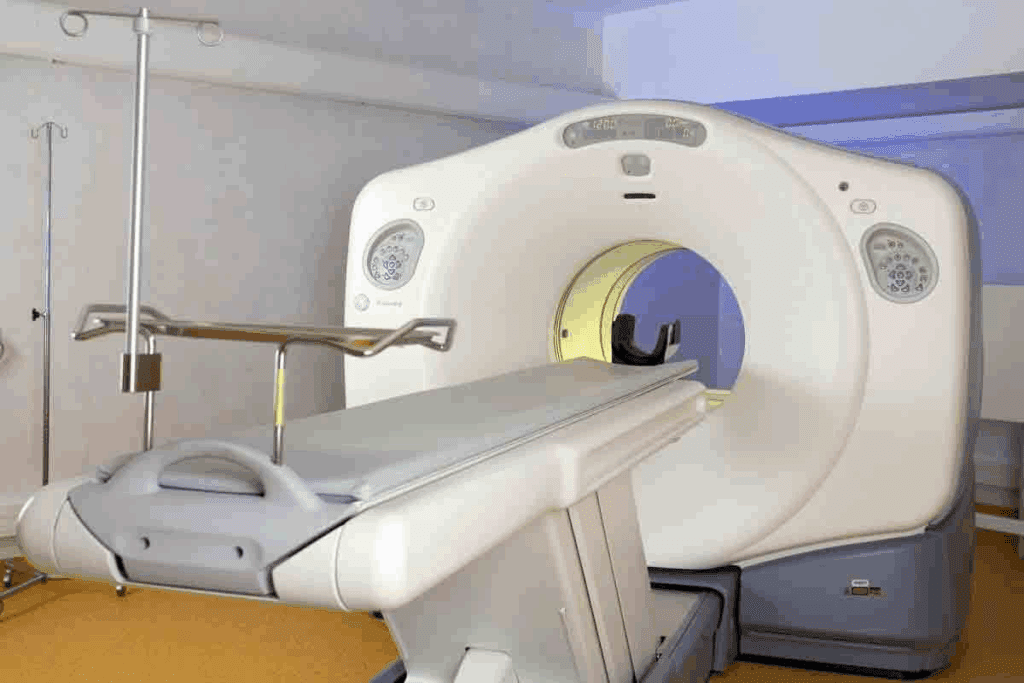
Positron Emission Tomography (PET) scans are key in finding cancer. They use a radioactive tracer to show where cancer cells are. This is because cancer cells use more energy than normal cells.Find out if pet scan is negative does that no cancer and whether a negative PET scan means no cancer at all.
PET scans are very good at finding cancer. But, they’re not 100% accurate. A negative PET scan doesn’t always mean there’s no cancer. This is because PET scans can miss some cancer cells.
Liv Hospital helps patients understand PET scans. They explain what a negative result really means. This helps patients know what to expect.
Key Takeaways
- PET scans detect cancer by highlighting areas of high metabolic activity.
- A negative PET scan does not necessarily mean cancer is absent.
- The accuracy of PET scans can be influenced by several factors.
- Liv Hospital’s approach focuses on patient understanding and clarity.
- PET scans are a key tool in finding cancer.
Understanding PET Scans and Their Role in Cancer Detection
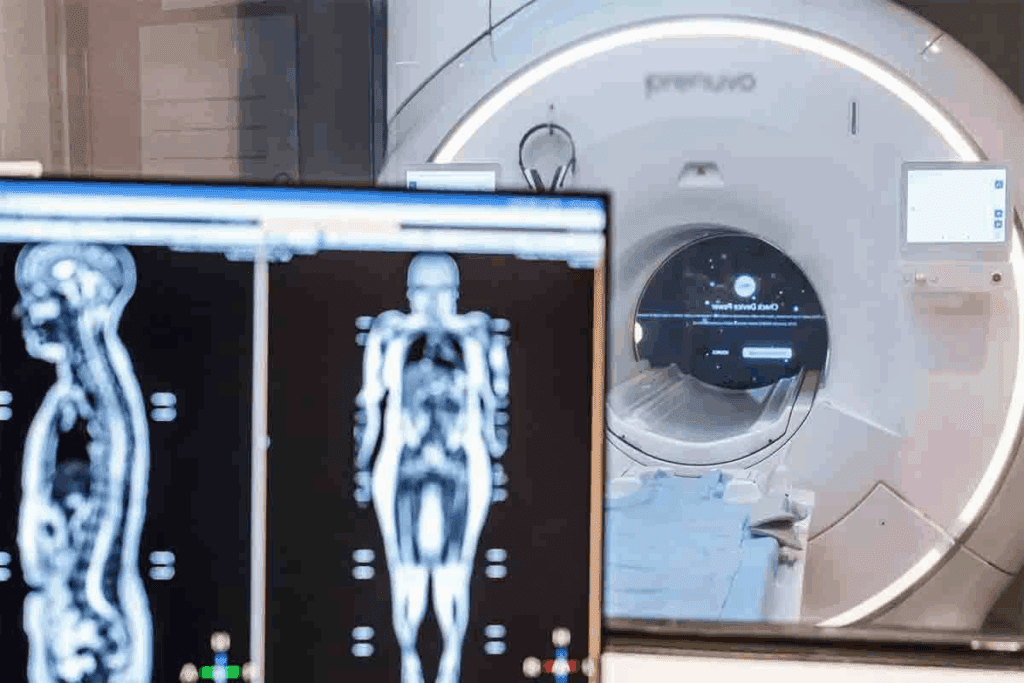
PET scans have changed how we find cancer. They let us see how the body works. PET scans are key in fighting cancer.
What Is a PET Scan?
A PET scan uses a special drug to show how the body works. This drug, called a tracer, is taken up by cells. Cancer cells take up more because they work harder.
How PET Scans Work to Detect Cancer
Getting a PET scan starts with a special drug. This drug is Fluorodeoxyglucose (FDG), a sugar that cells need. The PET scanner then finds this drug in the body.
It makes pictures of where the drug is most active. This shows where cancer might be. Studies on PubMed Central show that PET scans are good at finding cancer.
PET scans work best on cancers that use a lot of energy. They are often used with other scans to get a full picture of the cancer. This helps doctors decide how to treat it.
Types of Cancer Most Effectively Detected by PET Scans
PET scans can find many kinds of cancer. They are best at finding:
- Lymphoma
- Melanoma
- Colorectal cancer
- Breast cancer
- Lung cancer
Experts say PET scans are very important in fighting cancer. They help doctors know how big the cancer is and how well it’s responding to treatment.
| Cancer Type | Effectiveness of PET Scan |
| Lymphoma | High |
| Melanoma | High |
| Colorectal Cancer | Moderate to High |
| Breast Cancer | Moderate |
| Lung Cancer | High |
In summary, PET scans are key in finding and managing cancer. They give important information about tumors. But it’s also important to know their limits for accurate diagnosis and treatment.
The Science Behind PET Scan Accuracy Rates
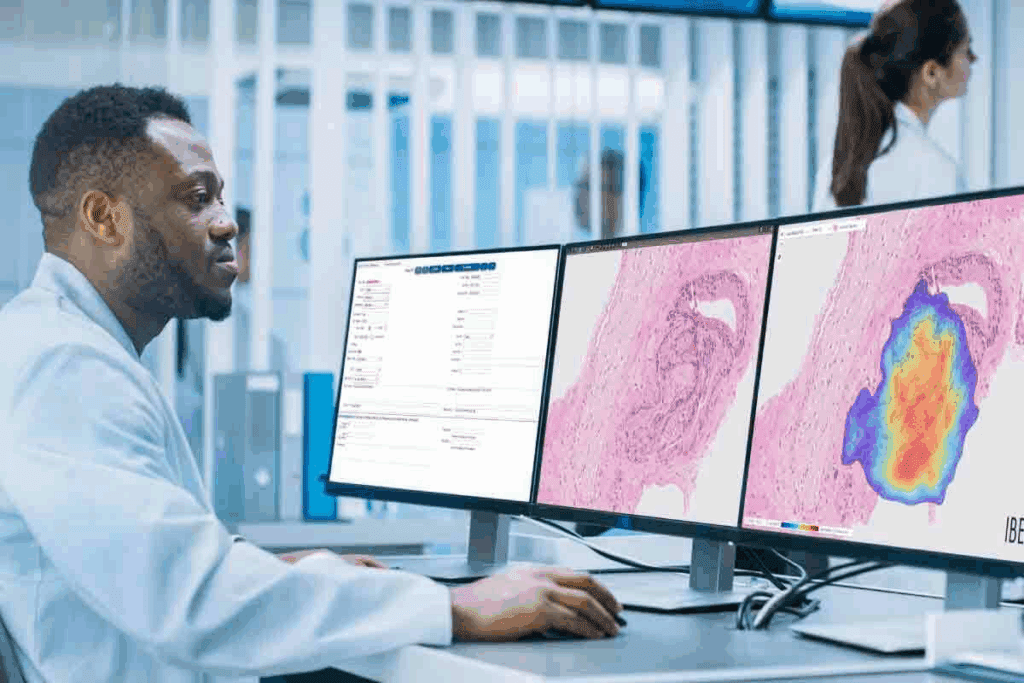
Knowing how accurate PET scans are is key for both patients and doctors in the battle against cancer. PET scans work well because they show how active tumors are metabolically. This helps doctors find cancer early.
Sensitivity vs. Specificity in Cancer Imaging
Sensitivity means a test can spot those with cancer right. Specificity means it can also spot those without cancer correctly. Both are important for making sure diagnoses are right.
- Sensitivity helps find cancer early, so patients can get treatment fast.
- Specificity is key to avoiding false alarms that cause extra worry and tests.
Current Accuracy Statistics for PET Scans
Research shows PET scans are pretty accurate. They have 85-95 percent sensitivity and 80-90 percent specificity. This makes them a reliable tool for doctors.
| Accuracy Metric | Percentage Range |
| Sensitivity | 85-95% |
| Specificity | 80-90% |
Recent Technological Advances Improving Accuracy
New tech in PET scans has made them even better. These include:
- Better detectors for more precise readings.
- New algorithms for clearer images.
- Working with CT and MRI for more info.
These updates have made PET scans even more useful for finding and managing cancer.
If Pet Scan Is Negative Does That Mean No Cancer
A negative PET scan doesn’t always mean there’s no cancer. Some things can affect how accurate the scan is. PET scans are very helpful in finding cancer, but they’re not perfect.
Understanding Negative PET Scan Results
A negative PET scan means the scan didn’t find any cancer. But, it doesn’t mean cancer is definitely not there. Cancers that are small or don’t use much glucose might not show up on a PET scan.
The timing of the PET scan also matters. If it’s done too soon after treatment, it might not show the cancer’s true state.
Types of Cancer That May Be Missed
Some cancers are harder to find with PET scans than others. These include:
- Cancers with low metabolic activity
- Small tumors
- Cancers located in areas with high background activity (e.g., the brain)
For example, certain types of lymphoma or small pancreatic cancers might not show up well on PET scans. This shows why we need to use PET scans with other tests too.
Clinical Significance of Negative Findings
A negative PET scan can mean a lot for patient care. It can show if a treatment is working or if cancer hasn’t spread. But it’s very important to look at the whole picture. Doctors need to consider the PET scan with other tests and the patient’s overall health.
“A negative PET scan should not be taken as definitive proof that cancer is absent. It’s one piece of the diagnostic puzzle.”
In short, a negative PET scan is helpful but not a sure sign of no cancer. Knowing what PET scans can and can’t do is key. Using them as part of a full diagnostic plan helps find cancer accurately and plan treatments well.
Factors Affecting PET Scan Reliability
PET scans help find cancer by using special imaging. But many things can make these scans less reliable. Knowing what affects them helps doctors understand the results better.
Tumor Size and Metabolic Activity
The size and how active a tumor is matter a lot. Small tumors might not show up if they don’t use much of the tracer. But tumors that use a lot of energy can be found, even if they’re small.
How small a tumor can be found is also important. Tumors under 8-10 mm can be hard to spot, unless they’re very active.
Patient-Related Factors
Things about the patient can also change how reliable PET scans are. For example, blood sugar levels can affect how much tracer a tumor takes in. High blood sugar can make tumors harder to find.
Other things like body type and health conditions can also play a part. For example, inflammation can make non-cancerous tissues look like tumors on the scan.
Technical and Procedural Variables
How well the PET scan is done also matters. The quality of the scanner, the scan protocol, and who reads the scan can all affect the results.
| Technical Factor | Impact on PET Scan Reliability |
| Scanner Quality | High-quality scanners provide more accurate and detailed images. |
| Scan Protocol | Standardized protocols ensure consistency in scan performance. |
| Interpreter Expertise | Experienced interpreters can more accurately identify abnormalities. |
Timing of Scans in Relation to Treatment
When a PET scan is done can also matter. Scans too soon after treatment might not show how well the treatment worked. This is because of healing processes that can make tumors look like they’re not there.
On the other hand, scans done too long after treatment might miss signs of cancer coming back. So, timing the PET scan right is key to getting accurate results.
False Negatives: When PET Scans Miss Cancer
PET scans are very accurate,t can miss cancer sometimes. This is a big worry because it can delay treatment. It can also affect how well a patient does.
Causes of False Negative Results
There are several reasons why PET scans might miss cancer. Small tumor size is a big one; tiny tumors are hard to spot. Also, tumors that don’t take up much tracer are missed.
Other reasons include the type of cancer and when the scan is done. Some cancers are harder to find because they don’t use much energy. Technical problems during the scan can also cause false negatives.
Cancer Types Most Prone to False Negatives
Some cancers are harder to find with PET scans than others. For example, certain types of lymphoma and prostate cancer are tricky. This is because they don’t use much energy or are very small.
| Cancer Type | Detection Challenge |
| Lymphoma | Low metabolic activity |
| Prostate Cancer | Small tumor size, low uptake |
| Breast Cancer | Variable metabolic activity |
Case Studies and Research Findings
Studies have shown that PET scans can miss some cancers. A study found that PET scans miss a lot of small tumors. It said, “The sensitivity of PET scans for detecting tumors less than 1 cm was significantly lower compared to larger tumors.” More research is needed to make PET scans better at finding cancer.
“The use of PET scans has revolutionized cancer diagnosis, but it’s vital to understand their limitations, including the risk of false negatives.”
Expert Opinion
It’s important for doctors and patients to know about PET scan limits. While they are very useful, they are not perfect.
By knowing about false negatives and using other tests too, doctors can get better at diagnosing cancer. This helps in making treatment plans that work better.
False Positives: When PET Scans Indicate Cancer Incorrectly
PET scans are great for finding cancer, but they’re not perfect. Sometimes, they show cancer when there isn’t any. This can lead to extra tests and worry.
Do PET Scan Hot Spots Always Mean Cancer?
PET scan hot spots don’t always mean cancer. They can be caused by many things,ike inflammation or normal body functions. It’s important to know why these spots appear to make the right diagnosis.
Common Causes of PET Scan Hot Spots:
- Infection or inflammation
- Post-surgical changes
- Benign tumors
- Normal physiological uptake
Non-Cancerous Conditions That Can Mimic Cancer on PET
Some non-cancerous conditions can look like cancer on PET scans. These include:
| Condition | Description |
| Infection | Can cause increased glucose metabolism, mimicking cancer |
| Inflammation | Inflammatory processes can lead to false positives |
| Granulomatous Disease | Conditions like sarcoidosis can cause PET scan hot spots |
Distinguishing Between Malignant and Benign Uptake
It’s hard to tell if a PET scan shows cancer or not. Doctors need to look at the whole picture, including the scan’s details and the patient’s health. Clinical correlation is essential for accurate results.
Knowing about false positives and conditions that look like cancer helps doctors. This way, they can avoid unnecessary treatments and make sure patients get the right care.
Integrating PET Scans with Other Diagnostic Methods
Using PET scans with other methods is key to fully understanding cancer. PET scans show how tumors work, but they work best with other tests. This way, doctors get a clearer picture of the disease.
Complementary Imaging Techniques
Using PET scans with other imaging helps a lot. CT scans show the body’s structure, and MRI scans detail soft tissues. Together, PET, CT, or MRI scans give doctors both what’s happening inside and where it is.
PET/CT fusion imaging is common in cancer care. It helps pinpoint tumors accurately. This makes diagnosis and treatment planning more precise.
The Role of Biopsies in Confirming PET Findings
PET scans hint at cancer, but biopsies are the surest way to know. A biopsy looks at tissue samples under a microscope. It gives a clear diagnosis.
When PET scans show something odd, biopsies can tell if it’s cancer. This is key when PET scans are unclear or show false positives.
Multi-Modality Approach to Cancer Diagnosis
Diagnosing cancer involves using PET scans, other imaging, biopsies, and doctors’ opinions. This method gives a full view of the disease. It helps doctors tailor treatments to each patient.
By mixing different diagnostic tools, doctors can better diagnose cancer. They can avoid mistakes and create better treatment plans.
Clinical Applications and Decision-Making Based on PET Results
PET scan results are key in deciding cancer treatment. Doctors use them to plan treatments, track disease, and check if treatments are working.
How Oncologists Interpret and Use PET Scan Data
Oncologists look at PET scan data to see how tumors are working. High activity means the cancer is growing fast. Low activity might mean the cancer is not growing or is responding to treatment.
Impact on Treatment Planning and Monitoring
PET scan results change how doctors plan treatments. If a tumor is very active, doctors might suggest stronger treatments. But if activity goes down after treatment, it’s a good sign.
When Additional Testing Is Recommended Despite Negative PET
Even with a negative PET scan, more tests might be needed. This is true for cancers that PET scans can miss.
Patient Discussions About PET Scan Limitations
Doctors should talk to patients about PET scan limits. They need to know PET scans are very good but not perfect. Patients should understand the chance of false results.
Knowing how PET scans help in treatment decisions helps patients. Good talks between doctors and patients lead to better choices.
Conclusion: The Value and Limitations of PET Scans in Cancer Diagnosis
PET scans have changed how we diagnose cancer. They help find and understand cancer types. Studies show they are very accurate for many cancers.
But, PET scans are not without flaws. They can sometimes miss or incorrectly identify cancer. Knowing their strengths and weaknesses is key to using them right.
The value of PET scans comes from their detailed look at tumors. This helps doctors decide on treatments and track how the disease is progressing. Yet, it’s also important to know their limitations, like how big the tumor is or how active it is.
Healthcare teams can make the most of PET scans by using them with other tests. This way, they can get accurate diagnoses and create effective treatment plans. The PET scan accuracy is vital in cancer care. Research is ongoing to make them even better.
FAQ
How accurate is a PET scan for detecting cancer?
PET scans are very good but not 100% accurate. Many things can affect their accuracy, like the tumor and the patient’s health.
Can a PET scan miss cancer?
Yes, PET scans can miss some cancers. This is more likely with tumors that don’t use a lot of energy.
What types of cancer are most effectively detected by PET scans?
PET scans work best for cancers that use a lot of energy. This includes lymphoma, melanoma, and some lung cancers.
Do PET scan hot spots always mean cancer?
No, hot spots on PET scans don’t always mean cancer. Other conditions can also show up as hot spots.
Can PET scans be wrong?
Yes, PET scans can give false results. It’s important to know their limits to make accurate diagnoses.
How reliable are PET scans?
PET scans are a good tool for finding cancer. But their reliability depends on several factors, like the tumor and the patient’s health.
If a PET scan is negative, does that mean no cancer?
No, a negative PET scan doesn’t always mean there’s no cancer. It’s more likely to miss cancers that don’t use a lot of energy.
Are PET scans accurate for all types of cancer?
No, PET scans aren’t the same for all cancers. Their accuracy changes based on the cancer type and how active it is.
Can a PET scan confirm cancer?
A PET scan can suggest cancer, but it’s not always enough. Doctors often use biopsies to confirm the diagnosis.
What is the role of biopsies in confirming PET findings?
Biopsies are key in confirming PET scan results. They’re used when the scan is unclear or suggests cancer.
How do oncologists interpret and use PET scan data?
Oncologists look at PET scan data with the patient’s overall health in mind. They use it to plan and check treatment.
Are PET scans reliable for monitoring treatment response?
Yes, PET scans are good for tracking how well treatment is working. They show changes in tumor activity.
References
- Almuhaideb, A., Papathanasiou, N., & Bomanji, J. (2011). 18F-FDG PET/CT imaging in oncology. PET Clinics, 6(4), 247-262. Retrieved from https://pmc.ncbi.nlm.nih.gov/articles/PMC3101722/